
Nutrition comparison
Ice Plant vs Purslane: Which Edible Succulent Is Actually Better for You?
Purslane crushes Ice Plant on omega-3s and vitamins, but Ice Plant wins on texture and lower oxalates. Full nutritional comparison with practical recommendations.
Overall winner · Purslane
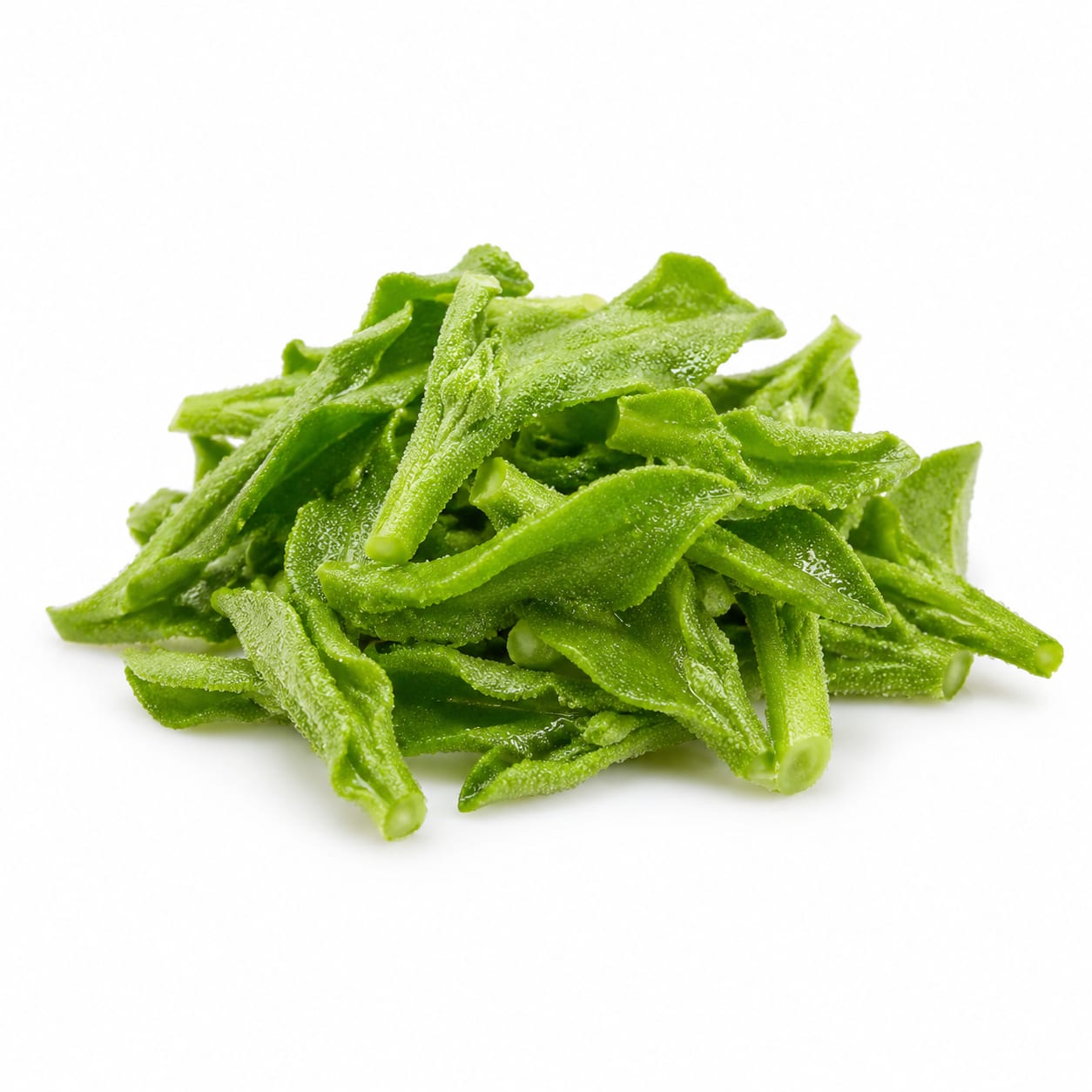
Ice Plant
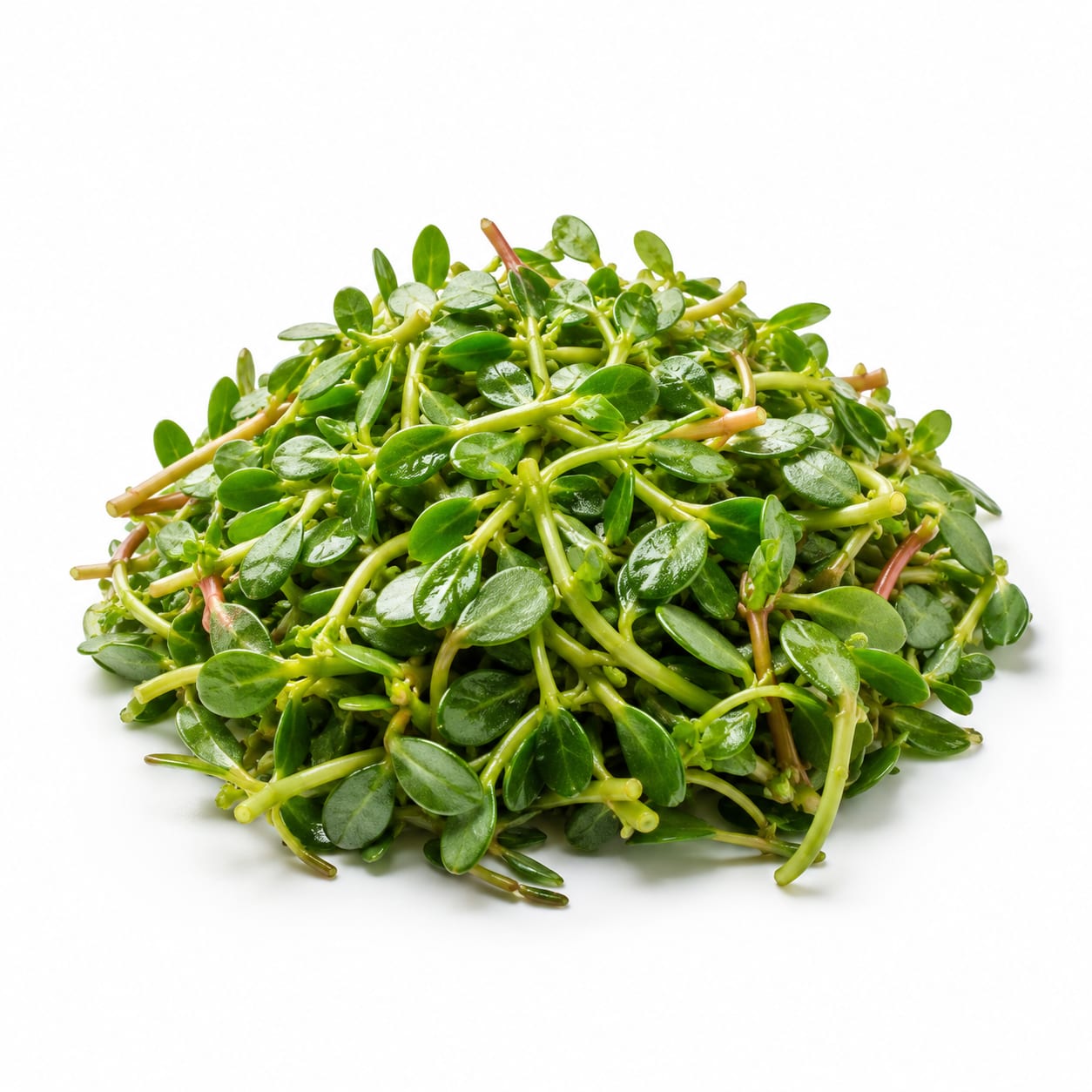
Purslane
Purslane is the clear nutritional winner thanks to its exceptional omega-3 content and broader vitamin profile, while Ice Plant offers a unique crunchy texture and milder flavor for those who prioritize culinary experience.
Purslane scores notably higher due to its rare omega-3 content for a leafy green, superior vitamin A and C levels, and wider availability. Ice Plant is not unhealthy but offers less nutritional firepower and is harder to source consistently.
Purslane delivers significantly more anti-inflammatory omega-3s and vitamins A and C, but Ice Plant provides a more approachable texture and less tangy flavor for picky eaters.
At a glance
Executive summary
Overall
Purslane
Healthier
Purslane
More practical
Purslane
Daily use
Purslane
Key comparison lenses
omega-3 and anti-inflammatory potential
Purslane is one of the richest plant sources of alpha-linolenic acid, making this the single most important differentiator between these two succulent greens
vitamin and mineral density comparison
Both are nutrient-dense wild greens, but their micronutrient profiles differ significantly and drive real health outcomes
oxalate and kidney stone risk
Both contain oxalates, which matters for susceptible individuals choosing between them
culinary versatility and accessibility
Ice Plant offers unique texture but is harder to find; Purslane is more widely available and easier to cook with
foraging safety and contamination
Both are often foraged rather than farmed, raising questions about soil contamination and proper identification
Best choice for
Ice Plant
- People who find Purslane too tangy or slimy
- Diners wanting a visually striking salad garnish
- Those seeking a milder gateway into edible succulents
- Home cooks prioritizing crunch and texture over nutrition
Purslane
- Anyone wanting plant-based omega-3s without supplements
- People fighting chronic inflammation
- Budget-conscious foragers looking for widespread wild greens
- Those seeking maximum micronutrient density per calorie
Least suitable for
Ice Plant
- People needing strong omega-3 intake from food
- Those on sodium-restricted diets due to its natural saltiness
- Anyone far from specialty markets or coastal foraging spots
Purslane
- People with a history of calcium oxalate kidney stones
- Those on blood thinners who must monitor vitamin K intake
- Anyone unfamiliar with safe foraging identification
Deep comparison
Dimension by dimension
Each lens scores both foods and breaks down who each option suits.
- Dimension 1 · Priority 95Purslane
omega-3 fatty acid content
Ice Plant · 15Purslane · 88Purslane is one of the best leafy green sources of alpha-linolenic acid in the entire plant kingdom. Ice Plant contains negligible omega-3s by comparison.
Tradeoff
You would need to eat enormous quantities of Ice Plant to get anywhere near the omega-3s in a single serving of Purslane.
Why it matters
Plant-based omega-3s reduce inflammation, support heart health, and are hard to find in vegetables. Purslane fills this gap unusually well.
Real-world impact
Regular Purslane consumption can meaningfully contribute to your omega-3 intake without fish or supplements. Ice Plant cannot do this.
Ice Plant
- Situations where omega-3 intake is already covered by other foods
Better for
- Those relying on leafy greens as a primary omega-3 source
Worse for
Purslane
- Vegetarians and vegans needing plant omega-3s
- People with inflammatory conditions like arthritis
- Anyone wanting to reduce reliance on fish oil supplements
Better for
- People already exceeding omega-3 targets through other foods
Worse for
- Dimension 2 · Priority 88Purslane
vitamin and mineral density
Ice Plant · 48Purslane · 82Purslane delivers significantly more vitamin A, vitamin C, potassium, and magnesium. Ice Plant provides some minerals but has a thinner nutritional resume.
Tradeoff
Purslane works harder for you per bite. Ice Plant contributes hydration and some minerals but cannot match the micronutrient breadth.
Why it matters
Vitamin A supports vision and immunity. Potassium helps blood pressure. These add up to real health differences over time.
Real-world impact
A cup of Purslane covers a meaningful chunk of your daily vitamin A needs. Ice Plant covers very little by comparison.
Ice Plant
- Dishes where the green is a minor garnish rather than a nutritional contributor
Better for
- People relying on it as a significant vitamin source
Worse for
Purslane
- Anyone trying to maximize nutrient intake from greens
- People who eat small portions and need density per bite
- Those at risk of vitamin A or C deficiency
Better for
- Those who struggle with its slightly sour flavor and eat less of it
Worse for
- Dimension 3 · Priority 85Purslane
antioxidant and anti-inflammatory profile
Ice Plant · 45Purslane · 80Purslane contains betalains, melatonin, and omega-3s that actively fight inflammation. Ice Plant has some antioxidants but a less studied and less potent profile.
Tradeoff
Purslane is a functional food with documented anti-inflammatory compounds. Ice Plant is more of a pleasant addition than a therapeutic one.
Why it matters
Chronic inflammation drives heart disease, diabetes, and aging. Food choices that fight it matter more than most people realize.
Real-world impact
Eating Purslane regularly could meaningfully lower inflammatory markers. Ice Plant would have a much smaller effect.
Ice Plant
- People who find strongly flavored anti-inflammatory foods unpalatable
Better for
- Those specifically seeking anti-inflammatory benefits from greens
Worse for
Purslane
- Anyone with chronic inflammatory conditions
- Older adults concerned about age-related inflammation
- People wanting food to work like mild medicine
Better for
- People on anti-inflammatory medication who need to avoid excess vitamin K
Worse for
- Dimension 4 · Priority 80Ice Plant
oxalate content and kidney stone risk
Ice Plant · 65Purslane · 40Both contain oxalates, but Purslane has notably higher levels, making it riskier for people prone to calcium oxalate kidney stones.
Tradeoff
Purslane's nutritional advantages come with a real oxalate cost. Ice Plant is the safer bet for kidney health if you are susceptible.
Why it matters
For the roughly 10% of people who form kidney stones, high-oxalate greens can trigger painful episodes.
Real-world impact
If you have had kidney stones, Purslane should be eaten cautiously and possibly cooked to reduce oxalates. Ice Plant is less risky.
Ice Plant
- People with a history of calcium oxalate kidney stones
- Those who need to follow a low-oxalate diet
Better for
- Those who assume all wild greens are equally safe in unlimited amounts
Worse for
Purslane
- People with no kidney stone history who can tolerate oxalates
Better for
- Anyone with compromised kidney function
- People who have had oxalate kidney stones before
Worse for
- Dimension 5 · Priority 72Ice Plant
culinary experience and palatability
Ice Plant · 78Purslane · 58Ice Plant offers a satisfying crunch and a unique glistening texture that elevates salads visually and texturally. Purslane is slightly slimy when cooked and has a tangy flavor not everyone enjoys.
Tradeoff
Ice Plant is more fun to eat and looks beautiful on a plate. Purslane is more nutritious but requires more culinary skill to make appealing.
Why it matters
People eat what tastes good. The best nutritional profile means nothing if it sits uneaten in the fridge.
Real-world impact
A picky eater is more likely to enjoy Ice Plant in a salad. Purslane may need to be hidden in soups or smoothies for reluctant eaters.
Ice Plant
- Entertaining and dinner parties where presentation matters
- Introducing skeptical eaters to edible succulents
- Raw salads where crunch is essential
Better for
- Cooked applications where the signature crunch is lost
Worse for
Purslane
- Cooked dishes where texture concerns disappear
- Cuisines that already embrace tangy flavors like Mexican or Middle Eastern
Better for
- Raw preparations for people who dislike mucilaginous textures
Worse for
- Dimension 6 · Priority 68Purslane
availability and foraging practicality
Ice Plant · 35Purslane · 72Purslane grows as a common weed in gardens and farms worldwide and is increasingly available at farmers markets. Ice Plant is primarily found in specialty stores or coastal foraging.
Tradeoff
Purslane is easier to find, forage, and afford. Ice Plant requires more effort and often more money to source.
Why it matters
Consistency matters. A green you can actually get regularly beats one that is theoretically superior but rarely available.
Real-world impact
You can probably find Purslane growing in your neighborhood right now. Ice Plant likely requires a trip to a specialty grocer or coastal area.
Ice Plant
- Coastal residents with easy access to wild Ice Plant
- Shoppers at well-stocked specialty or Asian markets
Better for
- Inland residents without specialty markets
- People who want a set-and-forget weekly green
Worse for
Purslane
- Home gardeners who want an easy edible weed
- Budget-conscious foragers
- Anyone wanting reliable weekly access
Better for
- Urban dwellers in areas where soil contamination makes foraging unsafe
Worse for
Timeline
Health impact over time
Short-term
Hours to days
Ice Plant
- Refreshing hydration from high water content
- Mild sodium intake from natural saltiness
- Light, low-calorie addition that will not weigh you down
Purslane
- Quick boost of vitamin C supporting immune function
- Noticeable hydration effect from succulent leaves
- Mild digestive stimulation from its tangy, slightly sour flavor
Long-term
Months to years
Ice Plant
- Modest contribution to daily mineral intake if eaten regularly
- Low risk of overconsumption due to limited availability and mild flavor
- Minimal anti-inflammatory benefit compared to more potent greens
Purslane
- Meaningful reduction in inflammatory markers from regular omega-3 intake
- Improved cardiovascular risk profile from ALA and potassium
- Potential kidney stone risk if consumed in large amounts by susceptible individuals
Risk profile
Safety & processing
Both Ice Plant and Purslane are whole, unprocessed wild greens typically eaten fresh. Neither carries meaningful processing concerns. The main consideration is how and where they were grown, as both can accumulate environmental contaminants from soil.
Ice Plant
soil and roadside contamination
mediumIce Plant readily absorbs heavy metals and salts from soil. Foraged plants near roads or industrial areas may carry elevated contaminant levels.
misidentification with ornamental ice plant
mediumSome ornamental Carpobrotus species are not well-documented as food. Foragers should confirm they are harvesting a culinary variety.
natural sodium content
lowIce Plant is naturally salty due to salt glands. People on strict sodium-restricted diets should account for this.
Purslane
high oxalate content
mediumPurslane contains significant oxalates that can contribute to kidney stone formation in susceptible people. Cooking reduces but does not eliminate them.
foraging misidentification
mediumPurslane has lookalikes like spurge that are toxic. The key difference is Purslane's thick, succulent stems versus spurge's thin, milky-sapped stems.
vitamin K and medication interactions
lowPurslane contains vitamin K which can interfere with blood thinners like warfarin. Patients on anticoagulants should maintain consistent intake.
Who wins for whom
Audience fit
Same foods, different winners depending on your goal.
children
Ice PlantIce Plant's fun, crunchy texture and mild flavor are more kid-friendly. Purslane's tangy, slightly slimy texture often gets rejected by young eaters.
daily consumption
PurslanePurslane's broader nutritional profile and easier availability make it more practical as a daily green, assuming no kidney stone issues.
diabetes
PurslanePurslane's omega-3s, fiber, and magnesium support better blood sugar regulation. Its anti-inflammatory properties also help counter diabetes-related inflammation.
elderly
PurslanePurslane's anti-inflammatory compounds, omega-3s, and higher potassium are especially valuable for older adults managing cardiovascular and joint health.
muscle gain
It dependsNeither is a meaningful protein source. Both are irrelevant for muscle gain as standalone foods and would need to be paired with protein-rich items.
weight loss
PurslaneBoth are extremely low in calories, but Purslane's higher fiber and omega-3 content provide more satiety and metabolic benefit per serving.
Your move
Decision guide
Choose Ice Plant
- You want a visually stunning, crunchy addition to salads and dishes
- You or your family find Purslane too tangy or off-putting texturally
- You have a history of kidney stones and need a lower-oxalate green
- You live near the coast and can forage Ice Plant easily
Choose Purslane
- You want the most nutrition per bite from a leafy green
- You are vegetarian or vegan and need plant-based omega-3s
- You have no kidney stone concerns and want maximum anti-inflammatory benefit
- You enjoy foraging and want a widely available wild green
Either works if
- You simply want a low-calorie, hydrating green to bulk up meals
- You rotate your greens regularly and want variety in your diet
- You have access to both and enjoy different textures on different days
Avoid both if
- You are on a strict low-oxalate diet and cannot tolerate either green
- You are unsure about safe foraging identification in your area
- You have reason to suspect soil contamination where plants are growing
Final recommendation
Make Purslane your default choice for its unmatched omega-3 content and richer vitamin profile. Use Ice Plant when you want a textural showpiece or when serving eaters who find Purslane unappealing. If kidney stones are a concern, Ice Plant becomes the safer everyday option. Both deserve a place in a diverse diet, but Purslane works harder for your health per serving.
Practical
Consumer tips
- 1
If you forage Purslane, always check for the characteristic thick, reddish stem and lack of milky sap to distinguish it from toxic spurge
- 2
Cooking Purslane reduces oxalate content by 30-87%, making it safer for kidney health while retaining most nutrients
- 3
Ice Plant's natural saltiness means you can use less added salt in dishes where it appears
- 4
Both greens wilt quickly after harvesting. Use within 1-2 days of picking or purchasing for best texture and nutrition
- 5
If you cannot find fresh Purslane, some farmers markets and Mexican or Middle Eastern grocers carry it regularly under names like verdolaga
- 6
Blending Purslane into smoothies is an easy way to get its benefits if you dislike its texture