
Nutrition comparison
Ice Plant vs Romaine: Which Leafy Green Is Better for You?
Compare Ice Plant and Romaine lettuce on nutrition, minerals, sodium, availability, and food safety. Find out which green fits your diet and when to choose each one.
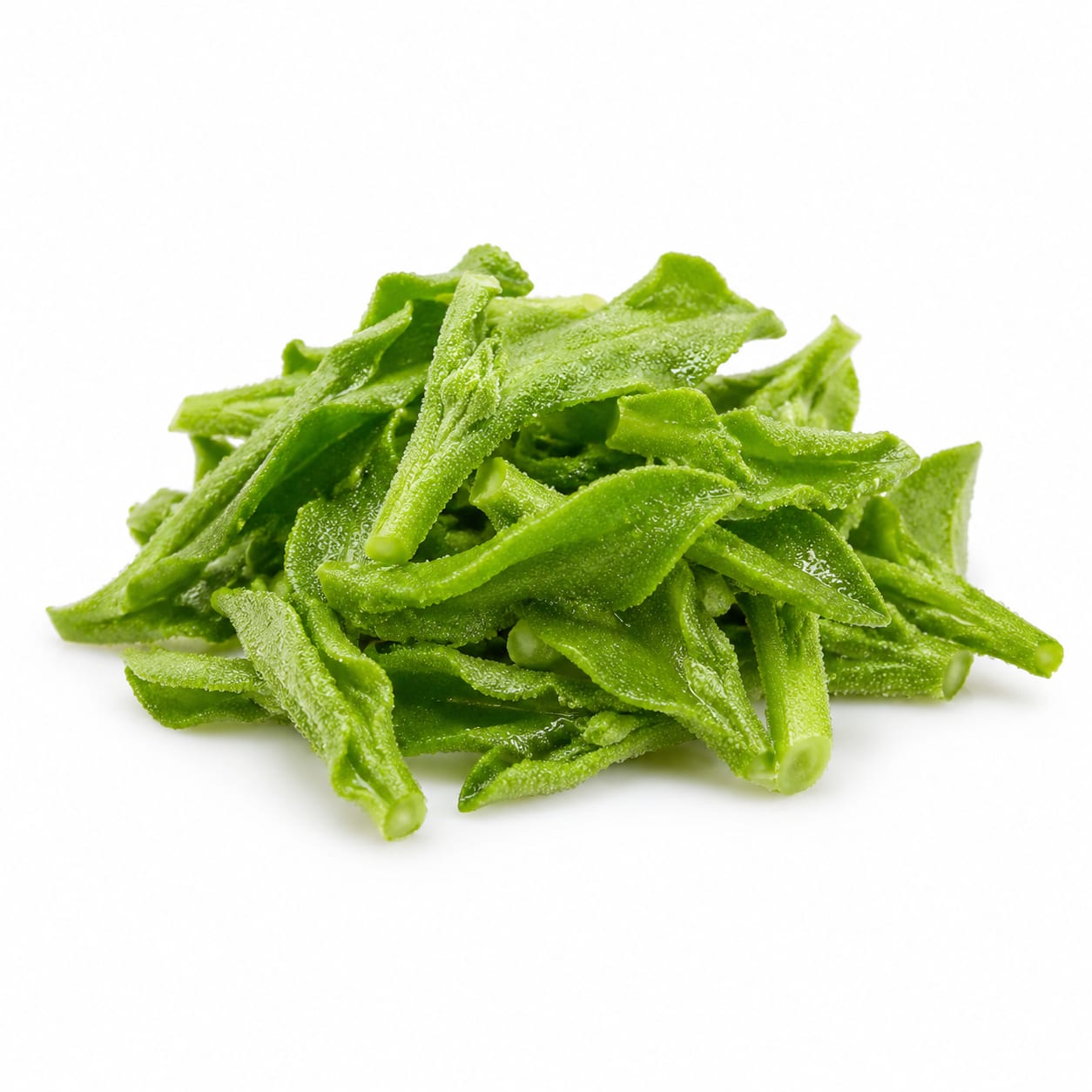
Ice Plant
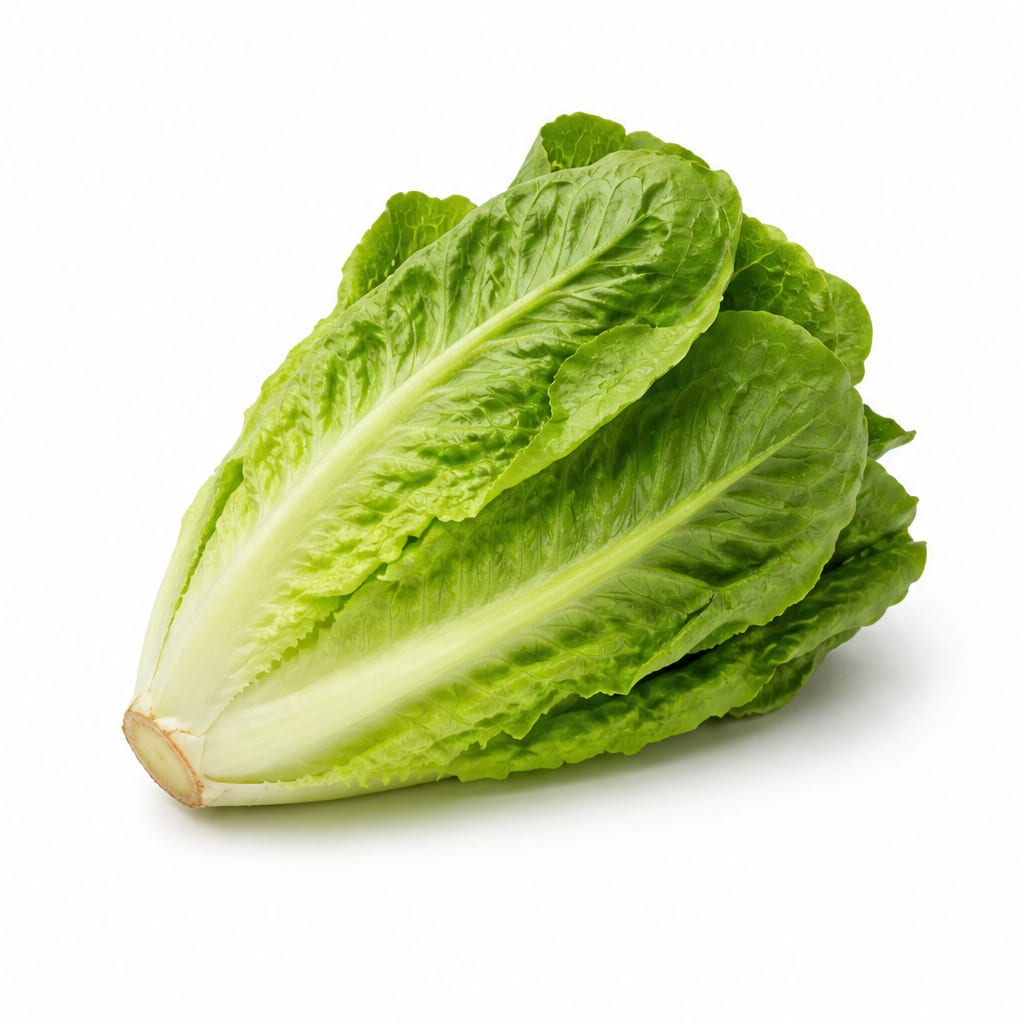
Romaine
Romaine wins on accessibility, vitamin K, and everyday practicality. Ice Plant wins on unique minerals, antioxidants, and culinary novelty. Neither dominates the other outright.
Romaine scores higher mainly due to accessibility, affordability, and consistent vitamin content. Ice Plant is nutritionally interesting but limited by availability, cost, and higher sodium. The gap is moderate because both are genuinely healthy choices with different strengths.
Romaine is the reliable daily workhorse with broad availability and proven nutrition. Ice Plant is the specialty upgrade with coastal minerals and a satisfying crunch, but harder to find and naturally higher in sodium.
At a glance
Executive summary
Overall
It depends
Healthier
It depends
More practical
Romaine
Daily use
Romaine
Key comparison lenses
salad green selection for everyday nutrition
Both are leafy greens used primarily in salads, so users want to know which delivers more value per bite
mineral and micronutrient density comparison
Ice Plant is known for its unique mineral content from coastal growing conditions, while Romaine is a vitamin K and folate powerhouse
practicality and availability for regular meals
Romaine is ubiquitous in grocery stores; Ice Plant is specialty and harder to find consistently
sodium and salt awareness
Ice Plant naturally accumulates salt, which matters for sodium-conscious eaters
food safety and contamination risk
Romaine has had notable E. coli outbreaks, while Ice Plant's supply chain is smaller and less industrialized
Best choice for
Ice Plant
- Adventurous eaters wanting novel textures and flavors
- People seeking extra trace minerals like magnesium and calcium
- Those looking for antioxidant variety beyond standard greens
- Home chefs plating visually striking dishes
- Anyone bored with standard salad greens
Romaine
- Budget-conscious shoppers needing affordable daily greens
- People monitoring sodium intake closely
- Anyone meal-prepping salads for the week
- Families needing widely available, kid-friendly greens
- Those prioritizing vitamin K and folate
Least suitable for
Ice Plant
- People on strict low-sodium diets
- Anyone without access to specialty or farmers markets
- Those needing large bulk quantities affordably
Romaine
- People avoiding greens with repeated food safety recalls
- Anyone seeking mineral-dense greens beyond the basics
- Those wanting a more interesting or complex flavor profile
Deep comparison
Dimension by dimension
Each lens scores both foods and breaks down who each option suits.
- Dimension 1 · Priority 93Romaine
Vitamin and Micronutrient Density
Ice Plant · 58Romaine · 82Romaine delivers significantly more vitamin K, folate, and vitamin A. Ice Plant offers some vitamin C and unique trace minerals but cannot match Romaine's vitamin profile.
Tradeoff
Ice Plant brings minerals you rarely get from other greens, but Romaine covers the essential vitamins most people actually need more of.
Why it matters
Vitamin K and folate deficiencies are more common than mineral deficiencies for most people eating a varied diet.
Real-world impact
A single serving of Romaine covers over 100% of daily vitamin K needs. Ice Plant cannot match that for any single vitamin.
Ice Plant
- Trace mineral supplementation
- Dietary variety in micronutrient sources
Better for
- Reliance on it for core vitamin needs
Worse for
Romaine
- Meeting daily vitamin K requirements
- Boosting folate intake naturally
- Supporting bone density through vitamin K
Better for
- Getting excited about mineral diversity
Worse for
- Dimension 2 · Priority 87Ice Plant
Mineral Content and Electrolytes
Ice Plant · 79Romaine · 55Ice Plant accumulates magnesium, calcium, potassium, and other trace minerals from its coastal growing environment. It naturally outshines Romaine in mineral diversity.
Tradeoff
More minerals come with more sodium. Ice Plant's salt content is a double-edged sword depending on your health goals.
Why it matters
Many people fall short on magnesium and potassium. Ice Plant offers a food-based way to get these, but the sodium package deal requires awareness.
Real-world impact
After sweaty exercise, Ice Plant's mineral profile could feel more replenishing. For someone with hypertension, the sodium is a drawback.
Ice Plant
- Post-workout mineral replenishment
- People needing electrolyte support
- Those eating mostly unseasoned food who benefit from natural saltiness
Better for
- People on sodium-restricted diets
Worse for
Romaine
- Sodium-sensitive individuals
- Anyone already consuming adequate minerals from other sources
Better for
- Active individuals needing electrolyte variety
Worse for
- Dimension 3 · Priority 72Ice Plant
Hydration and Water Content
Ice Plant · 85Romaine · 78Both are highly hydrating, but Ice Plant's succulent nature gives it even more water content per gram. Its crystalline bladder cells store moisture visibly.
Tradeoff
More water means lower nutrient density per volume. You need to eat more Ice Plant by weight to match Romaine's vitamin content.
Why it matters
In hot climates or for people who struggle to drink enough water, high-water greens can meaningfully contribute to hydration.
Real-world impact
A large Ice Plant salad on a summer day feels genuinely refreshing and hydrating in a way Romaine approaches but does not quite match.
Ice Plant
- Hot climate hydration support
- People who forget to drink enough water
- Refreshing summer meals
Better for
- Nutrient-dense meal construction
Worse for
Romaine
- Getting more nutrients per bite
- Meal prep where excess moisture is problematic
Better for
- Maximum hydration from food
Worse for
- Dimension 4 · Priority 80Ice Plant
Antioxidant and Phytonutrient Profile
Ice Plant · 76Romaine · 65Ice Plant contains unique antioxidants including betacyanins and flavonoids not commonly found in standard salad greens. Romaine has standard carotenoids and some polyphenols but less diversity.
Tradeoff
Novel antioxidants sound impressive, but the clinical evidence for Ice Plant's specific compounds is thinner than for the well-studied carotenoids in Romaine.
Why it matters
Antioxidant diversity matters for long-term health, but proven benefits count more than theoretical ones.
Real-world impact
Rotating Ice Plant into your greens routine adds antioxidant variety. Relying solely on Romaine means missing those unique compounds.
Ice Plant
- Antioxidant variety seekers
- People eating the same greens daily who need diversity
Better for
- Anyone wanting extensively researched antioxidant benefits
Worse for
Romaine
- Evidence-based nutrition choices
- Proven beta-carotene and lutein intake
Better for
- Breaking out of a nutritional rut
Worse for
- Dimension 5 · Priority 90Romaine
Availability and Practicality
Ice Plant · 30Romaine · 92Romaine is available in virtually every grocery store year-round at low cost. Ice Plant is a specialty item found mainly at farmers markets, specialty stores, or through online seed suppliers for home growing.
Tradeoff
You cannot eat what you cannot find. Ice Plant's nutritional advantages are irrelevant if it is not accessible where you shop.
Why it matters
Consistency beats perfection. A green you can buy every week matters more than a superior one you see once a month.
Real-world impact
Most people reading this can get Romaine within 15 minutes. Ice Plant might require a special trip or mail order.
Ice Plant
- Home gardeners willing to grow their own
- People near specialty markets or coastal farms
Better for
- Anyone without specialty market access
- Time-pressed shoppers
Worse for
Romaine
- Weekly grocery runs
- Budget meal planning
- Consistent daily salad habits
Better for
- Culinary exploration and novelty
Worse for
- Dimension 6 · Priority 75It depends
Culinary Versatility and Flavor
Ice Plant · 70Romaine · 72Romaine is a neutral, crisp base that works in everything from Caesar salads to wraps to grilled sides. Ice Plant offers a unique salty-tangy flavor and satisfying crunch but is less versatile due to its distinct taste.
Tradeoff
Romaine adapts to any dish. Ice Plant demands dishes built around its personality.
Why it matters
Versatility determines how often a food actually gets used versus sitting in the fridge going bad.
Real-world impact
Romaine disappears into whatever you cook. Ice Plant announces itself and needs to be the star or a deliberate complement.
Ice Plant
- Showcase salads where the green is the hero
- Dishes that benefit from natural saltiness
- Garnishing and plating for visual impact
Better for
- Blending into background flavors
Worse for
Romaine
- Everyday salads with varied dressings
- Lettuce wraps and sandwich layers
- Grilled or charred preparations
Better for
- Standing out as a conversation-starting ingredient
Worse for
- Dimension 7 · Priority 78Romaine
Fiber and Digestive Health
Ice Plant · 62Romaine · 73Romaine provides more fiber per serving thanks to its denser leaf structure. Ice Plant's high water content dilutes its fiber concentration.
Tradeoff
Ice Plant's mucilaginous pectin content is gentle on digestion, but you get less total fiber per serving compared to Romaine.
Why it matters
Fiber intake directly affects satiety, gut health, and blood sugar stability. More fiber per bite generally wins.
Real-world impact
A Romaine salad keeps you full longer. An Ice Plant salad feels lighter and more hydrating but less filling.
Ice Plant
- People with sensitive digestion who need gentle fiber
- Light meals where heaviness is unwanted
Better for
- Using it as a primary fiber source
Worse for
Romaine
- Satiety and fullness between meals
- Gut microbiome feeding
- Blood sugar stabilization
Better for
- Situations calling for delicate, easy-on-the-stomach greens
Worse for
Timeline
Health impact over time
Short-term
Hours to days
Ice Plant
- Noticeable hydration boost after eating due to very high water content
- Mild saltiness may reduce the urge to add table salt to your meal
- Light, refreshing feeling rather than heavy fullness
Romaine
- Satisfying crunch that makes meals feel more substantial
- Quick vitamin K and folate contribution toward daily targets
- Filling enough to reduce between-meal snacking
Long-term
Months to years
Ice Plant
- Unique mineral intake may support electrolyte balance if eaten regularly
- Antioxidant diversity from novel phytonutrients could complement a varied diet
- Sodium contribution adds up if Ice Plant is a daily staple without adjustment elsewhere
Romaine
- Consistent vitamin K intake supports bone density and cardiovascular health
- Folate contribution benefits cell repair and is especially important during pregnancy
- Well-established long-term health benefits from decades of population research
Risk profile
Safety & processing
Both greens are sold fresh and minimally processed. Ice Plant is often grown on smaller specialty farms with less industrial handling. Romaine's mass production means more processing steps between field and bag, though the product itself remains a whole food.
Ice Plant
Sodium accumulation
mediumIce Plant naturally concentrates salt from its growing environment. Regular large consumption could contribute meaningfully to daily sodium intake, which matters for blood pressure management.
Limited food safety track record
lowBecause Ice Plant is produced on a small scale, there is less safety surveillance data. No major outbreaks have been reported, but the absence of data is not the same as absence of risk.
Romaine
E. coli and bacterial contamination
highRomaine has been linked to multiple significant E. coli outbreaks in recent years. Industrial growing and processing conditions contribute to this recurring issue. Always wash thoroughly and check recall notices.
Pesticide residue
mediumAs a widely grown conventional crop, Romaine frequently appears on pesticide residue watchlists. Choosing organic reduces this concern substantially.
Who wins for whom
Audience fit
Same foods, different winners depending on your goal.
children
RomaineRomaine's mild flavor and wide availability make it an easy introduction to leafy greens. Ice Plant's salty-tangy taste and texture can be polarizing for young palates.
daily consumption
RomaineAvailability, affordability, and a well-documented nutritional profile make Romaine the more sustainable daily choice for most people.
diabetes
RomaineRomaine's higher fiber content slows glucose absorption more effectively. Ice Plant's natural sodium is also a secondary concern for diabetic patients who often have cardiovascular comorbidities.
elderly
RomaineOlder adults benefit most from Romaine's vitamin K for bone health and folate for cognitive support. Ice Plant's sodium content is a concern for this age group.
muscle gain
It dependsNeither green is a significant protein source. Ice Plant offers slightly more minerals that support muscle function, but the difference is negligible in the context of an overall diet.
weight loss
RomaineRomaine's higher fiber content per calorie provides more satiety, making it easier to eat larger volumes that keep you full without overconsuming calories.
Your move
Decision guide
Choose Ice Plant
- You have access to a specialty market or farmers market that stocks Ice Plant regularly
- You want to add mineral diversity and antioxidant variety to your greens rotation
- You enjoy slightly salty, tangy flavors and want a green that seasons itself
- You are growing your own greens and want something unique and drought-tolerant
- You are bored with standard salad greens and need culinary inspiration
Choose Romaine
- You need a reliable, affordable green available at any grocery store
- You are monitoring sodium intake for blood pressure or kidney health
- You want maximum vitamin K and folate per dollar spent
- You meal-prep salads and need a sturdy green that holds up for days
- You are feeding a family and need consistent, kid-friendly options
Either works if
- You simply want more leafy greens in your diet and both are available
- You are rotating greens for nutritional diversity anyway
- You are making a mixed salad that could benefit from both textures
Avoid both if
- You have a specific leafy green allergy or sensitivity
- You are on a very strict vitamin K restriction due to blood thinner medication
Final recommendation
Use Romaine as your daily baseline green and add Ice Plant when you find it for variety. Romaine gives you proven, consistent nutrition at a practical price. Ice Plant is worth grabbing when available to break monotony and add unique minerals and antioxidants. The best approach is rotation, not replacement.
Practical
Consumer tips
- 1
When buying Ice Plant, look for firm, plump leaves with intact crystalline bubbles. Wilted or slimy specimens have lost their signature texture.
- 2
Romaine hearts last longer in the fridge than full heads. If you meal-prep, hearts are the better buy.
- 3
Reduce Romaine food safety risk by washing each leaf individually, even if buying pre-washed bags. Check FDA recall pages periodically.
- 4
If you grow your own greens, Ice Plant is remarkably drought-tolerant and low-maintenance compared to lettuce. It thrives in poor soil where Romaine would struggle.
- 5
Balance Ice Plant's natural saltiness by pairing it with unsalted dressings and other low-sodium ingredients in the same meal.
- 6
Freeze Ice Plant briefly before blending into smoothies. The crystalline texture breaks down better when cold.
- 7
If Romaine keeps going bad before you finish it, try storing it wrapped in a damp paper towel inside a loosely closed bag. This extends freshness by several days.