
Nutrition comparison
Ice Plant vs Swiss Chard: Nutrition, Oxalates, and Which Green to Pick
Compare Ice Plant and Swiss Chard side by side. Swiss Chard wins on nutrients, but Ice Plant offers a low-oxalate, hydrating alternative. See which fits your health goals.
Overall winner · Swiss Chard
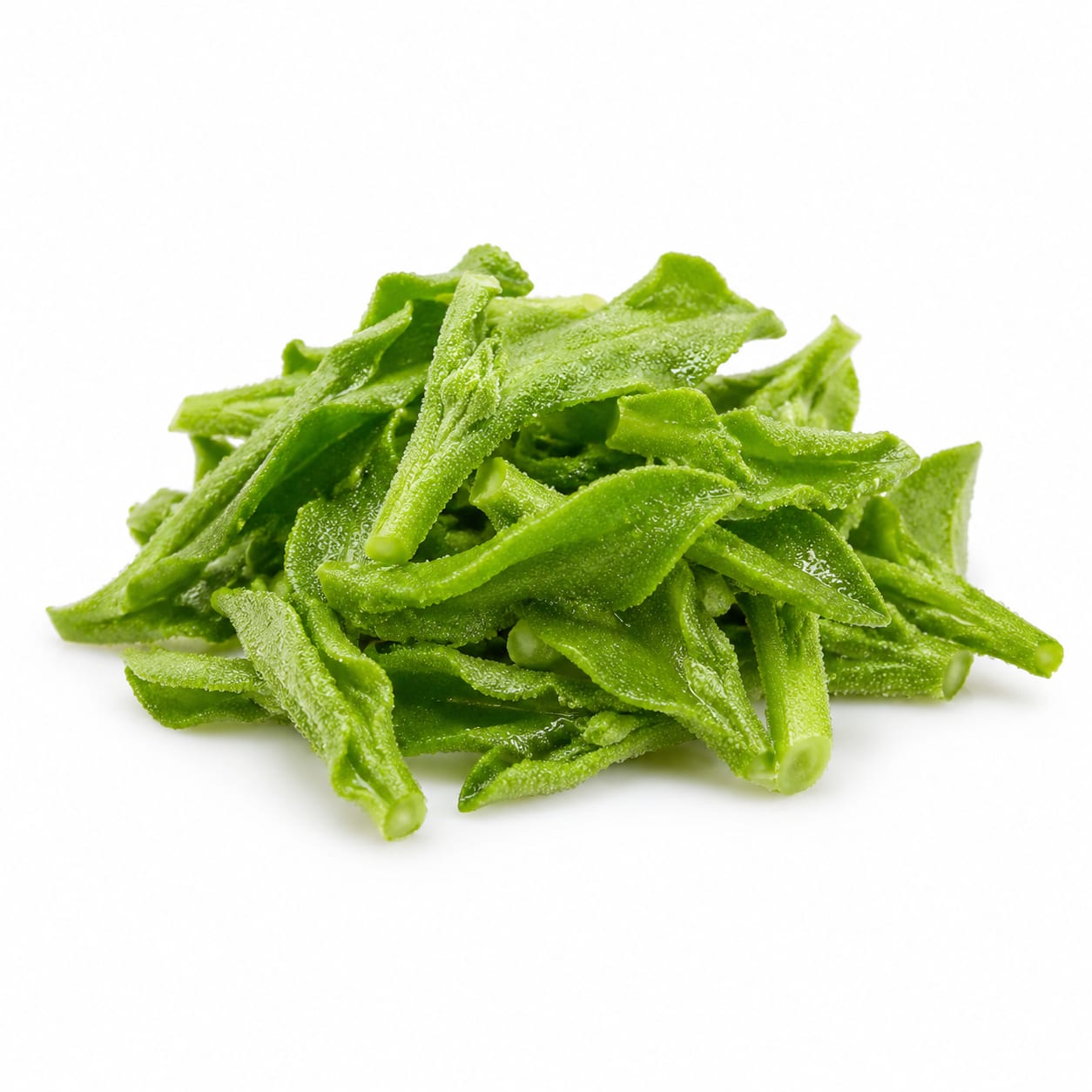
Ice Plant
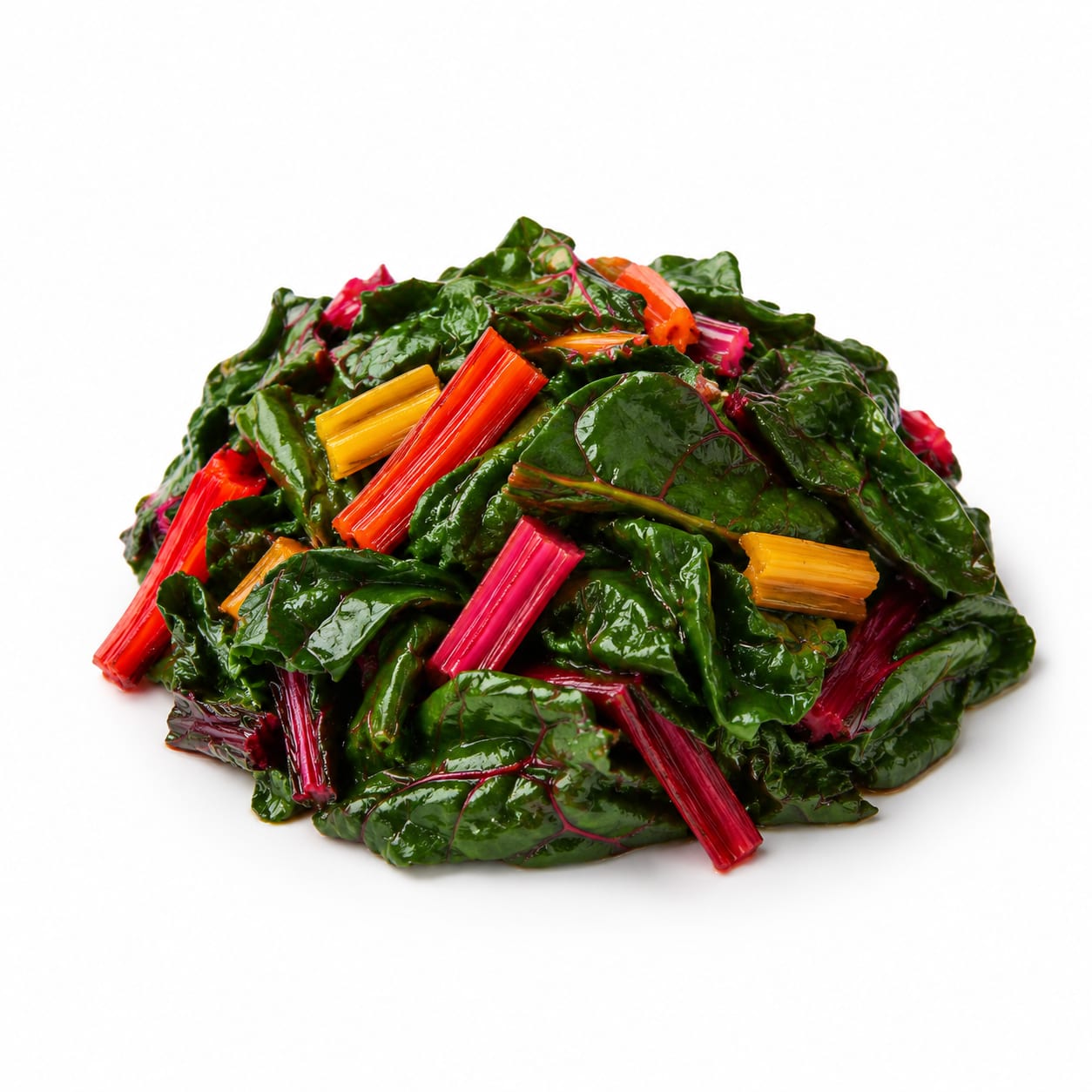
Swiss Chard
Swiss Chard dominates on nutrition, but Ice Plant offers a refreshing low-oxalate alternative for sensitive eaters.
Swiss Chard scores significantly higher due to its exceptional nutrient density, culinary flexibility, and wider availability. Ice Plant earns moderate scores as a specialty vegetable with niche benefits around hydration and oxalate avoidance but lacks the nutritional depth for a staple green role.
You trade broad-spectrum vitamins and minerals in Swiss Chard for the hydrating crunch and oxalate safety of Ice Plant.
At a glance
Executive summary
Overall
Swiss Chard
Healthier
Swiss Chard
More practical
Swiss Chard
Daily use
Swiss Chard
Key comparison lenses
nutrient density comparison
Swiss Chard is a known nutrient powerhouse while Ice Plant is prized more for texture and hydration than vitamin content
oxalate and kidney safety
Swiss Chard is high in oxalates which limits consumption for some people, while Ice Plant is much lower
sodium and mineral balance
Ice Plant naturally accumulates salt from coastal environments, making its sodium profile unusual for a vegetable
culinary versatility and access
Swiss Chard is widely available and cookable in many ways, while Ice Plant is niche and typically eaten raw
hydration and light eating
Ice Plant offers a uniquely refreshing, water-rich eating experience that Swiss Chard cannot replicate
Best choice for
Ice Plant
- Anyone avoiding oxalates due to kidney stone risk
- Hot climates where a hydrating crunch sounds appealing
- Raw salad enthusiasts wanting novel texture
- Low-calorie grazers who eat for volume
Swiss Chard
- Anyone prioritizing maximum vitamin and mineral intake
- Families needing a versatile cooked green
- Bone health and iron needs during pregnancy
- Budget-conscious shoppers wanting nutrient density per dollar
Least suitable for
Ice Plant
- Low-sodium diets due to naturally high salt content
- Anyone needing robust iron or vitamin K intake
- Cooked dishes like soups and stews
- Regions where it is not available or is expensive
Swiss Chard
- People with a history of calcium oxalate kidney stones
- Those on blood thinners who must limit vitamin K
- Anyone who dislikes bitter or earthy flavors
Deep comparison
Dimension by dimension
Each lens scores both foods and breaks down who each option suits.
- Dimension 1 · Priority 95Swiss Chard
nutrient_density
Ice Plant · 35Swiss Chard · 93Swiss Chard is one of the most nutrient-dense greens you can eat, while Ice Plant is comparatively thin on vitamins and minerals.
Tradeoff
Choosing Ice Plant means accepting significantly less vitamin K, iron, magnesium, and vitamin A per serving.
Why it matters
If you are eating greens primarily to cover micronutrient gaps, Swiss Chard does far more heavy lifting per bite.
Real-world impact
A single serving of Swiss Chard can cover over 300% of your vitamin K needs, while Ice Plant contributes only trace amounts.
Ice Plant
- Light eaters who want volume without dense nutrition
- Hydration-focused snacking
Better for
- Reliance on it as a primary green would leave nutritional gaps
Worse for
Swiss Chard
- Pregnant women needing iron and folate
- Anyone recovering from deficiency
- Older adults protecting bone density
Better for
- Nutrient density is overkill if you already take supplements covering these vitamins
Worse for
- Dimension 2 · Priority 85Ice Plant
oxalate_safety
Ice Plant · 88Swiss Chard · 25Ice Plant is very low in oxalates, making it safer for kidney stone formers, while Swiss Chard is among the highest-oxalate greens.
Tradeoff
You gain kidney safety with Ice Plant but lose the rich mineral profile that Swiss Chard provides.
Why it matters
For the roughly 10-15% of people prone to calcium oxalate stones, Swiss Chard can be a genuine risk food.
Real-world impact
Someone who has passed a kidney stone before may need to avoid Swiss Chard entirely, while Ice Plant remains a safe green option.
Ice Plant
- Kidney stone formers
- Anyone on a low-oxalate protocol
- People with sensitive digestion who react to high-oxalate foods
Better for
- None related to oxalates specifically
Worse for
Swiss Chard
- People with no oxalate concerns who want maximum mineral intake
Better for
- Repeated consumption can increase stone risk in susceptible individuals
- Boiling is required to reduce oxalate levels, which also leaches water-soluble vitamins
Worse for
- Dimension 3 · Priority 78Swiss Chard
sodium_and_mineral_profile
Ice Plant · 42Swiss Chard · 80Ice Plant is unusually high in sodium for a vegetable, while Swiss Chard offers a richer, more balanced mineral spread including iron, magnesium, and potassium.
Tradeoff
Ice Plant's natural saltiness can be a flavor plus but a health minus for sodium-sensitive people; Swiss Chard delivers minerals without the sodium load.
Why it matters
Most people already exceed daily sodium recommendations, so a salty vegetable is an uncommon drawback.
Real-world impact
A large Ice Plant salad could contribute 200-400mg of sodium before you add any dressing, which matters for hypertension management.
Ice Plant
- Athletes who lose salt through heavy sweating
- People on very low-sodium diets who need a natural flavor boost without table salt
Better for
- Hypertensive individuals must account for the sodium
- Not suitable as an unlimited grazing green for salt-restricted diets
Worse for
Swiss Chard
- Anyone monitoring blood pressure
- Electrolyte balance focused on potassium over sodium
Better for
- High potassium requires caution for those with advanced kidney disease
Worse for
- Dimension 4 · Priority 75Swiss Chard
culinary_versatility
Ice Plant · 30Swiss Chard · 85Swiss Chard works raw, sautéed, in soups, and as a wrap, while Ice Plant is essentially a raw-only garnish green.
Tradeoff
Ice Plant's delicate bladder cells collapse with heat, destroying its signature texture, so it cannot be cooked.
Why it matters
A green you can only eat raw has limited meal integration, especially in colder months when cooked vegetables are more appealing.
Real-world impact
Swiss Chard can replace spinach in almost any recipe; Ice Plant is confined to salads and garnishes.
Ice Plant
- Raw food enthusiasts
- Restaurant plating and visual appeal
Better for
- Cannot be stir-fried, steamed, or baked
- Wilts quickly and has short shelf life
Worse for
Swiss Chard
- Home cooks wanting one green for many meals
- Meal preppers who batch-cook vegetables
- Winter cooking when raw salads feel less appealing
Better for
- Requires cooking technique to manage bitterness and oxalates
Worse for
- Dimension 5 · Priority 70Ice Plant
hydration_and_eating_experience
Ice Plant · 92Swiss Chard · 40Ice Plant delivers a uniquely refreshing, juicy crunch that no other common green replicates, while Swiss Chard has a standard leafy texture.
Tradeoff
The sensory pleasure of Ice Plant comes at the cost of nutritional substance.
Why it matters
Enjoyment and satisfaction matter for long-term dietary adherence; a food that feels refreshing can help people eat more greens voluntarily.
Real-world impact
On a hot day, a bowl of Ice Plant feels like drinking water with crunch, making it far more appealing than cooked Swiss Chard.
Ice Plant
- Summer salads and cooling dishes
- Anyone who finds most greens unappealing but enjoys crunch
- Appetizer courses where refreshment sets the tone
Better for
- Does not satisfy hunger meaningfully due to near-zero calorie and fiber content
Worse for
Swiss Chard
- Hearty meals where substance and warmth matter more
Better for
- Can feel heavy or bitter if not prepared well
Worse for
Timeline
Health impact over time
Short-term
Hours to days
Ice Plant
- Immediate hydration boost from very high water content
- Mild sodium intake that can help with salt cravings without processed snacks
- Very light on the stomach, easy to digest
Swiss Chard
- Noticeable iron and mineral replenishment after a single serving
- Can cause mouth puckering from oxalates if eaten raw in large amounts
- Satiety from fiber and protein content that Ice Plant cannot match
Long-term
Months to years
Ice Plant
- Insufficient as a primary green for meeting long-term micronutrient needs
- Safe for kidneys long-term due to low oxalate load
- Sodium contribution may accumulate if eaten in large quantities regularly
Swiss Chard
- Strong protection against bone loss and anemia with regular consumption
- Kidney stone risk increases for susceptible individuals over years of high intake
- Improved cardiovascular markers from potassium and magnesium if prepared properly
Risk profile
Safety & processing
Both greens are whole, unprocessed vegetables typically sold fresh. Neither carries meaningful additive concerns. The main difference is that Ice Plant's natural sodium content is an inherent feature, not an added one.
Ice Plant
High natural sodium
mediumIce Plant accumulates salt from its coastal growing environment. People on sodium-restricted diets should not treat it as a free unlimited vegetable.
Limited food safety data
lowAs a niche crop, Ice Plant has less regulatory scrutiny and contamination testing compared to mainstream greens.
Rapid spoilage
lowThe high water content makes Ice Plant prone to bacterial growth once wilted or damaged, so freshness matters more than for sturdier greens.
Swiss Chard
Oxalate accumulation
highSwiss Chard contains extremely high levels of oxalates, which bind calcium and can form kidney stones in susceptible people. Boiling and discarding the water reduces this significantly.
Vitamin K interaction with blood thinners
highVery high vitamin K content can interfere with warfarin and other anticoagulant medications, requiring consistent intake monitoring.
Pesticide residue on conventional crops
mediumLeafy greens frequently appear on pesticide residue watchlists. Choosing organic Swiss Chard reduces this concern meaningfully.
Who wins for whom
Audience fit
Same foods, different winners depending on your goal.
children
Swiss ChardSwiss Chard provides critical growth nutrients like iron and vitamin A. Ice Plant's fun crunchy texture might entice picky eaters, but it does not deliver enough nutrition for developing bodies.
daily consumption
Swiss ChardSwiss Chard's nutrient breadth makes it a strong daily green for most people, provided oxalate and vitamin K interactions are managed. Ice Plant is better as an occasional refreshing addition rather than a daily staple.
diabetes
Swiss ChardSwiss Chard has more fiber to slow glucose absorption and contains syringic acid, which may help regulate blood sugar. Ice Plant's minimal fiber offers less glycemic benefit.
elderly
It dependsSwiss Chard is better for bone density and anemia prevention, but Ice Plant is safer for elderly individuals with kidney stone history or on blood thinners.
muscle gain
Swiss ChardNeither green is a protein source, but Swiss Chard's magnesium and iron content better support muscle function and recovery.
weight loss
Swiss ChardSwiss Chard provides more fiber and protein per calorie, leading to better satiety. Ice Plant is extremely low-calorie but not filling enough to prevent overeating later.
Your move
Decision guide
Choose Ice Plant
- You have a history of kidney stones and need a low-oxalate green
- You live in a hot climate and want a hydrating, crunchy salad base
- You are on blood thinners and must limit vitamin K intake
- You want a novel vegetable experience with a satisfying texture
Choose Swiss Chard
- You want maximum nutritional return per serving of greens
- You cook regularly and need a versatile green for many recipes
- You are pregnant, anemic, or focused on bone health
- You have no oxalate sensitivity and want a reliable daily vegetable
Either works if
- You simply want more variety in your vegetable rotation
- You are building a diverse salad with multiple greens
Avoid both if
- You are on a strict low-potassium renal diet, as both contain meaningful potassium
- You have severe oral allergy syndrome triggered by leafy greens
Final recommendation
Make Swiss Chard your primary green for its unmatched nutrient density and cooking flexibility. Add Ice Plant as an occasional treat when you want something refreshing and low-oxalate. If kidney stones are a personal concern, flip that ratio and let Ice Plant become your safer everyday salad base while enjoying Swiss Chard only occasionally and always boiled to reduce oxalates.
Practical
Consumer tips
- 1
Boil Swiss Chard for 2-3 minutes and discard the water to remove 40-50% of its oxalates before using in recipes
- 2
Ice Plant wilts fast — use it the same day you buy it for the best crunch
- 3
If on blood thinners, keep Swiss Chard intake consistent day to day rather than avoiding it entirely
- 4
Pair Ice Plant with a potassium-rich dressing like lemon vinaigrette to balance its natural sodium
- 5
Choose organic Swiss Chard when possible to reduce pesticide exposure on a frequently sprayed crop
- 6
Freeze Ice Plant is not recommended — the water cells burst and you lose the signature texture