
Nutrition comparison
Ice Plant vs Endive: Which Leafy Green Is Better for You?
Compare Ice Plant and Endive nutrition, taste, gut health benefits, and practicality. Learn when to choose each green and which fits your health goals better.
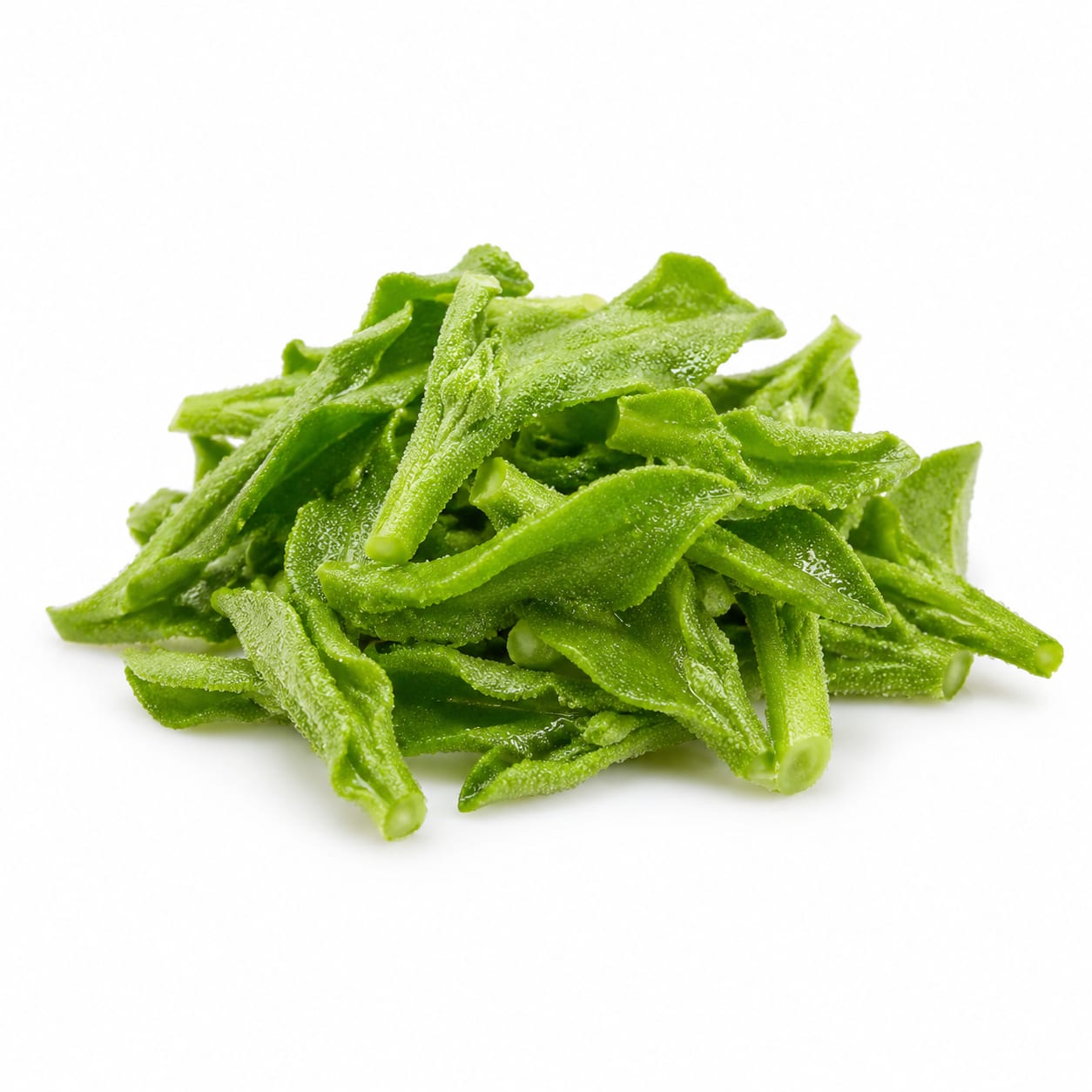
Ice Plant
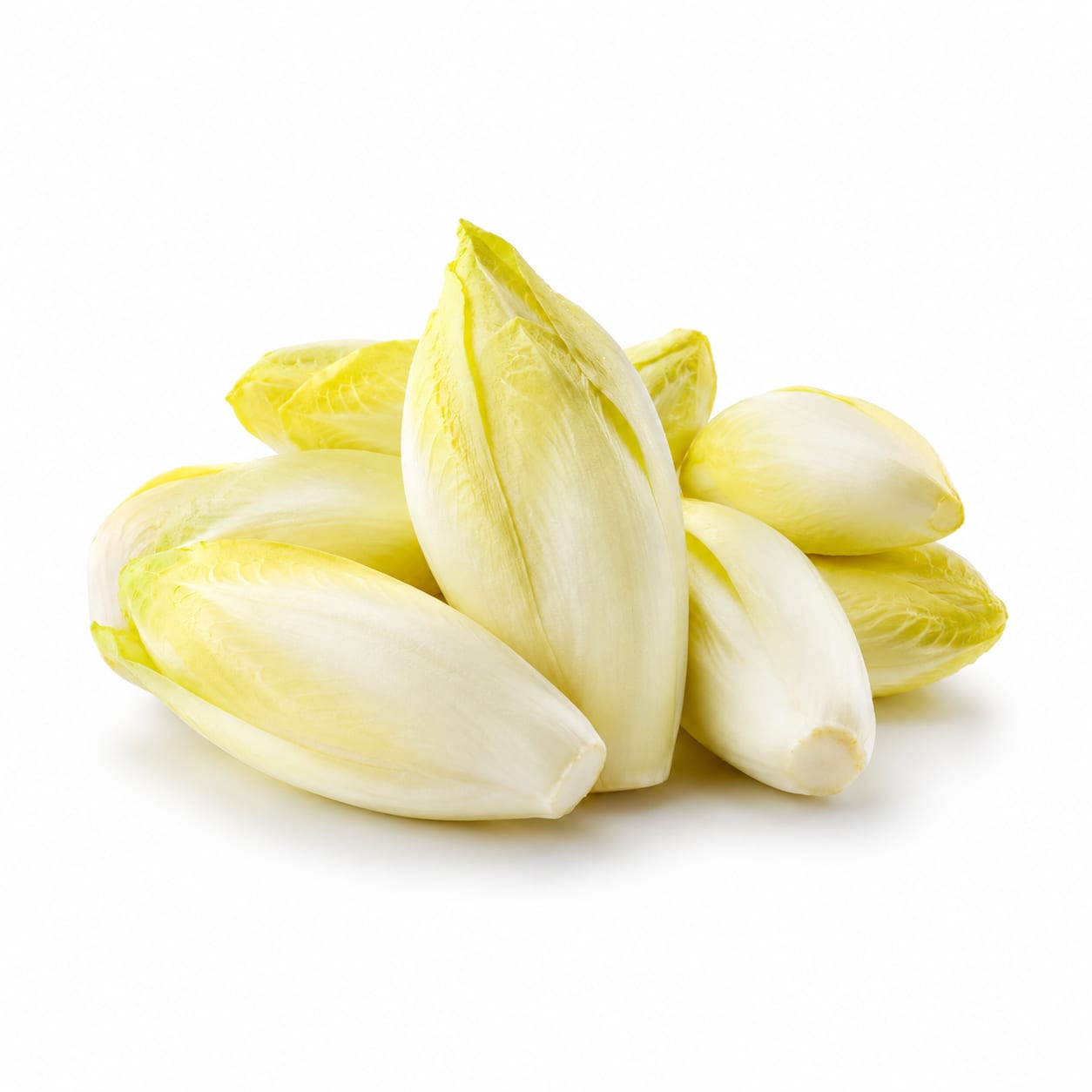
Endive
Endive wins on gut health, availability, and everyday reliability. Ice Plant wins on hydration, unique texture, and sodium replenishment. Neither is universally better.
Endive scores higher due to stronger evidence for gut health benefits, wider availability, and more established nutritional research. Ice Plant is compelling for specific use cases but loses on practicality and general-purpose daily use.
Endive offers proven prebiotic benefits and easy access, while Ice Plant delivers rare natural sodium and a refreshing crunch you cannot replicate
At a glance
Executive summary
Overall
It depends
Healthier
Endive
More practical
Endive
Daily use
Endive
Key comparison lenses
nutritional density and vitamin comparison
Both are low-calorie leafy greens, so micronutrient differences drive the real decision
digestive health and gut support
Endive's prebiotic inulin and bitter compounds vs Ice Plant's hydrating fiber create meaningful gut health tradeoffs
culinary versatility and taste preference
Ice Plant's salty crunch and Endive's bitter crisp serve very different roles in meals
hydration and electrolyte balance
Ice Plant is unusually high in natural sodium for a vegetable, which matters for electrolyte replenishment
availability and everyday practicality
Endive is widely available year-round while Ice Plant remains specialty and harder to find
Best choice for
Ice Plant
- Post-workout electrolyte replenishment
- Hot weather hydration support
- Texture-focused salad building
- Sodium-restricted diets needing natural salt flavor
- Adventurous home cooks exploring new ingredients
Endive
- Daily gut health maintenance
- Weight loss meal plans
- Bitter greens for digestion stimulation
- Reliable weekly meal prep
- Budget-conscious healthy eating
Least suitable for
Ice Plant
- Sodium-sensitive individuals watching salt intake
- Rural areas with limited specialty produce access
- Tight grocery budgets
- People who dislike succulent or slightly slimy textures
Endive
- People avoiding bitter flavors
- Those seeking high-sodium natural foods
- Anyone wanting a hydrating crunch-forward green
- Children sensitive to bitter tastes
Deep comparison
Dimension by dimension
Each lens scores both foods and breaks down who each option suits.
- Dimension 1 · Priority 90Endive
Nutritional Density
Ice Plant · 65Endive · 78Endive delivers more folate, vitamin K, and fiber per calorie. Ice Plant offers decent vitamins A and C but less overall micronutrient punch.
Tradeoff
Ice Plant provides unique minerals like natural sodium that Endive lacks entirely, but Endive covers more essential vitamin bases
Why it matters
If you eat greens primarily for vitamin coverage, Endive does more heavy lifting per bite
Real-world impact
A serving of Endive moves you further toward daily vitamin K and folate targets than the same amount of Ice Plant
Ice Plant
- Natural sodium intake
- Vitamin A contribution
- Potassium replenishment
Better for
- Lower folate content
- Less vitamin K density
- Less researched nutrient profile
Worse for
Endive
- Folate needs during pregnancy
- Vitamin K for bone health
- Fiber for daily targets
Better for
- Virtually no natural sodium
- Lower water content per serving
- Less mineral diversity
Worse for
- Dimension 2 · Priority 85Endive
Digestive Health and Gut Support
Ice Plant · 58Endive · 84Endive contains inulin, a well-studied prebiotic fiber that feeds beneficial gut bacteria. Its bitter compounds also stimulate digestive enzyme production.
Tradeoff
Ice Plant offers gentle hydration-based digestive support but lacks the targeted prebiotic action that makes Endive a gut health staple
Why it matters
For anyone building a gut-friendly diet, Endive's inulin content is a meaningful advantage that compounds over time
Real-world impact
Regular Endive consumption can improve bowel regularity and support beneficial bacteria within weeks, while Ice Plant mainly helps through hydration
Ice Plant
- Mild digestion support for sensitive stomachs
- Hydration-based gut comfort
- Lower bitterness means easier tolerance
Better for
- No significant prebiotic compounds
- Lower fiber content limits gut benefits
- Less stimulation of digestive processes
Worse for
Endive
- Prebiotic inulin feeding beneficial bacteria
- Bitter compounds stimulating bile and enzymes
- More fiber per serving supporting regularity
Better for
- Bitterness can cause initial digestive discomfort
- May aggravate acid reflux in sensitive individuals
- Takes adjustment period for new eaters
Worse for
- Dimension 3 · Priority 75Ice Plant
Hydration and Electrolyte Balance
Ice Plant · 88Endive · 52Ice Plant is a succulent with exceptionally high water content and notable natural sodium, making it uniquely hydrating among leafy greens.
Tradeoff
That same sodium content becomes a downside for anyone monitoring salt intake, while Endive's low sodium is safer but less replenishing
Why it matters
After exercise or during hot weather, Ice Plant functions almost like a natural electrolyte snack in a way no other salad green does
Real-world impact
A cup of Ice Plant after a summer hike provides meaningful hydration and sodium that Endive simply cannot match
Ice Plant
- Post-workout electrolyte replacement
- Hot weather hydration
- Natural sodium without table salt
- Refreshing mouthfeel encouraging more fluid intake
Better for
- Can contribute to excess sodium if eaten in large quantities
- Less suitable for hypertension management
Worse for
Endive
- Sodium-restricted diets
- Consistent daily intake without sodium accumulation
- Blood pressure management
Better for
- No meaningful electrolyte replenishment
- Lower water content provides less direct hydration
Worse for
- Dimension 4 · Priority 80It depends
Culinary Versatility and Taste
Ice Plant · 72Endive · 72Ice Plant brings a unique salty crunch that works as a garnish or refreshing salad base. Endive offers bitter elegance that pairs beautifully with sweet and rich ingredients.
Tradeoff
Ice Plant is more one-dimensional as a texture and flavor ingredient, while Endive's bitterness limits its use for those who dislike it
Why it matters
Your cooking style determines which is more useful: raw refreshing crunch versus structured bitter contrast
Real-world impact
Ice Plant elevates a simple summer salad instantly. Endive boats with goat cheese and honey feel like restaurant-quality appetizers at home
Ice Plant
- Raw applications needing crunch
- Salty flavor without adding seasoning
- Visual appeal with crystalline texture
- Light refreshing summer dishes
Better for
- Wilts quickly when cooked
- Limited cooked preparation options
- Texture degrades with dressing over time
Worse for
Endive
- Structured appetizer vessels for fillings
- Bitter contrast pairing with sweet and fatty foods
- Cooked applications like braising and grilling
- Classic French and Belgian recipe traditions
Better for
- Bitterness limits raw snacking appeal
- Requires pairing skills to balance flavor
- Less refreshing as a standalone green
Worse for
- Dimension 5 · Priority 70Endive
Availability and Practicality
Ice Plant · 38Endive · 85Endive is available in most grocery stores year-round at consistent prices. Ice Plant remains a specialty item found mainly at farmers markets and upscale grocers.
Tradeoff
Ice Plant's rarity makes it exciting but unreliable for weekly meal planning, while Endive is always there when you need it
Why it matters
The healthiest green is the one you can actually buy and eat consistently
Real-world impact
You can build Endive into your weekly shopping list confidently. Ice Plant requires hunting and often costs significantly more per pound
Ice Plant
- Exciting specialty ingredient for food enthusiasts
- Conversation-starting addition to dinner parties
- Supports local and specialty farmers
Better for
- Hard to find in most regions
- Higher price per pound
- Shorter shelf life due to high water content
- Cannot rely on it for meal planning
Worse for
Endive
- Consistent year-round availability
- Predictable pricing for budgeting
- Available at standard grocery stores
- Longer shelf life when stored properly
Better for
- Less exciting or novel for adventurous eaters
- Can be bitter batch-to-batch inconsistently
Worse for
- Dimension 6 · Priority 65Endive
Satiety and Fullness
Ice Plant · 55Endive · 70Endive's fiber density and bitter compounds naturally slow eating and signal fullness. Ice Plant's high water content fills you temporarily but fades quickly.
Tradeoff
Ice Plant feels immediately filling from water volume but that satisfaction dissipates fast, while Endive provides more sustained satiety from fiber
Why it matters
If you eat salads to manage hunger between meals, Endive keeps you satisfied longer
Real-world impact
An Endive-based salad at noon keeps hunger away until 3pm. An Ice Plant salad might leave you snacking by 2pm
Ice Plant
- Immediate stomach fullness from water volume
- Refreshing sensation that feels satisfying initially
- Lower effort to eat large volumes
Better for
- Water-based fullness fades within an hour
- Low fiber means minimal lasting satiety
- May increase hunger after initial fullness passes
Worse for
Endive
- Longer-lasting satiety from fiber content
- Bitter compounds naturally reduce appetite
- More sustained energy between meals
Better for
- Takes more chewing and adjustment to eat enough volume
- Bitterness may limit how much you naturally consume
Worse for
Timeline
Health impact over time
Short-term
Hours to days
Ice Plant
- Quick hydration boost after physical activity
- Mild sodium replenishment without processed salt
- Refreshing sensation that encourages eating more greens
- Possible adjustment to the slightly slippery succulent texture
Endive
- Immediate digestive enzyme stimulation from bitter compounds
- Gentle bowel movement support within hours
- Possible initial bitterness aversion for new eaters
- Quick feeling of lightness after meals
Long-term
Months to years
Ice Plant
- Consistent hydration support if eaten regularly
- Natural sodium contribution to electrolyte balance
- Antioxidant benefits from vitamin A and C content
- Limited gut microbiome benefits compared to prebiotic-rich greens
Endive
- Measurably improved gut bacteria diversity from inulin
- Better bowel regularity with consistent consumption
- Stronger bone density support from high vitamin K
- Potential blood pressure benefits from low sodium and high potassium
Risk profile
Safety & processing
Both Ice Plant and Endive are whole, unprocessed vegetables typically sold fresh and raw. Neither carries meaningful processing concerns. The main difference is that Ice Plant's specialty status sometimes means longer supply chains, while Endive's established market allows fresher local sourcing in many regions.
Ice Plant
Pesticide residue on specialty crops
mediumIce Plant is often grown by smaller specialty farms that may use conventional pesticides. Limited regulation specific to this crop means residue data is sparse. Washing thoroughly is important.
Bacterial contamination from irrigation water
mediumAs a succulent that holds significant water, Ice Plant can retain contaminants from irrigation. Its bladder cells trap moisture where bacteria can persist if not washed properly.
Misidentification with ornamental varieties
lowSome ornamental ice plant relatives are not culinary-grade. Buying from reputable food sources eliminates this concern.
Endive
Pesticide residue on conventional endive
mediumEndive frequently appears on moderate pesticide residue lists. The tightly packed leaves can trap spray. Choosing organic reduces this significantly.
Bitter compound sensitivity
lowIntense bitter compounds can trigger digestive discomfort or migraines in sensitive individuals. This is not a safety issue for most people.
Foodborne illness from raw consumption
lowLike all raw greens, Endive carries standard E. coli and listeria risks. Proper washing and refrigeration minimize this.
Who wins for whom
Audience fit
Same foods, different winners depending on your goal.
children
Ice PlantIce Plant's mild salty flavor and fun crystalline texture are more appealing to kids than Endive's intense bitterness, making it an easier entry point for vegetable acceptance
daily consumption
EndiveEndive's availability, shelf stability, and consistent gut health benefits make it practical and beneficial for daily use, while Ice Plant is better as an occasional specialty addition
diabetes
EndiveEndive's inulin fiber slows glucose absorption and its bitter compounds improve insulin sensitivity, while Ice Plant's lower fiber provides less blood sugar stabilization
elderly
EndiveEndive's high vitamin K supports bone density, its fiber combats age-related constipation, and its folate supports cognitive health in ways particularly relevant for older adults
muscle gain
It dependsNeither green is significant for muscle gain directly. Ice Plant's sodium may slightly help with workout hydration, but both are配角 vegetables in a muscle-building diet
weight loss
EndiveEndive's fiber content and appetite-suppressing bitter compounds support longer-lasting fullness on fewer calories, making it easier to maintain a calorie deficit
Your move
Decision guide
Choose Ice Plant
- You live in a hot climate and want a hydrating raw green
- You are an athlete needing natural sodium replenishment
- You find most salad greens boring and want something texturally exciting
- You have access to a farmers market or specialty grocer stocking it regularly
- You want to encourage kids to eat more greens through fun texture
Choose Endive
- Gut health and digestion are top priorities for you
- You want a reliable weekly green that is always available
- You enjoy bitter flavors or want to develop appreciation for them
- You are managing blood sugar or blood pressure
- You need a versatile green for both raw and cooked preparations
Either works if
- You simply want more leafy green variety in your diet
- You are building a diverse salad with multiple greens
- Neither is a staple and both are occasional additions
- You rotate vegetables seasonally anyway
Avoid both if
- You have severe oral allergy syndrome to Asteraceae family (Endive) or Aizoaceae family (Ice Plant)
- You need calorie-dense foods for weight gain
- You are looking for significant protein from vegetables
Final recommendation
Make Endive your everyday bitter green for gut health, reliable nutrition, and kitchen versatility. Treat Ice Plant as a specialty addition for hot days, post-workout meals, and moments when you want something uniquely refreshing. If you can find Ice Plant easily and enjoy it, rotate both for maximum nutrient diversity. If access is limited, Endive alone delivers more consistent health value.
Practical
Consumer tips
- 1
Wash Ice Plant thoroughly between the bladder cells where grit and bacteria can hide
- 2
Store Ice Plant wrapped in a dry paper towel in the fridge and use within 2-3 days before it gets slimy
- 3
Cut Endive just before serving and avoid exposure to light to prevent extra bitterness
- 4
Pair Endive with honey, goat cheese, or walnuts to balance its natural bitterness beautifully
- 5
If Ice Plant is unavailable, a mix of cucumber and sea salt flakes approximates its refreshing salty crunch
- 6
Choose organic Endive when possible to reduce pesticide exposure on the tightly wrapped leaves
- 7
Try grilling halved Endive with olive oil for a milder, sweeter flavor if raw bitterness is too intense
- 8
Ask your farmers market vendor about Ice Plant growing practices since organic certification is rare for this specialty crop