
Nutrition comparison
Ice Plant vs Sea Asparagus: Which Coastal Green Is Better for You?
Compare Ice Plant and Sea Asparagus nutrition, sodium content, minerals, and culinary uses. Find out which coastal green fits your health goals and when to choose each.
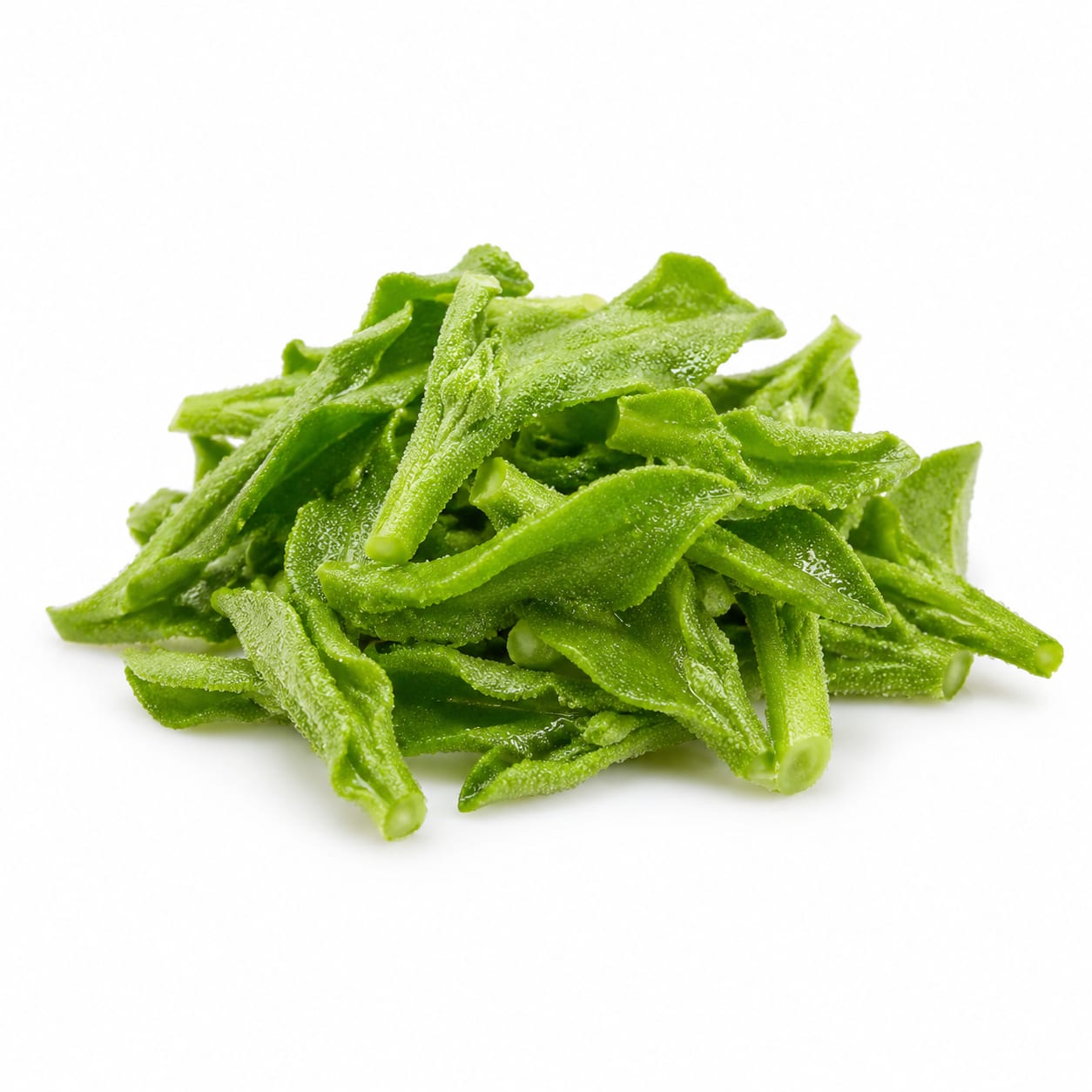
Ice Plant
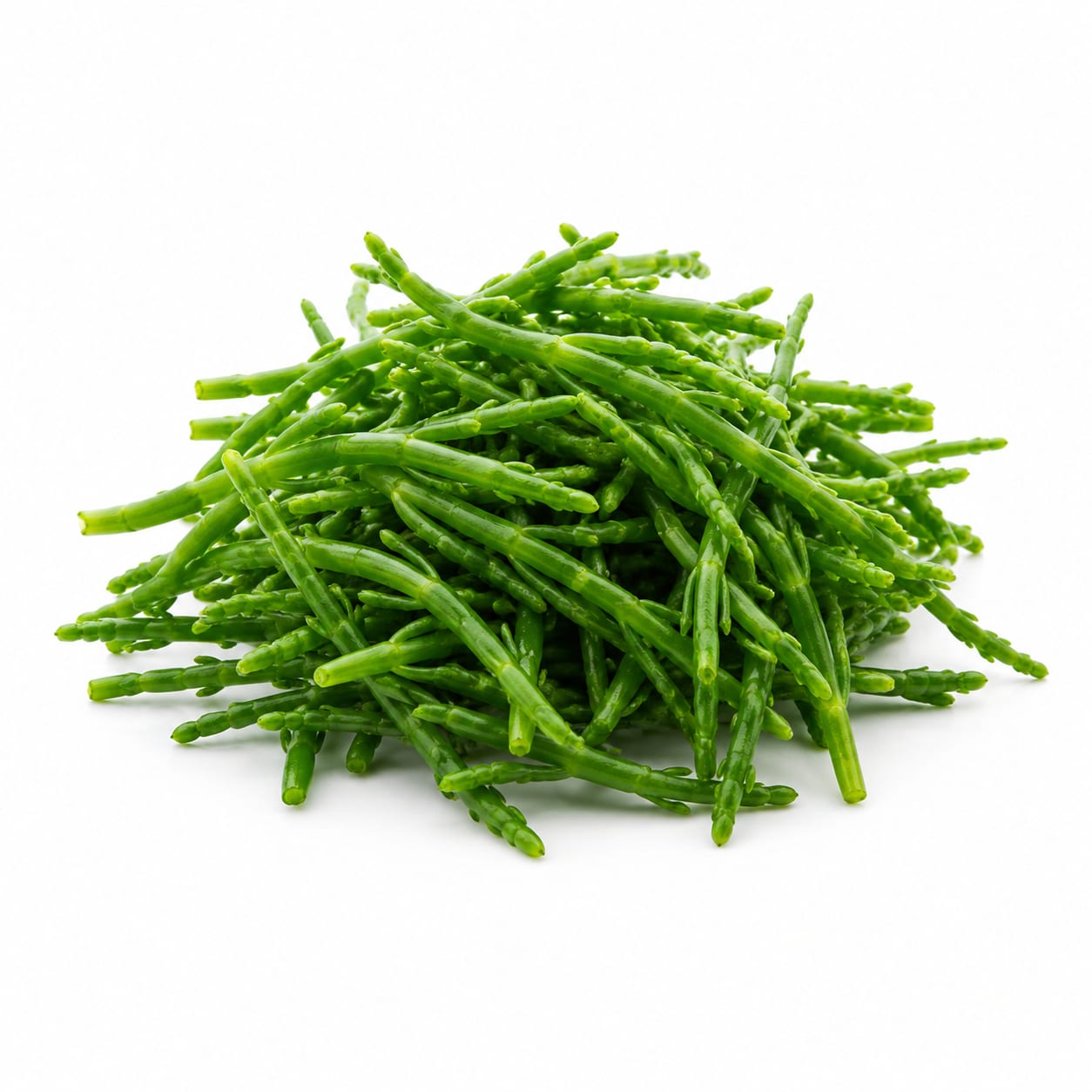
Sea Asparagus
Ice Plant is the safer everyday green with its mild sodium and hydrating crunch, while Sea Asparagus delivers a mineral punch and rare omega-3s but demands portion awareness due to its salt load.
Ice Plant scores slightly higher due to better everyday usability and lower sodium risk, but Sea Asparagus holds its own with superior mineral content and omega-3s. The close scores reflect that neither is universally better—context determines the winner.
Sea Asparagus gives you more minerals and omega-3s but at a significant sodium cost; Ice Plant keeps sodium low but offers less nutritional density per bite.
At a glance
Executive summary
Overall
It depends
Healthier
It depends
More practical
Ice Plant
Daily use
Ice Plant
Key comparison lenses
sodium and mineral balance
Sea Asparagus is notably high in sodium from its coastal habitat, while Ice Plant offers a milder mineral profile—this is the defining tradeoff between them
culinary versatility and flavor
Both are specialty greens with distinct flavors; how easily they fit into everyday meals matters greatly for practical adoption
hydration and water content
Ice Plant is extremely water-dense with its signature bladder cells, making it uniquely hydrating among greens
omega-3 and healthy fats
Sea Asparagus contains trace omega-3s, which is unusual for a vegetable and worth highlighting
foraging and sourcing safety
Both grow in coastal or saline environments where water quality and contamination matter
Best choice for
Ice Plant
- Low-sodium diets
- Everyday salads and side dishes
- Hot climates where hydration matters
- People sensitive to salty flavors
- Frequent daily consumption
Sea Asparagus
- Mineral repletion after heavy sweating
- Paleo and whole-food eating styles
- Occasional gourmet use as a condiment-like vegetable
- Iodine-seeking diets
- Those who enjoy bold salty flavors
Least suitable for
Ice Plant
- People seeking high mineral density per serving
- Those wanting omega-3 from plant sources
- Very low-calorie diets needing nutrient density
Sea Asparagus
- Hypertension and sodium-restricted diets
- Daily liberal consumption
- Kidney disease patients managing sodium
- People who salt their food heavily otherwise
Deep comparison
Dimension by dimension
Each lens scores both foods and breaks down who each option suits.
- Dimension 1 · Priority 95Ice Plant
sodium_load_and_blood_pressure_impact
Ice Plant · 88Sea Asparagus · 35Ice Plant keeps sodium modest, while Sea Asparagus can deliver a full day's sodium in a single serving if you aren't careful.
Tradeoff
Sea Asparagus rewards you with minerals and iodine but penalizes your sodium budget heavily; Ice Plant is blood-pressure friendly but less mineral-rich.
Why it matters
For anyone watching blood pressure or kidney health, this is the deciding factor between these two greens.
Real-world impact
A large portion of Sea Asparagus could push you over 800mg of sodium before you add any seasoning—Ice Plant lets you season to taste without that head start.
Ice Plant
- Blood pressure management
- Sodium-restricted diets
- Flexible seasoning control
Better for
- Electrolyte recovery after heavy sweating
Worse for
Sea Asparagus
- Post-workout mineral repletion
- Electrolyte replenishment in hot conditions
Better for
- Daily unrestricted consumption
- Pairing with other salty foods
Worse for
- Dimension 2 · Priority 85Sea Asparagus
mineral_density
Ice Plant · 55Sea Asparagus · 82Sea Asparagus packs more iodine, magnesium, calcium, and potassium per serving than Ice Plant, thanks to its salt-marsh growing environment.
Tradeoff
Those minerals come bundled with high sodium—you cannot get the mineral upside without the salt downside.
Why it matters
If you are mineral-depleted from sweating, medication, or restrictive eating, Sea Asparagus delivers more per bite.
Real-world impact
After a long hike or sauna session, a small Sea Asparagus serving can help replenish what you lost; Ice Plant would not cover the same ground.
Ice Plant
- Gentle daily mineral intake without sodium overshoot
Better for
- Rapid electrolyte repletion
Worse for
Sea Asparagus
- Iodine support for thyroid health
- Post-sweat electrolyte recovery
- Magnesium and calcium in a whole-food form
Better for
- Consistent daily mineral intake without sodium overload
Worse for
- Dimension 3 · Priority 70Sea Asparagus
omega-3_fatty_acid_content
Ice Plant · 30Sea Asparagus · 65Sea Asparagus contains small but notable amounts of omega-3 fatty acids, which is rare for a vegetable; Ice Plant has negligible omega-3s.
Tradeoff
The omega-3 amounts are meaningful as a dietary bonus but not sufficient as a primary source—you still need fish, flax, or walnuts.
Why it matters
Every bit of plant-based omega-3 helps, especially in diets low in fatty fish.
Real-world impact
Think of Sea Asparagus omega-3s as a nice supplement to an already good diet, not a reason to choose it alone.
Ice Plant
- Omega-3 focused eating
Worse for
Sea Asparagus
- Plant-based omega-3 contribution
- Anti-inflammatory dietary patterns
Better for
- Dimension 4 · Priority 75Ice Plant
hydration_and_water_content
Ice Plant · 92Sea Asparagus · 70Ice Plant is one of the most hydrating greens you can eat, with its signature water-filled bladder cells; Sea Asparagus is moist but less dramatically so.
Tradeoff
High water content means Ice Plant is very refreshing but lower in nutrients per gram—Sea Asparagus is more nutritionally concentrated.
Why it matters
In hot weather or for people who struggle to drink enough water, Ice Plant is a surprisingly effective food-based hydration strategy.
Real-world impact
A hot summer salad with Ice Plant feels genuinely thirst-quenching; Sea Asparagus may actually make you want more water due to its saltiness.
Ice Plant
- Hot climate meals
- Hydration-focused eating
- Light refreshing salads
Better for
- Calorie or nutrient density per serving
Worse for
Sea Asparagus
- Nutrient-dense small portions
Better for
- Hydration support
Worse for
- Dimension 5 · Priority 80Ice Plant
culinary_versatility
Ice Plant · 78Sea Asparagus · 60Ice Plant's mild tangy flavor fits into salads, stir-fries, and garnishes easily; Sea Asparagus is so salty it often becomes the seasoning itself, limiting pairing options.
Tradeoff
Sea Asparagus brings a bold, distinctive flavor that can elevate a dish when used sparingly, but you would not build a large salad around it.
Why it matters
The food you can cook with more ways is the food you will actually eat regularly.
Real-world impact
Ice Plant works as a base green in a lunch bowl; Sea Asparagus works as a salty accent—maybe a tablespoon chopped over fish.
Ice Plant
- Large-portion salads
- Mixed green dishes
- Recipes where you control all seasoning
Better for
- Bold salty flavor impact
Worse for
Sea Asparagus
- Seafood pairings
- Condiment-style use
- Restaurant-quality plating
Better for
- Versatile everyday cooking
- Large-portion dishes
Worse for
- Dimension 6 · Priority 65Ice Plant
digestive_tolerance
Ice Plant · 75Sea Asparagus · 60Ice Plant is gentle on the digestive system with its high water content and mild fiber; Sea Asparagus can irritate sensitive stomachs due to its salt concentration.
Tradeoff
Both are generally well-tolerated, but high sodium from Sea Asparagus can cause bloating or thirst in sensitive individuals.
Why it matters
If you have IBS or a sensitive gut, the gentler option reduces discomfort risk.
Real-world impact
Ice Plant feels light and refreshing after eating; Sea Asparagus may leave you reaching for water and feeling puffy the next morning.
Ice Plant
- Sensitive digestion
- Bloat-prone individuals
Better for
Sea Asparagus
- Sodium-sensitive digestion
- Evening meals before sleep
Worse for
Timeline
Health impact over time
Short-term
Hours to days
Ice Plant
- Refreshing hydration after eating
- Mild satiety from water volume
- Very low risk of sodium-related thirst or bloating
Sea Asparagus
- Noticeable thirst after typical portions
- Quick electrolyte replenishment if depleted
- Possible bloating from sodium in salt-sensitive people
Long-term
Months to years
Ice Plant
- Supports blood pressure stability with low sodium intake
- Consistent gentle hydration habits
- Minimal risk of mineral excess
Sea Asparagus
- Risk of elevated blood pressure if consumed frequently in large portions
- Thyroid support from iodine content
- Trace omega-3 contribution to anti-inflammatory patterns
Risk profile
Safety & processing
Both Ice Plant and Sea Asparagus are typically sold fresh and unprocessed. Neither carries significant additive concerns when sourced whole. The main processing risk is pickled Sea Asparagus, which adds even more sodium and sometimes preservatives—always check labels on jarred versions.
Ice Plant
Oxalate content
lowIce Plant contains moderate oxalates, which is rarely an issue for healthy people but worth noting for those prone to kidney stones.
Coastal water contamination
mediumIf foraged from polluted shorelines, Ice Plant can absorb heavy metals and runoff. Commercially sourced is generally safer.
Sea Asparagus
Sodium overload
highA single serving can contain 500-900mg of sodium depending on preparation, making portion control essential for blood pressure and kidney health.
Coastal and estuary contamination
mediumSea Asparagus grows in salt marshes that can accumulate pollutants, heavy metals, and microplastics from coastal runoff. Source matters significantly.
Pickled version additives
mediumJarred Sea Asparagus often contains added salt, vinegar, and sometimes preservatives that amplify the sodium concern further.
Who wins for whom
Audience fit
Same foods, different winners depending on your goal.
children
Ice PlantChildren are more sensitive to sodium, and Ice Plant's mild flavor and fun texture are more kid-friendly than Sea Asparagus's intense saltiness.
daily consumption
Ice PlantIce Plant can be eaten freely in large portions; Sea Asparagus is best limited to a few times per week due to sodium accumulation.
diabetes
Ice PlantBoth are low-carb and low-glycemic, but Ice Plant's lower sodium makes it safer for the cardiovascular risks that accompany diabetes.
elderly
Ice PlantOlder adults often manage blood pressure and kidney function; Ice Plant's low sodium and high hydration make it the safer regular choice.
muscle gain
It dependsNeither is a protein source, but Sea Asparagus offers electrolytes that support post-workout recovery—only if your sodium budget allows it.
weight loss
Ice PlantIce Plant's high water content fills you up with almost no calories and no sodium-driven water retention; Sea Asparagus can cause temporary bloating that masks fat loss progress.
Your move
Decision guide
Choose Ice Plant
- You are watching your blood pressure or sodium intake
- You want a refreshing, hydrating base green for regular salads
- You are feeding children or elderly family members
- You prefer controlling your own seasoning levels
- You eat greens daily and need something sustainable long-term
Choose Sea Asparagus
- You are an athlete or outdoor worker who sweats heavily and needs electrolytes
- You want a bold, salty accent for seafood dishes
- You are looking for plant-based iodine and omega-3 contributions
- You eat it occasionally as a gourmet treat, not a daily staple
- You already keep your overall sodium low and have room in your budget
Either works if
- You want a low-calorie, nutrient-rich green and your sodium intake is already well-managed
- You enjoy rotating specialty greens for variety
Avoid both if
- You have a known allergy to coastal or succulent plants
- You are on a strict very-low-sodium diet and considering Sea Asparagus in any regular quantity
Final recommendation
Keep Ice Plant as your everyday green and treat Sea Asparagus as a flavorful accent a few times a week. This gives you the best of both: hydration and low sodium daily, with mineral and omega-3 boosts when you need them. If you only pick one, Ice Plant is the safer long-term choice for most people.
Practical
Consumer tips
- 1
Rinse Sea Asparagus briefly before cooking to reduce surface salt—do not soak or you lose flavor and minerals
- 2
Blanch Sea Asparagus for 30 seconds to mellow its saltiness while keeping the crunch
- 3
Ice Plant is best eaten raw or lightly dressed; cooking collapses those beautiful water cells
- 4
If buying jarred Sea Asparagus, check the sodium label—it can be double the fresh version
- 5
Source both from reputable suppliers who test for coastal water quality, especially if you live near industrial areas
- 6
Pair Sea Asparagus with unsalted proteins like plain grilled fish to balance the meal's total sodium
- 7
Use Ice Plant as a replacement for lettuce in burgers and tacos for a surprising textural upgrade