
Nutrition comparison
Ice Plant vs Kale: Which Green Is Actually Better for You?
Compare Ice Plant and kale on nutrition, digestion, hydration, and blood sugar support. Learn which green fits your health goals and when to choose each one.
Overall winner · Kale
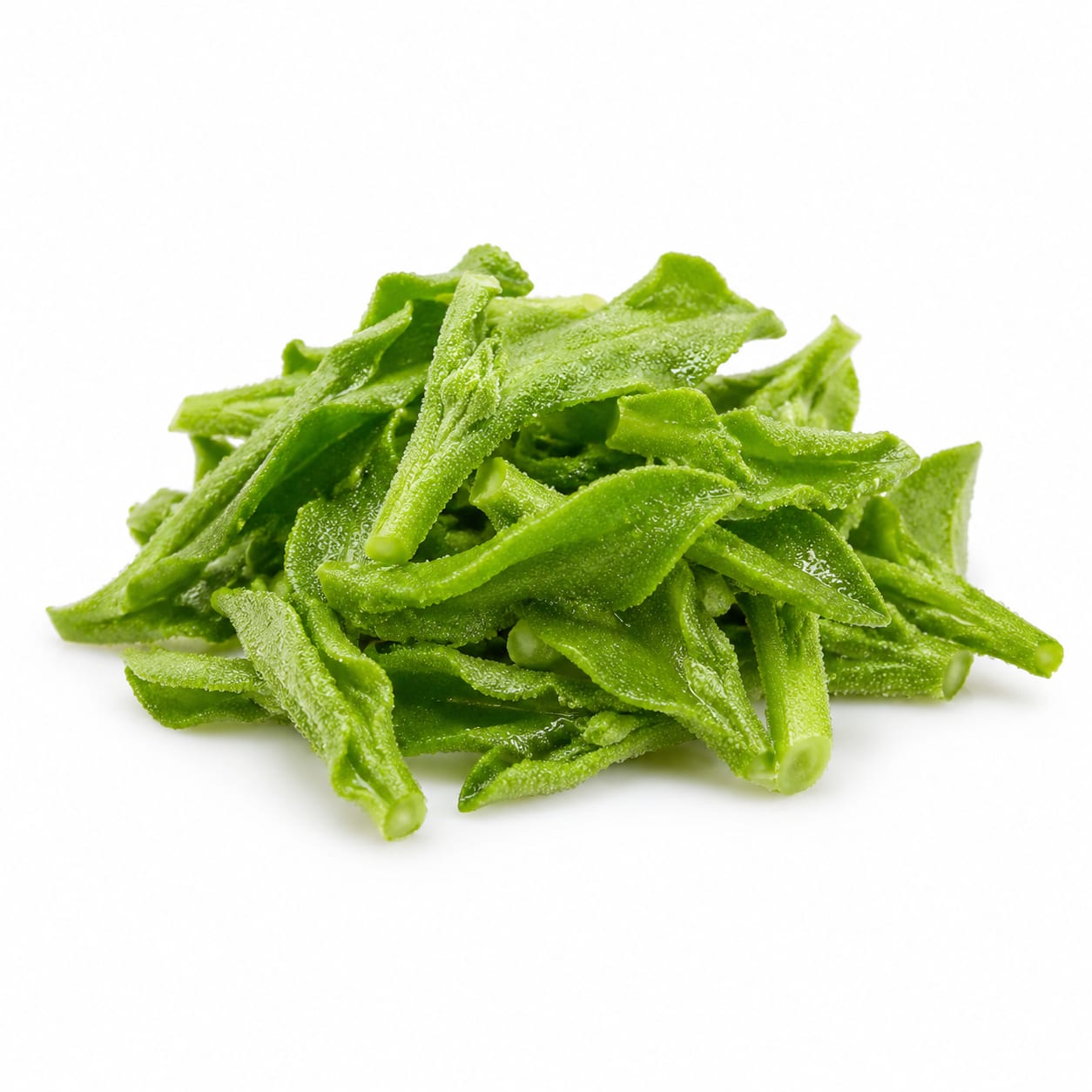
Ice Plant
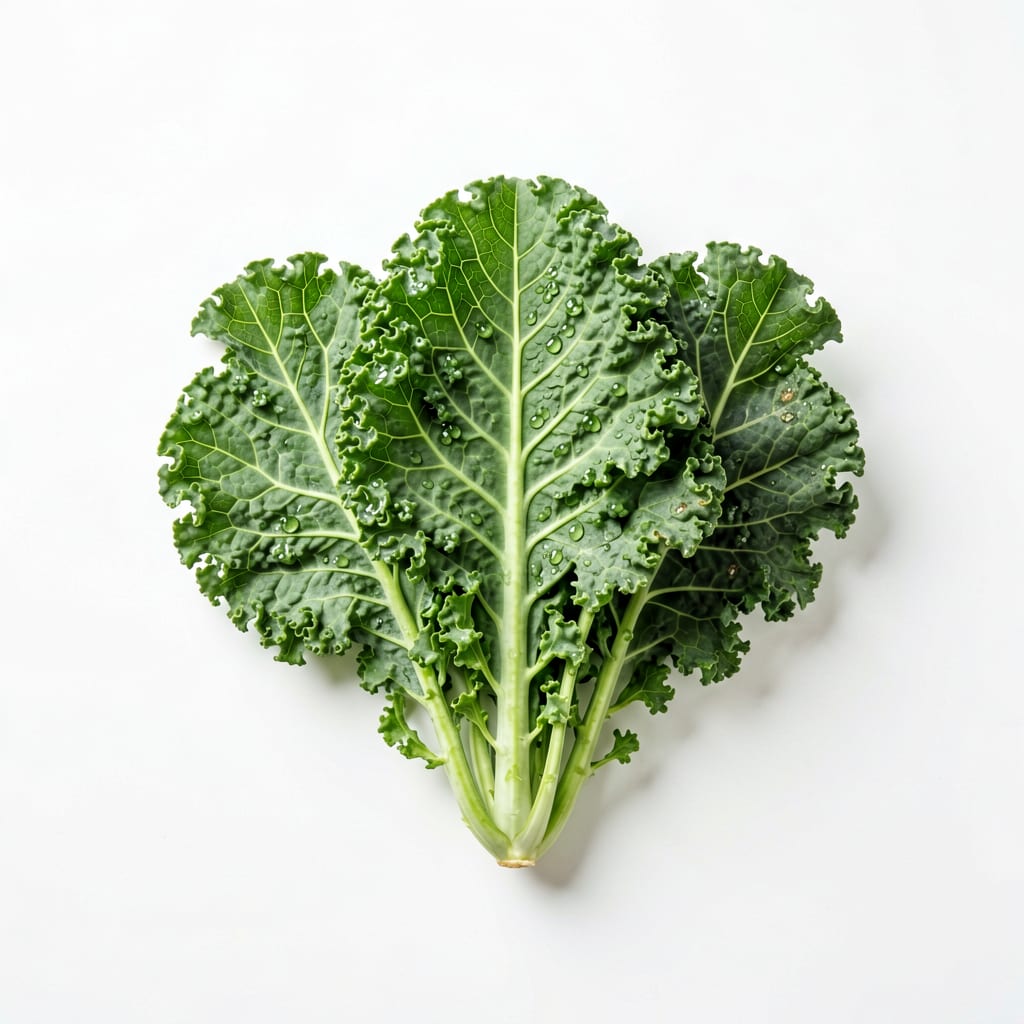
Kale
Kale delivers far more nutrition per serving and is easier to find, but Ice Plant wins on hydration, gentle digestion, and blood sugar support.
Kale scores notably higher due to its superior nutrient density, fiber content, and proven health benefits. Ice Plant is not a weak food, but it functions more as a specialty hydrating green than a nutritional powerhouse.
Kale gives you dense nutrition and fiber at the cost of digestibility; Ice Plant gives you lightness and unique compounds but far fewer nutrients overall.
At a glance
Executive summary
Overall
Kale
Healthier
Kale
More practical
Kale
Daily use
Kale
Key comparison lenses
nutrient density comparison
Both are leafy greens, so users want to know which packs more nutrition per bite
digestive tolerance
Kale is notorious for bloating and digestive discomfort; Ice Plant offers a gentler alternative
everyday practicality
Kale is everywhere; Ice Plant is harder to find and less familiar to cook with
hydration and lightness
Ice Plant is a succulent with extremely high water content, making it uniquely refreshing
blood sugar management
Ice Plant contains D-pinitol, a compound studied for glucose metabolism support
Best choice for
Ice Plant
- People with sensitive digestion who find kale causes bloating
- Anyone seeking a hydrating, low-calorie green for hot weather
- Those managing blood sugar who want D-pinitol benefits
- Home cooks wanting a visually striking, crunchy salad addition
Kale
- Anyone prioritizing maximum vitamin and mineral intake per calorie
- People looking to increase daily fiber significantly
- Budget-conscious shoppers needing affordable, widely available greens
- Those wanting proven cancer-fighting glucosinolates in their diet
Least suitable for
Ice Plant
- People who need nutrient-dense calories and cannot afford low-water greens
- Anyone without access to specialty grocers or farmers markets
- Those wanting a versatile cooking green for soups and stews
Kale
- People with thyroid conditions who eat large amounts of raw greens
- Anyone prone to bloating or IBS triggered by fibrous cruciferous vegetables
- Those taking blood thinners who need stable vitamin K intake
Deep comparison
Dimension by dimension
Each lens scores both foods and breaks down who each option suits.
- Dimension 1 · Priority 95Kale
nutrient_density
Ice Plant · 40Kale · 92Kale is one of the most nutrient-dense foods on the planet. Ice Plant offers vitamins and minerals but at much lower concentrations per serving.
Tradeoff
You get a lighter, more refreshing eating experience with Ice Plant, but you sacrifice the concentrated vitamin hit that kale provides.
Why it matters
If you are eating greens primarily to meet your daily vitamin needs, kale accomplishes far more per cup than Ice Plant.
Real-world impact
One cup of kale covers over 100% of your daily vitamin K and most of your vitamin A. Ice Plant would require several cups to approach similar numbers.
Ice Plant
- People who eat a varied diet and already meet vitamin needs from other sources
Better for
- Those treating greens as their nutritional insurance policy
Worse for
Kale
- Anyone relying on greens as a primary vitamin source
- People eating limited calories who need maximum nutrition per bite
Better for
- People who already get ample vitamins and find kale difficult to digest
Worse for
- Dimension 2 · Priority 85Ice Plant
digestive_tolerance
Ice Plant · 82Kale · 45Ice Plant is soft, hydrating, and easy on the stomach. Raw kale is fibrous and notoriously causes bloating in many people.
Tradeoff
Kale's fiber is great for gut health long-term, but it can cause immediate discomfort. Ice Plant is gentler but provides less prebiotic fiber.
Why it matters
If you avoid greens because they make you feel bloated, Ice Plant is a much more comfortable entry point.
Real-world impact
A kale salad can leave some people feeling uncomfortably full and gassy within an hour. Ice Plant feels light and refreshing, almost like a hydrated cucumber.
Ice Plant
- People with IBS or sensitive digestion
- Anyone who finds raw cruciferous vegetables uncomfortable
- Those wanting a post-meal green that will not cause heaviness
Better for
- Those who specifically need more fiber to support bowel regularity
Worse for
Kale
- People with robust digestion who benefit from high fiber intake
- Anyone trying to improve gut microbiome diversity through prebiotic fiber
Better for
- Anyone who experiences gas, bloating, or stomach pain after raw kale
Worse for
- Dimension 3 · Priority 75Ice Plant
hydration_and_refreshment
Ice Plant · 94Kale · 38Ice Plant is a succulent with water-storing crystals, making it one of the most hydrating greens you can eat. Kale is relatively dry and dense.
Tradeoff
Ice Plant quenches thirst and feels cooling, but that high water content means fewer nutrients per bite. Kale is nutrient-packed but not refreshing.
Why it matters
In hot weather or after exercise, Ice Plant serves double duty as food and hydration. Kale cannot do that.
Real-world impact
Eating Ice Plant on a summer afternoon feels like drinking a lightly salted, crunchy beverage. Kale feels like eating a dense vegetable.
Ice Plant
- Hot climates where hydration from food matters
- Post-workout meals where rehydration is a priority
- Light summer salads where refreshment is the goal
Better for
- Soups and stews where high water content is redundant
Worse for
Kale
- Cold weather meals where you want hearty, warming greens
- Cooked dishes where water content would dilute flavor
Better for
- Anyone already dehydrated who needs water from their food
Worse for
- Dimension 4 · Priority 70Ice Plant
blood_sugar_support
Ice Plant · 76Kale · 65Ice Plant contains D-pinitol, a compound shown to improve insulin sensitivity. Kale helps through fiber, but Ice Plant has a unique metabolic advantage.
Tradeoff
Kale's fiber slows sugar absorption reliably. Ice Plant's D-pinitol works through a different pathway but the evidence is still emerging.
Why it matters
For people actively managing blood sugar, Ice Plant offers a compound that kale simply does not have.
Real-world impact
Adding Ice Plant to a meal may provide a modest extra layer of blood sugar support beyond what fiber alone can do.
Ice Plant
- People with insulin resistance looking for every possible advantage
- Those who want complementary blood sugar strategies beyond just fiber
Better for
- Those expecting D-pinitol alone to manage blood sugar without other dietary changes
Worse for
Kale
- People who prefer well-established, evidence-backed approaches
- Anyone needing high fiber to blunt glycemic responses
Better for
- People who want novel compounds targeting glucose metabolism specifically
Worse for
- Dimension 5 · Priority 80Kale
availability_and_versatility
Ice Plant · 25Kale · 90Kale is available in nearly every grocery store and works in salads, smoothies, soups, and chips. Ice Plant is a specialty item with limited uses.
Tradeoff
Kale's ubiquity makes it easy to eat consistently. Ice Plant is exciting when you find it but impossible to rely on as a staple green.
Why it matters
The healthiest green is the one you can actually buy and eat regularly. Kale wins this decisively.
Real-world impact
You can find kale at any supermarket year-round. Ice Plant requires specialty stores, farmers markets, or home growing.
Ice Plant
- Adventurous home cooks who enjoy seeking out unique ingredients
- People with access to specialty grocers or farmers markets
Better for
- Rural shoppers without specialty store access
- Anyone who wants to meal plan around consistent availability
Worse for
Kale
- Anyone who shops at conventional grocery stores
- Meal preppers who need reliable, consistent ingredient access
- People who want one green that works in dozens of recipes
Better for
- Cooks bored with common greens who want something novel
Worse for
- Dimension 6 · Priority 88Kale
antioxidant_and_disease_fighting_power
Ice Plant · 48Kale · 88Kale contains glucosinolates, quercetin, kaempferol, and lutein in high amounts. Ice Plant has antioxidants but at lower levels with less research backing.
Tradeoff
Kale's disease-fighting compounds are extensively studied. Ice Plant has interesting phytochemicals but the science is younger and less conclusive.
Why it matters
If you are eating greens partly for long-term cancer and inflammation protection, kale has a much stronger evidence base.
Real-world impact
Regular kale consumption is linked to reduced cancer risk in population studies. Ice Plant simply does not have this depth of research yet.
Ice Plant
- People who view greens as one part of an already antioxidant-rich diet
Better for
- Anyone relying heavily on greens for disease prevention
Worse for
Kale
- Anyone with family history of cancer seeking preventive dietary choices
- People wanting well-researched anti-inflammatory foods
- Those concerned about age-related eye degeneration
Better for
- People who are already eating a wide variety of cruciferous vegetables
Worse for
Timeline
Health impact over time
Short-term
Hours to days
Ice Plant
- Immediate hydration boost due to extremely high water content
- Light, comfortable digestion without bloating
- Mild salty flavor can satisfy savory cravings without sodium overload
Kale
- Noticeable fullness and satiety from dense fiber within 30 minutes
- Possible bloating or gas if eaten raw in large amounts
- Energy stabilization from fiber slowing carbohydrate absorption
Long-term
Months to years
Ice Plant
- Potential improved insulin sensitivity from regular D-pinitol intake
- Consistent hydration support, especially beneficial in dry climates
- Lower overall nutrient intake compared to denser greens if relied on as a primary vegetable
Kale
- Reduced cancer risk from glucosinolates and antioxidant compounds
- Improved cardiovascular health from fiber and potassium
- Possible thyroid interference if consuming very large amounts of raw kale daily
Risk profile
Safety & processing
Both Ice Plant and kale are whole, minimally processed vegetables. Neither typically comes with additives, preservatives, or artificial ingredients when purchased fresh.
Ice Plant
oxalate_content
lowIce Plant contains moderate oxalates, lower than spinach but worth noting for those prone to kidney stones.
misidentification
mediumForaging Ice Plant carries risk of confusing it with other succulents. Always buy from reputable sources.
pesticide_residue
lowIce Plant is not typically on high-pesticide lists, but limited monitoring data exists since it is a niche crop.
Kale
goitrogen_exposure
mediumRaw kale contains goitrogens that can interfere with thyroid function. Cooking significantly reduces this risk.
oxalate_content
mediumKale has moderate oxalate levels. Less than spinach, but relevant for those with calcium oxalate kidney stones.
pesticide_residue
mediumKale frequently appears on the Dirty Dozen list with detectable pesticide residues. Washing thoroughly or buying organic reduces exposure.
Who wins for whom
Audience fit
Same foods, different winners depending on your goal.
children
Ice PlantIce Plant's mild, slightly salty crunch is more kid-friendly than kale's bitter toughness. Its fun texture makes it easier to introduce.
daily consumption
KaleKale's availability, versatility, and nutrient density make it a more reliable daily staple. Ice Plant works better as an occasional addition.
diabetes
Ice PlantIce Plant's D-pinitol offers a unique insulin-sensitizing effect that kale cannot match, giving it an edge for glucose management specifically.
elderly
KaleKale's superior calcium and vitamin K content supports bone density, which matters more with age. Cooking kale softens it for easier chewing.
muscle gain
KaleNeither green is a protein source, but kale provides more iron and vitamin C per serving, supporting oxygen delivery and recovery.
weight loss
KaleKale's high fiber creates lasting fullness with minimal calories, making it easier to maintain a calorie deficit without hunger.
Your move
Decision guide
Choose Ice Plant
- You find kale causes bloating, gas, or stomach discomfort
- You want a refreshing, hydrating green for warm weather meals
- You are specifically interested in D-pinitol for blood sugar support
- You enjoy seeking out unique ingredients and experimenting in the kitchen
- You want a light salad green that will not weigh you down
Choose Kale
- You want maximum nutrition per calorie from your greens
- You need a versatile green that works raw, cooked, blended, or baked
- You are focused on cancer prevention and anti-inflammatory eating
- You want a green you can find at any store, any time of year
- You are trying to increase your daily fiber intake significantly
Either works if
- You simply want more variety in your leafy green rotation
- You are building a mixed salad and want complementary textures
- You have no specific health concerns and enjoy both flavors
Avoid both if
- You have severe oxalate restrictions due to kidney stone history
- You are on blood thinners and need strictly controlled vitamin K intake
Final recommendation
Make kale your everyday green and treat Ice Plant as a specialty addition. Kale gives you the nutritional foundation most people need from greens. Ice Plant shines when you want something lighter, more hydrating, or gentler on digestion. If kale bothers your stomach, Ice Plant is a genuinely good alternative, not just a consolation prize. The best approach is using both: kale for nutrient density, Ice Plant for refreshment and metabolic variety.
Practical
Consumer tips
- 1
If kale causes bloating, try massaging it with olive oil and salt for 2 minutes before eating. This breaks down fibrous cell walls and improves digestibility.
- 2
Ice Plant's crystal-like bubbles burst pleasantly when eaten raw. It is best used fresh in salads rather than cooked, where it loses its signature texture.
- 3
Buy organic kale when possible. It consistently ranks high for pesticide residue on conventional produce.
- 4
If you cannot find Ice Plant locally, check Asian or Mediterranean specialty grocers. It is sometimes labeled as crystalline iceplant or sea fig.
- 5
Lightly steaming kale reduces goitrogens by roughly 30% while preserving most nutrients. This is the best preparation method if you have thyroid concerns.
- 6
Ice Plant's natural saltiness means you can use less added salt in dishes where it appears. This is a small but real sodium advantage.