
Nutrition comparison
Ice Plant vs Watercress: Which Green Is Actually Better for You?
Compare Ice Plant and Watercress side by side. Discover which leafy green wins on nutrition, hydration, cancer-fighting power, and everyday practicality.
Overall winner · Watercress
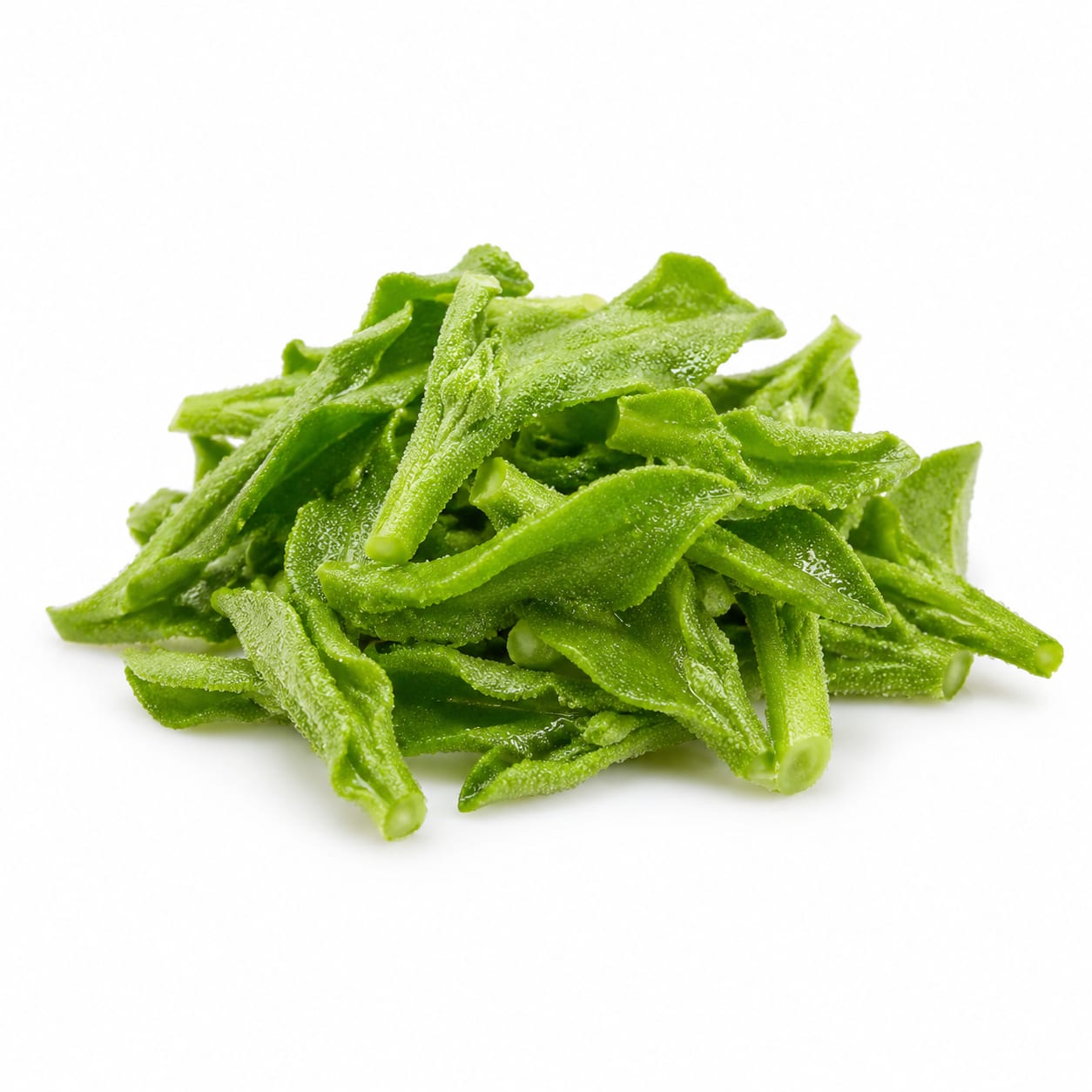
Ice Plant
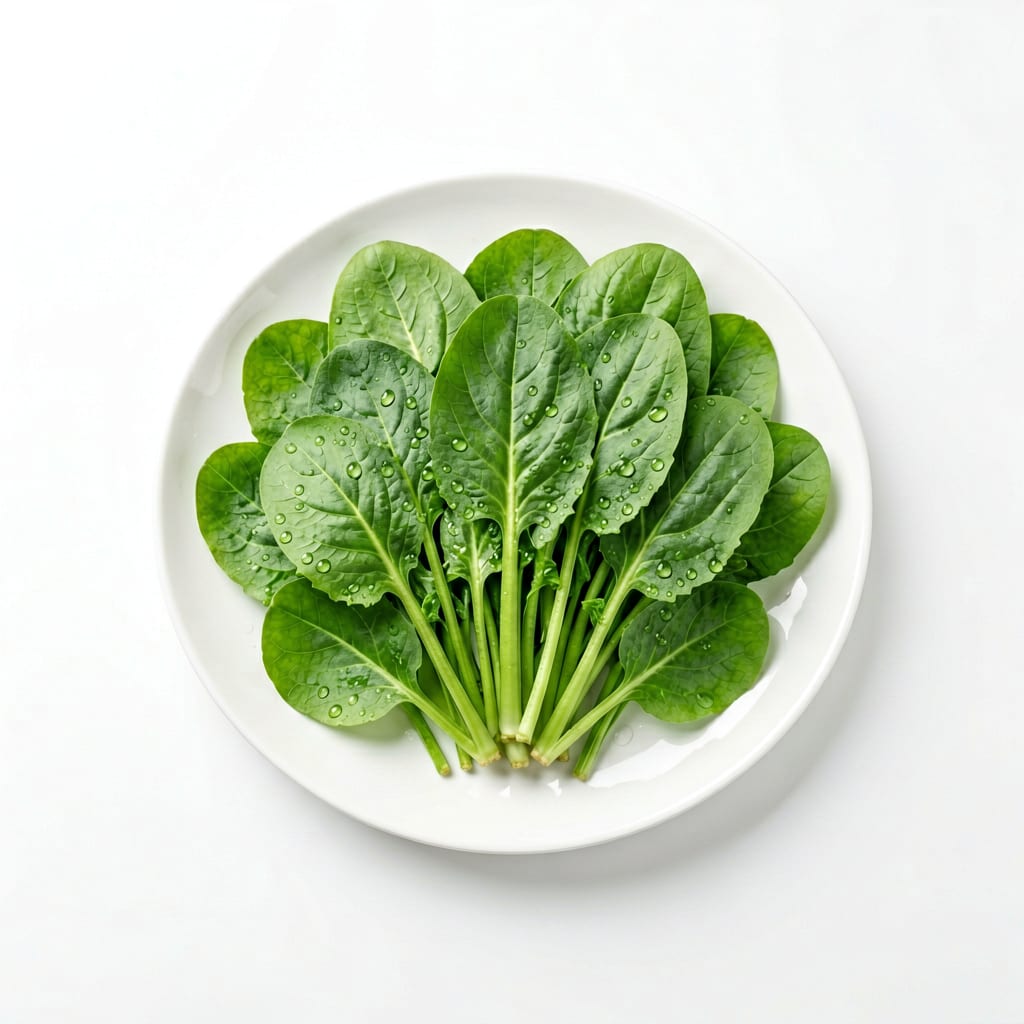
Watercress
Watercress dominates on nutrient density and disease-fighting power, while Ice Plant offers unique hydration and a satisfying crunch that Watercress cannot match.
Watercress scores significantly higher due to its unmatched nutrient density and strong clinical evidence for disease prevention. Ice Plant is enjoyable and unique but cannot compete on overall nutritional impact.
You choose between Watercress's exceptional vitamin and antioxidant payload versus Ice Plant's novelty texture, mild saltiness, and hydrating quality.
At a glance
Executive summary
Overall
Watercress
Healthier
Watercress
More practical
Watercress
Daily use
Watercress
Key comparison lenses
nutrient density comparison
Watercress is consistently ranked as the most nutrient-dense vegetable on the CDC powerhouse list, while Ice Plant is a lesser-known succulent with a different nutritional profile
hydration and mineral content
Ice Plant is a salt-accumulating succulent with unique mineral storage, making sodium and hydration key differentiators
cancer fighting potential
Watercress contains glucosinolates with strong anti-cancer research backing, a major reason people seek it out
everyday accessibility
Ice Plant is a specialty ingredient hard to find in most grocery stores, while Watercress is increasingly available
culinary versatility
These greens serve very different roles in the kitchen — one is a crunchy garnish, the other is a peppery workhorse
Best choice for
Ice Plant
- Seeking a low-calorie crunchy snack with natural saltiness
- Adding gourmet texture to salads and dishes
- Staying hydrated in hot climates
- Reducing cravings for salty processed snacks
Watercress
- Maximizing vitamin and mineral intake per calorie
- Supporting long-term cancer prevention
- Boosting iron and vitamin K levels
- Building a nutrient-dense daily salad habit
Least suitable for
Ice Plant
- Anyone watching sodium intake closely
- People relying on one green for broad nutrition
- Those who need easy grocery store availability
Watercress
- People on blood thinners who must limit vitamin K
- Those who dislike peppery or bitter flavors
- Anyone wanting a mild, neutral-tasting green
Deep comparison
Dimension by dimension
Each lens scores both foods and breaks down who each option suits.
- Dimension 1 · Priority 95Watercress
nutrient_density
Ice Plant · 38Watercress · 98Watercress is one of the most nutrient-dense foods on the planet. Ice Plant provides some vitamins but cannot approach this level.
Tradeoff
Ice Plant offers a fun eating experience but delivers far fewer vitamins and minerals per bite than Watercress.
Why it matters
If you eat greens primarily for health benefits, this gap is enormous. Watercress packs more nutrition per calorie than almost any other food.
Real-world impact
A handful of Watercress covers significant daily vitamin K, vitamin C, and iron needs. Ice Plant would require much larger quantities to approach similar intake.
Ice Plant
- Adding volume and crunch without overwhelming other flavors
Better for
- Relying on it as a primary nutrient source
- Meeting iron or vitamin K requirements
Worse for
Watercress
- Meeting daily vitamin needs efficiently
- Getting maximum nutrition from small portions
- Supporting bone health through vitamin K
Better for
- Those who need to restrict vitamin K intake
Worse for
- Dimension 2 · Priority 85Ice Plant
hydration_and_mineral_balance
Ice Plant · 82Watercress · 60Ice Plant's succulent bladder cells store water and minerals, giving it a natural saltiness and exceptional hydration capacity.
Tradeoff
Ice Plant hydrates beautifully and provides trace minerals but carries notably more sodium than Watercress, which is a concern for some.
Why it matters
For hot weather, post-exercise recovery, or simply staying hydrated through food, Ice Plant is surprisingly effective. But the sodium tradeoff is real.
Real-world impact
Eating Ice Plant on a summer afternoon feels refreshing and lightly salted, like nature's electrolyte snack. Watercress hydrates too but without the mineral boost.
Ice Plant
- Hot climate hydration
- Post-workout mineral replenishment
- Replacing salty processed snacks with a whole-food alternative
Better for
- Sodium-sensitive individuals
- Those with hypertension managing salt intake
Worse for
Watercress
- Low-sodium diets
- Blood pressure management
Better for
- Situations demanding electrolyte replenishment from food
Worse for
- Dimension 3 · Priority 80Watercress
antioxidant_and_cancer_fighting_power
Ice Plant · 42Watercress · 94Watercress contains glucosinolates and isothiocyanates with strong anti-cancer evidence. Ice Plant has some antioxidants but far less research support.
Tradeoff
Watercress has clinical-level evidence for DNA protection and cancer risk reduction. Ice Plant offers mild antioxidant benefits without the same scientific backing.
Why it matters
If cancer prevention is a priority, Watercress is one of the best foods you can eat. Ice Plant simply does not have comparable data.
Real-world impact
Regular Watercress consumption has been shown to reduce DNA damage in white blood cells. Ice Plant may help generally but lacks this level of proof.
Ice Plant
- Adding variety to an already antioxidant-rich diet
Better for
- Anyone specifically seeking glucosinolate benefits
- Those prioritizing evidence-based cancer prevention foods
Worse for
Watercress
- Long-term cancer risk reduction
- Reducing oxidative stress measurably
- Supporting cellular defense systems
Better for
- People taking medications that interact with cruciferous vegetables
Worse for
- Dimension 4 · Priority 70It depends
flavor_and_culinary_role
Ice Plant · 72Watercress · 74Ice Plant delivers a satisfying crunch and mild salty-sour flavor. Watercress brings a peppery kick that enlivens dishes differently.
Tradeoff
Ice Plant excels as a textural element and garnish. Watercress works better as a flavor driver in soups, sandwiches, and salads.
Why it matters
These two greens rarely substitute for each other. They serve different culinary purposes, and choosing between them depends on what your dish needs.
Real-world impact
Ice Plant makes a burger or taco feel gourmet with its juicy snap. Watercress turns a bland soup into something vibrant and alive.
Ice Plant
- Adding crunch to sandwiches and tacos
- Garnishing with visual appeal and texture
- Mild flavor that does not compete with other ingredients
Better for
- Dishes where you want bold green flavor
- Cooked applications where texture disappears
Worse for
Watercress
- Peppery flavor that stands on its own
- Cooking into soups and stir-fries
- Making a simple salad exciting without heavy dressing
Better for
- Dishes needing a neutral, crunchy element
- Delicate flavor pairings where pepper overwhelms
Worse for
- Dimension 5 · Priority 75Watercress
availability_and_practicality
Ice Plant · 28Watercress · 68Watercress is available in most major grocery stores. Ice Plant is a specialty item found mainly at farmers markets and gourmet shops.
Tradeoff
Watercress is realistically accessible for weekly shopping. Ice Plant requires effort to source and is often seasonal.
Why it matters
The healthiest food only works if you can actually buy it. Ice Plant's limited availability makes consistent consumption difficult.
Real-world impact
You can find Watercress at most supermarkets year-round. Ice Plant might require a specialty store trip or online order, making it more of an occasional treat.
Ice Plant
- Living near specialty markets or farmers markets
- Growing your own in a garden
Better for
- Suburban or rural areas with limited specialty access
- Anyone wanting a reliable weekly staple green
Worse for
Watercress
- Weekly grocery shopping convenience
- Consistent daily or regular consumption
- Finding organic options easily
Better for
- Areas with limited fresh produce sections
Worse for
Timeline
Health impact over time
Short-term
Hours to days
Ice Plant
- Refreshing hydration due to high water content in bladder cells
- Mild salty satisfaction that can curb processed snack cravings
- Light, low-calorie crunch that feels satisfying without heaviness
Watercress
- Noticeable energy lift from concentrated B vitamins and iron
- Peppery flavor can clear sinuses and stimulate digestion
- Quick vitamin K boost supporting blood clotting and circulation
Long-term
Months to years
Ice Plant
- Moderate antioxidant support from betacyanins and flavonoids
- Potential blood pressure concerns if consumed frequently due to sodium content
- Hydration habit that supports skin and kidney function over time
Watercress
- Reduced cancer risk from consistent glucosinolate intake
- Stronger bones from exceptional vitamin K levels
- Better cardiovascular health through folate and antioxidant synergy
- Improved iron status, especially valuable for vegetarians and women
Risk profile
Safety & processing
Both greens are typically sold fresh and unprocessed. Neither carries significant additive concerns when purchased whole.
Ice Plant
sodium_accumulation
mediumIce Plant naturally accumulates salt from soil, which can be problematic for sodium-sensitive individuals if eaten regularly in large quantities.
contamination_from_coastal_harvest
lowWild-harvested Ice Plant from coastal areas may absorb heavy metals or pollutants from shoreline soil. Commercially grown is generally safer.
Watercress
waterborne_bacteria
mediumWatercress grows in water and has historically carried liver fluke risk. Commercially grown Watercress in regulated countries is safe, but always wash thoroughly.
vitamin_k_interaction
mediumExtremely high vitamin K content can interfere with blood-thinning medications like warfarin. Consistent intake requires medical coordination.
Who wins for whom
Audience fit
Same foods, different winners depending on your goal.
children
Ice PlantIce Plant's mild flavor and fun crunchy texture are more kid-friendly than Watercress's peppery bite. Children are more likely to actually eat it.
daily consumption
WatercressWatercress offers broader, more consistent nutritional benefits for daily use. Ice Plant's sodium content makes daily consumption less ideal for most people.
diabetes
WatercressWatercress has a lower glycemic impact with more fiber and chromium. Its anti-inflammatory properties also support insulin sensitivity better.
elderly
WatercressWatercress's exceptional vitamin K and calcium content directly supports bone density and cardiovascular health, both critical concerns for older adults.
muscle gain
WatercressNeither is a protein source, but Watercress provides more iron and vitamin C, which support oxygen delivery and recovery for training.
weight loss
WatercressWatercress provides more satiating nutrients per calorie, helping meet nutritional needs while staying in a deficit. Ice Plant is also low-calorie but less filling.
Your move
Decision guide
Choose Ice Plant
- You want a hydrating, crunchy snack with natural saltiness
- You are looking for gourmet texture to elevate a dish
- You live in a hot climate and want refreshing, water-rich food
- You can source it easily and want something different from standard greens
- You are trying to replace salty processed snacks with a whole-food option
Choose Watercress
- You want maximum nutrition per calorie from your greens
- Cancer prevention and long-term disease resistance are priorities
- You need to boost iron, vitamin K, or vitamin C intake
- You want a versatile green for salads, soups, and sandwiches
- You value evidence-backed health benefits over novelty
Either works if
- You simply want to add more leafy greens to your diet
- You enjoy rotating different greens for variety and broader nutrient coverage
- You are building a diverse salad with multiple green types
Avoid both if
- You are on a strict vitamin K restriction due to blood-thinning medication
- You have difficulty finding fresh greens and cannot store them properly
Final recommendation
Make Watercress your daily green and treat Ice Plant as an exciting occasional addition. Watercress delivers the nutritional results that matter long-term, while Ice Plant brings joy, crunch, and hydration when you can find it. If sodium is a concern for you, limit Ice Plant to once or twice a week and always rinse it before eating.
Practical
Consumer tips
- 1
Rinse Ice Plant thoroughly to reduce surface sodium before eating
- 2
Add Watercress to soups at the very end to preserve its vitamin C and glucosinolates
- 3
If you cannot find fresh Ice Plant, check Asian or specialty grocery stores where it is more commonly stocked
- 4
Pair Watercress with a vitamin C source like lemon juice to boost iron absorption
- 5
Grow Ice Plant at home in a sunny spot — it thrives in poor soil and requires little maintenance
- 6
Store Watercress like a bouquet, stems in water in the fridge, to extend freshness by several days
- 7
If on blood thinners, talk to your doctor before making Watercress a daily habit due to its extreme vitamin K content