
Nutrition comparison
Ice Plant vs Spinach: Nutrition, Oxalates, and Health Benefits
Comparing Ice Plant and Spinach? Discover which leafy green is better for kidney health, hydration, and daily nutrition. Learn about oxalates, vitamins, and more.
Overall winner · Spinach
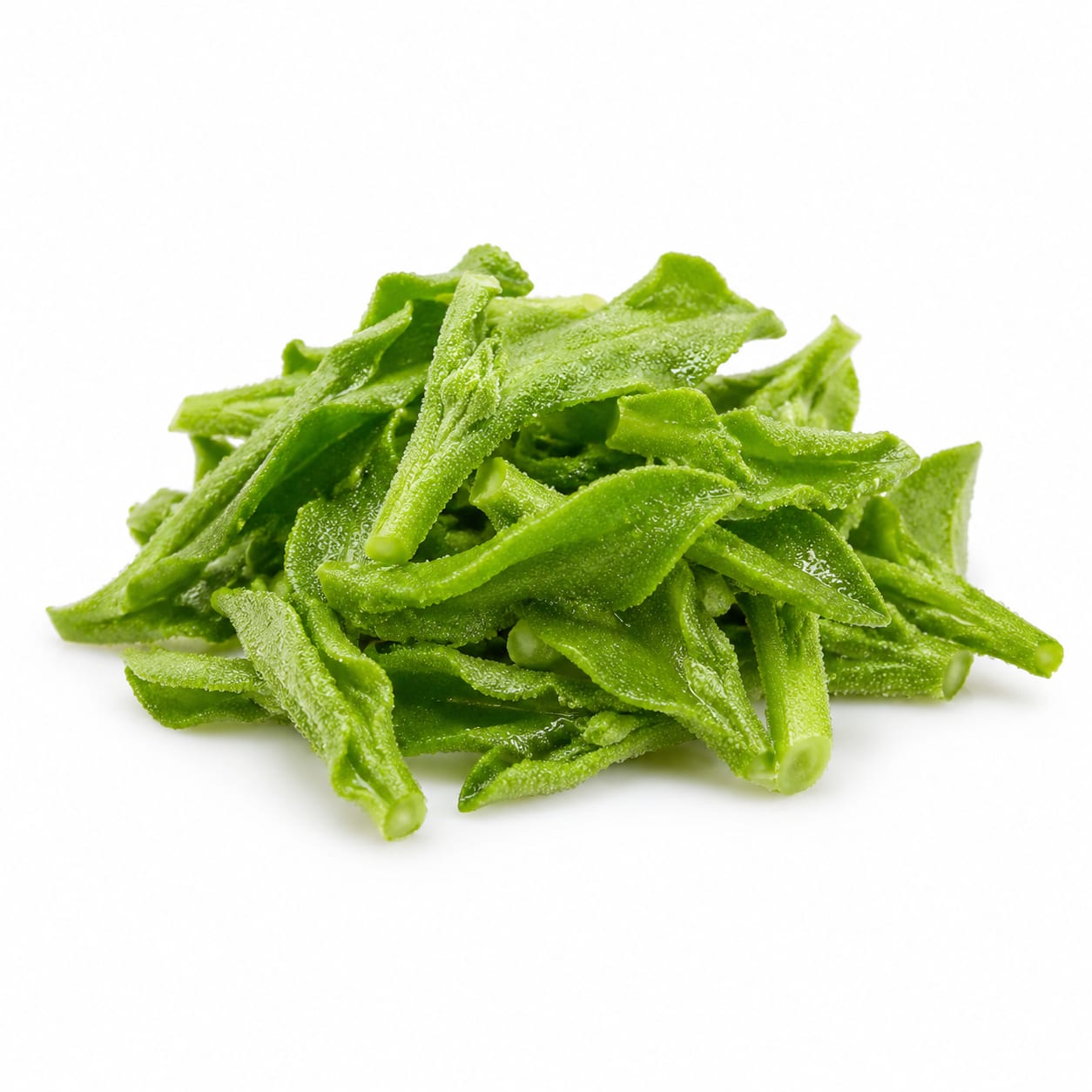
Ice Plant
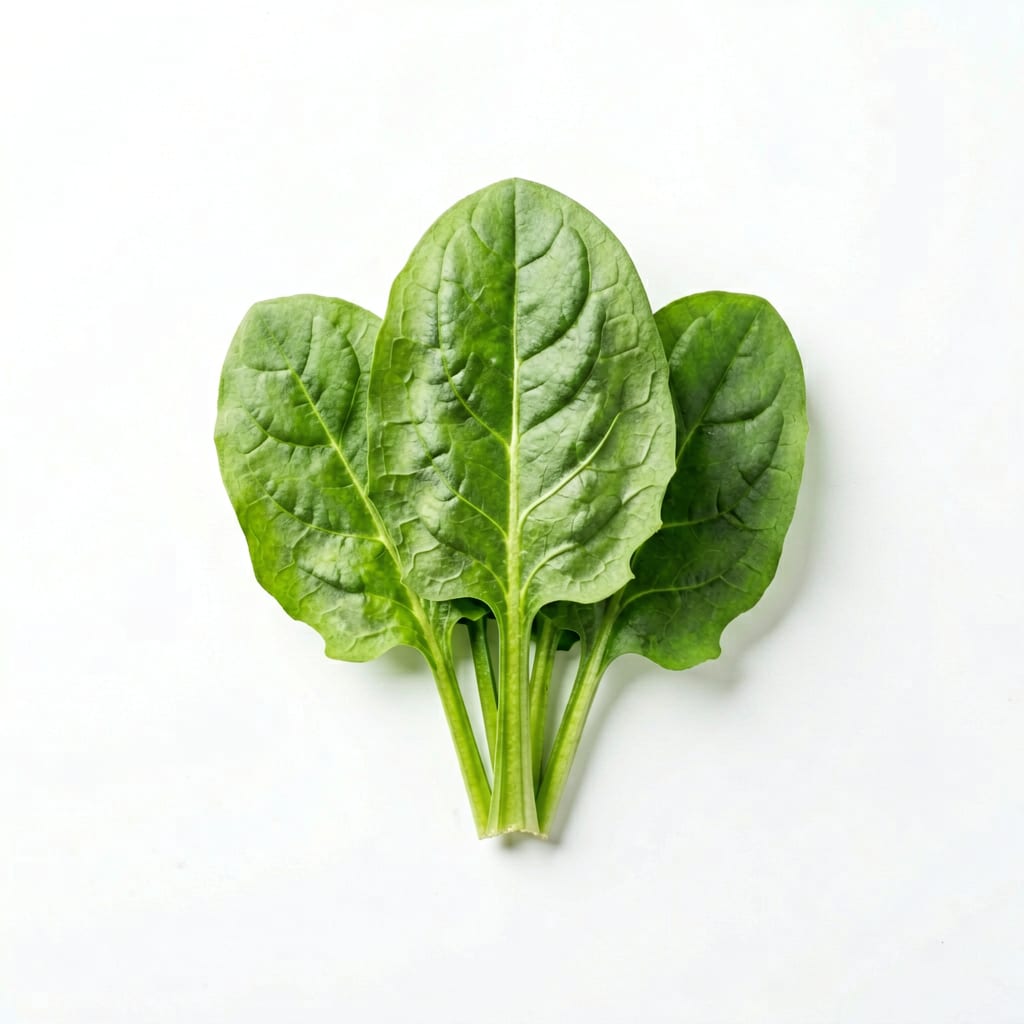
Spinach
Spinach is the nutritional powerhouse and everyday staple, while Ice Plant offers a unique hydrating, low-oxalate alternative with a satisfying crunch.
Spinach scores higher due to its exceptional nutrient density, affordability, and versatility. Ice Plant scores respectably for its unique hydration benefits and lack of oxalates, but it cannot compete with Spinach's overall nutritional profile and everyday practicality.
Spinach provides far more vitamins and minerals overall, but its high oxalates block absorption; Ice Plant is lower in overall nutrients but its minerals are easier to absorb and it offers natural hydration.
At a glance
Executive summary
Overall
Spinach
Healthier
Spinach
More practical
Spinach
Daily use
Spinach
Key comparison lenses
Nutrient density vs. mineral absorption
Spinach has high raw nutrients but also high oxalates that block absorption, while Ice Plant offers better bioavailability
Kidney stone risk and oxalate load
A major differentiator; Spinach is notoriously high in oxalates, whereas Ice Plant is virtually oxalate-free
Hydration and electrolyte balance
Ice Plant is a succulent that stores water and natural salts, offering unique hydration benefits
Everyday practicality and culinary versatility
Spinach is a kitchen staple available everywhere, while Ice Plant is a niche ingredient mostly eaten raw
Best choice for
Ice Plant
- People prone to calcium oxalate kidney stones
- Hot weather hydration needs
- Those needing natural electrolyte replacement
- Salad texture enthusiasts
Spinach
- General vitamin and mineral boosting
- Budget-conscious shoppers
- Cooking and hot dishes
- Widespread availability needs
Least suitable for
Ice Plant
- People on strict low-sodium diets
- Those seeking high iron intake
- Budget shoppers
- People who cannot source it locally
Spinach
- People with severe oxalate kidney stone issues
- Those on blood thinners needing perfectly stable vitamin K intake
Deep comparison
Dimension by dimension
Each lens scores both foods and breaks down who each option suits.
- Dimension 1 · Priority 95Spinach
Nutrient Density & Vitamin Profile
Ice Plant · 45Spinach · 95Spinach dominates in sheer nutrient density, packing significantly more iron, folate, and vitamins A and K than Ice Plant.
Tradeoff
You get more total nutrients with Spinach, but Ice Plant offers a lighter, more hydrating eating experience.
Why it matters
If you are eating greens primarily to cover your micronutrient bases, Spinach gets the job done far more efficiently.
Real-world impact
A single cup of Spinach covers over half your daily vitamin A needs, whereas Ice Plant provides a milder nutritional nudge.
Ice Plant
- Light, refreshing meals
- Avoiding vitamin K spikes for blood thinner management
Better for
- Correcting iron deficiency
- Packing maximum nutrition into a small meal
Worse for
Spinach
- Filling nutrient gaps
- Boosting iron and folate intake
Better for
- Those who need very stable, low vitamin K intake
Worse for
- Dimension 2 · Priority 90Ice Plant
Mineral Bioavailability & Oxalate Content
Ice Plant · 85Spinach · 40Ice Plant contains negligible oxalates, meaning its minerals are easily absorbed, unlike Spinach's iron and calcium which are largely bound by oxalates.
Tradeoff
Spinach has more iron on paper, but Ice Plant's lower oxalate content means you actually absorb a higher percentage of the minerals you consume.
Why it matters
Eating high-oxalate foods like raw Spinach can contribute to kidney stones and block mineral absorption.
Real-world impact
If you rely on Spinach for iron, you might still need supplements; Ice Plant won't give you much iron, but it won't steal calcium from your body either.
Ice Plant
- Kidney stone prevention
- Maximizing calcium absorption
Better for
- Treating clinical iron deficiency
Worse for
Spinach
- Those with no oxalate sensitivity
Better for
- People with a history of calcium oxalate stones
Worse for
- Dimension 3 · Priority 85Ice Plant
Hydration & Electrolyte Balance
Ice Plant · 92Spinach · 55Ice Plant is a succulent with specialized bladder cells that store water and natural salts, making it uniquely hydrating compared to Spinach.
Tradeoff
Ice Plant quenches thirst and replaces electrolytes naturally, while Spinach focuses purely on nutrient delivery without the hydrating edge.
Why it matters
Staying hydrated is crucial for energy and digestion, and eating water-rich foods helps more than most people realize.
Real-world impact
Eating Ice Plant on a hot summer day feels genuinely refreshing and lightly salty, whereas Spinach feels like standard greens.
Ice Plant
- Hot weather meals
- Post-workout light hydration
- Reducing added salt in salads
Better for
- Strict low-sodium diets
Worse for
Spinach
- Cold weather cooking
- Hearty, warming dishes
Better for
- Needing a refreshing, thirst-quenching salad
Worse for
- Dimension 4 · Priority 80Spinach
Culinary Versatility & Availability
Ice Plant · 35Spinach · 95Spinach is a kitchen chameleon that cooks down, blends smoothly, and is available everywhere; Ice Plant is a niche ingredient best eaten raw.
Tradeoff
You can use Spinach in virtually any meal, while Ice Plant is mostly limited to fresh salads and garnishes.
Why it matters
A healthy food only works if you can actually find it and incorporate it into your routine easily.
Real-world impact
You can throw Spinach into a smoothie, soup, or omelet any day of the week; Ice Plant requires a specialty store and careful prep to avoid wilting.
Ice Plant
- Gourmet raw presentations
- Adding unique texture to salads
Better for
- Meal prepping
- Cooking
- Budget shopping
Worse for
Spinach
- Smoothies
- Cooked dishes
- Everyday grocery runs
Better for
- Creating a visually striking, crunchy salad
Worse for
- Dimension 5 · Priority 88Ice Plant
Digestive & Kidney Safety
Ice Plant · 90Spinach · 60Ice Plant is gentle on the kidneys due to its lack of oxalates, whereas heavy consumption of raw Spinach can pose kidney stone risks.
Tradeoff
Spinach's high fiber is great for digestion, but its oxalates are tough on the kidneys; Ice Plant offers a safer profile for long-term renal health.
Why it matters
Kidney stones are incredibly painful, and dietary oxalates are a primary trigger for susceptible people.
Real-world impact
If you have ever passed a kidney stone, Ice Plant is a worry-free green; Spinach requires caution or cooking to reduce oxalates.
Ice Plant
- Kidney health maintenance
- Oxalate-sensitive diets
Better for
- Those needing high-fiber bulk for digestion
Worse for
Spinach
- Increasing daily fiber intake easily
Better for
- Susceptibility to calcium oxalate stones
Worse for
Timeline
Health impact over time
Short-term
Hours to days
Ice Plant
- Provides quick hydration and a satisfying crunch
- Mildly salty taste can satisfy salt cravings without heavy seasoning
Spinach
- Boosts energy and satiety through high fiber and nutrient content
- Can cause stomach discomfort in raw form for some due to oxalates
Long-term
Months to years
Ice Plant
- Safe for kidney health due to low oxalates
- Supports consistent hydration habits
Spinach
- Excellent for heart health, eye health, and anemia prevention
- Risk of kidney stones if consumed in extreme excess by susceptible individuals
Risk profile
Safety & processing
Both Ice Plant and Spinach are whole, unprocessed vegetables. Ice Plant is often foraged or specialty farmed, while Spinach is conventionally or organically farmed. Neither typically carries artificial additives when bought fresh.
Ice Plant
Sodium content
lowContains natural sodium which is usually a benefit but needs monitoring for strict low-sodium diets.
Foraging misidentification
mediumIf wild-foraged, must be correctly identified as the edible Ice Plant to avoid toxic lookalikes.
Spinach
Oxalate accumulation
mediumHigh oxalates can contribute to kidney stones in susceptible individuals, especially when eaten raw in large amounts.
Pesticide residue
mediumSpinach frequently appears on the EWG's Dirty Dozen list due to pesticide residues; washing thoroughly or buying organic is recommended.
Who wins for whom
Audience fit
Same foods, different winners depending on your goal.
children
SpinachSpinach is far easier to blend into smoothies or hide in pasta sauces to boost kids' nutrient intake without complaints.
daily consumption
SpinachSpinach is cheaper, easier to find, and more versatile, making it a far more sustainable daily habit.
diabetes
SpinachSpinach has a richer fiber profile that helps stabilize blood sugar levels more effectively after meals.
elderly
Ice PlantIce Plant's lack of oxalates protects aging kidneys, and its natural sodium helps older adults maintain hydration and prevent dangerously low sodium levels.
muscle gain
SpinachSpinach provides more iron and magnesium, which are critical for oxygen delivery and muscle function during training.
weight loss
SpinachSpinach is more filling and versatile, making it easier to reduce overall calorie intake across various meals.
Your move
Decision guide
Choose Ice Plant
- You are prone to calcium oxalate kidney stones
- You want a refreshing, hydrating crunch for salads
- You are looking for a low-oxalate source of greens
Choose Spinach
- You want maximum vitamins and minerals per bite
- You need a versatile green for cooking, smoothies, and salads
- You are on a tight budget
Either works if
- You just want a fresh, low-calorie salad base
- You need to increase your daily vegetable intake
Avoid both if
- You have severe digestive issues requiring a strict low-fiber diet
Final recommendation
Make Spinach your daily driver for its unmatched nutrient density and versatility, but keep Ice Plant in rotation if you struggle with kidney stones or want a uniquely refreshing, hydrating crunch.
Practical
Consumer tips
- 1
If you have kidney stones but love Spinach, boiling it can reduce oxalate levels by up to 87%.
- 2
Ice Plant's natural saltiness means you can use less dressing and seasoning on your salads.
- 3
Buy organic Spinach whenever possible to avoid high pesticide residues.
- 4
Ice Plant wilts quickly; use it within a day or two of purchase and eat it raw for the best texture.