
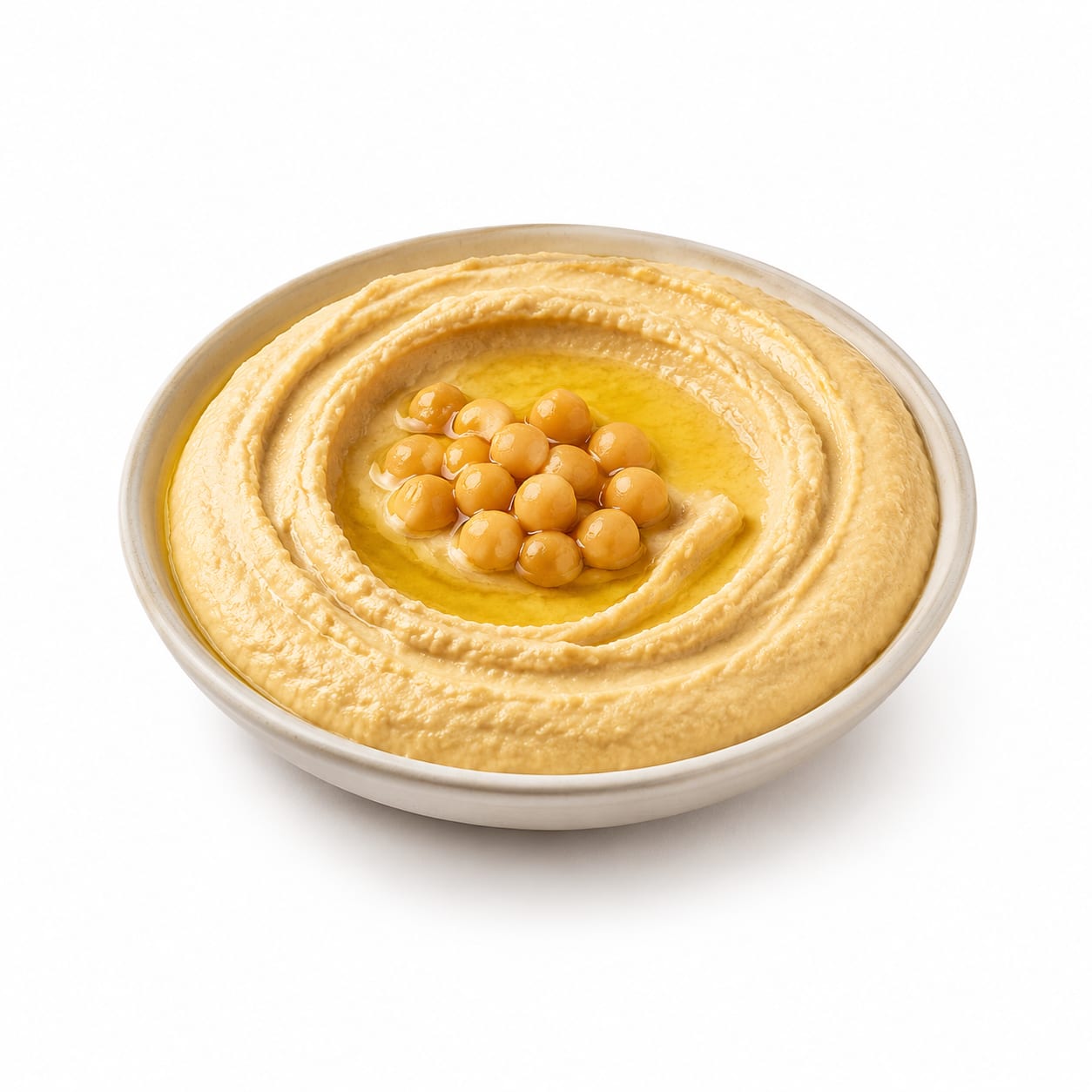
Legume spread
Hummus
A creamy Middle Eastern dip made from mashed chickpeas, tahini, lemon juice, and garlic, prized for its fiber and healthy fat content.
A creamy Middle Eastern dip or spread made from cooked, mashed chickpeas blended with tahini, lemon juice, and garlic.
fiber-rich plant-based dip and spread
Typical serving · 60g
Common varieties · classic, roasted red pepper, garlic, spicy, black bean +2 more
Overall context score across nutrition, safety, and diet fit
At a glance
Quick facts
Simple indicators based on nutrition, processing, and diet fit.
The story
What makes it unique
Hummus provides a balanced macronutrient profile of complex carbohydrates, plant-based protein, and healthy fats from tahini and olive oil. The fiber from chickpeas slows digestion, promoting sustained energy and a moderate glycemic response. It is minimally processed when made with whole, traditional ingredients.
Varieties: classic · roasted red pepper · garlic · spicy · black bean · edamame · kalamata olive
Per 100g
Nutrition breakdown
Macro balance and key metrics at a glance.
Energy
Density 1.66 kcal/g
Protein
Carbs
Fat
Fiber
Sugar
0.5 g
Sodium
379 mg
Potassium
228 mg
Glycemic index
6
Glycemic load
0.8
Water content
60%
Standout compounds
Nutrient highlights
Fiber
highsupports digestion and gut microbiome
Monounsaturated fats
moderatesupports heart health
Iron
moderateaids oxygen transport in blood
Folate
moderatesupports cell function and tissue growth
Plant protein
moderatesupports muscle maintenance
Wellness map
Health scores & processing
NOVA processing scale
moderately_processed · Whole food
Traditional hummus is a simple blend of cooked chickpeas, tahini, lemon juice, and garlic. Commercial versions may add preservatives or excess oil, but it remains a minimally to moderately processed food.
Diet compatibility
- Weight loss
- Muscle gain
- Diabetes
- Gut health
- Low carb
- High protein
- Heart health
Relative standing
Food rankings
Qualitative ranks compared to similar whole foods.
- Satietyexcellent
- Blood sugarexcellent
- Nutrient densitygood
- Fitness fuelmoderate
- Processing qualitygood
Eat with confidence
Food safety profile
Hummus is generally safe. The primary risk is microbial growth, such as Listeria, if left unrefrigerated. Occasional salmonella outbreaks have been linked to contaminated tahini.
Evidence confidence 90%
- Pesticideslow
- Antibioticslow
- Heavy metalslow
- Contaminationmoderate
Watch for
- listeria
- salmonella
Safer choices
freshly made homemade hummus with properly stored ingredients
Prep tips
keep refrigerated at all times and consume within 3-5 days of opening
strict refrigeration requirements for commercial dips to prevent bacterial growth
Deep dive
Health analysis
How this food may fit different goals and preparation choices.
Weight loss
Hummus is satiating due to fiber and fat, but energy density is moderate. Portion control is essential to avoid excess calories.
Blood sugar
Low glycemic index and high fiber prevent blood sugar spikes, making it an excellent choice for glucose control.
Fitness & energy
Provides sustained complex carbohydrates and plant protein, suitable for moderate activity, but not ideal for rapid glycogen replenishment.
Gut health
Chickpea fiber acts as a prebiotic, supporting beneficial gut bacteria and promoting regular bowel movements.
Processing quality
Traditional hummus uses whole food ingredients. Check labels on commercial brands for added oils, excess sodium, and preservatives.
Food safety
Spoils quickly at room temperature. Commercial outbreaks are rare but usually linked to Listeria or contaminated tahini.
Common mistakes
Treating hummus as a free food due to its health halo, leading to overconsumption of calories from fat and carbs.
Best preparation
Homemade blended with minimal olive oil, served with raw vegetables instead of pita chips to reduce calorie intake.
Practical guide
Best use cases
When and how this food fits real eating patterns.
vegetable dip for snacking
Replaces high-calorie dressings and boosts fiber intake when paired with raw vegetables.
sandwich spread alternative to mayo
Adds moisture, flavor, and nutrients to sandwiches with fewer unhealthy fats than mayonnaise.
plant-based protein boost
Helps vegetarians and vegans increase daily protein and iron intake alongside meals.
appetizer for gatherings
A crowd-pleasing, allergen-friendly (except for sesame) starter that accommodates various diets.
Balance sheet
Pros & cons
Upsides
- Rich in gut-friendly prebiotic fiber
- Low glycemic index stabilizes blood sugar
- Provides plant-based protein and iron
- Contains heart-healthy fats from tahini and olive oil
- Versatile as a spread or dip
Trade-offs
- Calorie-dense, making overconsumption easy
- Not a complete protein source on its own
- Commercial varieties can be high in sodium
- Contains common allergens like sesame (tahini)
- Not suitable for strict low-carb or keto diets
Fit check
Who is it for?
Great match
- plant-based snackers
- blood sugar management
- high-fiber diets
- heart-healthy eating patterns
Consider alternatives
- strict ketogenic diets
- low-calorie volume eating
- sesame allergy sufferers
Side by side
How it compares
Open the full head-to-head analysis for nutrition, safety, and practical tradeoffs.
This food
Hummus
VS85% alike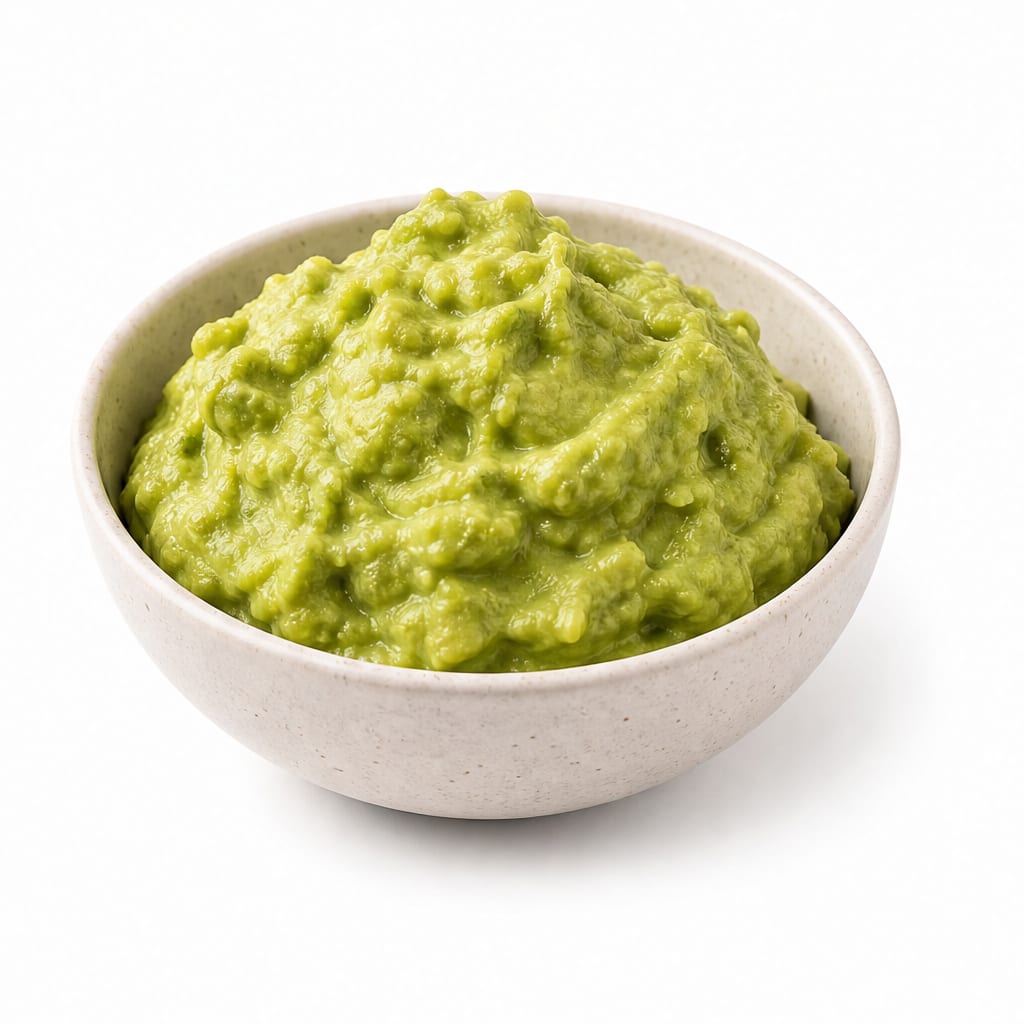
Compare with
Guacamole
Hummus provides more protein and iron, while guacamole offers more monounsaturated fat and fewer carbs.
Hummus offers more protein and iron, while guacamole provides more monounsaturated fat and fewer carbs.
This food
Hummus
VS90% alike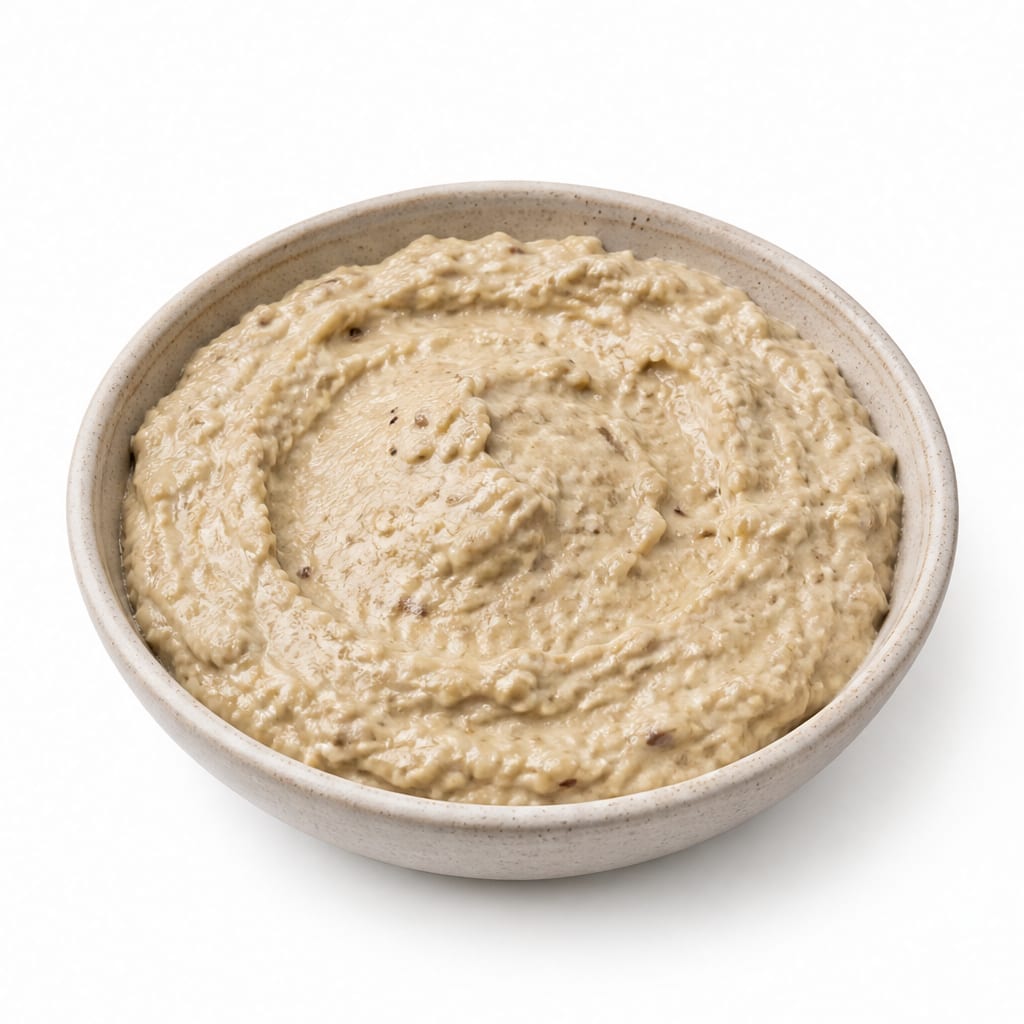
Compare with
Baba Ganoush
Baba ganoush is lower in calories and carbs due to its eggplant base, but hummus provides more protein and fiber from chickpeas.
Baba ganoush is lower in calories and carbs than hummus, but hummus provides more protein and fiber.
This food
Hummus
VS88% alike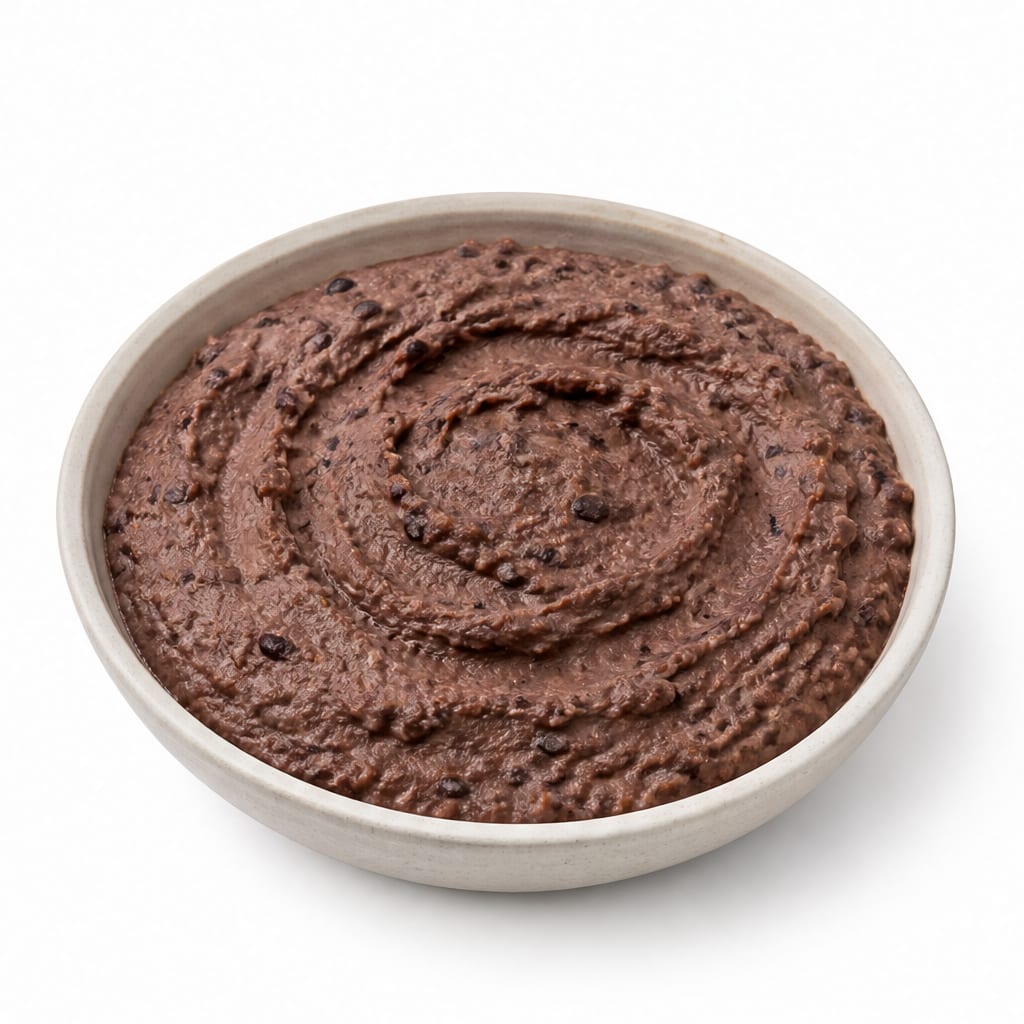
Compare with
Black Bean Dip
Black bean dip is slightly higher in protein and fiber, though both are excellent plant-based dips with similar calorie counts.
Black bean dip is slightly higher in protein and fiber than hummus, though both are excellent plant-based dips.
This food
Hummus
VS75% alike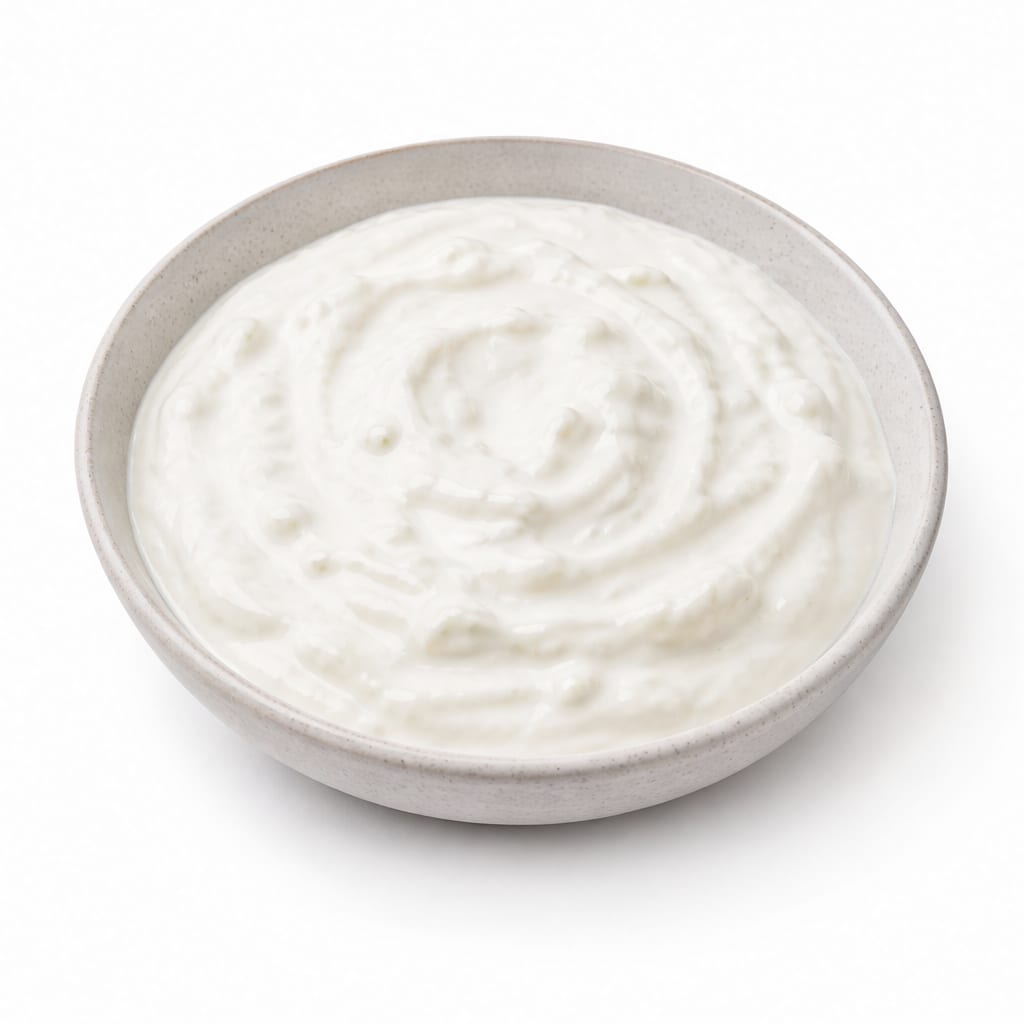
Compare with
Greek Yogurt Dip
Greek yogurt dip is much higher in protein and lower in calories and carbs, making it better for muscle gain and strict weight loss.
Greek yogurt dips are higher in protein and lower in calories than hummus, making them better for muscle gain and weight loss.
This food
Hummus
VS60% alike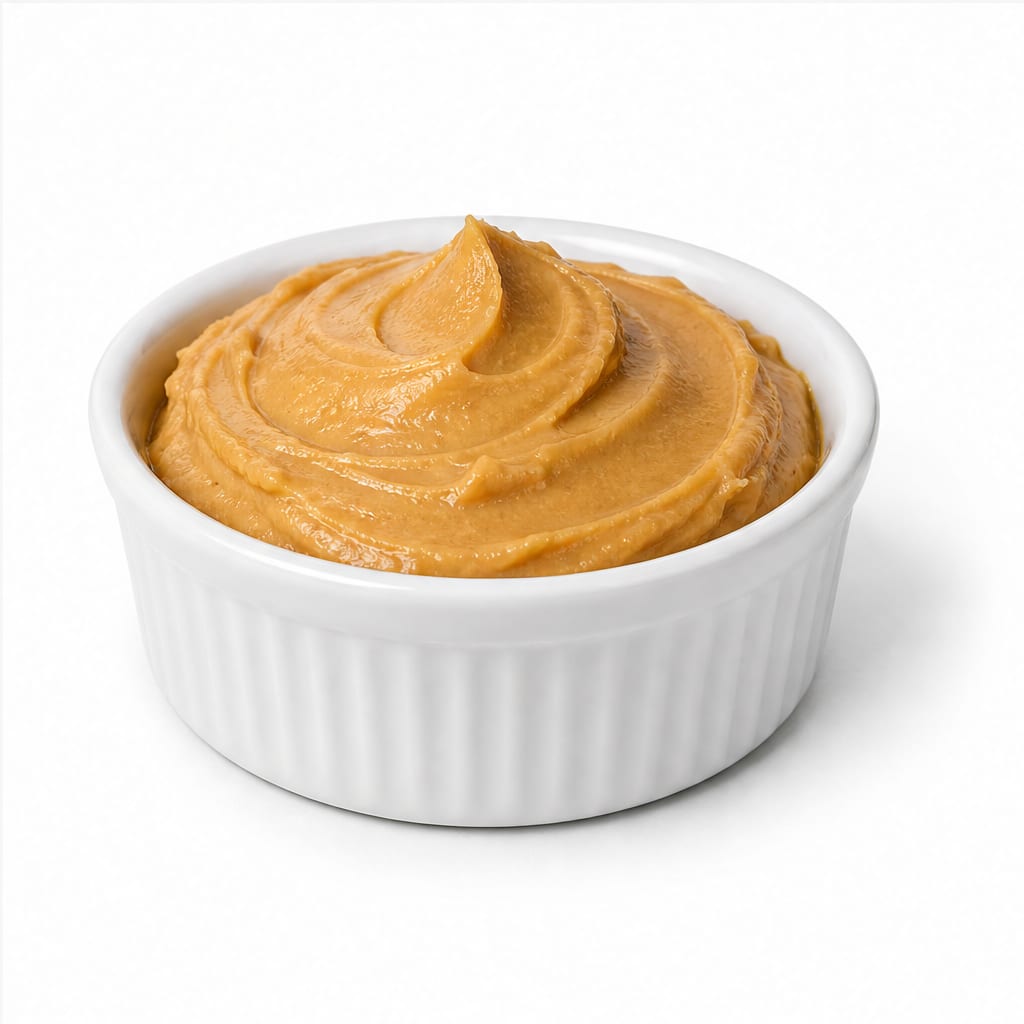
Compare with
Peanut Butter
Hummus is lower in calories and higher in carbs, while peanut butter is a denser source of fat and protein.
Hummus is lower in calories and higher in carbs, while peanut butter is a denser source of fat and protein.
This food
Hummus
VS65% alike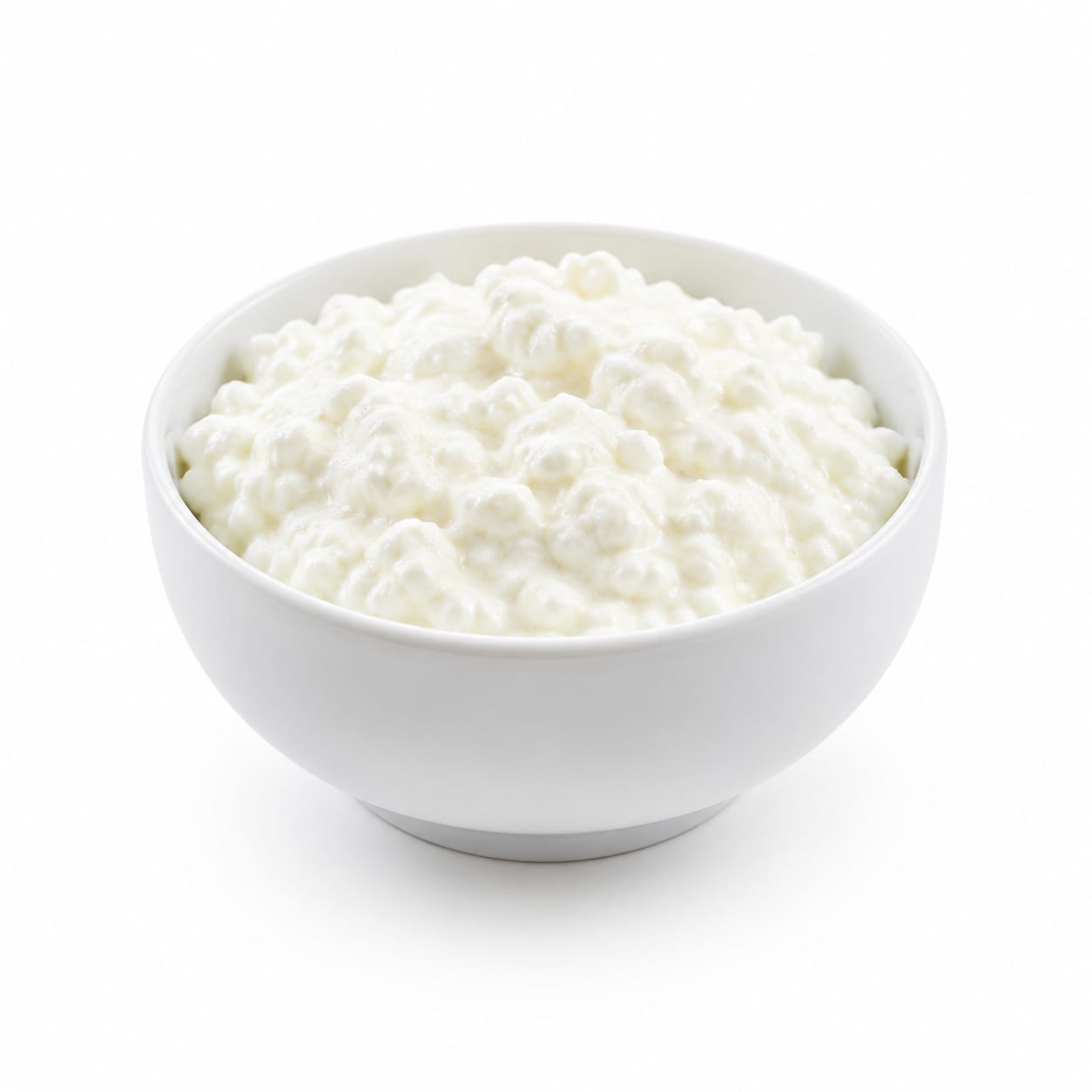
Compare with
Cottage Cheese
Cottage cheese is far higher in protein and lower in calories than hummus, which offers more fiber and complex carbs.
Cottage cheese is far higher in protein and lower in calories than hummus, which offers more fiber and complex carbs.
This food
Hummus
VS50% alike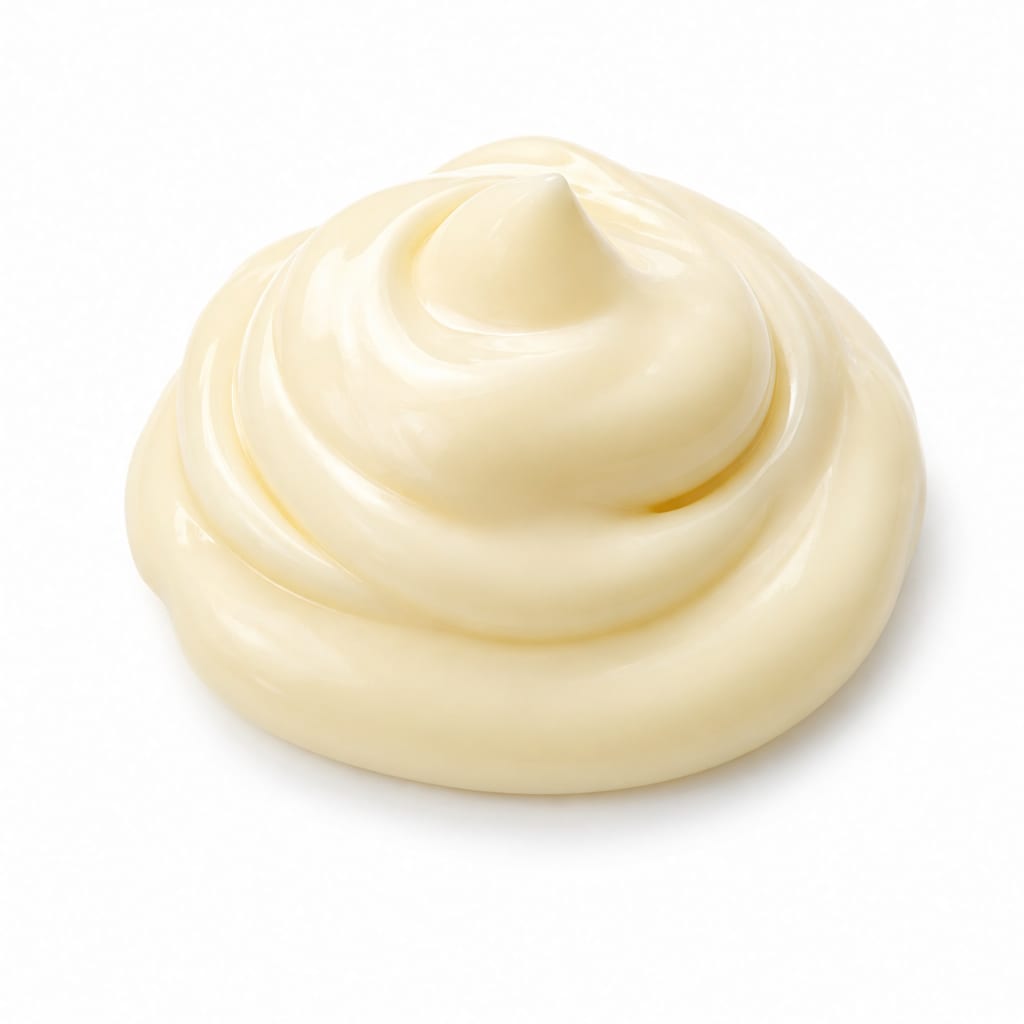
Compare with
Mayonnaise
Hummus is a nutrient-dense spread with fiber and protein, whereas mayonnaise is a high-fat, low-nutrient condiment.
Hummus is a nutrient-dense spread with fiber and protein, whereas mayonnaise is a high-fat, low-nutrient condiment.
This food
Hummus
VS85% alike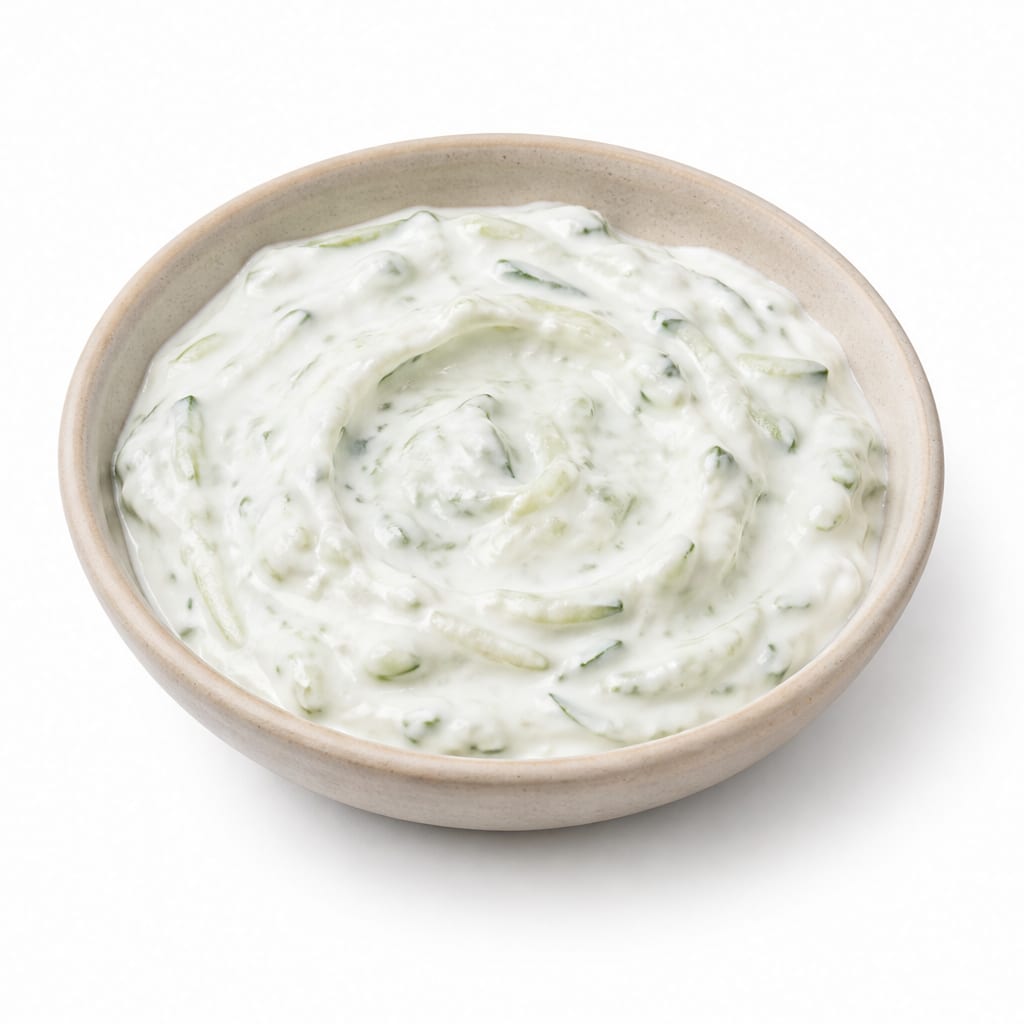
Compare with
Tzatziki
Tzatziki is lower in calories and carbs due to its yogurt and cucumber base, but hummus provides more dietary fiber and iron.
Tzatziki is lower in calories and carbs than hummus, but hummus provides more dietary fiber and iron.
This food
Hummus
VS70% alike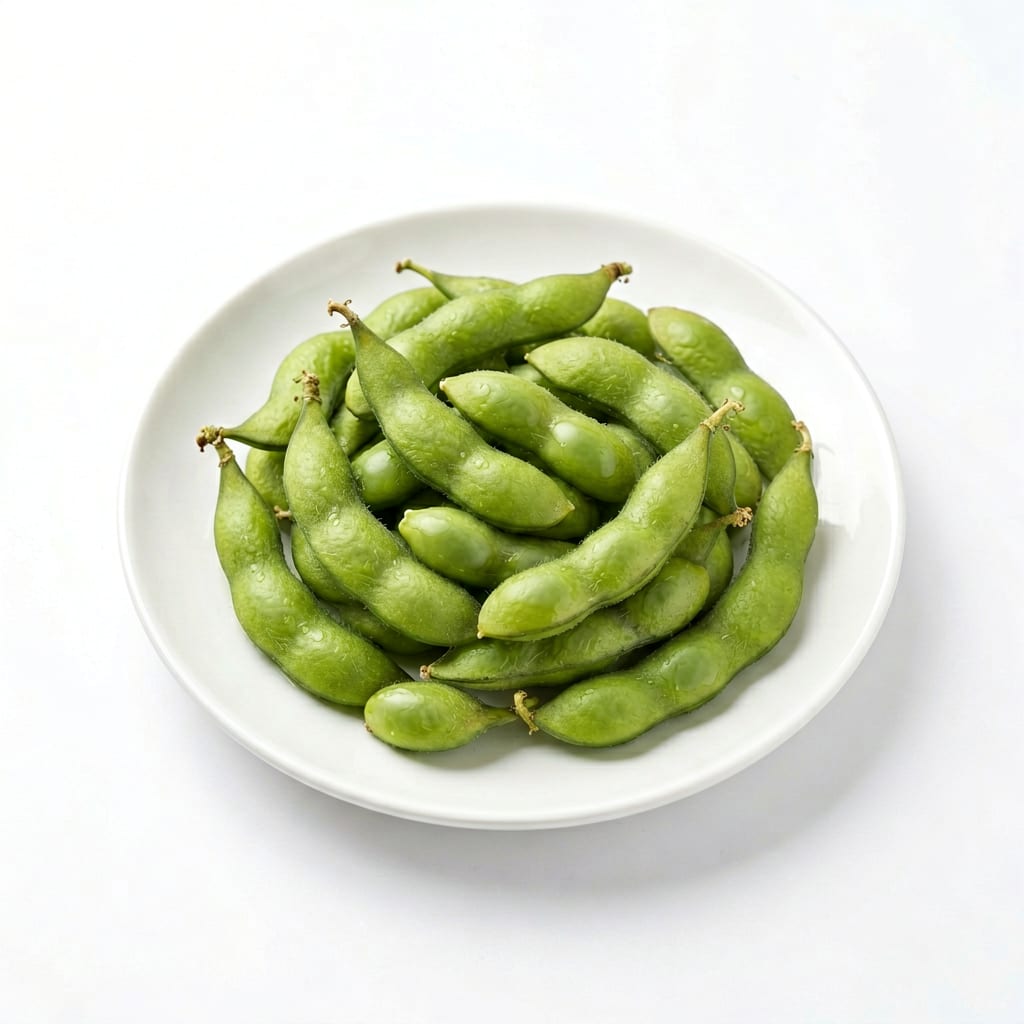
Compare with
Edamame
Edamame provides significantly more protein and fewer carbs than hummus, making it better for high-protein and low-carb diets.
Edamame provides significantly more protein and fewer carbs than hummus, making it better for high-protein diets.
This food
Hummus
VS60% alike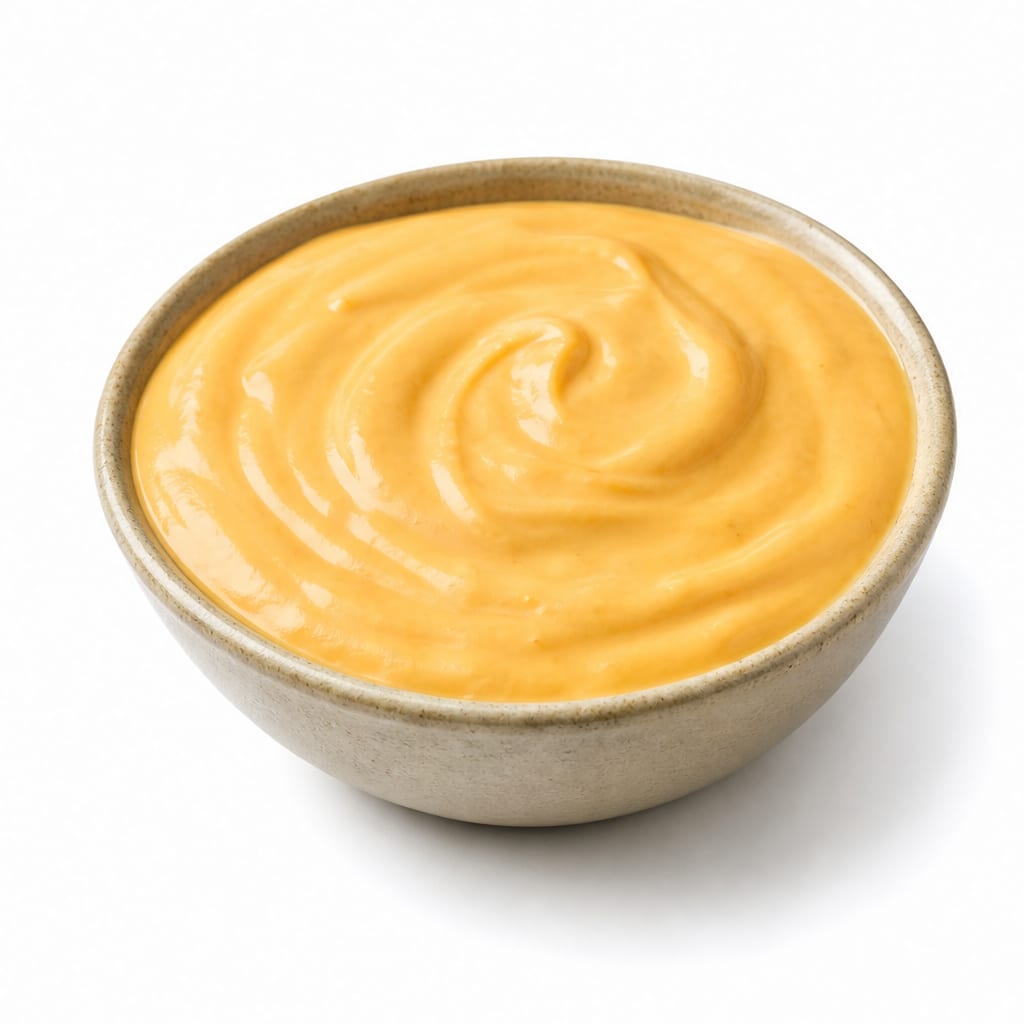
Compare with
Cheese Dip
Hummus contains healthy fats and fiber with fewer calories, while cheese dip is high in saturated fat and calories with more protein.
Hummus contains healthy fats and fiber with fewer calories, while cheese dip is high in saturated fat and calories.
Common questions
FAQ
Answers aligned with how people search for this food.
Is hummus good for weight loss?
Yes, in moderation. Its high fiber and healthy fat content increase satiety, but it is calorie-dense, so portion control is key.
Can diabetics eat hummus?
Yes, hummus has a very low glycemic index and glycemic load, meaning it will not cause significant blood sugar spikes.
Is hummus considered a carb or a protein?
Hummus contains both, providing complex carbohydrates and moderate plant-based protein, along with healthy fats.
Why is hummus so high in calories?
The tahini and olive oil in hummus contribute significant healthy fats, which are calorie-dense at 9 calories per gram.
Is store-bought hummus healthy?
Most store-bought hummus is healthy but can contain added preservatives, excess sodium, and vegetable oils. Reading ingredient labels is recommended.
What is the healthiest thing to eat with hummus?
Raw vegetables like carrots, celery, and bell peppers are the healthiest dippers, adding fiber and nutrients without the excess calories of pita chips.
Can you eat hummus on a low-carb diet?
In small amounts, hummus can fit into a moderate low-carb diet, but it is too high in carbs for strict keto.
Does hummus cause bloating?
Chickpeas contain oligosaccharides that can cause gas or bloating in some people, though the cooking and blending process reduces this.
How long does hummus last in the fridge?
Store-bought hummus lasts 5-7 days after opening, while homemade hummus should be consumed within 3-4 days.
Is hummus dairy-free?
Yes, traditional hummus is completely dairy-free and vegan, made from chickpeas, tahini, lemon juice, and garlic.
Transparency
Data confidence
Estimated confidence for nutrition data, interpretation, safety notes, and comparisons.
Nutrition data
Health analysis
Food safety
Comparisons