
Nutrition comparison
Hummus vs Mayonnaise: Nutrition, Calories, and Healthier Choice
Compare hummus vs mayonnaise to see which is healthier. Learn about calories, fat, and the best uses for each spread in your diet.
Overall winner · Hummus
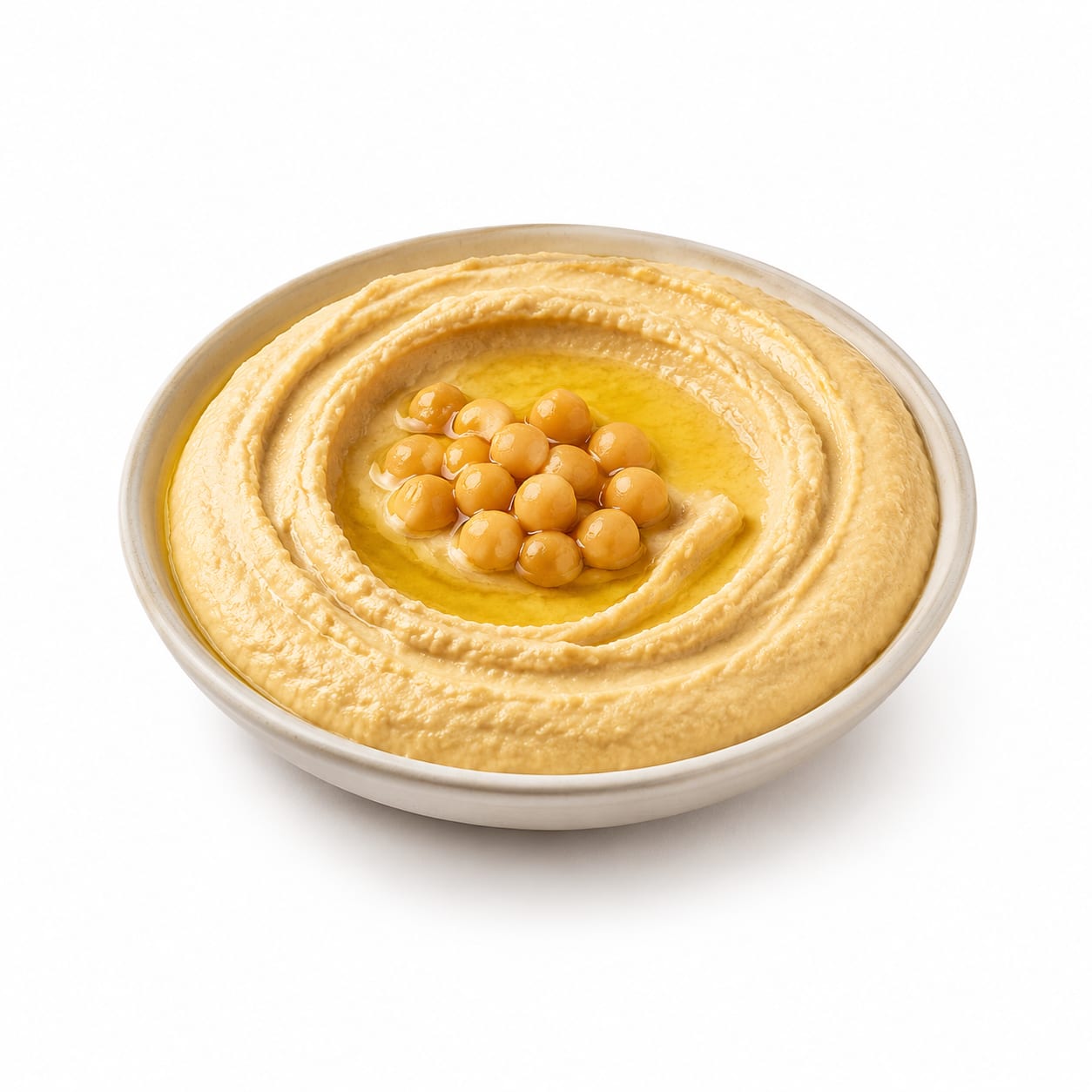
Hummus
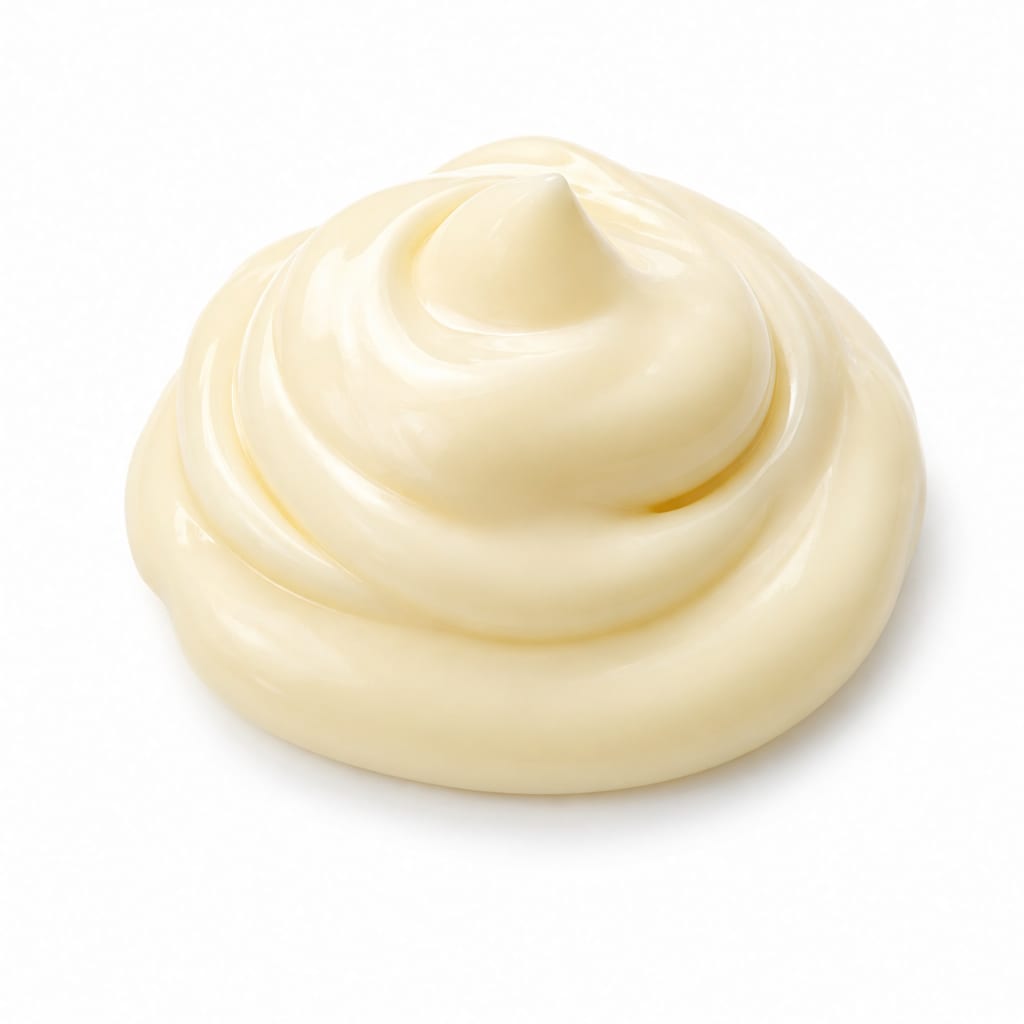
Mayonnaise
Hummus offers fiber, protein, and steady energy, while mayonnaise delivers pure fat and calories with almost no nutrients.
Hummus wins decisively due to its fiber, protein, and micronutrient content, whereas mayonnaise is essentially empty calories from fat.
You trade the rich, creamy mouthfeel and emulsifying power of mayonnaise for the nutritional payoff and lasting fullness of hummus.
At a glance
Executive summary
Overall
Hummus
Healthier
Hummus
More practical
It depends
Daily use
Hummus
Key comparison lenses
Weight management and calorie density
Mayonnaise is extremely calorie-dense compared to hummus, making portion control a major factor for everyday eaters.
Nutrient density and satiety
Hummus provides fiber and protein that keep you full, whereas mayonnaise offers empty calories that do not satisfy hunger.
Fat quality and heart health
Hummus relies on olive oil and tahini, while commercial mayonnaise often uses inflammatory seed oils.
Culinary role and practicality
Both serve as spreads or bases, but their flavor profiles and cooking properties dictate very different uses.
Best choice for
Hummus
- plant-based eaters
- weight watchers
- fiber seekers
- afternoon snackers
Mayonnaise
- keto dieters
- bakers needing emulsification
- people needing high-calorie intake
Least suitable for
Hummus
- strict low-carb dieters
- people with chickpea or sesame allergies
Mayonnaise
- weight loss diets
- heart health diets
- calorie counters
Deep comparison
Dimension by dimension
Each lens scores both foods and breaks down who each option suits.
- Dimension 1 · Priority 95Hummus
Calorie Density and Weight Management
Hummus · 85Mayonnaise · 20Hummus is far less calorie-dense, making it much easier to enjoy a satisfying portion without overconsuming calories.
Tradeoff
Mayonnaise packs over 700 calories per half-cup compared to roughly 200 for hummus.
Why it matters
Overeating calorie-dense condiments is a common hidden cause of weight gain.
Real-world impact
A generous smear of hummus on a sandwich adds flavor and nutrients; the same amount of mayo can add 200+ calories of pure fat.
Hummus
- calorie counters
- portion-conscious eaters
Better for
- people needing high calorie intake easily
Worse for
Mayonnaise
- those needing to gain weight
- strict keto dieters
Better for
- anyone watching their weight
Worse for
- Dimension 2 · Priority 90Hummus
Nutrient Density and Satiety
Hummus · 90Mayonnaise · 10Hummus provides plant protein, fiber, iron, and B vitamins, keeping you full. Mayonnaise offers almost zero nutrients.
Tradeoff
You get lasting energy from hummus, while mayo leaves you hungry again quickly despite its high calorie count.
Why it matters
Satiety from fiber and protein prevents overeating later in the day.
Real-world impact
An afternoon snack of veggies and hummus stabilizes blood sugar; veggies and mayo offer no such benefit.
Hummus
- people needing sustained energy
- snackers
Better for
Mayonnaise
- those strictly tracking macros with zero carbs
Better for
- people prone to blood sugar crashes
- frequent snackers
Worse for
- Dimension 3 · Priority 85Hummus
Fat Quality and Heart Health
Hummus · 80Mayonnaise · 40Hummus relies on olive oil and tahini for mostly monounsaturated fats, while commercial mayo often uses inflammatory seed oils.
Tradeoff
Hummus supports heart health, whereas typical mayo oils can promote inflammation when consumed regularly.
Why it matters
The type of fat you eat daily heavily impacts long-term cardiovascular risk.
Real-world impact
Swapping mayo for hummus on your daily sandwich is a simple win for heart health.
Hummus
- people with high cholesterol
- heart health focus
Better for
Mayonnaise
- people managing inflammation
- those with heart disease risk
Worse for
- Dimension 4 · Priority 75It depends
Versatility and Culinary Role
Hummus · 75Mayonnaise · 75Hummus excels as a dip, spread, or bowl base, while mayonnaise is essential for creamy dressings, baking, and binding.
Tradeoff
You cannot make a proper aioli or moist cake with hummus, and mayo makes a poor dip for carrots.
Why it matters
Choosing the right tool for the culinary job prevents disappointing meals.
Real-world impact
Use hummus for Mediterranean bowls and veggie snacks; keep mayo for potato salad and baking.
Hummus
- dip lovers
- sandwich spreaders
Better for
- making baked goods
Worse for
Mayonnaise
- home bakers
- salad dressing makers
Better for
- light refreshing dips
Worse for
Timeline
Health impact over time
Short-term
Hours to days
Hummus
- Steady energy from complex carbs and protein
- Comforting and filling without feeling heavy
Mayonnaise
- Quick feeling of fullness from fat
- Potential sluggishness from heavy fat intake
Long-term
Months to years
Hummus
- Better heart health from unsaturated fats
- Improved digestion from fiber
Mayonnaise
- Potential weight gain if overused
- Increased inflammation from high omega-6 seed oils
Risk profile
Safety & processing
Hummus is typically a whole-food blend of chickpeas and tahini. Commercial mayonnaise often contains preservatives, added sugars, and refined seed oils.
Hummus
Listeria contamination
lowStore-bought hummus has occasional recalls for listeria, but proper refrigeration minimizes risk.
Mayonnaise
Raw egg contamination
mediumTraditional or homemade mayo uses raw eggs, posing a salmonella risk. Commercial mayo uses pasteurized eggs and is safer.
Who wins for whom
Audience fit
Same foods, different winners depending on your goal.
children
HummusHummus provides nutrients for growing bodies, while mayo offers empty calories.
daily consumption
HummusHummus is a nutrient-dense daily staple; mayo is best used sparingly as a condiment.
diabetes
HummusHummus has a low glycemic index and fiber that stabilizes blood sugar; mayo has no carbs but lacks fiber.
elderly
HummusHummus is easier to digest and provides heart-healthy fats and fiber for regularity.
muscle gain
It dependsMayo adds easy calories for bulking, but hummus offers some plant protein for recovery.
weight loss
HummusHummus is lower in calories and higher in fiber, making portion control much easier.
Your move
Decision guide
Choose Hummus
- You want a filling, nutrient-packed snack
- You are watching your calorie intake
- You need a satisfying afternoon pick-me-up
Choose Mayonnaise
- You are making a creamy dressing or baking
- You need high calories with zero carbs
- You want a rich, neutral-flavored fat base
Either works if
- You just need a sandwich spread and are flexible on the flavor profile
Avoid both if
- You have severe allergies to their core ingredients like eggs, soy, sesame, or chickpeas
Final recommendation
Make hummus your everyday spread and dip for its nutritional payoff. Keep mayonnaise as an occasional ingredient for specific recipes where its unique emulsification and richness are truly needed.
Practical
Consumer tips
- 1
Portion hummus like a dip rather than an endless bowl to manage calories.
- 2
Look for mayonnaise made with avocado or olive oil to improve the fat quality if you use it often.
- 3
Check hummus labels for excess sodium or added oils; the best ingredient lists are short and recognizable.
- 4
Use hummus as a 1:1 swap for mayo in chicken salad or deviled eggs for a lighter, protein-rich twist.