
Nutrition comparison
Hummus vs Tzatziki: Which Dip is Healthier?
Compare Hummus and Tzatziki to find out which dip is better for weight loss, protein, and gut health. Discover the nutritional tradeoffs and which one fits your diet.
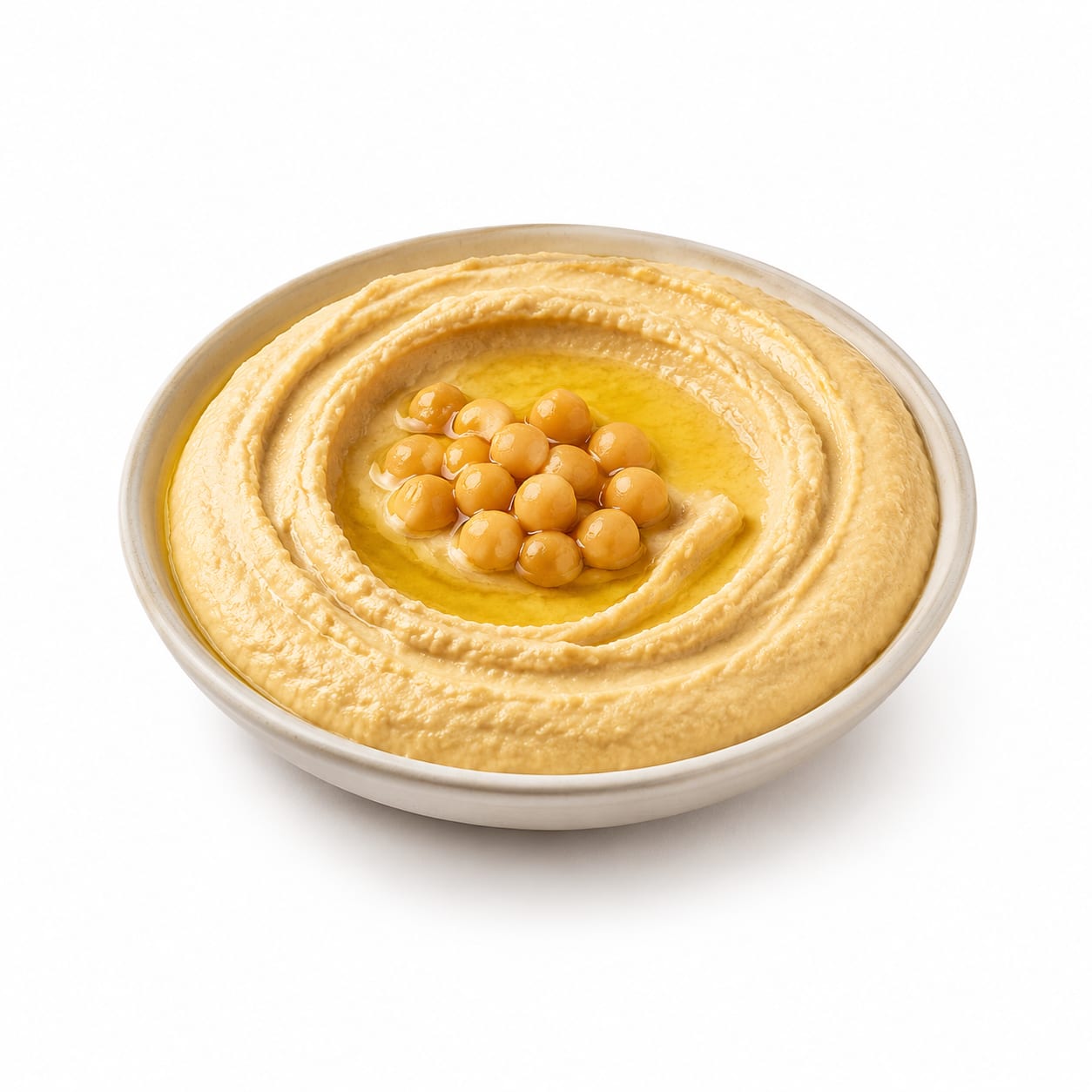
Hummus
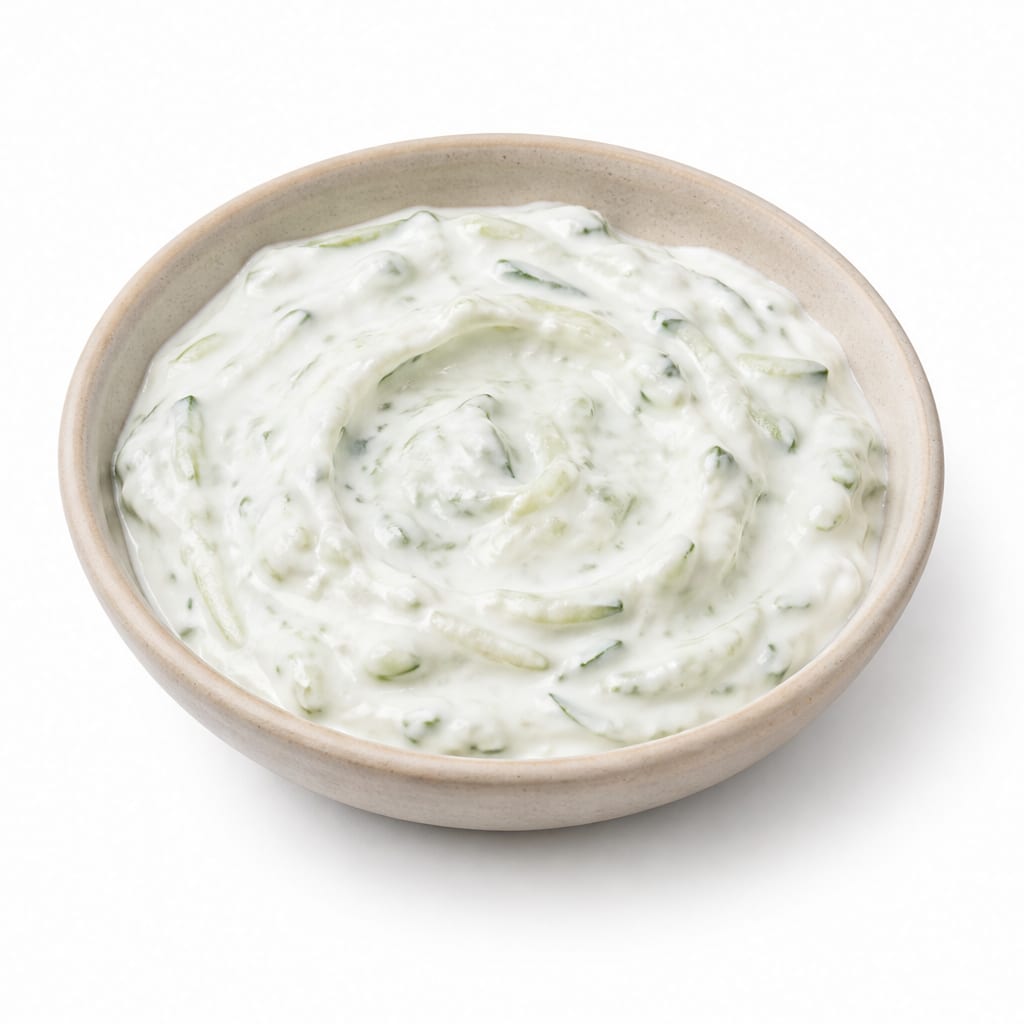
Tzatziki
Hummus offers fiber and plant-based energy, while Tzatziki delivers lighter calories and dairy protein.
Tzatziki scores slightly higher due to its lower calorie density and high-quality protein, but Hummus remains an excellent fiber-rich option, making them closely matched depending on dietary needs.
Hummus is more calorie-dense and filling with fiber, whereas Tzatziki is lighter and protein-rich but contains dairy.
At a glance
Executive summary
Overall
It depends
Healthier
It depends
More practical
It depends
Daily use
It depends
Key comparison lenses
Weight management and calorie control
Tzatziki is significantly lower in calories and fat, making it a common go-to for dieters, while Hummus is more calorie-dense.
Digestive health and gut support
Hummus offers prebiotic fiber while Tzatziki provides probiotics from yogurt, appealing to different aspects of gut health.
Dietary restrictions and allergens
Hummus is dairy-free and vegan, whereas Tzatziki contains dairy, which is a major deciding factor for lactose-intolerant individuals.
Protein source and muscle maintenance
Tzatziki delivers higher quality animal protein, while Hummus provides plant-based protein, influencing choice based on dietary needs.
Best choice for
Hummus
- Vegans and dairy-free eaters
- People needing sustained plant-based energy
- Those looking to increase daily fiber intake
Tzatziki
- People counting calories
- Those wanting high-quality protein
- Fans of probiotic-rich foods
Least suitable for
Hummus
- People on strict low-calorie diets
- Those watching carbohydrate intake closely
Tzatziki
- Lactose-intolerant individuals
- Vegans
Deep comparison
Dimension by dimension
Each lens scores both foods and breaks down who each option suits.
- Dimension 1 · Priority 90Tzatziki
Calorie Density & Weight Management
Hummus · 70Tzatziki · 90Tzatziki is much lower in calories and fat, making it easier to eat in larger portions without overconsuming.
Tradeoff
Hummus provides more substance and energy, but the calories add up quickly if you aren't mindful of portion sizes.
Why it matters
When trying to lose or maintain weight, volume eating with lower calorie dips helps control overall intake.
Real-world impact
You can scoop a generous amount of Tzatziki for a snack without guilt, while Hummus requires more restraint to avoid a calorie surplus.
Hummus
- Bulking on healthy calories
- Hikers needing dense energy
Better for
- Strict calorie tracking
- Sedentary days
Worse for
Tzatziki
- Cutting calories
- Late-night snacking
Better for
- Needing dense fuel for endurance
Worse for
- Dimension 2 · Priority 85It depends
Satiety & Fullness
Hummus · 85Tzatziki · 80Hummus fills you up longer due to its fiber and fat content, while Tzatziki's protein also keeps hunger at bay but feels lighter.
Tradeoff
Hummus gives a heavier, longer-lasting fullness, whereas Tzatziki offers a lighter satisfaction that might leave you hungry sooner.
Why it matters
Staying full between meals prevents overeating and cravings later in the day.
Real-world impact
A Hummus snack at 2 PM might easily carry you to dinner, while Tzatziki might only buy you an hour or two before you want more food.
Hummus
- Long gaps between meals
- Appetite control
Better for
- Feeling too heavy before activity
Worse for
Tzatziki
- Light pre-workout fuel
- Avoiding that sluggish feeling
Better for
- Intense hunger pangs
Worse for
- Dimension 3 · Priority 85It depends
Digestive Health & Gut Friendliness
Hummus · 85Tzatziki · 85Hummus feeds gut bacteria with fiber, while Tzatziki introduces beneficial bacteria through probiotics.
Tradeoff
Hummus provides prebiotic fiber to feed your microbiome, while Tzatziki provides live cultures to diversify it, assuming the yogurt is unpasteurized.
Why it matters
A healthy gut microbiome affects everything from immunity to mood and digestion regularity.
Real-world impact
Hummus helps keep you regular, while Tzatziki can soothe an upset stomach and improve gut flora diversity.
Hummus
- Improving bowel regularity
- Feeding existing good bacteria
Better for
- FODMAP sensitivity to garlic or chickpeas
Worse for
Tzatziki
- Replenishing gut flora after antibiotics
- Easier digestion for sensitive stomachs
Better for
- Severe lactose intolerance
Worse for
- Dimension 4 · Priority 80Hummus
Macronutrient Balance & Energy
Hummus · 85Tzatziki · 75Hummus provides a balanced mix of complex carbs, plant protein, and healthy fats for sustained energy.
Tradeoff
Tzatziki is heavily skewed towards protein and fat with very few carbs, which may not provide the same steady energy.
Why it matters
Balanced macros prevent energy crashes and support different activity levels throughout the day.
Real-world impact
Hummus gives you steadier energy for a busy afternoon, while Tzatziki is better when you want protein without the carb crash.
Hummus
- Sustained afternoon energy
- Active lifestyles needing carbs
Better for
- Strict keto diets
Worse for
Tzatziki
- Low-carb diets
- Post-workout protein
Better for
- Carb-fueling before a run
Worse for
- Dimension 5 · Priority 75Hummus
Dietary Flexibility & Allergens
Hummus · 90Tzatziki · 65Hummus is naturally vegan and dairy-free, fitting a wider variety of dietary restrictions.
Tradeoff
Tzatziki contains dairy, excluding vegans and the lactose intolerant, though it suits vegetarians fine.
Why it matters
Dietary restrictions are dealbreakers; a food must fit your lifestyle to be useful.
Real-world impact
Hummus is the safe bet for potlucks or mixed-diet households, while Tzatziki requires checking if guests eat dairy.
Hummus
- Vegan diets
- Dairy-free lifestyles
- Shared snack platters
Better for
- Sesame allergies due to tahini
Worse for
Tzatziki
- Vegetarian high-protein diets
Better for
- Vegans
- Lactose intolerance
Worse for
Timeline
Health impact over time
Short-term
Hours to days
Hummus
- Provides steady, grounded energy
- Can feel heavy if eaten in large amounts
Tzatziki
- Feels refreshing and light
- Protein quickly satisfies hunger
Long-term
Months to years
Hummus
- Supports heart health with olive oil and fiber
- Promotes healthy cholesterol levels
Tzatziki
- Supports bone density through dairy calcium
- Maintains gut microbiome diversity with probiotics
Risk profile
Safety & processing
Both Hummus and Tzatziki are whole-food based dips. Hummus blends chickpeas and tahini, while Tzatziki relies on yogurt and cucumber. Store-bought versions of either may contain preservatives, but homemade versions are entirely natural.
Hummus
Sesame allergy
highHummus contains tahini, which is a severe allergen for some individuals.
Cross-contamination
mediumStore-bought Hummus can be a listeria risk if not kept properly refrigerated after opening.
Tzatziki
Lactose intolerance
mediumTzatziki contains dairy yogurt, which can cause digestive distress for lactose-intolerant individuals.
Dairy spoilage
mediumYogurt-based dips spoil faster at room temperature than chickpea-based dips, requiring stricter temperature control.
Who wins for whom
Audience fit
Same foods, different winners depending on your goal.
children
It dependsHummus is great for fiber and plant nutrients, while Tzatziki offers calcium and probiotics for growing bones and immune systems.
daily consumption
It dependsRotating both is ideal to get a mix of plant fiber, healthy fats, dairy probiotics, and animal protein without overdoing calories or carbs.
diabetes
TzatzikiTzatziki is lower in carbohydrates, resulting in less impact on blood sugar levels.
elderly
TzatzikiTzatziki provides highly bioavailable protein and calcium, which are critical for preventing muscle wasting and osteoporosis in older adults.
muscle gain
TzatzikiTzatziki provides higher-quality complete protein from dairy, which is more effective for muscle synthesis.
weight loss
TzatzikiTzatziki is lower in calories and fat, making it easier to fit into a calorie deficit.
Your move
Decision guide
Choose Hummus
- You are vegan or avoiding dairy
- You need long-lasting energy from complex carbs and fats
- You want a dip that is safe for a crowd with unknown dietary restrictions
- You struggle with constipation and need more fiber
Choose Tzatziki
- You are tracking calories or trying to lose weight
- You want a low-carb, high-protein snack
- You are focusing on gut health and want probiotics
- You prefer a lighter, more refreshing dip
Either works if
- You want a healthy dip for raw veggies
- You are looking for whole-food alternatives to ranch or mayo
Avoid both if
- You are on a strict zero-oil diet
- You have severe garlic allergies, as both contain raw garlic
Final recommendation
Let your dietary needs guide you: pick Hummus for plant-based energy and fiber, or Tzatziki for a lighter, protein-packed snack. Alternating between the two gives you the best of both worlds.
Practical
Consumer tips
- 1
Check store-bought labels for added oils; authentic Hummus uses olive oil, not cheap vegetable oils.
- 2
Look for Tzatziki made with full-fat Greek yogurt for maximum satiety and fewer fillers.
- 3
Squeeze fresh lemon into Hummus to brighten the flavor and boost iron absorption from the chickpeas.
- 4
If lactose-intolerant but craving Tzatziki, try making it with lactose-free Greek yogurt.