
Nutrition comparison
Hummus vs Baba Ganoush: Nutrition, Calories, and Health Comparison
Comparing Hummus and Baba Ganoush? Discover which Mediterranean dip is lower in calories, higher in protein, and better for your specific diet goals.
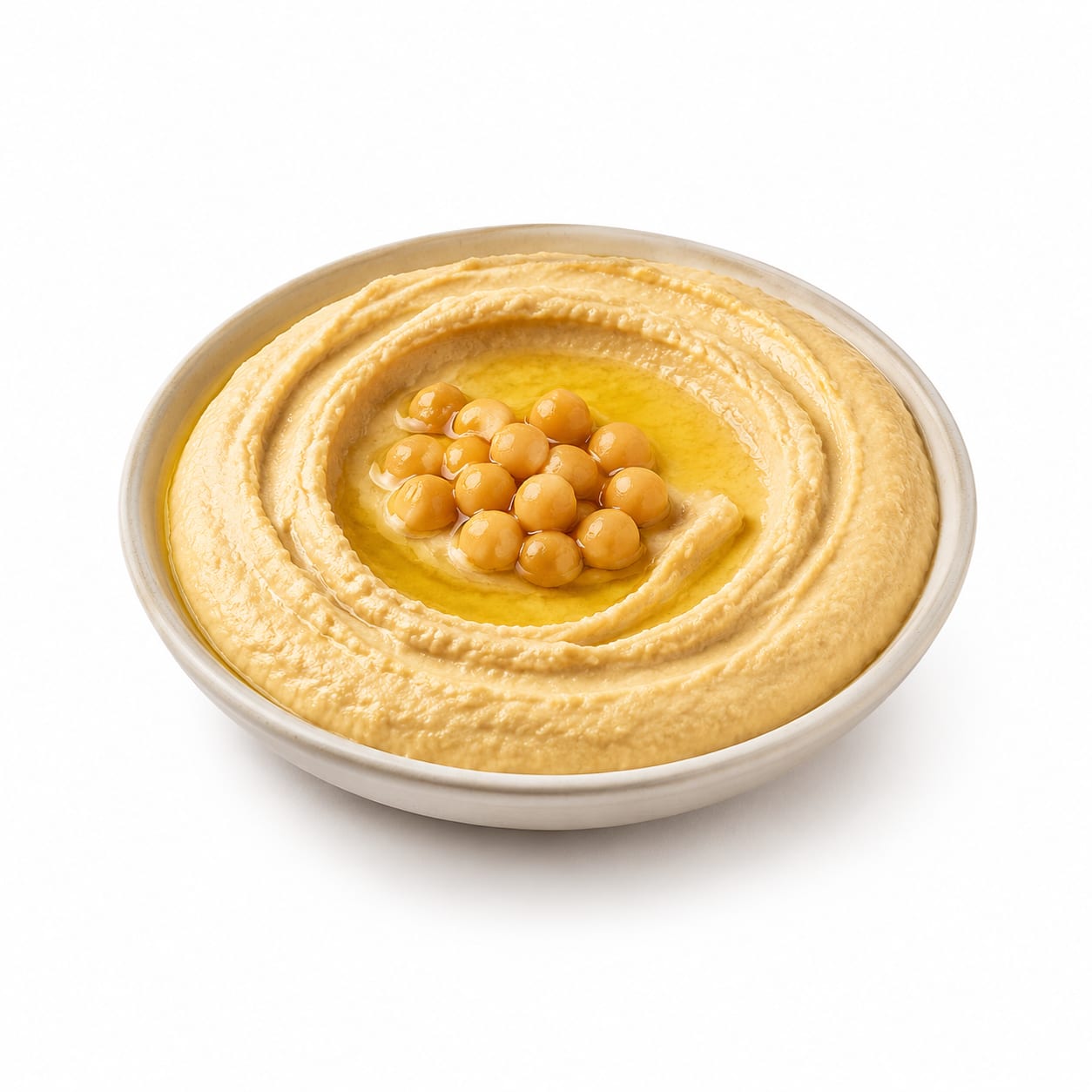
Hummus
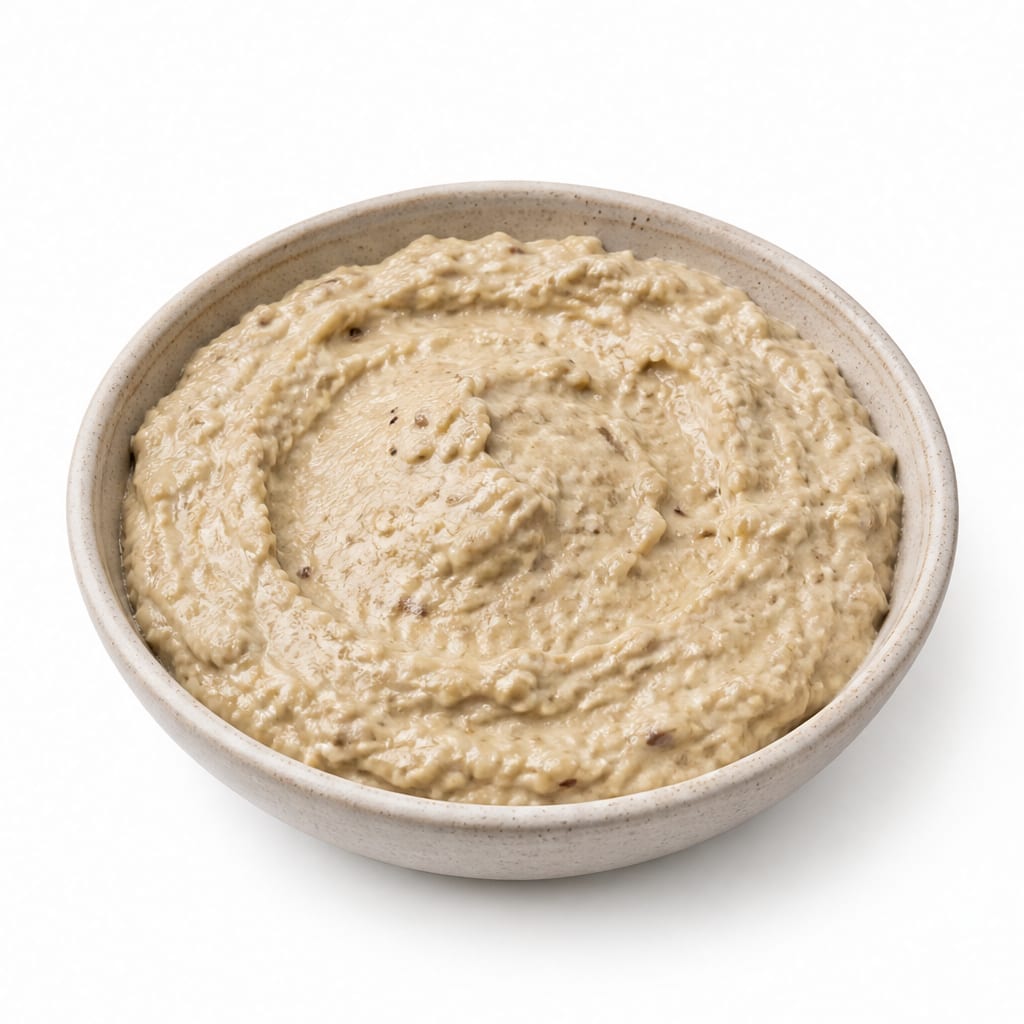
Baba Ganoush
Hummus delivers more protein and fiber for lasting fullness, while Baba Ganoush offers a lighter, lower-calorie dip with a smoky punch.
Hummus scores slightly higher for nutritional density and satiety, but Baba Ganoush is an excellent low-calorie alternative, making them nearly tied depending on your dietary goals.
Satiety and protein versus lower calories and a lighter stomach feel.
At a glance
Executive summary
Overall
It depends
Healthier
It depends
More practical
Hummus
Daily use
Hummus
Key comparison lenses
macronutrient balance and satiety
Hummus offers protein and complex carbs from chickpeas, while Baba Ganoush is lighter and fat-dominant due to its eggplant base.
calorie density for weight management
Baba Ganoush is significantly lower in calories per serving, making it a frequent swap for calorie-conscious snackers.
digestive health and fiber intake
Chickpeas provide substantially more fiber than eggplant, impacting fullness and gut health differently.
flavor profile and culinary use
Hummus is creamy and neutral, while Baba Ganoush brings a smoky, roasted depth that changes how a dish comes together.
Best choice for
Hummus
- Post-workout recovery snacking
- Vegan protein and iron boosting
- Sustained afternoon energy
Baba Ganoush
- Low-carb and keto-friendly diets
- Calorie-conscious appetizer spreading
- Lighter late-night snacking
Least suitable for
Hummus
- Strict low-carb diets
- Sesame allergy sufferers
Baba Ganoush
- High-protein dietary goals
- Those needing sustained energy from complex carbs
Deep comparison
Dimension by dimension
Each lens scores both foods and breaks down who each option suits.
- Dimension 1 · Priority 95Baba Ganoush
Calorie Density and Weight Management
Hummus · 70Baba Ganoush · 90Baba Ganoush is significantly lower in calories because eggplant is mostly water, whereas chickpeas are dense in carbs and protein.
Tradeoff
You save calories with Baba Ganoush but sacrifice the staying power that Hummus provides.
Why it matters
If you are tracking calories closely, swapping Hummus for Baba Ganoush lets you eat a larger volume of food for fewer calories.
Real-world impact
You can scoop more Baba Ganoush without blowing your daily calorie budget, but you might feel hungry again sooner.
Hummus
- Maintaining weight without feeling deprived
Better for
- Large portion control due to high calorie density
Worse for
Baba Ganoush
- Cutting calories while keeping healthy fats
Better for
- Feeling full on very few calories
Worse for
- Dimension 2 · Priority 90Hummus
Protein and Muscle Support
Hummus · 85Baba Ganoush · 40Hummus provides a solid plant-based protein hit from chickpeas, while Baba Ganoush is quite low in protein.
Tradeoff
Hummus supports muscle maintenance and repair, whereas Baba Ganoush offers almost no protein to speak of.
Why it matters
Relying on dips for a protein snack works with Hummus, but Baba Ganoush needs a protein pairing to keep you balanced.
Real-world impact
Eating Hummus with veggies or pita makes a satisfying mini-meal; Baba Ganoush alone is just a flavorful fat source.
Hummus
- Vegans needing protein variety
- Post-workout snack pairing
Better for
- Those strictly limiting protein intake
Worse for
Baba Ganoush
- Light appetizers where protein isn't the goal
Better for
- Using as a standalone meal replacement
Worse for
- Dimension 3 · Priority 85Hummus
Fiber and Digestive Health
Hummus · 88Baba Ganoush · 60Chickpeas give Hummus a significant fiber advantage, promoting better digestion and steadier blood sugar.
Tradeoff
Hummus feeds your gut microbiome robustly, while Baba Ganoush offers a gentler, lower-fiber experience.
Why it matters
High fiber intake keeps you regular and stabilizes energy, making Hummus the better daily digestive ally.
Real-world impact
A Hummus snack keeps the afternoon energy crash at bay; Baba Ganoush digests quickly and leaves you lighter.
Hummus
- Improving daily fiber intake
- Blood sugar stabilization
Better for
- Sudden large fiber increases if unaccustomed
Worse for
Baba Ganoush
- Easier digestion for sensitive stomachs
Better for
- Contributing to daily fiber goals
Worse for
- Dimension 4 · Priority 80It depends
Fat Composition and Heart Health
Hummus · 80Baba Ganoush · 80Both rely on tahini and olive oil for healthy monounsaturated fats, but Baba Ganoush gets more of its calories from fat.
Tradeoff
Both are heart-healthy, but Baba Ganoush is fat-dominant, while Hummus offers a more balanced macronutrient split.
Why it matters
Healthy fats are great for heart and brain, but balancing them with protein and carbs prevents energy dips.
Real-world impact
You get great healthy fats either way, but Hummus feels more like a balanced snack, while Baba Ganoush feels like a rich condiment.
Hummus
- Balanced macronutrient snacking
Better for
- Low-fat diet adherence
Worse for
Baba Ganoush
- Keto and high-fat low-carb diets
Better for
- Those watching total fat intake
Worse for
- Dimension 5 · Priority 75It depends
Flavor and Culinary Versatility
Hummus · 85Baba Ganoush · 82Hummus is creamy and neutral, taking on added flavors easily, while Baba Ganoush brings a distinct smoky, roasted profile.
Tradeoff
Hummus is a blank canvas for other ingredients, whereas Baba Ganoush is a standout flavor that dominates a dish.
Why it matters
Your choice changes the entire vibe of your meal, from a comforting creamy base to a bold, smoky accent.
Real-world impact
Use Hummus as a sandwich spread or mild dip; use Baba Ganoush when you want a punchy, roasted flavor to lead the dish.
Hummus
- Kid-friendly snacking
- Neutral base for meal prep
Better for
- Those bored by mild flavors
Worse for
Baba Ganoush
- Gourmet appetizer platters
- Adding depth to grilled meats
Better for
- Picky eaters avoiding smoky tastes
Worse for
Timeline
Health impact over time
Short-term
Hours to days
Hummus
- Steady, sustained energy from complex carbs
- Very filling, easily replaces a light meal
Baba Ganoush
- Lighter stomach feel after eating
- Rich mouthfeel without the heavy fullness
Long-term
Months to years
Hummus
- Supports gut health and regularity from high fiber
- Helps maintain muscle mass with regular plant protein intake
Baba Ganoush
- Easier calorie control for long-term weight management
- Consistent intake of heart-healthy monounsaturated fats
Risk profile
Safety & processing
Both Hummus and Baba Ganoush are whole-food dips made from simple, recognizable ingredients like legumes, vegetables, tahini, and olive oil. Store-bought versions may contain preservatives like citric acid or potassium sorbate, but homemade versions are exceptionally clean.
Hummus
Sesame allergy
highTahini is a core ingredient in Hummus, making it unsafe for anyone with a sesame allergy.
Foodborne illness from improper storage
mediumThe moist, nutrient-rich environment of Hummus can harbor bacteria like Listeria if left unrefrigerated for extended periods.
Baba Ganoush
Sesame allergy
highLike Hummus, Baba Ganoush relies heavily on tahini, posing a severe risk for sesame allergies.
Nightshade sensitivity
lowEggplant is a nightshade, which can cause inflammation or digestive discomfort for sensitive individuals.
Who wins for whom
Audience fit
Same foods, different winners depending on your goal.
children
HummusHummus has a mild, creamy flavor and provides essential nutrients for growing bodies, whereas Baba Ganoush can taste too smoky or bitter for kids.
daily consumption
HummusHummus offers a more complete nutritional profile for everyday snacking, providing protein, fiber, and healthy fats in balance.
diabetes
HummusThe higher fiber content in Hummus slows digestion, leading to more stable blood sugar levels compared to the fat-dominant Baba Ganoush.
elderly
HummusThe soft texture and higher protein content in Hummus support muscle maintenance in aging populations.
muscle gain
HummusHummus provides a meaningful amount of plant protein necessary for muscle repair and growth.
weight loss
Baba GanoushBaba Ganoush has significantly fewer calories per serving, making it easier to maintain a calorie deficit.
Your move
Decision guide
Choose Hummus
- You need a filling afternoon snack to tide you over until dinner
- You are tracking protein intake on a plant-based diet
- You want a mild, creamy base for adding toppings like olives or paprika
Choose Baba Ganoush
- You want a rich, flavorful dip without the heavy calorie load
- You are following a low-carb or keto eating style
- You love smoky flavors and want to elevate a grilled meal
Either works if
- You need a delicious dip for a vegetable platter
- You want to incorporate more heart-healthy fats from tahini and olive oil into your diet
Avoid both if
- You have a severe sesame or tahini allergy
- You are strictly avoiding oils and high-fat foods
Final recommendation
Let your daily energy needs decide. Grab Hummus when you need real sustenance and lasting fullness, and reach for Baba Ganoush when you want big flavor and a lighter calorie footprint.
Practical
Consumer tips
- 1
Watch portion sizes with Hummus—its density makes it easy to overeat calories if you are scooping freely.
- 2
Check store-bought labels for added vegetable oils; authentic versions should use only olive oil.
- 3
Baba Ganoush makes a fantastic low-calorie swap for mayonnaise on sandwiches and wraps.
- 4
If making Baba Ganoush at home, roasting the eggplant longer reduces bitterness and enhances the natural smokiness.