
Nutrition comparison
Hummus vs Edamame: Which Plant Protein Snack Is Healthier?
Compare hummus and edamame on protein, calories, healthy fats, and more. Find out which is better for weight loss, muscle gain, and daily snacking.
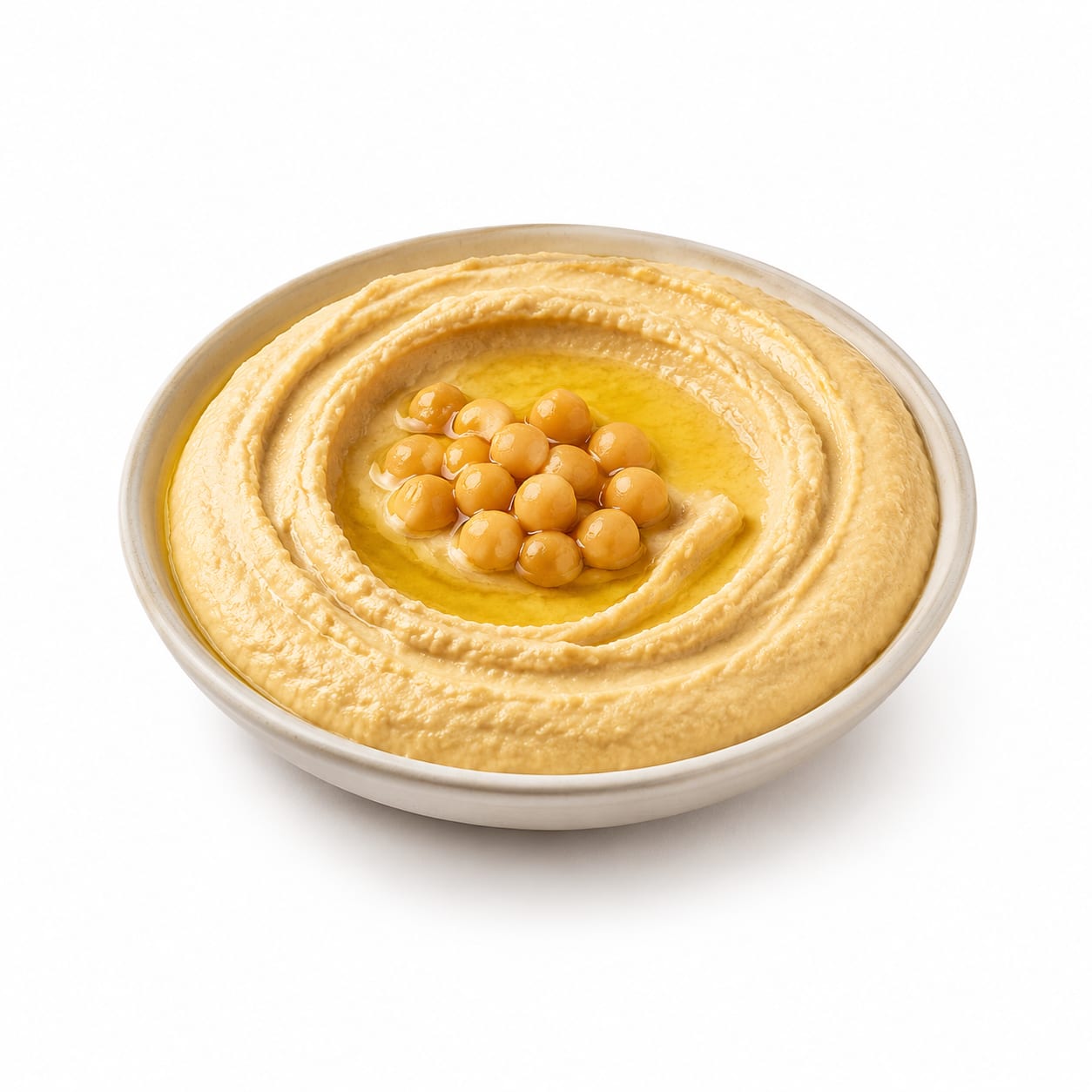
Hummus
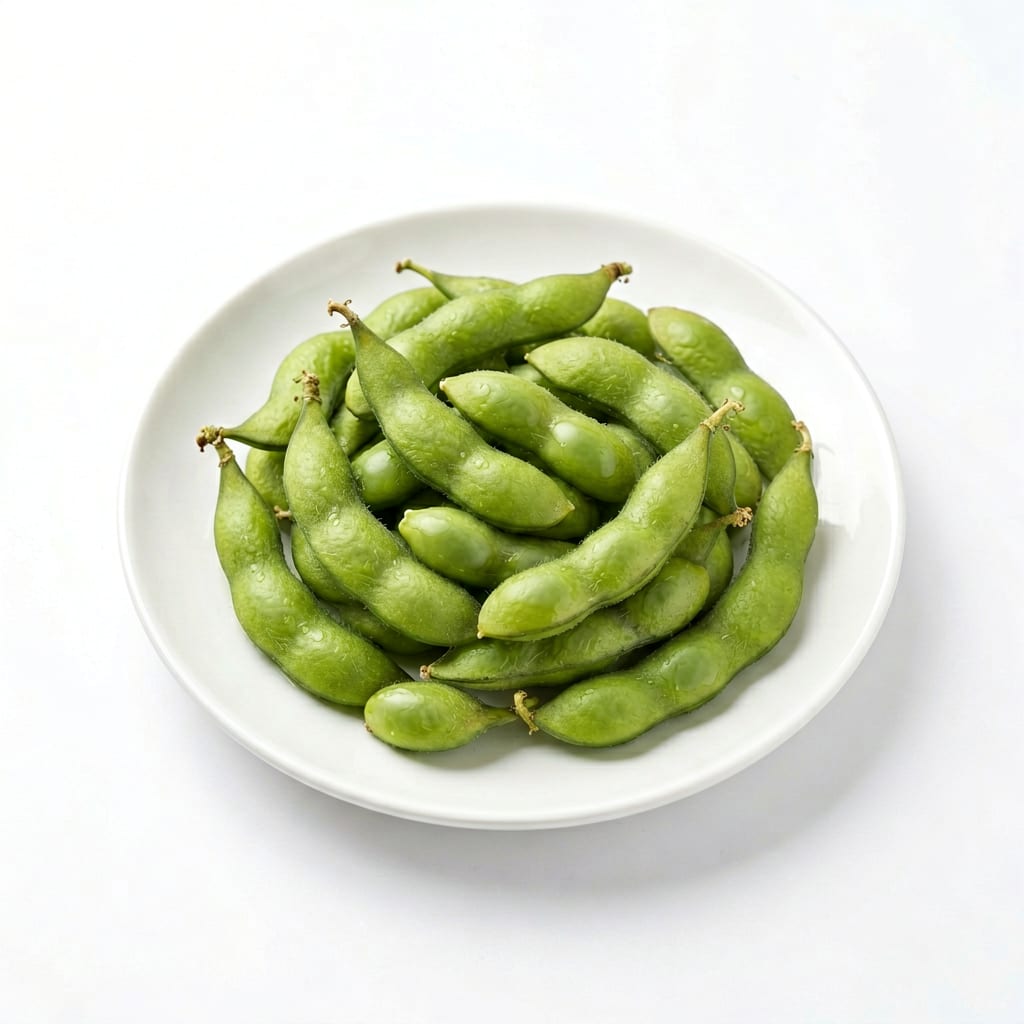
Edamame
Edamame delivers more protein per calorie and is a cleaner whole food, while hummus offers richer flavor, healthy fats, and more versatile eating experiences.
Edamame scores higher due to superior protein content, lower calorie density, and minimal processing. Hummus remains valuable for its healthy fat profile and culinary versatility but loses ground on protein efficiency and portion control risk.
Protein efficiency and simplicity versus flavor depth and culinary flexibility.
At a glance
Executive summary
Overall
It depends
Healthier
Edamame
More practical
Hummus
Daily use
Edamame
Key comparison lenses
plant protein snack comparison
Both are popular plant-based protein options, but differ significantly in protein density and how they're typically consumed
weight management suitability
Calorie density differs substantially between these two, making portion control a key concern
whole food vs prepared food tradeoff
Edamame is a single-ingredient whole food while hummus is a composite dish with added oils
allergen and sensitivity awareness
Sesame in hummus and soy in edamame represent two of the top nine allergens
satiety and snacking behavior
How filling each food is directly impacts overeating risk and meal satisfaction
Best choice for
Hummus
- Dipping and spreading at gatherings
- Adding creaminess to wraps and sandwiches
- People avoiding soy
- Those wanting heart-healthy monounsaturated fats
- Flavor-first snackers who still want nutrition
Edamame
- High-protein plant-based diets
- Weight loss and calorie awareness
- Athletes needing complete protein
- Minimalist whole-food eaters
- Post-workout recovery snacking
Least suitable for
Hummus
- Sesame allergy sufferers
- Strict calorie counters who struggle with portion control
- Those needing high protein per calorie
- People avoiding added oils
- Low-sodium diets with store-bought versions
Edamame
- Soy allergy sufferers
- People concerned about GMO exposure unless organic
- Those avoiding phytoestrogens
- Anyone wanting a spreadable or dip-friendly food
- Low-fiber digestive protocols
Deep comparison
Dimension by dimension
Each lens scores both foods and breaks down who each option suits.
- Dimension 1 · Priority 95Edamame
Protein Quality and Quantity
Hummus · 55Edamame · 90Edamame provides roughly double the protein per calorie compared to hummus and contains all essential amino acids as a complete protein.
Tradeoff
Hummus pairs chickpea protein with tahini, improving amino acid balance somewhat, but still falls short of edamame's protein density.
Why it matters
For anyone eating plant-based, getting enough complete protein is a daily challenge that makes this difference very practical.
Real-world impact
A cup of edamame delivers about 17g of protein for 190 calories. The same calories in hummus gives you only about 5g of protein.
Hummus
- Moderate protein needs with fat preference
- Combining with other protein sources in a meal
Better for
- Reliance on hummus as a primary protein source
- High protein needs on a calorie budget
Worse for
Edamame
- Meeting daily protein targets efficiently
- Post-workout recovery
- Plant-based athletes and lifters
Better for
- Soy-restricted diets
- Those who find plain edamame unappealing and eat less overall
Worse for
- Dimension 2 · Priority 90Edamame
Calorie Density and Portion Control
Hummus · 50Edamame · 82Hummus is calorie-dense due to olive oil and tahini, making it easy to overconsume. Edamame's water content and fiber create natural portion boundaries.
Tradeoff
The oils in hummus provide satiating healthy fats but also concentrate calories significantly compared to whole soybeans.
Why it matters
Mindless snacking on hummus with chips or pita can easily deliver 400+ calories before feeling full.
Real-world impact
Two tablespoons of hummus run about 70 calories, but most people eat far more. A cup of edamame in pods slows eating and provides built-in portion awareness.
Hummus
- Active individuals needing calorie surplus
- Those who measure portions carefully
Better for
- Late-night snacking without portion awareness
- Anyone who eats straight from the container
Worse for
Edamame
- Weight loss or maintenance goals
- Mindless snacking tendencies
- Calorie tracking without feeling deprived
Better for
- Underweight individuals needing easy calories
- Endurance athletes with high energy demands
Worse for
- Dimension 3 · Priority 80Hummus
Healthy Fat Profile
Hummus · 88Edamame · 62Hummus delivers substantial monounsaturated fats from olive oil and tahini, which support heart health and nutrient absorption.
Tradeoff
Edamame contains primarily polyunsaturated fats including omega-6, which are beneficial but less celebrated than the olive oil fats in hummus.
Why it matters
Monounsaturated fats from olive oil are strongly linked to cardiovascular benefits and anti-inflammatory effects.
Real-world impact
The fats in hummus help absorb fat-soluble vitamins from whatever you pair it with, making veggie dips more nutritionally effective.
Hummus
- Heart health prioritization
- Absorbing fat-soluble vitamins from vegetables
- Mediterranean diet followers
Better for
- Very low-fat dietary approaches
- Fat malabsorption conditions
Worse for
Edamame
- Low-fat diet protocols
- Those already getting ample healthy fats elsewhere
Better for
- Those relying on it as a primary fat source
- Meals needing satiety from fat content
Worse for
- Dimension 4 · Priority 75Edamame
Fiber and Digestive Health
Hummus · 68Edamame · 80Both provide solid fiber, but edamame delivers more per calorie and includes resistant starch that feeds beneficial gut bacteria.
Tradeoff
Hummus offers soluble fiber from chickpeas that specifically supports cholesterol management, while edamame provides a broader fiber mix.
Why it matters
Fiber type matters as much as amount for gut health, and both foods contribute differently to a diverse microbiome.
Real-world impact
A cup of edamame provides about 8g fiber, while an equivalent calorie serving of hummus gives roughly 3-4g.
Hummus
- Cholesterol-lowering dietary strategies
- Gentle fiber that's easier on sensitive digestion
Better for
- Very high fiber needs on limited calories
- Those needing fiber density per serving
Worse for
Edamame
- High-fiber diet goals
- Microbiome diversity support
- Constipation prevention
Better for
- Digestive conditions requiring low-fiber periods
- IBS flare-ups sensitive to soy
Worse for
- Dimension 5 · Priority 72Hummus
Convenience and Versatility
Hummus · 85Edamame · 60Hummus works as a dip, spread, sauce base, and sandwich moistener. Edamame is essentially a standalone snack or salad addition.
Tradeoff
Hummus transforms other foods while edamame is typically eaten as-is, limiting its culinary range.
Why it matters
A food that improves other foods gets used more often and in more meals throughout the week.
Real-world impact
Hummus can replace mayo on sandwiches, dress a salad, or upgrade a plain grain bowl. Edamame is mostly eaten from the pod or tossed into dishes.
Hummus
- Meal prep and batch cooking
- Entertaining and shared plates
- Replacing less healthy condiments
Better for
- Situations needing a light simple snack
- Travel and portable food needs
Worse for
Edamame
- Quick no-prep snacking
- Portable protein for on-the-go
- Minimal cleanup eating
Better for
- Cooking and recipe integration
- Social eating and sharing
Worse for
- Dimension 6 · Priority 70It depends
Allergen and Sensitivity Risk
Hummus · 65Edamame · 65Both carry significant allergen risks: sesame in hummus and soy in edamame. Neither is clearly safer across the population.
Tradeoff
Your personal allergy profile determines which is safer for you, making this an individual rather than universal comparison.
Why it matters
Sesame is a newly designated top nine allergen in the US, and soy allergy is particularly common in children.
Real-world impact
For someone with soy allergy, hummus is the clear safe choice. For sesame allergy, edamame wins. For most people without these allergies, both are well tolerated.
Hummus
- Soy allergy sufferers
- Those sensitive to phytoestrogens
- Parents of soy-allergic children
Better for
- Sesame allergy or sensitivity
- Nightshade sensitivity if paprika is added
Worse for
Edamame
- Sesame allergy sufferers
- Those avoiding tahini
- People sensitive to garlic or lemon additives in prepared hummus
Better for
- Soy allergy
- Thyroid medication interactions with soy
Worse for
- Dimension 7 · Priority 68Edamame
Blood Sugar Stability
Hummus · 65Edamame · 78Both have low glycemic impact, but edamame's higher protein-to-carb ratio provides steadier blood sugar control.
Tradeoff
Hummus pairs well with high-carb dippers that can spike blood sugar, while edamame is typically eaten alone or with low-glycemic additions.
Why it matters
The company a food keeps matters. Hummus with pita chips behaves differently than hummus with cucumber slices.
Real-world impact
Edamame as a standalone snack barely moves blood sugar. Hummus can be equally gentle if paired with vegetables, but pita or crackers change the equation entirely.
Hummus
- Paired with non-starchy vegetables
- As part of a balanced meal with protein
Better for
- Paired with refined carb dippers
- Eaten alone in large portions
Worse for
Edamame
- Standalone snacking between meals
- Diabetic-friendly eating patterns
- Preventing afternoon energy crashes
Better for
- Rarely a concern for blood sugar
Worse for
Timeline
Health impact over time
Short-term
Hours to days
Hummus
- Provides satisfying fat and flavor that curbs hunger quickly
- Can cause overconsumption due to palatability and calorie density
- Mild blood sugar stabilization when paired with vegetables
Edamame
- High protein creates immediate satiety with fewer calories
- Fiber may cause temporary bloating in those unaccustomed to high-fiber foods
- Steady energy without sugar crash
Long-term
Months to years
Hummus
- Regular olive oil and tahini consumption supports cardiovascular health
- Chickpea fiber contributes to cholesterol management over time
- Potential for gradual weight gain if portions go unmonitored
Edamame
- Consistent protein intake supports muscle maintenance and metabolic health
- Isoflavones may offer bone health and menopause symptom benefits for some women
- Soy consumption associated with modest breast cancer risk reduction in long-term studies
Risk profile
Safety & processing
Traditional hummus contains only whole food ingredients but store-bought versions often include preservatives like sodium benzoate, potassium sorbate, and added citric acid. Edamame is simply steamed or boiled soybeans with nothing added, making it the cleaner choice for additive avoidance.
Hummus
Sesame allergy exposure
highTahini contains sesame, a top nine allergen. Reactions can be severe and sesame is difficult to avoid in prepared foods.
Sodium levels in commercial varieties
mediumStore-bought hummus can contain 200-400mg sodium per serving, adding up quickly with generous portions.
Preservative sensitivities
lowPotassium sorbate and sodium benzoate in commercial hummus may cause mild reactions in sensitive individuals.
Edamame
Soy allergy
highSoy is a top nine allergen, especially concerning for children. Reactions range from hives to anaphylaxis.
GMO exposure
mediumOver 90% of US soy is genetically modified. Choosing organic edamame eliminates this concern entirely.
Phytoestrogen effects
lowSoy isoflavones can mimic estrogen weakly. Current evidence suggests moderate consumption is safe for most people, but those with hormone-sensitive conditions should consult their doctor.
Who wins for whom
Audience fit
Same foods, different winners depending on your goal.
children
HummusHummus is more kid-friendly in taste and texture, and soy allergy is more common in children than sesame allergy in the general pediatric population.
daily consumption
EdamameSimpler ingredient profile, better protein efficiency, and lower calorie density make edamame more sustainable as an everyday staple without nutritional tradeoffs.
diabetes
EdamameLower glycemic impact as a standalone food and higher protein-to-carb ratio helps stabilize blood sugar more reliably.
elderly
EdamameHigher protein helps counter age-related muscle loss, and the complete amino acid profile supports maintenance of lean mass.
muscle gain
EdamameComplete protein with double the protein per calorie supports muscle protein synthesis more effectively.
weight loss
EdamameHigher protein and fiber per calorie with natural portion control from the pods makes edamame easier to manage in a calorie deficit.
Your move
Decision guide
Choose Hummus
- You want a versatile condiment that replaces less healthy options like mayo or ranch
- You're avoiding soy due to allergy or personal preference
- You need to add healthy fats and flavor to plain meals
- You're entertaining and want a crowd-pleasing dip
- You follow a Mediterranean eating pattern
Choose Edamame
- Protein intake is a daily priority, especially on a plant-based diet
- You're managing weight and need satisfying low-calorie snacks
- You prefer whole foods with no added ingredients
- You want a simple snack that requires zero preparation beyond steaming
- You're an athlete needing efficient post-workout protein
Either works if
- You're building a plant-forward snack plate with both options
- You have no soy or sesame allergies and enjoy variety
- You want to rotate between healthy fat-focused and protein-focused snacking
- You're eating Mediterranean or Asian-inspired meals where each fits naturally
Avoid both if
- You have both soy and sesame allergies
- You're on a very low-fiber diet for digestive recovery
- You're in an elimination diet phase testing legume tolerance
Final recommendation
Keep both in rotation but lean toward edamame for everyday protein needs and hummus for flavor and culinary versatility. If you must pick one for health optimization, edamame's superior protein density and simpler ingredient list give it the edge. If you must pick one for enjoyment and practicality, hummus transforms more meals and satisfies more cravings.
Practical
Consumer tips
- 1
Choose organic edamame to avoid GMO soy and pesticide exposure
- 2
Make hummus at home to control sodium and skip preservatives entirely
- 3
Pair hummus with cucumber, bell pepper, or celery instead of pita chips to keep blood sugar stable
- 4
Buy frozen edamame in pods for built-in portion control and slower eating
- 5
Check hummus labels for added oils beyond olive oil, as some brands use cheaper canola or soybean oil
- 6
Season steamed edamame with sea salt and chili flakes for a more exciting snack without adding calories
- 7
Freeze homemade hummus in small portions to always have a clean option available
- 8
If store-bought hummus contains potassium sorbate, consume within a few days of opening rather than relying on the longer shelf life