
Nutrition comparison
Hummus vs Cheese Dip: Which is Healthier?
Compare hummus and cheese dip to see which dip is better for weight loss, heart health, and daily snacking. Learn the nutritional tradeoffs.
Overall winner · Hummus
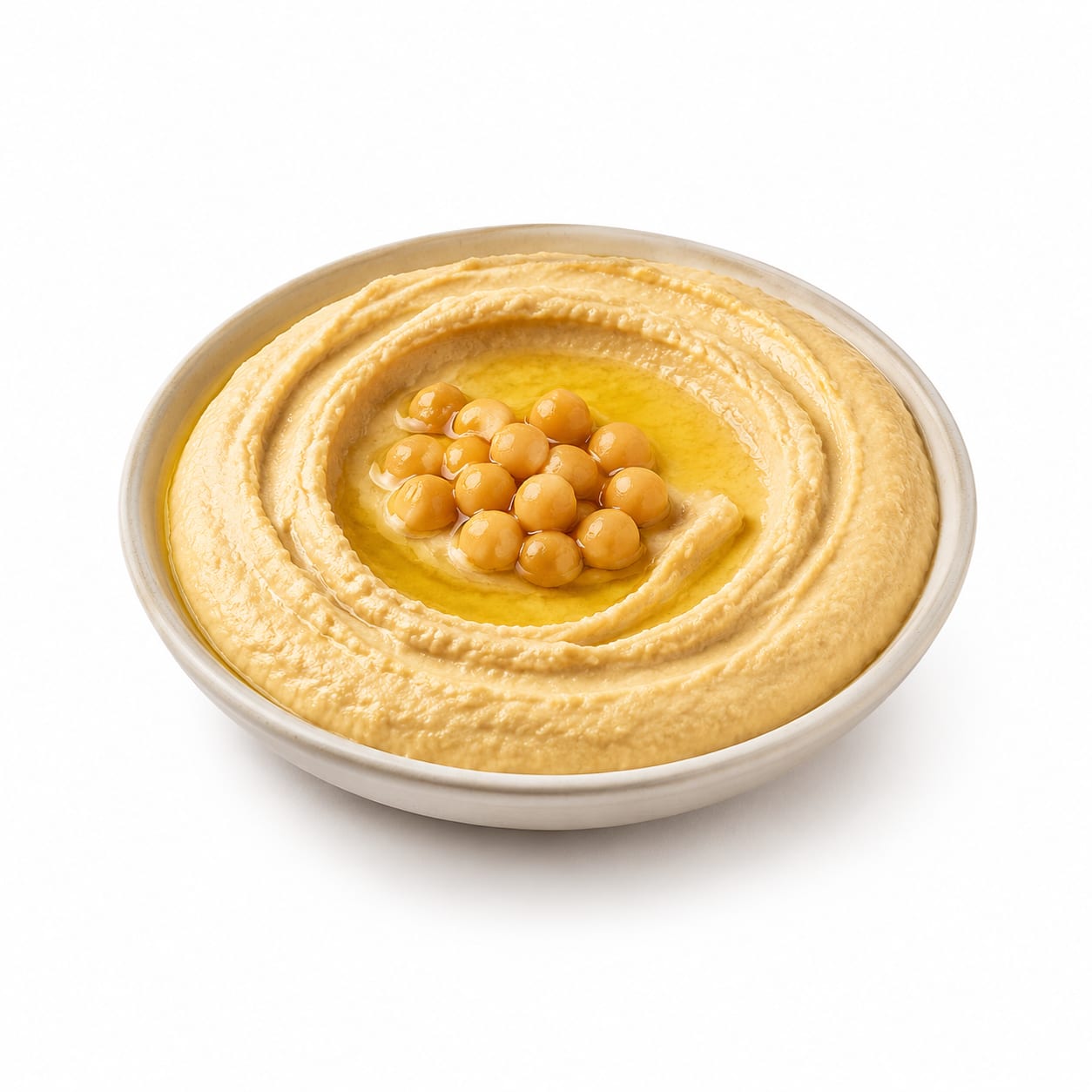
Hummus
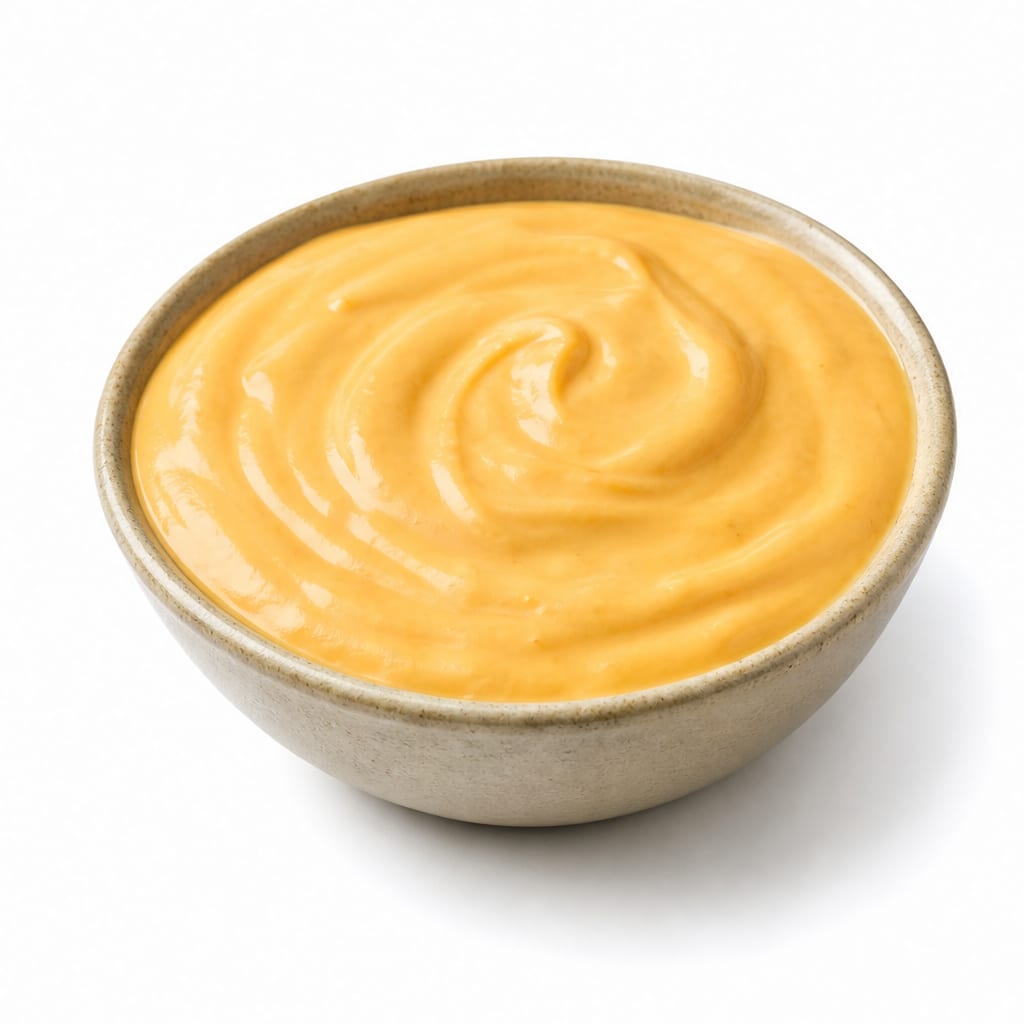
Cheese Dip
Hummus offers fiber and heart-healthy fats, making it a far more nutritious everyday dip, while cheese dip delivers a comforting flavor hit but comes with heavy saturated fat and sodium.
Hummus wins decisively due to its fiber, micronutrients, and healthy fat profile, whereas cheese dip's high saturated fat and sodium drag down its daily health value.
Hummus provides plant-based fiber and steady energy versus cheese dip's rich, satisfying dairy flavor with a heavier metabolic cost.
At a glance
Executive summary
Overall
Hummus
Healthier
Hummus
More practical
It depends
Daily use
Hummus
Key comparison lenses
Healthy snacking and weight management
Dips are a common snack staple; choosing the right one heavily impacts daily calorie and fat intake.
Heart health and fat quality
Hummus provides plant-based unsaturated fats, while cheese dip is typically high in saturated dairy fat.
Blood sugar control
The fiber in hummus stabilizes digestion, whereas cheese dip often pairs with refined carbs without offering any fiber buffer.
Processing level and additives
Traditional hummus is whole-food based, but many commercial cheese dips contain emulsifiers and artificial preservatives.
Best choice for
Hummus
- Daily snacking
- Heart health
- Weight management
- Digestive regularity
Cheese Dip
- Occasional indulgence
- Parties and gatherings
- High-calorie needs
- Comfort food cravings
Least suitable for
Hummus
- Strict low-carb diets
- Severe sesame allergies
Cheese Dip
- Heart conditions
- High blood pressure
- Lactose intolerance
- Daily snacking
Deep comparison
Dimension by dimension
Each lens scores both foods and breaks down who each option suits.
- Dimension 1 · Priority 95Hummus
Satiety & Fullness
Hummus · 85Cheese Dip · 70Hummus keeps you full longer thanks to its fiber and protein combo, while cheese dip relies mostly on fat for satiety.
Tradeoff
Cheese dip might feel more immediately satisfying in the moment, but hummus prevents the crash and hunger rebound later.
Why it matters
Staying full between meals helps avoid overeating and unnecessary snacking.
Real-world impact
An afternoon hummus snack will likely carry you to dinner, whereas cheese dip might leave you hunting for more food an hour later.
Hummus
- Steady appetite control
- Long-lasting energy
Better for
- Lower calorie density means eating more volume for the same fullness
Worse for
Cheese Dip
- Quick comfort
- Rich mouthfeel
Better for
- Easy to overconsume due to high palatability
Worse for
- Dimension 2 · Priority 90Hummus
Heart Health & Fat Quality
Hummus · 90Cheese Dip · 30Hummus is rich in monounsaturated fats from olive oil and tahini, while cheese dip is loaded with saturated fat from dairy.
Tradeoff
You trade the rich, creamy dairy fat for heart-friendly plant fats that do not clog arteries.
Why it matters
Saturated fat intake is directly linked to cardiovascular risk, whereas plant fats protect your heart.
Real-world impact
Choosing hummus over cheese dip regularly is a simple swap that protects your heart long-term without sacrificing flavor.
Hummus
- Cholesterol management
- Cardiovascular protection
Better for
- None significant for heart health
Worse for
Cheese Dip
- Flavor intensity from dairy fat
Better for
- Raising LDL cholesterol
- Increasing heart disease risk
Worse for
- Dimension 3 · Priority 85Hummus
Blood Sugar Stability
Hummus · 85Cheese Dip · 55The fiber in hummus slows carb absorption, preventing spikes, whereas cheese dip often pairs with high-carb chips and lacks fiber to buffer them.
Tradeoff
Hummus actively stabilizes blood sugar, while cheese dip simply does not add sugar but fails to manage the carbs you eat it with.
Why it matters
Stable blood sugar means fewer energy crashes and reduced cravings.
Real-world impact
Pairing veggies with hummus gives you steady energy; a cheese dip and chip combo often leads to a quick spike and sluggishness.
Hummus
- Diabetics
- Steady afternoon energy
Better for
- Contains some carbs, requiring portion control for strict keto
Worse for
Cheese Dip
- Very low-carb diets if eaten alone
Better for
- Often paired with sugary drinks or refined carbs at parties
Worse for
- Dimension 4 · Priority 80Hummus
Sodium & Processing
Hummus · 75Cheese Dip · 35Hummus is typically a whole-food blend with moderate sodium, while commercial cheese dip is often ultra-processed with emulsifiers and heavy salt.
Tradeoff
You avoid the chemical additives and sodium bomb of cheese dip by sticking to simple hummus.
Why it matters
High sodium raises blood pressure, and emulsifiers can disrupt gut health.
Real-world impact
Eating cheese dip regularly can easily push you over your daily sodium limit, leaving you bloated and thirsty.
Hummus
- Blood pressure control
- Cleaner ingredient list
Better for
- Store-bought versions can still be high in salt
Worse for
Cheese Dip
- Longer shelf stability
Better for
- Bloating
- High blood pressure risk
- Artificial additives
Worse for
Timeline
Health impact over time
Short-term
Hours to days
Hummus
- Sustained energy
- Comfortable digestion
- Light feeling
Cheese Dip
- Quick satisfaction
- Potential bloating
- Thirst from high sodium
Long-term
Months to years
Hummus
- Better heart health
- Improved digestion
- Easier weight management
Cheese Dip
- Increased cardiovascular risk
- Higher blood pressure
- Potential weight gain
Risk profile
Safety & processing
Hummus is typically made from whole chickpeas, tahini, and olive oil. Cheese dip, especially shelf-stable or restaurant versions, relies on emulsifiers, sodium phosphates, and preservatives to maintain its texture.
Hummus
Sesame allergy (tahini)
highHummus contains tahini, which is a severe allergen for some individuals.
Bacterial contamination from double-dipping
mediumShared bowls at parties can introduce bacteria, though the lemon juice and garlic offer mild antimicrobial effects.
Cheese Dip
Listeria from unpasteurized dairy
highSoft cheeses used in some dips can harbor listeria, posing a significant risk to pregnant women.
Foodborne illness from improper heating
mediumCheese dips left out at room temperature for too long can grow harmful bacteria quickly.
Who wins for whom
Audience fit
Same foods, different winners depending on your goal.
children
It dependsKids often love the mild taste of cheese dip, but hummus offers better daily nutrition; portion control and sodium are the main concerns with cheese dip.
daily consumption
HummusHummus is a sustainable, health-promoting daily staple, whereas cheese dip is too high in saturated fat and sodium for regular use.
diabetes
HummusThe fiber in hummus slows glucose absorption, making it much safer for blood sugar management than the high-fat, high-sodium cheese dip.
elderly
HummusHummus is easier to digest, provides fiber for regularity, and supports heart health, which is crucial for older adults.
muscle gain
It dependsCheese dip offers more complete protein per serving, but hummus provides better overall nutrition for recovery; neither is a primary muscle-building food.
weight loss
HummusHummus provides fiber and protein that keep you full on fewer calories, while cheese dip is highly calorie-dense and easy to overeat.
Your move
Decision guide
Choose Hummus
- You want a snack that fuels you without weighing you down
- Heart health and steady energy are priorities
- You need a fiber boost in your diet
- You are looking for a plant-based or dairy-free option
Choose Cheese Dip
- You are at a party and want to enjoy a treat
- You need a high-calorie indulgence
- You are craving something rich and comforting
- You are strictly avoiding carbs and need a zero-carb dip
Either works if
- You are dipping veggies and need a flavor boost
- You need a quick appetizer for guests
Avoid both if
- You have severe digestive issues with high-fat foods
- You are on a strict very-low-fat diet
Final recommendation
Make hummus your everyday go-to dip for its fiber, healthy fats, and steady energy. Save cheese dip for occasional social gatherings when the craving for something rich and indulgent hits.
Practical
Consumer tips
- 1
Check the sodium on store-bought hummus; some brands are surprisingly salty.
- 2
Make hummus at home to control the oil and salt—it tastes much better too.
- 3
If buying cheese dip, look for short ingredient lists with real cheese instead of cheese byproducts and emulsifiers.
- 4
Swap chips for carrots, cucumbers, or bell peppers to boost the nutritional value of either dip.
- 5
Squeeze fresh lemon on hummus right before serving to brighten the flavor without adding salt.