
Nutrition comparison
Hummus vs Black Bean Dip: Which Is Healthier for You?
Compare Hummus and Black Bean Dip on protein, calories, fat, digestion, and allergens. Find out which legume dip fits your health goals and daily routine better.
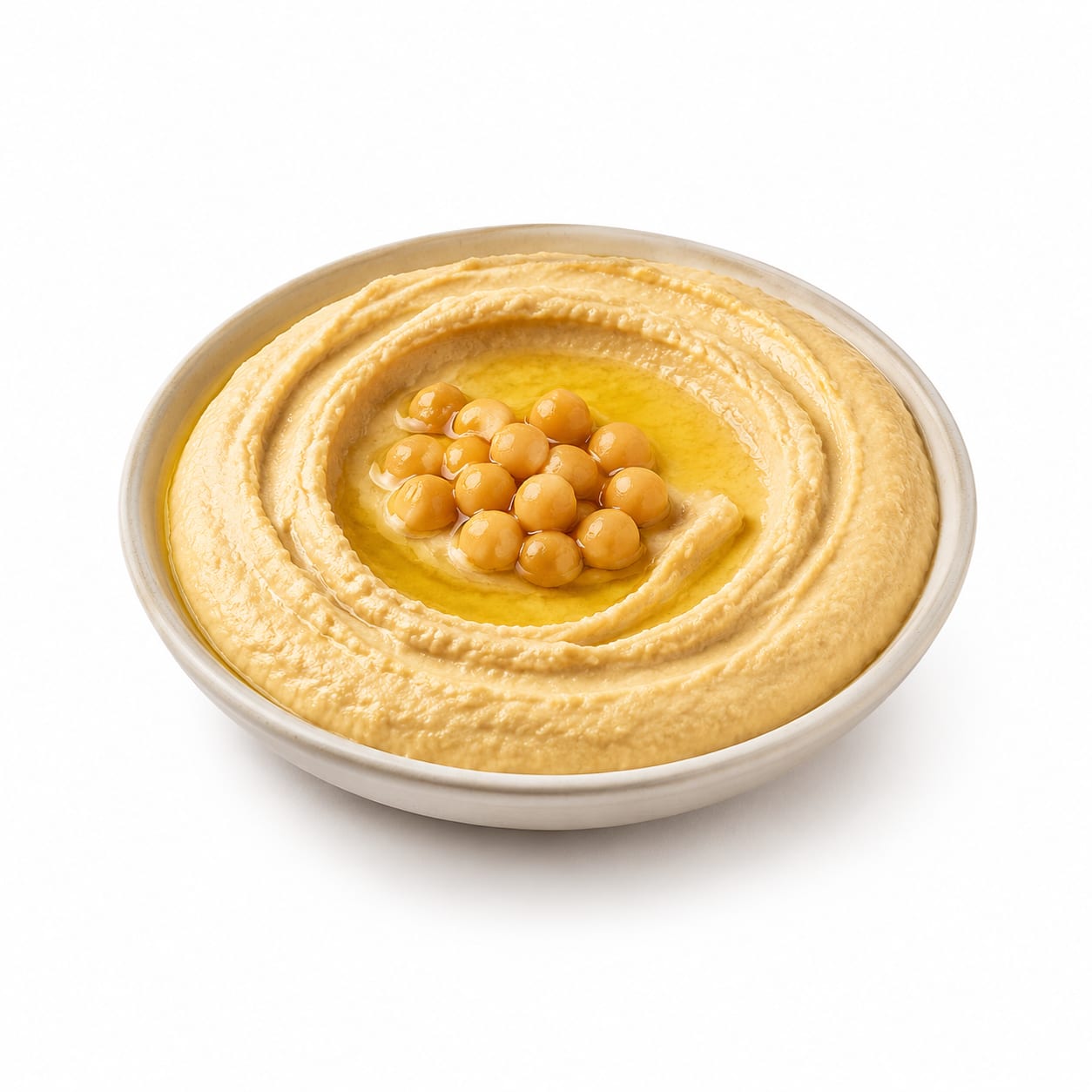
Hummus
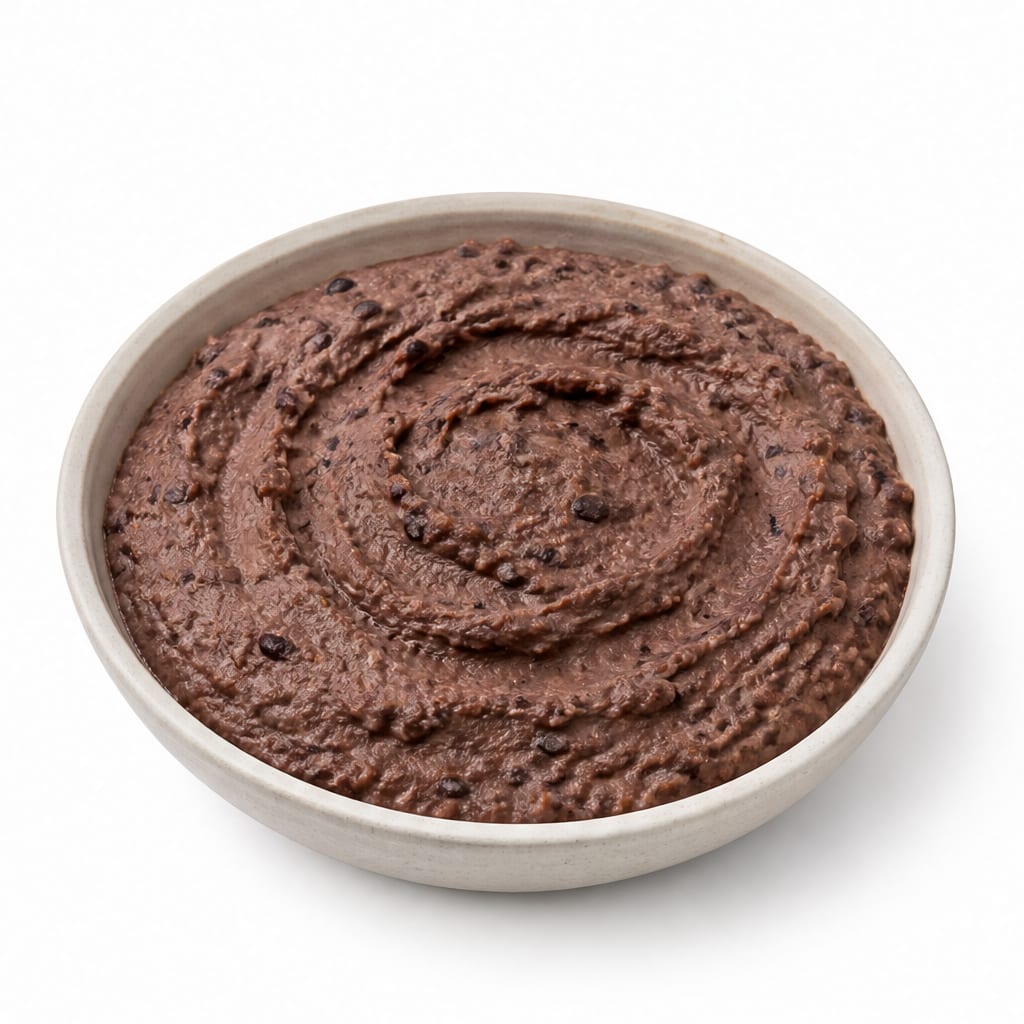
Black Bean Dip
Hummus wins on healthy fats and creaminess; Black Bean Dip wins on protein, iron, and lower calorie density. Pick based on what your meal needs.
Hummus scores slightly higher due to its healthy fat profile and broader satiety appeal, but Black Bean Dip is nearly equal with its protein and micronutrient edge. The close scores reflect how context-dependent the winner truly is.
Hummus gives you heart-healthy monounsaturated fats and a richer mouthfeel, but costs more calories. Black Bean Dip is leaner and more protein-dense but less satisfying on its own.
At a glance
Executive summary
Overall
It depends
Healthier
It depends
More practical
Hummus
Daily use
Black Bean Dip
Key comparison lenses
protein and fiber density for plant-based snacking
Both are legume-based dips, so users want to know which delivers more satiety and nutrition per bite
calorie and fat tradeoff for weight management
Hummus carries more fat from tahini and olive oil, while black bean dip is typically leaner
digestive tolerance and gas concerns
Bean-based dips can cause bloating, and tolerance varies significantly between chickpeas and black beans
allergen and sensitivity awareness
Hummus contains sesame via tahini, a top-9 allergen, while black bean dip is usually sesame-free
sodium load in store-bought versions
Both dips can be sodium bombs when packaged, which matters for daily snacking
Best choice for
Hummus
- People wanting heart-healthy fats and anti-inflammatory benefits
- Those who find low-fat snacks unsatisfying and need creaminess to feel full
- Anyone avoiding nightshades or seeking a Mediterranean diet staple
- Snackers who pair dip with veggies and want longer-lasting satiety
Black Bean Dip
- People tracking calories who want a higher protein-to-calorie ratio
- Anyone needing more iron, folate, or zinc in their diet
- Those with sesame allergies who cannot eat hummus safely
- Athletes or active individuals prioritizing protein intake from plant sources
Least suitable for
Hummus
- People with sesame seed allergies due to tahini content
- Those strictly limiting fat intake or calories
- Anyone with chickpea sensitivity or intolerance
Black Bean Dip
- People sensitive to higher fiber loads who experience gas and bloating
- Those wanting a rich, creamy dip experience without adding extra oil
- Anyone avoiding cumin or lime flavors common in black bean dip recipes
Deep comparison
Dimension by dimension
Each lens scores both foods and breaks down who each option suits.
- Dimension 1 · Priority 93Black Bean Dip
Protein Density
Hummus · 62Black Bean Dip · 78Black Bean Dip delivers noticeably more protein per serving, making it the better choice for muscle maintenance and staying full longer.
Tradeoff
You gain protein with Black Bean Dip but lose the healthy fats that slow digestion and extend satiety in Hummus.
Why it matters
Protein is the most satiating macronutrient, and plant-based eaters especially benefit from higher-protein options.
Real-world impact
A Black Bean Dip snack will keep you fuller slightly longer on fewer calories, but you may miss the satisfying richness that keeps you from reaching for a second snack.
Hummus
- Meals where you already have a lean protein source and want healthy fats instead
Better for
- Situations where every gram of protein counts
Worse for
Black Bean Dip
- Post-workout snacking when protein matters most
- Plant-based diets needing to hit protein targets
Better for
- Meals where you want the dip itself to feel rich and indulgent
Worse for
- Dimension 2 · Priority 88Hummus
Healthy Fat Content
Hummus · 85Black Bean Dip · 45Hummus is rich in monounsaturated fats from olive oil and tahini, supporting heart health and hormone production. Black Bean Dip is naturally much leaner.
Tradeoff
The fats in Hummus add calories but also slow digestion, stabilize blood sugar, and make the dip more satisfying. Black Bean Dip skips those calories but feels lighter and less indulgent.
Why it matters
Healthy fats reduce inflammation, improve nutrient absorption, and prevent the quick hunger return that fat-free snacks cause.
Real-world impact
Hummus as an afternoon snack with carrots will likely carry you to dinner. Black Bean Dip might leave you hunting for something else within an hour.
Hummus
- Blood sugar stability between meals
- Anyone needing to feel satisfied on a reasonable portion
Better for
- Strict low-fat or low-calorie protocols
Worse for
Black Bean Dip
- Fat-restricted diets or calorie counting
- Meals already high in fat where you want balance
Better for
- Times when you need a snack to actually hold you over
Worse for
- Dimension 3 · Priority 85Black Bean Dip
Calorie Efficiency
Hummus · 55Black Bean Dip · 78Black Bean Dip gives you more protein and fiber per calorie, making it the leaner option for volume eaters and weight management.
Tradeoff
You can eat more Black Bean Dip for the same calories, but the lower fat content means less flavor intensity and satisfaction per bite.
Why it matters
When snacking is a daily habit, even a 50-80 calorie difference per serving adds up significantly over weeks and months.
Real-world impact
If you typically eat 4 tablespoons of dip with lunch, swapping Hummus for Black Bean Dip saves roughly 60-80 calories without sacrificing much substance.
Hummus
- People who naturally stop at small portions and want maximum satisfaction
Better for
- Anyone who tends to overeat calorie-dense foods
Worse for
Black Bean Dip
- Volume eaters who want bigger portions without guilt
- Consistent calorie trackers managing weight
Better for
- Those who find low-fat snacks unsatisfying and end up eating more overall
Worse for
- Dimension 4 · Priority 82Black Bean Dip
Micronutrient Profile
Hummus · 65Black Bean Dip · 80Black Bean Dip is richer in iron, folate, magnesium, and zinc. Hummus offers more calcium from tahini and some vitamin E from olive oil, but the overall micronutrient edge goes to Black Bean Dip.
Tradeoff
Black Bean Dip's iron and folate advantage is especially valuable for women and plant-based eaters, but Hummus provides calcium that many people also lack.
Why it matters
Iron deficiency is the most common nutrient deficiency worldwide, and folate is critical for cell repair and pregnancy.
Real-world impact
Regularly choosing Black Bean Dip can meaningfully contribute to iron intake, especially for vegetarians who struggle to get enough from plant sources.
Hummus
- People who need more calcium and vitamin E
- Those already getting enough iron from other sources
Better for
- Anyone relying on dip as a meaningful iron source
Worse for
Black Bean Dip
- Women of reproductive age needing iron and folate
- Plant-based eaters at risk for iron and zinc deficiency
Better for
- Those specifically targeting calcium intake from snacks
Worse for
- Dimension 5 · Priority 78Hummus
Digestive Tolerance
Hummus · 72Black Bean Dip · 58Chickpeas in Hummus are generally easier to digest than black beans, which tend to produce more gas and bloating in sensitive people.
Tradeoff
Hummus is gentler on the stomach for most people, but the garlic and lemon juice can still trigger heartburn in some. Black Bean Dip's higher fiber is great for regularity but rough on sensitive systems.
Why it matters
A snack that causes bloating or discomfort defeats the purpose, no matter how nutritious it is.
Real-world impact
If you have Black Bean Dip at your desk for an afternoon snack, you might regret it by the commute home. Hummus is usually the safer bet for sensitive digestion.
Hummus
- People with IBS or sensitive digestion
- Office snacking where bloating is socially uncomfortable
Better for
- Anyone with acid reflux triggered by garlic or lemon
Worse for
Black Bean Dip
- Those with iron stomachs who want maximum fiber
- People who need help with regularity
Better for
- People prone to gas, bloating, or IBS symptoms
Worse for
- Dimension 6 · Priority 76Black Bean Dip
Allergen and Sensitivity Safety
Hummus · 50Black Bean Dip · 80Hummus contains sesame via tahini, which is a top-9 allergen. Black Bean Dip is typically free of all major allergens unless cheese or sour cream is added.
Tradeoff
Black Bean Dip is safer for group settings and allergy households, but Hummus is safe for the vast majority of people and offers unique nutritional benefits from sesame.
Why it matters
Sesame allergy has increased in prevalence and can cause serious reactions. This matters for potlucks, school lunches, and shared kitchens.
Real-world impact
Bringing Hummus to a party without checking for sesame allergies could be risky. Black Bean Dip is the more universally safe choice for crowds.
Hummus
- People without sesame allergy who want tahini's calcium and healthy fat benefits
Better for
- Sesame-allergic individuals must avoid it entirely
Worse for
Black Bean Dip
- Anyone with sesame allergy or cooking for unknown groups
- School or workplace settings where allergen safety matters
Better for
- No significant allergen disadvantage
Worse for
- Dimension 7 · Priority 72It depends
Sodium Load
Hummus · 55Black Bean Dip · 55Both dips can be sodium traps when store-bought, often packing 300-500mg per serving. Homemade versions of either can be low-sodium easily.
Tradeoff
Neither has an inherent sodium advantage. It comes down to brand choice and whether you make it yourself.
Why it matters
If dip is a daily snack, sodium adds up fast and impacts blood pressure over time.
Real-world impact
Reading labels matters more than choosing between these two. A low-sodium Hummus beats a high-sodium Black Bean Dip and vice versa.
Hummus
- Homemade Hummus where you control the salt
Better for
- Most commercial Hummus brands with added salt as a preservative
Worse for
Black Bean Dip
- Homemade Black Bean Dip where you control the salt
Better for
- Most commercial Black Bean Dip brands with added salt as a preservative
Worse for
Timeline
Health impact over time
Short-term
Hours to days
Hummus
- Steady energy with no sugar crash due to balanced fat, fiber, and protein
- Satisfying mouthfeel reduces the urge to keep snacking
- Possible heartburn from garlic or lemon in sensitive individuals
Black Bean Dip
- Good sustained energy from fiber and protein with minimal fat
- May cause bloating or gas within 1-2 hours for sensitive people
- Lighter feeling in the stomach compared to Hummus
Long-term
Months to years
Hummus
- Regular consumption supports heart health through monounsaturated fats
- Anti-inflammatory benefits from olive oil and sesame compounds
- Calorie density can contribute to gradual weight gain if portions are not managed
Black Bean Dip
- Higher iron and folate intake supports blood health and energy over time
- Excellent fiber intake promotes gut health and regularity
- Lower calorie density makes it easier to maintain or lose weight with daily use
Risk profile
Safety & processing
Both Hummus and Black Bean Dip are whole-food based dips that require minimal processing. Traditional recipes use simple, recognizable ingredients. Store-bought versions may add preservatives like potassium sorbate or citric acid, but neither is typically ultra-processed. Making either at home is straightforward and eliminates any additive concerns entirely.
Hummus
Sesame allergy reaction
highTahini contains sesame, a top-9 allergen that can cause anaphylaxis in sensitive individuals. Always check with guests before serving.
Listeria in refrigerated products
lowStore-bought Hummus has been subject to occasional recalls for Listeria contamination. Keep refrigerated and observe expiration dates.
Black Bean Dip
Cross-contamination with dairy in commercial varieties
mediumSome Black Bean Dip brands include cheese or sour cream, which poses a risk for dairy-allergic individuals. Always read labels carefully.
Sodium-related blood pressure concerns
mediumCommercial Black Bean Dip often contains 300-500mg sodium per serving, which is significant for those managing hypertension.
Who wins for whom
Audience fit
Same foods, different winners depending on your goal.
children
HummusHummus has a milder flavor and creamier texture that kids generally accept more readily, and it is less likely to cause digestive discomfort.
daily consumption
Black Bean DipLower calorie density and higher protein make Black Bean Dip easier to eat daily without calorie creep, assuming good digestive tolerance.
diabetes
HummusThe healthy fats in Hummus slow carbohydrate absorption more effectively, leading to steadier blood sugar response after eating.
elderly
HummusEasier digestion, softer texture, and calcium from tahini make Hummus more suitable for older adults with sensitive stomachs and bone health concerns.
muscle gain
Black Bean DipHigher protein content per serving supports muscle repair and growth, especially valuable in plant-based diets.
weight loss
Black Bean DipBlack Bean Dip offers more protein and fiber per calorie, making it easier to stay within calorie limits while feeling adequately fed.
Your move
Decision guide
Choose Hummus
- You want a satisfying, creamy dip that keeps you full between meals
- Heart health and anti-inflammatory fats are a priority
- You have sensitive digestion and want the gentler option
- You are feeding kids or older adults who prefer milder flavors
- You follow a Mediterranean diet pattern
Choose Black Bean Dip
- You are tracking calories or managing your weight
- You need more iron, folate, or zinc in your diet
- You have a sesame allergy or cook for people who might
- You want a higher-protein plant-based snack for post-workout recovery
- You prefer bold, savory flavors with cumin and lime
Either works if
- You just want a tasty legume-based dip and have no specific health concerns
- You rotate snacks regularly and enjoy both flavors
- You make your own dip and can control sodium and ingredients in either version
Avoid both if
- You are on a strict low-FODMAP diet, as both contain galacto-oligosaccharides that trigger symptoms
- You have a legume allergy, which would rule out both options entirely
- You need a low-sodium snack and only have access to high-sodium commercial brands of either
Final recommendation
Keep both in rotation. Use Hummus when you want satisfaction and staying power, especially between meals. Use Black Bean Dip when you want lean protein and iron without the calorie cost. If you can only pick one for daily use, Black Bean Dip edges ahead for most people because its lower calorie density makes it easier to sustain long-term — as long as your digestion tolerates it.
Practical
Consumer tips
- 1
Make either dip at home to control sodium and avoid preservatives. Both are surprisingly easy with a blender or food processor.
- 2
If buying store-bought, look for brands with under 250mg sodium per serving for either dip.
- 3
Pair Hummus with non-starchy vegetables like bell peppers and cucumbers instead of pita chips to keep calories reasonable.
- 4
If Black Bean Dip causes bloating, start with smaller portions and gradually increase to let your gut adapt to the fiber load.
- 5
For the best of both worlds, try mixing Hummus and Black Bean Dip together for a dip that balances healthy fats with extra protein.
- 6
Check Hummus labels for added oils beyond olive oil — some brands use cheaper vegetable oils that reduce the health benefit.
- 7
Freeze extra homemade dip in portioned containers. Both Hummus and Black Bean Dip freeze well for up to 3 months.