
Nutrition comparison
Cottage Cheese vs Hummus: Which Is Healthier for Your Goals?
Compare cottage cheese and hummus on protein, fiber, calories, and heart health. Find out which snack fits your diet, weight loss, or muscle-building goals better.
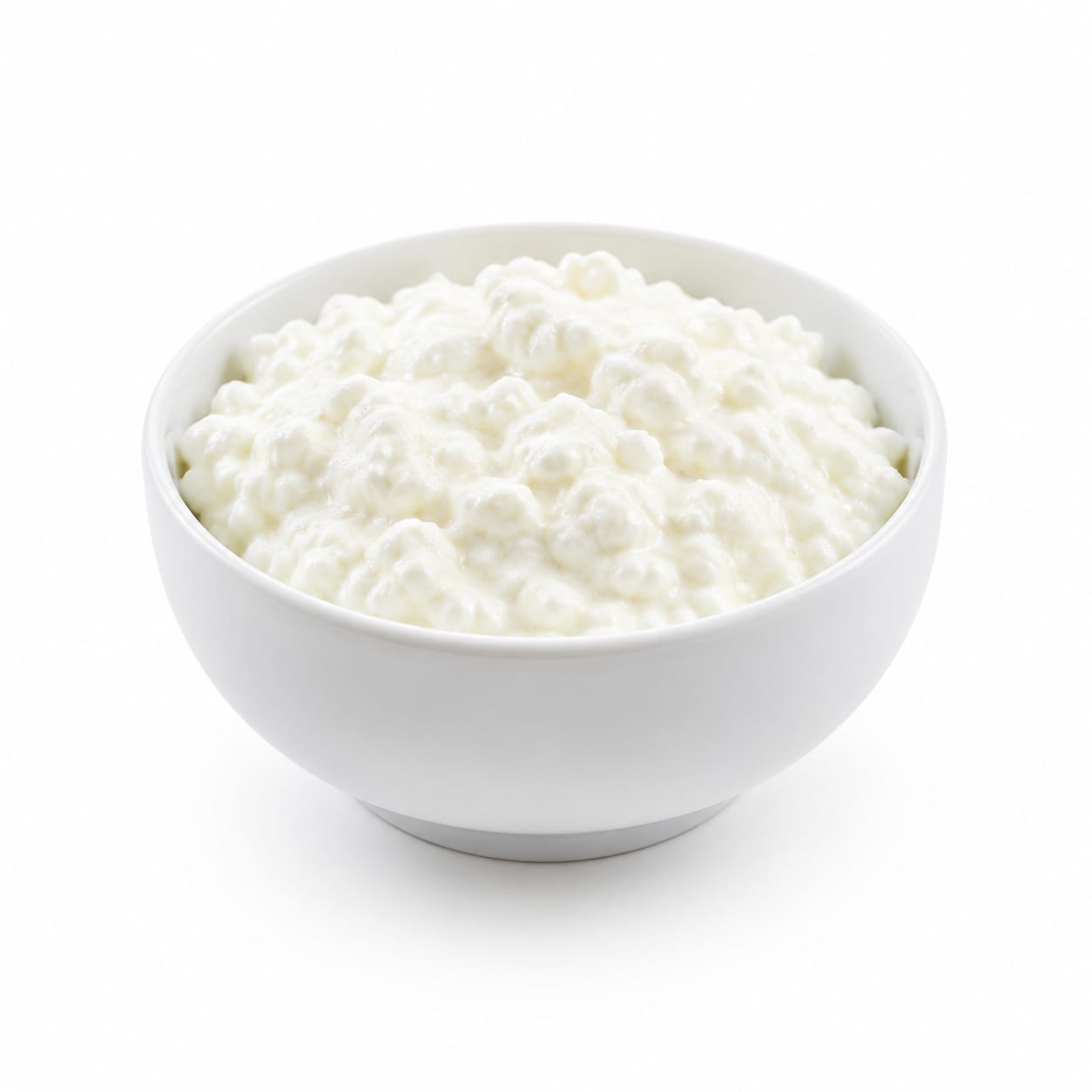
Cottage Cheese
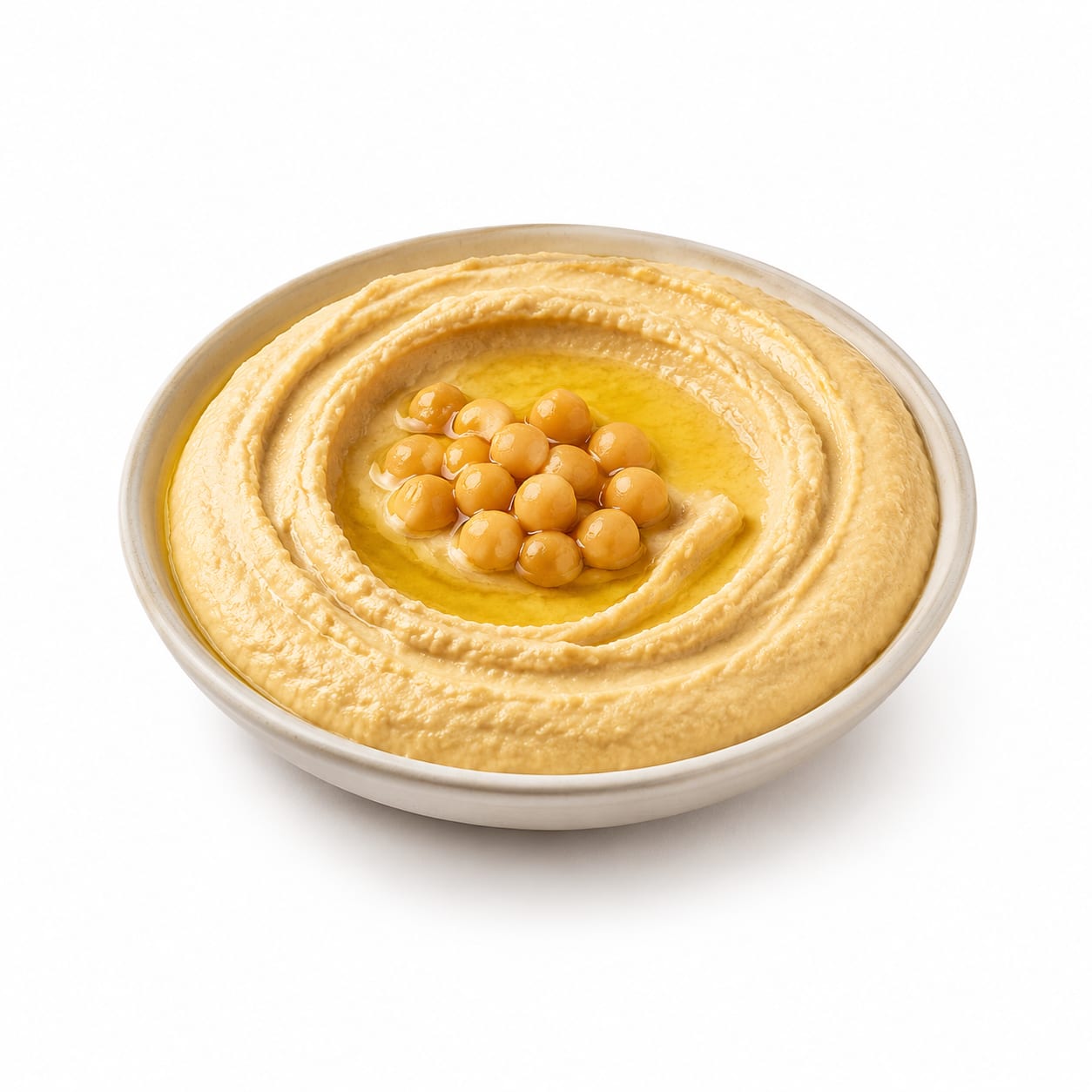
Hummus
Cottage cheese dominates on protein and low-calorie filling power, while hummus wins on fiber, heart-healthy fats, and plant-based digestibility.
Hummus edges ahead slightly due to broader dietary compatibility and fiber benefits, but cottage cheese wins decisively for protein-focused goals. The near-tie reflects how context-dependent this choice truly is.
High protein and calcium from dairy versus fiber and healthy fats from plants — your body goals and digestive comfort decide the winner.
At a glance
Executive summary
Overall
It depends
Healthier
It depends
More practical
Hummus
Daily use
Hummus
Key comparison lenses
protein source comparison for satiety and muscle
Cottage cheese delivers far more protein per calorie, making this the most consequential nutritional difference between the two
plant-based vs dairy protein decision
Users often weigh these two as alternative snack bases depending on dietary philosophy or tolerance
snack selection for weight management
Both are popular high-satiety snacks but achieve fullness through different mechanisms
blood sugar and energy stability
Hummus offers fiber for glucose control while cottage cheese provides minimal carbohydrate impact
digestive tolerance and allergy avoidance
Lactose intolerance and dairy sensitivity push many users toward hummus as an alternative
Best choice for
Cottage Cheese
- Muscle building and recovery after workouts
- High-protein low-calorie dieting phases
- Late-night snacking without spiking blood sugar
- People needing calcium support
Hummus
- Plant-based and vegan lifestyles
- Heart-health focused eating patterns
- Blood sugar management with steady fiber
- Those with lactose intolerance or dairy sensitivity
Least suitable for
Cottage Cheese
- Lactose intolerant individuals
- Vegan or strict plant-based eaters
- People watching sodium closely
- Those who dislike dairy textures
Hummus
- Low-fat or calorie-restricted diets
- High-protein meal plans requiring large protein per serving
- Sodium-sensitive diets if eating store-bought varieties
- People with sesame or chickpea allergies
Deep comparison
Dimension by dimension
Each lens scores both foods and breaks down who each option suits.
- Dimension 1 · Priority 95Cottage Cheese
Protein Content and Quality
Cottage Cheese · 92Hummus · 48Cottage cheese delivers roughly 3-4 times more protein per serving than hummus, with complete amino acid coverage from casein.
Tradeoff
You get far more muscle-supporting protein from cottage cheese, but miss out on the fiber that makes hummus more balanced for sustained energy.
Why it matters
Protein drives fullness, muscle repair, and metabolic health. If hitting protein targets is your priority, cottage cheese makes it significantly easier.
Real-world impact
A single cup of cottage cheese covers about 50-60% of daily protein needs for many adults, while hummus covers only 15-20%.
Cottage Cheese
- Post-workout recovery
- Older adults preventing muscle loss
- Anyone struggling to hit protein goals
Better for
- Vegan meal plans
- People with dairy allergies
Worse for
Hummus
- Those who get protein from other sources already
- Plant-based eaters needing moderate protein alongside fiber
Better for
- High-protein diets requiring efficiency per calorie
- Athletes in heavy training phases
Worse for
- Dimension 2 · Priority 88Hummus
Fiber and Digestive Health
Cottage Cheese · 8Hummus · 82Hummus provides 4-6 grams of fiber per serving from chickpeas, while cottage cheese contains essentially zero fiber.
Tradeoff
Hummus actively supports gut health and regular digestion; cottage cheese relies entirely on other foods to fill the fiber gap.
Why it matters
Fiber controls blood sugar, feeds beneficial gut bacteria, and keeps digestion regular. Most people fall short on daily fiber intake.
Real-world impact
Eating hummus as a regular snack contributes meaningfully toward your 25-35g daily fiber target. Cottage cheese contributes nothing here.
Cottage Cheese
- No specific fiber advantage
Better for
- Those relying on it as a standalone snack without fiber-rich sides
Worse for
Hummus
- Gut microbiome support
- Blood sugar stabilization alongside carbs
- Preventing constipation on high-protein diets
Better for
- Very low-carb diets restricting all legume-based foods
Worse for
- Dimension 3 · Priority 82Hummus
Fat Quality and Heart Health
Cottage Cheese · 38Hummus · 85Hummus provides heart-protective monounsaturated fats from olive oil and tahini. Cottage cheese contains mostly saturated fat from dairy.
Tradeoff
Hummus supports cardiovascular health with unsaturated fats, while cottage cheese delivers saturated fat that current evidence suggests moderating.
Why it matters
Fat quality matters more than fat quantity for long-term heart health. Replacing saturated with unsaturated fats is a well-supported dietary strategy.
Real-world impact
Regular hummus consumption aligns with Mediterranean diet patterns linked to lower heart disease risk. Cottage cheese fits better in higher-saturated-fat dietary patterns.
Cottage Cheese
- Low-fat versions available for those restricting fat
Better for
- People with elevated LDL cholesterol
Worse for
Hummus
- Heart-health conscious eaters
- Mediterranean diet followers
- Those seeking anti-inflammatory fat sources
Better for
- Very low-fat diet protocols
Worse for
- Dimension 4 · Priority 85Cottage Cheese
Satiety and Fullness
Cottage Cheese · 86Hummus · 74Cottage cheese creates stronger satiety per calorie through high protein volume. Hummus fills you through fat and fiber but at higher calorie cost.
Tradeoff
Cottage cheese keeps you full on fewer calories. Hummus keeps you full longer on more calories due to slower fat digestion.
Why it matters
Feeling satisfied without overeating is the core challenge in weight management. Different satiety mechanisms suit different eating patterns.
Real-world impact
A 100-calorie serving of cottage cheese feels surprisingly filling. The same calories of hummus is a small portion that may leave you wanting more.
Cottage Cheese
- Calorie-counting snackers
- Between-meal hunger that needs quick taming
Better for
- People who find protein-only snacks unsatisfying emotionally
Worse for
Hummus
- Those who find fat-based satiety more durable
- Active individuals needing sustained energy
Better for
- Careful portion controllers who find it easy to overeat calorie-dense foods
Worse for
- Dimension 5 · Priority 78Cottage Cheese
Calorie Density and Portion Control
Cottage Cheese · 80Hummus · 52Cottage cheese offers more food volume and protein per calorie. Hummus is calorie-dense due to olive oil and tahini, making overeating easier.
Tradeoff
You can eat a generous bowl of cottage cheese without calorie stress. Hummus portions require more conscious measurement.
Why it matters
Calorie density drives unconscious overconsumption. Foods that look small but pack many calories can silently undermine weight goals.
Real-world impact
It is very easy to consume 400+ calories of hummus with chips or pita in one sitting. Cottage cheese portions are more self-regulating.
Cottage Cheese
- Weight loss phases
- People who struggle with portion awareness
Better for
- Those needing calorie-dense fuel for intense activity
Worse for
Hummus
- Active people needing calorie efficiency
- Underweight individuals seeking easy calories
Better for
- Mindless snackers
- Anyone tracking calories closely
Worse for
- Dimension 6 · Priority 80Hummus
Dietary Compatibility and Inclusivity
Cottage Cheese · 42Hummus · 88Hummus works for vegan, dairy-free, and lactose-intolerant diets. Cottage cheese excludes anyone avoiding dairy.
Tradeoff
Hummus fits nearly every dietary pattern except legume-free protocols. Cottage cheese excludes large populations with dairy restrictions.
Why it matters
A food that fits your life is a food you will actually eat. Dietary restrictions are non-negotiable for many people.
Real-world impact
Roughly 65% of the global population has some degree of lactose malabsorption, making hummus the safer default for diverse groups.
Cottage Cheese
- Vegetarians who tolerate dairy well
- Keto and low-carb eaters
Better for
- Vegans
- Lactose-intolerant individuals
- Dairy-allergic individuals
Worse for
Hummus
- Vegans and plant-based eaters
- Lactose-intolerant individuals
- Shared snack settings with unknown dietary needs
Better for
- Legume-free diets
- Sesame-allergic individuals
Worse for
- Dimension 7 · Priority 65It depends
Sodium Load
Cottage Cheese · 45Hummus · 50Both can be high in sodium depending on preparation and brand. Cottage cheese typically contains 350-500mg per cup; store-bought hummus ranges 250-500mg.
Tradeoff
Neither is a low-sodium champion. Homemade versions of both can reduce sodium significantly, but most people eat commercial varieties.
Why it matters
Excess sodium raises blood pressure and contributes to cardiovascular risk over time. Frequent snack foods are a major hidden sodium source.
Real-world impact
If you eat either daily, check labels carefully. A single serving of either can deliver 15-20% of your daily sodium budget.
Cottage Cheese
- Low-sodium cottage cheese varieties exist and are widely available
Better for
- Salt-sensitive individuals eating standard varieties
Worse for
Hummus
- Homemade hummus allows full sodium control
- Some commercial brands use less salt than cottage cheese defaults
Better for
- Those who pair hummus with salty chips or pretzels, compounding sodium intake
Worse for
Timeline
Health impact over time
Short-term
Hours to days
Cottage Cheese
- Quick protein satiety that reduces hunger within 20-30 minutes
- Possible bloating or gas if lactose intolerant
- Steady energy without blood sugar spikes due to minimal carbohydrate content
Hummus
- Gradual satisfying fullness from combined fat and fiber
- Improved digestive regularity within hours of eating
- Stable blood sugar when paired with vegetables or whole grains
Long-term
Months to years
Cottage Cheese
- Better muscle preservation with aging when consumed regularly
- Possible concern with saturated fat intake if eaten in large daily quantities
- Improved bone density from consistent calcium intake
Hummus
- Enhanced gut microbiome diversity from regular chickpea fiber
- Cardiovascular benefit from habitual monounsaturated fat intake
- Lower inflammatory markers associated with plant-based eating patterns
Risk profile
Safety & processing
Both are fundamentally simple foods. Cottage cheese is cultured milk with minimal ingredients. Hummus is blended chickpeas with tahini, lemon, and garlic. Commercial versions of either may add preservatives or stabilizers, but quality brands keep additions minimal.
Cottage Cheese
Lactose intolerance reactions
mediumCottage cheese contains moderate lactose. Symptoms range from mild bloating to significant digestive distress depending on individual tolerance levels.
Dairy spoilage and bacterial contamination
mediumAs a fresh dairy product, cottage cheese requires consistent refrigeration and has a shorter shelf life than hummus. Listeria risk exists if improperly stored.
Antibiotic and hormone exposure from conventional dairy
lowConventional dairy may contain trace antibiotic residues and synthetic hormones. Choosing organic reduces this concern substantially.
Hummus
Sesame allergy from tahini
highSesame is a top-9 allergen. Hummus always contains tahini, making it unsafe for sesame-allergic individuals unless specifically prepared without it.
Chickpea allergy or intolerance
lowLegume allergies are less common but can cause reactions in sensitive individuals. Cross-reactivity with other legume allergies is possible.
Commercial preservatives and citric acid
lowStore-bought hummus often contains preservatives like potassium sorbate. These are generally recognized as safe but may concern clean-label consumers.
Who wins for whom
Audience fit
Same foods, different winners depending on your goal.
children
HummusHummus as a dip with vegetables or pita is more kid-friendly and provides fiber and healthy fats for growing bodies without dairy tolerance concerns.
daily consumption
HummusHummus offers broader nutritional balance and fits more dietary patterns, making it easier to eat daily without accumulating saturated fat or dairy-related issues.
diabetes
HummusFiber in hummus slows glucose absorption and improves insulin sensitivity over time, while the balanced macronutrient profile supports steadier blood sugar.
elderly
Cottage CheeseOlder adults need concentrated protein to prevent sarcopenia and calcium for bone density, both of which cottage cheese delivers efficiently.
muscle gain
Cottage CheeseCasein protein in cottage cheese provides slow-release amino acids ideal for muscle repair, and the total protein per serving far exceeds hummus.
weight loss
Cottage CheeseHigher protein and lower calorie density make cottage cheese more effective for creating fullness on fewer calories, which is the core challenge in weight loss.
Your move
Decision guide
Choose Cottage Cheese
- You need efficient protein intake for muscle or satiety goals
- You are tracking calories and want maximum fullness per calorie
- You tolerate dairy well and want a quick high-protein snack
- You are an older adult concerned about muscle and bone health
- You follow a low-carb or ketogenic eating pattern
Choose Hummus
- You are vegan, plant-based, or avoiding dairy
- Heart health is a top priority for you
- You want fiber and gut health benefits alongside your snack
- You need a crowd-pleasing option for shared eating situations
- You find fat-rich snacks more emotionally satisfying than protein-heavy ones
Either works if
- You want a savory snack that beats chips or crackers nutritionally
- You are building a balanced snack plate with vegetables and whole grains
- You need something quick between meals to prevent overeating later
Avoid both if
- You have severe sodium restrictions and cannot find low-sodium versions
- You are following a strict whole-foods-only protocol and only have access to highly processed commercial versions of either
Final recommendation
Let your primary goal decide. If protein and calorie efficiency matter most, cottage cheese is the clear choice. If heart health, fiber, and dietary inclusivity matter more, hummus wins. For the best of both worlds, alternate between them throughout the week — cottage cheese after workouts, hummus with vegetables as an afternoon snack.
Practical
Consumer tips
- 1
Check sodium on both — cottage cheese and commercial hummus can both be stealth salt bombs
- 2
Pair cottage cheese with fruit or nuts to add the fiber it completely lacks
- 3
Choose hummus brands with minimal ingredients: chickpeas, tahini, lemon, garlic, olive oil, salt
- 4
Low-fat cottage cheese saves calories but may feel less satisfying than full-fat versions
- 5
Make hummus at home to control sodium and avoid preservatives entirely
- 6
If lactose bothers you, try lactose-free cottage cheese before writing off dairy entirely
- 7
Watch your hummus portion — the calories add up fast when scooping with bread or chips