
Nutrition comparison
Hummus vs Greek Yogurt Dip: Which Is Healthier for You?
Compare hummus and Greek Yogurt Dip on protein, fiber, calories, and gut health. Find out which dip fits your diet, weight goals, and lifestyle better.
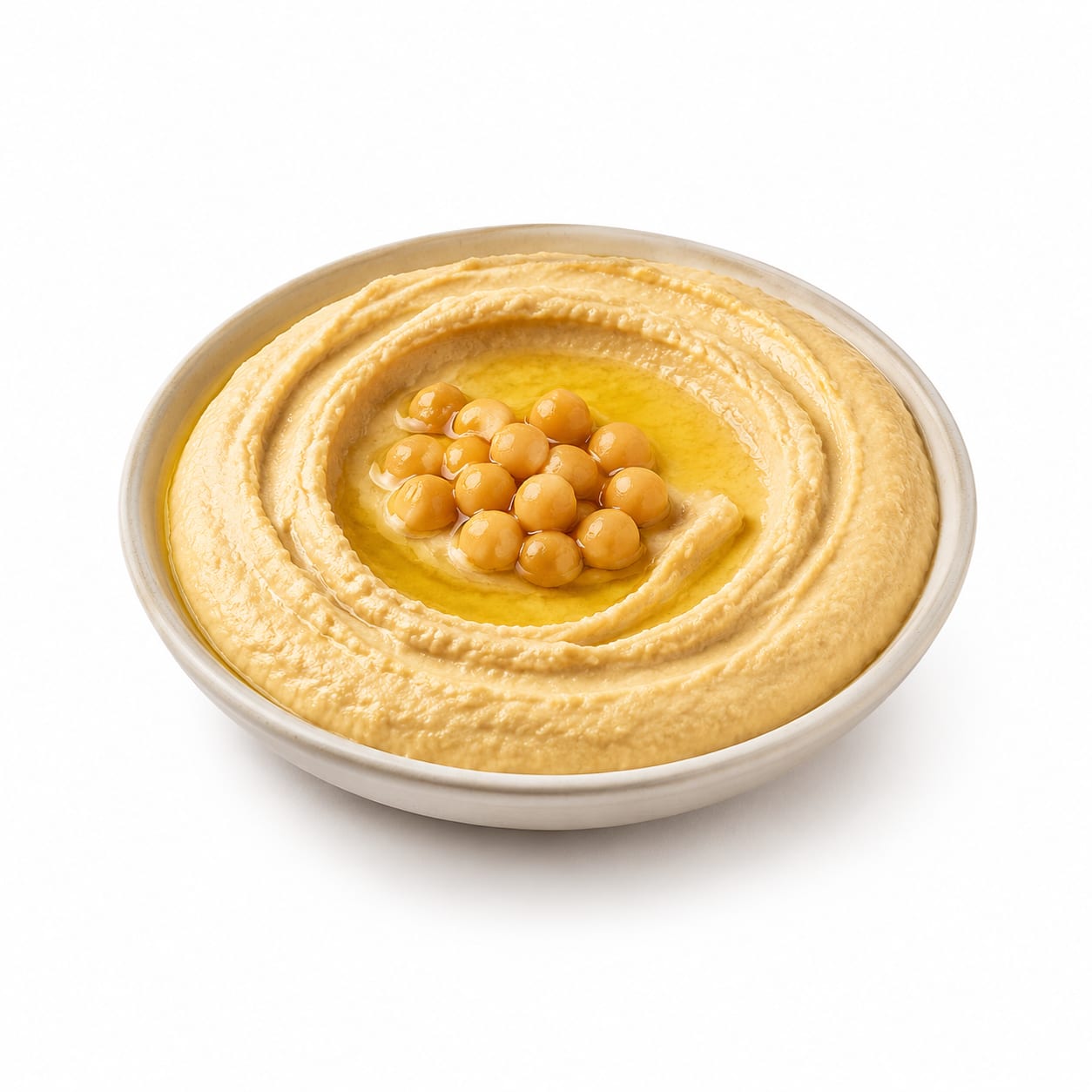
Hummus
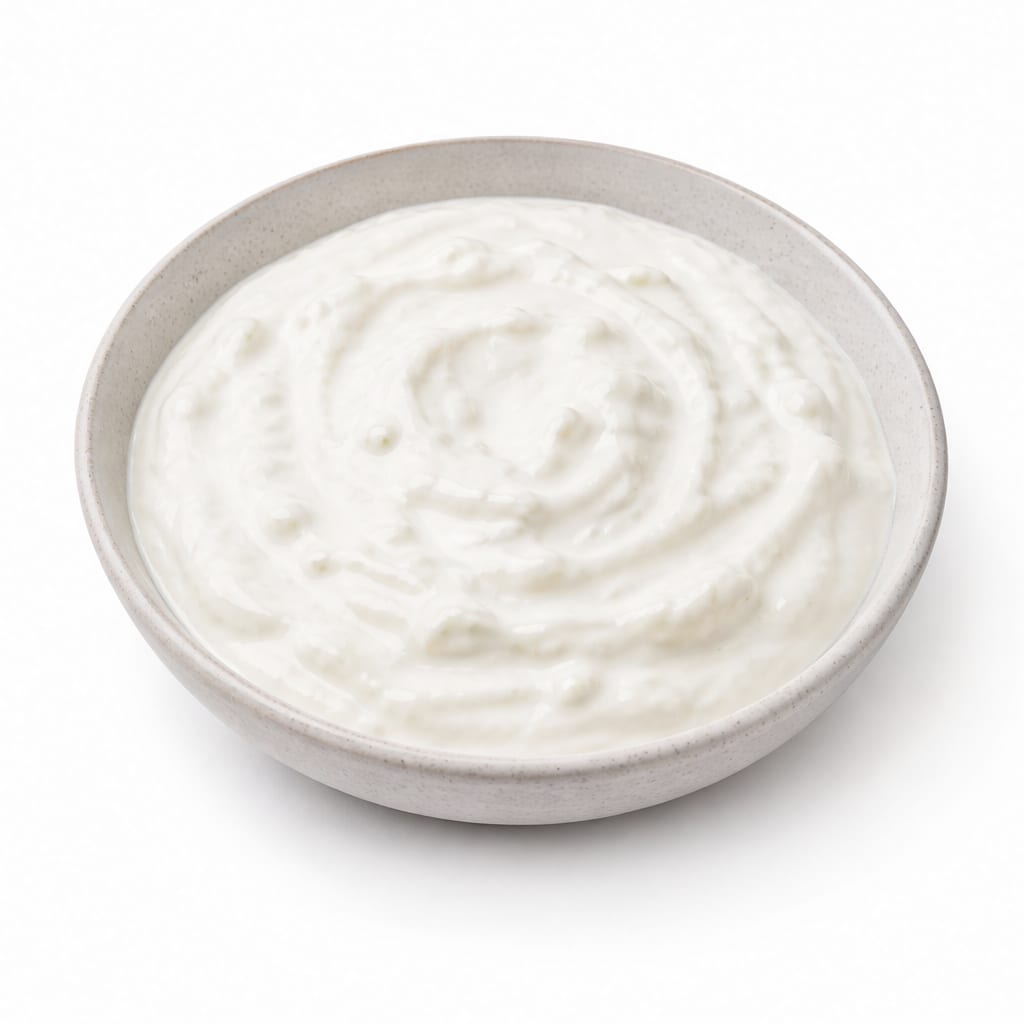
Greek Yogurt Dip
Hummus wins for fiber, plant-based eating, and steady energy. Greek Yogurt Dip wins for protein, weight loss, and muscle recovery.
Greek Yogurt Dip edges ahead slightly due to higher protein and lower calorie density, but Hummus offers unique fiber and plant-based benefits that make it equally valuable depending on context.
Fiber and healthy fats from chickpeas versus double the protein and probiotics from dairy.
At a glance
Executive summary
Overall
It depends
Healthier
It depends
More practical
It depends
Daily use
It depends
Key comparison lenses
Plant-based vs dairy protein source for snacking
Users comparing these two dips are often deciding between plant-based and dairy protein options
Weight management and calorie control
Both are popular snack dips, so calorie density and satiety matter for portion control
Gut health and digestive tolerance
Hummus offers fiber while Greek Yogurt Dip offers probiotics, creating a meaningful gut health tradeoff
Allergen and dietary restriction compatibility
Sesame and dairy allergies, plus vegan requirements, heavily influence this choice
Blood sugar stability and energy
Carb content in hummus versus protein content in Greek Yogurt Dip affects energy differently
Best choice for
Hummus
- Vegans and plant-based eaters
- People needing more fiber in their diet
- Those with dairy intolerance or lactose sensitivity
- Anyone wanting steadier, longer-lasting energy
- Snackers who pair with vegetables for a filling combo
Greek Yogurt Dip
- Post-workout recovery snackers
- People tracking calories for weight loss
- Anyone needing high protein without supplements
- Those wanting gut-friendly probiotics from dairy
- High-protein dieters looking for savory options
Least suitable for
Hummus
- People with sesame allergies
- Low-carb dieters watching carbohydrate intake
- Anyone strictly limiting calorie-dense foods
- Those who struggle with portion control calorie-dense dips
Greek Yogurt Dip
- Vegans and strict plant-based eaters
- People with dairy allergies or severe lactose intolerance
- Anyone avoiding animal products for ethical reasons
- Those sensitive to even trace dairy
Deep comparison
Dimension by dimension
Each lens scores both foods and breaks down who each option suits.
- Dimension 1 · Priority 95Greek Yogurt Dip
Protein Content and Quality
Hummus · 45Greek Yogurt Dip · 90Greek Yogurt Dip delivers roughly double the protein per serving, making it far superior for muscle maintenance and satiety from protein alone.
Tradeoff
Hummus provides plant protein with fiber, but total protein content is modest. Greek Yogurt Dip offers complete dairy protein but no fiber.
Why it matters
Protein keeps you full longer and supports muscle. If your meal or snack is light on protein, Greek Yogurt Dip fills that gap better.
Real-world impact
A afternoon snack of Greek Yogurt Dip with veggies will keep hunger away longer than hummus if the rest of your day is protein-light.
Hummus
- Plant-based eaters who cannot consume dairy
- Anyone combining with other protein sources already
Better for
- Strength athletes needing high protein intake
- Anyone relying on dip as a primary protein source
Worse for
Greek Yogurt Dip
- Post-workout snackers needing quick protein
- Older adults preserving muscle mass
- Anyone eating a lower-protein diet who needs a boost
Better for
- Vegans and dairy-free eaters
- People with milk protein allergies
Worse for
- Dimension 2 · Priority 90Hummus
Fiber and Digestive Health
Hummus · 88Greek Yogurt Dip · 20Hummus is a strong fiber source from chickpeas, while Greek Yogurt Dip contains essentially zero fiber.
Tradeoff
Hummus feeds gut bacteria with prebiotic fiber. Greek Yogurt Dip introduces probiotics but lacks the fiber those bacteria need to thrive.
Why it matters
Most people eat far too little fiber. Hummus is one of the tastiest ways to close that gap during snack time.
Real-world impact
Regularly choosing hummus as your dip can meaningfully move your daily fiber intake closer to the recommended 25-30 grams.
Hummus
- Anyone falling short on daily fiber goals
- People managing constipation or sluggish digestion
- Gut health enthusiasts feeding beneficial bacteria
Better for
- People on low-residue diets for digestive conditions
Worse for
Greek Yogurt Dip
- Those already eating plenty of high-fiber foods
- Anyone experiencing bloating from high-fiber meals
Better for
- Anyone relying on dip as a fiber contributor
- People with sluggish digestion needing roughage
Worse for
- Dimension 3 · Priority 88Greek Yogurt Dip
Calorie Density and Weight Management
Hummus · 55Greek Yogurt Dip · 82Greek Yogurt Dip is significantly lower in calories per serving, making it easier to fit into a calorie-controlled plan.
Tradeoff
Hummus provides healthy fats that increase satiety but also calories. Greek Yogurt Dip is lighter but may feel less satisfying on its own.
Why it matters
With dips, it is easy to overeat. A lower-calorie option gives you more room for larger portions or other foods.
Real-world impact
You can eat nearly twice the volume of Greek Yogurt Dip for the same calories as a modest hummus portion.
Hummus
- Those who prefer smaller portions of calorie-dense food
- Anyone finding healthy fats more satiating than volume
Better for
- Mindless snackers who eat dip straight from the container
- Anyone strictly cutting calories
Worse for
Greek Yogurt Dip
- Calorie counters wanting larger snack portions
- Weight loss dieters tracking every calorie
- Volume eaters who prefer bigger portions
Better for
- Those who feel unsatisfied without fat in a snack
Worse for
- Dimension 4 · Priority 82Hummus
Blood Sugar Stability
Hummus · 78Greek Yogurt Dip · 72Hummus has a lower glycemic impact thanks to its fiber and fat combination, though both dips are relatively gentle on blood sugar.
Tradeoff
Hummus contains carbs from chickpeas but the fiber slows absorption. Greek Yogurt Dip has minimal carbs but less fiber to buffer anything eaten with it.
Why it matters
Steady blood sugar means fewer energy crashes and cravings later. Both dips perform well here compared to sweeter snacks.
Real-world impact
Pairing hummus with carrots gives you a snack that releases energy slowly over hours. Greek Yogurt Dip with the same carrots works too but with slightly less sustained fullness.
Hummus
- Prediabetics wanting slower carb absorption
- Anyone prone to afternoon energy crashes
- Snackers who go hours between meals
Better for
- Strict ketogenic dieters avoiding all legumes
Worse for
Greek Yogurt Dip
- Diabetics counting total carbohydrates strictly
- Very low-carb dieters minimizing all carb sources
Better for
- Those who experience blood sugar drops from protein-only snacks
Worse for
- Dimension 5 · Priority 80It depends
Gut Microbiome Support
Hummus · 80Greek Yogurt Dip · 78Hummus provides prebiotic fiber that feeds good bacteria. Greek Yogurt Dip provides live probiotics that introduce beneficial strains. Both support gut health through different mechanisms.
Tradeoff
Prebiotics without probiotics means feeding existing bacteria. Probiotics without prebiotics means new strains may not survive long. Ideally, both matter.
Why it matters
A healthy gut influences everything from immunity to mood. Getting both prebiotics and probiotics is better than either alone.
Real-world impact
Alternating between hummus and Greek Yogurt Dip throughout the week gives your gut both the fuel and the organisms it needs.
Hummus
- Anyone already taking probiotic supplements
- People whose diets lack prebiotic fiber sources
- Those wanting to feed existing beneficial gut bacteria
Better for
- People with SIBO or severe fiber intolerance
Worse for
Greek Yogurt Dip
- Anyone not consuming fermented foods regularly
- People wanting to diversify gut bacteria strains
- Those who cannot tolerate high-fiber foods temporarily
Better for
- Those on antibiotics that may kill probiotic strains
Worse for
- Dimension 6 · Priority 78Hummus
Allergen and Dietary Restriction Compatibility
Hummus · 82Greek Yogurt Dip · 55Hummus is vegan and dairy-free, fitting more dietary patterns. Greek Yogurt Dip excludes anyone avoiding dairy.
Tradeoff
Hummus contains sesame (tahini), which is a top allergen. Greek Yogurt Dip contains dairy, which is even more commonly avoided.
Why it matters
Dietary restrictions are non-negotiable. The best dip is the one you can actually eat.
Real-world impact
At a party, hummus is the safer crowd option since more people can eat it. For personal daily use, pick what matches your needs.
Hummus
- Vegans and plant-based eaters
- Lactose-intolerant individuals
- Anyone hosting gatherings with unknown dietary needs
Better for
- People with sesame or chickpea allergies
Worse for
Greek Yogurt Dip
- Sesame-allergic individuals
- Those who tolerate dairy well and want its benefits
Better for
- Vegans, dairy-free eaters, and lactose-intolerant individuals
Worse for
- Dimension 7 · Priority 72It depends
Versatility and Meal Integration
Hummus · 80Greek Yogurt Dip · 75Hummus works as a dip, spread, sandwich layer, and sauce base. Greek Yogurt Dip is primarily a dip or condiment but excels as a lighter substitute for sour cream or mayo.
Tradeoff
Hummus has a bolder flavor that dominates dishes. Greek Yogurt Dip is more neutral and adapts to seasoning variations easily.
Why it matters
A versatile food gets eaten more and wasted less. Both dips shine in different kitchen roles.
Real-world impact
Hummus on a wrap replaces mayo and adds substance. Greek Yogurt Dip on a baked potato replaces sour cream with far more protein.
Hummus
- Meal preppers wanting one spread for multiple uses
- Sandwich and wrap lovers needing a flavorful base layer
- Mediterranean diet followers
Better for
- Those wanting a neutral base for delicate flavors
Worse for
Greek Yogurt Dip
- Cooking lighter versions of creamy recipes
- Anyone replacing sour cream or mayo with a protein boost
- Herb and spice experimenters wanting a neutral base
Better for
- Anyone needing a thick spread or sandwich binder
Worse for
Timeline
Health impact over time
Short-term
Hours to days
Hummus
- Provides steady, slow-burning energy from complex carbs and healthy fats
- May cause bloating in those sensitive to chickpeas or high-fiber foods
- Satisfying mouthfeel from olive oil and tahini reduces cravings quickly
Greek Yogurt Dip
- Quick protein hit that curbs hunger within minutes
- Probiotics may cause temporary mild bloating as gut adjusts
- Lighter feeling in the stomach compared to hummus
Long-term
Months to years
Hummus
- Regular fiber intake supports bowel regularity and reduced constipation
- Chickpea consumption linked to improved cholesterol levels
- Olive oil and tahini provide heart-healthy monounsaturated fats
- Sustained fiber intake feeds beneficial gut bacteria over months
Greek Yogurt Dip
- Consistent protein intake helps preserve muscle mass, especially important over age 40
- Regular probiotic consumption from yogurt linked to improved immune function
- Calcium and B12 from dairy support bone density and energy metabolism
- May reduce risk of metabolic syndrome when replacing higher-calorie dips
Risk profile
Safety & processing
Both hummus and Greek Yogurt Dip are minimally processed when made traditionally. Store-bought versions of either may contain preservatives like sodium benzoate or potassium sorbate, so check labels. Homemade versions of both are among the cleanest snack options available.
Hummus
Sesame allergy exposure from tahini
highSesame is a top nine allergen. Even trace amounts can trigger severe reactions in sensitive individuals. Always confirm ingredients when sharing hummus.
Contamination in store-bought varieties
lowCommercial hummus has been subject to occasional recalls for listeria. Refrigerate promptly and consume within days of opening.
Greek Yogurt Dip
Dairy allergy and lactose intolerance reactions
highMilk protein allergies can cause serious reactions. Lactose intolerance is more common and causes digestive distress. Greek yogurt has less lactose than regular yogurt but still contains some.
Spoilage if improperly stored
mediumDairy-based dips spoil faster than plant-based options at room temperature. Keep chilled and discard after two hours outside the fridge.
Who wins for whom
Audience fit
Same foods, different winners depending on your goal.
children
Greek Yogurt DipGreek Yogurt Dip is gentler on developing digestive systems, provides calcium for growing bones, and is often more palatable to kids with milder flavor.
daily consumption
It dependsAlternating both provides the broadest nutritional benefit. Choose hummus for fiber days and Greek Yogurt Dip for protein days.
diabetes
HummusThe fiber in hummus slows carbohydrate absorption, leading to more stable blood sugar. Both are reasonable choices, but hummus offers better glycemic control.
elderly
Greek Yogurt DipOlder adults need more protein to prevent muscle loss and calcium for bone density. Greek Yogurt Dip addresses both priorities effectively.
muscle gain
Greek Yogurt DipHigher protein content from Greek yogurt directly supports muscle protein synthesis, especially post-workout.
weight loss
Greek Yogurt DipGreek Yogurt Dip provides more protein and fewer calories per serving, making it easier to maintain a calorie deficit while staying satisfied.
Your move
Decision guide
Choose Hummus
- You eat a plant-based or vegan diet
- You need more daily fiber and struggle to get enough from other foods
- You want a dip that provides steady energy for hours
- You are lactose intolerant or avoiding dairy
- You frequently host gatherings and need a crowd-safe option
Choose Greek Yogurt Dip
- You want to increase protein without adding meat or supplements
- You are counting calories and prefer larger portion sizes
- You need a post-workout snack that supports recovery
- You want probiotics from whole food sources
- You are replacing sour cream or mayo with a healthier alternative
Either works if
- You are simply looking for a healthier dip than ranch or cheese-based options
- You want something to pair with raw vegetables for a nutritious snack
- Both fit your dietary restrictions and you want variety
Avoid both if
- You have allergies to both sesame and dairy
- You are on a strict very-low-carb diet and cannot accommodate any legume carbs
- You are sensitive to both high-fiber and dairy foods simultaneously
Final recommendation
Keep both in your rotation. Use hummus when your day is low on fiber and you want lasting energy. Use Greek Yogurt Dip when your protein intake is lagging or you want a lighter snack. Alternating between them gives your gut both prebiotics and probiotics, your body both fiber and protein, and your palate enough variety to stay consistent long-term.
Practical
Consumer tips
- 1
Check store-bought hummus for added oils beyond olive oil. Canola or soybean oil are common cost-cutters that reduce quality.
- 2
Look for Greek Yogurt Dip with live active cultures listed on the label to ensure probiotic benefit.
- 3
Make hummus at home in five minutes with a can of chickpeas, tahini, lemon, garlic, and olive oil for the cleanest version possible.
- 4
Stir herbs like dill, chives, or za'atar into Greek Yogurt Dip for flavor without adding calories.
- 5
Portion hummus into a small bowl rather than eating from the container. Its calorie density makes mindless snacking easy.
- 6
Freeze extra hummus in ice cube trays for single-serving portions that thaw quickly.
- 7
Choose full-fat Greek yogurt for dip-making. Non-fat versions can taste thin and require more seasoning or thickeners.