
Nutrition comparison
Hummus vs Guacamole: Which Healthy Dip is Better for You?
Compare Hummus vs Guacamole for nutrition, weight loss, and health benefits. Learn which dip is best for your diet goals and daily lifestyle.
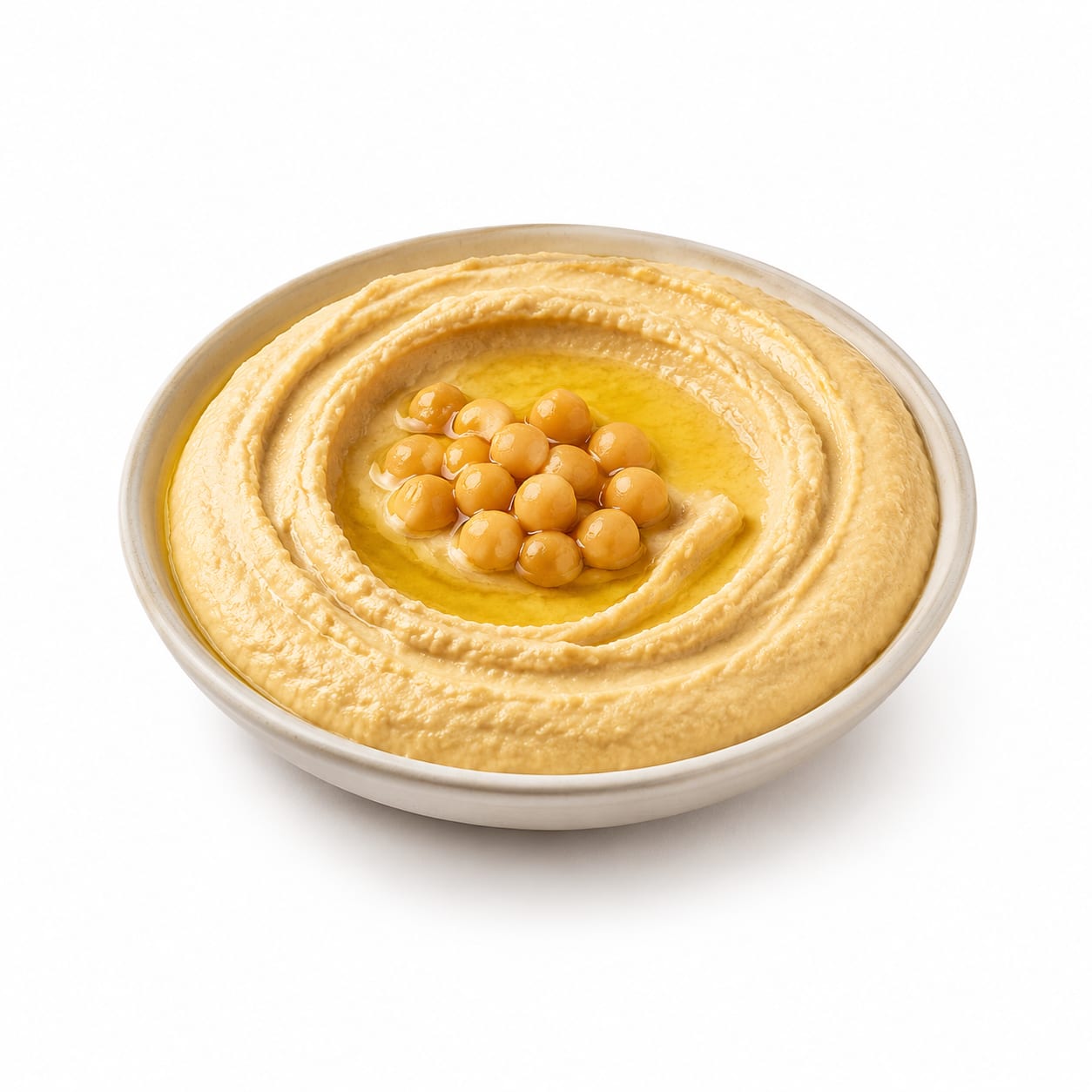
Hummus
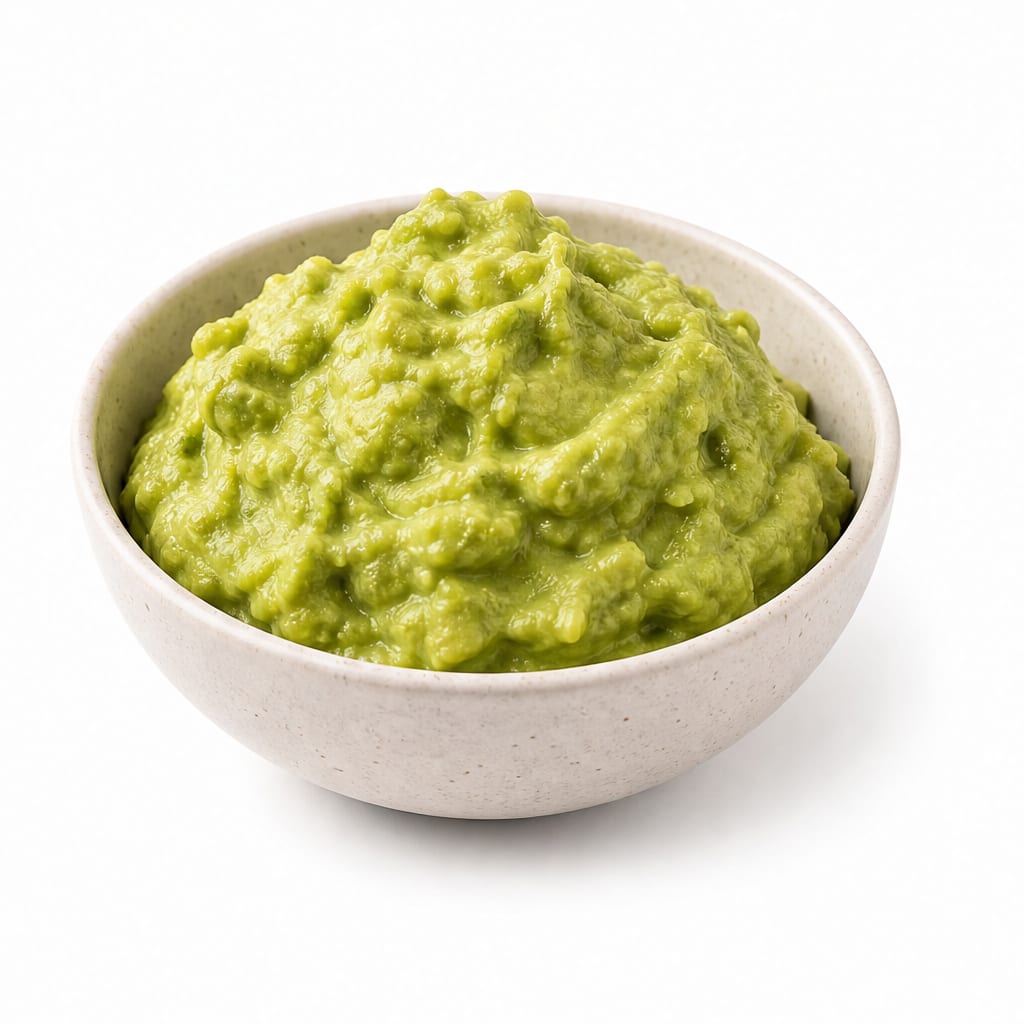
Guacamole
Hummus offers more protein and steady complex carbs, while Guacamole delivers richer heart-healthy fats with almost zero carbs.
Guacamole edges ahead slightly due to its exceptional fat profile and zero-carb nature, but Hummus remains an excellent, protein-rich choice that is far more practical for daily eating.
Hummus provides plant-based protein and sustained energy for active lifestyles, whereas Guacamole offers superior fat quality and blood sugar stability for low-carb needs.
At a glance
Executive summary
Overall
It depends
Healthier
It depends
More practical
Hummus
Daily use
Hummus
Key comparison lenses
Healthy dip comparison for snacking
Both are popular whole-food dips, often used interchangeably for veggie dipping or sandwich spreading
Fat quality and macronutrient profile
Hummus relies on tahini and olive oil, while Guacamole is driven by avocado fat, creating distinct metabolic effects
Blood sugar impact and diabetes suitability
Hummus contains carbs from chickpeas, whereas Guacamole is virtually carb-free
Budget and daily practicality
Avocados are expensive and perishable, making Guacamole a costlier daily habit than Hummus
Best choice for
Hummus
- Plant-based eaters needing more protein
- Budget-conscious snackers
- Volume eaters wanting larger portions without excessive calories
Guacamole
- Low-carb and keto dieters
- People managing blood sugar spikes
- Those wanting to boost potassium and heart-healthy monounsaturated fats
Least suitable for
Hummus
- Strict low-carb dieters
- People with sesame or legume allergies
Guacamole
- Calorie counters who struggle with portion control
- Those on a tight grocery budget
Deep comparison
Dimension by dimension
Each lens scores both foods and breaks down who each option suits.
- Dimension 1 · Priority 90Guacamole
Satiety and Fullness
Hummus · 82Guacamole · 88Guacamole keeps you full longer due to its high fat content, while Hummus provides a lighter but still satisfying fill from fiber and protein.
Tradeoff
Hummus offers a comfortable, lighter satiety, whereas Guacamole delivers a denser, longer-lasting fullness that easily bridges meals.
Why it matters
Staying full between meals prevents mindless snacking and helps maintain steady energy throughout the afternoon.
Real-world impact
A Guacamole snack at 3 PM will likely carry you to dinner without a crash, while Hummus might leave you looking for a little something extra an hour sooner.
Hummus
- Bridging short gaps between meals
- Lighter snacking before a workout
Better for
- Situations requiring 5+ hours of satiety
Worse for
Guacamole
- Replacing a full meal when busy
- Preventing late-night overeating
Better for
- Eating right before a heavy meal
Worse for
- Dimension 2 · Priority 88Guacamole
Blood Sugar Stability
Hummus · 78Guacamole · 96Guacamole has virtually no impact on blood sugar, while Hummus contains complex carbs that cause a mild, slow rise.
Tradeoff
Hummus provides usable energy from carbs, whereas Guacamole acts purely as a fat source with zero glycemic impact.
Why it matters
Avoiding blood sugar spikes prevents the energy crashes and cravings that derail healthy eating.
Real-world impact
Diabetics can eat Guacamole freely without insulin stress, while Hummus requires a bit more portion awareness despite being a low-glycemic food.
Hummus
- Post-workout recovery needing some carbs
- Sustained energy for active afternoons
Better for
- Severe carb restriction phases
Worse for
Guacamole
- Managing insulin resistance
- Keto and very low-carb diets
Better for
- Immediate energy replenishment after intense exercise
Worse for
- Dimension 3 · Priority 85Guacamole
Heart Health and Fat Profile
Hummus · 82Guacamole · 92Both are heart-healthy, but Guacamole's monounsaturated fats are uniquely potent for lowering LDL cholesterol.
Tradeoff
Hummus offers a mix of polyunsaturated and monounsaturated fats from tahini and olive oil, while Guacamole provides a massive dose of oleic acid from avocados.
Why it matters
The type of fat you eat daily directly influences cardiovascular inflammation and cholesterol levels over decades.
Real-world impact
Regular Guacamole consumption can meaningfully improve cholesterol panels, while Hummus offers broader but less targeted cardiovascular benefits.
Hummus
- Balanced fat intake including omega-6s
Better for
- Diets requiring very high monounsaturated fat emphasis
Worse for
Guacamole
- Aggressively lowering LDL cholesterol
- Reducing systemic inflammation
Better for
- Those needing to strictly limit all dietary fat
Worse for
- Dimension 4 · Priority 82Hummus
Calorie Density and Portion Control
Hummus · 85Guacamole · 70Hummus is less calorie-dense, allowing for larger scoops, while Guacamole packs a lot of calories into a small amount.
Tradeoff
Hummus lets you eat more volume for fewer calories, whereas Guacamole delivers rich flavor quickly but can easily lead to accidental overconsumption.
Why it matters
Underestimating calorie density is one of the most common reasons healthy diets fail to produce weight loss.
Real-world impact
It is very easy to consume 400 calories of Guacamole in a few minutes with chips, while the same volume of Hummus would be significantly fewer calories.
Hummus
- Volume eaters who like large snacks
- Tracking calories strictly
Better for
- Needing dense calories for weight gain
Worse for
Guacamole
- Those who prefer small, rich portions
- High-calorie needs like bulking
Better for
- Mindless snacking while watching TV
Worse for
- Dimension 5 · Priority 80Guacamole
Nutrient Density
Hummus · 83Guacamole · 89Guacamole is loaded with potassium and folate, while Hummus shines with iron, zinc, and B vitamins.
Tradeoff
Hummus acts more like a complex nutrient multi-vitamin from seeds and legumes, while Guacamole excels at specific nutrients most people lack, like potassium.
Why it matters
Eating nutrient-dense foods reduces cravings because your body actually gets the minerals and vitamins it is asking for.
Real-world impact
Hummus helps plant-based eaters hit their iron needs, while Guacamole helps almost anyone meet their potassium goals for blood pressure regulation.
Hummus
- Vegans needing iron and zinc
- Boosting B-vitamin intake
Better for
- Those who need high potassium for muscle cramps
Worse for
Guacamole
- Lowering blood pressure via potassium
- Supporting prenatal health with folate
Better for
- Treating plant-based iron deficiency
Worse for
Timeline
Health impact over time
Short-term
Hours to days
Hummus
- Steady energy from complex carbs
- Quick satiety from fiber and protein
Guacamole
- Sustained fullness from high fat content
- No energy crash or sugar spike
Long-term
Months to years
Hummus
- Supports digestive regularity
- Provides consistent plant-based iron and protein
Guacamole
- Excellent for cardiovascular health
- Supports skin health and nutrient absorption from healthy fats
Risk profile
Safety & processing
Both are whole-food dips at their core, but store-bought Hummus often sneaks in excess oil, sodium, and preservatives like sodium benzoate, whereas store-bought Guacamole usually has fewer additives.
Hummus
Sesame allergy
highTahini is a core ingredient in Hummus, making it unsafe for anyone with sesame allergies.
High sodium in commercial varieties
mediumStore-bought Hummus can pack a surprising amount of sodium per serving.
Guacamole
Oxidation and spoilage
mediumGuacamole turns brown quickly when exposed to air, leading to food waste or eating degraded quality.
Avocado allergy or latex-fruit syndrome
lowRare but possible cross-reactivity for those allergic to latex.
Who wins for whom
Audience fit
Same foods, different winners depending on your goal.
children
HummusHummus has a milder flavor, fun dipping texture, and provides iron and protein crucial for growing bodies.
daily consumption
HummusHummus is significantly more affordable, lasts longer in the fridge, and offers a versatile, budget-friendly daily protein source.
diabetes
GuacamoleGuacamole has virtually zero carbs and will not spike blood sugar, making it far safer for insulin management.
elderly
GuacamoleGuacamole is extremely soft, easy to chew, and its high potassium and healthy fats support heart and brain health in aging adults.
muscle gain
HummusHummus provides a notable protein and complex carb advantage, which is essential for muscle repair and glycogen replenishment.
weight loss
It dependsHummus is better for volume eaters who need larger portions, while Guacamole is better for low-carb dieters who need high fat satiety.
Your move
Decision guide
Choose Hummus
- You need a budget-friendly, protein-packed dip for daily lunches
- You want a larger portion size without overdoing calories
- You are feeding kids who need milder flavors and extra iron
Choose Guacamole
- You are strictly watching your carb intake or managing diabetes
- You want maximum heart-healthy fats and potassium
- You need a rich, indulgent dip that keeps you full for hours
Either works if
- You just want a whole-food, plant-based dip instead of ranch or mayo
- You are building a snack plate with raw veggies
- You need a spread for a sandwich or wrap
Avoid both if
- You have severe digestive issues triggered by high-fiber foods
- You are strictly limiting dietary fat on a medical protocol
Final recommendation
Let your energy needs decide: choose Hummus for active days when you need protein and steady carbs, and choose Guacamole for restful days or low-carb goals when you want rich, lasting fullness without the carbs.
Practical
Consumer tips
- 1
Make both at home to control the oil and sodium content, which is where store-bought versions go wrong.
- 2
Squeeze extra lemon or lime juice on leftover Guacamole and press plastic wrap directly on the surface to delay browning.
- 3
Pair Hummus with veggies instead of pita chips to keep the meal low-glycemic and high in fiber.
- 4
Mash peas or edamame into Guacamole to stretch it further, lower the calorie density, and boost the protein.