
Nutrition comparison
Hummus vs Peanut Butter: Which Spread is Healthier?
Compare Hummus and Peanut Butter to see which is better for weight loss, protein, and daily snacking. Discover the nutritional tradeoffs and find out which spread fits your goals.
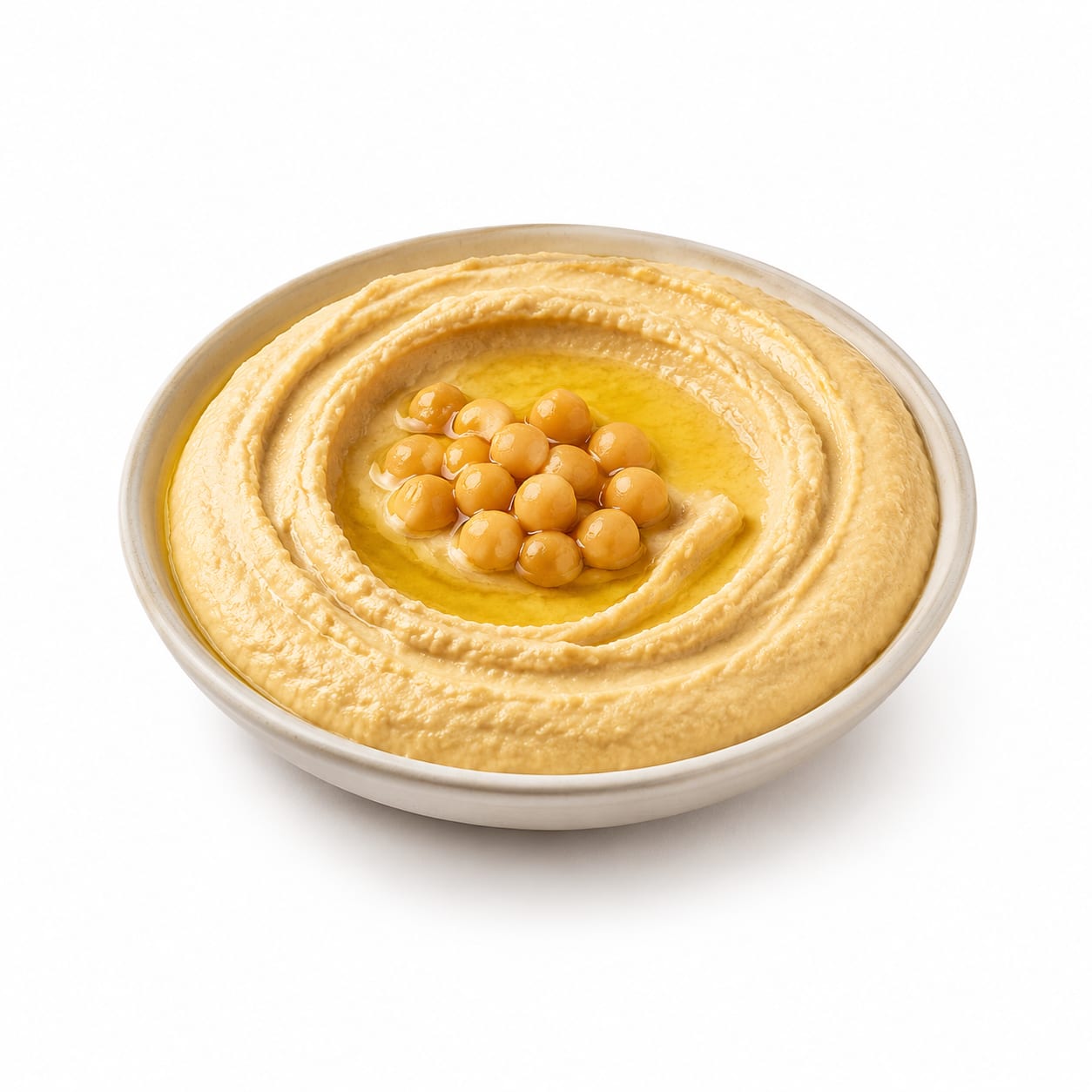
Hummus
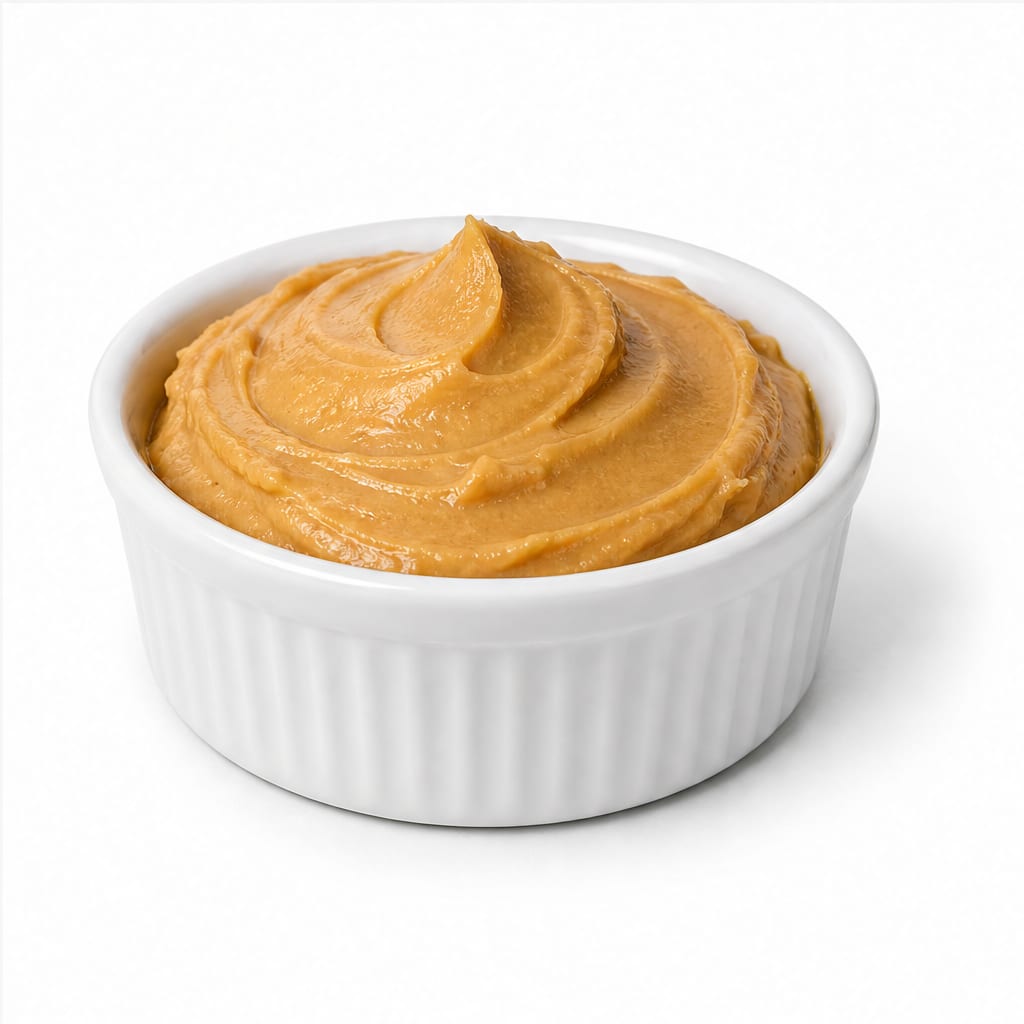
Peanut Butter
Hummus is the lighter, more portion-friendly spread, while Peanut Butter is a dense protein and energy powerhouse that requires careful portioning.
Hummus scores slightly higher due to its superior portion-to-calorie ratio and lower overeating risk. Peanut Butter is nutritionally dense but heavily penalized for its extreme calorie density and allergen severity, making it riskier for daily unmeasured consumption.
Lower calorie volume and easier portion control versus higher protein and more sustained energy in a smaller package.
At a glance
Executive summary
Overall
It depends
Healthier
Hummus
More practical
It depends
Daily use
Hummus
Key comparison lenses
Calorie density and overeating risk
Peanut Butter is extremely calorie-dense and easy to overconsume, while Hummus offers a much larger portion size for fewer calories.
Protein and satiety per serving
Both are plant-based protein sources, but Peanut Butter delivers significantly more protein and fat per bite, making it more filling but heavier.
Allergen and digestive tolerance
Peanut Butter is a top allergen with severe reactions possible, whereas Hummus is nut-free but contains chickpeas and garlic which can trigger IBS symptoms.
Fat profile and heart health
Hummus relies on olive oil for healthy monounsaturated fats, while Peanut Butter provides monounsaturated fats but also more omega-6 polyunsaturated fats.
Best choice for
Hummus
- People managing calorie intake or weight loss
- Nut-free households or school lunches
- Those seeking a savory, lighter snack
- Individuals needing steady, light energy without heaviness
Peanut Butter
- Athletes or those needing quick, dense calories
- People on a budget seeking affordable plant protein
- Anyone bulking or struggling to get enough daily calories
- Keto or low-carb dieters (if unsweetened)
Least suitable for
Hummus
- Those on strict low-FODMAP diets due to garlic and chickpeas
- People needing high-calorie, low-volume foods for weight gain
- Individuals sensitive to sodium in packaged foods
Peanut Butter
- Anyone with a peanut or legume allergy
- Those prone to mindless snacking or calorie overconsumption
- Individuals strictly monitoring omega-6 to omega-3 ratios
Deep comparison
Dimension by dimension
Each lens scores both foods and breaks down who each option suits.
- Dimension 1 · Priority 95Hummus
Calorie Density and Portion Control
Hummus · 90Peanut Butter · 45Hummus allows you to eat a much larger volume for far fewer calories, making it far easier to manage portions.
Tradeoff
You get less caloric energy per bite with Hummus, which is great for dieting but bad if you actually need the calories.
Why it matters
Overeating Peanut Butter by just a couple of tablespoons can easily add 200+ hidden calories to your day, stalling weight loss without feeling like a large meal.
Real-world impact
A standard serving of Hummus (2 tbsp) is about 70 calories, while Peanut Butter is roughly 190 calories for the same spoonful.
Hummus
- Weight management
- Volume eaters
- Mindless snacking habits
Better for
- High-calorie needs
- Extreme endurance sports
Worse for
Peanut Butter
- Weight gain
- Backpacking or hiking
- Small appetite needs
Better for
- Cutting phases
- Late-night snacking
Worse for
- Dimension 2 · Priority 90Peanut Butter
Protein and Satiety
Hummus · 65Peanut Butter · 88Peanut Butter packs nearly double the protein per serving, making it more effective at keeping you full for longer.
Tradeoff
That satiety comes with a heavy calorie load, whereas Hummus provides lighter satiety that won't weigh you down.
Why it matters
If you need to stay full until your next meal, Peanut Butter does the job better, but you must measure it to avoid a calorie surplus.
Real-world impact
Adding Peanut Butter to morning toast can keep hunger at bay until lunch, while Hummus on toast might leave you looking for a snack by mid-morning.
Hummus
- Light lunches
- Pre-dinner appetizers
Better for
- Recovering athletes
- High-protein diets
Worse for
Peanut Butter
- Post-workout recovery
- Breakfast satiety
- Plant-based muscle gain
Better for
- Light snacking
- Stomach-sensitive days
Worse for
- Dimension 3 · Priority 80Hummus
Fat Quality and Heart Health
Hummus · 85Peanut Butter · 70Hummus relies on olive oil, offering a fantastic fat profile with anti-inflammatory benefits. Peanut Butter has healthy fats but a higher omega-6 load.
Tradeoff
Peanut Butter still offers heart-healthy monounsaturated fats, but commercial brands often add hydrogenated oils to prevent separation.
Why it matters
An imbalance of omega-6 fats without enough omega-3s can promote inflammation, making Peanut Butter a less optimal daily fat source than olive oil-based Hummus.
Real-world impact
Choosing Hummus as your daily spread supports a Mediterranean-style fat profile, whereas daily Peanut Butter requires balancing with omega-3 rich foods like salmon or chia.
Hummus
- Mediterranean diet followers
- Reducing systemic inflammation
Better for
- Very low-carb diets
Worse for
Peanut Butter
- Keto dieters needing high fat
- Quick dense energy
Better for
- Chronic inflammation issues
- Highly processed diets
Worse for
- Dimension 4 · Priority 85Hummus
Allergen and Digestive Safety
Hummus · 75Peanut Butter · 50Peanut allergies can be life-threatening, making Peanut Butter a risky spread for shared environments. Hummus is nut-free but can irritate IBS.
Tradeoff
Hummus avoids the severe anaphylaxis risk of peanuts but contains garlic and chickpeas, which are high in FODMAPs and can cause bloating in sensitive individuals.
Why it matters
For school lunches or communal kitchens, Hummus is universally safer. For individual IBS sufferers, Peanut Butter might actually digest more comfortably.
Real-world impact
Peanut Butter is banned in many schools, while Hummus is a safe alternative. However, someone with IBS might experience gas after a Hummus snack but tolerate Peanut Butter fine.
Hummus
- School lunches
- Nut-free workplaces
- Shared snack platters
Better for
- IBS or SIBO flare-ups
- Fructose intolerance
Worse for
Peanut Butter
- Low-FODMAP dieters
- Garlic and onion intolerance
Better for
- Classrooms
- Public events
Worse for
Timeline
Health impact over time
Short-term
Hours to days
Hummus
- Provides steady, light energy without a heavy feeling
- Can cause bloating or gas in those sensitive to chickpeas or garlic
Peanut Butter
- Highly filling and satisfying, curbs hunger quickly
- Can feel heavy or sluggish if eaten in large amounts due to high fat content
Long-term
Months to years
Hummus
- Supports heart health and healthy cholesterol levels via olive oil and chickpeas
- Easier to maintain a healthy weight due to lower calorie density
Peanut Butter
- Excellent for maintaining muscle mass and preventing protein deficiency on plant-based diets
- Risk of unintended weight gain if portions are not strictly controlled
Risk profile
Safety & processing
Traditional Hummus is a simple blend of chickpeas, tahini, lemon, and garlic. Natural Peanut Butter contains just peanuts and salt, but mainstream Peanut Butter often includes added sugars, hydrogenated oils, and emulsifiers to stabilize texture and sweetness.
Hummus
Bacterial contamination (Listeria/Salmonella)
mediumBecause Hummus is a moist, ready-to-eat food, it can harbor Listeria if left unrefrigerated or if made from contaminated ingredients.
High sodium in packaged varieties
mediumStore-bought Hummus can contain significant sodium, which is a concern for blood pressure management.
Peanut Butter
Aflatoxin exposure
mediumPeanuts are susceptible to Aspergillus mold, which produces aflatoxins. Reputable brands test for this, but trace amounts are common.
Severe allergic reactions
highPeanut allergy is one of the most common and dangerous food allergies, capable of triggering anaphylaxis from trace cross-contamination.
Who wins for whom
Audience fit
Same foods, different winners depending on your goal.
children
Peanut ButterGrowing children benefit from the dense calories and protein in Peanut Butter, provided they do not have a peanut allergy.
daily consumption
HummusIt is much harder to accidentally overeat Hummus, making it a safer and more sustainable daily staple for most people.
diabetes
HummusHummus has a lower glycemic load and fewer calories from fat, making blood sugar management easier, though both are relatively low-carb spreads.
elderly
HummusHummus is easier to digest, lighter on the stomach, and supports heart health with olive oil, which is crucial for aging cardiovascular systems.
muscle gain
Peanut ButterPeanut Butter provides more protein and dense calories per serving, which are essential for muscle repair and growth.
weight loss
HummusHummus offers a much larger portion size for fewer calories, making it far easier to stick to a calorie deficit without feeling deprived.
Your move
Decision guide
Choose Hummus
- You are trying to lose weight or maintain your current weight
- You need a safe, nut-free snack for school or work
- You want a savory dip for raw vegetables
- You prefer eating larger volumes of food without heavy calorie consequences
Choose Peanut Butter
- You need affordable, dense calories for athletic performance or bulking
- You follow a low-carb or ketogenic diet
- You struggle to get enough protein on a plant-based diet
- You want a long-lasting, satisfying breakfast addition
Either works if
- You just need a flavorful spread for a sandwich or wrap
- You are looking for plant-based sources of healthy fats
- You want to break the monotony of butter or cream cheese
Avoid both if
- You have severe digestive issues requiring a strict low-fat diet
- You are following a strict elimination diet that excludes legumes and nuts
Final recommendation
Keep both in your kitchen but assign them different jobs. Use Hummus as your go-to daily dip for veggies and light lunches, and reserve Peanut Butter for measured pre- or post-workout fuel or morning toast. Always measure Peanut Butter to avoid hidden calories, and opt for natural brands without hydrogenated oils.
Practical
Consumer tips
- 1
Always buy natural Peanut Butter where the only ingredients are peanuts and salt. Avoid brands with hydrogenated oils or added sugars.
- 2
Refrigerate natural Peanut Butter after opening to prevent oil separation and rancidity.
- 3
Measure Peanut Butter with a tablespoon rather than eating straight from the jar to prevent massive calorie overages.
- 4
If store-bought Hummus is too high in sodium, blend a can of rinsed chickpeas with olive oil, lemon juice, and garlic at home for a fresher, lower-sodium alternative.
- 5
If Hummus causes bloating, try a low-FODMAP version made without garlic and using canned chickpeas that have been thoroughly rinsed.