
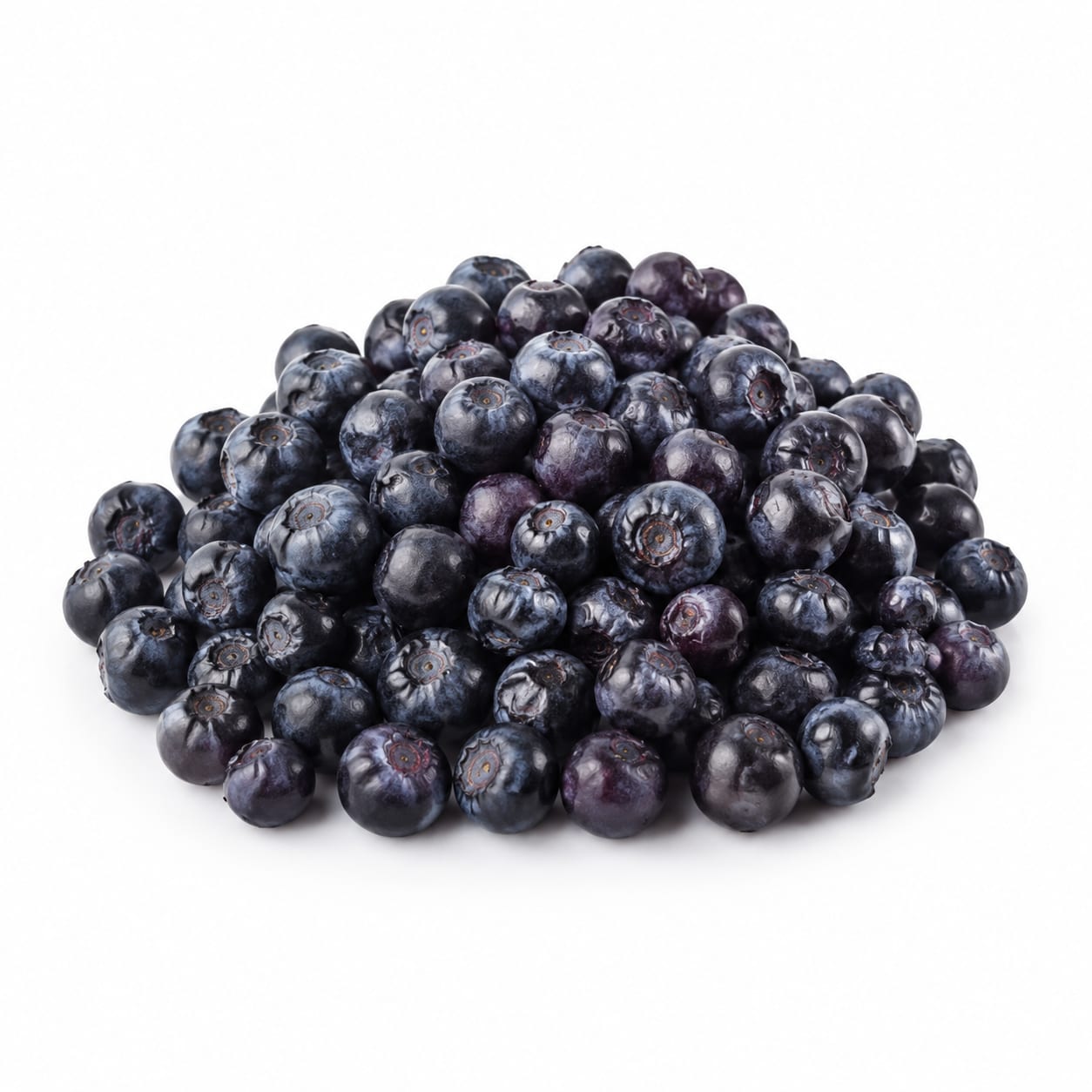
Berry
Huckleberry
A wild, tart, antioxidant-rich berry native to North America.
Small, round, edible fruit resembling blueberries but with a tarter flavor, thicker skin, and larger seeds, often wild-harvested from mountainous regions.
low-calorie high-antioxidant wild berry
Typical serving · 100g
Common varieties · black huckleberry, red huckleberry, evergreen huckleberry, mountain huckleberry, dwarf huckleberry
Overall context score across nutrition, safety, and diet fit
At a glance
Quick facts
Simple indicators based on nutrition, processing, and diet fit.
The story
What makes it unique
Huckleberries are slowly digested due to their fiber and anthocyanin content, promoting steady glycemic response and sustained satiety. Their macronutrient profile is low-calorie and carb-moderate, while their micronutrient density is high, particularly in polyphenols.
Varieties: black huckleberry · red huckleberry · evergreen huckleberry · mountain huckleberry · dwarf huckleberry
Per 100g
Nutrition breakdown
Macro balance and key metrics at a glance.
Energy
Density 0.45 kcal/g
Protein
Carbs
Fat
Fiber
Sugar
7.5 g
Sodium
2 mg
Potassium
85 mg
Glycemic index
35
Glycemic load
3
Water content
85%
Standout compounds
Nutrient highlights
Anthocyanins
highReduces oxidative stress and inflammation
Dietary Fiber
moderateSupports digestive regularity and gut microbiome
Vitamin C
moderateSupports immune function and collagen synthesis
Manganese
moderateAids in metabolism and bone formation
Wellness map
Health scores & processing
NOVA processing scale
Minimally processed · Whole food
Raw huckleberries are unprocessed whole fruits directly from the plant.
Diet compatibility
- Weight loss
- Muscle gain
- Diabetes
- Gut health
- Low carb
- High protein
- Heart health
Relative standing
Food rankings
Qualitative ranks compared to similar whole foods.
- Satietygood
- Blood sugarexcellent
- Nutrient densityexcellent
- Fitness fuelmoderate
- Processing qualityexcellent
Eat with confidence
Food safety profile
Mostly wild-harvested with minimal pesticide exposure; soil heavy metal accumulation is the primary relative risk in wild stands near industrial areas.
Evidence confidence 80%
- Pesticideslow
- Antibioticslow
- Heavy metalsmoderate
- Contaminationlow
Watch for
- soil residue
- wild bird droppings
Safer choices
Organically cultivated or verified wild-harvest sources from pristine mountain regions.
Prep tips
Rinse thoroughly under cold running water to remove soil, debris, and potential microscopic contaminants.
Wild foraging lacks standardized agricultural oversight, leading to variability in environmental exposure.
Deep dive
Health analysis
How this food may fit different goals and preparation choices.
Weight loss
Low energy density and high fiber content promote fullness without excess caloric intake.
Blood sugar
Low glycemic index and load prevent rapid blood sugar spikes, making them suitable for glucose management.
Fitness & energy
Provides quick-digesting simple carbs for short bursts of energy, but lacks protein for muscle recovery.
Gut health
Dietary fiber and polyphenols support beneficial gut bacteria proliferation and digestive regularity.
Processing quality
Whole, unprocessed fruit retains maximum nutrient density and fiber integrity.
Food safety
Wild harvesting means low pesticide risk but requires careful washing to remove natural environmental contaminants.
Common mistakes
Confusing huckleberries with toxic lookalikes like deadly nightshade when foraging without expertise.
Best preparation
Eaten fresh, blended into smoothies, or lightly cooked into preserves to preserve heat-sensitive vitamin C.
Practical guide
Best use cases
When and how this food fits real eating patterns.
Low-calorie snacking
Fresh huckleberries offer volume and sweetness with minimal caloric impact.
Antioxidant smoothie booster
Blending raw huckleberries adds potent anthocyanins without excess sugar.
High-fiber breakfast topping
Sprinkling over oatmeal or yogurt increases fiber intake and satiety.
Balance sheet
Pros & cons
Upsides
- High in antioxidants like anthocyanins
- Low glycemic index supports blood sugar control
- Good source of dietary fiber for gut health
- Naturally low in calories and fat
- Minimal processing when consumed fresh
Trade-offs
- Often expensive or hard to find fresh
- Can be confused with toxic lookalikes when foraging
- Large seeds can affect texture for some
- Limited protein content for muscle building
- Wild harvest variability affects nutrient consistency
Fit check
Who is it for?
Great match
- blood sugar management
- antioxidant supplementation
- low-calorie volume eating
- whole food diets
Consider alternatives
- strict zero-carb diets
- high-protein muscle gain regimens
- those with severe berry allergies
Side by side
How it compares
Open the full head-to-head analysis for nutrition, safety, and practical tradeoffs.
This food
Huckleberry
VS95% alike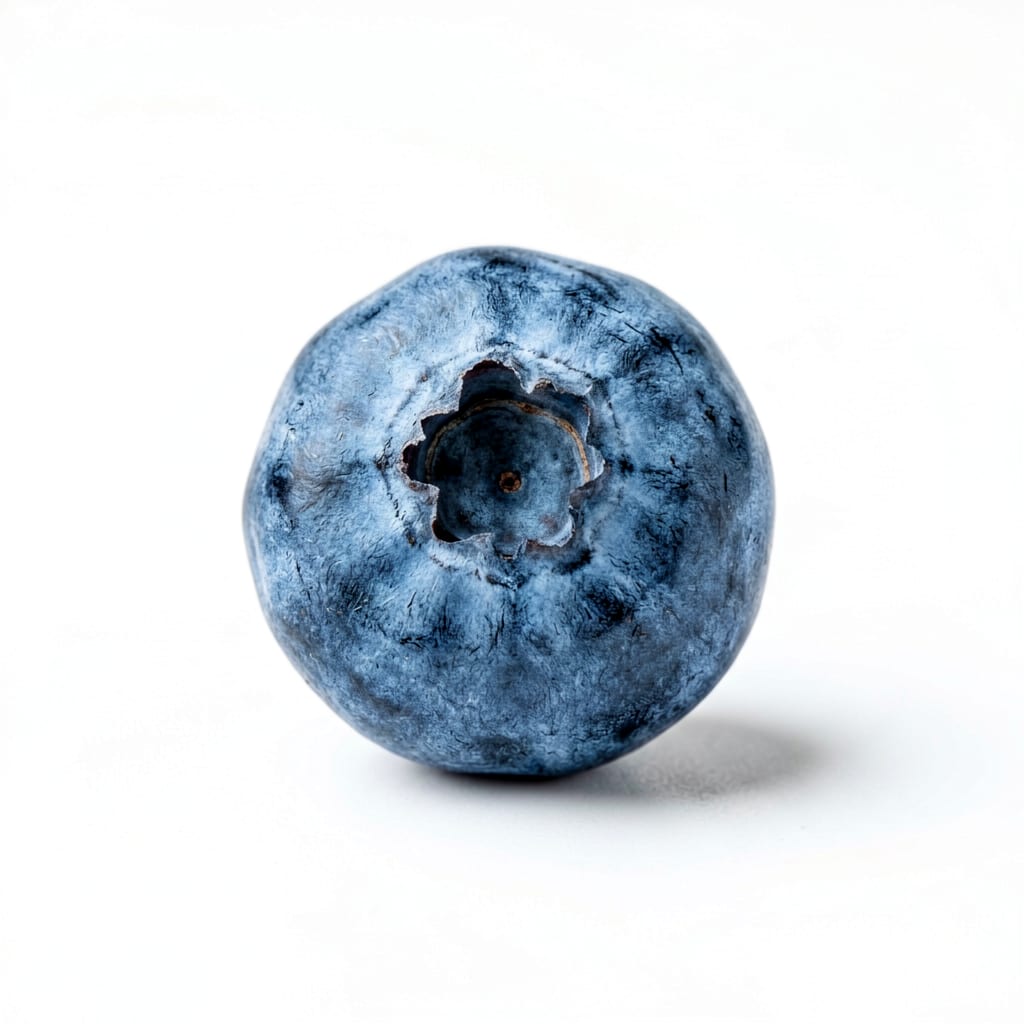
Compare with
Blueberry
Huckleberries are tarter and often have higher antioxidants, while blueberries are sweeter and more widely available.
Huckleberries provide more antioxidants and less sugar, while blueberries are sweeter and easier to find.
This food
Huckleberry
VS85% alike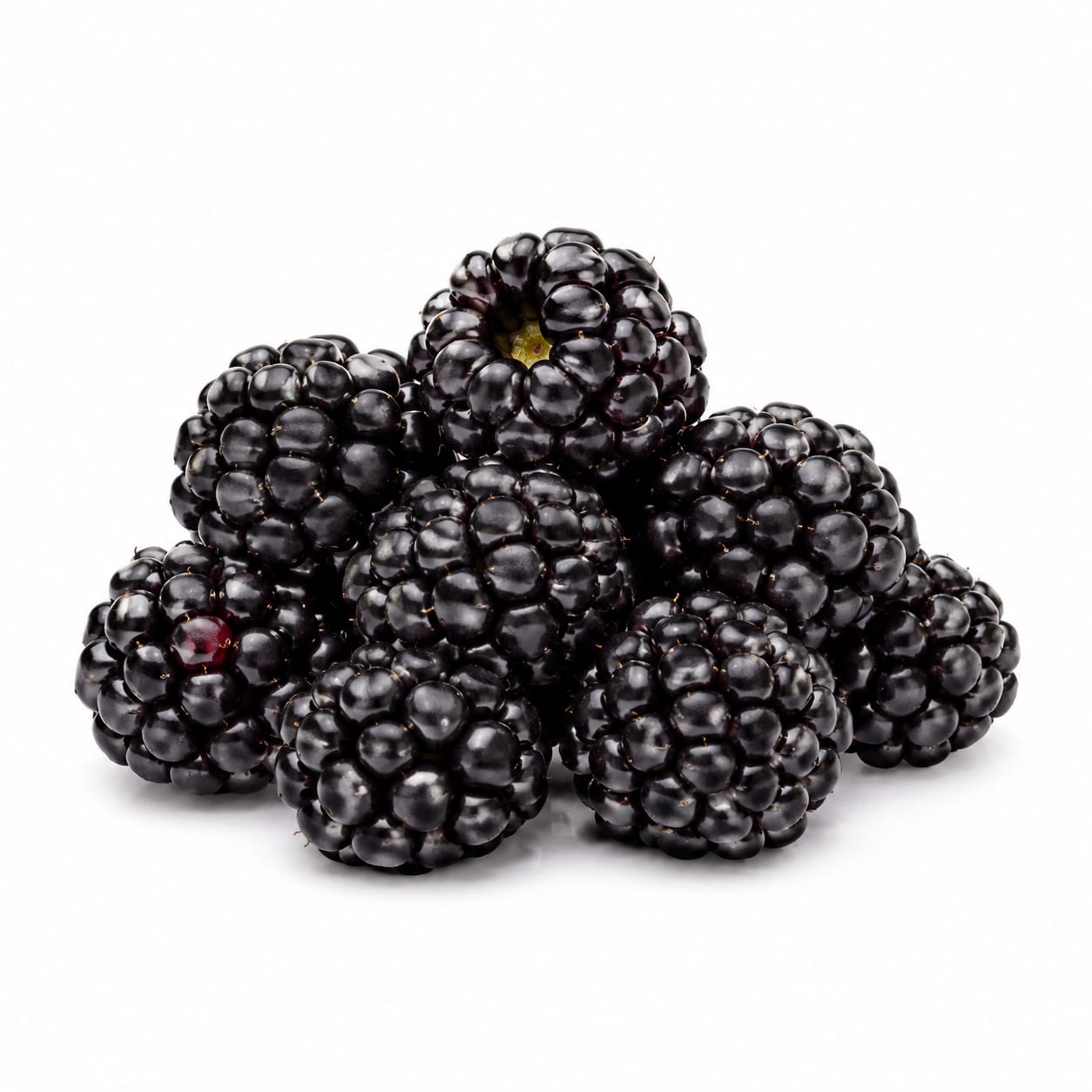
Compare with
Blackberry
Blackberries offer more fiber and larger size, while huckleberries provide a tarter flavor and higher skin-to-flesh ratio.
Blackberries are higher in fiber and better for satiety, while huckleberries are lower in calories.
This food
Huckleberry
VS80% alike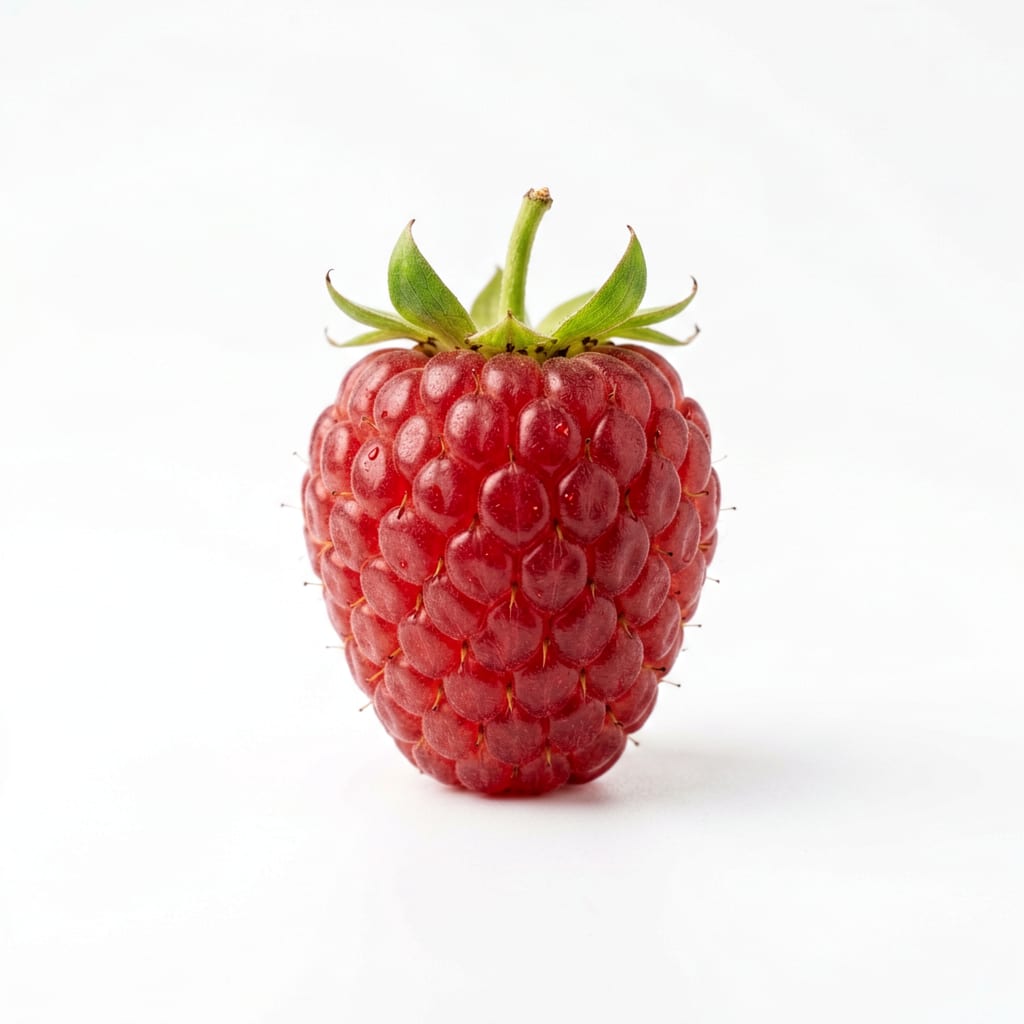
Compare with
Raspberry
Raspberries are lower in calories and higher in fiber, while huckleberries offer a denser, tarter bite.
Raspberries are lower in calories and higher in fiber, making them slightly better for weight loss than huckleberries.
This food
Huckleberry
VS75% alike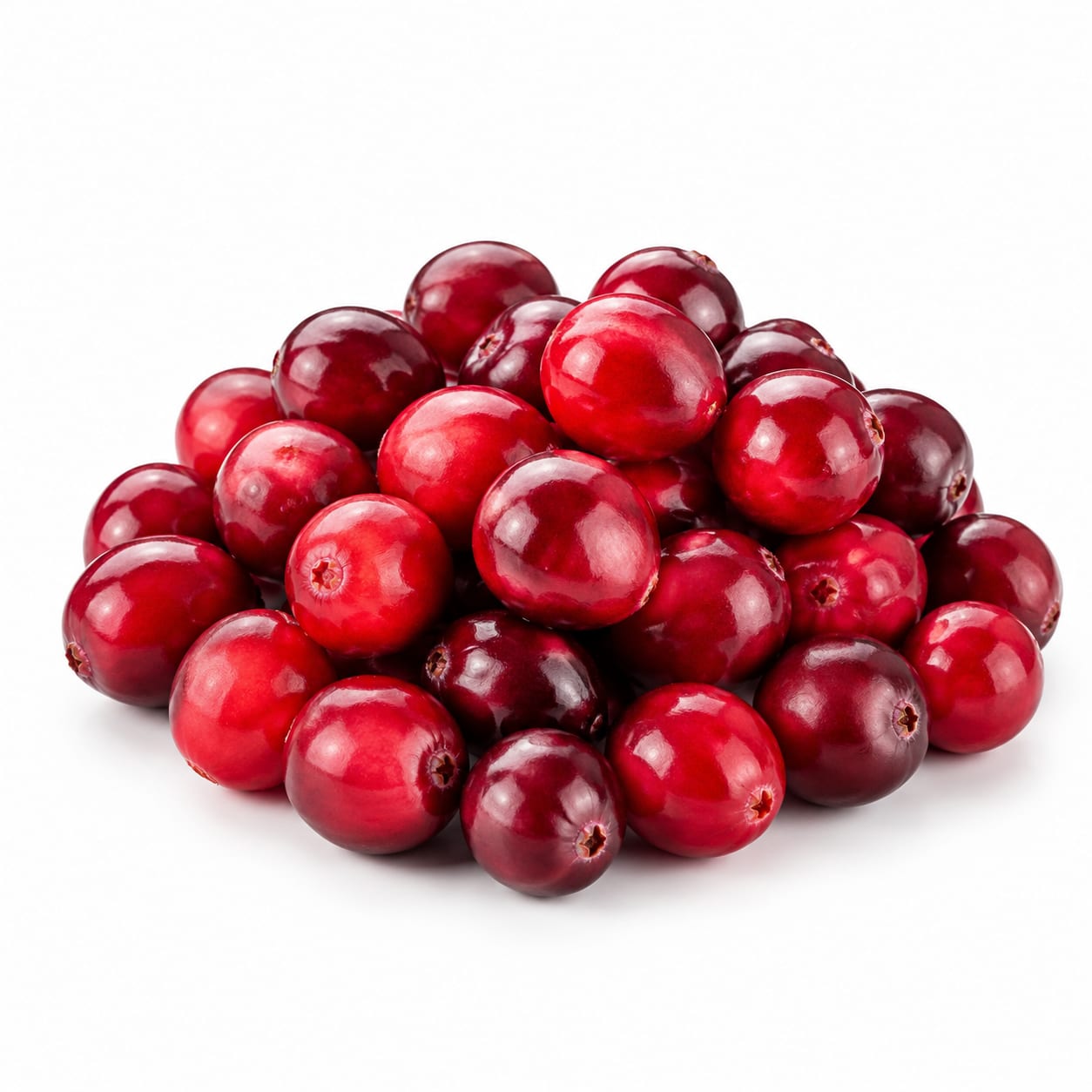
Compare with
Cranberry
Cranberries are significantly tarter and lower in sugar, while huckleberries are sweeter and better for raw snacking.
Cranberries are much lower in sugar, but huckleberries are more palatable for fresh eating and provide more energy.
This food
Huckleberry
VS70% alike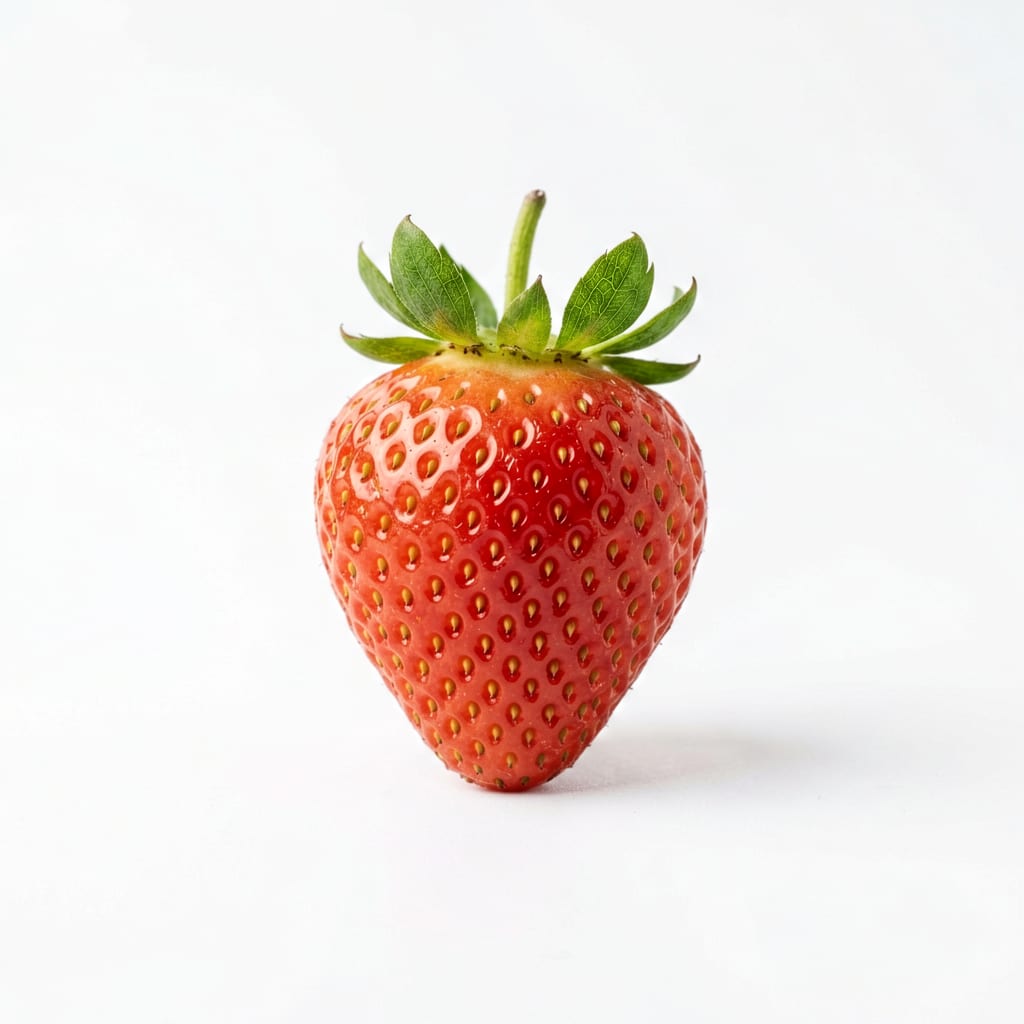
Compare with
Strawberry
Strawberries are larger and sweeter with more vitamin C, while huckleberries are smaller, tarter, and richer in anthocyanins.
Strawberries offer more vitamin C, while huckleberries provide more antioxidants and a lower glycemic impact.
This food
Huckleberry
VS90% alike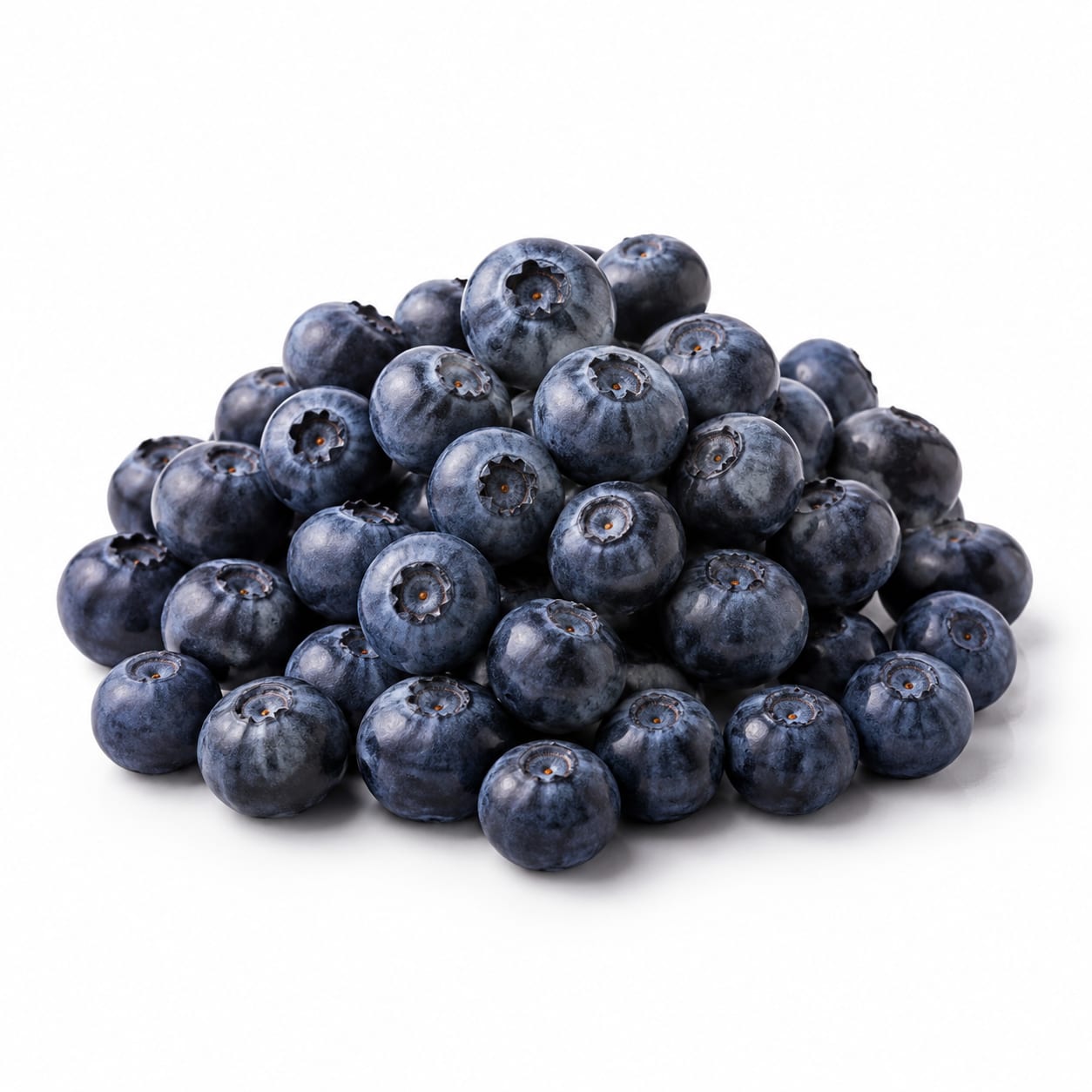
Compare with
Bilberry
Bilberries are nearly identical to huckleberries in taste and nutrition, but bilberries are softer and native to Europe.
Bilberries and huckleberries are nutritionally almost identical, though bilberries are native to Europe.
This food
Huckleberry
VS65% alike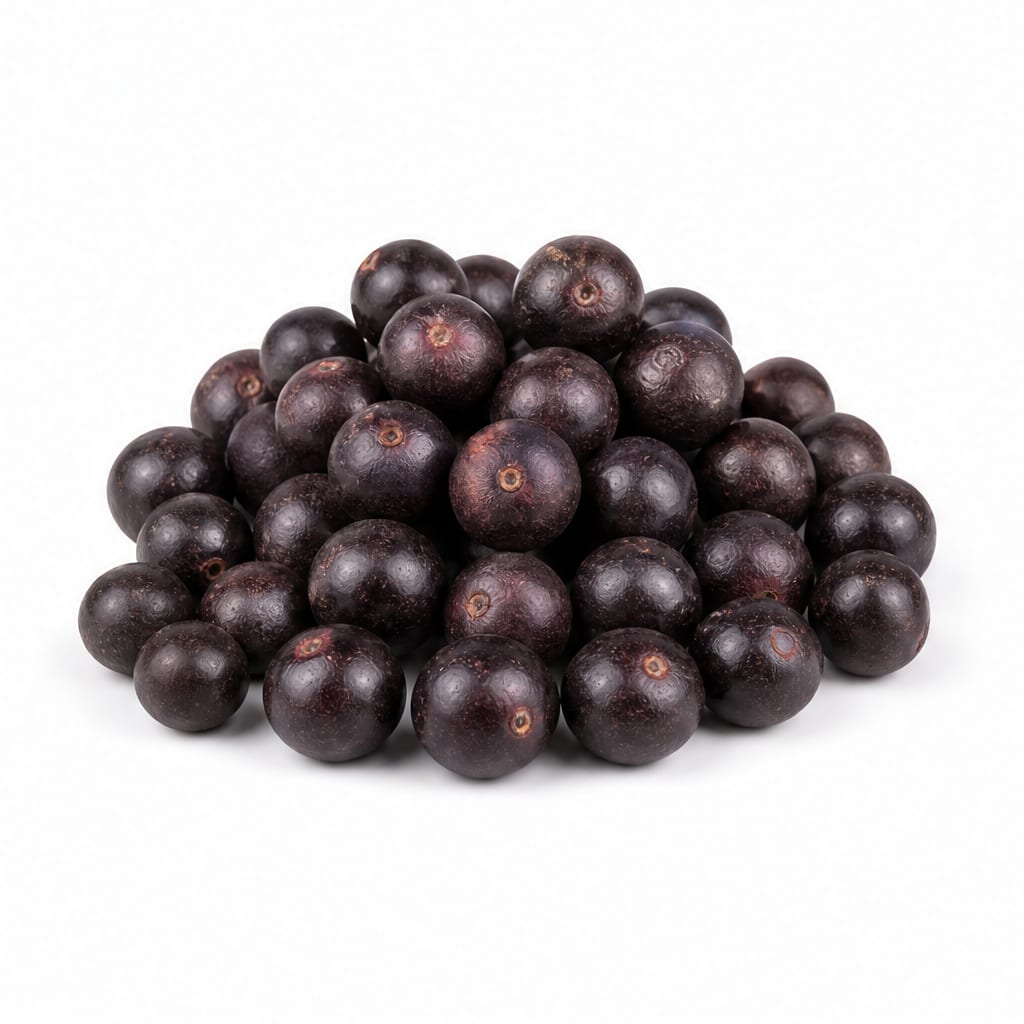
Compare with
Acai Berry
Acai is higher in fat and antioxidants but usually consumed as a puree, while huckleberries are eaten fresh and lower in calories.
Acai berries are higher in antioxidants and healthy fats, but huckleberries are lower in calories and better for weight loss.
This food
Huckleberry
VS60% alike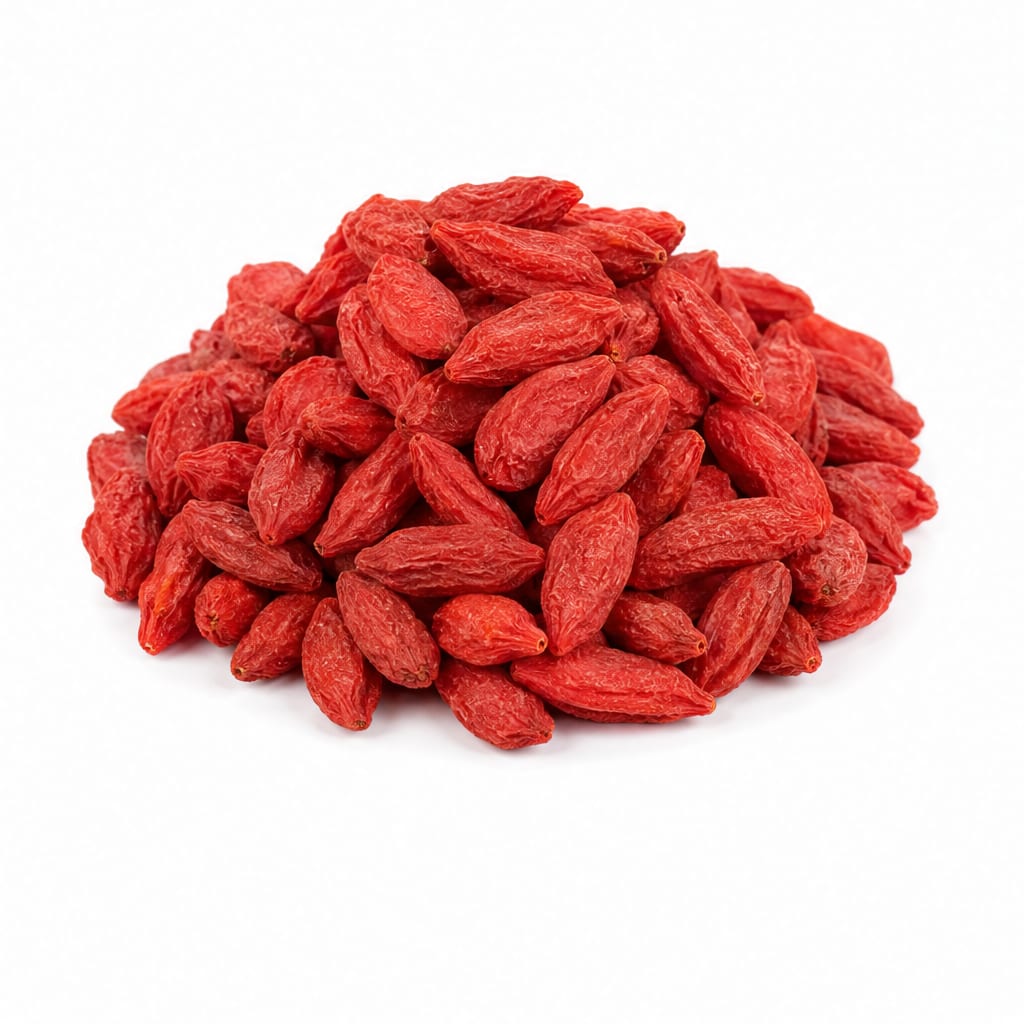
Compare with
Goji Berry
Goji berries are higher in protein and vitamin A but often dried, whereas fresh huckleberries are lower in sugar and calories.
Goji berries offer more protein and vitamin A, but fresh huckleberries are lower in sugar and better for blood sugar control.
This food
Huckleberry
VS70% alike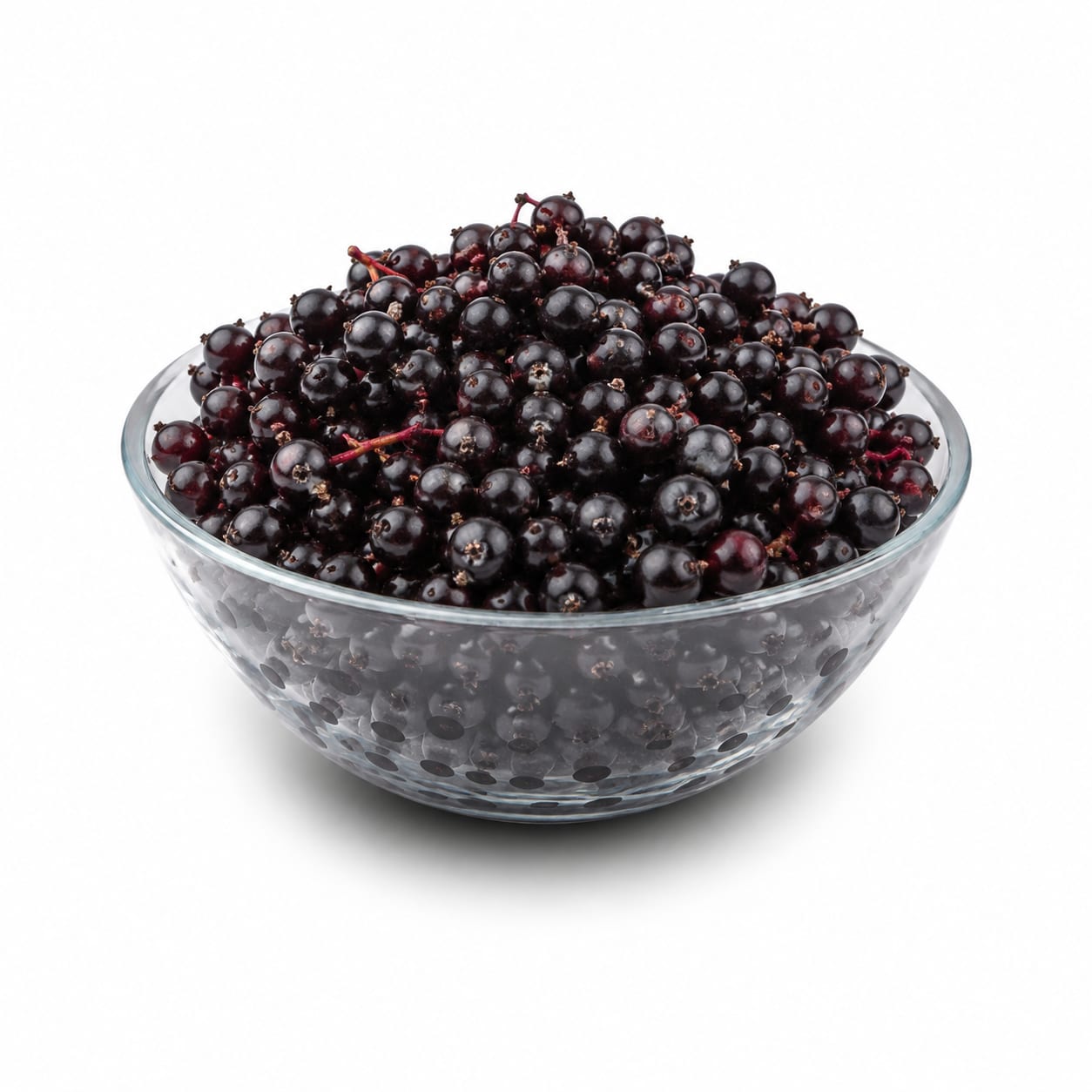
Compare with
Elderberry
Elderberries require cooking to remove toxins and are used medicinally, while huckleberries are safe to eat raw as a snack.
Elderberries are best for immune syrups but must be cooked, whereas huckleberries are safer, sweeter, and better for fresh snacking.
This food
Huckleberry
VS85% alike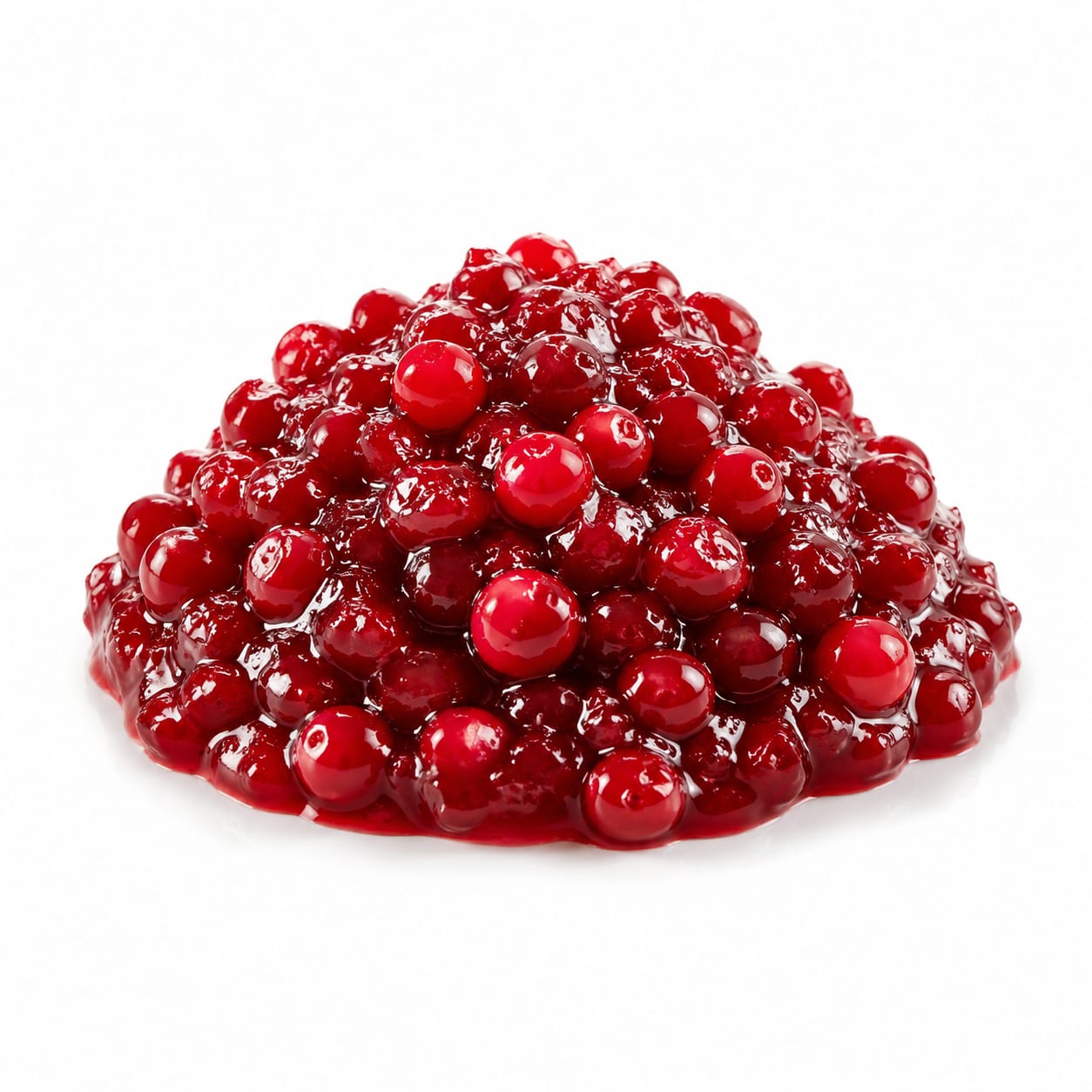
Compare with
Lingonberry
Lingonberries are tarter and commonly used in jams, while huckleberries are sweeter and more versatile for fresh eating.
Lingonberries are tarter and slightly lower in sugar, while huckleberries are more versatile for fresh eating and baking.
Common questions
FAQ
Answers aligned with how people search for this food.
Are huckleberries good for weight loss?
Yes, they are low in calories and high in fiber, which helps control appetite and promote fullness.
Can diabetics eat huckleberries?
Yes, their low glycemic index and load make them a safe fruit choice for managing blood sugar levels.
Are huckleberries healthier than blueberries?
Wild huckleberries often have higher antioxidant levels than cultivated blueberries, though both are highly nutritious choices.
Do huckleberries have a lot of sugar?
No, they contain moderate natural sugars balanced by a good amount of fiber, resulting in a low glycemic impact.
What are the health benefits of huckleberries?
They support heart health, reduce inflammation, and promote gut health due to high anthocyanin and fiber content.
Are wild huckleberries safe to eat?
Yes, if correctly identified and washed, though foragers must be careful to avoid toxic lookalikes like deadly nightshade.
How many carbs are in a cup of huckleberries?
A cup contains roughly 11 grams of carbohydrates, with over 3 grams coming from dietary fiber.
Can you eat huckleberries raw?
Yes, fresh raw huckleberries are highly nutritious and retain maximum vitamin C content.
Transparency
Data confidence
Estimated confidence for nutrition data, interpretation, safety notes, and comparisons.
Nutrition data
Health analysis
Food safety
Comparisons