
Nutrition comparison
Huckleberry vs Strawberry: Nutrition, Antioxidants, Sugar, and Which Berry to Choose
Compare huckleberries and strawberries on antioxidants, sugar, vitamin C, pesticide risk, and daily practicality. Find out which berry fits your health goals and lifestyle.
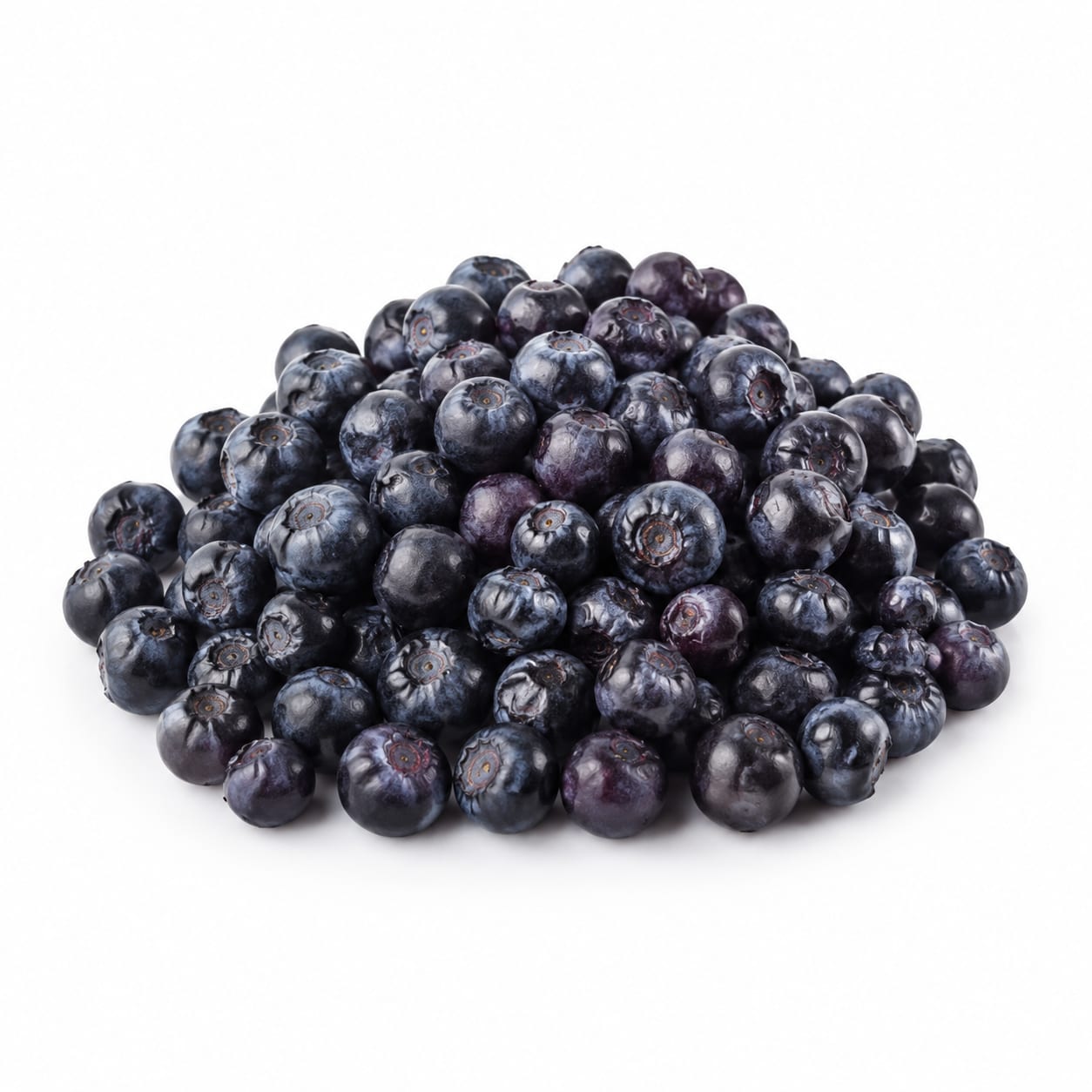
Huckleberry
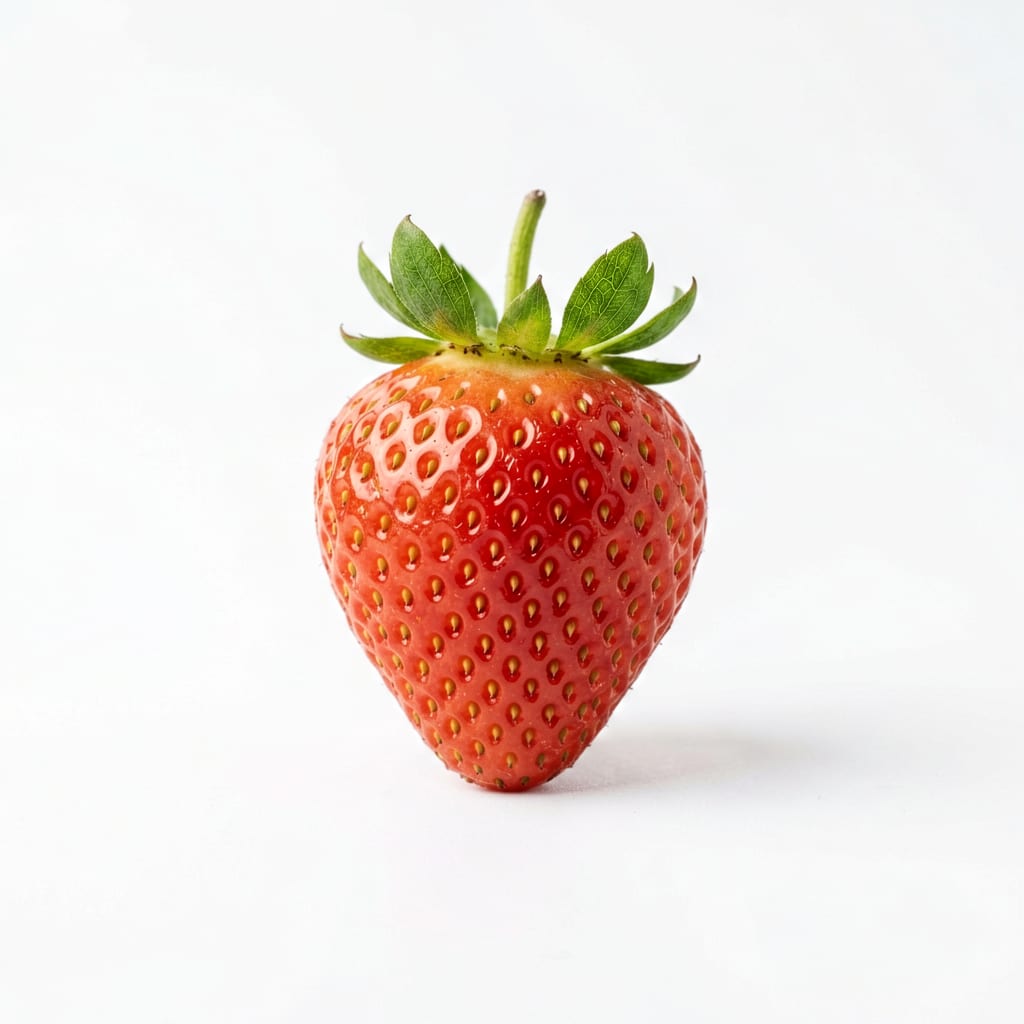
Strawberry
Huckleberries win on antioxidant density and lower sugar, but strawberries win on vitamin C, availability, and everyday practicality.
Huckleberries score slightly higher due to superior antioxidant concentration and lower sugar, but strawberries close the gap with vastly better accessibility, vitamin C content, and daily usability. The close scores reflect that neither dominates — the right choice depends on context.
Nutritional intensity versus real-world convenience — huckleberries are the richer berry, strawberries are the smarter daily habit.
At a glance
Executive summary
Overall
It depends
Healthier
Huckleberry
More practical
Strawberry
Daily use
Strawberry
Key comparison lenses
antioxidant density and berry nutrition
Both are antioxidant-rich berries, so users want to know which packs more nutritional punch per bite
availability and everyday practicality
Huckleberries are seasonal and regional while strawberries are available year-round everywhere
sugar and glycemic impact
Berry choice often ties to blood sugar concerns and low-sugar diets
pesticide and contamination exposure
Strawberries consistently rank high on pesticide residue lists, huckleberries are typically wild-foraged
cost and accessibility
Huckleberries are expensive and hard to find, strawberries are affordable and ubiquitous
Best choice for
Huckleberry
- People prioritizing maximum antioxidant intake per calorie
- Low-sugar and keto-friendly dieters
- Wild food enthusiasts and foragers
- Those seeking variety beyond common supermarket berries
Strawberry
- Families wanting an affordable everyday fruit
- Anyone needing high vitamin C intake
- Meal preppers and smoothie makers
- Budget-conscious shoppers feeding a household
Least suitable for
Huckleberry
- People on tight grocery budgets
- Anyone needing reliable year-round availability
- Those who dislike tart flavors
Strawberry
- People avoiding high-pesticide conventional produce
- Those strictly limiting sugar even from fruit
- Anyone seeking the most nutrient-dense berry option
Deep comparison
Dimension by dimension
Each lens scores both foods and breaks down who each option suits.
- Dimension 1 · Priority 94Huckleberry
antioxidant_power
Huckleberry · 91Strawberry · 72Huckleberries deliver significantly more anthocyanins and total antioxidants per serving than strawberries.
Tradeoff
You get more cellular protection from huckleberries, but they are harder to eat regularly due to availability.
Why it matters
Higher antioxidant intake correlates with reduced inflammation and slower cellular aging over time.
Real-world impact
Eating huckleberries a few times a season is a nice boost, but strawberries eaten daily may deliver more total antioxidants long-term simply because you actually eat them.
Huckleberry
- Occasional antioxidant-intensive supplementation
- Seasonal anti-inflammatory boosts
Better for
- Irregular intake limits cumulative benefit
Worse for
Strawberry
- Consistent daily antioxidant intake through habit
- Long-term cumulative protection
Better for
- Lower concentration means you need more volume for equivalent anthocyanin dose
Worse for
- Dimension 2 · Priority 82Strawberry
vitamin_c_content
Huckleberry · 55Strawberry · 93Strawberries are one of the best fruit sources of vitamin C, delivering nearly 100% of daily needs per cup. Huckleberries contain modest amounts.
Tradeoff
Strawberries are a genuine vitamin C powerhouse; huckleberries cannot replace this role in your diet.
Why it matters
Vitamin C supports immune function, collagen production, and iron absorption — daily adequacy matters more than occasional high doses.
Real-world impact
A cup of strawberries at breakfast meaningfully moves your vitamin C needle. Huckleberries would barely budge it.
Huckleberry
- Not a reliable vitamin C source
Worse for
Strawberry
- Immune support during cold season
- Skin health and collagen maintenance
- Iron absorption when paired with plant foods
Better for
- Dimension 3 · Priority 80Huckleberry
sugar_and_glycemic_impact
Huckleberry · 84Strawberry · 68Huckleberries contain noticeably less sugar per serving and have a lower glycemic load than strawberries.
Tradeoff
Huckleberries are gentler on blood sugar, but their tartness makes them less appealing as a standalone snack for some people.
Why it matters
Lower sugar berries are better for sustained energy, metabolic health, and avoiding afternoon crashes.
Real-world impact
A bowl of huckleberries will not spike your blood sugar the way a large strawberry portion can, making them a safer choice for glucose-sensitive individuals.
Huckleberry
- Low-carb and keto diets
- Blood sugar management
- Diabetics seeking fruit options
Better for
- May feel too tart to eat in satisfying quantities
Worse for
Strawberry
- Active individuals needing quick natural energy
- Children who prefer sweeter fruit
Better for
- Higher sugar load adds up in large smoothies or bowls
Worse for
- Dimension 4 · Priority 88Strawberry
availability_and_convenience
Huckleberry · 28Strawberry · 95Strawberries are available in every grocery store year-round. Huckleberries are seasonal, regional, and often only found frozen or at farmers markets.
Tradeoff
You can build consistent eating habits around strawberries; huckleberries remain a rare treat for most people.
Why it matters
The healthiest food is the one you can actually eat regularly. Availability drives consistency more than nutrient density.
Real-world impact
Strawberries make it into your cart every week. Huckleberries might show up once a year on vacation — that frequency gap matters more than people think.
Huckleberry
- Specialty nutrition when available
- Wild foraging lifestyles
Better for
- Cannot be relied on for meal planning
- Often expensive when found
Worse for
Strawberry
- Weekly meal prep
- Consistent daily fruit intake
- Last-minute recipe needs
Better for
- Dimension 5 · Priority 76Huckleberry
pesticide_and_contamination_risk
Huckleberry · 88Strawberry · 52Huckleberries are typically wild-harvested with minimal pesticide exposure. Strawberries consistently rank in the top 3 on the EWG Dirty Dozen list for pesticide residues.
Tradeoff
Huckleberries offer cleaner eating by default, but organic strawberries can close this gap at higher cost.
Why it matters
Chronic low-dose pesticide exposure may affect hormonal and neurological health over decades.
Real-world impact
Choosing organic strawberries largely solves this concern, but conventional strawberries remain one of the most pesticide-contaminated fruits you can buy.
Huckleberry
- Minimizing synthetic chemical exposure
- Clean eating philosophies
Better for
- Wild foraging carries its own contamination risks from soil and water
Worse for
Strawberry
- Organic options widely available at moderate price
Better for
- Conventional strawberries require careful washing and ideally organic sourcing
Worse for
- Dimension 6 · Priority 65Huckleberry
fiber_content
Huckleberry · 78Strawberry · 66Huckleberries provide slightly more fiber per serving due to their smaller size and higher skin-to-flesh ratio.
Tradeoff
The fiber difference is real but modest — neither berry is a fiber powerhouse compared to raspberries or blackberries.
Why it matters
More fiber means steadier digestion, better satiety, and improved gut health.
Real-world impact
You will not feel a dramatic fullness difference between these two, but huckleberries edge ahead slightly for gut-friendly eating.
Huckleberry
- Digestive regularity
- Gut microbiome support
Better for
Strawberry
- Less fiber per calorie means slightly less satiety
Worse for
Timeline
Health impact over time
Short-term
Hours to days
Huckleberry
- Tart flavor may limit portion size naturally, preventing overeating
- Lower sugar means steadier energy without a crash
- Modest fiber supports gentle digestion
Strawberry
- High vitamin C provides quick immune support
- Natural sweetness satisfies sugar cravings without junk food
- Hydrating due to high water content
Long-term
Months to years
Huckleberry
- Superior antioxidant profile may reduce chronic inflammation over years
- Lower lifetime sugar exposure from fruit sources
- Wild harvesting means lower lifetime pesticide burden
Strawberry
- Consistent vitamin C intake supports long-term skin and immune health
- Regular daily consumption builds sustainable healthy habits
- Requires organic sourcing to avoid cumulative pesticide exposure
Risk profile
Safety & processing
Both berries are whole foods with minimal processing when fresh. Huckleberries have a slight edge as they are almost always wild-harvested rather than commercially farmed, meaning less agricultural intervention overall.
Huckleberry
Wild foraging misidentification
mediumHuckleberries resemble some toxic berries in the wild. Only experienced foragers or trusted commercial sources should be used.
Environmental contamination in wild areas
lowWild-harvested berries near old mining sites or polluted waterways may absorb heavy metals from soil.
Strawberry
Pesticide residue
highStrawberries rank consistently among the top 3 most pesticide-contaminated produce items. Organic significantly reduces this risk.
Mold and spoilage
mediumStrawberries spoil rapidly and can harbor mold within days, which may cause allergic reactions or mild illness.
Who wins for whom
Audience fit
Same foods, different winners depending on your goal.
children
StrawberryStrawberries are sweeter, more appealing to kids, easier to find, and provide strong vitamin C for growing immune systems.
daily consumption
StrawberryYear-round availability and affordable pricing make strawberries a realistic daily habit. Huckleberries work better as an occasional bonus.
diabetes
HuckleberryLower glycemic load and less sugar per serving make huckleberries safer for blood sugar management.
elderly
StrawberryConsistent vitamin C intake, soft texture, and easy availability make strawberries more practical for older adults managing daily nutrition.
muscle gain
StrawberryStrawberries provide more vitamin C which supports collagen synthesis and recovery, plus their natural sugars offer useful post-workout energy.
weight loss
HuckleberryLower sugar and slightly more fiber per calorie make huckleberries marginally better for calorie-conscious eating, though both are excellent choices.
Your move
Decision guide
Choose Huckleberry
- You want the most nutrient-dense berry per calorie
- You are monitoring blood sugar or following a low-carb diet
- You have access to fresh or frozen huckleberries at reasonable prices
- You want to minimize pesticide exposure without buying organic
- You enjoy tart, intense berry flavors
Choose Strawberry
- You need a reliable everyday fruit that is always available
- Vitamin C intake is a priority for you
- You are feeding a family on a budget
- You want a sweeter berry that is easy to eat by the handful
- You make smoothies, parfaits, or desserts regularly
Either works if
- You simply want more berry variety in your diet
- You are generally healthy and just increasing fruit intake
- You rotate between whatever is seasonal and fresh
Avoid both if
- You have a severe berry allergy or salicylate sensitivity
- You are on a very strict elimination diet that excludes all fruit
Final recommendation
Make strawberries your daily berry — they are practical, vitamin C-rich, and easy to sustain as a habit. When huckleberries are in season or you find quality frozen ones, add them as a nutritional upgrade. The best approach is not choosing one, but using strawberries as your baseline and huckleberries as your booster.
Practical
Consumer tips
- 1
Buy organic strawberries whenever possible to avoid high pesticide residues — this single choice eliminates their main health downside
- 2
Frozen huckleberries retain most of their antioxidant content and are far more accessible than fresh for most people
- 3
Wash strawberries in a baking soda solution for 12-15 minutes to reduce surface pesticide residues significantly
- 4
Huckleberries pair well with richer foods like yogurt or oatmeal where their tartness balances creaminess
- 5
Do not assume wild-harvested always means safer — know your foraging source or buy from reputable suppliers
- 6
Mix both berries together for a balance of vitamin C from strawberries and anthocyanins from huckleberries