
Nutrition comparison
Huckleberry vs Lingonberry: Which Wild Berry Is Healthier?
Compare huckleberries and lingonberries on antioxidants, sugar, UTI benefits, and availability. Learn which berry fits your health goals and when each one wins.
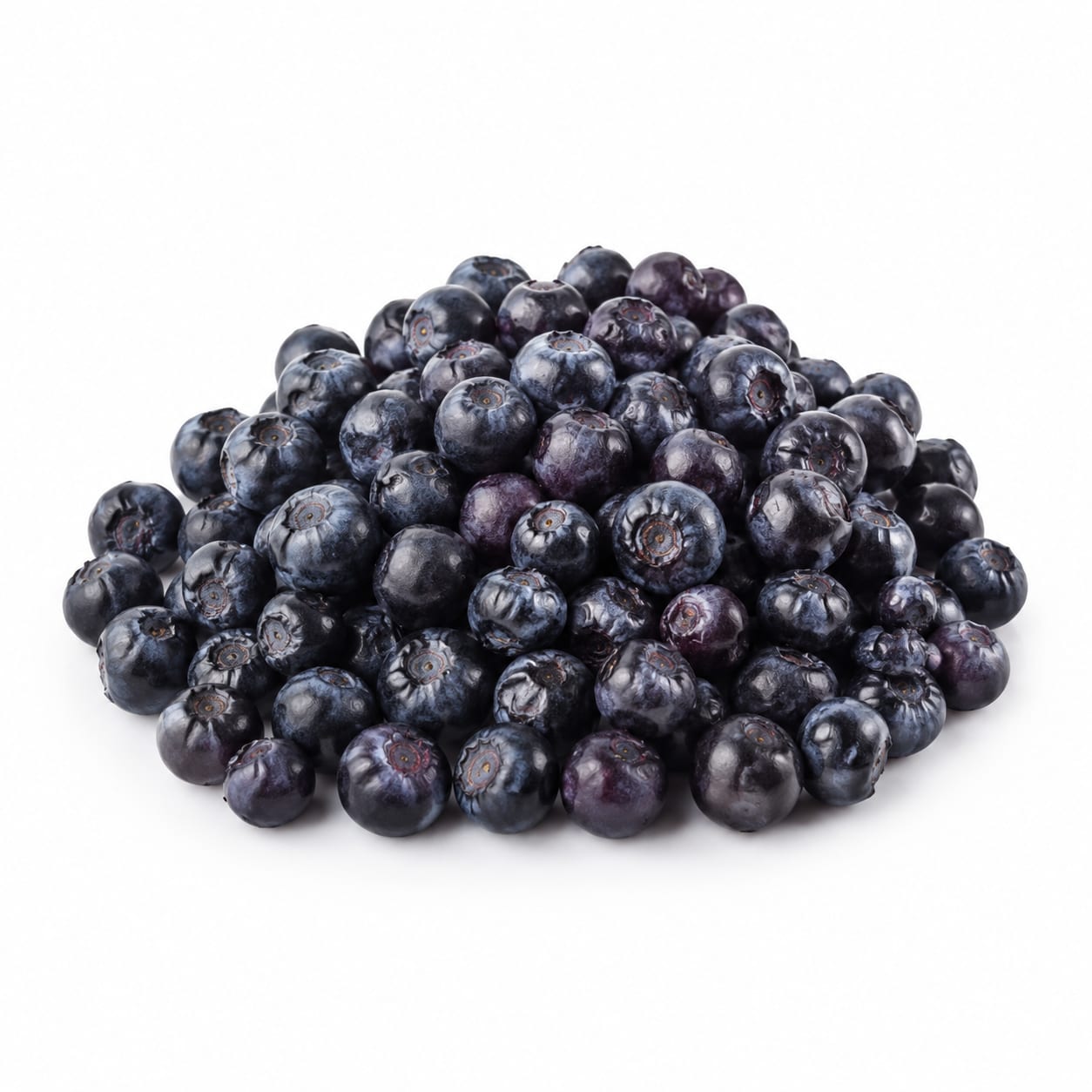
Huckleberry
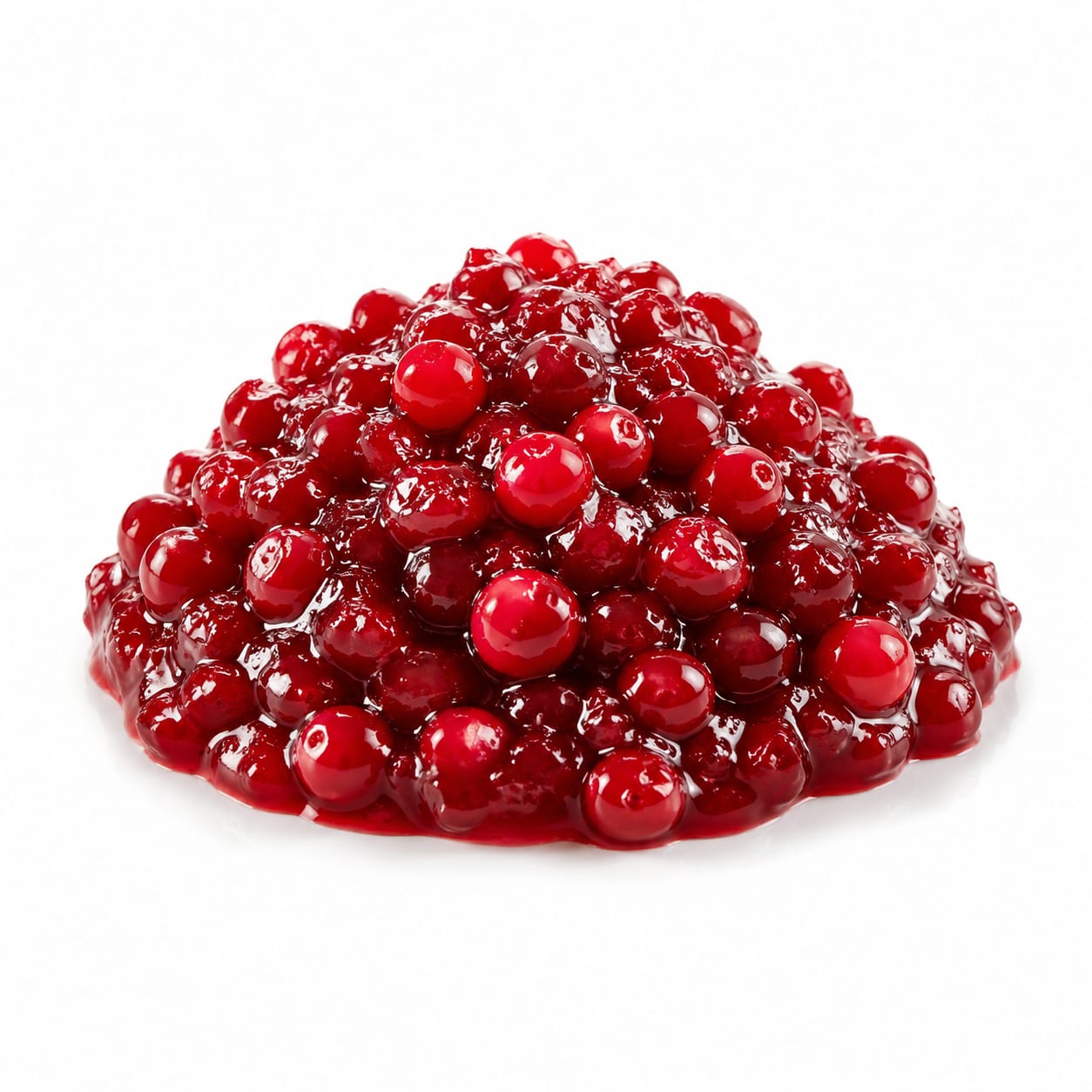
Lingonberry
Huckleberries edge ahead for fresh eating and broader antioxidant diversity, while lingonberries win for urinary tract protection and practical availability in preserved forms.
Huckleberries score slightly higher for raw nutritional density and antioxidant breadth, but lingonberries close the gap through unique urinary tract benefits and far better real-world availability. The low confidence reflects how preparation method and added sugar drastically change lingonberry outcomes.
Fresh huckleberries deliver more antioxidants per bite but are harder to source; lingonberries are easier to find but often come with added sugar that offsets their natural benefits.
At a glance
Executive summary
Overall
It depends
Healthier
Huckleberry
More practical
Lingonberry
Daily use
Lingonberry
Key comparison lenses
antioxidant potential
Both berries are prized for exceptionally high anthocyanin and polyphenol content, making antioxidant comparison the primary decision driver
sugar and glycemic impact
Lingonberries are notably tart and often consumed with added sugar, while huckleberries can be eaten fresh more easily
practical availability
Huckleberries are notoriously hard to find fresh outside the Pacific Northwest, while lingonberries are widely available as preserves
urinary and gut health
Lingonberries have documented urinary tract benefits similar to cranberries, a unique differentiator worth highlighting
culinary versatility
How each berry is typically consumed affects real-world nutritional outcomes significantly
Best choice for
Huckleberry
- Fresh berry enthusiasts in the Pacific Northwest
- People seeking maximum antioxidant variety from a single fruit
- Anyone who can forage or access farm-direct huckleberries
- Bakers wanting a richer, blueberry-like flavor
Lingonberry
- People prone to urinary tract infections
- Those who want a shelf-stable berry option year-round
- Scandinavian cuisine lovers
- Anyone needing a tart condiment for savory dishes
Least suitable for
Huckleberry
- People who need affordable, regular berry intake
- Those living outside huckleberry growing regions
- Anyone watching their budget closely
Lingonberry
- People strictly limiting added sugar (if buying preserves)
- Those who dislike tart flavors and won't eat them without sweetening
- Anyone seeking a mild, snackable fresh berry
Deep comparison
Dimension by dimension
Each lens scores both foods and breaks down who each option suits.
- Dimension 1 · Priority 92Huckleberry
antioxidant_density_and_diversity
Huckleberry · 88Lingonberry · 82Huckleberries offer a wider spectrum of anthocyanins and polyphenols, giving them a slight edge in cellular protection.
Tradeoff
Lingonberries still deliver strong antioxidant capacity, particularly quercetin, but with less pigment diversity than the darker huckleberry skin provides.
Why it matters
Broader antioxidant profiles translate to more pathways of cellular defense against oxidative stress over time.
Real-world impact
Eating huckleberries regularly may offer more comprehensive protection against aging and inflammation, though both berries outperform most common fruits.
Huckleberry
- Reducing oxidative stress across multiple pathways
- Supporting skin and vascular health through diverse anthocyanins
Better for
- Antioxidant benefit diminishes if berries are cooked at high temperatures
- Difficult to consume enough regularly due to availability
Worse for
Lingonberry
- Targeted anti-inflammatory effects from quercetin concentration
- Consistent antioxidant intake via shelf-stable preserves
Better for
- Added sugar in preserves can promote inflammation, partially negating antioxidant benefits
Worse for
- Dimension 2 · Priority 85Huckleberry
sugar_content_and_glycemic_impact
Huckleberry · 79Lingonberry · 68Fresh huckleberries contain moderate natural sugars you can eat as-is, while lingonberries are so tart that most commercial preparations add significant sugar.
Tradeoff
Lingonberries in their natural state are extremely low in sugar, but almost nobody eats them that way — the sugar-added versions flip this advantage.
Why it matters
How a food is typically consumed matters more than its theoretical naked nutritional profile.
Real-world impact
A spoonful of lingonberry jam can contain 8-12 grams of added sugar, while a handful of fresh huckleberries delivers satisfying sweetness with only natural fructose.
Huckleberry
- Enjoying a sweet berry treat without blood sugar spikes
- Snacking straight from the container
Better for
- Still contains natural sugars that require portion awareness for strict low-carb diets
Worse for
Lingonberry
- Theoretical low-sugar option if you can tolerate the extreme tartness unsweetened
Better for
- Common commercial preparations often contain more added sugar than the fruit itself
- Sweetened versions can trigger cravings rather than satisfy them
Worse for
- Dimension 3 · Priority 78Lingonberry
urinary_tract_and_gut_health
Huckleberry · 65Lingonberry · 90Lingonberries contain proanthocyanidins that prevent bacteria from adhering to urinary tract walls, making them a cranberry-level ally against UTIs.
Tradeoff
Huckleberries support general gut health through fiber and polyphenols but lack the specific anti-adhesion compounds that make lingonberries famous.
Why it matters
For the roughly 50% of women who experience UTIs, this is a genuinely meaningful functional food distinction.
Real-world impact
Regular lingonberry consumption can meaningfully reduce UTI recurrence, while huckleberries offer more general digestive support without targeted protection.
Huckleberry
- General microbiome support through diverse polyphenols
- Milder flavor is easier on sensitive stomachs in quantity
Better for
- No specific anti-adhesion activity against UTI-causing bacteria
Worse for
Lingonberry
- Preventing recurrent urinary tract infections
- Combating gut pathogens through natural benzoic acid content
- Supporting vaginal microbiome health
Better for
- Benzoic acid content may irritate very sensitive stomachs in large amounts
Worse for
- Dimension 4 · Priority 80Lingonberry
availability_and_affordability
Huckleberry · 35Lingonberry · 82Lingonberry preserves are available in most grocery stores year-round, while fresh huckleberries are seasonal, regional, and expensive.
Tradeoff
You can actually buy and eat lingonberries regularly, which matters more for health than a theoretically superior berry you never consume.
Why it matters
The healthiest berry in the world does nothing if you cannot access or afford it.
Real-world impact
Fresh huckleberries can cost $30-50 per pound and are available only briefly in late summer; lingonberry jam runs $5-8 and sits on shelves indefinitely.
Huckleberry
- If you live in the Pacific Northwest and can forage them for free
Better for
- Prohibitive cost for most households
- Extremely limited fresh availability
- Cannot rely on them as a dietary staple
Worse for
Lingonberry
- Consistent year-round access in most markets
- Affordable enough for regular consumption
- Shelf-stable for pantry stocking
Better for
- Fresh lingonberries are nearly impossible to find outside Scandinavia
Worse for
- Dimension 5 · Priority 65Huckleberry
vitamin_and_mineral_profile
Huckleberry · 76Lingonberry · 72Huckleberries provide slightly more iron, potassium, and B vitamins, while lingonberries offer marginally more vitamin E and manganese.
Tradeoff
Neither berry is a standout vitamin source compared to other fruits — their real value lies in phytochemicals, not classic micronutrients.
Why it matters
Do not choose either berry for vitamin content alone; choose them for the compounds standard nutrition labels do not show.
Real-world impact
A serving of huckleberries contributes a small but useful iron bump, which matters for vegetarians and women of reproductive age.
Huckleberry
- Supplementing dietary iron intake modestly
- Supporting electrolyte balance with higher potassium
Better for
- Not a significant vitamin source in absolute terms
Worse for
Lingonberry
- Manganese supports bone health and wound healing
- Vitamin E adds skin-protective value
Better for
- Preserve processing reduces heat-sensitive vitamin C content significantly
Worse for
Timeline
Health impact over time
Short-term
Hours to days
Huckleberry
- Quick antioxidant boost from fresh anthocyanins
- Mild blood sugar rise from natural sugars, easily managed
- Satisfying sweet-tart flavor curbs sweet cravings naturally
Lingonberry
- Rapid urinary tract anti-adhesion effect within hours of consumption
- Blood sugar impact varies dramatically based on preparation — unsweetened is negligible, jam can spike levels
- Tart flavor can stimulate digestion and appetite
Long-term
Months to years
Huckleberry
- Consistent antioxidant intake supports cardiovascular and cognitive health
- Anti-inflammatory polyphenols may reduce chronic disease risk over decades
- Difficulty maintaining regular intake limits cumulative benefits for most people
Lingonberry
- Reduced UTI recurrence is the most well-documented long-term benefit
- If consumed as sweetened preserves, added sugar may undermine cardiovascular benefits over time
- Benzoic acid content provides natural preservation but may stress kidneys in very high amounts
Risk profile
Safety & processing
Fresh or frozen huckleberries are typically sold with no additives whatsoever. Lingonberries are most commonly found as preserves containing added sugar and occasionally pectin or preservatives, which shifts them from whole food to processed condiment.
Huckleberry
Misidentification during foraging
highWild huckleberries can be confused with toxic berries like baneberry; foragers must be certain of identification.
Pesticide exposure from wild stands
lowMost huckleberries are wild-harvested from untreated forests, making pesticide residue unlikely.
Lingonberry
Added sugar in commercial preparations
mediumMany lingonberry products contain 30-40% added sugar by weight, contributing to metabolic risk with regular consumption.
Benzoic acid sensitivity
lowLingonberries naturally contain benzoic acid, which is harmless for most people but can cause reactions in sensitive individuals or stress kidneys at very high intakes.
Who wins for whom
Audience fit
Same foods, different winners depending on your goal.
children
HuckleberryKids prefer the sweeter, milder flavor of huckleberries, and the no-added-sugar profile is better for developing palates and dental health.
daily consumption
LingonberryPractical availability wins — lingonberry preserves can be consumed daily year-round, while huckleberries are seasonal and expensive for most people.
diabetes
HuckleberryFresh huckleberries provide sweetness with a gentler glycemic impact, while most lingonberry products contain added sugar that complicates blood sugar management.
elderly
LingonberryLingonberries offer UTI prevention and shelf stability that matters for older adults with recurrent infections and less frequent shopping trips.
muscle gain
It dependsNeither berry is relevant for muscle gain; both are low-protein foods that contribute antioxidants but not building blocks.
weight loss
HuckleberryFresh huckleberries satisfy sweet cravings with fewer total calories and no added sugar, making them easier to fit into a calorie deficit.
Your move
Decision guide
Choose Huckleberry
- You live in or near huckleberry country and can access them affordably
- You want a fresh, snackable berry with no added sugar
- You prioritize maximum antioxidant diversity in your diet
- You are baking and want a richer, deeper berry flavor
Choose Lingonberry
- You struggle with recurrent urinary tract infections
- You want a tart condiment for savory meals like meatballs or oatmeal
- You need a berry option that sits in your pantry for months
- You enjoy Scandinavian flavors and cuisine traditions
Either works if
- You simply want more berry diversity in your diet
- You are looking for alternatives to blueberries and cranberries
- You want anti-inflammatory foods beyond the usual recommendations
Avoid both if
- You have a severe berry allergy or salicylate sensitivity
- You are on a strict very-low-carb diet and cannot accommodate any fruit sugars
Final recommendation
If you can get fresh huckleberries, they are the nutritionally superior choice — eat them eagerly while they last. For the rest of the year, lingonberry preserves in moderation give you UTI-protective compounds and a satisfying tart flavor, but watch the added sugar and treat them as a condiment, not a free snack.
Practical
Consumer tips
- 1
Look for unsweetened or low-sugar lingonberry preserves at Scandinavian specialty shops or IKEA — they exist and are far better nutritionally
- 2
Frozen huckleberries retain most of their antioxidant content and are more affordable than fresh, often available online
- 3
If foraging huckleberries, always go with an experienced guide and never eat any wild berry you cannot identify with 100% certainty
- 4
Add a small spoonful of lingonberry preserves to plain yogurt instead of eating it alone — the protein slows sugar absorption
- 5
Blend frozen huckleberries into smoothies for an antioxidant punch without the premium fresh-berry price tag