
Nutrition comparison
Huckleberry vs Goji Berry: Which Superfood Berry Is Actually Better for You?
Compare huckleberries and goji berries on sugar, antioxidants, safety, and practical use. Find out which berry fits your health goals and when to choose each one.
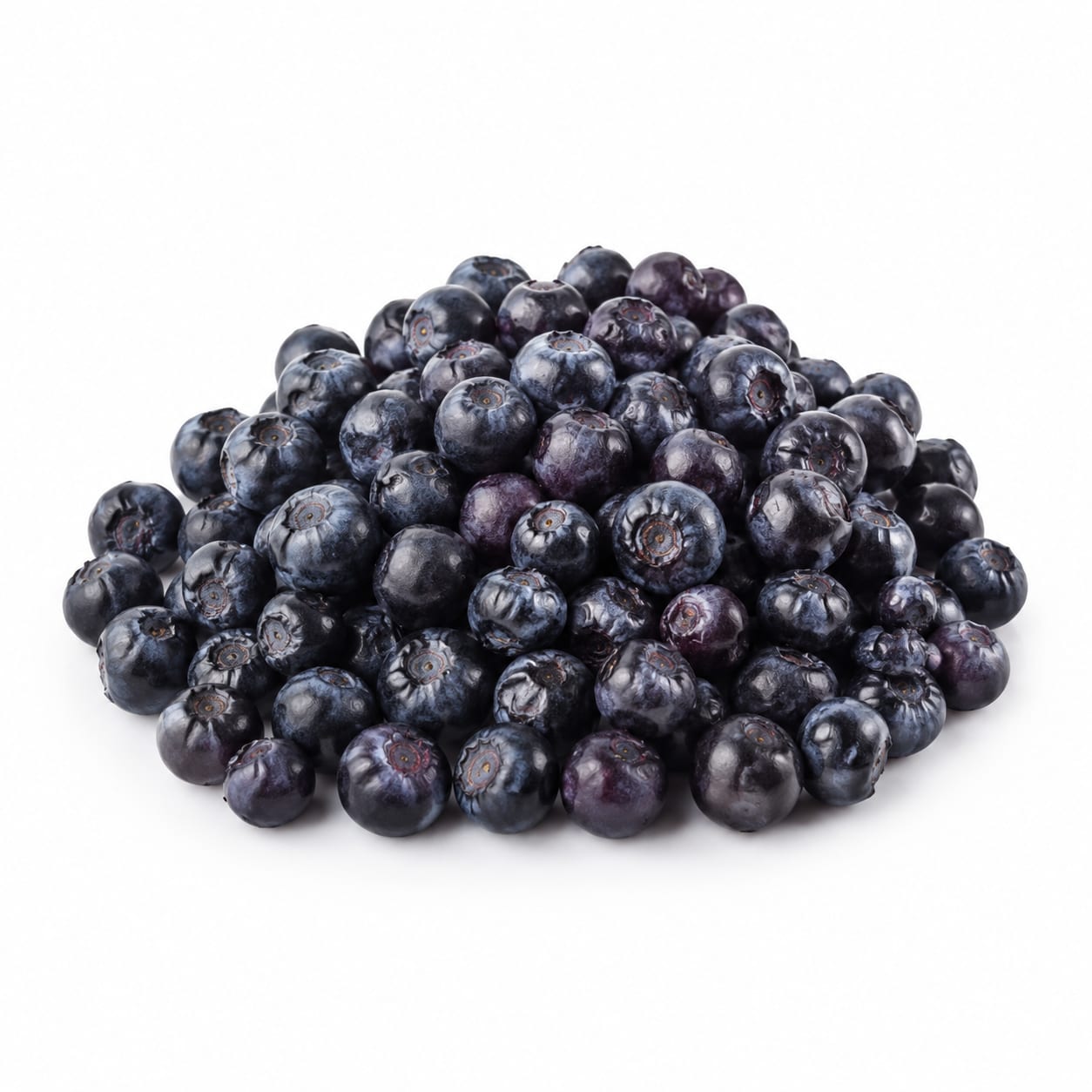
Huckleberry
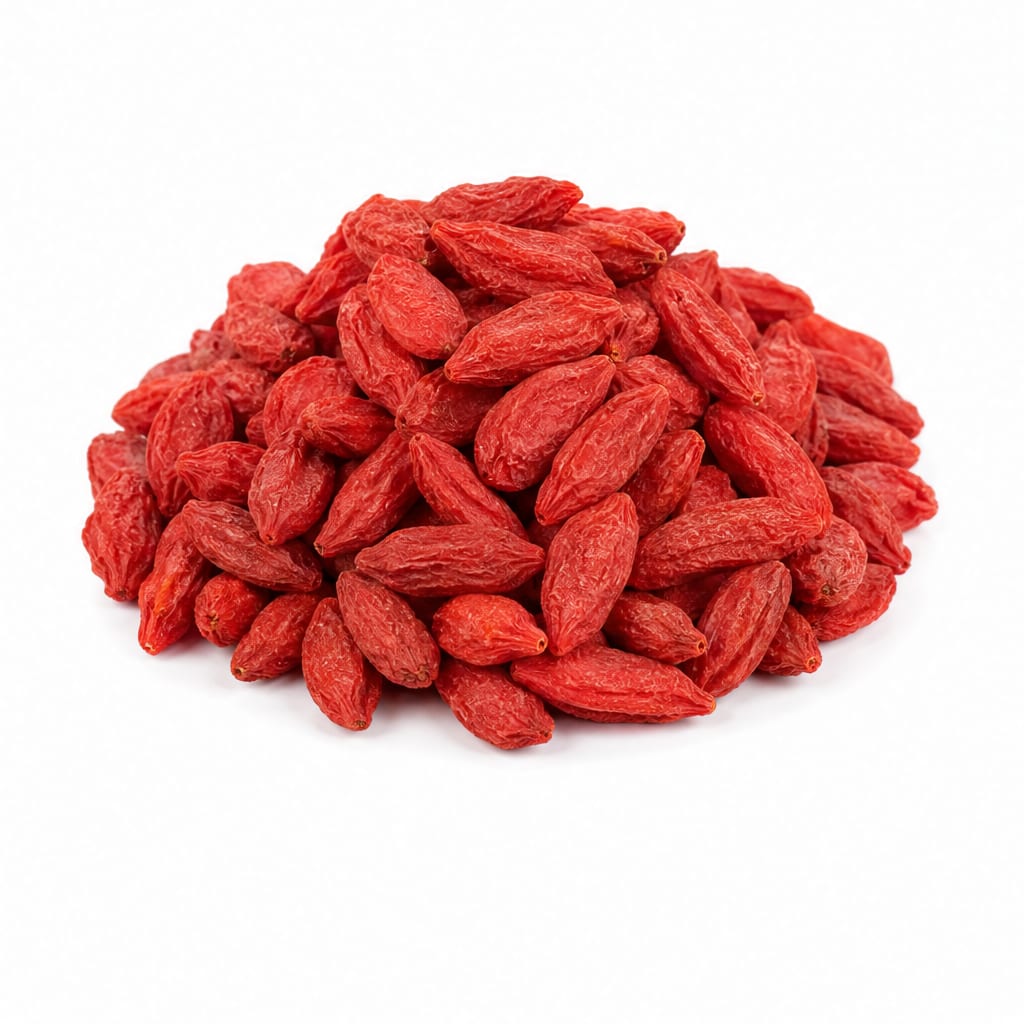
Goji Berry
Huckleberries win on lower sugar and cleaner sourcing, while goji berries win on convenience and vitamin A content. Your pick depends on whether you prioritize sugar load or year-round access.
Huckleberries edge ahead on sugar content and cleaner sourcing, but goji berries stay competitive thanks to superior availability and higher vitamin A. The close scores reflect that neither is clearly dominant — it depends on what you value most.
Fresh wild simplicity versus dried superfood convenience — huckleberries give you less sugar and fewer contamination worries, but goji berries are always available and pack more provitamin A.
At a glance
Executive summary
Overall
It depends
Healthier
Huckleberry
More practical
Goji Berry
Daily use
Goji Berry
Key comparison lenses
antioxidant superfood comparison
Both berries are prized for antioxidant density, so users want to know which delivers more real-world benefit
sugar and calorie tradeoff
Goji berries are typically dried and sugar-concentrated, while huckleberries are eaten fresh or frozen with lower sugar density
safety and sourcing concerns
Goji berries are predominantly imported from China with documented pesticide residue issues, while huckleberries are wild-harvested domestically
practical availability
Huckleberries are seasonal and hard to find fresh, while goji berries are available year-round dried
traditional medicine vs wild foraging
Goji berries carry centuries of Traditional Chinese Medicine credibility, while huckleberries offer a wild, unmanicured food appeal
Best choice for
Huckleberry
- People watching their sugar intake closely
- Those who prioritize organic or wild-foraged foods
- Anyone concerned about pesticide residues from imported products
- Snackers who want a light, fresh-tasting berry
- Locavores and Pacific Northwest foragers
Goji Berry
- People who want a shelf-stable antioxidant source year-round
- Those seeking plant-based vitamin A and iron boosts
- Smoothie and trail mix builders needing dried fruit
- Anyone without access to fresh or frozen huckleberries
- People following Traditional Chinese Medicine practices
Least suitable for
Huckleberry
- People who need consistent year-round availability
- Those on tight budgets (huckleberries are expensive and seasonal)
- Anyone wanting an easy pantry staple berry
Goji Berry
- People strictly limiting sugar (dried goji is sugar-dense)
- Those avoiding foods with potential pesticide residue concerns
- Anyone sensitive to sulfites or preservatives sometimes used in drying
Deep comparison
Dimension by dimension
Each lens scores both foods and breaks down who each option suits.
- Dimension 1 · Priority 95It depends
antioxidant_density
Huckleberry · 82Goji Berry · 85Both are antioxidant powerhouses, but they shine in different ways. Goji berries contain unique Lycium barbarum polysaccharides studied for immune support, while huckleberries are rich in anthocyanins that protect blood vessels and brain cells.
Tradeoff
Goji berries have more clinical research behind their specific antioxidant compounds, but huckleberries deliver their antioxidants with far less sugar per serving.
Why it matters
Antioxidant diversity matters more than sheer quantity. Eating both types gives you broader protection than doubling down on one.
Real-world impact
If you already eat blueberries or dark berries regularly, goji berries add more novelty to your antioxidant profile. If berries are rare in your diet, huckleberries are the gentler entry point.
Huckleberry
- People who already consume other anthocyanin-rich foods and want lower sugar delivery
- Those seeking vascular and cognitive antioxidant support without calorie density
Better for
- Anyone wanting the most researched superfood berry with published human trials
Worse for
Goji Berry
- People wanting immune-targeted polysaccharides with some clinical backing
- Those looking for a single dried berry that covers multiple antioxidant classes
Better for
- People who want antioxidants without the sugar load that comes with dried fruit
Worse for
- Dimension 2 · Priority 90Huckleberry
sugar_and_calorie_impact
Huckleberry · 88Goji Berry · 55Fresh huckleberries contain roughly 10g of sugar per cup, while dried goji berries pack around 30g of sugar per quarter cup. The calorie density gap is enormous.
Tradeoff
Goji berries give you more nutrients per bite, but they also deliver significantly more sugar and calories in the same volume. Huckleberries let you eat more volume for fewer calories.
Why it matters
Dried fruit sugar adds up fast, especially if you snack mindlessly. A handful of goji berries can spike blood sugar more than most people expect from a 'superfood.'
Real-world impact
If you toss goji berries into oatmeal daily, you are adding meaningful sugar. Huckleberries on the same oatmeal barely move the sugar needle.
Huckleberry
- People managing blood sugar or insulin resistance
- Anyone tracking calories who wants more food volume per unit of energy
- Those prone to overeating dried fruit
Better for
- Anyone needing portable, calorie-dense fuel for endurance activities
Worse for
Goji Berry
- Athletes or hikers needing concentrated energy in small portions
- People struggling to get enough calories and wanting nutrient-dense options
Better for
- People with diabetes or metabolic syndrome who need to limit sugar spikes
- Those who find dried fruit triggers cravings for more sweets
Worse for
- Dimension 3 · Priority 82Goji Berry
vitamin_and_mineral_profile
Huckleberry · 65Goji Berry · 80Goji berries deliver significantly more vitamin A (as beta-carotene), iron, and zinc per serving. Huckleberries offer decent vitamin C and potassium but are less mineral-dense overall.
Tradeoff
Goji berries win on paper for micronutrient density, but much of that advantage comes from concentration through drying — you are also getting concentrated sugar with those nutrients.
Why it matters
If you have low iron or vitamin A needs, goji berries are genuinely helpful. If you already eat a varied diet, the mineral gap matters less.
Real-world impact
A quarter cup of goji berries provides about 140% of daily vitamin A needs. Huckleberries cannot match that, but they also do not come with the sugar payload.
Huckleberry
- People who get their vitamin A and iron from other sources already
- Those who prefer getting nutrients without concentrated sugar
Better for
- Anyone relying on a single berry to fill micronutrient gaps
Worse for
Goji Berry
- Vegans and vegetarians needing plant-based iron and vitamin A boosts
- People with documented vitamin A or iron deficiencies
Better for
- People who already take vitamin A supplements and risk excess intake
Worse for
- Dimension 4 · Priority 85Huckleberry
sourcing_safety_and_contamination
Huckleberry · 90Goji Berry · 58Huckleberries are wild-harvested in North America with minimal pesticide exposure. Most goji berries are imported from China, where pesticide residue concerns have been repeatedly documented.
Tradeoff
Goji berries are widely available and affordable, but their supply chain carries more contamination risk. Huckleberries are cleaner but harder to find and verify.
Why it matters
Pesticide residues on dried fruit are concentrated, not reduced. What was a trace amount on fresh fruit becomes more significant when water is removed.
Real-world impact
Choosing organic goji berries reduces but does not eliminate the risk. Wild huckleberries from reputable foragers or trusted suppliers are inherently cleaner.
Huckleberry
- People who prioritize clean sourcing and minimal pesticide exposure
- Those willing to seek out wild or locally foraged foods
Better for
- Anyone without access to trusted huckleberry suppliers
Worse for
Goji Berry
- People who buy certified organic goji berries from tested suppliers
- Those for whom convenience outweighs contamination concerns
Better for
- People who buy the cheapest goji berries without checking origin or certifications
- Pregnant women concerned about pesticide exposure from untested imports
Worse for
- Dimension 5 · Priority 75Goji Berry
availability_and_convenience
Huckleberry · 40Goji Berry · 90Goji berries are available dried year-round in virtually every grocery store. Fresh huckleberries are seasonal, regional, and often require specialty sourcing or foraging.
Tradeoff
You can always get goji berries, but you are limited to the dried form. Huckleberries offer a fresh berry experience but only if you can find them.
Why it matters
The best berry for you is the one you can actually obtain and eat regularly. Scarcity limits real-world health impact.
Real-world impact
If you live outside the Pacific Northwest or foraging range, fresh huckleberries are a luxury item. Frozen huckleberries are more accessible but still niche and expensive.
Huckleberry
- People in huckleberry regions who can forage or buy locally during season
- Those who value seasonal eating and are okay with limited availability
Better for
- Busy people who cannot spend time sourcing seasonal specialty berries
Worse for
Goji Berry
- Anyone who needs a reliable pantry staple they can reorder easily
- People living in areas without access to specialty or wild berries
Better for
- Those who find dried fruit less satisfying and crave fresh berry texture
Worse for
- Dimension 6 · Priority 70Huckleberry
digestive_tolerance_and_fiber
Huckleberry · 78Goji Berry · 68Fresh huckleberries provide gentle fiber with high water content, making them easy on digestion. Dried goji berries are fiber-dense but can cause bloating if eaten in quantity due to concentrated sugars and fiber.
Tradeoff
Goji berries give you more fiber per ounce, but that concentrated fiber can be rough on sensitive digestive systems. Huckleberries offer a softer, more hydrating fiber experience.
Why it matters
Dried fruit fiber is a double-edged sword — helpful in small amounts, uncomfortable in large portions.
Real-world impact
Eating a full cup of fresh huckleberries feels light and refreshing. Eating the equivalent fiber from dried goji berries could leave you bloated.
Huckleberry
- People with sensitive digestion or IBS who need gentle fiber
- Those who prefer hydrating, water-rich fruit
Better for
- Anyone wanting maximum fiber per gram of food eaten
Worse for
Goji Berry
- People needing compact fiber boosts in small portions
- Those who tolerate dried fruit well and want convenient fiber
Better for
- People prone to bloating or gas from concentrated dried fruit
Worse for
Timeline
Health impact over time
Short-term
Hours to days
Huckleberry
- Light, refreshing energy without sugar crash
- Hydrating and gentle on the stomach
- Satisfies sweet cravings with minimal blood sugar impact
Goji Berry
- Quick energy boost from concentrated natural sugars
- Noticeable vitamin A support for skin and eyes within consistent use
- Can cause mild bloating if eaten in large quantities
Long-term
Months to years
Huckleberry
- Consistent antioxidant intake with low sugar burden supports vascular health
- Wild sourcing reduces cumulative pesticide exposure
- Seasonal availability may limit consistent long-term consumption
Goji Berry
- Sustained vitamin A and iron intake supports immune resilience and eye health
- Regular dried fruit sugar consumption may contribute to insulin resistance if portions are not controlled
- Long-term sourcing from unverified suppliers carries cumulative pesticide risk
Risk profile
Safety & processing
Huckleberries are typically sold fresh or frozen with no additives. Goji berries are almost always dried, and some brands use sulfites or preservatives to maintain color and shelf life. Always check labels on goji berries — not all brands are just berries.
Huckleberry
misidentification_by_foragers
mediumWild huckleberries can be confused with toxic lookalikes like baneberry if foraged by inexperienced pickers. Buy from reputable sources unless you are trained.
regional_contamination
lowHuckleberries growing near old mining sites may absorb heavy metals from soil. Source from clean areas or trusted suppliers.
Goji Berry
pesticide_residue_from_chinese_imports
highMultiple studies and FDA import alerts have documented pesticide residues on goji berries from China, including chemicals banned in the US. Choose organic and third-party tested brands.
sulfite_preservatives
mediumSome dried goji berries are treated with sulfur dioxide to preserve color. This can trigger reactions in sulfite-sensitive individuals, particularly asthmatics.
drug_interactions
mediumGoji berries may interact with blood thinners like warfarin and certain blood pressure medications. Consult a doctor if you take these medications regularly.
Who wins for whom
Audience fit
Same foods, different winners depending on your goal.
children
HuckleberryFresh berries are a more intuitive, kid-friendly snack with less sugar and no preservative concerns. Dried goji berries are chewy and sugar-dense, which is less ideal for young palates and teeth.
daily consumption
Goji BerryYear-round availability and shelf stability make goji berries more practical for daily use, even though huckleberries are healthier per serving when you can get them.
diabetes
HuckleberryFresh huckleberries have a much lower glycemic impact than sugar-concentrated dried goji berries, making them safer for blood sugar management.
elderly
Goji BerryGoji berries provide concentrated vitamin A and iron that older adults often lack, and the dried form is easy to add to oatmeal or tea. Just watch portion sizes for sugar.
muscle gain
Goji BerryGoji berries provide more iron and concentrated calories per serving, which supports training nutrition when you need compact energy and mineral replenishment.
weight loss
HuckleberryLower sugar and calorie density means you can eat more volume for fewer calories, making huckleberries more satisfying without the dried fruit sugar trap.
Your move
Decision guide
Choose Huckleberry
- You can access fresh or frozen huckleberries reliably
- You are watching your sugar intake carefully
- You prioritize clean, wild-sourced foods with minimal contamination risk
- You want a light, hydrating snack rather than a dense one
- You live in or near huckleberry country and can buy locally
Choose Goji Berry
- You need a shelf-stable berry you can keep in your pantry year-round
- You want concentrated vitamin A and iron from a plant source
- You are building trail mix, smoothies, or oatmeal toppings
- You cannot find huckleberries in your area
- You follow Traditional Chinese Medicine practices where goji is valued
Either works if
- You just want more berry diversity in your diet
- You are generally healthy and not sugar-sensitive
- You alternate between fresh and dried fruit depending on the season
Avoid both if
- You have a berry allergy or salicylate sensitivity
- You are on blood thinners and have not consulted your doctor about goji interactions
- You are looking for a high-protein food — neither berry is a protein source
Final recommendation
Eat huckleberries when you can get them fresh or frozen — they give you antioxidant benefits with less sugar and cleaner sourcing. Keep goji berries in your pantry for the months when fresh berries are unavailable, but portion them carefully and buy organic from tested brands. The best approach is seasonal rotation: fresh huckleberries in summer, moderate goji berries in winter.
Practical
Consumer tips
- 1
Buy goji berries that are certified organic and third-party tested for pesticide residues — the price difference is worth the safety margin.
- 2
Freeze fresh huckleberries when in season so you can enjoy them year-round without relying on dried alternatives.
- 3
Avoid goji berries that look unnaturally bright orange-red — vivid color often indicates sulfite preservatives.
- 4
If you take warfarin or blood pressure medication, talk to your doctor before making goji berries a daily habit.
- 5
Portion dried goji berries into small containers ahead of time — it is very easy to eat far more sugar than you intend when snacking from a large bag.
- 6
Check farmer's markets in late summer for huckleberries — they are often fresher and cheaper than specialty store options.
- 7
If huckleberries are unavailable, blueberries are a closer nutritional substitute than goji berries for sugar-conscious eaters.