
Nutrition comparison
Huckleberry vs Raspberry: Antioxidant Power vs Fiber Champion
Compare huckleberries and raspberries on antioxidants, fiber, blood sugar impact, and availability. Find out which berry fits your health goals and daily routine better.
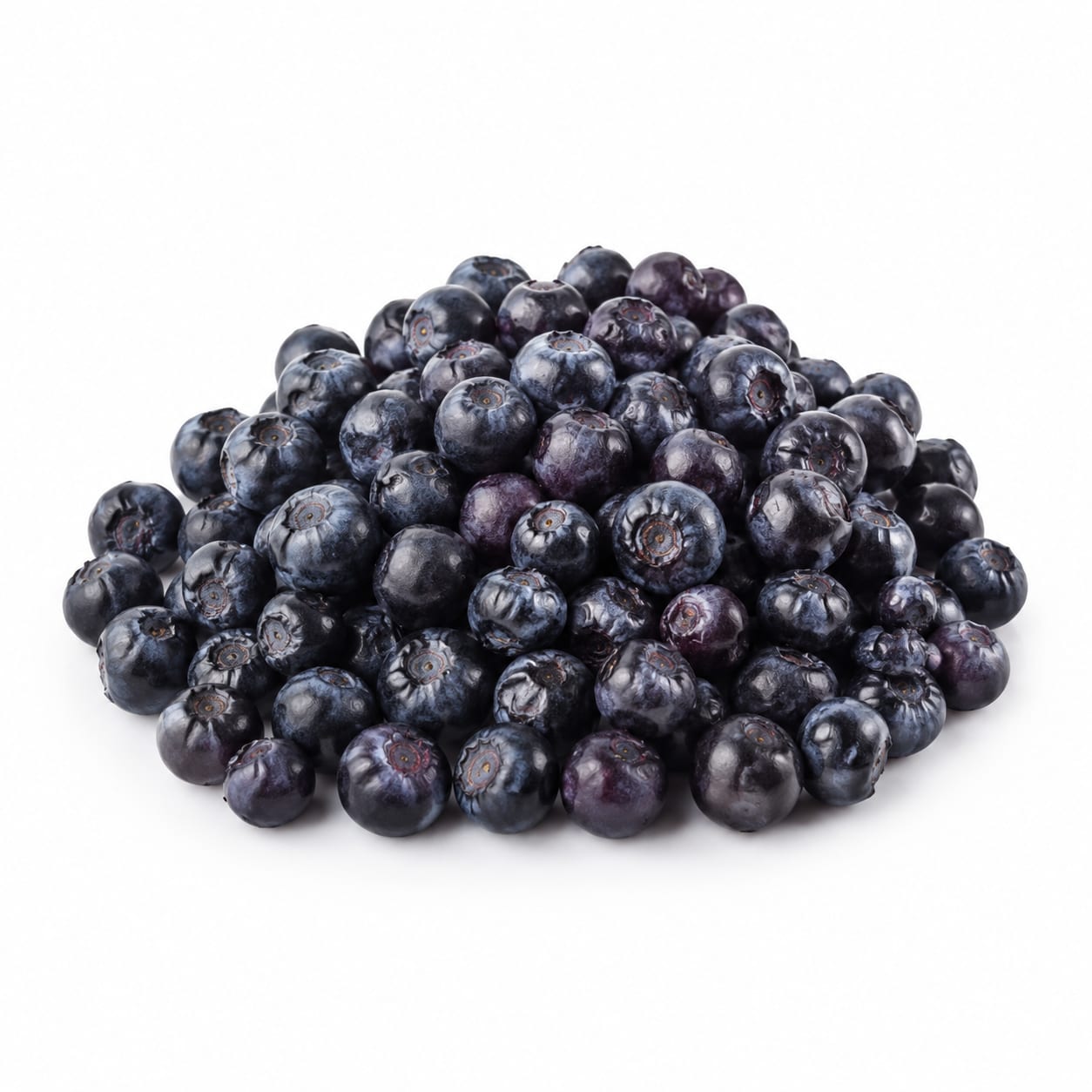
Huckleberry
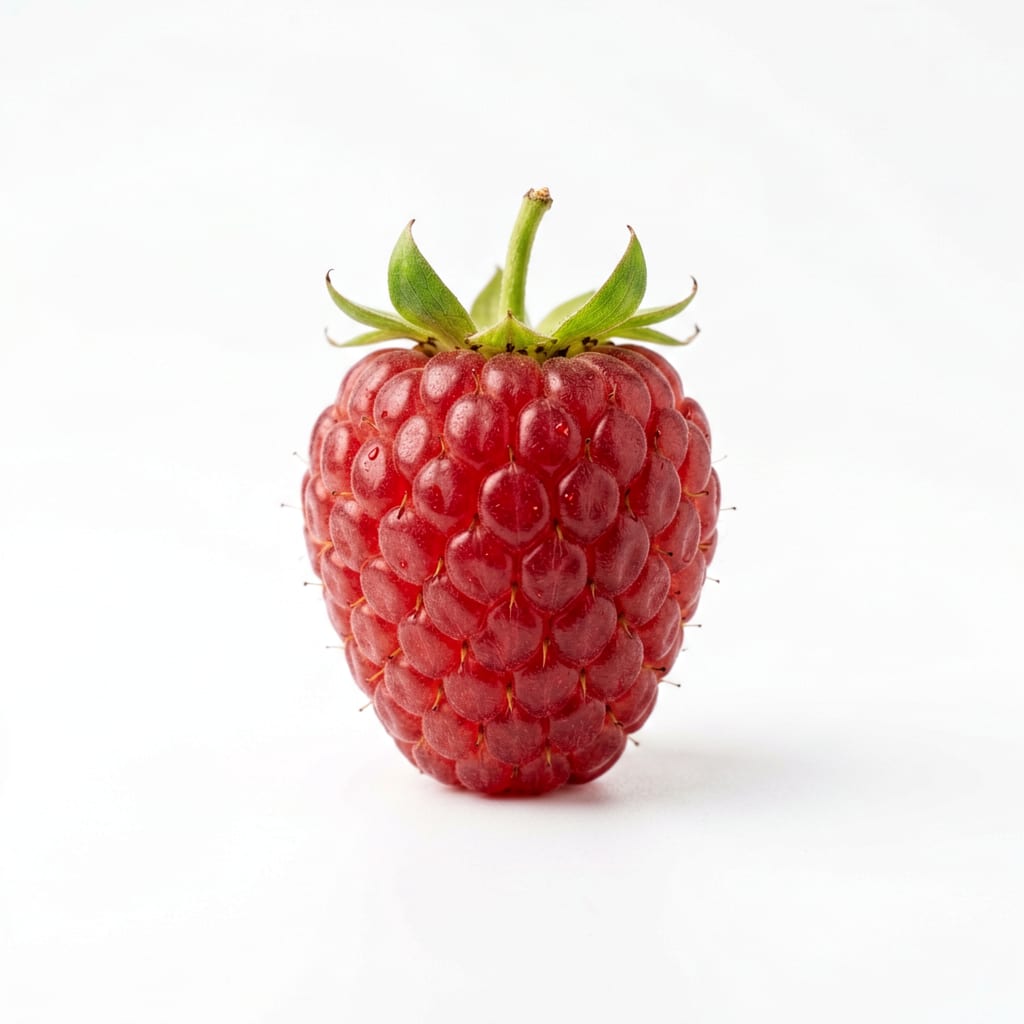
Raspberry
Huckleberries win on antioxidant potency and wild-foraged purity, but raspberries dominate on fiber, availability, and everyday practicality.
Raspberries edge ahead due to exceptional fiber content and year-round availability, but huckleberries score higher on antioxidant density and wild purity. The gap is small because both are genuinely excellent fruit choices.
Peak antioxidant power and wild authenticity versus superior fiber content and reliable access.
At a glance
Executive summary
Overall
It depends
Healthier
It depends
More practical
Raspberry
Daily use
Raspberry
Key comparison lenses
antioxidant density comparison
Both berries are prized for antioxidants, but huckleberries are legendary for their wild-grown anthocyanin concentration
fiber and digestive benefits
Raspberries are one of the highest-fiber fruits available, making this a critical differentiator
availability and practical everyday use
Huckleberries are seasonal and regionally limited while raspberries are grocery-store staples year-round
wild vs cultivated nutrition differences
Huckleberries are typically wild-foraged, which changes their nutrient profile and pesticide exposure compared to farmed raspberries
blood sugar and weight management
Both are low-sugar fruits popular in diabetes-friendly and weight-loss diets
Best choice for
Huckleberry
- Foragers and wild-food enthusiasts seeking peak antioxidant intake
- Those with access to fresh or frozen huckleberries in season
- People prioritizing low-pesticide, wild-harvested fruit
- Anyone wanting a rare treat with concentrated anthocyanins
Raspberry
- Daily fiber seekers wanting digestive regularity
- Budget-conscious shoppers needing affordable berries year-round
- Meal preppers wanting versatile berries for smoothies, oatmeal, and baking
- People managing blood sugar who need reliable low-glycemic fruit
Least suitable for
Huckleberry
- People without regional access or willing to pay premium prices
- Anyone needing consistent weekly supply for meal planning
- Consumers who dislike tart, intense berry flavors
Raspberry
- Those seeking the absolute highest antioxidant concentration per ounce
- People wanting wild-harvested or foraged food experiences
- Anyone avoiding conventionally farmed produce with potential pesticide residues
Deep comparison
Dimension by dimension
Each lens scores both foods and breaks down who each option suits.
- Dimension 1 · Priority 92Huckleberry
antioxidant_power
Huckleberry · 93Raspberry · 78Huckleberries deliver significantly more anthocyanins per serving thanks to their wild-growing conditions and darker pigmentation.
Tradeoff
You get more antioxidant bang per bite with huckleberries, but raspberries still provide solid protection through ellagic acid and vitamin C.
Why it matters
Higher antioxidant intake correlates with reduced inflammation and slower cellular aging over time.
Real-world impact
If you eat berries specifically for their protective compounds, huckleberries give you more per handful — but you need actual access to them first.
Huckleberry
- Reducing oxidative stress from intense exercise
- Supporting brain health and cognitive longevity
- Maximizing anti-inflammatory benefit per calorie
Better for
- Antioxidant advantage shrinks if huckleberries are cooked or processed
Worse for
Raspberry
- Still getting meaningful antioxidant support with easier access
- Benefiting from ellagic acid, which has unique cancer-fighting properties
Better for
- Lower total anthocyanin concentration means less potent cellular protection per serving
Worse for
- Dimension 2 · Priority 88Raspberry
fiber_content
Huckleberry · 55Raspberry · 95Raspberries are fiber champions with roughly 8 grams per cup, while huckleberries deliver about half that amount.
Tradeoff
Raspberries keep you fuller longer and support digestion dramatically better, but huckleberries still offer decent fiber alongside their antioxidant edge.
Why it matters
Fiber is the single most undervalued nutrient for gut health, blood sugar stability, and sustained satiety.
Real-world impact
A cup of raspberries with breakfast can meaningfully reduce afternoon hunger. Huckleberries taste great but will not keep you full as long.
Huckleberry
- Light snacking where you want flavor without heavy fullness
Better for
- Less effective at controlling appetite between meals
- Weaker support for daily fiber goals
Worse for
Raspberry
- Improving digestive regularity
- Stabilizing blood sugar after meals
- Reducing overeating through better satiety
- Supporting healthy gut microbiome diversity
Better for
- High fiber can cause bloating if you suddenly increase intake without adjustment
Worse for
- Dimension 3 · Priority 72Raspberry
vitamin_and_mineral_profile
Huckleberry · 70Raspberry · 80Raspberries provide more vitamin C, manganese, and folate per serving. Huckleberries offer decent vitamin C and some iron but have a less documented nutrient profile.
Tradeoff
Raspberries deliver broader micronutrient coverage, while huckleberries have less formally studied nutrition data due to their wild nature.
Why it matters
Consistent micronutrient intake supports immune function, energy production, and bone health over decades.
Real-world impact
Eating raspberries regularly contributes more reliably to your daily vitamin C and manganese targets.
Huckleberry
- Getting trace minerals from wild soil conditions
- Benefiting from potentially unique phytonutrients not yet fully catalogued
Better for
- Nutrient data is less comprehensive due to limited commercial research
Worse for
Raspberry
- Meeting vitamin C needs for immune support
- Getting manganese for bone and connective tissue health
- Reliable folate intake for cellular repair
Better for
- Conventionally farmed raspberries may have lower mineral density than wild berries
Worse for
- Dimension 4 · Priority 85Raspberry
availability_and_cost
Huckleberry · 30Raspberry · 90Raspberries are available year-round in most grocery stores at reasonable prices. Huckleberries are seasonal, regional, and often expensive or unavailable.
Tradeoff
You can eat raspberries every day easily. Huckleberries are more of a specialty experience that requires effort or money to obtain.
Why it matters
The healthiest food is the one you can actually eat consistently. Availability determines real-world impact more than nutrient density alone.
Real-world impact
Most people will never see fresh huckleberries at their local store. Raspberries are a practical weekly staple anywhere.
Huckleberry
- Special occasions and seasonal treats that feel meaningful
- Supporting local foragers and regional food economies
Better for
- Premium pricing makes regular consumption unrealistic for most budgets
- Limited geographic availability outside Pacific Northwest and mountain regions
- Short fresh season requires freezing or preserving for year-round use
Worse for
Raspberry
- Consistent weekly meal planning
- Budget-friendly berry consumption
- Reliable access regardless of season or location
Better for
- Year-round availability depends on long-distance shipping and cold storage
Worse for
- Dimension 5 · Priority 78Huckleberry
pesticide_and_contamination_exposure
Huckleberry · 90Raspberry · 55Wild-harvested huckleberries grow without agricultural chemicals. Conventionally grown raspberries frequently appear on pesticide concern lists.
Tradeoff
Huckleberries offer cleaner fruit with minimal chemical exposure, but organic raspberries can close this gap at higher cost.
Why it matters
Chronic low-dose pesticide exposure may affect hormone balance and gut health over years of consumption.
Real-world impact
If you eat berries daily, choosing organic raspberries or wild huckleberries meaningfully reduces your cumulative pesticide load.
Huckleberry
- Virtually zero pesticide residue from wild harvesting
- No agricultural runoff or soil contamination concerns
- Cleanest possible berry option for chemical-sensitive individuals
Better for
- Wild harvesting means no quality control for environmental contaminants in soil
Worse for
Raspberry
- Organic options widely available to mitigate pesticide concerns
- Washed conventional raspberries still reduce most surface residues
Better for
- Conventional raspberries rank moderately high for pesticide residue among fruits
- Soft skin absorbs and retains more chemical residue than thicker-skinned fruit
Worse for
- Dimension 6 · Priority 75Raspberry
blood_sugar_stability
Huckleberry · 72Raspberry · 85Raspberries have slightly less sugar and significantly more fiber, creating a gentler blood sugar response per serving.
Tradeoff
Both berries are excellent low-glycemic choices, but raspberries provide steadier energy with less post-meal fluctuation.
Why it matters
Even small differences in glycemic impact compound over thousands of meals across years.
Real-world impact
For someone monitoring glucose closely, raspberries are the safer everyday choice. Huckleberries are still far better than most fruit options.
Huckleberry
- Still very low sugar compared to most fruits
- Reasonable choice for occasional variety in a diabetes-friendly diet
Better for
- Lower fiber means slightly faster sugar absorption
- Less predictable portion control due to smaller berry size
Worse for
Raspberry
- Best berry choice for insulin resistance or prediabetes
- High fiber slows sugar absorption effectively
- Reliable blood sugar stability for daily consumption
Better for
- Overeating any fruit can still spike blood sugar despite fiber content
Worse for
Timeline
Health impact over time
Short-term
Hours to days
Huckleberry
- Quick antioxidant boost from concentrated anthocyanins
- Mild energy from natural sugars without crash risk
- Satisfying tart flavor that curbs sweet cravings efficiently
Raspberry
- Noticeable fullness from high fiber within 30 minutes of eating
- Steady energy without blood sugar spikes
- Immediate digestive support from soluble and insoluble fiber
Long-term
Months to years
Huckleberry
- Strong cellular protection from consistent anthocyanin intake
- Potential cognitive benefits from wild berry antioxidant compounds
- Reduced pesticide body burden compared to conventional fruit diets
Raspberry
- Improved gut microbiome diversity from regular high-fiber intake
- Better long-term blood sugar regulation and insulin sensitivity
- Consistent vitamin C and manganese support for immune and bone health
Risk profile
Safety & processing
Both berries are whole foods with minimal processing concerns. Huckleberries have a naturalness edge since they are almost exclusively wild-harvested, while raspberries are typically cultivated but still sold as fresh whole fruit with no additives.
Huckleberry
environmental_contamination_in_wild_areas
lowWild huckleberries near old mining sites or polluted areas could absorb heavy metals, but most harvest locations are remote and clean.
misidentification_by_foragers
mediumInexperienced foragers might confuse huckleberries with toxic lookalikes like belladonna berries. Commercial sources eliminate this risk.
Raspberry
pesticide_residue
mediumRaspberries consistently rank on EWG's shopper guide for pesticide concerns. Choosing organic significantly reduces this risk.
mold_and_spoilage
lowRaspberries are fragile and mold quickly. Inspect containers carefully and consume within 2-3 days of purchase.
Who wins for whom
Audience fit
Same foods, different winners depending on your goal.
children
RaspberryRaspberries are sweeter, easier to find, and more affordable for regular kids' snacks. Their softer texture is also easier for young children.
daily consumption
RaspberryAffordability, availability, and fiber content make raspberries the realistic daily staple. Huckleberries work better as an occasional powerhouse supplement.
diabetes
RaspberryHigher fiber and slightly lower sugar make raspberries the more glucose-friendly daily choice for insulin-resistant individuals.
elderly
RaspberryThe superior fiber content supports digestive regularity, which becomes increasingly important with age. Easy availability ensures consistent intake.
muscle gain
It dependsNeither berry is a protein source. Both work equally well as antioxidant-rich additions to post-workout meals with protein.
weight loss
RaspberryRaspberries provide more fiber per calorie, keeping you fuller longer and reducing overall calorie intake throughout the day.
Your move
Decision guide
Choose Huckleberry
- You live in or visit the Pacific Northwest during huckleberry season
- You want the most antioxidant-dense berry you can find
- You prioritize wild-harvested foods with minimal pesticide exposure
- You treat berries as a targeted health supplement rather than a daily staple
- You are willing to pay premium prices for superior anthocyanin content
Choose Raspberry
- You need an affordable, available berry for daily meals
- Digestive health and fiber intake are top priorities
- You want reliable blood sugar support every day
- You meal prep and need berries that are easy to find year-round
- You are feeding a family and need practical, kid-friendly fruit
Either works if
- You simply want a low-sugar, nutrient-dense fruit instead of processed snacks
- You are building a mixed-berry smoothie or fruit salad
- You have no specific health condition requiring optimization
- You enjoy varying your fruit intake for broader nutrient coverage
Avoid both if
- You have a salicylate sensitivity that triggers reactions to berries
- You are on a very strict low-FODMAP diet during elimination phase
- You have a known berry allergy
Final recommendation
Eat raspberries as your daily berry staple for fiber, blood sugar stability, and practical access. When you can get fresh or frozen huckleberries, treat them as a concentrated antioxidant boost — like a supplement you actually enjoy eating. The best approach is using both strategically rather than choosing only one.
Practical
Consumer tips
- 1
Buy organic raspberries whenever possible to avoid pesticide residue — they are worth the extra cost for daily consumption
- 2
Freeze fresh huckleberries when in season to preserve their antioxidant potency for months
- 3
Wash raspberries right before eating, not before storing, to prevent mold and extend shelf life
- 4
Add raspberries to overnight oats or chia pudding for a high-fiber breakfast that keeps you full until lunch
- 5
If buying frozen huckleberries, check that nothing else is added — some brands add sugar
- 6
Mix both berries together for a bowl that combines huckleberry antioxidants with raspberry fiber