
Nutrition comparison
Huckleberry vs Elderberry: Safety, Immune Benefits, and Which Berry to Choose
Compare huckleberry and elderberry nutrition, safety, and health benefits. Learn why raw elderberries are toxic, which berry is better for immune support, and how to choose between them.
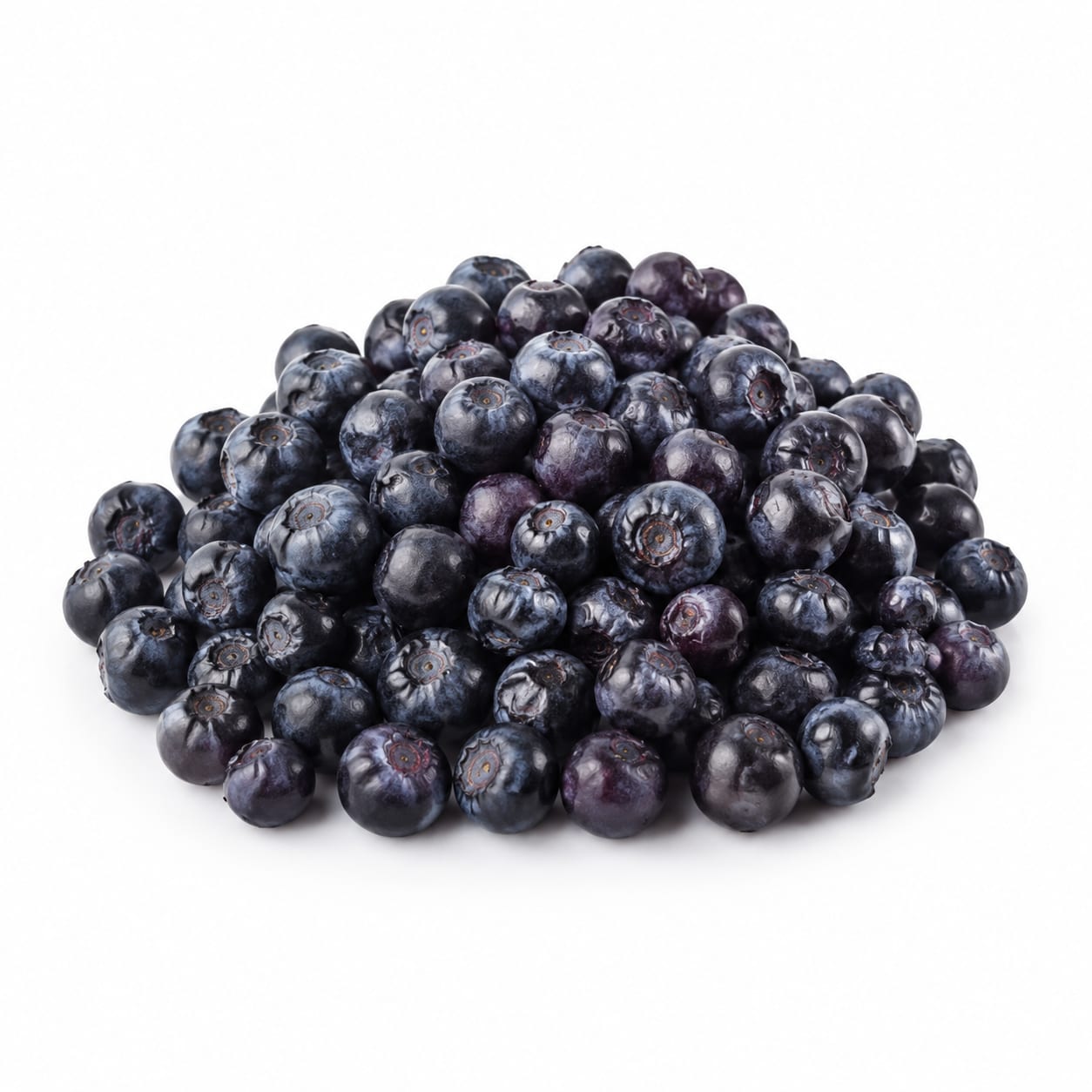
Huckleberry
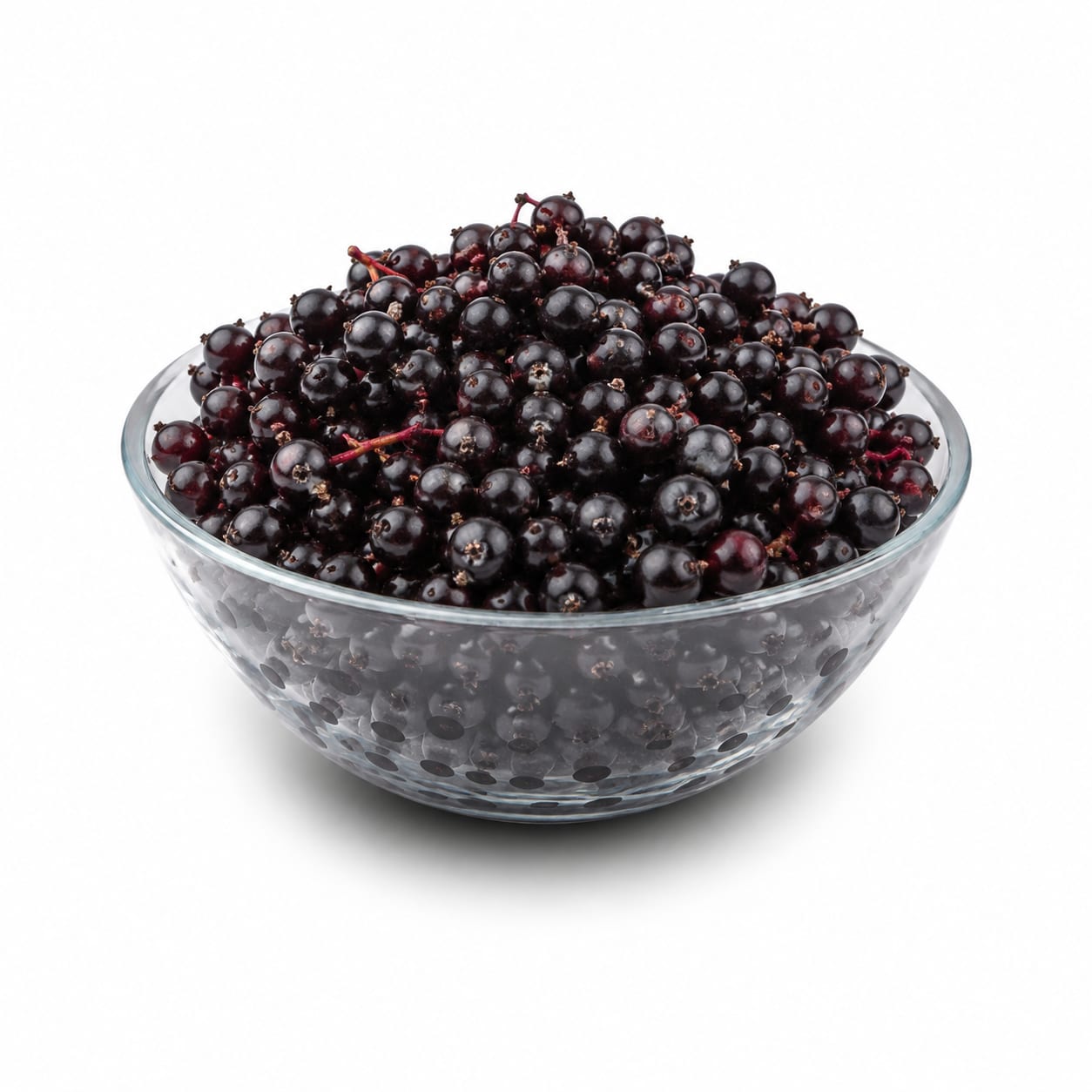
Elderberry
Huckleberries win for safe, fresh eating and culinary versatility; elderberries win for concentrated immune support when properly prepared
Huckleberry scores slightly higher due to safety and everyday usability; elderberry's medicinal edge is real but offset by preparation requirements and raw toxicity risk
Elderberry offers stronger medicinal reputation but demands cooking to neutralize toxins, while huckleberry is carefree and snack-ready but less studied for immune benefits
At a glance
Executive summary
Overall
It depends
Healthier
It depends
More practical
Huckleberry
Daily use
Huckleberry
Key comparison lenses
raw consumption safety
Elderberries are toxic when raw and must be cooked; huckleberries are safe to eat fresh, making this the most critical distinction
immune support and medicinal use
Elderberry is widely used for cold and flu relief; users often compare these berries specifically for immune benefits
antioxidant potency
Both berries are anthocyanin-rich, but users want to know which delivers more protective compounds
everyday culinary practicality
Huckleberries work in fresh snacks and baking; elderberries require processing, limiting spontaneous use
accessibility and cost
Both are specialty berries with limited commercial availability, but elderberry products are more common in supplement form
Best choice for
Huckleberry
- Fresh snacking and trail mixes
- Baking into muffins, pancakes, and pies
- Families with children who grab fruit casually
- Anyone wanting a no-prep antioxidant boost
Elderberry
- Cold and flu season immune support
- Making homemade syrups and tinctures
- People seeking concentrated anthocyanin doses
- Traditional remedy enthusiasts
Least suitable for
Huckleberry
- Targeted immune supplementation during illness
- People wanting a medicinal-dose antioxidant product
Elderberry
- Raw snacking or smoothies without cooking
- Households with small children who might eat berries off the bush
- Anyone unwilling to process berries before eating
Deep comparison
Dimension by dimension
Each lens scores both foods and breaks down who each option suits.
- Dimension 1 · Priority 95Huckleberry
raw safety and ease of consumption
Huckleberry · 95Elderberry · 15Huckleberries are safe to eat straight off the bush; raw elderberries contain cyanogenic glycosides that can cause nausea, vomiting, and diarrhea
Tradeoff
Elderberry's medicinal potency comes with a real safety gate that demands cooking, while huckleberries offer worry-free fresh eating
Why it matters
This is not a minor detail—eating raw elderberries has sent people to the emergency room. Huckleberries have no such risk.
Real-world impact
You can toss huckleberries into a lunchbox or yogurt without thinking; elderberries require a cooking step every single time
Huckleberry
- Fresh snacking
- Smoothies and raw food diets
- Families with curious children
- Casual fruit lovers
Better for
- No meaningful downside for raw consumption safety
Worse for
Elderberry
- Nothing—raw elderberry consumption is never recommended
Better for
- Risk of accidental raw consumption
- Requires constant vigilance around children
- Cannot be used in uncooked recipes
Worse for
- Dimension 2 · Priority 88Elderberry
immune support and medicinal value
Huckleberry · 55Elderberry · 88Elderberry has substantial clinical research supporting its use for reducing cold and flu duration; huckleberry lacks comparable studies despite similar antioxidant content
Tradeoff
Elderberry's immune reputation is backed by human trials; huckleberry's benefits are assumed from its anthocyanin profile but remain unproven in clinical settings
Why it matters
When you're reaching for a berry during flu season, evidence matters. Elderberry has earned its reputation through research.
Real-world impact
Elderberry syrup can meaningfully shorten a cold by 2-3 days in some studies; huckleberry might help generally but has no such specific track record
Huckleberry
- General antioxidant maintenance when healthy
Better for
- Anyone specifically seeking cold and flu relief
Worse for
Elderberry
- Active cold or flu symptoms
- Preventive use during flu season
- People wanting evidence-backed immune support
- Families who make seasonal wellness syrups
Better for
- Those who want a simple food-based approach without preparation
Worse for
- Dimension 3 · Priority 80Elderberry
antioxidant density
Huckleberry · 72Elderberry · 85Elderberries rank among the highest antioxidant fruits measured by ORAC; huckleberries are strong but typically test lower in total anthocyanin concentration
Tradeoff
Elderberry delivers more antioxidant punch per gram, but you need to cook it first, which can reduce some heat-sensitive compounds
Why it matters
If you're choosing a berry specifically for cellular protection, elderberry gives you more firepower per serving
Real-world impact
A tablespoon of elderberry syrup may deliver more anthocyanins than a handful of fresh huckleberries, but the cooking process alters the full compound profile
Huckleberry
- Preserving heat-sensitive vitamin C through raw consumption
- Whole-food antioxidant intake without processing
Better for
- Situations demanding concentrated antioxidant dosing
Worse for
Elderberry
- Maximum anthocyanin dose per serving
- Targeted antioxidant supplementation
Better for
- Preserving the full raw phytonutrient spectrum
Worse for
- Dimension 4 · Priority 75Huckleberry
culinary versatility
Huckleberry · 82Elderberry · 50Huckleberries work fresh, baked, in jams, and as a direct blueberry substitute; elderberries are limited to cooked applications like syrups, wines, and preserves
Tradeoff
Huckleberry fits into almost any recipe; elderberry demands specific preparation methods that limit its use in everyday cooking
Why it matters
A berry you can use multiple ways is more likely to become a regular part of your diet rather than a specialty item
Real-world impact
Huckleberries can go into morning oatmeal, afternoon salads, and evening desserts with zero extra effort; elderberries require planning and cooking each time
Huckleberry
- Fresh fruit salads and toppings
- Baking and breakfast recipes
- Trail mixes and snack packs
- Any recipe calling for blueberries
Better for
- Concentrated medicinal preparations
Worse for
Elderberry
- Homemade syrups and shrubs
- Fermented products like wine and cordials
- Jams and preserves where cooking is already required
Better for
- Quick snacks and no-cook meals
- Recipes where cooking changes the dish character
Worse for
- Dimension 5 · Priority 65Elderberry
availability and cost
Huckleberry · 35Elderberry · 60Elderberry products—syrups, gummies, and dried berries—are widely available in stores and online; fresh huckleberries are rarely sold commercially and are often wild-harvested at premium prices
Tradeoff
Elderberry is easier to find as a product but harder to use as a fresh food; huckleberry is harder to find but simpler to eat when you have it
Why it matters
The best berry for you is the one you can actually obtain regularly
Real-world impact
You can order elderberry syrup on any grocery app; finding fresh huckleberries often requires farmers markets, specialty stores, or foraging trips
Huckleberry
- People with access to Pacific Northwest markets or foraging areas
- Those who value the experience of wild-harvested food
Better for
- Most consumers outside huckleberry growing regions
- Budget-conscious shoppers facing premium prices
Worse for
Elderberry
- Convenient online or store purchasing
- Consistent supply year-round through supplements and dried forms
Better for
- Anyone wanting fresh berries rather than processed products
Worse for
Timeline
Health impact over time
Short-term
Hours to days
Huckleberry
- Quick antioxidant boost from fresh eating
- Mild blood sugar support from fiber content
- Enjoyable eating experience that encourages fruit consumption
Elderberry
- Potential nausea or GI distress if consumed raw
- Noticeable immune response support within 24-48 hours when taken at illness onset
- Concentrated antioxidant intake per serving when properly prepared
Long-term
Months to years
Huckleberry
- Consistent antioxidant intake supports cellular aging defenses
- Habitual fresh fruit consumption linked to better dietary patterns overall
- Sustainable as a daily food without safety concerns
Elderberry
- Regular use during cold seasons may reduce infection frequency and duration
- Long-term anthocyanin intake supports vascular health
- Risk of complacency about cooking requirements could lead to accidental raw consumption
Risk profile
Safety & processing
Both berries are whole foods in their natural state, but elderberry almost always reaches consumers through processed forms like syrups or supplements, which may contain added sugars or preservatives; fresh huckleberries are typically sold or foraged in their unprocessed form
Huckleberry
Misidentification with toxic lookalikes
mediumWild huckleberries can be confused with toxic berries like baneberry; foragers must be confident in identification, but commercially sold huckleberries eliminate this risk
Elderberry
Cyanogenic glycoside toxicity from raw consumption
highRaw elderberries contain sambunigrin, which releases cyanide when digested. Symptoms include nausea, vomiting, diarrhea, and in severe cases, hospitalization. Cooking neutralizes these compounds.
Stems and leaves contain concentrated toxins
highEven when cooking berries, any remaining stems or leaves can introduce toxic compounds. Thorough destemming is mandatory before any preparation.
Misidentification with poisonous elder species
mediumRed elderberry (Sambucus racemosa) is more toxic than black elderberry (Sambucus nigra); foragers must correctly identify the species
Who wins for whom
Audience fit
Same foods, different winners depending on your goal.
children
HuckleberryChildren can safely snack on fresh huckleberries; raw elderberries pose a poisoning risk, and even cooked preparations require careful supervision
daily consumption
HuckleberryHuckleberries are safe and easy to eat daily without preparation concerns; daily elderberry use is possible but requires consistent cooking and is more commonly used seasonally
diabetes
HuckleberryFresh huckleberries provide antioxidants without added sugar; commercial elderberry syrups often contain significant added sweeteners
elderly
ElderberryElderberry's immune-supporting properties are especially valuable for older adults during flu season when properly prepared
muscle gain
It dependsNeither berry is relevant for muscle building; both are antioxidant supplements to a protein-focused diet
weight loss
HuckleberryHuckleberries can be eaten fresh as a low-calorie snack that satisfies sweet cravings; elderberry's typical syrup form adds unnecessary sugar
Your move
Decision guide
Choose Huckleberry
- You want a berry you can eat fresh without any preparation
- You have children who snack on fruit throughout the day
- You enjoy foraging or live in the Pacific Northwest
- You prefer getting antioxidants through everyday whole foods
- You want a blueberry alternative for baking and breakfast
Choose Elderberry
- You are specifically seeking immune support during cold and flu season
- You are comfortable cooking berries before consumption
- You want the most concentrated anthocyanin source available
- You enjoy making homemade syrups, cordials, or tinctures
- You want a berry with clinical evidence for reducing illness duration
Either works if
- You simply want more antioxidant-rich berries in your diet
- You enjoy specialty and wild-harvested foods
- You are building a diverse berry rotation for gut microbiome variety
Avoid both if
- You have a berry allergy or salicylate sensitivity
- You cannot reliably identify either berry in the wild
- You need a readily available, affordable everyday fruit—choose blueberries instead
Final recommendation
Keep huckleberries in your kitchen for daily snacking and cooking, and keep properly prepared elderberry syrup in your medicine cabinet for flu season. They serve different purposes: huckleberry is a food first, elderberry is a remedy first. If you can only choose one for regular eating, huckleberry is the safer and more versatile option.
Practical
Consumer tips
- 1
Never eat raw elderberries—always cook them thoroughly at a rolling boil for at least 20 minutes
- 2
When buying elderberry products, check for added sugars in syrups and gummies; many commercial preparations are sugar-heavy
- 3
Fresh huckleberries freeze well; stock up during season and use frozen berries year-round in smoothies and baking
- 4
If foraging either berry, go with an experienced guide—both have toxic lookalikes in the wild
- 5
Destem elderberries completely before cooking; stems contain higher concentrations of toxic compounds
- 6
Huckleberries make an almost perfect 1:1 substitute for blueberries in any recipe, with a slightly more complex flavor
- 7
Elderberry syrup can be made at home affordably with dried elderberries, water, honey, and spices—far cheaper than store-bought versions