
Nutrition comparison
Huckleberry vs Blackberry: Nutrition, Antioxidants, and Which Berry to Buy
Compare huckleberries and blackberries on fiber, antioxidants, sugar, price, and availability. Find out which berry fits your health goals and budget best.
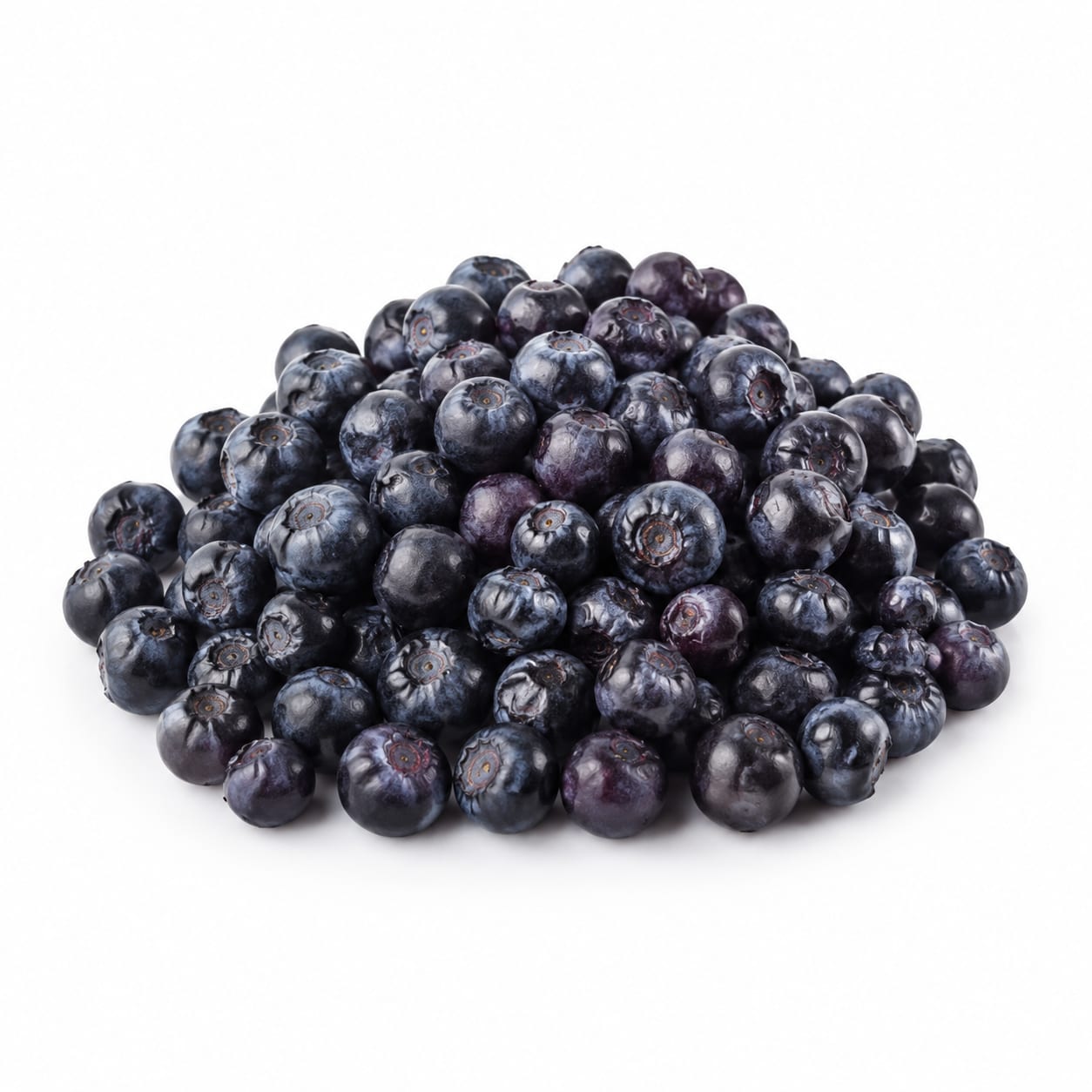
Huckleberry
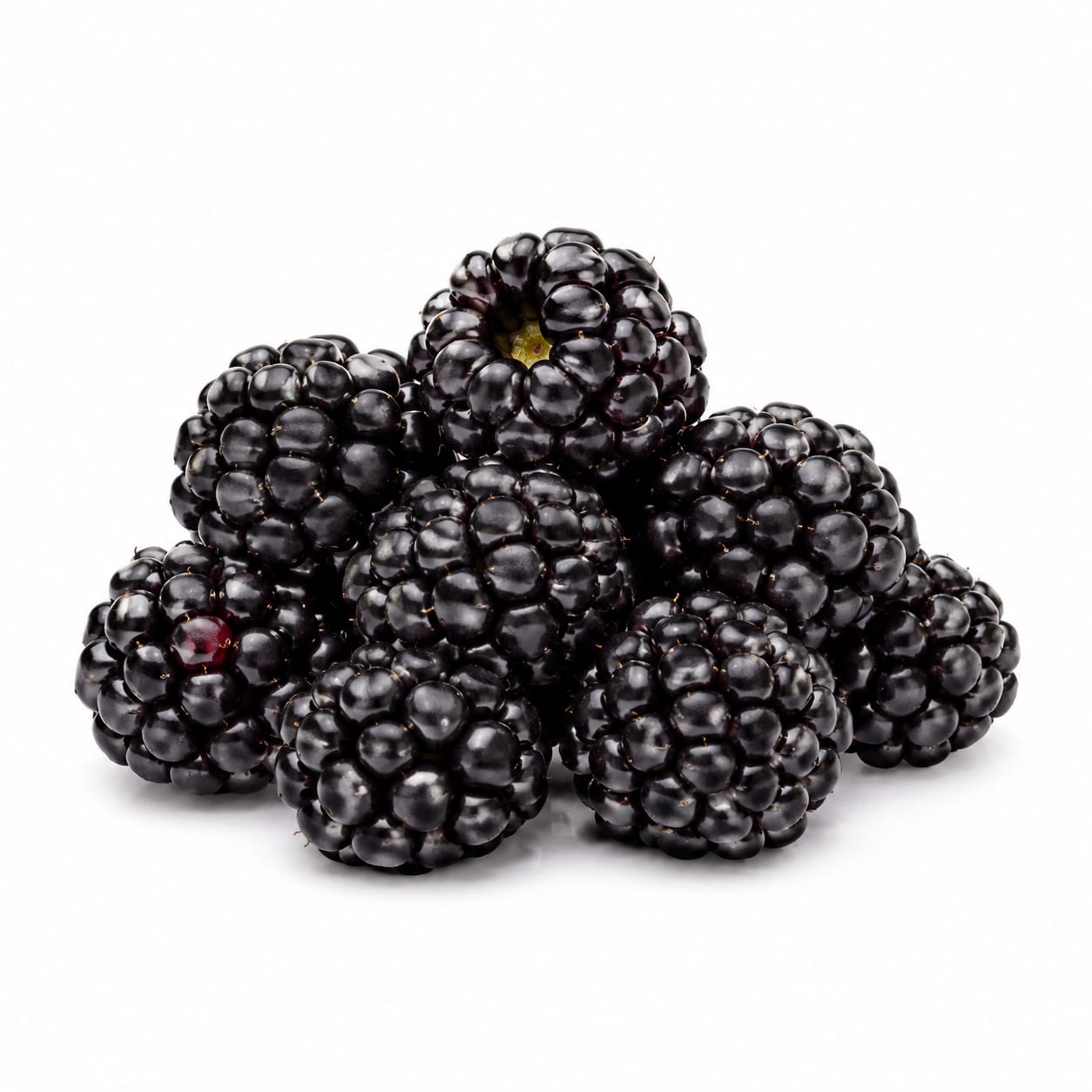
Blackberry
Blackberries win on fiber, availability, and everyday practicality. Huckleberries edge ahead on antioxidant concentration and wild-foraged purity. Choose based on what you can actually find and afford.
Blackberries score slightly higher due to fiber content, widespread availability, and consistent nutritional value at an accessible price. Huckleberries are nutritionally excellent but penalized for scarcity and cost, which limits real-world utility.
Huckleberries offer slightly more antioxidant punch per bite but are harder to source and pricier. Blackberries deliver superior fiber and consistent grocery access at a lower cost.
At a glance
Executive summary
Overall
It depends
Healthier
It depends
More practical
Blackberry
Daily use
Blackberry
Key comparison lenses
antioxidant potential
Both are anthocyanin powerhouses, but users often want to know which delivers more protective compounds per serving
fiber and digestive health
Blackberries are notably fiber-dense, making this a key differentiator for gut health and satiety decisions
availability and practicality
Huckleberries are seasonal and region-limited while blackberries are grocery-store staples, heavily impacting real-world choice
sugar and blood impact
Both are low-sugar berries but subtle differences matter for glucose-sensitive users
wild vs cultivated nutrition
Huckleberries are typically wild-harvested, which affects nutrient density, pesticide exposure, and price
Best choice for
Huckleberry
- Foragers and Pacific Northwest locals with reliable access
- Maximizing antioxidant intake in a small serving
- Avoiding pesticide exposure through wild-harvested fruit
- Unique culinary applications like huckleberry jam or syrup
Blackberry
- Daily fiber goals and gut health support
- Budget-conscious shoppers wanting berry nutrition year-round
- Smoothie and breakfast bowl regulars needing consistent supply
- Parents seeking kid-friendly berry snacks at scale
Least suitable for
Huckleberry
- Anyone outside foraging regions relying on expensive shipped fruit
- Large-quantity recipes where cost becomes prohibitive
- People who need reliable weekly grocery availability
Blackberry
- Those sensitive to seeds or find blackberry texture unpleasant
- Anyone specifically seeking wild-foraged food experiences
Deep comparison
Dimension by dimension
Each lens scores both foods and breaks down who each option suits.
- Dimension 1 · Priority 92Huckleberry
antioxidant_density
Huckleberry · 88Blackberry · 82Huckleberries pack more anthocyanins per gram thanks to wild growing conditions that stress the plant into producing extra protective compounds.
Tradeoff
The antioxidant gap is modest and narrows if you simply eat a slightly larger portion of blackberries.
Why it matters
Higher antioxidant intake correlates with reduced oxidative stress and inflammation over time, especially relevant for aging and recovery.
Real-world impact
If you eat berries primarily for cellular protection, huckleberries give you slightly more per handful—but both are top-tier choices.
Huckleberry
- Anti-aging and longevity-focused diets
- Post-workout recovery nutrition
- Intensive antioxidant protocols
Better for
- Situations where you cannot find or afford them regularly
Worse for
Blackberry
- Consistent daily antioxidant intake without sourcing hassle
- Budget-friendly anti-inflammatory eating
Better for
- Maximizing antioxidant density per calorie in restricted diets
Worse for
- Dimension 2 · Priority 88Blackberry
fiber_content
Huckleberry · 65Blackberry · 92Blackberries deliver roughly 8g of fiber per cup compared to huckleberries at around 4-5g, making them one of the most fiber-rich berries available.
Tradeoff
Huckleberries still provide decent fiber but cannot match blackberries, which are closer to a fiber supplement disguised as a snack.
Why it matters
Fiber drives fullness, blood sugar stability, and gut health—three things most people need more of.
Real-world impact
A cup of blackberries at breakfast keeps you fuller longer and steadies blood sugar better than the same volume of huckleberries.
Huckleberry
- Light snacking where you want less filling bulk
Better for
- High-fiber diet requirements
- Anyone counting on berries as a significant fiber source
Worse for
Blackberry
- Weight management through high-satiety eating
- Gut microbiome support and regularity
- Blood sugar management in metabolic syndrome or diabetes
Better for
- Those who find high-fiber fruit causes bloating initially
Worse for
- Dimension 3 · Priority 80Blackberry
vitamin_and_mineral_profile
Huckleberry · 72Blackberry · 83Blackberries provide significantly more vitamin K, manganese, and folate. Huckleberries offer more iron and vitamin C but in smaller absolute amounts per typical serving.
Tradeoff
Huckleberries have a slight vitamin C edge, but blackberries cover a broader micronutrient base, especially vitamin K for bone and blood health.
Why it matters
Vitamin K is often underconsumed and blackberries are an excellent source. Manganese supports metabolism and bone formation.
Real-world impact
Regular blackberry consumption quietly supports bone density and blood clotting. Huckleberries contribute more to immune support via vitamin C.
Huckleberry
- Immune system support during cold season
- Iron-deficiency diets needing plant-based iron sources
Better for
- Those needing vitamin K for bone or clotting support
Worse for
Blackberry
- Bone health and osteoporosis prevention
- Comprehensive micronutrient coverage from a single fruit
Better for
- Situations where maximizing vitamin C per bite matters most
Worse for
- Dimension 4 · Priority 85Blackberry
availability_and_cost
Huckleberry · 35Blackberry · 90Blackberries are available year-round in most grocery stores at reasonable prices. Huckleberries are seasonal, regional, and often expensive when found at all.
Tradeoff
You pay a premium for huckleberries' wild origin and scarcity, which does not change their nutrition enough to justify the cost for most people.
Why it matters
The healthiest food is the one you can actually eat consistently. Exotic berries that sit on wishlists do not improve your diet.
Real-world impact
Blackberries can be a weekly grocery staple anywhere. Huckleberries are a seasonal treat or farmers market find for most of the country.
Huckleberry
- Special occasions and culinary exploration
- Locals in foraging regions with free access
Better for
- Reliable daily nutrition routines
- Budget-conscious households
Worse for
Blackberry
- Consistent weekly meal prep and planning
- Families needing affordable fruit in bulk
- Anyone without specialty market access
Better for
- Those who specifically want wild-foraged food experiences
Worse for
- Dimension 5 · Priority 75Huckleberry
sugar_and_blood_impact
Huckleberry · 82Blackberry · 78Huckleberries are slightly lower in sugar per serving, giving them a marginally gentler effect on blood glucose.
Tradeoff
The difference is small—both are low-sugar fruits. Blackberries' higher fiber partially offsets their slightly higher sugar content.
Why it matters
For glucose-sensitive individuals, every gram of sugar matters, but fiber slows absorption enough that both remain excellent choices.
Real-world impact
Neither berry will spike your blood sugar. If anything, blackberries' extra fiber makes them steadier energy despite marginally more sugar.
Huckleberry
- Strict low-sugar or keto-adjacent eating
- Glucose-sensitive individuals counting every gram
Better for
- Those who could benefit from the fiber that offsets sugar absorption
Worse for
Blackberry
- Sustained energy with fiber-buffered sugar release
Better for
- Ultra-strict carbohydrate restriction
Worse for
Timeline
Health impact over time
Short-term
Hours to days
Huckleberry
- Mild blood sugar stability from low sugar content
- Quick antioxidant boost after consumption
- Potential satisfaction from eating a rare, flavorful treat
Blackberry
- Noticeable fullness from high fiber content within 30 minutes
- Steady energy without sugar crash
- Improved digestive regularity within hours
Long-term
Months to years
Huckleberry
- Enhanced cellular protection from concentrated anthocyanins if consumed regularly
- Possible immune support from consistent vitamin C intake
- Low pesticide exposure when wild-harvested
Blackberry
- Significantly improved gut microbiome diversity from sustained high fiber intake
- Better bone density from regular vitamin K consumption
- Reduced chronic inflammation from consistent antioxidant and fiber intake
Risk profile
Safety & processing
Both berries are whole foods typically sold fresh or frozen without additives. Huckleberries have a naturalness edge since they are almost always wild-harvested rather than cultivated, meaning no agricultural chemicals touch them. Blackberries from conventional farming may carry pesticide residue, but organic options are widely available.
Huckleberry
Misidentification by foragers
mediumWild huckleberries resemble other berries including toxic species. Only experienced foragers or trusted vendors should supply them.
Environmental contamination in wild areas
lowWild-harvested berries near roads or old industrial sites may absorb heavy metals from soil. Source from clean areas.
Blackberry
Pesticide residue on conventional berries
mediumBlackberries consistently appear on EWG's Dirty Dozen list. Washing helps but does not remove all residue. Organic is preferable.
Mold and spoilage
lowBlackberries spoil quickly due to their delicate structure. Check containers carefully and consume within 2-3 days of purchase.
Who wins for whom
Audience fit
Same foods, different winners depending on your goal.
children
BlackberryBlackberries are sweeter, more available, and affordable enough to serve regularly. Kids also enjoy their larger size and juicier texture.
daily consumption
BlackberryConsistent access, affordable pricing, and superior fiber make blackberries the more sustainable daily habit.
diabetes
BlackberryDespite slightly more sugar, blackberries' superior fiber slows glucose absorption more effectively, resulting in steadier blood sugar response.
elderly
BlackberryThe vitamin K in blackberries supports bone density and blood clotting, both critical concerns for older adults. High fiber also combats age-related constipation.
muscle gain
It dependsNeither berry is a protein source. Both offer antioxidant recovery benefits post-workout. Choose based on availability.
weight loss
BlackberryBlackberries' high fiber content keeps you fuller longer on fewer calories, making overeating less likely.
Your move
Decision guide
Choose Huckleberry
- You live in or visit the Pacific Northwest during huckleberry season
- You want peak antioxidant density and can source them affordably
- You value wild-foraged foods and want to avoid any agricultural chemicals
- You are making a special recipe where huckleberry flavor is essential
Choose Blackberry
- You want a reliable weekly berry that is always at the store
- Fiber and gut health are top priorities for you
- You are feeding a family and need affordable fruit in quantity
- You want the broadest micronutrient coverage from a single berry
Either works if
- You simply want a low-sugar, high-antioxidant fruit and both are available
- You are rotating berries for dietary diversity
- You are making a mixed berry smoothie or dessert
Avoid both if
- You have a salicylate sensitivity, as both berries are moderately high in salicylates
- You are on a very low-fiber diet for medical reasons such as pre-surgery prep
Final recommendation
Make blackberries your everyday berry for their fiber, availability, and value. Treat huckleberries as a seasonal bonus when you can find them fresh and reasonably priced. Both are exceptional choices—your best decision is whichever one you will actually eat consistently.
Practical
Consumer tips
- 1
Buy organic blackberries when possible—they rank high for pesticide residue on conventional farms
- 2
Freeze blackberries in bulk when on sale; they retain nutrients well and work perfectly in smoothies
- 3
If buying huckleberries, verify the source to ensure they are genuinely wild-harvested and not mislabeled blueberries
- 4
Wash blackberries right before eating, not before storing, to prevent mold and mushiness
- 5
For huckleberries, check farmers markets in late summer in mountain states for the freshest and most affordable options
- 6
Both berries lose some vitamin C over time but retain anthocyanins well when frozen