
Nutrition comparison
Bilberry vs Huckleberry: Which Berry Is Better for Your Health?
Compare bilberry and huckleberry nutrition, antioxidants, taste, and health benefits. Find out which berry wins for eye health, daily eating, and overall value.
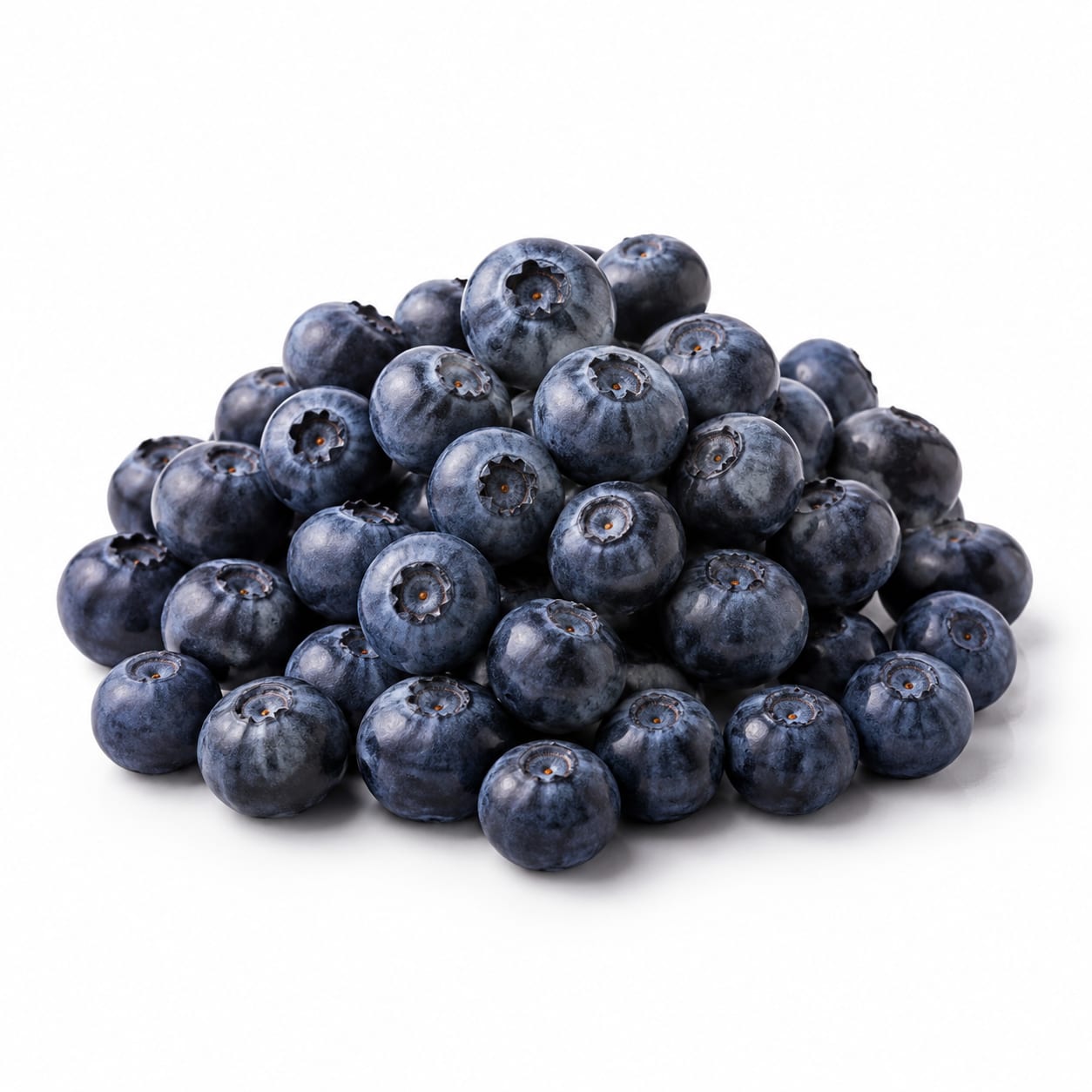
Bilberry
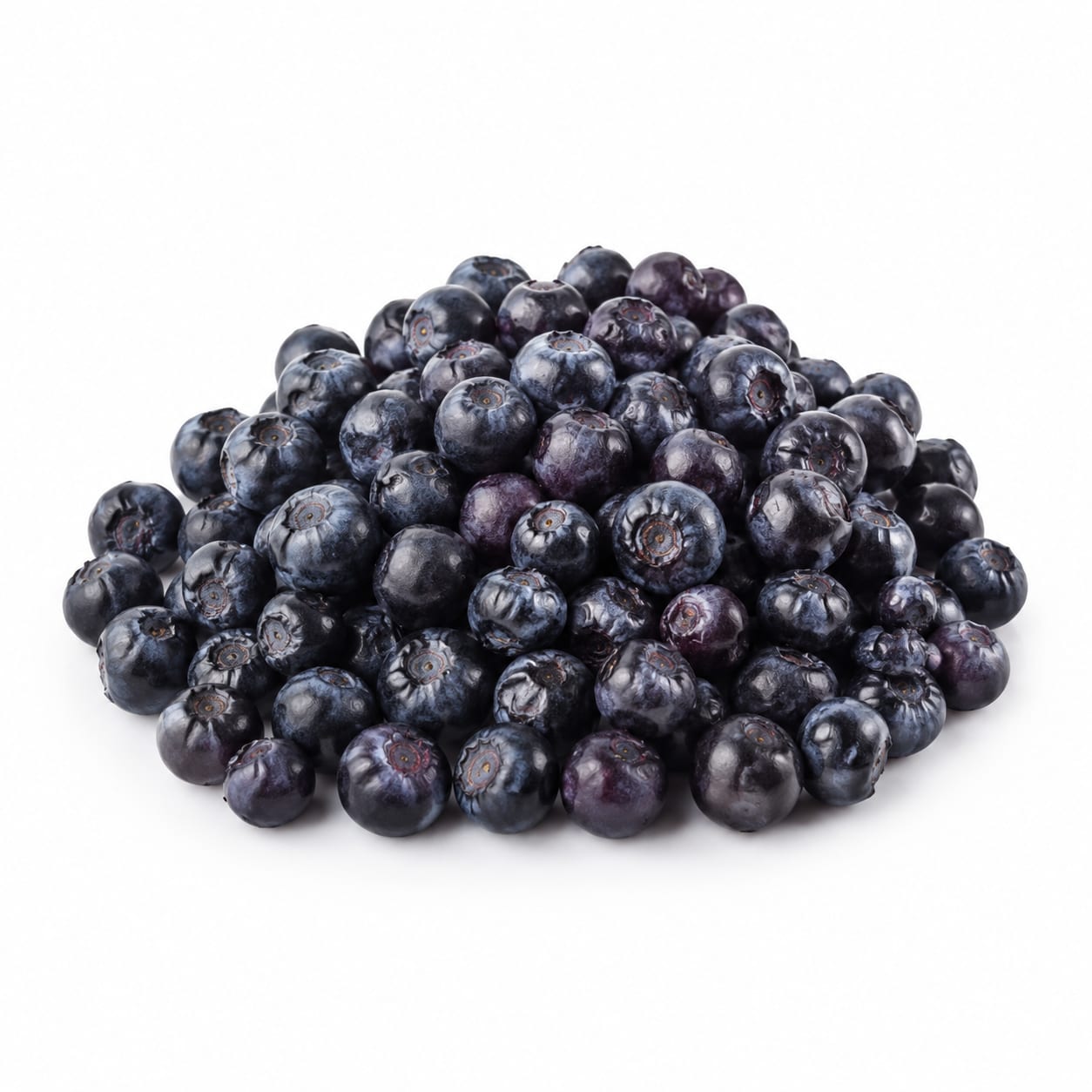
Huckleberry
Bilberry wins on raw antioxidant power and targeted health benefits, while huckleberry wins on taste, availability, and everyday enjoyment.
Bilberry edges ahead on nutritional potency, especially anthocyanins and eye health compounds, but huckleberry closes the gap with better availability, taste, and daily livability. The close scores reflect that most people will benefit from either berry, and the 'best' choice depends heavily on what you can actually find and enjoy eating regularly.
Maximum medicinal potency versus practical accessibility and flavor pleasure.
At a glance
Executive summary
Overall
It depends
Healthier
Bilberry
More practical
Huckleberry
Daily use
Huckleberry
Key comparison lenses
antioxidant potency
Both berries are prized for anthocyanin content, but bilberry is legendary for its concentrated antioxidant profile, making this the defining comparison axis
eye and vascular health
Bilberry has centuries of traditional use for vision and circulation, while huckleberry offers more general antioxidant benefits
availability and practical everyday use
Bilberry is rarely found fresh outside Europe, while huckleberry is more accessible in North American markets, affecting real-world decision-making
taste and culinary enjoyment
Huckleberry tends to be sweeter and more dessert-friendly, while bilberry is tarter and more medicinal in flavor
sugar and calorie consciousness
Both are low-sugar fruits, but subtle differences matter for people tracking glycemic impact
Best choice for
Bilberry
- People seeking targeted eye and vascular support
- Those wanting the highest anthocyanin concentration per bite
- Supplement-focused users who prioritize potency over taste
- European residents with easy access to fresh bilberries
Huckleberry
- Home cooks wanting a flavorful berry for pies, jams, and desserts
- North American foragers and farmers market shoppers
- Families who need a berry kids will actually enjoy eating
- Anyone wanting health benefits without sacrificing taste
Least suitable for
Bilberry
- People who dislike tart, astringent flavors
- Shoppers looking for fresh berries at typical grocery stores
- Those on a tight budget, as imported bilberry products are pricey
Huckleberry
- People specifically seeking the highest possible anthocyanin dose
- Those using berries primarily for therapeutic eye health protocols
- Consumers outside North America where huckleberries are rare
Deep comparison
Dimension by dimension
Each lens scores both foods and breaks down who each option suits.
- Dimension 1 · Priority 95Bilberry
anthocyanin_and_antioxidant_density
Bilberry · 94Huckleberry · 72Bilberry contains significantly higher concentrations of anthocyanins, especially in its flesh where most berries only carry them in the skin.
Tradeoff
You get more antioxidant punch per serving with bilberry, but huckleberry still delivers solid antioxidant value in a more palatable package.
Why it matters
Higher anthocyanin intake correlates with better vascular function, reduced oxidative stress, and stronger cellular defense over time.
Real-world impact
If you are eating berries specifically for therapeutic antioxidant effects, bilberry gives you noticeably more per handful.
Bilberry
- Targeted antioxidant supplementation
- Supporting capillary and vascular integrity
- Maximizing polyphenol intake without supplements
Better for
- People who will not eat them consistently due to tartness
Worse for
Huckleberry
- Getting moderate antioxidants while actually enjoying the eating experience
Better for
- Those needing maximum therapeutic anthocyanin doses
Worse for
- Dimension 2 · Priority 88Bilberry
eye_health_potential
Bilberry · 91Huckleberry · 65Bilberry has a long-established reputation for supporting night vision and retinal health, backed by both tradition and emerging research.
Tradeoff
Bilberry is the go-to for eye-specific benefits, but huckleberry still contributes general antioxidants that indirectly support visual health.
Why it matters
Eye health is one of the most sought-after reasons people seek out these berries, and bilberry has a meaningful edge here.
Real-world impact
If you are choosing a berry specifically to protect your eyes during long screen time or aging, bilberry is the more targeted choice.
Bilberry
- People with family history of macular degeneration
- Those spending long hours on screens wanting natural eye support
- Older adults prioritizing vision preservation
Better for
- Those expecting immediate vision improvements, which are unrealistic from any berry
Worse for
Huckleberry
- Casual users who want general health benefits without a specific eye focus
Better for
- Anyone seeking the most evidence-backed berry for eye-specific outcomes
Worse for
- Dimension 3 · Priority 80Huckleberry
taste_and_culinary_versatility
Bilberry · 58Huckleberry · 85Huckleberry offers a sweeter, more balanced flavor that works beautifully in desserts, jams, and fresh eating, while bilberry is notably tarter and more astringent.
Tradeoff
Bilberry's intensity makes it feel more medicinal, while huckleberry's sweetness makes it a joy to cook with and eat out of hand.
Why it matters
The best berry for your health is the one you will actually eat consistently, and taste drives consistency more than nutrition labels.
Real-world impact
Kids, picky eaters, and home bakers will almost always prefer huckleberry, making it easier to incorporate into daily life.
Bilberry
- People who enjoy tart, intense flavors similar to cranberry
- Culinary purists wanting a distinctly European flavor profile
Better for
- Anyone who finds very tart berries unpleasant
- Dessert recipes where tartness overwhelms other flavors
Worse for
Huckleberry
- Baking and dessert recipes where sweetness matters
- Fresh snacking straight from the container
- Making jams and preserves that need less added sugar
Better for
- Dishes where a more complex, less sweet berry flavor is desired
Worse for
- Dimension 4 · Priority 82Huckleberry
availability_and_affordability
Bilberry · 45Huckleberry · 72Fresh bilberries are extremely difficult to find outside Europe and are often sold as expensive dried berries or supplements, while huckleberries are more available in North American regions.
Tradeoff
Bilberry's rarity makes it a specialty item with a premium price, whereas huckleberry can be found at farmers markets and specialty stores in season.
Why it matters
A berry you cannot find or afford provides zero nutritional benefit, no matter how potent it is on paper.
Real-world impact
Most North American consumers will encounter huckleberry products far more easily than fresh bilberry, making it the pragmatic daily choice.
Bilberry
- European residents with access to fresh or affordable frozen bilberries
- Those willing to buy supplements or dried forms online
Better for
- Anyone relying on typical grocery store access
- People unwilling to pay premium prices for imported berries
Worse for
Huckleberry
- North American shoppers seeking locally available wild berries
- Budget-conscious consumers who want berry benefits without import markups
Better for
- Those outside western North America where huckleberries remain uncommon
Worse for
- Dimension 5 · Priority 70Bilberry
blood_sugar_friendliness
Bilberry · 86Huckleberry · 79Both berries are low-sugar, high-fiber fruits, but bilberry's slightly lower sugar content and higher astringency give it a marginal edge for blood sugar stability.
Tradeoff
The difference is small enough that both are excellent choices for glucose management, but bilberry is marginally better if you are counting every gram of sugar.
Why it matters
For people with diabetes or insulin resistance, even small sugar differences between fruit varieties can influence post-meal glucose readings.
Real-world impact
Either berry is a smart choice over higher-sugar fruits, but bilberry may produce slightly steadier blood sugar responses.
Bilberry
- People with diabetes managing tight glucose targets
- Those on very low-carb or keto-adjacent eating plans
Better for
- Those who might avoid eating it entirely due to taste, losing all blood sugar benefits
Worse for
Huckleberry
- Anyone who finds bilberry too tart and would compensate by eating something sweeter anyway
Better for
- People who need to minimize every possible gram of fruit sugar
Worse for
- Dimension 6 · Priority 68Bilberry
fiber_and_digestive_benefit
Bilberry · 80Huckleberry · 74Bilberry tends to have slightly more fiber per serving, contributing to better satiety and digestive regularity, though both berries are respectable fiber sources.
Tradeoff
The fiber gap is modest, but bilberry's denser nutritional profile means more gut-friendly compounds per calorie consumed.
Why it matters
Fiber from whole berries supports gut microbiome diversity and helps you feel full longer, reducing the urge to snack on less healthy options.
Real-world impact
A serving of bilberry may keep you slightly more satisfied between meals, though both berries beat processed snacks by a wide margin.
Bilberry
- People prioritizing gut health and microbiome support
- Those wanting maximum fullness from small fruit portions
Better for
- Those with sensitive digestion who find very astringent fruits irritating
Worse for
Huckleberry
- Anyone who eats larger portions of huckleberry because they enjoy the taste more, potentially getting similar total fiber
Better for
- People counting every gram of fiber per serving
Worse for
Timeline
Health impact over time
Short-term
Hours to days
Bilberry
- Noticeable tartness may reduce desire to overeat
- Anthocyanins begin supporting vascular tone within hours of consumption
- Astringent compounds can cause mild mouth dryness in sensitive people
Huckleberry
- Pleasant sweetness provides immediate satisfaction without a sugar crash
- Moderate antioxidant activity starts reducing oxidative stress after eating
- Easier to eat larger quantities, which can mean more total nutrients but also more sugar
Long-term
Months to years
Bilberry
- Consistent consumption may support retinal health and night vision adaptation
- High anthocyanin intake linked to improved capillary strength and reduced bruising
- Regular consumption supports cardiovascular resilience through vascular antioxidant protection
- May help maintain healthy inflammatory markers over decades
Huckleberry
- Regular intake provides solid general antioxidant coverage for aging cells
- Enjoyable taste supports long-term dietary adherence, which is its own health benefit
- Contributes to diverse polyphenol intake when rotated with other berries
- Wild-harvested varieties may offer trace minerals less common in cultivated fruits
Risk profile
Safety & processing
Both bilberry and huckleberry are typically consumed as whole, minimally processed berries. The main concern is that bilberry is more commonly sold as dried fruit or supplements, which may contain added sugars, fillers, or lower-quality extracts. Always check labels on bilberry products, as the supplement market has quality variability. Fresh or frozen whole berries of either type are the cleanest option.
Bilberry
supplement_adulteration
mediumBilberry supplements are sometimes adulterated with cheaper blueberry extract, reducing potency. Buy from reputable brands with third-party testing.
pesticide_residue_on_imported_products
lowImported dried bilberries may carry pesticide residues from countries with different agricultural standards. Choose organic when possible.
Huckleberry
misidentification_in_wild_foraging
highWild huckleberries can be confused with toxic berries like baneberry or deadly nightshade by inexperienced foragers. Never eat wild berries unless you are certain of identification.
environmental_contaminants_in_wild_harvest
lowWild-harvested huckleberries may absorb heavy metals or pollutants from soil near roads or industrial areas. Forage from clean, remote locations.
Who wins for whom
Audience fit
Same foods, different winners depending on your goal.
children
HuckleberryHuckleberry's sweeter, more approachable flavor makes it far more likely that children will actually eat it without complaint.
daily consumption
HuckleberryHuckleberry's better taste and easier availability make it the more sustainable daily habit for most people, and consistency matters more than marginal nutritional differences.
diabetes
BilberryBilberry's marginally lower sugar content and stronger anthocyanin profile, which may improve insulin sensitivity, give it a slight edge for glucose management.
elderly
BilberryBilberry's well-documented eye health benefits and vascular support are especially relevant for aging populations concerned about vision and circulation.
muscle gain
It dependsNeither berry is a meaningful protein source. Both offer recovery-supporting antioxidants, but neither moves the needle for muscle building directly.
weight loss
BilberryBilberry's lower sugar and higher astringency naturally limit overconsumption, while still providing strong satiety signals from fiber and polyphenols.
Your move
Decision guide
Choose Bilberry
- You are specifically targeting eye health or vascular support
- You want the highest antioxidant concentration per serving
- You enjoy tart, intense berry flavors or do not mind them
- You have reliable access to quality bilberry products
- You are using berries as part of a therapeutic nutrition protocol
Choose Huckleberry
- You want a delicious berry you will actually look forward to eating
- You live in North America and can find fresh or frozen huckleberries locally
- You are cooking or baking and need a berry that enhances rather than dominates a dish
- You are feeding a family and need broad appeal
- You want health benefits without the supplement-like eating experience
Either works if
- You simply want to add more antioxidant-rich berries to your diet
- You are rotating between different berries for polyphenol diversity
- You are comparing dried or frozen versions and both are available at similar prices
Avoid both if
- You have a known allergy to Vaccinium species berries
- You are on blood-thinning medications and have not consulted your doctor about high-anthocyanin foods
- You are looking for a significant protein or calorie source, as neither berry provides meaningful amounts
Final recommendation
If you can find fresh huckleberries, eat them joyfully and often. They deliver excellent health benefits in a package you will actually enjoy daily. If you have a specific health goal around eye health or vascular protection, seek out quality bilberry products, but do not force yourself to eat something you dislike. The best berry for your body is the one you will eat consistently, and for most people, that will be huckleberry.
Practical
Consumer tips
- 1
When buying bilberry supplements, look for products standardized to at least 25% anthocyanins and verified by third-party testing
- 2
Fresh or frozen whole berries of either type always beat dried versions with added sugars
- 3
If you find both berries fresh at a farmers market, buy small amounts of each and taste-test before committing to larger quantities
- 4
Wild-harvested huckleberries from clean areas may contain more diverse micronutrients than cultivated berries, but never forage without expert guidance
- 5
Adding a small handful of either berry to morning oatmeal or yogurt is one of the easiest daily health upgrades you can make
- 6
Store both berries frozen if you cannot eat them within a few days, as their delicate anthocyanins degrade quickly at room temperature