
Nutrition comparison
Huckleberry vs Cranberry: Which Berry Is Healthier for You?
Compare huckleberries and cranberries on antioxidants, sugar, UTI benefits, taste, and cost. Find out which berry fits your health goals and lifestyle best.
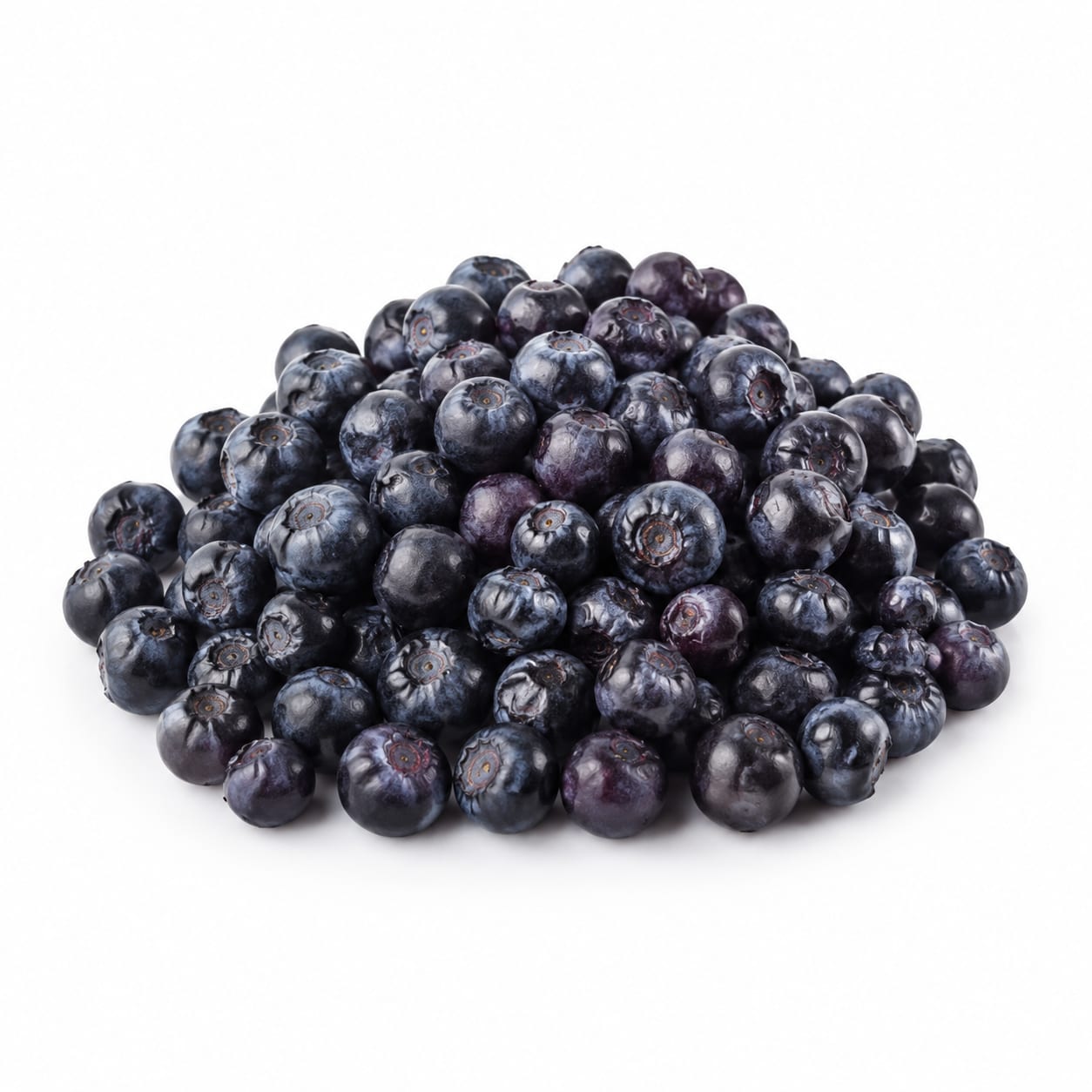
Huckleberry
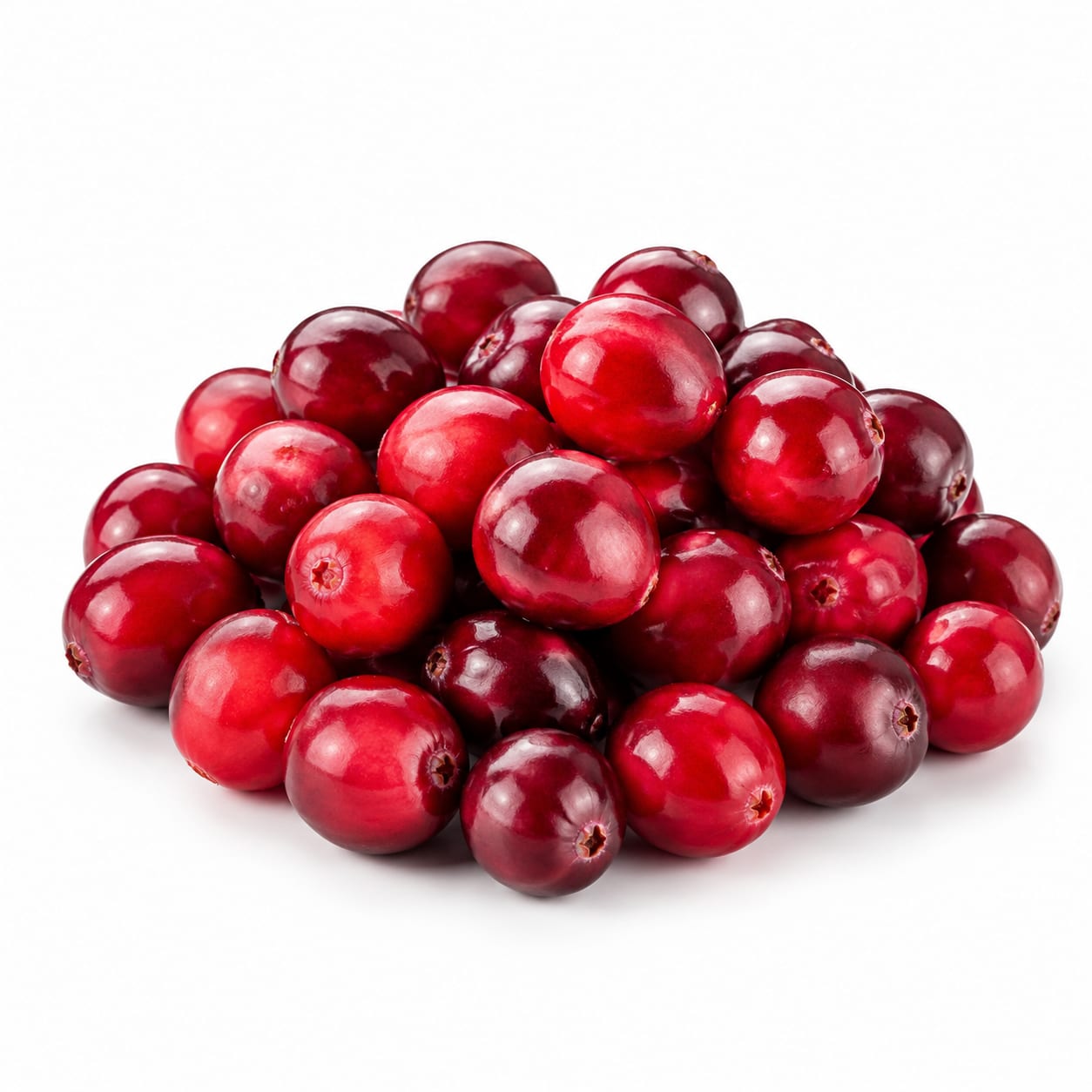
Cranberry
Huckleberries win on taste, natural sweetness, and wild-foraged purity. Cranberries win on UTI protection, affordability, and daily practicality.
Huckleberries score slightly higher for natural sweetness and lower processing needs, but cranberries close the gap with superior accessibility, proven UTI benefits, and realistic daily usability. The close scores reflect that neither is clearly dominant.
Huckleberries are the more enjoyable fresh berry with less sugar manipulation needed, but cranberries deliver a unique health benefit you cannot easily get elsewhere.
At a glance
Executive summary
Overall
It depends
Healthier
It depends
More practical
Cranberry
Daily use
Cranberry
Key comparison lenses
antioxidant potential
Both berries are prized for their anthocyanin content, but the types and concentrations differ significantly, affecting real-world health impact
sugar and taste tradeoff
Cranberries are extremely tart and rarely eaten raw without sweetening, while huckleberries are naturally sweeter and more palatable fresh
accessibility and cost
Huckleberries are wild-harvested and expensive; cranberries are widely cultivated and affordable, making daily use very different
urinary and gut health
Cranberries have strong clinical evidence for UTI prevention; huckleberries lack this specific research but offer broader antioxidant benefits
processing concerns
Most cranberry products add significant sugar to offset tartness, while huckleberries are typically consumed closer to their natural state
Best choice for
Huckleberry
- Fresh snacking and raw enjoyment
- Gourmet cooking and baking
- Maximizing diverse antioxidant intake
- Avoiding added sugars in berry form
- Wild-harvested whole-food enthusiasts
Cranberry
- UTI prevention and urinary tract health
- Budget-conscious daily berry consumption
- Cooking into sauces, relishes, and condiments
- Accessible year-round nutrition
- People who already enjoy tart flavors
Least suitable for
Huckleberry
- Budget shoppers needing affordable daily fruit
- People wanting consistent year-round availability
- Those needing large quantities for recipes
- Anyone expecting grocery store convenience
Cranberry
- Fresh raw snacking without sweetening
- People strictly limiting all added sugars
- Children sensitive to sour flavors
- Those seeking a naturally sweet berry experience
Deep comparison
Dimension by dimension
Each lens scores both foods and breaks down who each option suits.
- Dimension 1 · Priority 92Huckleberry
antioxidant_diversity_and_potency
Huckleberry · 88Cranberry · 82Huckleberries offer a broader anthocyanin spectrum from wild growing conditions, while cranberries concentrate specific proanthocyanidins linked to urinary health.
Tradeoff
Huckleberries give you wider antioxidant coverage; cranberries give you deeper protection in one targeted area.
Why it matters
Broader antioxidant intake supports general aging and inflammation defense, but targeted UTI protection is something most people notice concretely.
Real-world impact
If you struggle with recurrent UTIs, cranberries solve a real problem. If you are generally healthy and want broad protection, huckleberries edge ahead.
Huckleberry
- General anti-aging and cellular protection
- Visual variety in antioxidant intake
- Wild-harvested phytonutrient density
Better for
- Lacks the specific UTI-prevention evidence cranberries have
Worse for
Cranberry
- Specific urinary tract infection prevention
- Targeted anti-adhesion bacterial defense
- Researched clinical outcomes
Better for
- Narrower antioxidant focus compared to wild huckleberries
Worse for
- Dimension 2 · Priority 88Huckleberry
natural_sugar_and_palatability
Huckleberry · 85Cranberry · 55Huckleberries are naturally sweet enough to enjoy raw. Cranberries are so tart that most people only consume them sweetened, which adds processed sugar.
Tradeoff
Eating huckleberries raw gives you natural sugar in a whole-food package. Eating cranberries often means choosing between added sugar or barely tolerable tartness.
Why it matters
How you actually eat a berry matters more than its raw nutritional profile. If a food requires sugar to become palatable, the net health benefit drops.
Real-world impact
A handful of fresh huckleberries is a satisfying snack. A handful of raw cranberries will make most people pucker and reach for something sweeter.
Huckleberry
- Enjoyable fresh snacking without additives
- Natural sweetness that satisfies cravings
- No need for sweeteners to be palatable
Better for
- Higher natural sugar means slightly more calories per serving
Worse for
Cranberry
- Lower intrinsic sugar if you can tolerate the tartness
- Less blood sugar impact in unsweetened form
Better for
- Almost always consumed with added sugar, negating the low-sugar advantage
- Raw form is unpleasant for most palates
Worse for
- Dimension 3 · Priority 85Cranberry
accessibility_and_affordability
Huckleberry · 30Cranberry · 90Cranberries are mass-produced, available frozen year-round, and affordable. Huckleberries are wild-harvested, seasonal, and expensive.
Tradeoff
Cranberries are a realistic daily food. Huckleberries are more of a specialty or seasonal treat.
Why it matters
The healthiest berry in the world does nothing if you cannot find or afford it. Consistency beats perfection.
Real-world impact
You can buy cranberries at any grocery store for a few dollars. Huckleberries may cost $10-20 per pound and require specialty sourcing or foraging.
Huckleberry
- Wild-harvested authenticity appeals to foraging enthusiasts
- Seasonal scarcity makes them feel special and worth savoring
Better for
- Prohibitively expensive for regular use
- Difficult to find outside the Pacific Northwest
- Short fresh season limits access
Worse for
Cranberry
- Available fresh, frozen, dried, and juiced everywhere
- Affordable enough for daily or weekly consumption
- Consistent supply regardless of season
Better for
- Mass production may reduce some phytonutrient concentration compared to wild berries
Worse for
- Dimension 4 · Priority 80Cranberry
urinary_and_digestive_health
Huckleberry · 60Cranberry · 92Cranberries contain unique A-type proanthocyanidins that prevent bacteria from adhering to urinary tract walls. This is a rare, well-documented benefit.
Tradeoff
If urinary health is your priority, cranberries are one of the few foods with strong clinical backing. Huckleberries cannot replicate this specific effect.
Why it matters
UTIs affect millions of women recurrently. A food that genuinely reduces infection risk is worth more than theoretical antioxidant advantages.
Real-world impact
Regular cranberry consumption can meaningfully reduce UTI recurrence. No other common berry matches this specific, proven outcome.
Huckleberry
- General gut-friendly fiber content
- Mild digestive support from diverse polyphenols
Better for
- No specific research supporting urinary tract protection
Worse for
Cranberry
- Proven UTI prevention through anti-adhesion compounds
- Supports urinary tract health in ways no other berry can
- Well-studied digestive and oral health benefits
Better for
- Benefits are negated if consumed as heavily sweetened juice
Worse for
- Dimension 5 · Priority 70Huckleberry
fiber_and_satiety
Huckleberry · 78Cranberry · 72Both berries provide decent fiber, but huckleberries have slightly more per serving and are easier to eat in larger quantities due to better taste.
Tradeoff
The fiber difference is modest. What matters more is that huckleberries are enjoyable enough to eat a full serving, while raw cranberries rarely get finished.
Why it matters
Fiber only works if you actually eat it. Palatability drives real-world fiber intake more than lab numbers.
Real-world impact
You will likely eat more huckleberries in one sitting, getting more total fiber despite similar per-gram amounts.
Huckleberry
- Slightly higher fiber per serving
- Better taste encourages eating full portions
Better for
- Cost may limit portion sizes in practice
Worse for
Cranberry
- Adequate fiber when consumed as whole berries or in recipes
Better for
- Tartness limits raw consumption volume
Worse for
Timeline
Health impact over time
Short-term
Hours to days
Huckleberry
- Quick antioxidant boost from fresh consumption
- Mild blood sugar rise from natural sugars, but stabilized by fiber
- Satisfying sweet taste reduces cravings for less healthy snacks
Cranberry
- Noticeable tartness that may reduce overconsumption
- If consumed as sweetened juice, possible blood sugar spike
- Potential immediate urinary tract soothing effect
Long-term
Months to years
Huckleberry
- Broad antioxidant intake supports cellular aging defense
- Wild-harvested varieties may offer more diverse phytonutrients over time
- Enjoyable taste supports sustainable berry-eating habits
Cranberry
- Consistent UTI risk reduction with regular consumption
- Cardiovascular benefits from polyphenol accumulation
- Risk of excess added sugar intake if relying on sweetened cranberry products
Risk profile
Safety & processing
Fresh or frozen huckleberries are almost always sold in their natural state. Cranberries themselves are unprocessed, but the most common cranberry products like juice, dried cranberries, and cranberry sauce typically contain significant added sugars and occasionally preservatives. The processing concern for cranberries is not the berry itself but how people actually consume it.
Huckleberry
Wild harvesting contamination
lowWild-harvested huckleberries may carry environmental contaminants from forest soils, but this is rare and generally low risk
Mislabeled or adulterated products
mediumSome commercial huckleberry products are blended with cheaper blueberries; sourcing from reputable suppliers matters
Cranberry
Pesticide residue on conventional cranberries
mediumCranberries are a wetland crop often treated with pesticides; organic options reduce this concern significantly
Added sugar in processed forms
highCranberry juice cocktails and dried sweetened cranberries can contain 25-30g of added sugar per serving, undermining health benefits
Kidney stone risk from oxalates
lowCranberries contain moderate oxalates; people with a history of calcium oxalate kidney stones should moderate intake
Who wins for whom
Audience fit
Same foods, different winners depending on your goal.
children
HuckleberryHuckleberries taste better raw, making them an easy sell to kids. Getting children to eat unsweetened cranberries is a tough battle.
daily consumption
CranberryAffordability and availability make cranberries realistic for daily use. Huckleberries are more of an occasional luxury.
diabetes
CranberryRaw cranberries have a lower glycemic impact and less natural sugar. The critical caveat is avoiding sweetened cranberry products entirely.
elderly
CranberryUTI prevention is especially valuable for older adults, and cranberry's cardiovascular benefits compound with age-related needs.
muscle gain
It dependsNeither berry is a meaningful protein source. Both offer antioxidants that support recovery, but neither moves the needle for muscle building.
weight loss
CranberryUnsweetened cranberries are lower in calories and sugar per serving. However, this advantage disappears if you only consume them sweetened.
Your move
Decision guide
Choose Huckleberry
- You want a berry you actually enjoy eating raw
- You value wild-harvested, foraged foods
- You can afford specialty berries and have access to them
- You are looking for broad antioxidant diversity
- You want a naturally sweet snack without added sugar
Choose Cranberry
- You are prone to urinary tract infections
- You need an affordable berry you can buy year-round
- You enjoy cooking with berries in sauces and baked goods
- You are comfortable with tart flavors or using minimal sweeteners
- You want a practical daily-use berry with proven health outcomes
Either works if
- You simply want more berry variety in your diet
- You are looking for general antioxidant support
- You enjoy both flavors and can rotate seasonally
Avoid both if
- You have a severe berry allergy
- You are on a very strict low-oxalate diet for kidney stones
- You only consume sweetened juice forms and want to avoid sugar
Final recommendation
Keep cranberries in your regular rotation for their unique UTI protection and everyday practicality. Treat huckleberries as a seasonal luxury that makes berry-eating feel special. If you can only pick one for daily use, cranberries win on accessibility and proven health outcomes. If you are choosing for pure enjoyment and whole-food purity, huckleberries are the more satisfying experience.
Practical
Consumer tips
- 1
If buying cranberry products, check labels for added sugar. Many cranberry juices are only 25% actual juice with heavy sweetening.
- 2
Frozen cranberries retain nearly all their nutrients and are available year-round at a fraction of the fresh price.
- 3
If you find fresh huckleberries, freeze some immediately. They hold their nutrients well and extend your access beyond the short season.
- 4
Organic cranberries are worth the premium if you consume them regularly, as conventional cranberry farming uses significant pesticides.
- 5
For UTI prevention, unsweetened cranberry extract supplements can deliver the active compounds without the sugar load of juice.
- 6
Never assume dried cranberries are a health food. Most are sweetened with sugar or syrup and are closer to candy than fruit.