
Nutrition comparison
Huckleberry vs Blueberry: Nutrition, Antioxidants, and Taste Compared
Discover the nutritional differences between huckleberries and blueberries. Compare antioxidant levels, taste, cost, and health benefits to find the best berry for your diet.
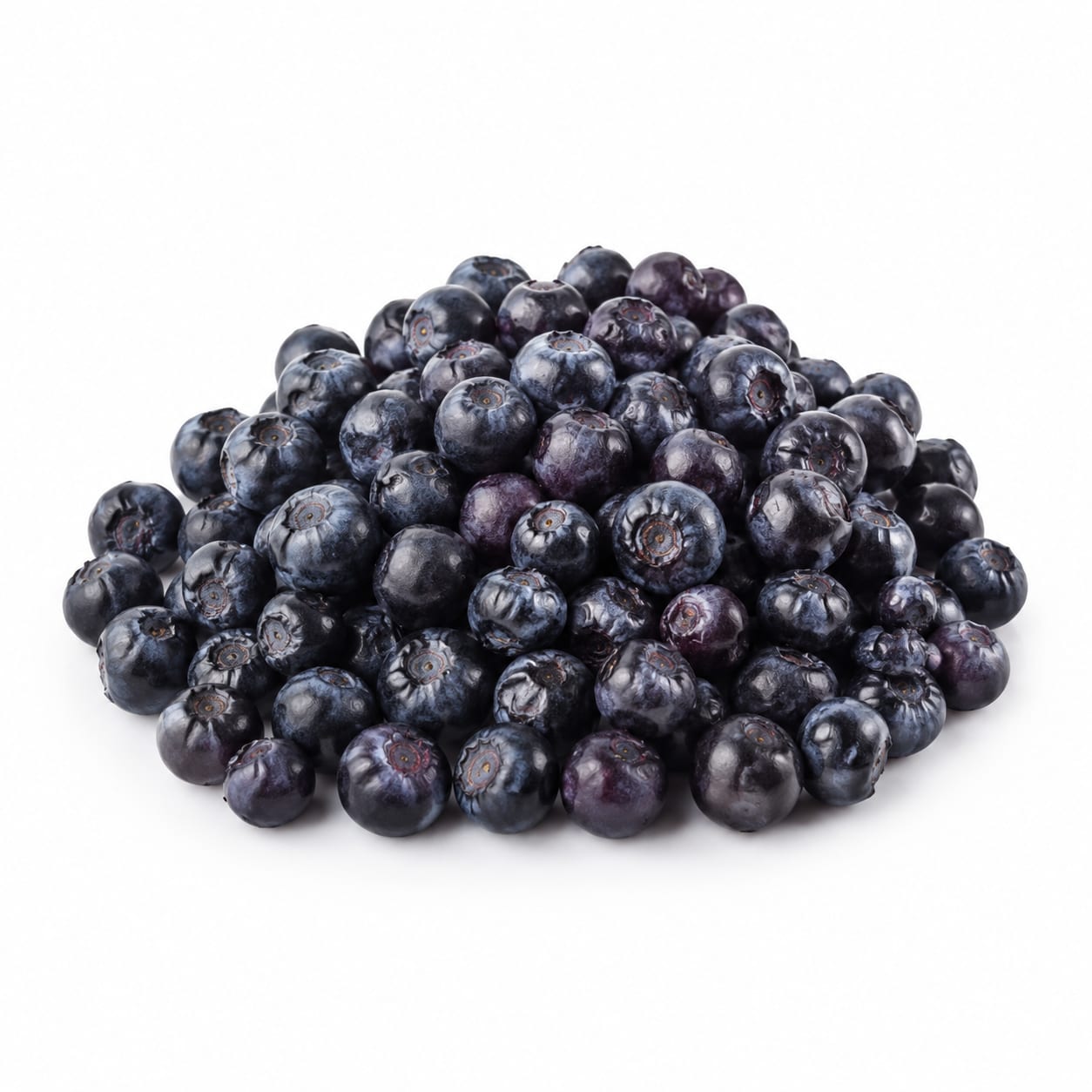
Huckleberry
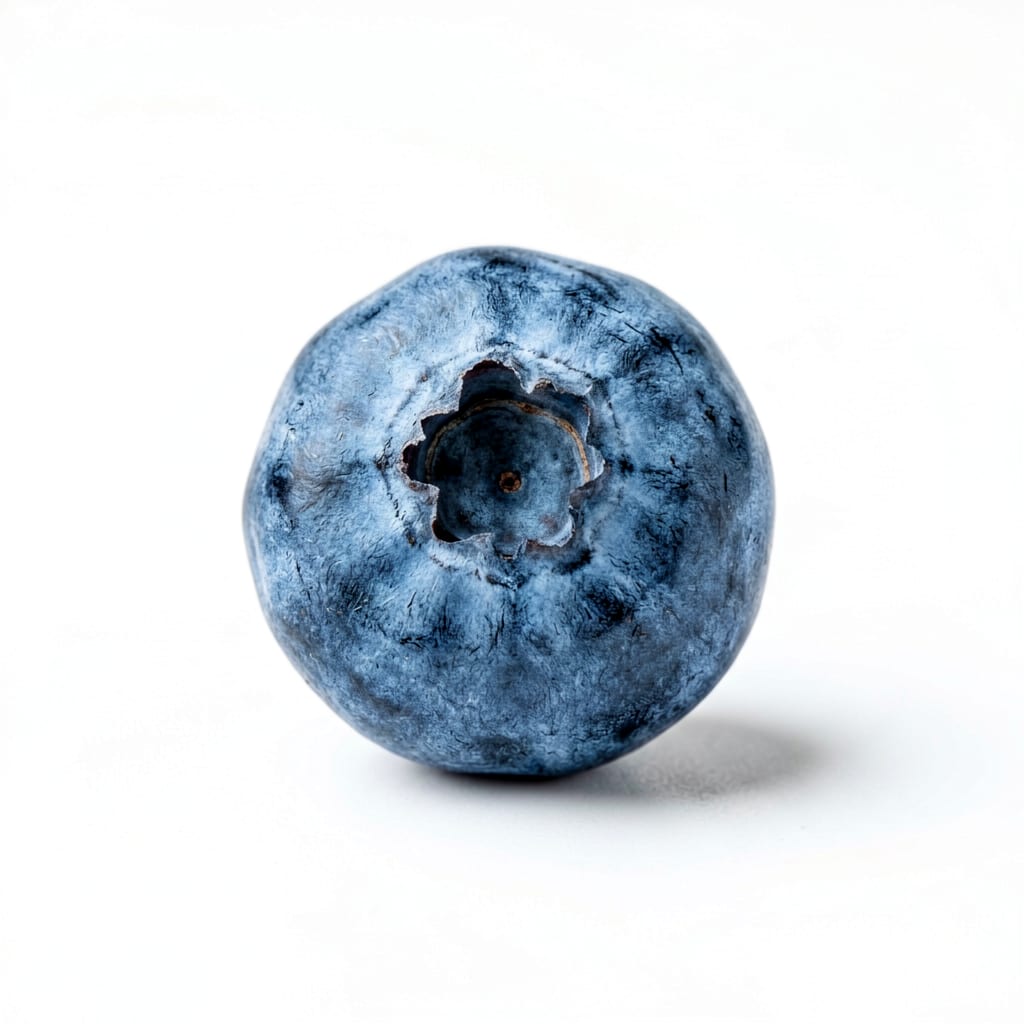
Blueberry
Huckleberries edge out blueberries in antioxidant power and wild purity, but blueberries win on practicality, price, and everyday availability.
Huckleberries score slightly higher for nutrient density and lack of agricultural chemicals, but blueberries are nearly as nutritious and far more accessible, keeping the scores very close.
Peak nutritional density and wild foraging versus affordable, year-round convenience.
At a glance
Executive summary
Overall
It depends
Healthier
Huckleberry
More practical
Blueberry
Daily use
Blueberry
Key comparison lenses
Antioxidant density and brain health
Both berries are famous for anthocyanins, but wild huckleberries often have a higher concentration per bite.
Availability and cost practicality
Blueberries are a grocery store staple, while huckleberries are seasonal, regional, and expensive.
Pesticide exposure and wild vs farmed
Huckleberries are wild-foraged and pesticide-free, whereas conventional blueberries frequently carry residues.
Flavor intensity and culinary use
Huckleberries offer a tart, intense flavor profile, while blueberries are sweeter and milder for everyday snacking.
Best choice for
Huckleberry
- Antioxidant maximization
- Wild-foraged food enthusiasts
- Specialty baking and gourmet jams
Blueberry
- Budget-conscious shoppers
- Daily smoothie additions
- Year-round consistent snacking
Least suitable for
Huckleberry
- People on a tight grocery budget
- Those needing easy year-round access
Blueberry
- Foraging purists avoiding farmed produce
- Those seeking the absolute highest anthocyanin content
Deep comparison
Dimension by dimension
Each lens scores both foods and breaks down who each option suits.
- Dimension 1 · Priority 95Huckleberry
Antioxidant & Micronutrient Density
Huckleberry · 96Blueberry · 85Huckleberries pack more anthocyanins and vitamin C per bite than cultivated blueberries.
Tradeoff
You get more antioxidant power with huckleberries, but at a much higher price per serving.
Why it matters
Higher antioxidant intake helps fight oxidative stress and supports long-term brain health.
Real-world impact
Eating huckleberries might give your morning smoothie a stronger health boost, but you will pay a premium for it.
Huckleberry
- Cognitive longevity
- Anti-inflammatory diets
Better for
- Wallet-friendly meal prep
Worse for
Blueberry
- Maintaining a consistent daily fruit habit without breaking the bank
Better for
- Maximizing nutrient density per calorie
Worse for
- Dimension 2 · Priority 90Blueberry
Availability & Practicality
Huckleberry · 40Blueberry · 98Blueberries are a grocery store staple year-round, while huckleberries are seasonal and regional.
Tradeoff
Blueberries are always easy to find; huckleberries require specialty stores, farmers markets, or foraging.
Why it matters
A healthy food only works if you can actually buy and eat it consistently.
Real-world impact
You can toss blueberries in your cart any day of the week, whereas huckleberries might be a rare summer treat.
Huckleberry
- Unique culinary experiences
- Seasonal eating rituals
Better for
- Last-minute recipe needs
- Winter availability
Worse for
Blueberry
- Weekly meal prep
- Consistent daily intake
Better for
- Adventurous foraging lifestyles
Worse for
- Dimension 3 · Priority 85Huckleberry
Pesticide & Chemical Exposure
Huckleberry · 98Blueberry · 70Wild huckleberries are naturally pesticide-free, while conventional blueberries can carry residues.
Tradeoff
Huckleberries guarantee a wild, spray-free product, while conventional blueberries may require careful washing or buying organic.
Why it matters
Reducing pesticide exposure supports hormonal health and lowers long-term toxic burden.
Real-world impact
Choosing huckleberries means skipping the organic produce aisle worry; with blueberries, you might want to spend extra for organic.
Huckleberry
- Clean eating purists
- Minimizing chemical load
Better for
- None regarding chemical exposure
Worse for
Blueberry
- Those who do not mind buying organic to mitigate risk
Better for
- Budget shoppers who buy conventional produce
Worse for
- Dimension 4 · Priority 75It depends
Taste & Culinary Versatility
Huckleberry · 90Blueberry · 88Huckleberries are tarter and more intensely flavored; blueberries are sweeter and milder.
Tradeoff
Huckleberries bring a bold, wild flavor that stands out in jams and desserts, while blueberries offer a crowd-pleasing sweetness for everyday snacking.
Why it matters
Flavor dictates whether you will actually want to eat the food regularly.
Real-world impact
Huckleberries make unforgettable pies, but blueberries are the easy, pop-in-your-mouth snack for kids and adults alike.
Huckleberry
- Gourmet cooking
- Intense flavor profiles
Better for
- Those preferring mild, sweet fruit
Worse for
Blueberry
- Picky eaters
- Mild, sweet snacking
Better for
- Dishes requiring a tart, complex berry flavor
Worse for
Timeline
Health impact over time
Short-term
Hours to days
Huckleberry
- Quick antioxidant boost
- Tart flavor can stimulate digestion
Blueberry
- Gentle blood-sugar-friendly energy
- Easy on the stomach for most people
Long-term
Months to years
Huckleberry
- Enhanced cellular defense from high anthocyanins
- Lower cumulative pesticide exposure
Blueberry
- Consistent fiber intake supporting gut health
- Sustained cardiovascular benefits from regular consumption
Risk profile
Safety & processing
Both are whole, unprocessed fruits. Huckleberries are typically wild-harvested, while blueberries are farmed, but neither contains added ingredients when bought fresh or frozen.
Huckleberry
Misidentification while foraging
mediumWild foraging carries the risk of confusing huckleberries with toxic berries like belladonna if you are not experienced.
Environmental contaminants
lowWild plants can absorb heavy metals from soil, though this is rare in remote foraging areas.
Blueberry
Pesticide residues
mediumConventional blueberries frequently appear on the EWG's Dirty Dozen list, making organic a safer bet.
Mold and spoilage
lowBlueberries can mold quickly if not stored properly, though this is easily managed by checking the container.
Who wins for whom
Audience fit
Same foods, different winners depending on your goal.
children
BlueberryBlueberries are sweeter, easier to chew, and a familiar, safe snack for kids.
daily consumption
BlueberryAffordability and year-round access make blueberries a far more sustainable daily habit.
diabetes
HuckleberryHuckleberries have slightly more fiber and less sugar per gram, leading to a marginally gentler blood sugar response.
elderly
HuckleberryThe higher antioxidant concentration in huckleberries offers stronger neuroprotective benefits relevant to aging.
muscle gain
It dependsNeither is a significant protein source, but both offer good carbs for workout recovery.
weight loss
BlueberryBlueberries are easier to portion control and eat slowly due to their larger size and wider availability, supporting consistent habits.
Your move
Decision guide
Choose Huckleberry
- You want the absolute highest antioxidant bang for your bite
- You have access to local foraging or specialty markets
- You are baking a special dessert and want a standout flavor
Choose Blueberry
- You need an affordable, healthy fruit for your weekly grocery run
- You want a mild, sweet snack for kids or daily smoothies
- You value consistency and convenience over peak nutrient density
Either works if
- You just want a delicious, low-sugar berry to top your oatmeal
- You are looking for a fiber-rich, heart-healthy snack
Avoid both if
- You have a severe allergy to berries or salicylates
Final recommendation
Choose blueberries for everyday, budget-friendly nutrition, but opt for huckleberries when you can find them for a powerful antioxidant treat and wild flavor.
Practical
Consumer tips
- 1
If buying conventional blueberries, wash them thoroughly or choose organic to avoid pesticide residues.
- 2
Frozen blueberries and huckleberries retain their antioxidants perfectly and are often cheaper.
- 3
If foraging huckleberries, go with an experienced guide to avoid toxic lookalikes.
- 4
Add a handful of either berry to plain yogurt for a satisfying, blood-sugar-friendly snack.