
Nutrition comparison
Huckleberry vs Acai Berry: Which Superfruit Is Actually Better for You?
Compare huckleberry and acai berry on antioxidants, calories, taste, cost, and sustainability. Find out which berry fits your health goals and lifestyle best.
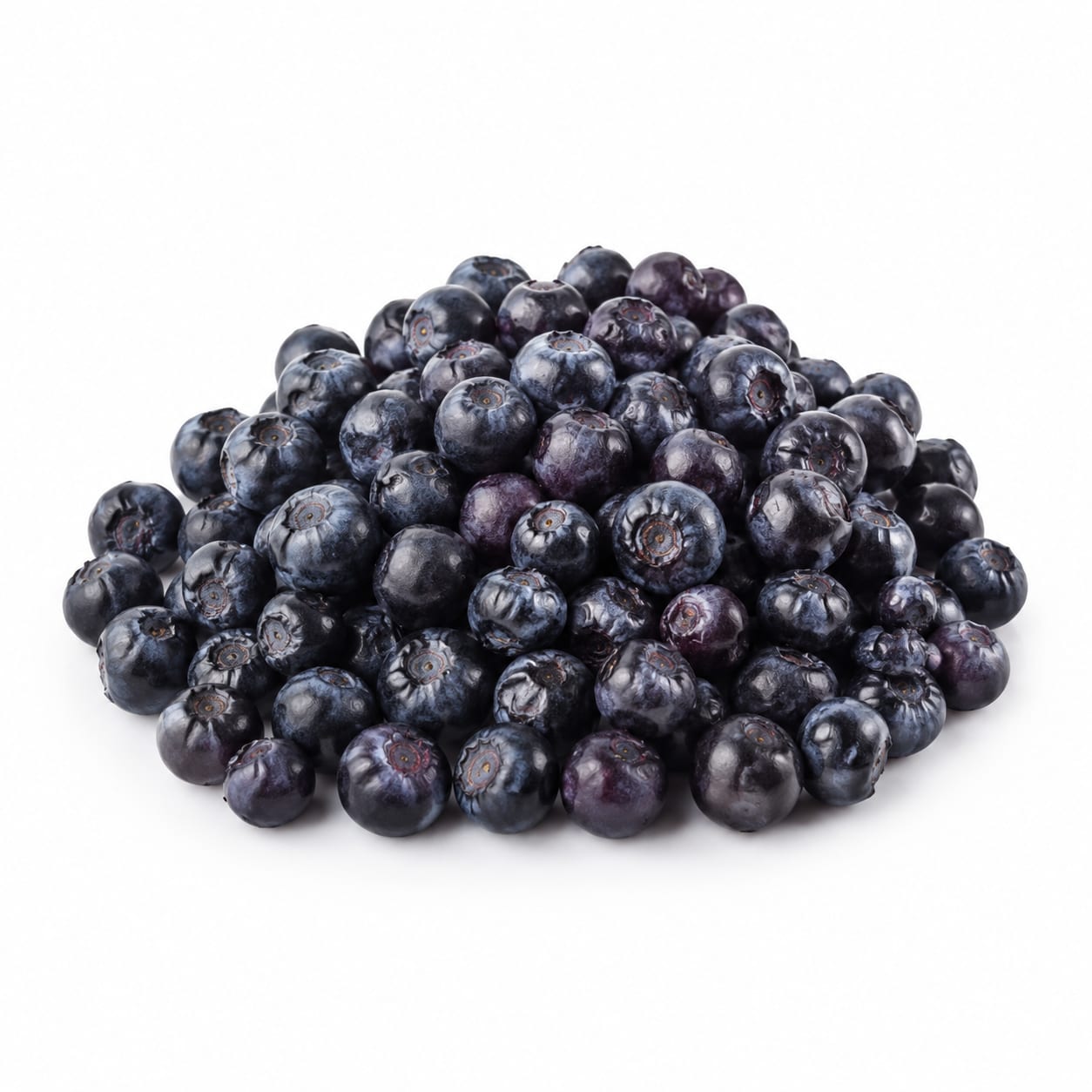
Huckleberry
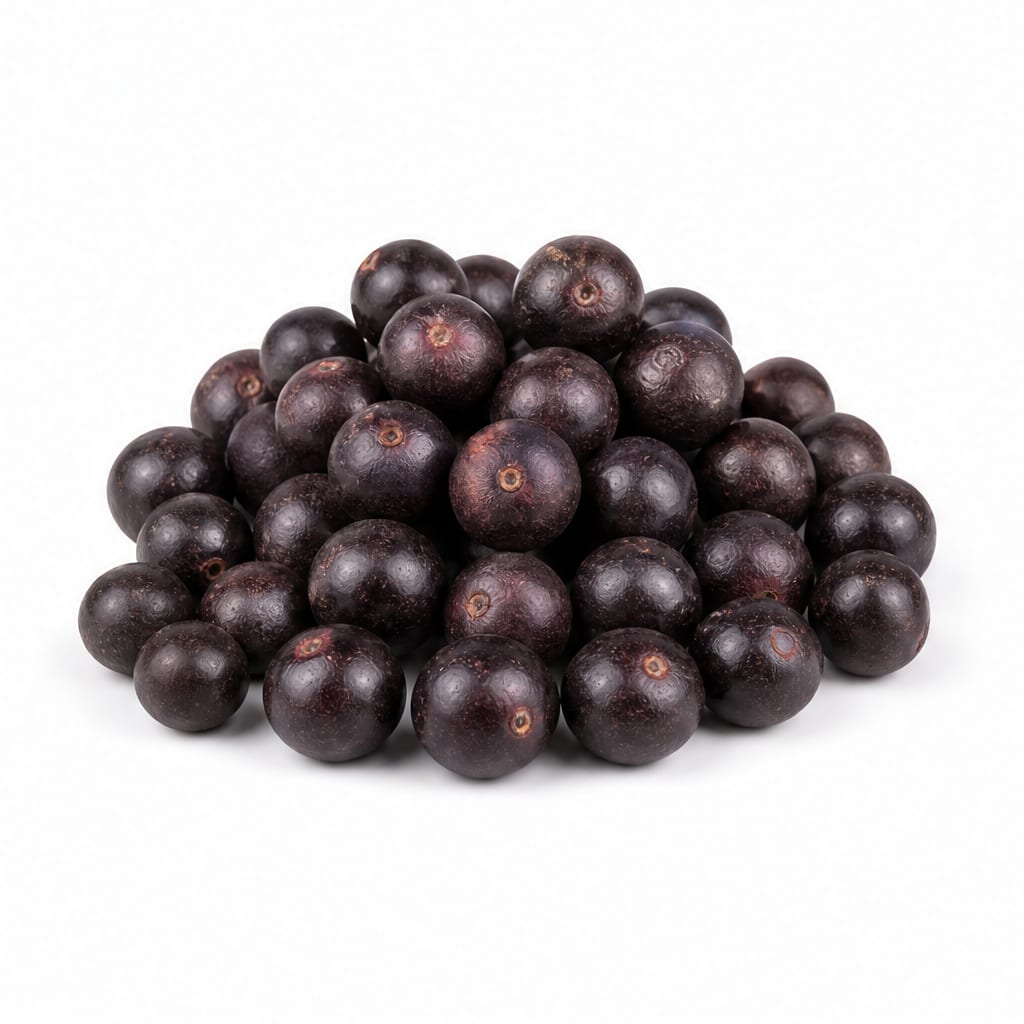
Acai Berry
Huckleberry wins for lower calories and wild-foraged purity, while acai delivers more healthy fats and higher measured antioxidant capacity. Your pick depends on what you value more: leanness or oxidative protection.
Acai edges ahead slightly due to superior antioxidant data, healthy fat content, and better commercial availability. Huckleberry remains compelling for its leanness and wild-foraged authenticity, but limited research and scarcity hold it back.
Acai offers more fats and antioxidants but at higher calories and cost; huckleberry is lighter and more tart but harder to find and less studied.
At a glance
Executive summary
Overall
It depends
Healthier
It depends
More practical
Acai Berry
Daily use
Acai Berry
Key comparison lenses
antioxidant potential
Both berries are prized primarily for their exceptional antioxidant density, making this the core reason most people choose between them
practical availability
Neither berry is easy to find fresh, but their availability formats differ significantly and affect real-world use
weight management
Both are popular in health-conscious diets, but their calorie and fat profiles diverge in ways that matter for weight goals
cost and sustainability
Acai's Amazonian sourcing and premium pricing versus huckleberry's wild-foraged nature raise different tradeoffs
culinary versatility
How people actually eat these berries day-to-day differs substantially and affects long-term adherence
Best choice for
Huckleberry
- Low-calorie flavor boosters for oatmeal or yogurt
- Wild-food enthusiasts who value minimal human intervention
- People watching fat intake closely
- Those who prefer tart, less sweet fruit flavors
Acai Berry
- Smoothie bowl builders wanting creaminess and richness
- People prioritizing maximum antioxidant intake
- Those seeking plant-based omega fats from fruit
- Anyone wanting a more filling berry-based meal component
Least suitable for
Huckleberry
- People who need easy grocery store access
- Anyone wanting a creamy, substantial base for meals
- Budget-conscious shoppers needing large quantities regularly
- Those who dislike tart flavors
Acai Berry
- Calorie-counters who want a light topping
- People avoiding higher-fat fruits
- Those skeptical of overhyped superfood marketing
- Shoppers on a tight budget
Deep comparison
Dimension by dimension
Each lens scores both foods and breaks down who each option suits.
- Dimension 1 · Priority 95Acai Berry
antioxidant_density
Huckleberry · 78Acai Berry · 92Acai consistently ranks among the highest-scoring fruits on ORAC tests, while huckleberry is strong but less extensively measured.
Tradeoff
Acai's antioxidant advantage is well-documented in lab settings, but real-world absorption and actual health outcomes remain less clear for both berries.
Why it matters
Higher antioxidant intake may help reduce oxidative stress, support skin health, and lower inflammation over time.
Real-world impact
If you're specifically eating berries for antioxidant protection, acai gives you more measured firepower per serving.
Huckleberry
- Those who value antioxidants from diverse, less commercialized sources
Better for
- Anyone wanting the highest validated ORAC score available
Worse for
Acai Berry
- People targeting maximum measured antioxidant intake
- Those concerned with oxidative stress from intense training or aging
Better for
- Skeptics who question whether ORAC scores translate to real health gains
Worse for
- Dimension 2 · Priority 85Huckleberry
calorie_and_macronutrient_profile
Huckleberry · 85Acai Berry · 65Huckleberry is significantly lower in calories and fat, making it a lighter addition to meals. Acai contains notable healthy fats that increase its calorie density.
Tradeoff
Acai's fats make it more satiating and creamy but cost more calories. Huckleberry lets you add berry flavor without the caloric commitment.
Why it matters
If you track calories or prefer light meals, this difference adds up over daily consumption.
Real-world impact
A handful of huckleberries on your oatmeal barely moves the calorie needle. An acai bowl can easily become a 400+ calorie meal.
Huckleberry
- Calorie-conscious eaters
- Those wanting a light fruit topping rather than a meal base
Better for
- Anyone wanting a berry-based meal that sustains energy for hours
Worse for
Acai Berry
- People who want a berry that actually fills them up
- Those seeking plant-based fat sources in their fruit
Better for
- Strict calorie counters who want volume without density
Worse for
- Dimension 3 · Priority 80Acai Berry
availability_and_convenience
Huckleberry · 45Acai Berry · 75Acai is widely available as frozen puree, powder, and smoothie packs in most grocery stores. Huckleberry remains regional and seasonal with limited commercial distribution.
Tradeoff
Acai's commercial popularity means easier access but more processing steps. Huckleberry's scarcity preserves its wild character but makes regular use impractical for most people.
Why it matters
The healthiest berry in the world does nothing if you cannot buy or eat it consistently.
Real-world impact
You can find acai products in most supermarkets year-round. Fresh huckleberries require living near foraging regions or paying premium prices online.
Huckleberry
- Residents of the Pacific Northwest or mountain states during late summer
- People who enjoy foraging their own food
Better for
- Most US consumers outside foraging regions
- Anyone unwilling to pay specialty prices or deal with seasonal gaps
Worse for
Acai Berry
- Anyone needing reliable year-round access
- People who want a consistent daily berry habit
Better for
- Those who prefer fresh whole fruit over frozen or powdered formats
Worse for
- Dimension 4 · Priority 70Huckleberry
cost_value
Huckleberry · 60Acai Berry · 50Both are expensive compared to common berries, but acai products often carry a superfood premium. Wild-harvested huckleberries can be pricey too, though foraged berries are free if you pick them yourself.
Tradeoff
Acai's commercial scale somewhat moderates its price, while huckleberry's limited supply keeps costs high. Neither is a budget berry.
Why it matters
Sustainable health choices need to fit your wallet, not just your ideals.
Real-world impact
Acai bowls at cafes run $10-15. Frozen acai packs cost $5-8 for two servings. Huckleberries can cost $20+ per pound fresh or $12+ frozen.
Huckleberry
- Foragers who can pick their own for free
- Those who use berries sparingly as a garnish rather than a staple
Better for
- Anyone needing affordable bulk berry consumption
Worse for
Acai Berry
- People willing to pay for convenient, ready-to-use formats
- Those who treat acai as an occasional meal replacement rather than a daily snack
Better for
- Budget-limited shoppers who need cost-effective fruit options
Worse for
- Dimension 5 · Priority 65It depends
taste_and_culinary_versatility
Huckleberry · 72Acai Berry · 72Huckleberry offers a tart, intense wild berry flavor that excels in baked goods and preserves. Acai has an earthy, rich, almost chocolatey berry taste that shines in smoothie bowls and blended drinks.
Tradeoff
Huckleberry is more versatile for cooking and baking. Acai is better for creamy, blended applications but less useful in traditional recipes.
Why it matters
You will actually eat the berry you enjoy more, which matters more than marginal nutrient differences.
Real-world impact
Huckleberries make incredible pies, muffins, and syrups. Acai makes thick, satisfying bowls but rarely appears in baked recipes.
Huckleberry
- Home bakers and dessert makers
- Fans of tart, complex berry flavors
Better for
- People wanting a creamy base for breakfast bowls
Worse for
Acai Berry
- Smoothie enthusiasts and bowl builders
- Those who enjoy rich, earthy flavors with chocolatey undertones
Better for
- Anyone wanting a berry for pies, jams, or baking
Worse for
- Dimension 6 · Priority 60Huckleberry
environmental_sustainability
Huckleberry · 80Acai Berry · 60Huckleberries are typically wild-harvested with low agricultural impact. Acai is farmed and harvested at scale in the Amazon, which raises concerns about deforestation and fair labor practices.
Tradeoff
Wild huckleberry harvesting has its own ecosystem impacts if over-picked, but commercial acai production involves longer supply chains and larger land use changes.
Why it matters
Environmentally conscious consumers may prefer the lower-impact foraging model over industrial-scale tropical agriculture.
Real-world impact
Choosing huckleberries supports local foraging economies. Choosing acai requires vetting brands for sustainable and fair-trade sourcing.
Huckleberry
- Eco-conscious consumers who prefer wild-harvested foods
- Those concerned about tropical deforestation
Better for
- Those worried about over-harvesting pressure on wild stands
Worse for
Acai Berry
- People who verify their acai is sustainably and ethically sourced
Better for
- Anyone concerned about the carbon footprint of Amazon-to-global supply chains
Worse for
Timeline
Health impact over time
Short-term
Hours to days
Huckleberry
- Quick antioxidant boost with minimal calorie load
- Tart flavor can satisfy sweet cravings without a sugar spike
- Light on the stomach, easy to add to any meal
Acai Berry
- More sustained energy from healthy fat content
- Thicker texture promotes satiety and reduces snacking urge
- Earthy richness feels like a treat, supporting dietary adherence
Long-term
Months to years
Huckleberry
- Consistent low-calorie antioxidant intake supports anti-aging goals
- Wild-harvested nature means minimal pesticide exposure over time
- Limited availability may make consistent long-term use challenging
Acai Berry
- Regular healthy fat intake from fruit supports cardiovascular health
- High antioxidant consumption may reduce chronic inflammation markers
- Risk of overconsumption if treating acai bowls as a light snack rather than a full meal
Risk profile
Safety & processing
Huckleberries are typically sold fresh or frozen with minimal intervention. Acai almost always requires processing into puree or powder due to rapid oxidation after harvest, and some commercial products add sugars or fillers.
Huckleberry
Misidentification with toxic lookalikes
mediumForagers may confuse huckleberries with deadly nightshade berries. Only experienced foragers should pick wild huckleberries, or buy from verified sources.
Environmental contaminants in wild areas
lowWild-harvested berries near old mining sites or polluted waterways may absorb heavy metals. Source from clean areas.
Acai Berry
Added sugars in commercial products
mediumMany acai smoothie packs and bowls contain significant added sugar. Always read labels and choose unsweetened versions.
Supply chain contamination
lowLong shipping routes from Brazil increase chances of temperature abuse or contamination. Reputable brands mitigate this effectively.
Who wins for whom
Audience fit
Same foods, different winners depending on your goal.
children
It dependsKids may prefer acai's sweeter, creamier taste in smoothie bowls, but huckleberry's lower sugar profile is nutritionally preferable. Monitor for acai product added sugars.
daily consumption
Acai BerryAcai's availability in convenient formats makes daily use realistic. Huckleberry's scarcity makes consistent daily consumption impractical for most people.
diabetes
HuckleberryLower sugar content and fewer calories make huckleberry gentler on blood sugar, though both berries are reasonable choices in moderation.
elderly
Acai BerryAcai's higher antioxidant and healthy fat content may better support cardiovascular and cognitive health concerns common in aging populations.
muscle gain
Acai BerryAcai's healthy fats and higher calorie density support the increased caloric needs of muscle-building phases better than huckleberry's lean profile.
weight loss
HuckleberryLower calories and fat make huckleberry easier to fit into a calorie deficit without sacrificing flavor or antioxidant benefits.
Your move
Decision guide
Choose Huckleberry
- You live in or near huckleberry country and can forage or buy locally
- You want maximum antioxidant benefit with minimal calories
- You prefer tart, intense berry flavors over rich, creamy ones
- You value wild-harvested foods with minimal processing
- You bake or cook with berries regularly
Choose Acai Berry
- You want a filling, meal-worthy berry base for smoothie bowls
- You prioritize the highest measured antioxidant content available
- You need reliable year-round access from any grocery store
- You want plant-based healthy fats from a fruit source
- You enjoy rich, earthy flavors with chocolatey depth
Either works if
- You simply want more berry diversity in your diet
- You are looking for alternatives to common berries like blueberries
- You want antioxidant support without relying on supplements
Avoid both if
- You need an affordable, everyday berry for bulk consumption
- You have berry allergies or sensitivities
- You want a high-protein food source
- You are looking for a significant vitamin C source compared to other fruits
Final recommendation
For most people, acai is the more practical choice due to availability and satiety benefits. But if you have access to fresh or frozen huckleberries, they offer a leaner, wilder alternative with less processing. Ideally, rotate both to diversify your antioxidant intake and keep your diet interesting.
Practical
Consumer tips
- 1
Always check acai product labels for added sugars — many smoothie packs and bowls are sweeter than you think
- 2
If buying huckleberries online, verify the seller sources from clean, uncontaminated foraging areas
- 3
Freeze huckleberries immediately if you get them fresh — they spoil faster than cultivated berries
- 4
Blend acai with a protein source like Greek yogurt or protein powder to make bowls more nutritionally balanced
- 5
Consider acai powder as a cost-effective way to get acai benefits without the premium price of frozen puree
- 6
If you forage huckleberries yourself, go with an experienced guide to avoid toxic lookalikes
- 7
Both berries lose some antioxidant potency over time after harvesting — use frozen products within a few months for best results