
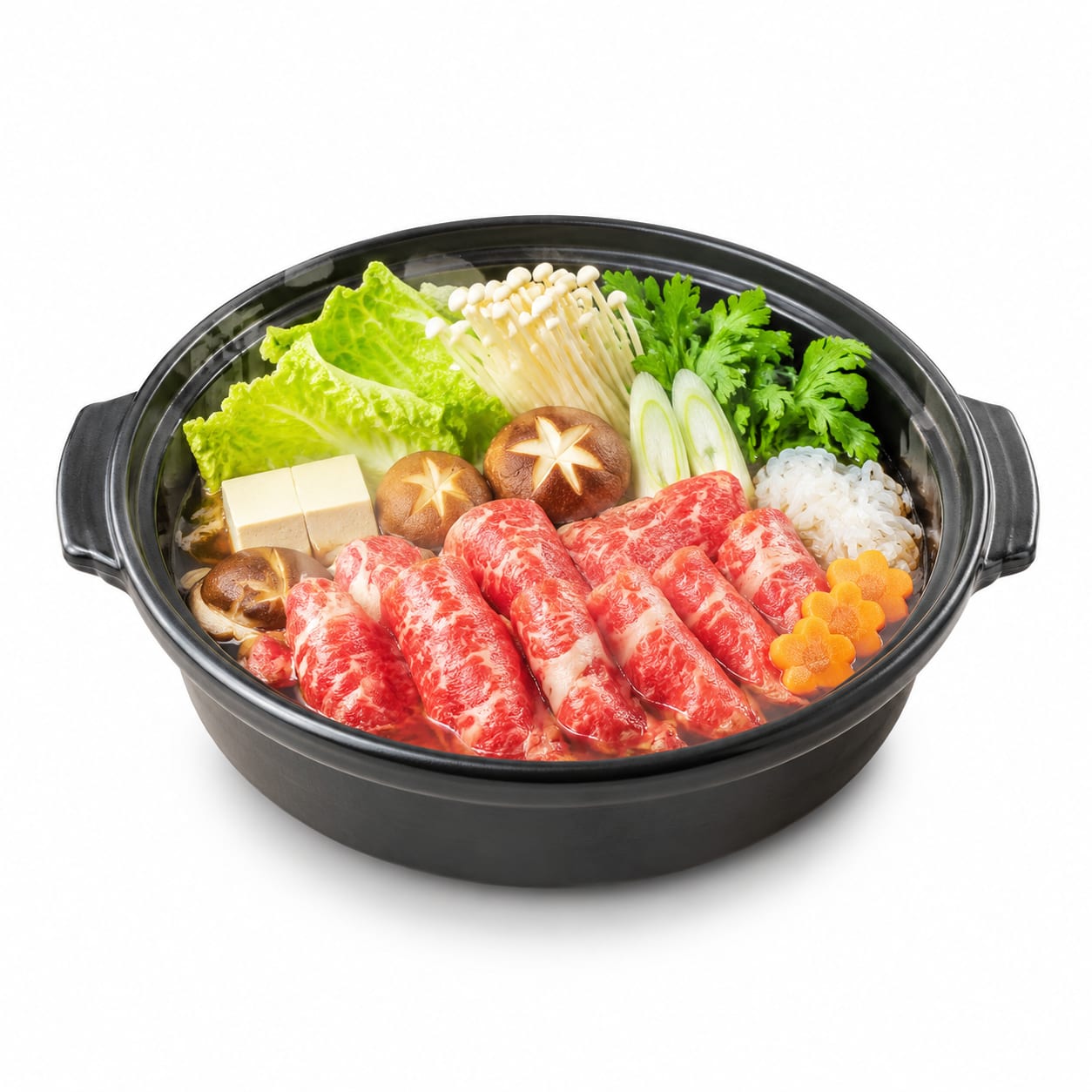
Mixed Meal / Soup-Based Dish
Hot Pot
A communal Asian dish where fresh and processed ingredients are cooked tableside in a simmering flavored broth.
A communal Asian dining experience where a simmering pot of broth is used to cook a variety of raw ingredients at the table, including meats, vegetables, tofu, and noodles.
highly variable communal mixed meal
Typical serving · 500g
Common varieties · Sichuan Mala, Cantonese Clear Broth, Beijing Mutton, Japanese Shabu-Shabu, Thai Tom Yum +1 more
Overall context score across nutrition, safety, and diet fit
At a glance
Quick facts
Simple indicators based on nutrition, processing, and diet fit.
The story
What makes it unique
Digestion speed and satiety depend heavily on ingredient selection; high protein and fiber from meats and vegetables promote satiety, while refined noodles cause rapid gastric emptying. Macronutrient profile is highly variable, ranging from high-fat and high-sodium in spicy or bone-marrow broths to high-protein and high-fiber in clear broths with lean proteins and leafy greens. Processing characteristics range from minimally processed fresh produce to ultra-processed fish balls and cured meats.
Varieties: Sichuan Mala · Cantonese Clear Broth · Beijing Mutton · Japanese Shabu-Shabu · Thai Tom Yum · Korean Budae-Jjigae
Per 100g
Nutrition breakdown
Macro balance and key metrics at a glance.
Energy
Density 0.85 kcal/g
Protein
Carbs
Fat
Fiber
Sugar
1 g
Sodium
450 mg
Potassium
150 mg
Glycemic index
45
Glycemic load
3
Water content
80%
Standout compounds
Nutrient highlights
Sodium
highElectrolyte balance
Protein
highMuscle repair and satiety
Collagen
moderateJoint and skin health from bone broths
Selenium
moderateAntioxidant protection from seafood
Wellness map
Health scores & processing
NOVA processing scale
Mixed · Whole food
Hot pot combines minimally processed fresh vegetables and raw meats with ultra-processed ingredients like fish balls, imitation crab, and heavily seasoned commercial broths.
Diet compatibility
- Weight loss
- Muscle gain
- Diabetes
- Gut health
- Low carb
- High protein
- Heart health
Relative standing
Food rankings
Qualitative ranks compared to similar whole foods.
- Satietygood
- Blood sugarmoderate
- Nutrient densitymoderate
- Fitness fuelgood
- Processing qualitymoderate
Eat with confidence
Food safety profile
Primary risks involve undercooking raw meats and seafood, and cross-contamination from using the same chopsticks for handling raw items and eating.
Evidence confidence 85%
- Pesticideslow
- Antibioticsmoderate
- Heavy metalsmoderate
- Contaminationmoderate
Watch for
- Salmonella
- E. coli
- Listeria
- Mercury
Safer choices
Using separate utensils for raw and cooked foods, ensuring broths reach a rolling boil before cooking, and avoiding high-mercury seafood.
Prep tips
Wash all vegetables thoroughly. Use separate tongs for placing raw meat into the pot and retrieving cooked food. Boil broth continuously during the meal.
Cross-contamination between raw meats and ready-to-eat dipping sauces at the table is a common public health concern.
Deep dive
Health analysis
How this food may fit different goals and preparation choices.
Weight loss
Highly dependent on ingredient choices; fatty broths and heavy sauces make weight loss difficult, while clear broths and lean proteins support it.
Blood sugar
Refined noodles and sweet dipping sauces can spike blood sugar, though protein and fiber from meats and vegetables help stabilize the overall glycemic response.
Fitness & energy
Excellent source of high-quality protein for muscle repair, but high fat content from certain cuts and broths can slow digestion post-workout.
Gut health
Spicy and fatty broths can trigger acid reflux or IBS symptoms, whereas mushroom and vegetable-heavy variations provide prebiotic fiber.
Processing quality
A mixed bag; fresh produce and raw meats are minimally processed, but processed meatballs, fish cakes, and commercial soup bases are ultra-processed.
Food safety
Risk of foodborne illness increases if raw meats are undercooked in the broth or if cross-contamination occurs with shared utensils.
Common mistakes
Drinking the broth after it has accumulated cooking fats and sodium, and overusing high-calorie dipping sauces like satay or sesame oil.
Best preparation
Use a clear, low-sodium bone or mushroom broth, load up on leafy greens and mushrooms, choose lean proteins, and limit dipping sauces to a small amount of soy sauce with garlic.
Practical guide
Best use cases
When and how this food fits real eating patterns.
Customizable high-protein meal
Allows precise control over protein intake by selecting specific cuts of lean meat and seafood.
Low-carb dining out option
Easily adapted for ketogenic diets by skipping noodles and focusing on meat, tofu, and low-carb vegetables.
Cold weather comfort food
Hot broth and warming spices provide physical and psychological comfort during winter months.
Balance sheet
Pros & cons
Upsides
- Highly customizable for specific dietary needs like low-carb or high-protein
- Encourages consumption of a wide variety of vegetables and mushrooms
- Hot liquid broth promotes satiety and slower eating
- Provides high-quality complete proteins from meats and seafood
- Cooking method retains water-soluble vitamins in the broth
Trade-offs
- Extremely high sodium content from broths and dipping sauces
- Broths and sauces can be loaded with hidden fats and oils
- High risk of overeating due to communal, leisurely dining style
- Common inclusion of ultra-processed items like fish balls and imitation meat
- Risk of foodborne illness from undercooking or cross-contamination
Fit check
Who is it for?
Great match
- customizable low-carb dining
- high-protein muscle-building diets
- cold weather comfort eating
- social and communal dining experiences
Consider alternatives
- low-sodium or hypertension diets
- strict calorie counting without careful portion control
- individuals with severe IBS or acid reflux triggered by spicy or fatty foods
- quick weeknight meals
Side by side
How it compares
Open the full head-to-head analysis for nutrition, safety, and practical tradeoffs.
This food
Hot Pot
VS85% alike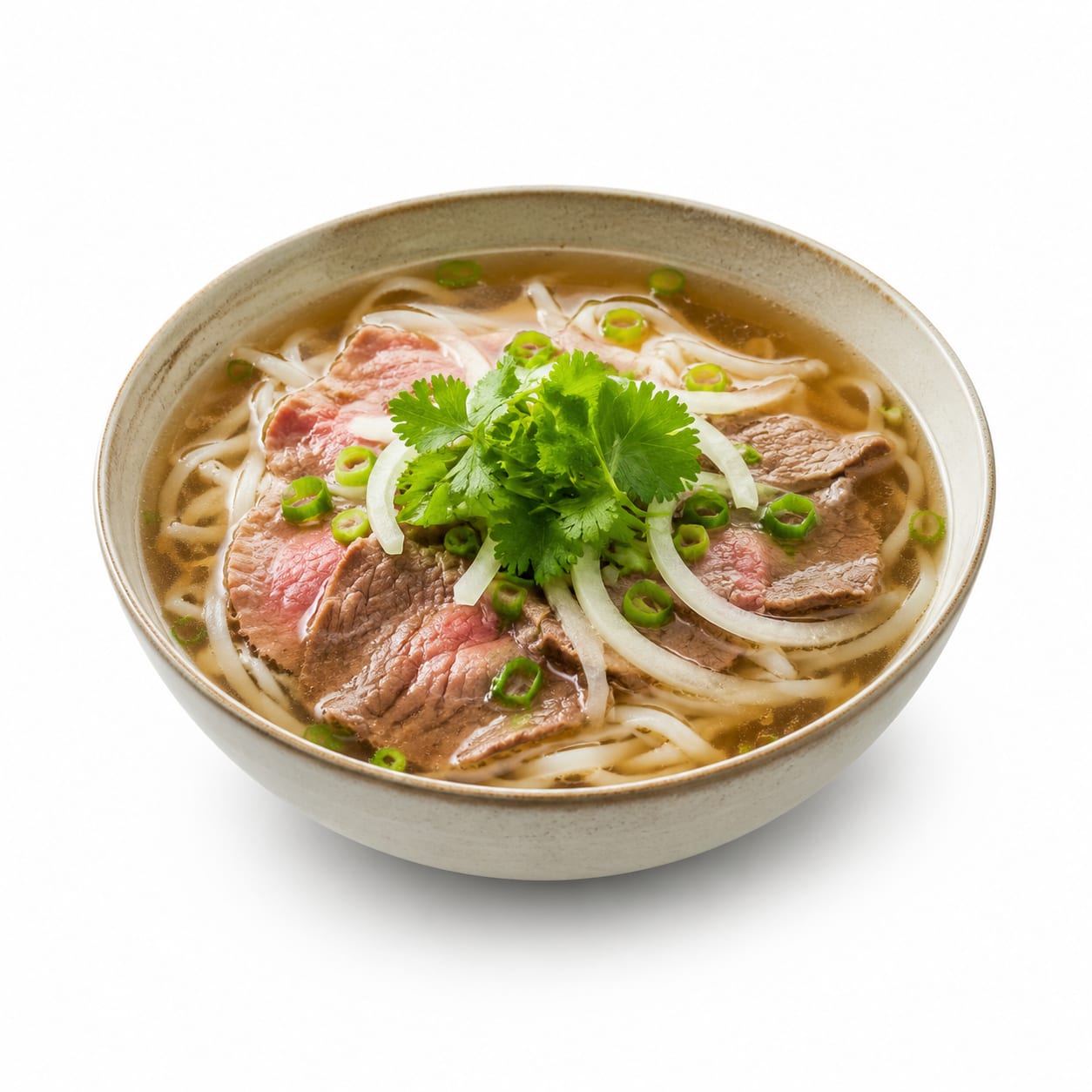
Compare with
Pho
Pho features a lighter, clearer broth and fewer high-sodium dipping sauces, making it slightly lower in fat and sodium than typical hot pot.
Pho provides a lighter broth and fewer high-sodium sauces, while hot pot offers more protein variety and satiety but packs more sodium and fat.
This food
Hot Pot
VS80% alike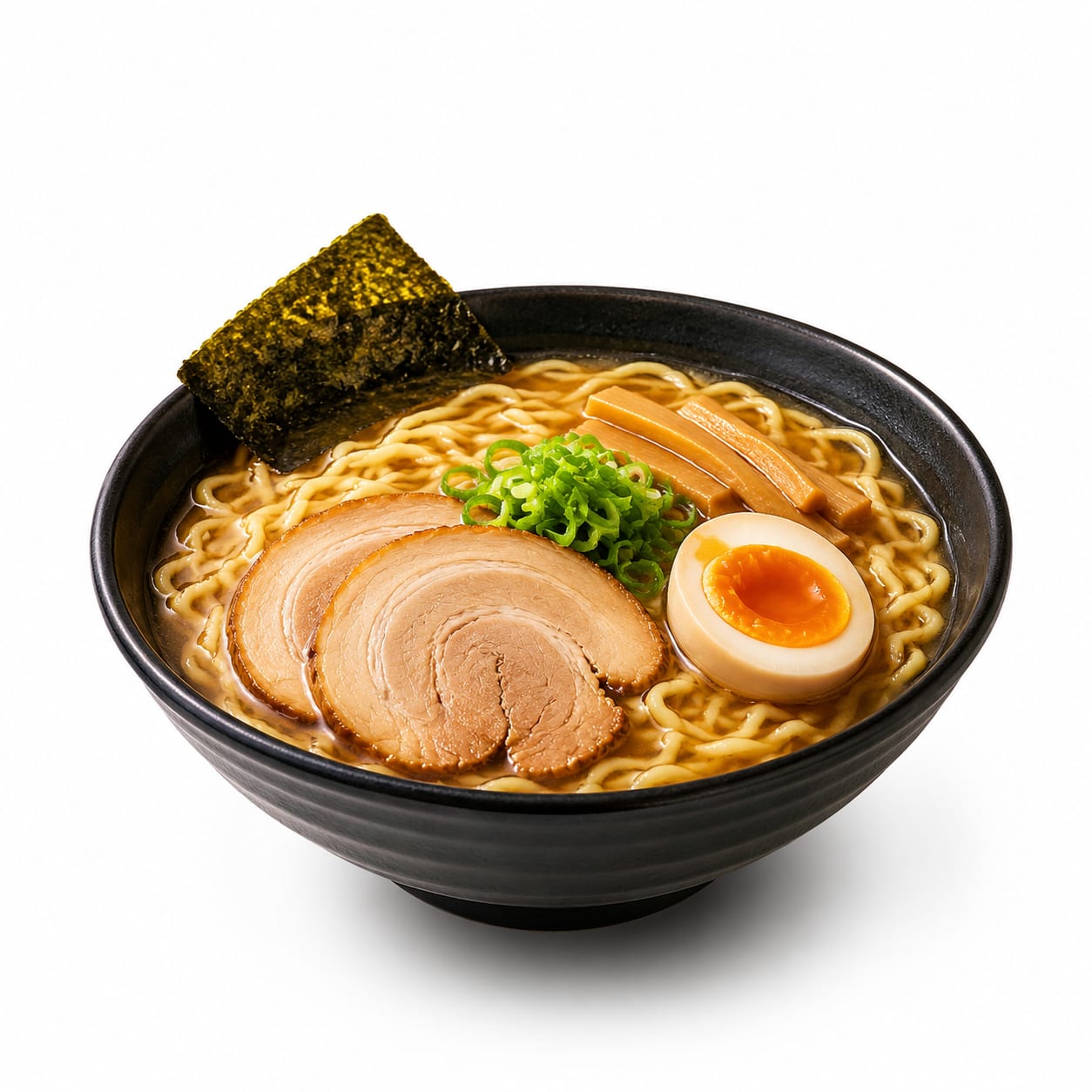
Compare with
Ramen
Ramen is heavier with a fixed, highly processed fatty broth, while hot pot allows for healthier customization but carries sodium risks from dipping sauces.
Ramen relies on a heavy, fixed fatty broth, whereas hot pot allows you to customize ingredients for a leaner, higher-protein meal.
This food
Hot Pot
VS75% alike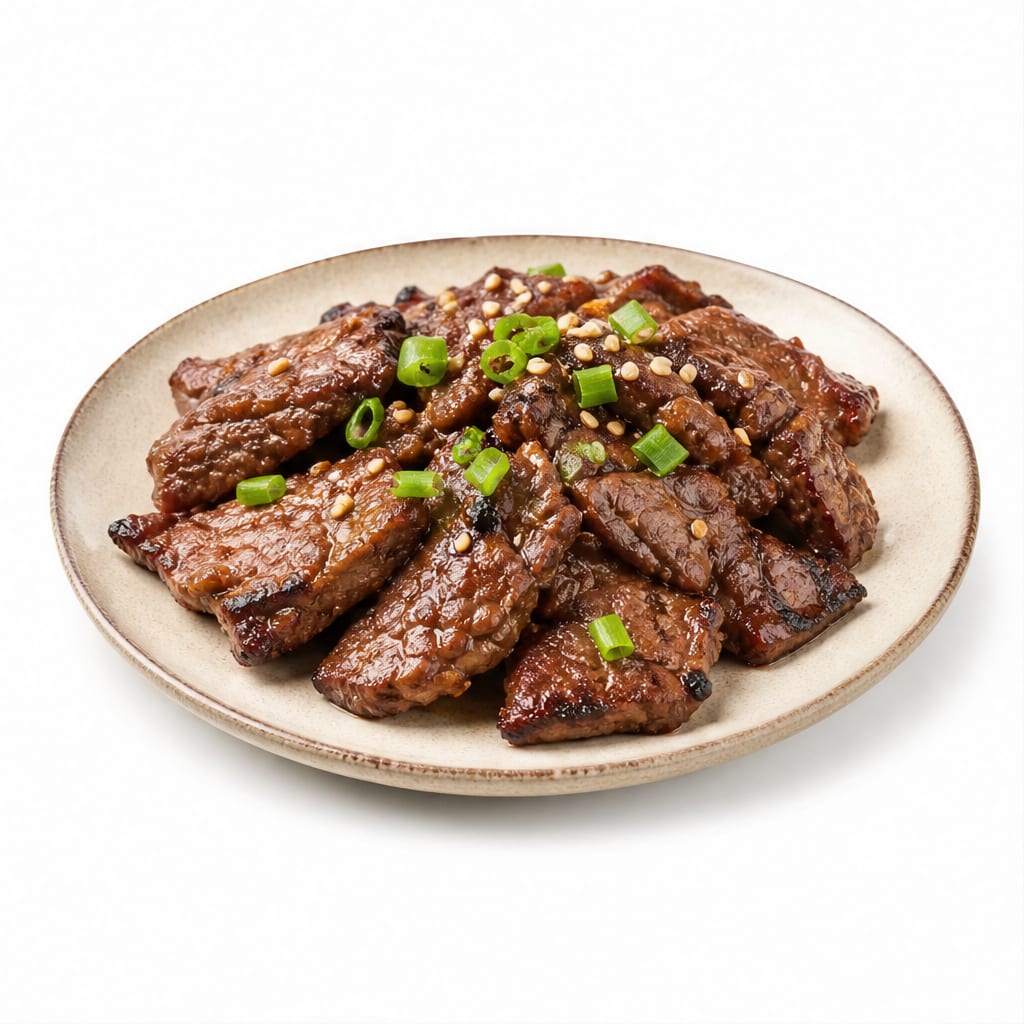
Compare with
Korean BBQ
Korean BBQ avoids the high-sodium broth of hot pot but introduces more char and fat drippings; hot pot offers more vegetable variety.
Korean BBQ skips the high-sodium broth but adds grilled fat, while hot pot provides more vegetable volume and broth-based satiety.
This food
Hot Pot
VS70% alike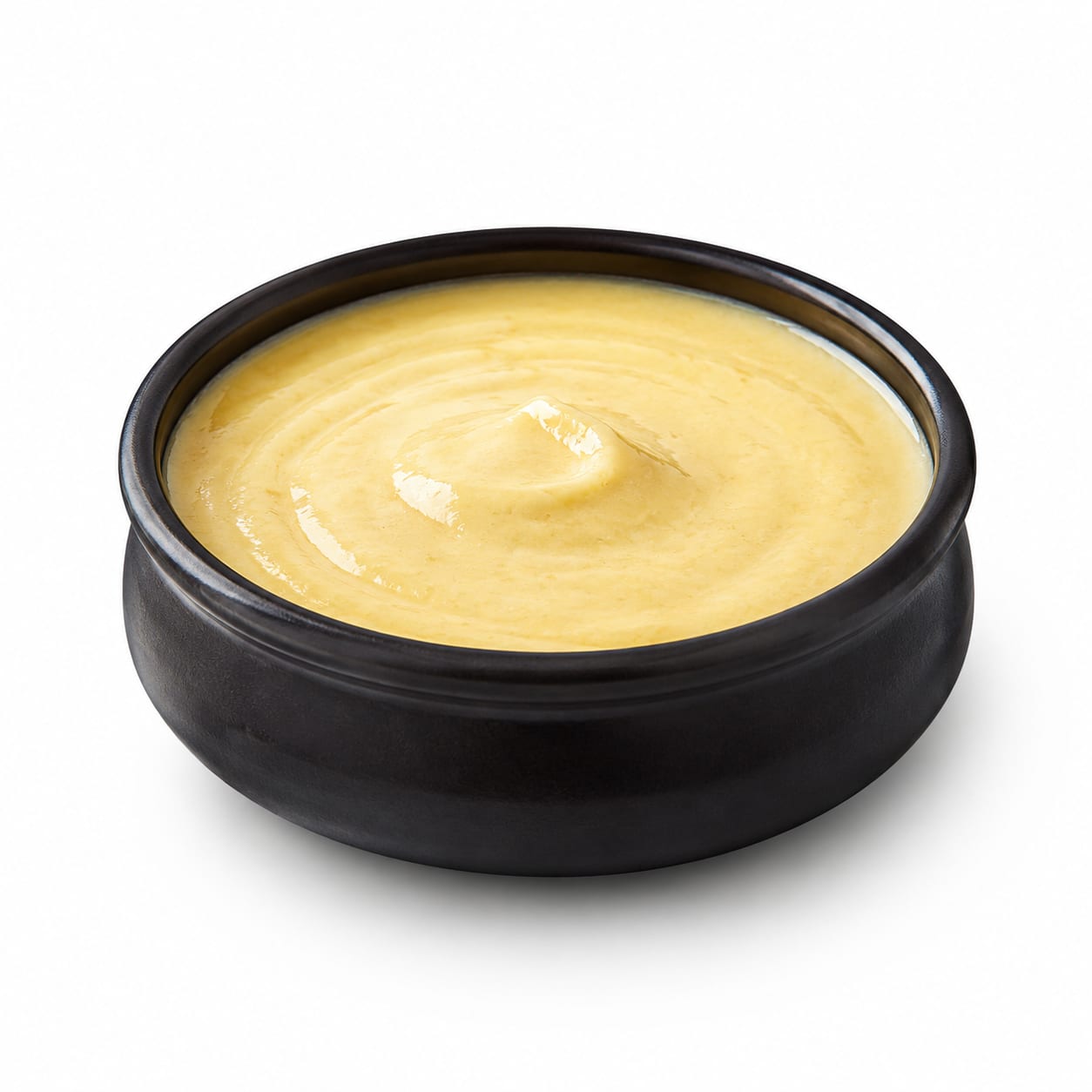
Compare with
Fondue
Cheese fondue is much higher in saturated fat and calories than hot pot, while hot pot is significantly higher in sodium.
Cheese fondue is far higher in saturated fat and calories, while hot pot is higher in sodium but offers better protein and vegetable variety.
This food
Hot Pot
VS60% alike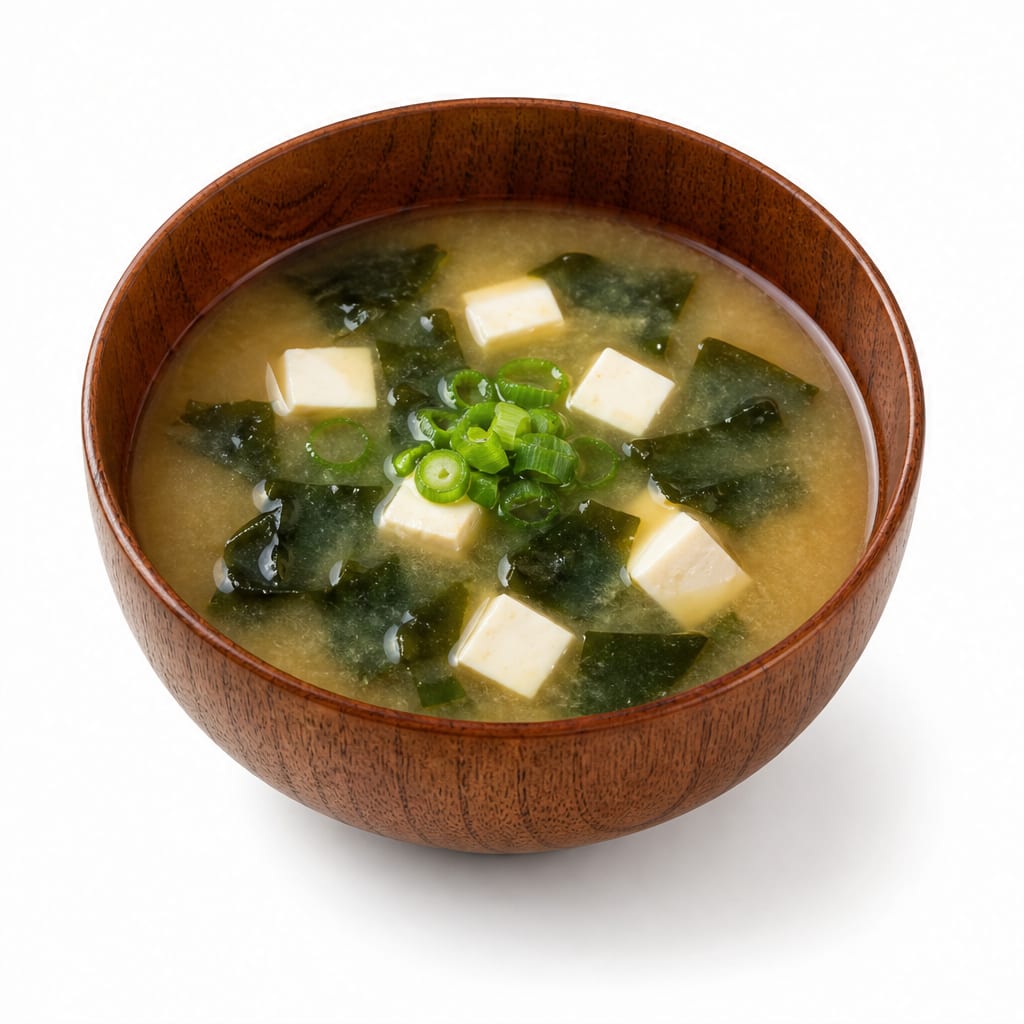
Compare with
Miso Soup
Miso soup is a low-calorie, low-energy-density starter, whereas hot pot is a high-calorie, high-sodium main course.
Miso soup is a low-calorie starter, while hot pot is a high-protein, high-sodium main meal designed for full satiety.
This food
Hot Pot
VS55% alike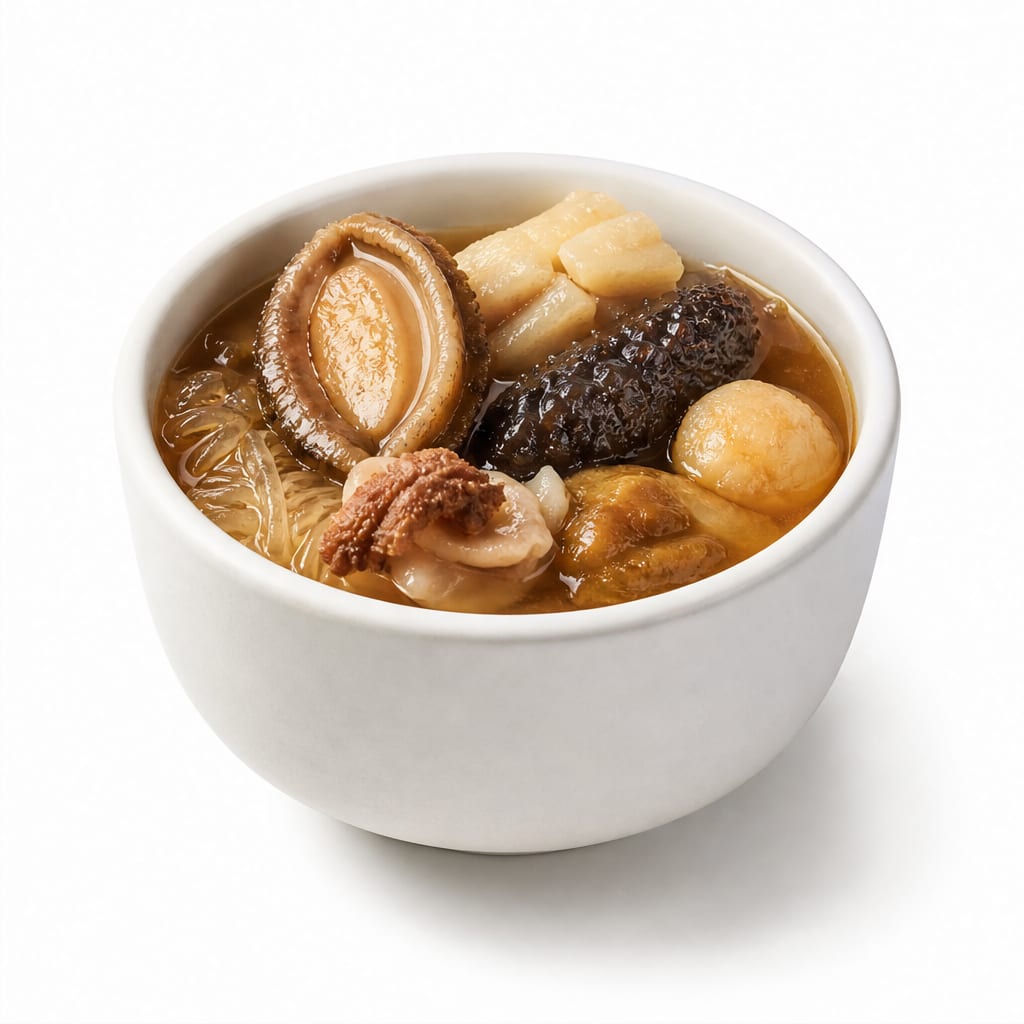
Compare with
Buddha Jumps Over the Wall
Buddha Jumps Over the Wall is a dense, luxury stew high in collagen and fat, while hot pot is a lighter, interactive cooking experience.
Buddha Jumps Over the Wall is a dense, high-fat luxury stew, while hot pot allows for leaner, customizable ingredient choices.
This food
Hot Pot
VS65% alike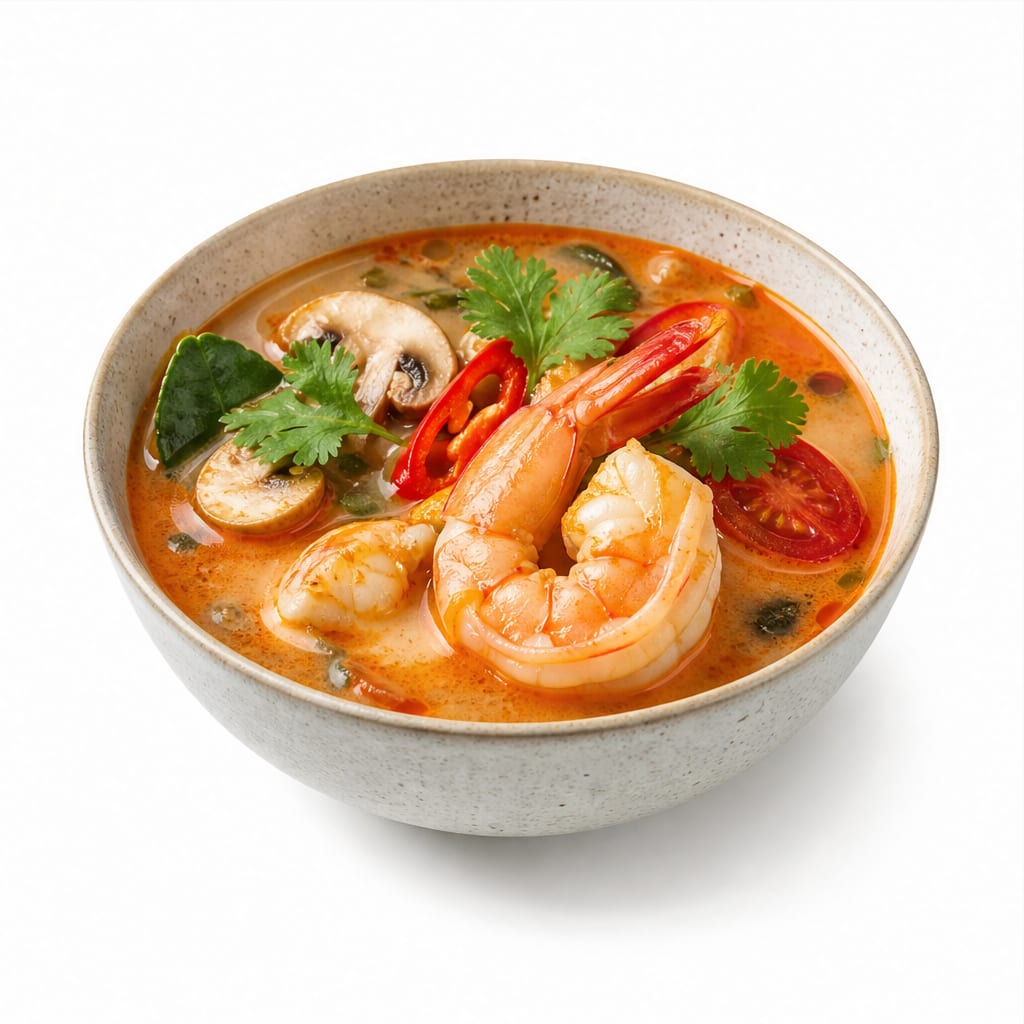
Compare with
Thai Tom Yum
Tom Yum is a lighter, intensely flavored soup, while hot pot is a heavier meal with more varied ingredients and dipping sauces.
Tom Yum is a lighter, lower-calorie soup, while hot pot provides more protein and satiety but with higher sodium and calories.
This food
Hot Pot
VS60% alike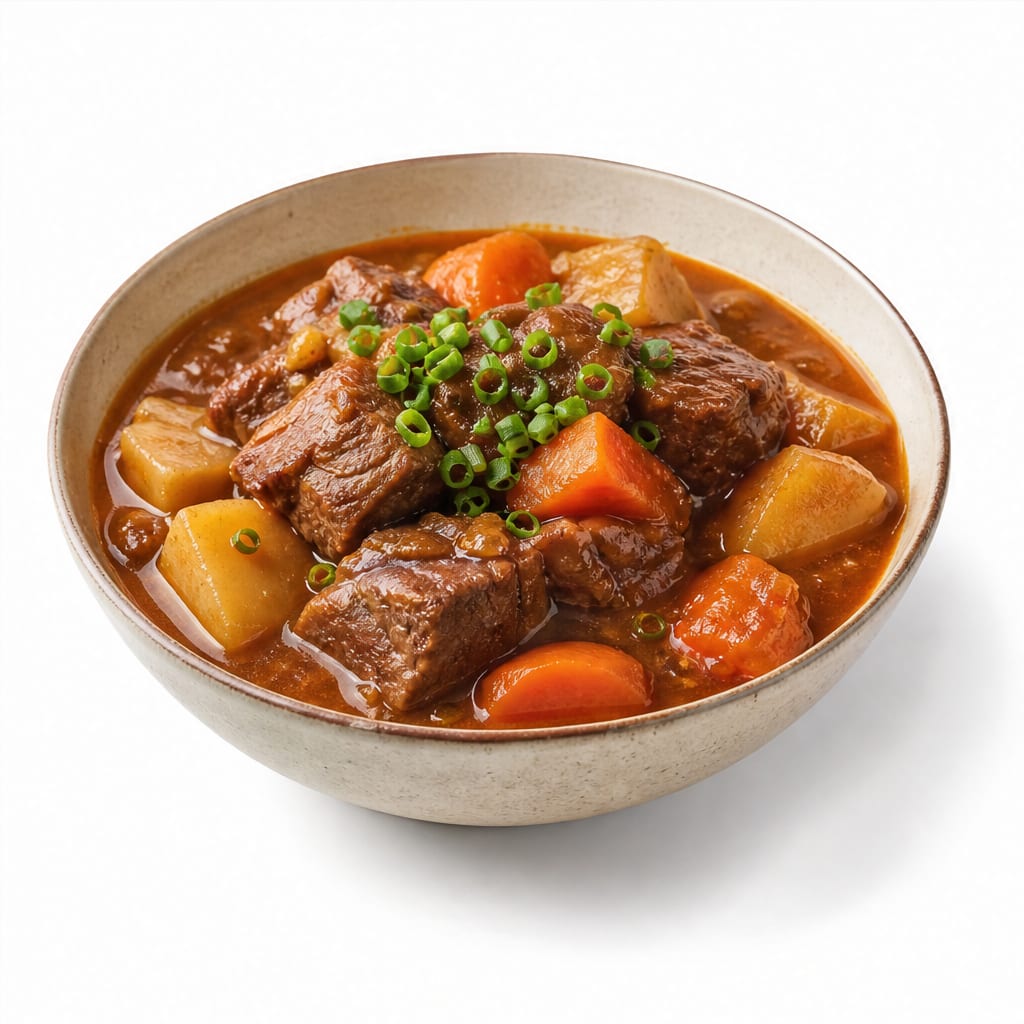
Compare with
Stew
Stews concentrate flavors and fats over long cooking, while hot pot ingredients retain more individual textures and nutrients from quick cooking.
Stews concentrate fats over long cooking times, while hot pot allows quick cooking of lean meats and fresh vegetables for better nutrient retention.
This food
Hot Pot
VS65% alike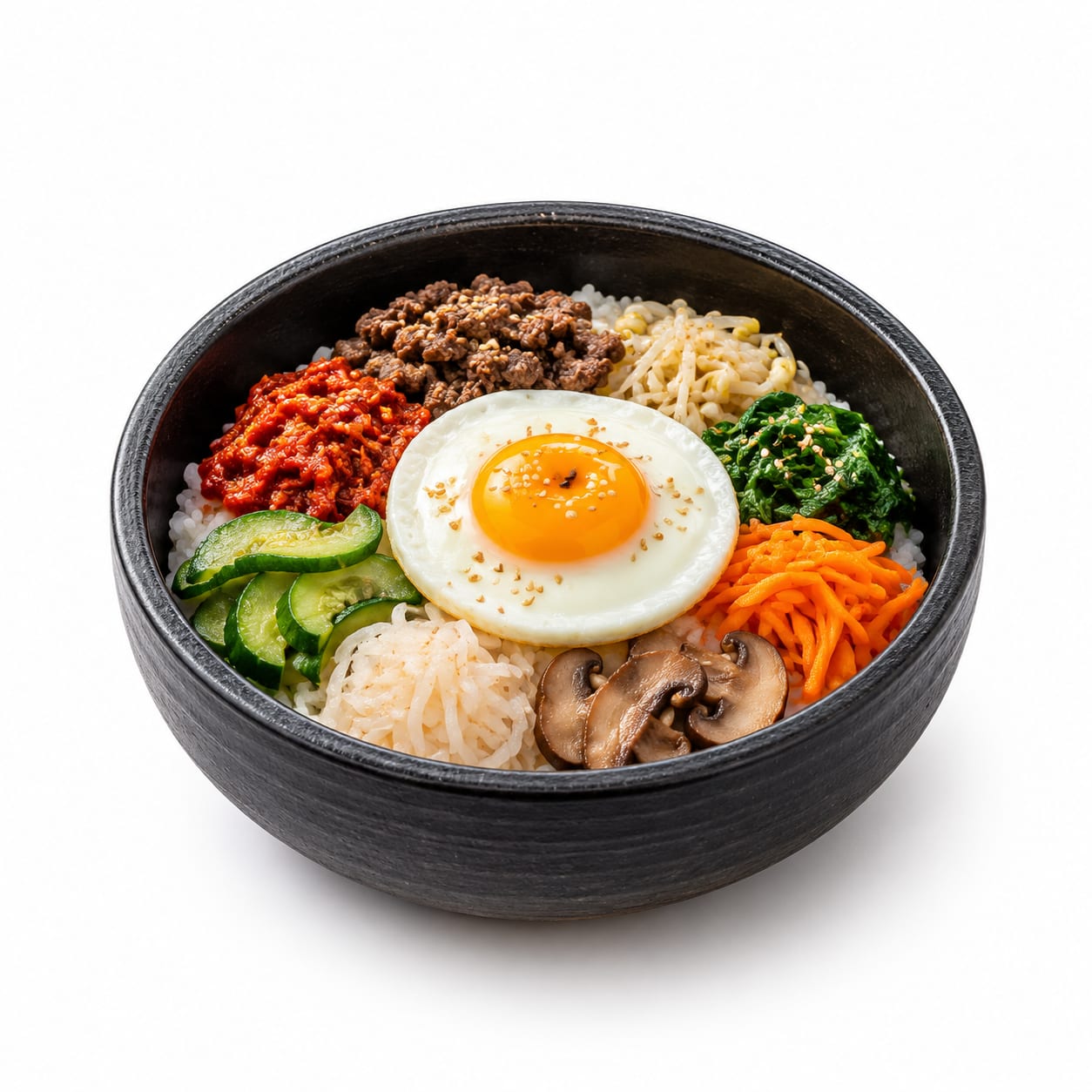
Compare with
Bibimbap
Bibimbap relies on rice as a base making it higher in carbs, while hot pot relies on broth making it higher in sodium.
Bibimbap is rice-heavy and higher in carbohydrates, while hot pot is broth-heavy and easier to adapt for low-carb diets, though higher in sodium.
This food
Hot Pot
VS55% alike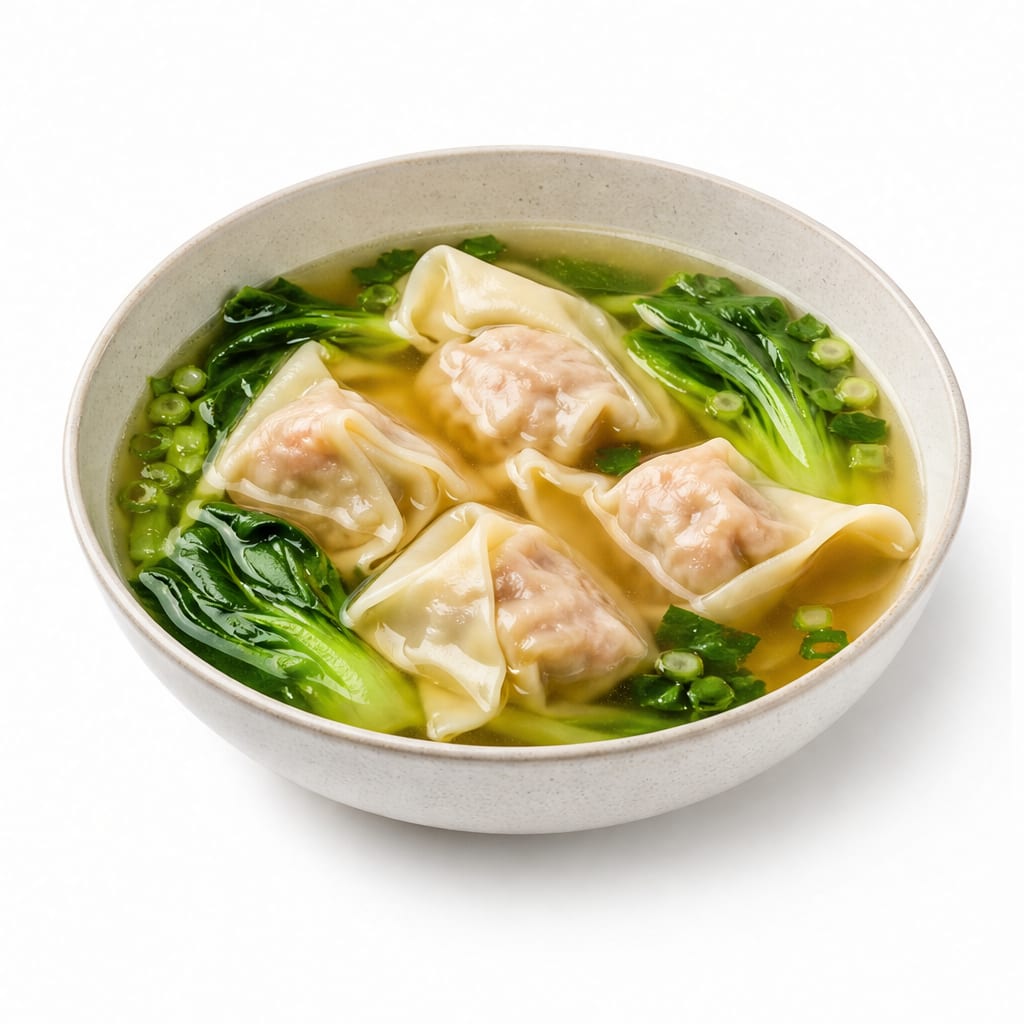
Compare with
Wonton Soup
Wonton soup is a lighter, lower-calorie option, while hot pot is a heavier, sodium-rich dining experience.
Wonton soup is a lighter, lower-calorie choice, whereas hot pot provides a heavier, protein-rich meal with higher sodium content.
Common questions
FAQ
Answers aligned with how people search for this food.
Is hot pot healthy for you?
It can be healthy if you use clear broth, lean proteins, and lots of vegetables, but traditional versions are often very high in sodium and fat from dipping sauces and spicy oils.
Can you eat hot pot on a diet?
Yes, if you avoid drinking the broth, limit dipping sauces, and skip the noodles in favor of vegetables and lean meats.
Why is hot pot so high in calories?
Calories come primarily from fatty broths, marbled meats, oil-based dipping sauces, and refined carbohydrates like noodles.
Is hot pot high in sodium?
Yes, hot pot is typically very high in sodium due to the seasoned broth, soy sauce, and processed ingredients like fish balls and cured meats.
What is the healthiest broth for hot pot?
Clear mushroom or tomato broths are the healthiest options, as they contain far less oil and sodium than spicy or bone-marrow broths.
Can diabetics eat hot pot?
Diabetics can eat hot pot by focusing on lean proteins and non-starchy vegetables while avoiding sugary sauces and refined noodles.
How do I make hot pot healthier?
Use a clear broth, load up on leafy greens and mushrooms, choose lean meats, and make a low-sodium dipping sauce with vinegar and garlic instead of heavy sesame or satay sauces.
Transparency
Data confidence
Estimated confidence for nutrition data, interpretation, safety notes, and comparisons.
Nutrition data
Health analysis
Food safety
Comparisons