
Nutrition comparison
Hot Pot vs Pho: Which Broth Bowl Is Healthier for You?
Compare Hot Pot and Pho on sodium, calories, protein, and digestion. Find out which Asian soup is better for weight loss, daily eating, and your health goals.
Overall winner · Pho
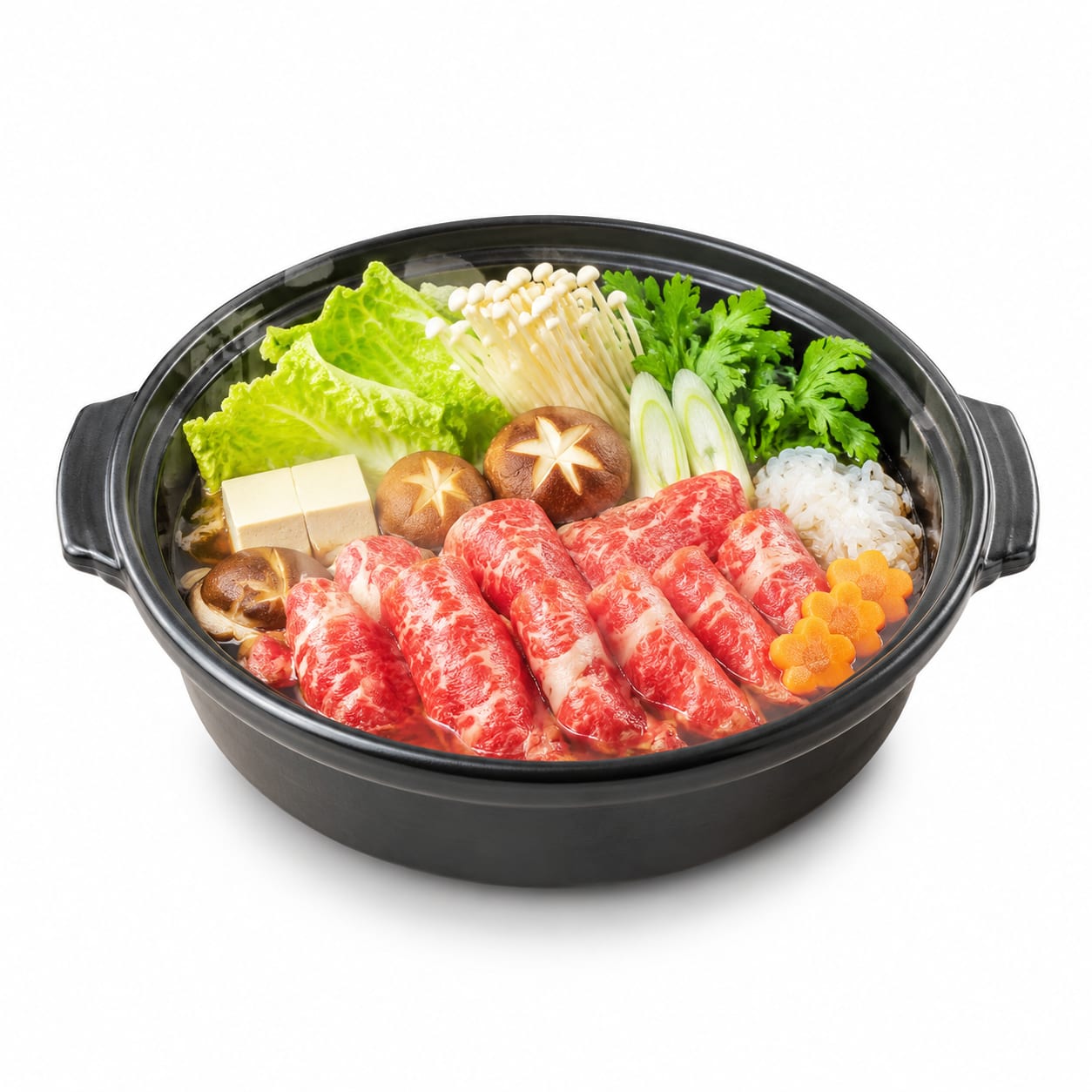
Hot Pot
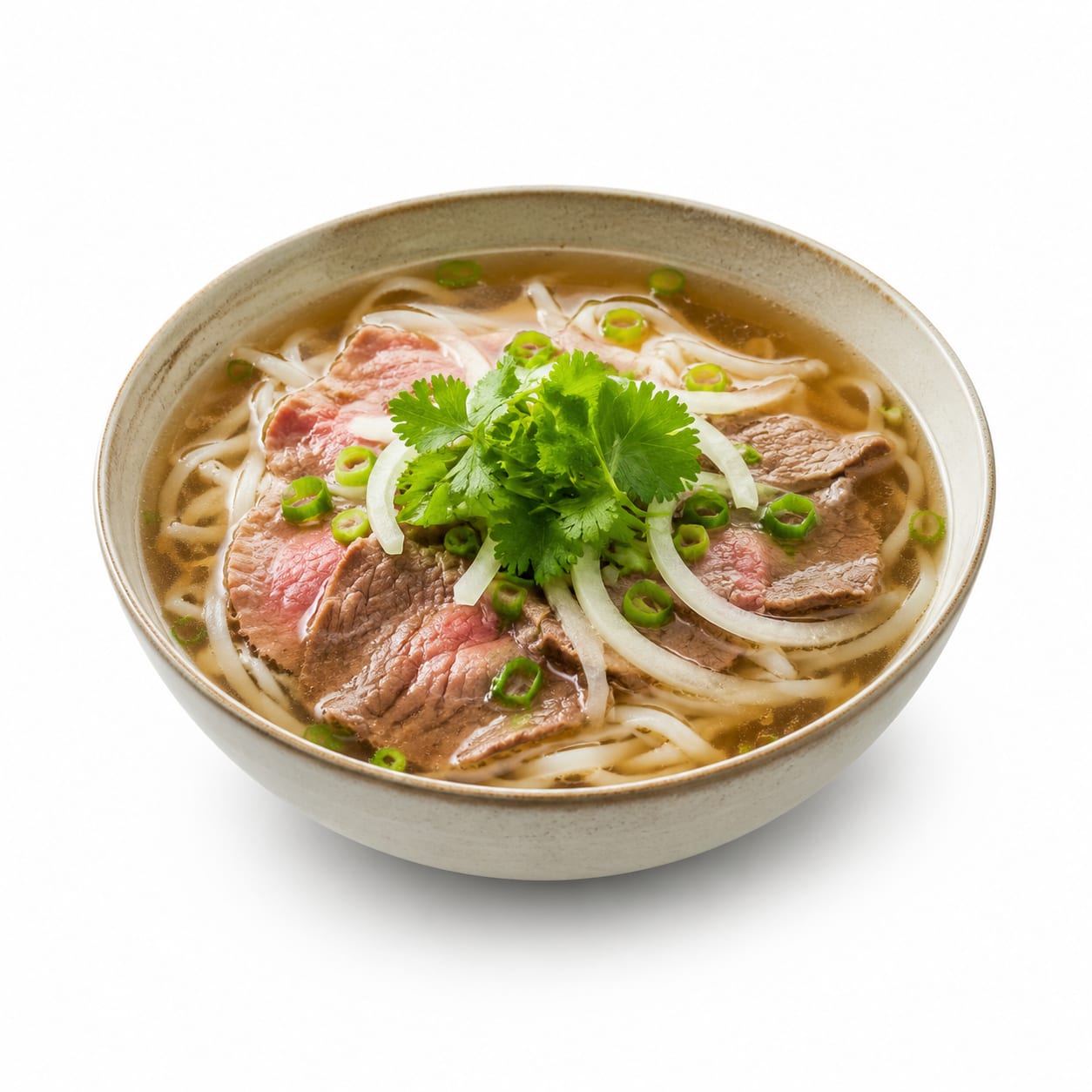
Pho
Pho wins for everyday eating with lighter broth, built-in portion control, and gentler digestion. Hot Pot is a fun social feast but a sodium and calorie minefield.
Pho scores meaningfully higher due to lighter sodium impact, natural portion boundaries, and everyday practicality. Hot Pot loses ground on overeating risk and sodium density, though it excels for protein and variety when controlled.
Hot Pot offers more variety and protein but sacrifices portion control and sodium management. Pho delivers consistent, lighter nutrition with far less risk of overeating.
At a glance
Executive summary
Overall
Pho
Healthier
Pho
More practical
Pho
Daily use
Pho
Key comparison lenses
sodium and hydration impact
Both are broth-based meals with dramatically different sodium loads that affect daily health decisions
calorie control and portion management
Hot Pot is unstructured communal eating with high overeating risk while Pho comes in defined portions
ingredient quality and processing
Hot Pot often includes processed meatballs and surimi while Pho typically uses simpler whole cuts
digestive comfort and gut impact
Spicy Hot Pot broths can irritate the stomach whereas Pho is widely considered gentle and healing
meal practicality and frequency
Hot Pot is a social event lasting hours while Pho is a quick everyday meal
Best choice for
Hot Pot
- Social gatherings and celebrations
- High-protein bulk eating phases
- Cold weather comfort with maximum variety
- Adventurous eaters wanting diverse ingredients
Pho
- Quick weeknight dinners
- Gentle meals when feeling unwell
- Weight-conscious everyday eating
- Post-workout recovery with manageable sodium
Least suitable for
Hot Pot
- Daily consumption due to sodium load
- People managing hypertension
- Solo quick meals on busy days
- Anyone tracking calories precisely
Pho
- Those wanting high-protein volume in one sitting
- People seeking variety within a single meal
- Very cold days demanding heavier comfort food
- Large group dining experiences
Deep comparison
Dimension by dimension
Each lens scores both foods and breaks down who each option suits.
- Dimension 1 · Priority 95Pho
Sodium Load and Blood Pressure Impact
Hot Pot · 28Pho · 62Hot Pot broths combined with dipping sauces can easily exceed 4000mg sodium in one sitting. Pho averages 1500-2500mg depending on bowl size and condiment use.
Tradeoff
Pho is still a high-sodium meal by absolute standards, but Hot Pot's interactive sauce mixing and prolonged cooking in salty broth makes portion control nearly impossible.
Why it matters
Regular high-sodium meals directly raise blood pressure and increase stroke risk. The difference between 2000mg and 4000mg in a single meal is clinically significant.
Real-world impact
After Hot Pot you may wake up puffy, thirsty, and bloated. After Pho, mild thirst is common but far less extreme.
Hot Pot
- Those who sweat heavily and need sodium replenishment
- People on low-sodium diets who skip the dipping sauces entirely
Better for
- Hypertension patients
- Kidney disease management
Worse for
Pho
- Anyone monitoring blood pressure
- People prone to bloating or water retention
Better for
- Strict low-sodium diets under 1500mg daily
Worse for
- Dimension 2 · Priority 90Pho
Calorie Control and Overeating Risk
Hot Pot · 32Pho · 71Pho arrives as a single bowl with visible portions. Hot Pot is an open-ended communal experience where you keep cooking and eating for hours.
Tradeoff
Hot Pot's interactivity is its joy and its danger. The social pace and endless refills make calorie tracking almost impossible without strict discipline.
Why it matters
Unstructured eating environments are the single biggest predictor of accidental overconsumption. A meal that naturally ends is easier to manage.
Real-world impact
A Pho bowl is typically 350-500 calories. A Hot Pot session can range from 600 to 2000+ calories depending on choices and duration.
Hot Pot
- Deliberate bulk eating during muscle-building phases
- People who struggle to eat enough and need stimulation
Better for
- Emotional eaters
- Anyone tracking macros precisely
Worse for
Pho
- Weight loss or maintenance goals
- People who prefer meals with natural stopping points
Better for
- Very active people needing calorie density
Worse for
- Dimension 3 · Priority 82Hot Pot
Protein Quality and Volume
Hot Pot · 78Pho · 58Hot Pot lets you cook large quantities of thinly sliced beef, lamb, seafood, and tofu in quick succession. Pho offers a modest protein portion in a fixed bowl.
Tradeoff
More protein sounds ideal, but Hot Pot protein often comes alongside fatty cuts and processed items like surimi and meatballs with fillers.
Why it matters
Protein quantity matters for satiety and muscle, but quality and what comes packaged with it determines the real health outcome.
Real-world impact
Hot Pot can deliver 60-100g protein in a session. Pho typically provides 20-35g depending on size and meat choice.
Hot Pot
- Athletes in bulking phases
- Anyone needing high protein intake in one sitting
Better for
- People avoiding processed meats and fillers
- Those who overeat protein at the expense of balance
Worse for
Pho
- Those satisfied with moderate protein per meal
- People avoiding processed meat products
Better for
- High-protein dieters needing 40g+ per meal
Worse for
- Dimension 4 · Priority 78Pho
Digestive Comfort and Gut Friendliness
Hot Pot · 38Pho · 80Pho is famously gentle on the stomach and is a traditional remedy food across Vietnam. Spicy mala Hot Pot broth can trigger acid reflux and irritate the gut lining.
Tradeoff
Mild Hot Pot broths exist, but the most popular styles are spicy and oily. Even non-spicy versions involve prolonged eating that can overtax digestion.
Why it matters
Gut comfort affects sleep quality, next-day energy, and long-term digestive health. A meal that sits well matters more than people think.
Real-world impact
Pho is the meal people crave when sick. Hot Pot is the meal people regret at 2am.
Hot Pot
- Those with strong digestion who enjoy spicy food
- People using capsaicin for metabolism stimulation
Better for
- GERD and acid reflux sufferers
- People with IBS triggered by spice or fat
Worse for
Pho
- Anyone with acid reflux or sensitive stomach
- People eating late before bed
- Recovery meals when feeling unwell
Better for
- Those wanting the metabolic boost of capsaicin
Worse for
- Dimension 5 · Priority 76Pho
Ingredient Processing and Additives
Hot Pot · 42Pho · 72Pho relies on bone broth, rice noodles, fresh herbs, and simple meat cuts. Hot Pot spreads into processed meatballs, surimi, frozen dumplings, and sauce thickeners.
Tradeoff
Hot Pot can be clean if you choose only fresh slices and vegetables, but the typical spread includes highly processed items most diners enjoy.
Why it matters
Processed meat products often contain phosphates, fillers, and sodium boosters that independent research links to long-term health risks.
Real-world impact
A typical Hot Pot spread includes 3-5 processed items. Pho rarely includes anything beyond fresh ingredients and basic seasonings.
Hot Pot
- Diners who carefully curate only fresh ingredients
- Those who skip processed meatballs and surimi entirely
Better for
- Anyone reducing ultra-processed food intake
- People sensitive to food additives and fillers
Worse for
Pho
- Clean-eating advocates
- People avoiding ultra-processed foods
Better for
- Those wanting more ingredient variety and richness
Worse for
- Dimension 6 · Priority 70Hot Pot
Vegetable Intake and Micronutrient Diversity
Hot Pot · 74Pho · 52Hot Pot encourages cooking many vegetables in the broth, from leafy greens to mushrooms to root vegetables. Pho includes some herbs and sprouts but limited volume.
Tradeoff
Hot Pot vegetables absorb broth flavor including sodium and oil. Pho herbs are fresh but the total vegetable quantity is small.
Why it matters
Vegetable volume is the strongest predictor of long-term health outcomes across dietary patterns. More matters, even with some sodium absorption.
Real-world impact
A good Hot Pot session can include 3-5 cups of vegetables. Pho typically provides less than 1 cup of greens and sprouts.
Hot Pot
- People struggling to eat enough vegetables
- Those wanting diverse mushroom and green intake
Better for
- People on strict sodium limits even with vegetables
- Those who only eat meat at Hot Pot
Worse for
Pho
- People who prefer raw vegetables and fresh herbs
- Those wanting lower-sodium vegetable preparation
Better for
- Anyone needing high vegetable volume for satiety
Worse for
Timeline
Health impact over time
Short-term
Hours to days
Hot Pot
- Significant bloating and water retention from sodium and prolonged eating
- Possible acid reflux from spicy broth and overfull stomach
- Thirst and disrupted sleep if eaten for dinner
- High satiety followed by a heavy sluggish feeling
Pho
- Mild thirst from moderate sodium
- Comfortable fullness without heaviness
- Warming and hydrating effect from clear broth
- Easy digestion suitable for eating before rest
Long-term
Months to years
Hot Pot
- Frequent Hot Pot consumption raises hypertension risk substantially
- Processed meat items increase exposure to nitrates and fillers
- Social overeating patterns can become habitual
- Spicy broth regular use may worsen chronic reflux conditions
Pho
- Manageable sodium intake that fits within daily budgets more easily
- Bone broth provides collagen and minerals with emerging gut health benefits
- Consistent portion sizes support weight maintenance
- Fresh herbs deliver anti-inflammatory compounds regularly
Risk profile
Safety & processing
Pho is fundamentally a simple preparation of bones, spices, noodles, and fresh garnishes. Hot Pot's processed meatballs, surimi, frozen dumplings, and sauce packets introduce additives most diners don't think about. A carefully curated Hot Pot with only fresh slices and vegetables can close this gap, but the typical experience includes several processed items.
Hot Pot
Cross-contamination from communal cooking
mediumRaw meats and cooked foods share the same broth and utensils, creating pathways for bacterial transfer especially with large groups
Undercooked meat consumption
mediumThin slices cook quickly but diners often underestimate time needed, particularly with chicken and pork
Prolonged broth sitting at warm temperatures
lowExtended meals mean broth can drop into the bacterial danger zone if the heat source is inadequate
Pho
Undercooked beef in rare pho
lowRare beef is added raw and cooked by hot broth, which usually reaches safe temperatures but can be insufficient if broth has cooled
Sprout contamination
lowBean sprouts are occasionally linked to salmonella and E. coli outbreaks, though this is uncommon in reputable restaurants
MSG sensitivity reactions
lowSome pho broths contain MSG which can cause headaches or flushing in sensitive individuals, though evidence for general harm is weak
Who wins for whom
Audience fit
Same foods, different winners depending on your goal.
children
PhoPho's mild broth and soft noodles are kid-friendly and easy to portion. Hot Pot involves hot surfaces, spicy broths, and raw meat handling that require supervision.
daily consumption
PhoPho can reasonably be eaten several times per week without major health concerns. Hot Pot's sodium and calorie impact makes it a weekly or biweekly meal at most.
diabetes
PhoPho has a more predictable carbohydrate load from rice noodles with a clear portion. Hot Pot's noodles, potatoes, and starchy items add up unpredictably.
elderly
PhoPho is gentle, hydrating, and easy to digest with soft textures. Hot Pot's sodium load, prolonged eating, and heavy ingredients are harder on aging digestive and cardiovascular systems.
muscle gain
Hot PotHot Pot allows continuous protein consumption across multiple meat selections, easily reaching 60-100g protein in one session. Pho tops out around 25-35g.
weight loss
PhoPho provides a defined calorie range of 350-500 per bowl with clear portion boundaries. Hot Pot sessions routinely exceed 1000 calories with no natural stopping point.
Your move
Decision guide
Choose Hot Pot
- You want a social, interactive dining experience with friends
- You need high protein volume for athletic training
- You are comfortable managing your own portions and sauce usage
- It is cold out and you want a hearty, warming feast
- You are celebrating and want variety and excitement over discipline
Choose Pho
- You want a satisfying meal that will not derail your health goals
- You are eating solo or need a quick weeknight dinner
- You have a sensitive stomach or are recovering from illness
- You want something comforting but not heavy before bed
- You are watching sodium but still want a flavorful broth experience
Either works if
- You want a warming soup-based meal on a cold day
- You enjoy Asian cuisine and want something beyond standard fare
- You are dining with someone and want a shared food experience
Avoid both if
- You are on a strict low-sodium diet under 1500mg per day
- You have celiac disease and cannot verify gluten-free soy sauce or broth ingredients
- You are fasting or need a light meal under 300 calories
Final recommendation
Make Pho your regular go-to and treat Hot Pot as an occasional social event. If you do choose Hot Pot, skip the processed meatballs, go easy on dipping sauces, load up on vegetables, and set a mental limit before you start cooking. The best Hot Pot strategy is to enjoy the experience without pretending it is an everyday meal.
Practical
Consumer tips
- 1
For Hot Pot, request low-sodium broth bases when available and use dipping sauces sparingly — the broth already has plenty of flavor
- 2
At Hot Pot, fill your cooking basket with vegetables first before reaching for noodles and starchy items to naturally balance your plate
- 3
For Pho, ask for broth on the side to control how much you consume, and add herbs and lime generously for flavor without sodium
- 4
Choose lean beef slices at Hot Pot over fatty cuts and processed items to get protein quality closer to what Pho offers naturally
- 5
If eating Hot Pot for dinner, drink extra water the next morning to flush excess sodium and reduce bloating
- 6
At Pho, skip the hoisin and sriracha if watching sugar and sodium — the broth and herbs carry enough flavor on their own
- 7
Consider splitting a Hot Pot session with a friend who shares your health goals so you both eat more mindfully