
Nutrition comparison
Hot Pot vs Stew: Which Comfort Food is Healthier?
Compare Hot Pot and Stew to discover which is better for weight loss, digestion, and daily eating. Learn about sodium, food safety risks, and nutritional tradeoffs.
Overall winner · Stew
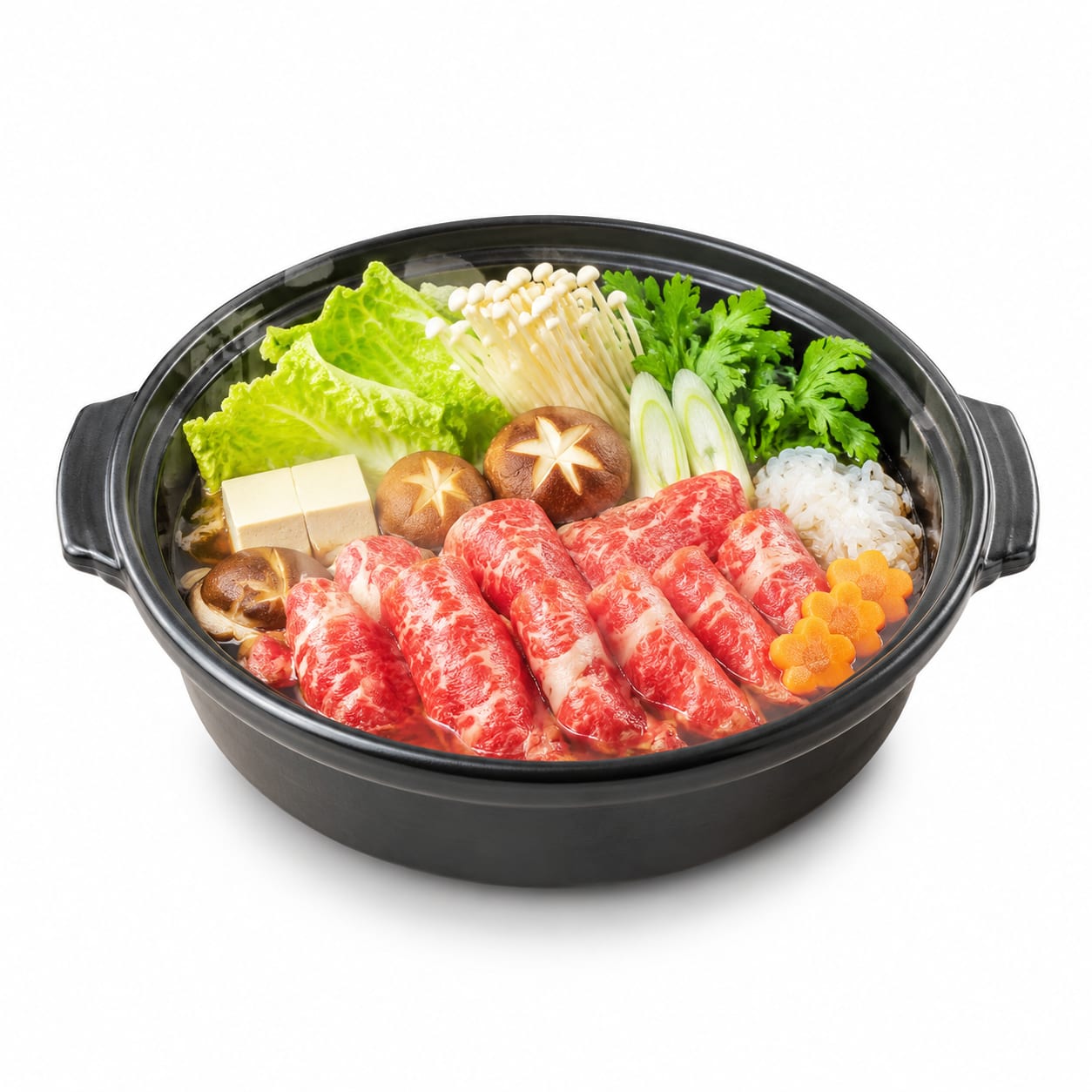
Hot Pot
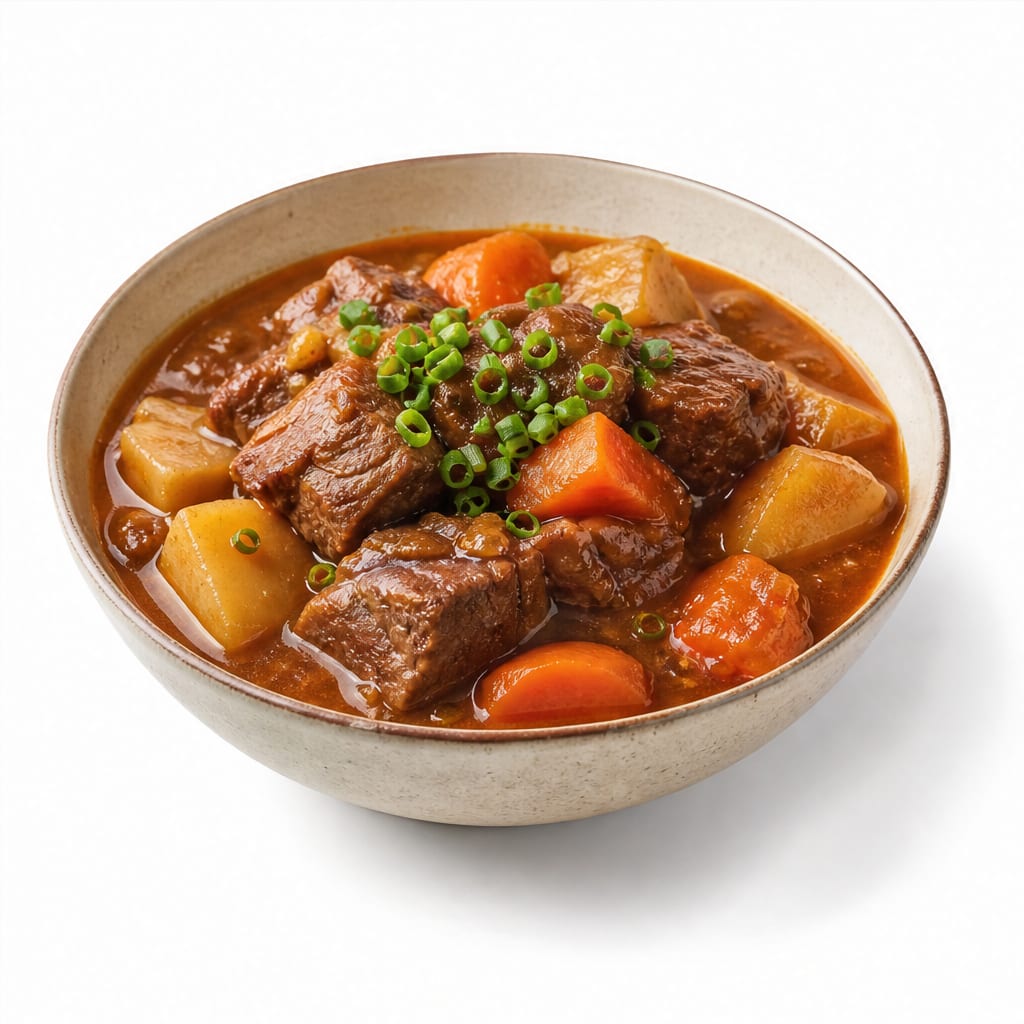
Stew
Stew offers a safer, more consistently balanced meal, while Hot Pot provides an interactive, customizable experience that can easily become a sodium and calorie bomb if you aren't careful with dipping sauces.
Stew scores higher due to lower food safety risks, better digestive comfort, and the absence of hidden calorie-dense dipping sauces, making it a more reliable everyday choice.
Total control over each bite (Hot Pot) versus a safer, pre-balanced flavor profile without the hidden sauce traps (Stew).
At a glance
Executive summary
Overall
Stew
Healthier
Stew
More practical
Stew
Daily use
Stew
Key comparison lenses
Sodium and Sauce Intake
Hot Pot relies on heavily salted dipping sauces, while Stew is flavored internally, creating a massive difference in sodium consumption.
Food Safety and Cross-Contamination
Cooking raw meats at the table in Hot Pot introduces significant cross-contamination risks not present in a thoroughly cooked Stew.
Customization and Ingredient Control
Hot Pot allows bite-by-bite ingredient selection, whereas Stew is a pre-mixed dish, affecting dietary tracking and picky eating.
Digestive Comfort and Spice Tolerance
Spicy, oily Hot Pot broths can irritate the stomach, while the gentle, slow-cooked nature of Stew is deeply soothing.
Best choice for
Hot Pot
- Social dining experiences
- Adventurous eaters wanting full ingredient control
- High-protein diets where you need to eat a lot of lean meat quickly
Stew
- Cozy weeknight dinners
- Meal prepping for the week
- People watching their blood pressure or sodium intake
Least suitable for
Hot Pot
- People with high blood pressure
- Those with sensitive stomachs or GERD
- Young children handling their own food
Stew
- Those seeking a highly interactive or celebratory meal
- People who want to precisely track every single ingredient bite-by-bite
Deep comparison
Dimension by dimension
Each lens scores both foods and breaks down who each option suits.
- Dimension 1 · Priority 92Stew
Sodium and Sauce Control
Hot Pot · 40Stew · 75Stew gets its flavor from slow-simmered ingredients, whereas Hot Pot relies heavily on high-sodium dipping sauces like sesame paste or soy sauce.
Tradeoff
You control the exact sauce amount with Hot Pot, but most people drastically underestimate how much sodium and fat they consume.
Why it matters
Excess sodium leads to bloating and raises blood pressure over time.
Real-world impact
You might wake up the next day feeling puffy and thirsty after a Hot Pot session, while Stew leaves you comfortably full.
Hot Pot
- Those who strictly measure their dipping sauces
- People who prefer broth without dipping
Better for
- Salt-sensitive individuals
- People prone to bloating
Worse for
Stew
- Anyone watching their blood pressure
- People who want flavor without the effort of portioning sauces
Better for
- Those who find plain stewed food bland
Worse for
- Dimension 2 · Priority 88Stew
Food Safety and Cross-Contamination
Hot Pot · 45Stew · 90Stew is thoroughly cooked in one pot, while Hot Pot involves handling raw meats at the table with the same utensils used for eating.
Tradeoff
The interactive cooking of Hot Pot is fun but significantly increases the risk of undercooking and cross-contamination.
Why it matters
Foodborne illness can ruin your week, and shared cooking pots make it easy to transfer bacteria from raw meat to ready-to-eat food.
Real-world impact
Using the same chopsticks to handle raw pork and then eat cooked tofu is a common Hot Pot mistake that can lead to stomach issues.
Hot Pot
- Experienced diners who use separate tongs for raw and cooked foods
Better for
- Careless eaters
- Those with weak immune systems
Worse for
Stew
- Anyone with a compromised immune system
- Families with young children
- Pregnant women
Better for
- No real downside here
Worse for
- Dimension 3 · Priority 85Hot Pot
Customization and Ingredient Control
Hot Pot · 95Stew · 60Hot Pot lets you cook exactly what you want, when you want it, while Stew is a pre-determined mix of ingredients.
Tradeoff
Hot Pot offers ultimate flexibility for dietary preferences, but Stew forces you to eat whatever is already in the pot.
Why it matters
If you dislike certain vegetables or are avoiding carbs, Hot Pot makes it easy to skip them entirely.
Real-world impact
You can load up on shrimp and leafy greens at a Hot Pot bar, whereas in a Stew, you might have to pick around the potatoes.
Hot Pot
- Picky eaters
- Keto or low-carb dieters
- Those who want mostly protein
Better for
- Indecisive eaters who end up over-ordering
Worse for
Stew
- People who enjoy a balanced mix of flavors in every bite
- Those who don't want to work for their meal
Better for
- Strict macron trackers
- People with multiple food allergies
Worse for
- Dimension 4 · Priority 80Stew
Digestive Comfort and Spice Tolerance
Hot Pot · 50Stew · 80Stews are typically gentle, slow-cooked, and easy on the stomach, while Hot Pot broths can be aggressively spicy and irritating.
Tradeoff
The bold, numbing spices of Hot Pot are thrilling but can trigger acid reflux, whereas Stew is deeply soothing.
Why it matters
Spicy, oily broths can inflame the stomach lining and cause indigestion, especially late at night.
Real-world impact
A spicy Hot Pot dinner often leads to heartburn or an upset stomach the next morning, while a bowl of beef stew feels like a warm hug for your digestive tract.
Hot Pot
- Those with iron stomachs
- Spice enthusiasts
Better for
- Those prone to heartburn
- People eating late at night
Worse for
Stew
- People with GERD or acid reflux
- Anyone needing a comforting, gentle meal
Better for
- Those who find mild food boring
Worse for
Timeline
Health impact over time
Short-term
Hours to days
Hot Pot
- Immediate bloating from sodium and heavy sauces
- Potential indigestion or heartburn from spicy broths
- Risk of mild food poisoning from cross-contamination
Stew
- Steady, comfortable fullness
- Warming and soothing effect on the digestive system
- Stable energy without the salt-induced thirst
Long-term
Months to years
Hot Pot
- Increased risk of hypertension if consumed frequently with heavy sauces
- Potential gout flares from rich meat broths and seafood
- Better nutrient retention since vegetables are briefly cooked
Stew
- Easier weight management due to predictable calorie counts
- Good joint and gut health from slow-cooked bone broths
- Potential overconsumption of saturated fat if made with fatty cuts of meat
Risk profile
Safety & processing
Restaurant Hot Pot bases and dipping sauces often contain MSG, preservatives, and artificial flavors, while a homemade Stew is typically just meat, vegetables, water, and basic herbs.
Hot Pot
Cross-contamination
highUsing the same utensils for raw meat and cooked food is incredibly common and spreads bacteria like Salmonella.
Undercooked ingredients
mediumThick slices of meat or dense meatballs may not cook through in a bubbling broth if not left in long enough.
Stew
Botulism from improper canning
lowIf using canned vegetables in stew, improper canning is a rare but possible risk, though commercial cans are generally safe.
Who wins for whom
Audience fit
Same foods, different winners depending on your goal.
children
StewStew is safer, easier to chew, and eliminates the danger of children handling raw meat or hot broth at the table.
daily consumption
StewStew is far more practical for weekly meal prep and gentler on the cardiovascular system for everyday eating.
diabetes
StewStew has a more predictable glycemic impact, whereas Hot Pot sauces often contain hidden sugars and starchy thickeners.
elderly
StewThe gentle, slow-cooked texture of stew is ideal for sensitive stomachs and dental issues, without the sodium shock of Hot Pot.
muscle gain
Hot PotHot Pot allows you to continuously eat high-protein foods like thin-sliced beef and shrimp without filling up on heavy carbs.
weight loss
StewStew is easier to portion control and lacks the hidden liquid calories from Hot Pot dipping sauces.
Your move
Decision guide
Choose Hot Pot
- You want a fun, interactive social dining experience
- You are strictly tracking macros and need exact control over your protein and carb ratios
- You have an iron stomach and love bold, spicy flavors
Choose Stew
- You want a comforting, low-effort meal that won't upset your stomach
- You are meal-prepping for the week and need something that reheats well
- You are watching your sodium intake or blood pressure
Either works if
- You crave a warm, comforting meal on a cold day
- You want a dish that efficiently uses up leftover vegetables and proteins
Avoid both if
- You are on a strict low-sodium diet and cannot control the broth or seasoning
- You have severe histamine intolerance, as slow-cooked meats and long-simmered broths can be triggers
Final recommendation
Choose Stew for a reliable, comforting, and safer everyday meal. Save Hot Pot for social occasions, but be mindful of your dipping sauces and use separate utensils for raw meats to keep it safe.
Practical
Consumer tips
- 1
When eating Hot Pot, designate one pair of tongs strictly for raw meat to avoid cross-contamination.
- 2
Dilute your Hot Pot dipping sauces with broth or vinegar to cut the sodium and calorie density.
- 3
Skim the fat off the top of your Stew before eating to significantly reduce the calorie count without losing flavor.
- 4
Add leafy greens to your Stew at the very end to preserve their vitamins and texture.