
Nutrition comparison
Hot Pot vs Buddha Jumps Over the Wall: Which Chinese Luxury Dish Is Healthier?
Compare Hot Pot and Buddha Jumps Over the Wall on sodium, nutrition, safety, ethics, and cost. Learn which dish fits your health goals and when to choose each.
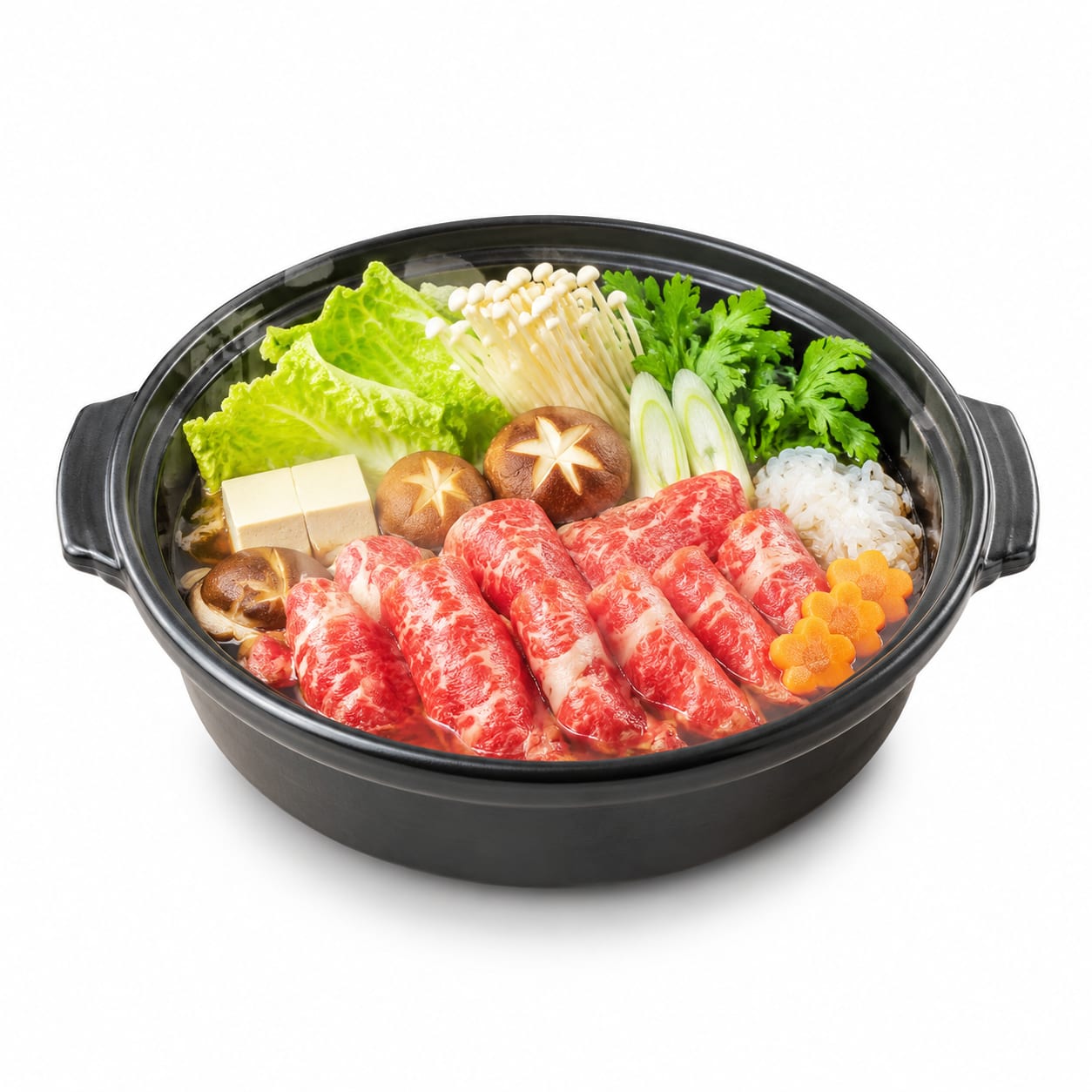
Hot Pot
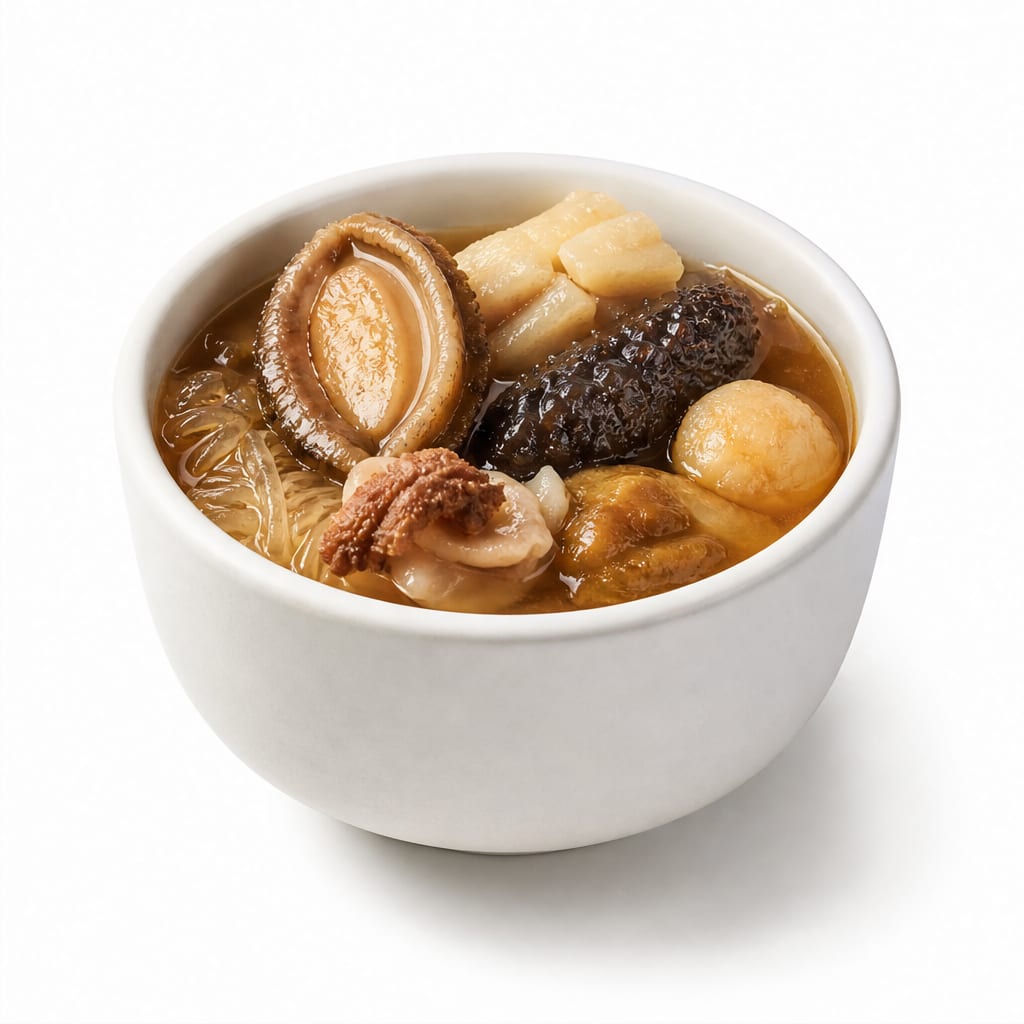
Buddha Jumps Over the Wall
Hot Pot offers control and flexibility; Buddha Jumps Over the Wall delivers concentrated luxury nutrition at a steep cost—both are occasional indulgences, not daily meals.
Hot Pot scores higher due to ingredient flexibility, lower cost, and the ability to make healthier choices. Buddha Jumps Over the Wall scores lower because of extreme sodium, ethical concerns with shark fin, heavy metal exposure from seafood, and very limited accessibility—despite its impressive nutrient density.
Customizability and affordability versus concentrated premium nutrition and tradition—but both carry heavy sodium loads and unique risks.
At a glance
Executive summary
Overall
It depends
Healthier
Hot Pot
More practical
Hot Pot
Daily use
Hot Pot
Key comparison lenses
sodium and hydration impact
Both dishes are broth-based with extremely high sodium levels that significantly affect blood pressure and fluid balance
ingredient control and customization
Hot Pot lets you choose what goes in; Buddha Jumps Over the Wall is a fixed luxury recipe with no flexibility
ethical and sustainability concerns
Buddha Jumps Over the Wall traditionally contains shark fin, raising major conservation and ethical issues
contamination and food safety
Hot Pot carries raw-handling risks at the table; Buddha Jumps Over the Wall involves seafood heavy metals
cost and accessibility
Buddha Jumps Over the Wall is one of the most expensive Chinese dishes; Hot Pot ranges from budget to premium
calorie density and weight management
Buddha Jumps Over the Wall is extremely calorie-dense from concentrated rich ingredients; Hot Pot varies widely
Best choice for
Hot Pot
- People who want to control what goes into their meal
- Social dining with dietary restrictions in the group
- Budget-conscious diners wanting a communal experience
- Those who prefer lighter broth and vegetable-heavy meals
Buddha Jumps Over the Wall
- Special occasion splurges and celebrations
- Those seeking traditional collagen-rich nourishment
- Diners wanting a concentrated prestige dining experience
- People recovering from illness who need rich, easy-to-digest nutrition
Least suitable for
Hot Pot
- People who overeat in social settings
- Those who struggle with high-sodium broths
- Diners with raw-food safety concerns
- Anyone eating alone who wants a quick meal
Buddha Jumps Over the Wall
- Anyone watching their sodium intake strictly
- Budget-conscious diners
- Those concerned about shark fin sustainability
- People with gout or uric acid issues
Deep comparison
Dimension by dimension
Each lens scores both foods and breaks down who each option suits.
- Dimension 1 · Priority 95It depends
sodium_load
Hot Pot · 25Buddha Jumps Over the Wall · 15Both are sodium bombs. Hot Pot broth plus dipping sauces can easily exceed 3000mg sodium per meal. Buddha Jumps Over the Wall's long braising concentrates salt further.
Tradeoff
Hot Pot at least lets you choose a lighter broth and use less sauce; Buddha Jumps Over the Wall offers zero sodium control.
Why it matters
A single meal of either can hit or exceed your daily sodium limit, making both risky for blood pressure.
Real-world impact
You may wake up puffy, thirsty, and bloated the next day after either dish.
Hot Pot
- Diners who can opt for clear or half-and-half broth
- People willing to skip heavy dipping sauces
Better for
- Those who go all-in on spicy broth and sesame-peanut sauce
Worse for
Buddha Jumps Over the Wall
- No one—sodium is locked in with no adjustments possible
Better for
- Hypertensive individuals
- Anyone on a low-sodium diet
Worse for
- Dimension 2 · Priority 90Hot Pot
ingredient_control_and_nutritional_flexibility
Hot Pot · 85Buddha Jumps Over the Wall · 10Hot Pot is a choose-your-own-adventure meal. Buddha Jumps Over the Wall is a fixed recipe with luxury ingredients you cannot modify.
Tradeoff
Total freedom versus a curated, perfected flavor profile—convenience of choice versus certainty of craft.
Why it matters
If you have allergies, dietary restrictions, or health goals, Hot Pot adapts. Buddha Jumps Over the Wall does not.
Real-world impact
At Hot Pot, a vegetarian can load up on tofu and mushrooms. At a Buddha Jumps Over the Wall dinner, they simply cannot eat.
Hot Pot
- Vegetarians and pescatarians
- People tracking macros or calories
- Anyone with food allergies or intolerances
Better for
- Indecisive eaters who end up over-ordering
Worse for
Buddha Jumps Over the Wall
- Diners who want a no-decision luxury experience
Better for
- Anyone with dietary restrictions
- Those who dislike specific luxury seafood ingredients
Worse for
- Dimension 3 · Priority 85Buddha Jumps Over the Wall
nutrient_density_and_collagen_content
Hot Pot · 55Buddha Jumps Over the Wall · 90Buddha Jumps Over the Wall is a concentrated source of collagen, amino acids, and minerals from abalone, sea cucumber, fish maw, and long-simmered bones. Hot Pot's nutrition depends entirely on what you select.
Tradeoff
Guaranteed high nutrient density versus variable nutrition that could go either way.
Why it matters
For recovery, skin health, or post-illness nourishment, Buddha Jumps Over the Wall delivers reliably.
Real-world impact
After Buddha Jumps Over the Wall, you feel deeply satiated and nourished. After Hot Pot, satisfaction depends on your choices.
Hot Pot
- Those who consciously choose lean proteins and vegetables
- People wanting balanced macros without excess
Better for
- Diners who fill up on noodles and fatty meats only
Worse for
Buddha Jumps Over the Wall
- Post-surgery recovery
- Traditional postpartum nourishment
- Those seeking collagen and joint-supporting nutrients
Better for
- People with gout triggered by purine-rich ingredients
Worse for
- Dimension 4 · Priority 88Hot Pot
ethical_and_sustainability_concerns
Hot Pot · 60Buddha Jumps Over the Wall · 20Traditional Buddha Jumps Over the Wall contains shark fin, contributing to shark population decline and cruel fishing practices. Hot Pot's ethics depend on your protein choices.
Tradeoff
Hot Pot lets you avoid unethical ingredients; Buddha Jumps Over the Wall's signature recipe centers on one of the most controversial.
Why it matters
Shark finning kills approximately 73 million sharks annually and is banned in multiple countries.
Real-world impact
Ordering traditional Buddha Jumps Over the Wall directly funds shark fin demand. Modern versions may substitute, but authenticity demands the original.
Hot Pot
- Ethically conscious diners
- Those who choose sustainable seafood options
Better for
- Diners who choose unsustainably sourced seafood or factory-farmed meats
Worse for
Buddha Jumps Over the Wall
- Only versions that explicitly replace shark fin with alternatives
Better for
- Anyone concerned about ocean conservation
- Diners who care about animal welfare
Worse for
- Dimension 5 · Priority 82Hot Pot
heavy_metal_and_contamination_risk
Hot Pot · 55Buddha Jumps Over the Wall · 30Buddha Jumps Over the Wall concentrates mercury and heavy metals through its premium seafood ingredients—abalone, sea cucumber, scallops, and especially shark fin. Hot Pot's risk varies by ingredient choice.
Tradeoff
Variable risk you can control versus guaranteed exposure from bioaccumulated toxins in luxury seafood.
Why it matters
Shark fin is one of the highest mercury-containing foods. Abalone and sea cucumber also accumulate heavy metals.
Real-world impact
Regular consumption of Buddha Jumps Over the Wall could contribute to mercury accumulation; Hot Pot is safer if you choose lower-mercury proteins.
Hot Pot
- Diners who select chicken, pork, or plant-based options
Better for
- Those who load up on high-mercury fish at Hot Pot
Worse for
Buddha Jumps Over the Wall
- No one—contamination is inherent to the ingredient list
Better for
- Pregnant women
- Children
- Anyone with heavy metal sensitivity
Worse for
- Dimension 6 · Priority 78Hot Pot
cost_and_accessibility
Hot Pot · 75Buddha Jumps Over the Wall · 15Hot Pot ranges from $15-50 per person depending on venue. Buddha Jumps Over the Wall typically costs $80-300+ per person and is available only at specialty restaurants.
Tradeoff
An affordable communal meal versus a rare luxury experience that most people cannot access regularly.
Why it matters
Cost determines how often you can eat something, which matters more for health than any single meal's nutrition.
Real-world impact
Hot Pot can be a weekly social ritual. Buddha Jumps Over the Wall is a once-a-year splurge at best.
Hot Pot
- Weekly dining budgets
- Casual group outings
- Students and young professionals
Better for
- Premium Hot Pot with luxury seafood can approach similar costs
Worse for
Buddha Jumps Over the Wall
- Milestone celebrations
- Business dinners where impressing matters
Better for
- Regular dining
- Anyone on a budget
Worse for
- Dimension 7 · Priority 72It depends
social_and_emotional_experience
Hot Pot · 88Buddha Jumps Over the Wall · 75Hot Pot is interactive, warm, and participatory—everyone cooks together. Buddha Jumps Over the Wall is reverent and ceremonial—savoring a masterpiece.
Tradeoff
Joyful chaos and connection versus refined awe and prestige.
Why it matters
The emotional experience of eating affects satisfaction, digestion, and long-term relationship with food.
Real-world impact
Hot Pot creates laughter and shared moments. Buddha Jumps Over the Wall creates hushed appreciation.
Hot Pot
- Casual friend groups
- Family gatherings with kids
- Dates where conversation flows easily
Better for
- Formal business dinners where cooking feels undignified
Worse for
Buddha Jumps Over the Wall
- Impressing important guests
- Cultural milestone meals
- Intimate celebrations
Better for
- Loud, casual group settings where the dish's subtlety is lost
Worse for
- Dimension 8 · Priority 70Hot Pot
digestive_tolerance
Hot Pot · 60Buddha Jumps Over the Wall · 40Hot Pot can be gentle if you choose clear broth and lean ingredients. Buddha Jumps Over the Wall is extremely rich and concentrated, which can overwhelm sensitive stomachs.
Tradeoff
Adjustable richness versus an intense, heavy bowl that demands a strong digestive system.
Why it matters
Rich, concentrated foods can trigger indigestion, acid reflux, and discomfort—especially at night.
Real-world impact
After Buddha Jumps Over the Wall, you may feel heavy and sluggish. Hot Pot with clear broth leaves you warmer and lighter.
Hot Pot
- People with sensitive digestion
- Those who choose non-spicy, clear broths
Better for
- Anyone who chooses the spiciest mala broth on an empty stomach
Worse for
Buddha Jumps Over the Wall
- Those with robust digestion who can handle rich food
Better for
- People with GERD or acid reflux
- Those unaccustomed to rich, fatty meals
Worse for
Timeline
Health impact over time
Short-term
Hours to days
Hot Pot
- Significant bloating from sodium and fluid intake
- Possible digestive upset if spicy broth is chosen
- Warming and satisfying in cold weather
- Risk of overeating due to social pace and endless refills
Buddha Jumps Over the Wall
- Extreme fullness and heaviness from concentrated richness
- Thirst and fluid retention from very high sodium
- Possible gout flare from purine-rich seafood ingredients
- Deep satisfaction and warmth from collagen-rich broth
Long-term
Months to years
Hot Pot
- Frequent Hot Pot consumption raises cardiovascular risk from sodium
- Social overeating patterns may develop
- Can be healthy if broth and ingredients are chosen wisely
- Risk of weight gain from frequent indulgent versions
Buddha Jumps Over the Wall
- Mercury accumulation if consumed regularly due to shark fin and seafood
- Gout risk from concentrated purines in abalone and scallops
- Rare consumption limits long-term damage for most people
- Traditional Chinese medicine views it as deeply nourishing when occasional
Risk profile
Safety & processing
Hot Pot broth bases often contain MSG, flavor enhancers, and added preservatives—especially packaged or restaurant versions. Buddha Jumps Over the Wall relies on long natural braising for flavor, but some restaurants use shortcut additives. Hot Pot's ingredient list is more opaque since it varies by kitchen; Buddha Jumps Over the Wall's traditional preparation is more whole-food based but not immune to modern shortcuts.
Hot Pot
Raw food cross-contamination
highDiners handle raw meat and seafood at the table, using the same utensils for raw and cooked food. This creates real foodborne illness risk.
Undercooked ingredients
mediumImpatient diners may not cook meat or seafood thoroughly in the shared pot, especially thick slices.
Shared pot hygiene
mediumMultiple people cooking in the same broth can spread germs, particularly if someone double-dips with used chopsticks.
Buddha Jumps Over the Wall
Mercury exposure from shark fin
highShark fin consistently tests high for mercury and other heavy metals due to bioaccumulation in apex predators.
Heavy metals in premium seafood
mediumAbalone, sea cucumber, and scallops can accumulate cadmium and lead depending on harvest waters.
Purine overload triggering gout
mediumThe concentrated seafood and long-simmered broth create extremely high purine levels that can trigger acute gout attacks.
Who wins for whom
Audience fit
Same foods, different winners depending on your goal.
children
Hot PotHot Pot is interactive and lets kids choose mild ingredients. Buddha Jumps Over the Wall contains shark fin with mercury risk and luxury seafood that children may not tolerate or enjoy.
daily consumption
Hot PotNeither should be eaten daily, but Hot Pot at least allows healthy customization. Buddha Jumps Over the Wall is too rich, expensive, and sodium-heavy for regular consumption.
diabetes
Hot PotHot Pot with clear broth and low-carb ingredients can be diabetes-friendly. Buddha Jumps Over the Wall's concentrated sugars from long-braised ingredients and high sodium make blood sugar and blood pressure management harder.
elderly
It dependsBuddha Jumps Over the Wall's collagen and easy-to-digest braised texture suits frail elderly needing nourishment. Hot Pot suits active seniors who can handle the social cooking format. Sodium is a concern for both groups.
muscle gain
Hot PotHot Pot lets you eat large amounts of sliced beef, lamb, and tofu for protein. Buddha Jumps Over the Wall provides protein but in a smaller, richer portion less suited to high-protein volume eating.
weight loss
Hot PotHot Pot allows you to choose lean proteins and load up on vegetables in clear broth. Buddha Jumps Over the Wall is too calorie-dense and rich for weight loss.
Your move
Decision guide
Choose Hot Pot
- You want control over what and how much you eat
- You're dining with a group that has varied dietary needs
- You want a fun, interactive social meal without breaking the bank
- You prefer lighter options and can choose clear broth with vegetables
Choose Buddha Jumps Over the Wall
- It's a milestone celebration and you want a once-in-a-year experience
- You're seeking traditional collagen-rich nourishment after illness
- You want to experience one of Chinese cuisine's most legendary dishes
- You can find a modern version that replaces shark fin with sustainable alternatives
Either works if
- You're comfortable with high sodium for one meal
- You want a warming, communal eating experience on a cold evening
- Neither dish will be a regular part of your diet
Avoid both if
- You have severe hypertension or are on a strict low-sodium diet
- You have active gout or high uric acid levels
- You are pregnant and concerned about mercury exposure
- You have kidney disease requiring sodium and protein restriction
Final recommendation
For most people, Hot Pot is the more practical and flexible choice—you can make it healthier by choosing clear broth, loading up on vegetables, and going easy on dipping sauces. Buddha Jumps Over the Wall is a cultural treasure best enjoyed rarely and reverently, ideally from restaurants that have replaced shark fin with ethical alternatives. Neither belongs in your weekly rotation, but Hot Pot can adapt to your health goals while Buddha Jumps Over the Wall demands you adapt to it.
Practical
Consumer tips
- 1
Ask for shark fin-free Buddha Jumps Over the Wall—many modern restaurants offer substitutions using fish maw or konjac
- 2
At Hot Pot, request half-and-half broth so you can use the clear side for cooking vegetables and lean proteins
- 3
Dilute your Hot Pot dipping sauce with vinegar and less soy sauce to cut sodium by 30-40%
- 4
Drink plenty of water before and after either meal to help flush excess sodium
- 5
Avoid adding noodles or rice at the end of Hot Pot—the broth has already concentrated sodium and fat by then
- 6
If ordering Buddha Jumps Over the Wall, share one portion between two people to manage richness and cost
- 7
Choose lunch over dinner for either dish—your body handles sodium and heavy meals better earlier in the day
- 8
Skip the final broth-drinking tradition at Hot Pot; by the end of the meal, the broth is a sodium and fat concentrate