
Nutrition comparison
Hot Pot vs Ramen: Which Broth Bowl is Healthier?
Compare Hot Pot and Ramen to see which is better for your health goals. Learn about sodium, nutrition, and which comforting bowl fits your lifestyle.
Overall winner · Hot Pot
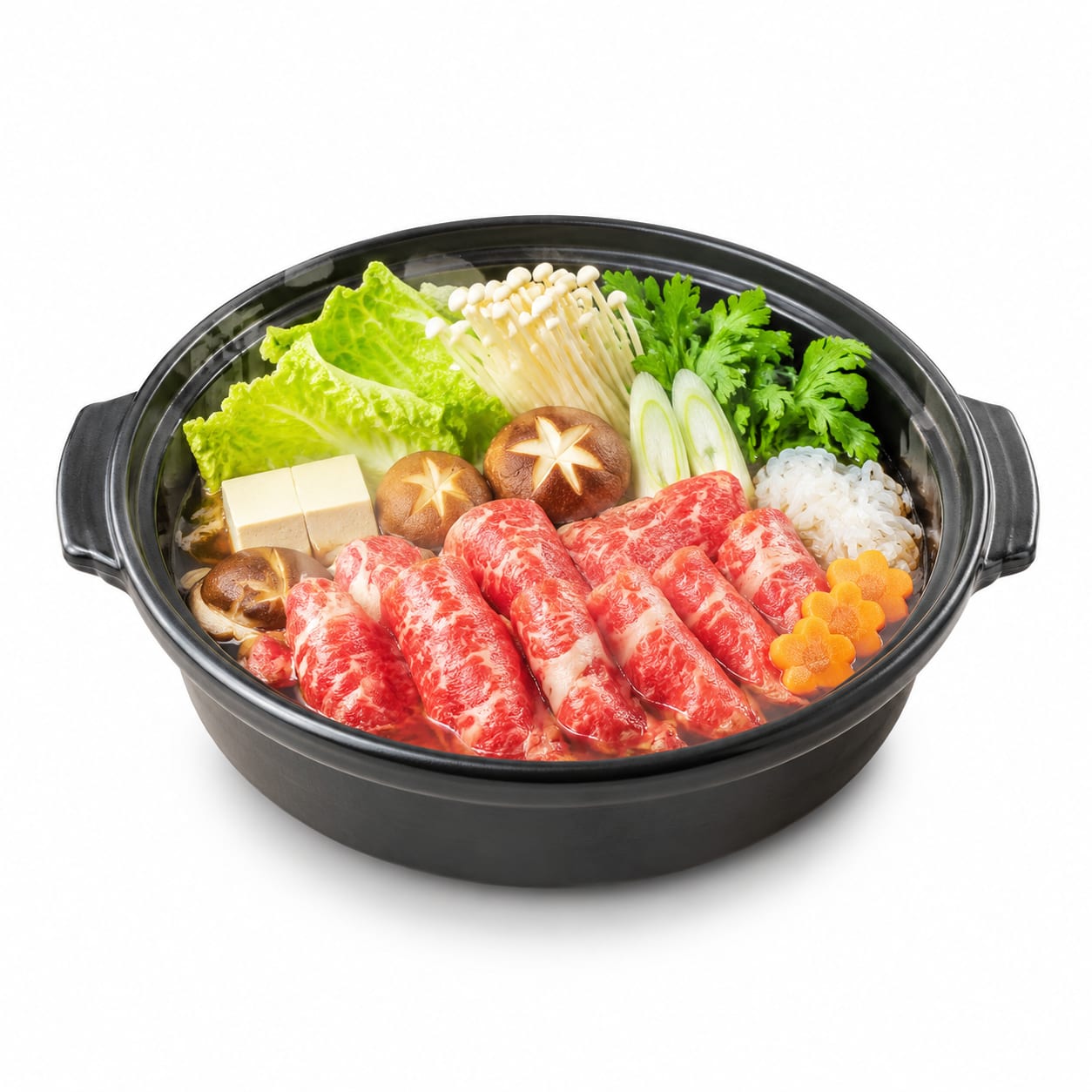
Hot Pot
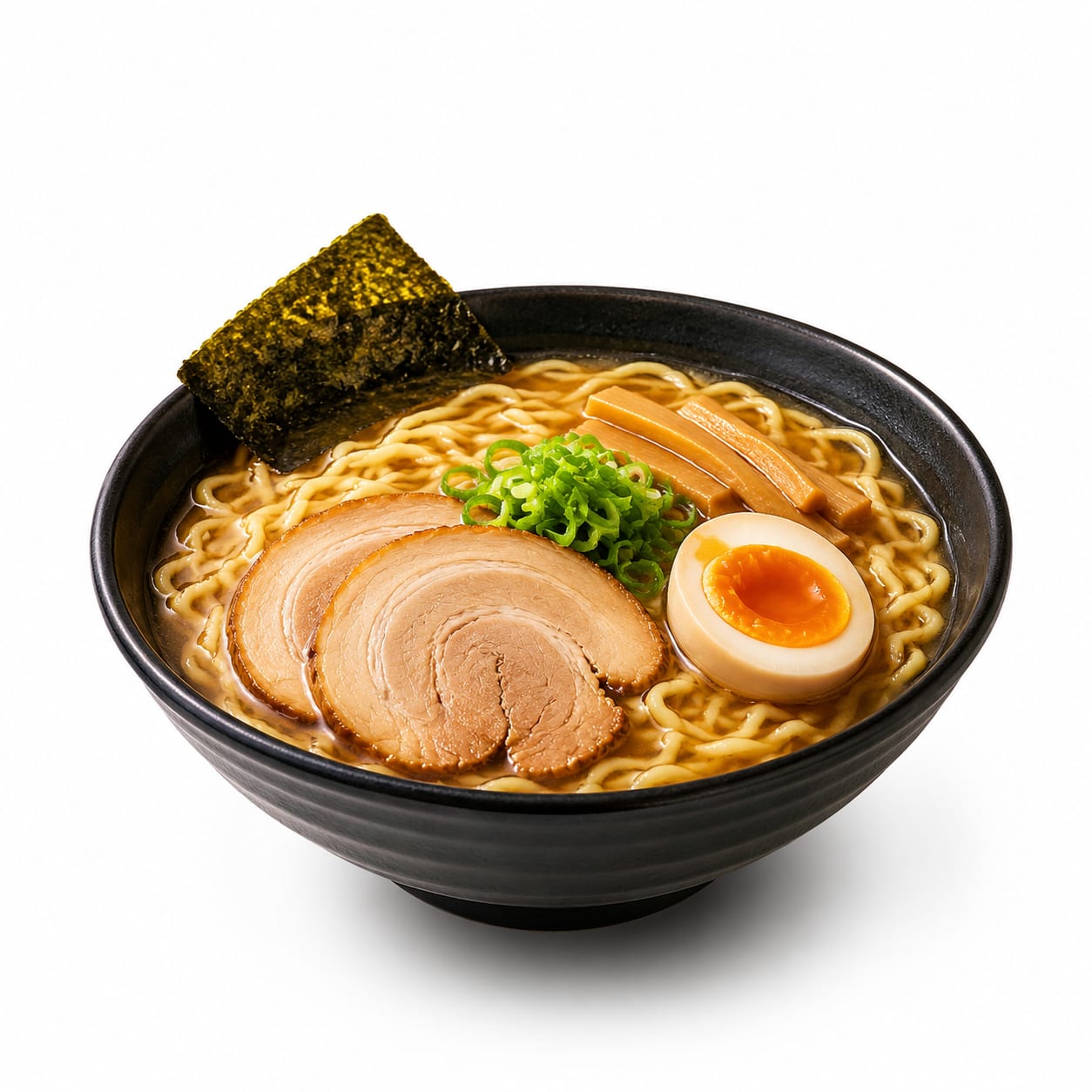
Ramen
Hot Pot wins for health and customization, but Ramen dominates on convenience and comfort.
Hot Pot scores higher due to the potential for a balanced, whole-food meal, while Ramen is dragged down by refined carbs and massive sodium levels.
You choose between Hot Pot's nutritional control and Ramen's instant satisfaction.
At a glance
Executive summary
Overall
Hot Pot
Healthier
Hot Pot
More practical
Ramen
Daily use
It depends
Key comparison lenses
Sodium and Broth Health
Both are broth-heavy comfort foods where sodium intake is the primary health concern.
Customization and Nutrient Density
Hot Pot offers total control over ingredients, while Ramen is typically a pre-set, carb-heavy dish.
Convenience and Practicality
Ramen is a quick solo meal, whereas Hot Pot is a time-consuming social event.
Overeating Risk
Hot Pot buffets encourage overeating, while Ramen is a single fixed portion.
Best choice for
Hot Pot
- Diners wanting to load up on vegetables and lean proteins
- Social gatherings where shared cooking is part of the experience
- People avoiding refined carbohydrates
Ramen
- Busy professionals needing a hot meal in under 15 minutes
- Those seeking a comforting, predictable flavor hit
- Budget-conscious diners looking for maximum satiety per dollar
Least suitable for
Hot Pot
- Solo diners wanting a quick weeknight dinner
- Anyone strictly monitoring portion sizes
- People on a tight time schedule
Ramen
- People with high blood pressure or sodium sensitivity
- Those on a low-carb or ketogenic diet
- Anyone avoiding ultra-processed foods
Deep comparison
Dimension by dimension
Each lens scores both foods and breaks down who each option suits.
- Dimension 1 · Priority 95Hot Pot
Nutritional Control & Customization
Hot Pot · 92Ramen · 30Hot Pot is essentially a choose-your-own-adventure meal, while Ramen locks you into a high-carb, low-protein default.
Tradeoff
Total ingredient freedom requires much more prep and cooking time compared to ordering a set bowl of Ramen.
Why it matters
Being able to pile in vegetables and lean meats makes Hot Pot uniquely adaptable to almost any diet.
Real-world impact
You can leave a Hot Pot meal feeling light and energized if you choose wisely, whereas Ramen almost always leaves you in a carb-heavy food coma.
Hot Pot
- Keto dieters
- Vegetarians wanting variety
- People tracking macros
Better for
- Indecisive eaters
- Those prone to choice overload
Worse for
Ramen
- People who prefer not to think about food choices
- Diners wanting a chef-crafted flavor profile
Better for
- Anyone needing high protein
- Carb-sensitive individuals
Worse for
- Dimension 2 · Priority 90Hot Pot
Sodium & Heart Health
Hot Pot · 45Ramen · 25Both are sodium bombs, but Hot Pot gives you the ability to opt out of drinking the broth or choosing a clear base.
Tradeoff
Even with a lighter broth, Hot Pot dipping sauces are hidden sodium traps, while Ramen's salt is at least confined to the bowl.
Why it matters
Frequent high-sodium meals directly impact blood pressure and bloating.
Real-world impact
After Hot Pot, you can skip the soup and just eat the ingredients. With Ramen, drinking the delicious broth is the main draw, making it harder to resist the salt.
Hot Pot
- People willing to modify eating habits like skipping the broth
- Those who use low-sodium dipping sauces
Better for
- Heavy sauce users
- Broth drinkers
Worse for
Ramen
- Diners who only eat salty food occasionally
Better for
- Anyone with hypertension
- People prone to post-meal bloating
Worse for
- Dimension 3 · Priority 85Ramen
Convenience & Practicality
Hot Pot · 20Ramen · 95Ramen is the ultimate fast comfort food; Hot Pot is a prolonged cooking event.
Tradeoff
You trade nutritional quality for immediate gratification and zero cleanup.
Why it matters
When hunger strikes after a long day, convenience often overrides health intentions.
Real-world impact
Ramen can be ready in minutes at home or a restaurant. Hot Pot requires chopping, simmering, and active cooking at the table.
Hot Pot
- Weekend dinner parties
- Interactive family meals
Better for
- Time-starved individuals
- Solo diners
Worse for
Ramen
- Late-night cravings
- Quick work lunches
- Exhausted weeknights
Better for
- Those wanting a leisurely dining experience
Worse for
- Dimension 4 · Priority 80Ramen
Satiety & Overeating Risk
Hot Pot · 40Ramen · 75Ramen comes in a fixed portion that signals the end of a meal. Hot Pot's endless options make it easy to overeat.
Tradeoff
Ramen provides built-in portion control but lacks volume from fiber. Hot Pot offers high-volume fiber but encourages you to keep eating.
Why it matters
Uncontrolled portions easily wipe out the benefits of choosing healthy ingredients.
Real-world impact
It is very easy to consume double your intended calories at a Hot Pot buffet just because the food keeps boiling and the socializing continues.
Hot Pot
- People who eat slowly and recognize fullness
- Those using small plates
Better for
- Buffet-style eaters
- Social mindless eaters
Worse for
Ramen
- Anyone needing strict portion boundaries
- People who want a meal that definitively ends
Better for
- Those who need large volumes of food to feel full
Worse for
- Dimension 5 · Priority 75Hot Pot
Processing & Ingredient Quality
Hot Pot · 75Ramen · 30Hot Pot relies on raw, whole foods you can inspect. Ramen uses refined noodles and highly processed flavor bases.
Tradeoff
Hot Pot's whole foods require washing and prep, while Ramen's processed components are shelf-stable and instant.
Why it matters
Minimally processed foods are generally easier on the digestive system and metabolic health.
Real-world impact
You know exactly what a raw mushroom or fresh shrimp looks like in Hot Pot. Ramen's tare and noodles are a mystery of industrial ingredients.
Hot Pot
- Clean-eating advocates
- People avoiding preservatives
Better for
- Those using heavily processed frozen meatballs
Worse for
Ramen
- Backpackers needing shelf-stable food
- People with minimal fridge space
Better for
- People sensitive to MSG or artificial flavors
- Those avoiding refined grains
Worse for
Timeline
Health impact over time
Short-term
Hours to days
Hot Pot
- Deeply satisfying warmth, but can cause bloating or indigestion if you overeat or choose very spicy broths.
- High sodium can cause immediate thirst and mild swelling.
Ramen
- Quick comfort and energy spike, often followed by a carb crash within two hours.
- Extreme sodium intake leads to noticeable dehydration and bloating.
Long-term
Months to years
Hot Pot
- Can be a balanced whole-food meal if you load up on veggies and lean proteins.
- Frequent consumption of rich, oily broths and heavy sauces may raise cholesterol and blood pressure.
Ramen
- Regular consumption increases risk of high blood pressure and metabolic syndrome due to refined carbs and excessive sodium.
- Lack of fiber and protein variety can negatively impact gut health over time.
Risk profile
Safety & processing
Hot Pot's core ingredients are whole foods, though the soup bases and dipping sauces often contain processed additives. Ramen relies on refined wheat noodles and industrial flavor packets loaded with MSG, preservatives, and sodium.
Hot Pot
Cross-contamination
highUsing personal chopsticks to handle raw meat and then eating cooked food is a common way to spread bacteria.
Undercooked ingredients
mediumImpatient eaters often pull meat or seafood out of the broth before it is fully cooked.
Ramen
Acrylamide exposure
lowFried ramen noodles can contain trace amounts of acrylamide from the high-heat frying process.
MSG sensitivity
mediumThe heavy use of MSG and flavor enhancers can trigger headaches or flushing in sensitive individuals.
Who wins for whom
Audience fit
Same foods, different winners depending on your goal.
children
RamenKids love the simple, predictable noodles, and there is no risk of them undercooking their own food at the table.
daily consumption
It dependsNeither is ideal for daily consumption due to sodium, but a light, home-cooked Hot Pot with low-sodium broth is slightly more sustainable than daily Ramen.
diabetes
Hot PotYou can completely avoid noodles and starches in Hot Pot, focusing on protein and fiber. Ramen is a blood sugar spike waiting to happen.
elderly
It dependsHot Pot offers soft, easy-to-chew vegetables and tofu, but Ramen is easier to prepare and eat if joint mobility is an issue. Both pose high sodium risks.
muscle gain
Hot PotHot Pot allows you to order unlimited slices of beef, chicken, and seafood to hit high protein targets.
weight loss
Hot PotYou can fill up on low-calorie vegetables and lean proteins, whereas Ramen forces you into a high-carb, high-calorie bowl.
Your move
Decision guide
Choose Hot Pot
- You want control over your macronutrients and vegetable intake
- You are dining with a group and want a shared, interactive experience
- You are willing to spend time prepping and cooking at the table
Choose Ramen
- You need a hot, comforting meal in under 15 minutes
- You are on a tight budget and need maximum calories per dollar
- You are craving a very specific, rich flavor profile like tonkotsu
Either works if
- You are craving a warm, savory broth-based meal on a cold day
- You are willing to balance out the high sodium with plenty of water and lighter meals later
Avoid both if
- You have severe hypertension or are on a strict low-sodium diet
- You are looking for a light, refreshing meal
Final recommendation
Choose Hot Pot when you have the time to prioritize your health and customize your plate. Opt for Ramen when convenience and comfort are the top priorities, but try to drink less of the broth to save your sodium levels.
Practical
Consumer tips
- 1
Ask for a split pot with a clear mushroom or tomato broth instead of spicy oil for Hot Pot.
- 2
Use a separate pair of cooking chopsticks at Hot Pot to avoid cross-contamination from raw meats.
- 3
Leave the Ramen broth in the bowl; most of the sodium and fat stays in the liquid.
- 4
Drink plenty of water after eating either meal to flush out excess sodium and reduce next-day bloating.
- 5
If making Ramen at home, toss half the flavor packet and add fresh spinach and an egg to improve the nutritional profile.