
Nutrition comparison
Hot Pot vs Korean BBQ: Which Is Healthier for You?
Compare Hot Pot and Korean BBQ on sodium, saturated fat, carcinogen risk, protein, and vegetable intake. Find out which social meal fits your health goals better.
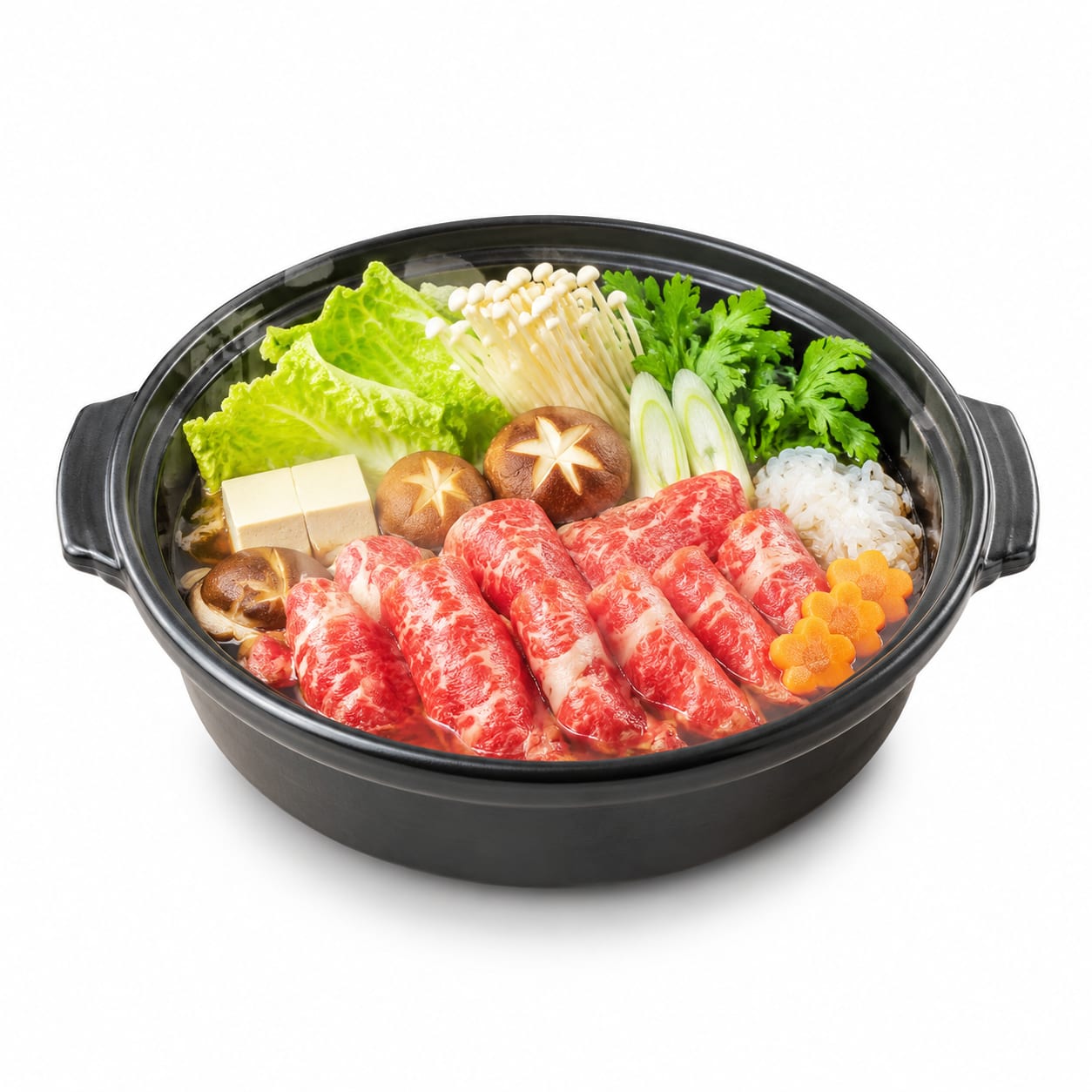
Hot Pot
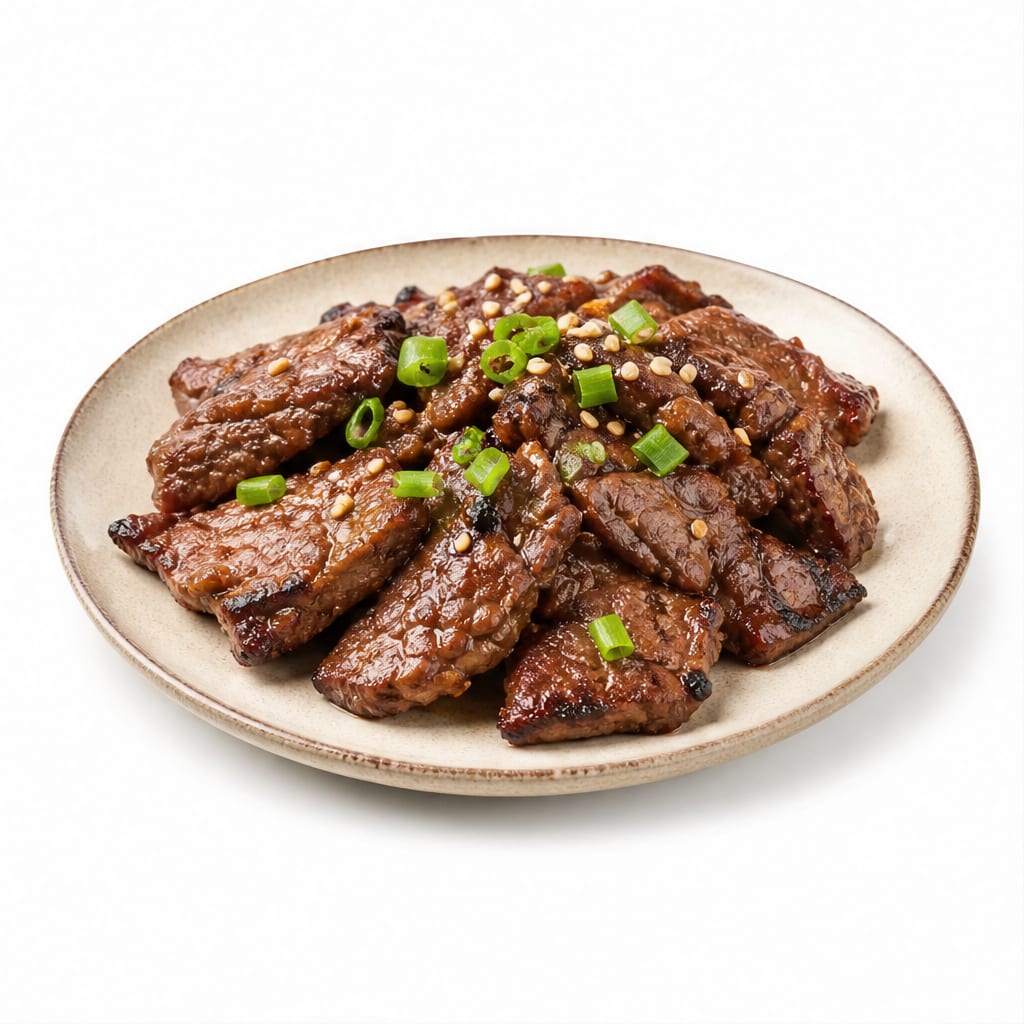
Korean BBQ
Hot Pot wins for lighter eating and more vegetables, Korean BBQ wins for protein satisfaction and lower sodium — but both are indulgent social meals best enjoyed moderately.
Hot Pot scores slightly higher due to better vegetable integration and a safer cooking method, but both lose points for being sodium-heavy, high-calorie social meals that encourage overeating. Neither is a daily staple.
Hot Pot gives you more control over what lands in your bowl but punishes you with sodium from broth and sauces; Korean BBQ keeps sodium lower but loads you with saturated fat and grilling carcinogens.
At a glance
Executive summary
Overall
It depends
Healthier
Hot Pot
More practical
Korean BBQ
Daily use
It depends
Key comparison lenses
sodium and broth intake
Hot pot broth and dipping sauces deliver massive sodium loads that Korean BBQ marinades alone rarely match
cooking method carcinogen risk
Korean BBQ involves high-heat grilling producing HCAs and PAHs, while hot pot boiling creates virtually none
calorie and portion control
Both are communal all-you-can-eat style meals where overeating is the norm, but hot pot offers more low-calorie fillers
vegetable diversity and fiber
Hot pot naturally incorporates far more vegetables and mushrooms, while Korean BBQ is meat-centric with smaller vegetable sides
saturated fat and protein density
Korean BBQ delivers higher protein but also far more saturated fat from marbled cuts like pork belly and ribeye
Best choice for
Hot Pot
- People watching saturated fat intake
- Anyone wanting more vegetables in a social meal
- Those who find broth-based meals more filling with fewer calories
- Digestive-sensitive eaters who prefer boiled over grilled
Korean BBQ
- Athletes and lifters needing high protein intake
- People avoiding high-sodium broths
- Those who find meat-heavy meals more satisfying
- Anyone wanting a meal with naturally lower carbohydrate load
Least suitable for
Hot Pot
- People on strict low-sodium diets
- Anyone prone to bloating from liquid-heavy meals
- Gout sufferers sensitive to purine-rich broths
Korean BBQ
- People managing heart disease or high cholesterol
- Anyone concerned about red meat and processed meat cancer risk
- Vegetarians and those wanting plant-forward meals
Deep comparison
Dimension by dimension
Each lens scores both foods and breaks down who each option suits.
- Dimension 1 · Priority 92Korean BBQ
sodium_load
Hot Pot · 25Korean BBQ · 55Hot Pot broth and dipping sauces can easily deliver 3000-5000mg of sodium in a single meal; Korean BBQ marinades are salty but the total load is usually lower.
Tradeoff
You get more hydrating broth with Hot Pot, but that broth is a sodium bomb that leaves you parched and bloated for hours afterward.
Why it matters
A single hot pot session can exceed two days of recommended sodium intake, raising blood pressure and causing water retention.
Real-world impact
After hot pot you will likely feel thirsty for hours and wake up puffy-faced; Korean BBQ leaves you less dehydrated but still salty.
Hot Pot
- Hydration from broth volume
Better for
- Broth alone can hit 2000mg sodium before any dipping sauce
- Dipping sauces double or triple the sodium load
Worse for
Korean BBQ
- Lower total sodium intake
- Less post-meal thirst and bloating
Better for
- Marinades still contribute significant sodium
- Banchan side dishes add hidden salt
Worse for
- Dimension 2 · Priority 88Hot Pot
cooking_method_safety
Hot Pot · 82Korean BBQ · 38Boiling and simmering produce virtually no carcinogenic compounds, while grilling meat at high temperatures generates HCAs and PAHs linked to cancer risk.
Tradeoff
Hot Pot is gentler on your cells but produces a less flavorful Maillard crust; Korean BBQ tastes incredible because of browning but that browning comes with chemical risk.
Why it matters
Regular consumption of well-done grilled meat is associated with increased colorectal and stomach cancer risk over time.
Real-world impact
Eating Korean BBQ weekly for years meaningfully increases exposure to grilling carcinogens; hot pot avoids this entirely.
Hot Pot
- No HCA or PAH formation from boiling
- Gentler cooking preserves more heat-sensitive nutrients
- Lower inflammatory potential from cooking byproducts
Better for
- Long-simmered broths can concentrate purines
Worse for
Korean BBQ
- Maillard browning enhances flavor and satisfaction
Better for
- HCA and PAH exposure from charring
- Well-done edges multiply carcinogen content
- Smoke inhalation from table-side grills irritates airways
Worse for
- Dimension 3 · Priority 85Hot Pot
saturated_fat_and_heart_health
Hot Pot · 60Korean BBQ · 30Korean BBQ centers on fatty cuts like pork belly and marbled beef, delivering far more saturated fat than the typical hot pot protein selections.
Tradeoff
Korean BBQ satisfies deeply with rich fatty meat but each meal can deliver a full day's worth of saturated fat; Hot Pot lets you choose leaner proteins but most people still grab fatty cuts.
Why it matters
Frequent high saturated fat meals raise LDL cholesterol and cardiovascular risk over months and years.
Real-world impact
A Korean BBQ session with pork belly and ribeye can hit 40-60g of saturated fat — double the daily recommended limit.
Hot Pot
- Option to choose lean proteins like fish, chicken breast, or tofu
- Broth adds volume without fat
- Less grease on the plate and in your stomach
Better for
- Many diners still choose fatty beef slices and pork
Worse for
Korean BBQ
- Higher fat content increases satiety for some eaters
Better for
- Pork belly is nearly 60% fat by calories
- Marbled cuts like ribeye are deliberately high in saturated fat
- Meal feels heavy and sluggish afterward
Worse for
- Dimension 4 · Priority 80Hot Pot
vegetable_intake_and_fiber
Hot Pot · 78Korean BBQ · 42Hot Pot naturally encourages large volumes of leafy greens, mushrooms, and root vegetables cooked in broth; Korean BBQ offers banchan but portions are small and often fermented rather than fresh.
Tradeoff
Hot Pot makes vegetables the star alongside protein; Korean BBQ treats them as an afterthought on the side.
Why it matters
Fiber from vegetables slows sugar absorption, feeds gut bacteria, and helps you feel full without overeating.
Real-world impact
A typical hot pot meal easily delivers 3-4 servings of vegetables; Korean BBQ might give you one small portion of lettuce wraps.
Hot Pot
- Large variety of mushrooms, greens, and root vegetables
- Vegetables absorb flavorful broth making them palatable
- High fiber content helps moderate the meal's glycemic impact
Better for
- Overcooking vegetables in broth reduces vitamin C content
Worse for
Korean BBQ
- Fermented banchan provides probiotic benefits
Better for
- Vegetable portions are small compared to meat volume
- Lettuce wraps provide minimal fiber
- Most banchan is salty rather than fiber-rich
Worse for
- Dimension 5 · Priority 78Korean BBQ
protein_quality_and_density
Hot Pot · 55Korean BBQ · 82Korean BBQ delivers concentrated high-quality complete protein from beef and pork; Hot Pot spreads protein across broth, tofu, and mixed meats with lower density per bite.
Tradeoff
Korean BBQ is a protein powerhouse for athletes but comes with heavy fat baggage; Hot Pot offers leaner protein options but you need to eat more volume to match the protein.
Why it matters
Adequate protein supports muscle maintenance, satiety, and metabolic health — especially important for active people.
Real-world impact
A Korean BBQ meal can easily deliver 80-120g of protein; Hot Pot typically lands closer to 40-70g unless you deliberately load up on lean meats.
Hot Pot
- Tofu and fish options provide lean protein alternatives
- More protein variety in a single meal
Better for
- Protein is diluted across broth and fillers
- Easy to fill up on noodles before hitting protein targets
Worse for
Korean BBQ
- Higher total protein per eating session
- Complete amino acid profiles from red meat
- Better for post-workout muscle recovery
Better for
- Protein comes packaged with high saturated fat
- Excessive protein in one sitting is not efficiently utilized
Worse for
- Dimension 6 · Priority 75It depends
overeating_risk
Hot Pot · 40Korean BBQ · 35Both are communal, often all-you-can-eat experiences that encourage overeating, but they trigger different binge patterns — Hot Pot through endless broth and noodles, Korean BBQ through unlimited meat.
Tradeoff
Hot Pot fills you with liquid volume first which may slow eating, but noodle and starch additions sneak in hundreds of extra calories; Korean BBQ has no liquid buffer so you just keep grilling meat until you are uncomfortably full.
Why it matters
Social dining environments override natural fullness signals, and both these meals are designed for celebration not restraint.
Real-world impact
Either meal can easily hit 1500-2500 calories before you realize it because the social pace keeps you eating past fullness.
Hot Pot
- Broth volume creates early fullness that slows eating pace
Better for
- Noodles, rice cakes, and starchy balls add massive hidden calories
- Dipping sauces add calories without satiety
Worse for
Korean BBQ
- No starchy noodles to add hidden calorie density
Better for
- Unlimited meat service removes natural stopping cues
- High fat content makes each bite calorie-dense
- Meat keeps tasting good even when you are full
Worse for
Timeline
Health impact over time
Short-term
Hours to days
Hot Pot
- Significant bloating and water retention from sodium and liquid volume
- Feeling overly full and sluggish from broth and starch combination
- Thirst that persists for hours after the meal
- Warmth and comfort from the hot broth experience
Korean BBQ
- Heavy sluggish feeling from high fat and protein density
- Mild dehydration from salty marinades and grilled food
- Satisfaction and fullness that lasts longer than hot pot
- Possible mild heartburn from rich fatty meat
Long-term
Months to years
Hot Pot
- Regular high sodium intake raises blood pressure over time
- Purine-rich broths may trigger gout in susceptible people
- Better cardiovascular profile than Korean BBQ if lean proteins are chosen
- Higher vegetable intake supports gut health and disease prevention
Korean BBQ
- Frequent red and processed meat consumption increases colorectal cancer risk
- High saturated fat intake raises LDL cholesterol and heart disease risk
- HCA and PAH exposure from grilling compounds over years
- Better muscle maintenance from consistently high protein intake
Risk profile
Safety & processing
Both meals use whole food ingredients but rely on processed flavor enhancers — Hot Pot broths often contain MSG and artificial seasonings, while Korean BBQ marinades use sugar, soy sauce, and sometimes tenderizing additives.
Hot Pot
Cross-contamination from shared utensils
mediumRaw meats and cooked foods share the same communal pot and chopsticks, creating transfer risk especially for poultry
Undercooked meat from impatient eating
mediumDiners often pull meat out before it is fully cooked through in the simmering broth
Purine concentration in long-simmered broth
lowExtended boiling releases purines from bones and meat into the broth, a concern for gout sufferers
Korean BBQ
HCA and PAH carcinogen formation
highHigh-heat grilling of meat produces heterocyclic amines and polycyclic aromatic hydrocarbons, both classified as probable carcinogens
Smoke inhalation from table-side grills
mediumPoorly ventilated Korean BBQ restaurants expose diners to particulate matter and polycyclic aromatic hydrocarbons from cooking smoke
Undercooked pork risk
lowPork belly and pork neck need thorough cooking but eager diners may pull meat early, though modern supply chains have reduced parasite risk significantly
Who wins for whom
Audience fit
Same foods, different winners depending on your goal.
children
Hot PotHot Pot is safer for kids — no open flame, no charring risk, softer textures from boiling, and easier portion control with smaller bites
daily consumption
It dependsNeither is appropriate for daily consumption — both are indulgent social meals meant for occasional enjoyment, not routine eating
diabetes
It dependsHot Pot can be lower carb if you skip noodles and starch balls, but the broth can spike thirst and cravings; Korean BBQ is naturally low carb but high saturated fat worsens insulin resistance over time
elderly
Hot PotSoft boiled ingredients are easier to chew and digest, and the warm broth is comforting for aging digestive systems, though sodium should be monitored
muscle gain
Korean BBQKorean BBQ delivers substantially more complete protein per meal, which is the critical driver for muscle growth and recovery
weight loss
Hot PotHot Pot's broth volume and vegetable density create more fullness per calorie, making it easier to eat less total energy if you skip the noodles
Your move
Decision guide
Choose Hot Pot
- You want more vegetables and lighter protein options in a social meal
- Sodium is less concerning to you than saturated fat and grilling carcinogens
- You find broth-based meals more comforting and filling with less heaviness
- You are cooking for kids or older adults who need softer textures
- You want more control over what goes into your body bite by bite
Choose Korean BBQ
- You need high protein intake for athletic performance or muscle gain
- You want a naturally lower sodium social dining experience
- You find fatty meat meals more satisfying and longer-lasting in fullness
- You prefer low-carb eating and want to avoid noodle and starch temptations
- You are less concerned about saturated fat and more concerned about total calorie volume from liquids and starches
Either works if
- You are celebrating a special occasion and just want a fun social meal
- You can practice moderation with either format by eating slowly and stopping at 80% fullness
- You plan to balance the meal with lighter eating for the rest of the day
Avoid both if
- You are on a strict low-sodium diet — both meals will overshoot your targets
- You have active gout — both purine-rich broth and red meat are triggers
- You have severe heart disease requiring very low saturated fat intake
- You are trying to eat clean and neither fits your current meal plan
Final recommendation
Choose Hot Pot when you want a lighter, vegetable-forward social meal with safer cooking methods. Choose Korean BBQ when protein is your priority and you want deeper flavor satisfaction with less sodium. For both, eat slowly, drink water, and treat them as occasional celebrations — not weekly habits.
Practical
Consumer tips
- 1
Ask for half-broth or clear broth at Hot Pot to cut sodium by 30-50% compared to spicy or mala bases
- 2
Skip the dipping sauces at Hot Pot or use them sparingly — they can add 500+mg sodium per tablespoon
- 3
At Korean BBQ, trim visible fat from meat before grilling to reduce saturated fat significantly
- 4
Choose leaner Korean BBQ cuts like chicken or lean beef brisket over pork belly and short rib
- 5
Fill up on vegetable side dishes and lettuce wraps at Korean BBQ before going back for more meat
- 6
Avoid adding noodles or rice cakes to Hot Pot until you have already eaten your protein and vegetables
- 7
Drink plenty of water during and after either meal to help flush excess sodium
- 8
Ask for low-sodium or half-seasoning at either restaurant — most kitchens will accommodate
- 9
Limit either meal to once or twice per month to keep long-term health risks manageable
- 10
Take a short walk after either meal to help with digestion and blood sugar regulation