
Nutrition comparison
Hot Pot vs Bibimbap: Which Korean-Style Meal Is Healthier?
Compare Hot Pot and Bibimbap on sodium, calories, convenience, and health impact. Find out which meal fits your lifestyle and when to choose each.
Overall winner · Bibimbap
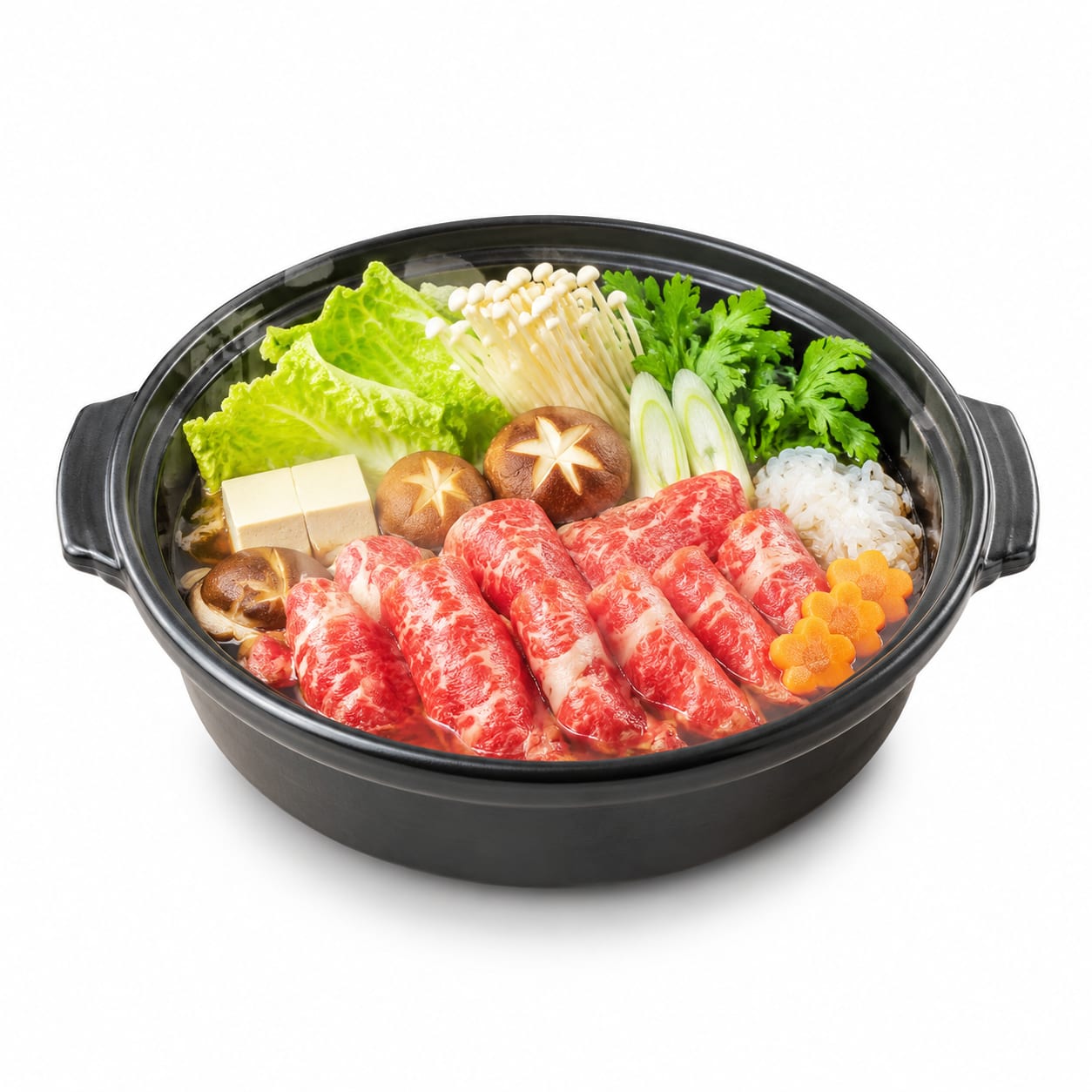
Hot Pot
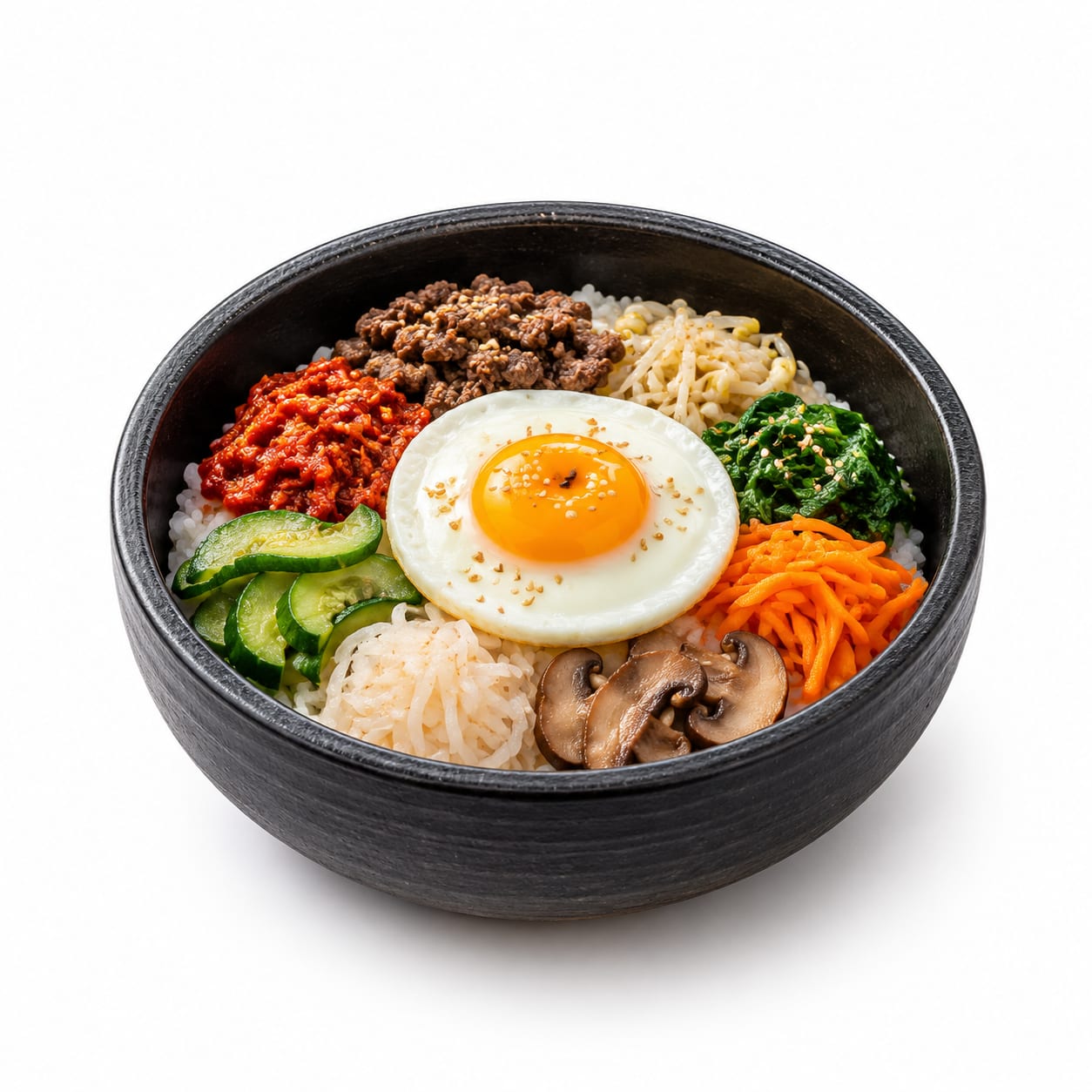
Bibimbap
Bibimbap wins for everyday health and practicality, but Hot Pot dominates as a social dining experience.
Bibimbap scores notably higher due to better portion control, lower sodium, and everyday practicality. Hot Pot loses ground on overeating risk and sodium load, though it excels socially.
Hot Pot offers more variety and a fun communal vibe but risks overeating and sodium overload. Bibimbap delivers balanced nutrition in a predictable, convenient bowl.
At a glance
Executive summary
Overall
Bibimbap
Healthier
Bibimbap
More practical
Bibimbap
Daily use
Bibimbap
Key comparison lenses
sodium and hydration impact
Hot Pot's broth is notoriously high in sodium, while Bibimbap's seasoning is more controlled
portion and calorie control
Hot Pot encourages overeating through endless refills; Bibimbap arrives as a fixed portion
convenience and everyday practicality
Bibimbap is a quick single-bowl meal; Hot Pot is a lengthy communal event
nutritional balance predictability
Bibimbap offers a consistent veggie-protein-carb ratio; Hot Pot varies wildly based on choices
food safety from raw ingredients
Hot Pot involves cooking raw meats at the table, creating contamination risks if done improperly
Best choice for
Hot Pot
- Social gatherings and group celebrations
- Customizable low-carb eating if you skip noodles
- Cold weather comfort and warming meals
- Adventurous eaters wanting variety
Bibimbap
- Weekday lunches and quick dinners
- Predictable calorie and macro tracking
- Balanced meals with built-in vegetable variety
- Meal prep and takeout convenience
Least suitable for
Hot Pot
- Sodium-sensitive individuals
- Solo diners seeking a quick meal
- People tracking calories precisely
- Those with digestive sensitivity to rich broths
Bibimbap
- Large group dining experiences
- Those wanting interactive cooking
- People avoiding rice-heavy meals
- Anyone seeking a leisurely drawn-out meal
Deep comparison
Dimension by dimension
Each lens scores both foods and breaks down who each option suits.
- Dimension 1 · Priority 92Bibimbap
sodium_load
Hot Pot · 28Bibimbap · 62Hot Pot broth can pack 2000-4000mg sodium per meal; Bibimbap's gochujang seasoning is salty but far more contained.
Tradeoff
Hot Pot's rich broth is deeply satisfying but can hit or exceed your daily sodium limit in one sitting.
Why it matters
High sodium meals leave you bloated, thirsty, and can raise blood pressure over time.
Real-world impact
After Hot Pot, expect noticeable water retention the next morning. Bibimbap is far gentler on your body's salt balance.
Hot Pot
- Replenishing salt after heavy sweating or intense exercise
Better for
- Hypertension management
- Kidney health
- Staying under daily sodium limits
Worse for
Bibimbap
- Managing blood pressure
- Avoiding post-meal bloating
- Everyday sodium moderation
Better for
- Situations requiring aggressive electrolyte replenishment
Worse for
- Dimension 2 · Priority 88Bibimbap
portion_and_calorie_control
Hot Pot · 35Bibimbap · 75Bibimbap arrives as a defined portion. Hot Pot's all-you-can-cook format makes stopping difficult.
Tradeoff
Hot Pot's endless refills feel like freedom but often lead to consuming far more than intended.
Why it matters
Unconscious overeating is the biggest hidden calorie risk in communal cooking formats.
Real-world impact
A Hot Pot meal can easily hit 1500-2500 calories. Bibimbap typically lands around 600-800 calories with far less mental effort.
Hot Pot
- Deliberate bulking phases
- Social occasions where enjoyment matters more than precision
Better for
- Anyone prone to overeating
- Mindful eating goals
- Cutting phases
Worse for
Bibimbap
- Weight loss or maintenance
- Calorie tracking
- Consistent meal planning
Better for
- Active individuals needing large caloric intake
Worse for
- Dimension 3 · Priority 80Bibimbap
nutritional_balance
Hot Pot · 55Bibimbap · 78Bibimbap reliably delivers veggies, protein, carbs, and fermented elements in one bowl. Hot Pot's balance depends entirely on your choices.
Tradeoff
Hot Pot can be incredibly nutritious if you load up on vegetables and lean proteins, but most people gravitate toward meat and noodles.
Why it matters
Default food choices tend toward tastier, less nutritious options when everything is available.
Real-world impact
Bibimbap's built-in veggie variety means you get a decent mix without thinking. Hot Pot requires discipline to not just eat meat and carbs.
Hot Pot
- Highly disciplined eaters who curate their dipping selections carefully
- Low-carb dieters who skip noodles and focus on protein and vegetables
Better for
- Default eating patterns that favor meat and starch
- Inconsistent nutrient intake
Worse for
Bibimbap
- Anyone wanting guaranteed vegetable intake
- Balanced macro distribution without effort
Better for
- Those who need higher protein amounts than a standard Bibimbap provides
Worse for
- Dimension 4 · Priority 85Bibimbap
convenience_and_speed
Hot Pot · 20Bibimbap · 88Bibimbap is ready in minutes and easy to eat anywhere. Hot Pot requires setup, cooking time, and a group.
Tradeoff
Hot Pot is an experience; Bibimbap is a meal. Different purposes entirely.
Why it matters
The meal you can actually make happen on a Tuesday matters more than the theoretically perfect one.
Real-world impact
Bibimbap fits into a lunch break. Hot Pot is a weekend event requiring at least 90 minutes and usually more people.
Hot Pot
- Leisurely weekend social dining
- Making a meal into an event
Better for
- Busy schedules
- Solo dining
- Last-minute meals
Worse for
Bibimbap
- Weeknight dinners
- Work lunches
- Quick solo meals
- Takeout and delivery
Better for
- Special occasion dining where the experience matters
Worse for
- Dimension 5 · Priority 72Bibimbap
digestive_comfort
Hot Pot · 42Bibimbap · 70Hot Pot's rich, spicy broths and heavy meats can overwhelm sensitive stomachs. Bibimbap is gentler and easier to digest.
Tradeoff
The deeply savory, spicy broth that makes Hot Pot satisfying is also what makes it rough on digestion.
Why it matters
Heavy, greasy meals late at night disrupt sleep and leave you sluggish the next day.
Real-world impact
Hot Pot for dinner often means discomfort before bed. Bibimbap is light enough to eat later without regret.
Hot Pot
- Robust digestions that handle rich food well
- Cold days when warming spices feel therapeutic
Better for
- Acid reflux sufferers
- IBS or sensitive digestion
- Late-night eating
Worse for
Bibimbap
- Sensitive stomachs
- Late dinners
- Post-illness recovery eating
Better for
- Those who find rice-heavy meals too filling
Worse for
- Dimension 6 · Priority 78Hot Pot
social_and_emotional_value
Hot Pot · 94Bibimbap · 45Hot Pot is one of the most social dining formats possible. Bibimbap is a satisfying but solitary bowl.
Tradeoff
The communal cooking experience that makes Hot Pot special also makes it impractical for everyday.
Why it matters
Food isn't just fuel. Social connection during meals has real mental health benefits.
Real-world impact
Hot Pot creates memories and bonding. Bibimbap creates a efficient, satisfying meal. Both have value at different times.
Hot Pot
- Group celebrations
- Date nights
- Family gatherings
- Building connection through shared cooking
Better for
- Intimate quiet meals
- Time-constrained dining
Worse for
Bibimbap
- Quick refueling between activities
- Solo dining comfort
Better for
- Creating shared experiences
- Entertaining guests
Worse for
Timeline
Health impact over time
Short-term
Hours to days
Hot Pot
- Significant bloating and water retention from sodium
- Feeling uncomfortably full from extended eating
- Possible heartburn from rich, spicy broth
- Thirst and dehydration signals after the meal
Bibimbap
- Comfortable satiety without heaviness
- Steady energy from balanced carbs and protein
- Mild warmth from gochujang without overwhelming spice
Long-term
Months to years
Hot Pot
- Regular Hot Pot consumption raises cardiovascular risk through chronic high sodium intake
- Pattern of overeating can become habitual
- Gout risk increases with frequent consumption of organ meats and rich broths
- Kidney strain from persistent sodium overload
Bibimbap
- Consistent vegetable intake supports gut health
- Fermented gochujang may contribute beneficial compounds
- Rice-heavy base can spike blood sugar if portions are large
- Generally sustainable as a frequent meal without major health tradeoffs
Risk profile
Safety & processing
Both dishes use whole food ingredients, but Hot Pot broths often contain MSG, flavor enhancers, and pre-made soup bases with additives. Bibimbap's gochujang is fermented but generally has fewer concerning additives. If you make either from scratch, both can be quite clean.
Hot Pot
Undercooked meat from impatient cooking
highRaw meat and seafood cooked at the table by diners themselves frequently gets undercooked, especially with thick cuts or crowded pots.
Cross-contamination from shared utensils
highUsing the same chopsticks to handle raw meat and eat cooked food is a common and dangerous Hot Pot mistake.
Broth contamination from raw ingredients
mediumContinuously adding raw proteins to shared broth can introduce pathogens that survive if the broth temperature drops.
Bibimbap
Undercooked egg yolk
lowThe traditional raw or sunny-side egg on top carries slight salmonella risk, though quality restaurants use pasteurized eggs.
Rice holding temperature
lowBacillus cereus can develop in rice held at improper temperatures, but this is rare in fresh-prepared Bibimbap.
Who wins for whom
Audience fit
Same foods, different winners depending on your goal.
children
BibimbapBibimbap is easier for kids to eat safely. Hot Pot involves hot liquids and raw meat handling that pose burn and contamination risks for children.
daily consumption
BibimbapBibimbap is sustainable as a regular meal. Hot Pot's sodium load, time commitment, and heaviness make it unsuitable for daily eating.
diabetes
BibimbapBibimbap's carb content is predictable and can be managed. Hot Pot's starchy noodles and dipping sauces make blood sugar harder to control.
elderly
BibimbapLower sodium, easier digestion, and no food safety concerns from self-cooking make Bibimbap more appropriate for older adults.
muscle gain
Hot PotHot Pot allows unlimited protein intake from various meats and seafood, making it easier to hit high protein targets.
weight loss
BibimbapFixed portions and lower calorie density make Bibimbap far easier to fit into a calorie deficit.
Your move
Decision guide
Choose Hot Pot
- You're dining with a group and want a shared experience
- It's cold out and you want something deeply warming
- You're deliberately bulking or need high protein intake
- You can pace yourself and avoid overeating
- You're willing to be careful about cooking meats thoroughly
Choose Bibimbap
- You need a quick, balanced meal on a weekday
- You're watching your sodium or calorie intake
- You want reliable nutrition without having to think too hard
- You're eating solo or need takeout
- You have a sensitive stomach or are eating late
Either works if
- You want Korean-inspired comfort food
- You're comfortable with moderate spice levels
- You want a meal that includes vegetables without having to order sides
Avoid both if
- You have severe sodium restrictions
- You cannot tolerate spicy food at all
- You are on a strict low-carb or keto diet without modifications
Final recommendation
Make Bibimbap your everyday go-to and save Hot Pot for special occasions with friends. Bibimbap gives you balanced nutrition, portion control, and convenience without sacrificing flavor. Hot Pot is an incredible social experience, but its sodium load and overeating risk make it a sometimes meal, not a regular one.
Practical
Consumer tips
- 1
At Hot Pot, use separate chopsticks for raw meat and eating to avoid cross-contamination
- 2
Ask for half-broth or clear broth at Hot Pot to reduce sodium significantly
- 3
Order Bibimbap with less rice and extra vegetables for better blood sugar balance
- 4
Skip the dipping sauces at Hot Pot to cut hidden sodium and calories
- 5
If having Hot Pot, drink plenty of water afterward to help flush excess sodium
- 6
Choose lean proteins and load up on mushrooms and leafy greens at Hot Pot for a healthier spread
- 7
Ask for your Bibimbap egg fully cooked if you're concerned about food safety