
Nutrition comparison
Hot Pot vs Miso Soup: Which Broth-Based Meal Is Better for You?
Compare Hot Pot and Miso Soup on calories, sodium, gut health, and daily sustainability. Find out which one fits your health goals and when to enjoy each.
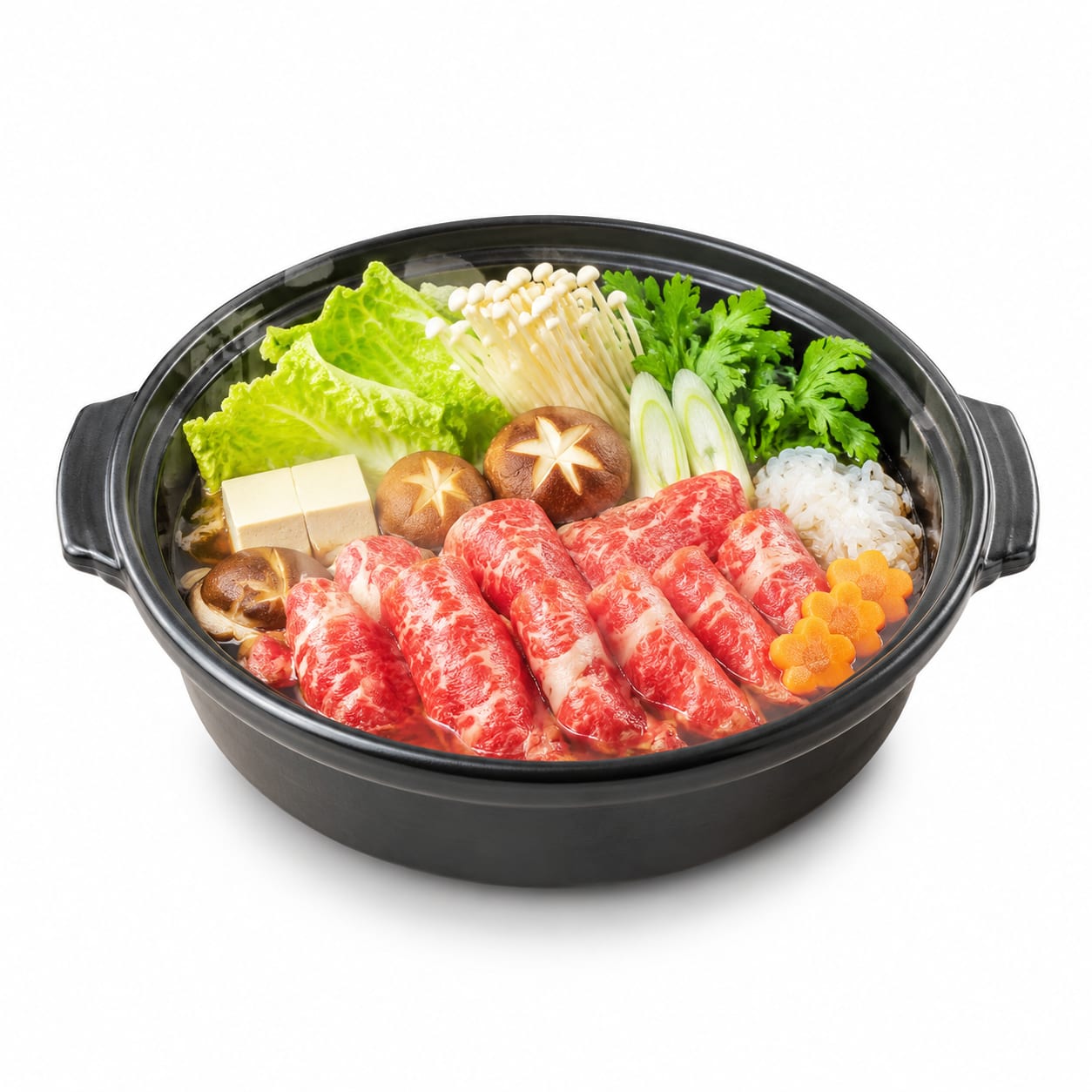
Hot Pot
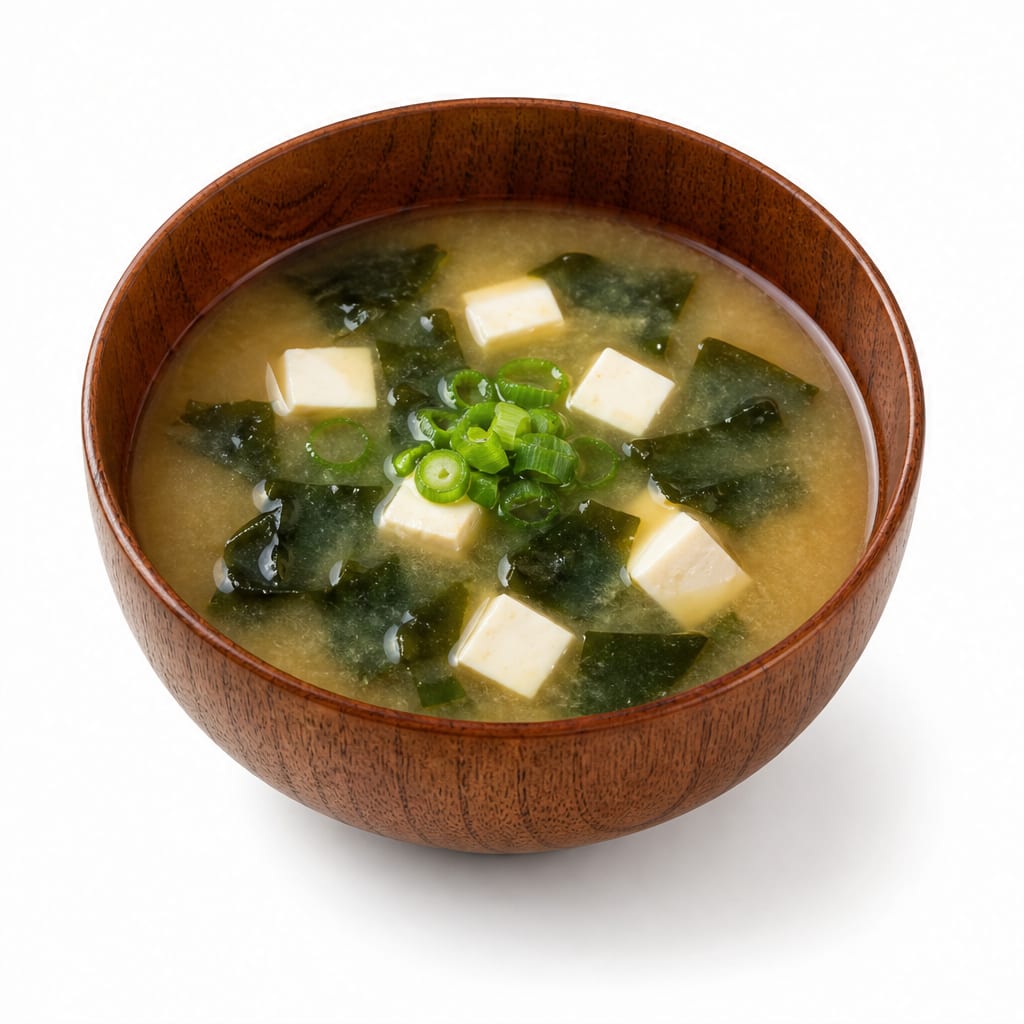
Miso Soup
Hot Pot is a satisfying communal feast with flexible nutrition but high calorie and sodium risk. Miso Soup is a light, gut-friendly daily staple that fills a completely different role.
Miso Soup scores higher due to daily sustainability, lower calorie density, and gut health benefits. Hot Pot scores lower because its nutritional profile depends heavily on choices and it carries significant overeating and sodium risks. However, Hot Pot fills a social and emotional role that Miso Soup cannot replace.
Flavor intensity and fullness versus lightness and daily sustainability. Hot Pot delivers a rich experience at a cost; Miso Soup delivers quiet consistency with almost no downside.
At a glance
Executive summary
Overall
It depends
Healthier
Miso Soup
More practical
Miso Soup
Daily use
Miso Soup
Key comparison lenses
everyday vs occasion eating
Hot Pot is a feast-style meal while Miso Soup is a daily staple, making frequency and sustainability the core question
sodium and hydration impact
Both are broth-based and sodium-heavy, but the scale and context differ dramatically
weight management and calorie control
Hot Pot easily becomes a calorie bomb while Miso Soup is famously light, a critical tradeoff for many users
social eating vs solo convenience
Hot Pot is inherently communal and indulgent, Miso Soup is quick and personal
gut health and fermentation benefits
Miso Soup delivers probiotics from fermented miso paste, while Hot Pot broth offers no such advantage
Best choice for
Hot Pot
- Social gatherings and celebrations
- Days when you need a big, satisfying meal
- Cold weather comfort eating
- People who struggle to eat enough vegetables otherwise
- Active individuals needing high calorie intake
Miso Soup
- Daily light meal or side dish
- Weight loss or calorie-controlled diets
- Gut health and digestion support
- Quick low-effort nourishment
- Sodium-sensitive individuals who still want broth flavor
Least suitable for
Hot Pot
- Daily or frequent consumption
- Sodium-restricted diets
- Solo quick meals
- People prone to overeating
- Late-night eating
Miso Soup
- Recovery after intense exercise needing high protein and calories
- People who find light meals unsatisfying and end up snacking
- Social dining experiences where sharing matters
- Anyone needing a complete meal in one bowl
Deep comparison
Dimension by dimension
Each lens scores both foods and breaks down who each option suits.
- Dimension 1 · Priority 92Miso Soup
calorie control and weight management
Hot Pot · 30Miso Soup · 90Miso Soup is a dieter's ally at roughly 40-80 calories per bowl. Hot Pot can easily exceed 1000 calories once you account for meats, noodles, dipping sauces, and oil-rich broth.
Tradeoff
You get far more satiety and pleasure from Hot Pot, but the calorie bill is steep and hard to track. Miso Soup keeps you lean but may leave you hungry an hour later.
Why it matters
For anyone watching weight, Hot Pot is a minefield of hidden calories from sauces and oils. Miso Soup is one of the lowest-calorie warm foods you can eat.
Real-world impact
A single Hot Pot session can equal an entire day's calories. A bowl of Miso Soup is less than a snack.
Hot Pot
- Bulking phases when you need extra calories
- Athletes refueling after heavy training
Better for
- Consistent weight loss efforts
- People who underestimate liquid calories
Worse for
Miso Soup
- Cutting phases and calorie deficits
- Anyone who wants a warm meal without the guilt
Better for
- Those who need substantial energy intake
- People who snack more after unsatisfying light meals
Worse for
- Dimension 2 · Priority 88Miso Soup
sodium load
Hot Pot · 20Miso Soup · 55Both are sodium-heavy, but Hot Pot is on another level. The broth, dipping sauces, and seasonings can deliver 3000-6000mg of sodium in one sitting. Miso Soup typically contains 600-1000mg per bowl.
Tradeoff
Miso Soup is lower in sodium but still not low-sodium. Hot Pot is genuinely problematic for blood pressure, especially eaten regularly.
Why it matters
Chronic high sodium intake drives hypertension and bloating. Hot Pot's sodium load is extreme enough to matter even occasionally.
Real-world impact
After Hot Pot, you may wake up puffy and thirsty. After Miso Soup, mild thirst at most.
Hot Pot
- People who sweat heavily and need sodium replenishment
- Active individuals in hot climates
Better for
- Hypertensive individuals
- Kidney disease patients
- Anyone on a low-sodium protocol
Worse for
Miso Soup
- Anyone monitoring blood pressure
- People prone to bloating and water retention
Better for
- Strict low-sodium diets under 1500mg daily, since one bowl uses a significant portion
Worse for
- Dimension 3 · Priority 85Hot Pot
satiety and meal satisfaction
Hot Pot · 88Miso Soup · 30Hot Pot is one of the most filling dining experiences you can have. Miso Soup is a complement to a meal, not a meal itself.
Tradeoff
Fullness comes at a calorie and sodium cost. Miso Soup's lightness is either liberating or frustrating depending on your hunger level.
Why it matters
If a food does not satisfy you, you eat more later. Hot Pot almost never leaves you wanting more. Miso Soup almost always does unless paired with other food.
Real-world impact
Hot Pot keeps you full for hours. Miso Soup alone may leave you reaching for a snack within 30 minutes.
Hot Pot
- Big appetite days
- Social meals where lingering satisfaction matters
Better for
- People who feel uncomfortably stuffed after heavy meals
- Late-night eating close to bedtime
Worse for
Miso Soup
- Light dinners before bed
- Warming up before a main course
Better for
- Anyone using soup as a standalone meal
- People who get irritable when underfed
Worse for
- Dimension 4 · Priority 78Miso Soup
gut health and digestion
Hot Pot · 40Miso Soup · 85Miso Soup delivers fermented miso paste with probiotics and enzymes that support gut flora. Hot Pot broth offers no fermentation benefit and the heavy grease can irritate sensitive stomachs.
Tradeoff
Hot Pot's vegetable content supports digestion, but the oil and spice can overwhelm gut benefits. Miso Soup is gentle and actively beneficial.
Why it matters
Gut health affects everything from immunity to mood. Fermented foods like miso are one of the simplest ways to support it daily.
Real-world impact
Regular Miso Soup eaters often report better digestion and less bloating. Hot Pot can trigger heartburn or stomach upset, especially with spicy broth.
Hot Pot
- People who load up on vegetables and mushrooms in their Hot Pot
- Those using mild bone broth bases
Better for
- Acid reflux and GERD sufferers, especially with spicy broth
- People with IBS triggered by rich or oily foods
Worse for
Miso Soup
- Anyone with sensitive digestion
- People seeking daily probiotic support
Better for
- People with soy allergies or sensitivities
Worse for
- Dimension 5 · Priority 75Hot Pot
nutritional completeness
Hot Pot · 78Miso Soup · 25Hot Pot can be a complete meal with protein, carbs, fats, and micronutrients from diverse ingredients. Miso Soup is nutritionally sparse — mostly water, some protein, and minimal vitamins.
Tradeoff
Hot Pot's completeness depends entirely on your choices. Load up on veggies and lean proteins and it is excellent. Lean on fatty meats and noodles and it is a nutritional mess.
Why it matters
A meal that covers multiple nutritional bases reduces the need for supplementation and snacking. Hot Pot can do this; Miso Soup cannot.
Real-world impact
A well-built Hot Pot can replace multiple meals nutritionally. Miso Soup is always a side dish nutritionally.
Hot Pot
- People who want one meal to cover many nutritional needs
- Those who strategically choose vegetables, tofu, and lean meats
Better for
- People who default to fatty meats, processed meatballs, and thick noodles
- Anyone who ignores the vegetable options
Worse for
Miso Soup
- Situations where you already have a balanced main dish and need a light complement
Better for
- Situations where soup is the only food available
- Recovery from illness requiring nutrient density
Worse for
- Dimension 6 · Priority 72Miso Soup
convenience and daily practicality
Hot Pot · 15Miso Soup · 92Miso Soup takes under 5 minutes with instant paste or 15 minutes from scratch. Hot Pot requires extensive prep, multiple ingredients, and is inherently a long social event.
Tradeoff
Hot Pot is an experience, not a convenience. Miso Soup is the opposite — maximum warmth and flavor for minimum effort.
Why it matters
The food you can actually make daily always beats the food that is theoretically better but impractical.
Real-world impact
You can make Miso Soup on your busiest morning. Hot Pot is a weekend project or restaurant outing.
Hot Pot
- Weekend cooking as a social activity
- Special occasions worth the effort
Better for
- Any weeknight time crunch
- Solo diners who do not want to cook for an hour
Worse for
Miso Soup
- Busy weeknight dinners
- Quick lunches at the office
- Travel and hotel cooking with minimal supplies
Better for
- Never — Miso Soup is almost always convenient
Worse for
- Dimension 7 · Priority 80Miso Soup
overeating and behavioral risk
Hot Pot · 20Miso Soup · 85Hot Pot encourages overeating through social pressure, endless cooking, and sauce-drenched bites. Miso Soup is self-limiting — one bowl and you are done.
Tradeoff
Hot Pot's abundance is part of the joy and part of the danger. Miso Soup's built-in portion control is a silent advantage.
Why it matters
Willpower fails in environments designed for excess. Hot Pot is exactly that environment.
Real-world impact
It is nearly impossible to overeat Miso Soup. It is nearly impossible not to overeat at Hot Pot.
Hot Pot
- People with exceptional self-awareness who pre-commit to portions
- Those who eat slowly and stop at 80% fullness
Better for
- People who eat until physically uncomfortable
- Those influenced by social eating pace
Worse for
Miso Soup
- Emotional eaters who need built-in limits
- Anyone who struggles with portion control at buffets
Better for
- Not applicable — overeating Miso Soup is rare
Worse for
Timeline
Health impact over time
Short-term
Hours to days
Hot Pot
- Significant bloating and water retention from sodium and volume
- Possible heartburn from spicy or oily broth
- Post-meal food coma from calorie density and fat content
- Thirst and disrupted sleep if eaten late
Miso Soup
- Mild warmth and hydration from broth
- Gentle digestive comfort from fermented miso
- Possible slight thirst from sodium
- Quick light satisfaction without heaviness
Long-term
Months to years
Hot Pot
- Frequent consumption raises hypertension risk substantially
- Regular high-sodium meals strain kidney function over time
- Occasional enjoyment as a social meal poses minimal risk
- If vegetable-heavy, can contribute to better micronutrient intake
Miso Soup
- Daily consumption supports gut microbiome diversity through probiotics
- Consistent isoflavone intake from soy may support bone and heart health
- Moderate sodium intake is manageable within a balanced diet
- May reduce overall calorie intake when used as a pre-meal or meal replacement
Risk profile
Safety & processing
Hot Pot's processing level depends heavily on ingredient choices — processed meatballs, sausages, and pre-made sauces bring additives, while fresh vegetables and raw meats are clean. Miso paste is fermented and natural, though some commercial versions add preservatives. Overall, Miso Soup stays closer to whole food with minimal intervention.
Hot Pot
Undercooked meat and seafood
highCommunal cooking means each person controls their own cooking time. Rushed eating leads to undercooked pork, chicken, or shellfish with real foodborne illness risk.
Cross-contamination at the table
mediumRaw meats and ready-to-eat foods share the same table space and chopsticks, creating contamination pathways.
Prolonged simmering and bacterial growth
mediumBroth left at insufficiently hot temperatures during long meals can allow bacterial proliferation, especially when ingredients are added gradually.
Miso Soup
Soy allergen exposure
mediumMiso is soy-based, making this soup unsuitable for anyone with soy allergies, which are among the most common food allergies.
MSG sensitivity in commercial dashi
lowSome instant dashi powders contain MSG, which can trigger headaches or flushing in sensitive individuals, though evidence for widespread harm is weak.
Who wins for whom
Audience fit
Same foods, different winners depending on your goal.
children
Miso SoupMiso Soup is gentle, easy to eat, and safe. Hot Pot involves hot broth at the table and raw meats, posing burn and food safety risks for young children.
daily consumption
Miso SoupOkinawans eat Miso Soup daily and live longest. Hot Pot is best enjoyed weekly or monthly to avoid sodium and calorie overload.
diabetes
Miso SoupMiso Soup has minimal impact on blood sugar. Hot Pot's noodles, starchy vegetables, and sweet sauces can cause significant glucose spikes.
elderly
Miso SoupMiso Soup is easy to digest, gentle on the stomach, and provides warming comfort without stressing the cardiovascular system with excess sodium and fat.
muscle gain
Hot PotHot Pot can deliver large amounts of protein from beef, lamb, seafood, and tofu in a single meal. Miso Soup provides minimal protein per serving.
weight loss
Miso SoupMiso Soup provides warm satisfaction at a fraction of the calories. Hot Pot's all-you-can-eat nature and calorie-dense sauces make portion control extremely difficult.
Your move
Decision guide
Choose Hot Pot
- You are dining with friends and want a shared experience
- It is cold outside and you want something deeply warming and satisfying
- You have been active and need a high-calorie, high-protein meal
- You can commit to loading up on vegetables and moderating sauces
- It is a special occasion and you want to indulge mindfully
Choose Miso Soup
- You need a quick warm meal on a busy day
- You are watching your weight or sodium intake
- You want something gentle on your stomach before bed
- You are building a daily habit of fermented foods
- You need a light starter before a main course
Either works if
- You want something warm and broth-based
- You are eating Asian cuisine and want a traditional option
- You value comfort food that feels nourishing
Avoid both if
- You are on a strict low-sodium diet under 1000mg per day
- You have severe soy allergies, as both commonly contain soy products
- You need a low-liquid meal for medical reasons such as pre-surgery
Final recommendation
Keep Miso Soup in your daily rotation and treat Hot Pot as a mindful indulgence. If you love Hot Pot, make it healthier by choosing clear broth over spicy oil bases, loading up on mushrooms and leafy greens, using less dipping sauce, and stopping before you feel stuffed. The best approach is not choosing between them — it is knowing when each one fits your life.
Practical
Consumer tips
- 1
Order clear broth Hot Pot instead of spicy oil broth to cut calories and sodium by roughly 30-40%
- 2
Dilute your Hot Pot dipping sauce with broth or vinegar instead of loading up on sesame paste and soy sauce
- 3
Always cook meats thoroughly at Hot Pot — use separate chopsticks for raw and cooked items
- 4
Choose unpasteurized miso paste when available to maximize probiotic benefits, and never boil miso directly to preserve live cultures
- 5
Drink extra water after both Hot Pot and Miso Soup to help your body process the sodium
- 6
If having Hot Pot, skip the noodles and rice at the end — the meal is already substantial without carb-loading at the finish
- 7
Add wakame and extra tofu to Miso Soup to boost its nutritional value without significantly increasing calories