
Nutrition comparison
Hot Pot vs Fondue: Which Communal Meal is Healthier?
Compare Hot Pot and Fondue to see which meal offers better nutrition, lower calories, and safer eating. Learn the health tradeoffs between broth-based Hot Pot and cheese Fondue.
Overall winner · Hot Pot
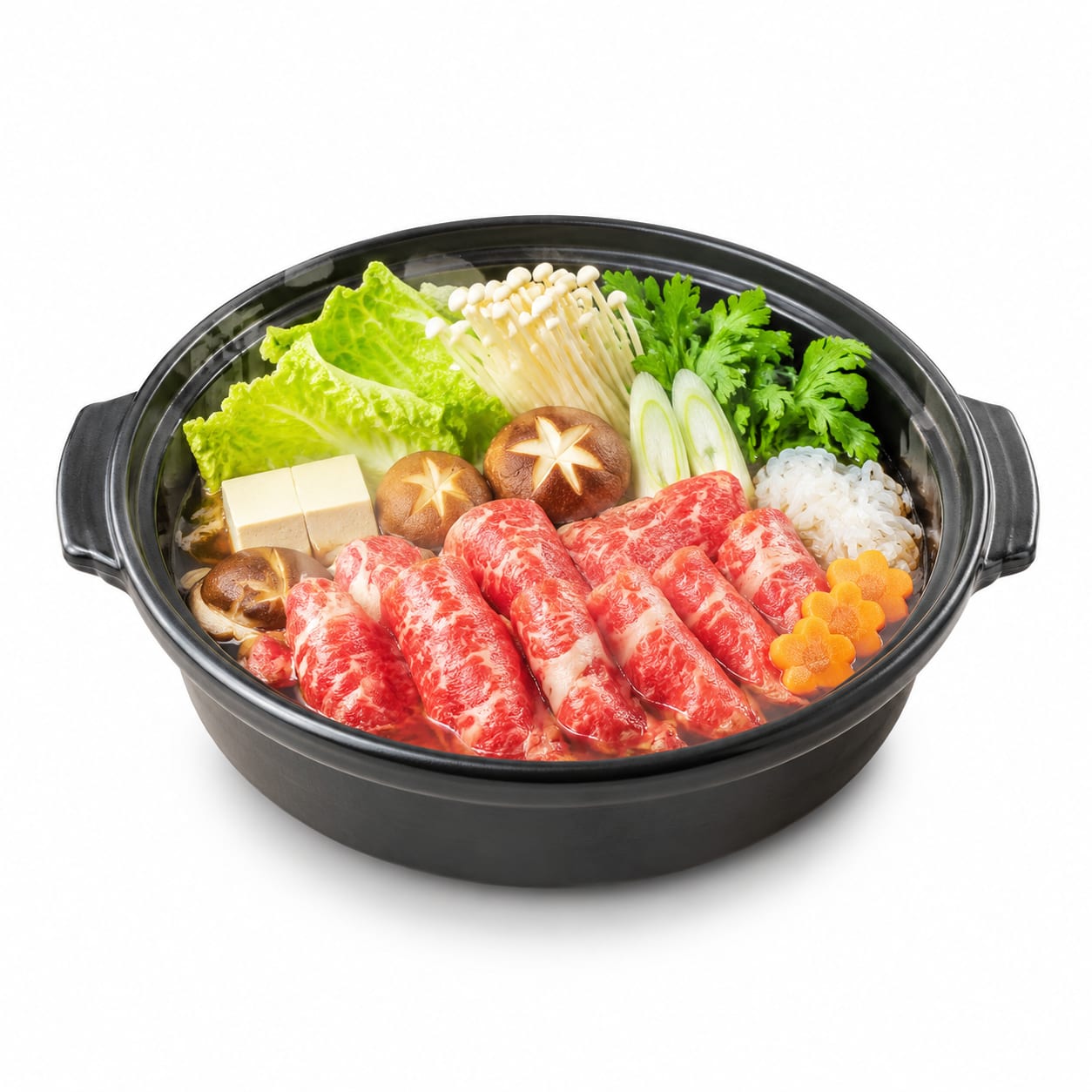
Hot Pot
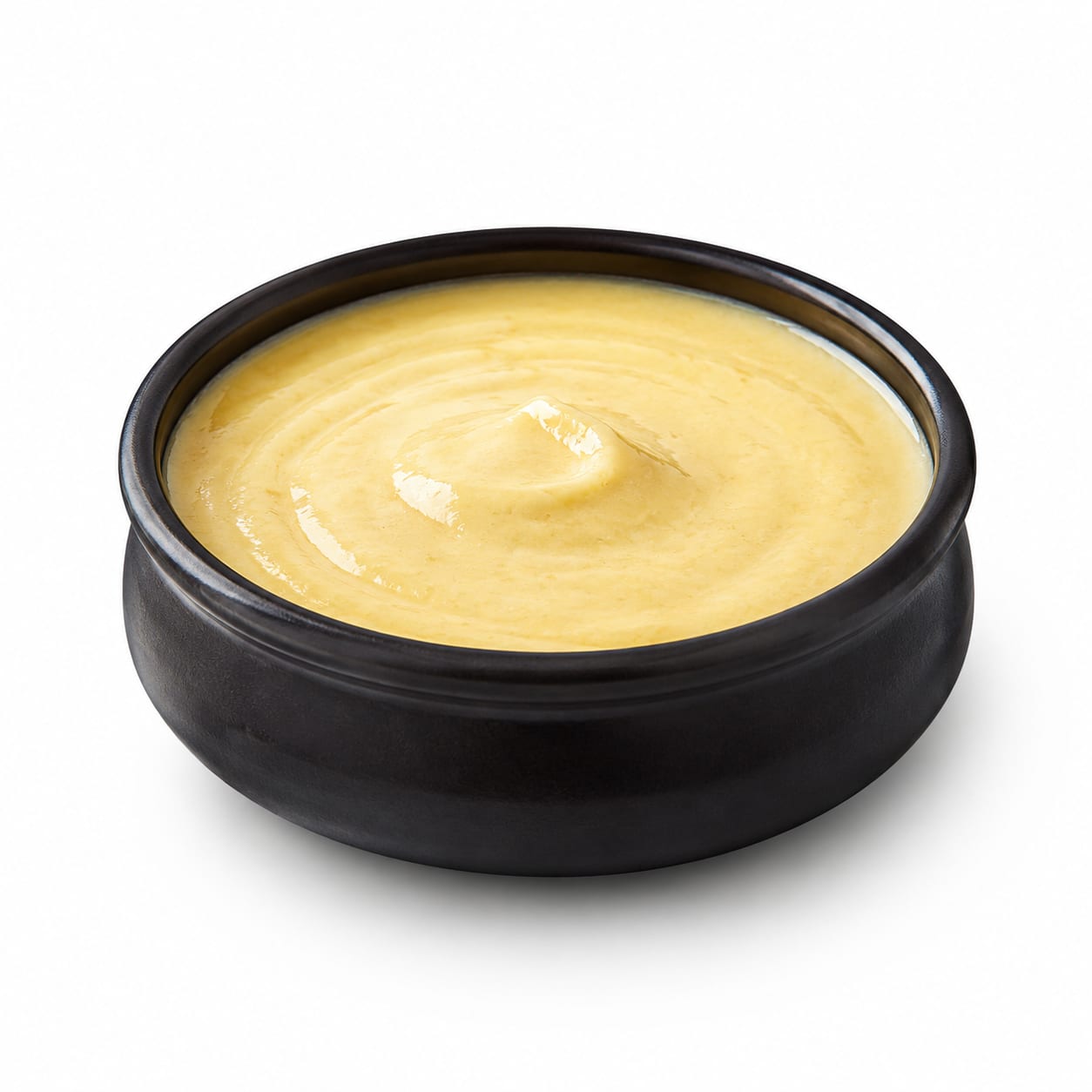
Fondue
Hot Pot offers better nutritional balance and lower calorie density, while Fondue delivers richer, cheese-driven comfort at a higher caloric cost.
Hot Pot scores significantly higher due to its capacity for vegetable variety and lean proteins, whereas Fondue is inherently limited by its cheese-and-bread foundation, making it a heavier, less balanced meal.
Vegetable and lean protein variety versus dense, satisfying cheese and bread indulgence.
At a glance
Executive summary
Overall
Hot Pot
Healthier
Hot Pot
More practical
It depends
Daily use
Hot Pot
Key comparison lenses
Nutritional balance and vegetable intake
Hot Pot easily incorporates diverse vegetables and lean proteins, whereas Fondue revolves heavily around bread and cheese.
Calorie density and weight impact
Fondue is inherently extremely calorie-dense due to cheese fat, while Hot Pot can be adjusted to be much lighter.
Sodium load and heart health
Both are sodium traps through either salty broths and sauces or salty cheeses, posing similar blood pressure risks.
Communal food safety and hygiene
Both involve shared pots, raising risks of cross-contamination from raw meats or double-dipping.
Best choice for
Hot Pot
- Loading up on vegetables
- Lean protein intake
- Warmer, hydrating meals
Fondue
- Cold weather comfort
- Cheese lovers
- Low-carb diets if skipping the bread
Least suitable for
Hot Pot
- Low-sodium diets
- People avoiding MSG
Fondue
- Lactose intolerant individuals
- Low-calorie diets
- Low-fat diets
Deep comparison
Dimension by dimension
Each lens scores both foods and breaks down who each option suits.
- Dimension 1 · Priority 90Hot Pot
Nutritional Balance & Variety
Hot Pot · 85Fondue · 35Hot Pot easily incorporates leafy greens, mushrooms, and lean meats, while Fondue revolves around bread and cheese.
Tradeoff
You trade the rich, cohesive flavor of melted cheese for a broader micronutrient profile.
Why it matters
Diverse food groups in one meal prevent micronutrient gaps and improve digestion.
Real-world impact
You leave a Hot Pot meal feeling comfortably full, whereas Fondue often leaves you feeling heavy and sluggish.
Hot Pot
- Getting daily vegetable servings
- Balancing macronutrients
Better for
- Picky eaters who avoid vegetables
Worse for
Fondue
- Quick calorie intake for underweight individuals
Better for
- Anyone needing fiber or vitamin C
Worse for
- Dimension 2 · Priority 85Hot Pot
Calorie Density & Weight Management
Hot Pot · 70Fondue · 25Fondue is extremely calorie-dense due to the fat in cheese and the carbs in bread, while Hot Pot's broth-based cooking keeps calories lower if you choose wisely.
Tradeoff
Fondue is more satiating per bite due to fat, but the total calorie count climbs rapidly.
Why it matters
Managing calorie density helps prevent accidental overconsumption.
Real-world impact
It is very easy to consume over 1500 calories in a Fondue session without feeling like you ate a large volume of food.
Hot Pot
- Staying full on fewer calories
- Weight loss phases
Better for
- Those who need to gain weight quickly
Worse for
Fondue
- Backpacking or heavy calorie burning days
Better for
- Sedentary evenings
Worse for
- Dimension 3 · Priority 80It depends
Sodium & Heart Health
Hot Pot · 35Fondue · 40Both meals are sodium traps. Hot Pot relies on salty broths and soy-based dipping sauces, while Fondue packs sodium through cheese.
Tradeoff
Hot Pot allows slightly more control over sodium if you use less dipping sauce, but the broth itself is often heavily seasoned.
Why it matters
High sodium meals cause bloating and can spike blood pressure.
Real-world impact
Expect significant water retention the morning after either meal.
Hot Pot
- Customizable sauce portions
Better for
- Hypertension prone individuals
Worse for
Fondue
- Natural sodium from dairy rather than added MSG
Better for
- Heart patients avoiding saturated fat and salt
Worse for
- Dimension 4 · Priority 75It depends
Food Safety & Hygiene
Hot Pot · 45Fondue · 45Both involve communal eating from a shared pot. Hot Pot risks undercooked meat and cross-contamination; Fondue risks double-dipping and unpasteurized cheese.
Tradeoff
Raw meat handling versus dairy contamination risks.
Why it matters
Shared pots can easily become breeding grounds for bacteria if not handled carefully.
Real-world impact
Using separate chopsticks for cooking and eating in Hot Pot, or strict no-double-dipping rules in Fondue, are essential.
Hot Pot
- Boiling broth kills most surface pathogens
Better for
- Risk of salmonella from raw chicken cross-contamination
Worse for
Fondue
- No raw meat handling required
Better for
- Risk of listeria from unpasteurized cheeses
Worse for
- Dimension 5 · Priority 70Fondue
Comfort & Satiety
Hot Pot · 75Fondue · 90Fondue delivers a deep, fatty satiety that feels instantly comforting, while Hot Pot offers a warmer, more hydrating fullness.
Tradeoff
The heavy, rich comfort of cheese versus the warming, brothy comfort of soup.
Why it matters
Emotional satisfaction is a key part of enjoying food, especially in cold weather.
Real-world impact
Fondue feels like a decadent treat, making it more emotionally satisfying for cheese cravings.
Hot Pot
- Feeling hydrated and warm without heaviness
Better for
- Those wanting a rich, indulgent mouthfeel
Worse for
Fondue
- Curbing intense hunger quickly
- Deep winter comfort
Better for
- Hot summer days
Worse for
Timeline
Health impact over time
Short-term
Hours to days
Hot Pot
- Hydration from broth
- Potential bloating from sodium
- Warming effect
Fondue
- Extreme fullness
- Potential digestive sluggishness
- High satiety
Long-term
Months to years
Hot Pot
- Can support vegetable intake if chosen wisely
- Risk of high blood pressure if eaten frequently with salty broths
Fondue
- High saturated fat intake impacts heart health over time
- Weight gain risk if eaten regularly
Risk profile
Safety & processing
Both rely on some processed components, but whole ingredients like fresh vegetables in Hot Pot or artisanal cheese in Fondue can elevate the naturalness.
Hot Pot
Cross-contamination
highUsing the same utensils to handle raw meat and eat can spread bacteria.
Undercooked meat
mediumThinly sliced meat cooks fast, but it is easy to undercook pork or chicken.
Fondue
Double-dipping
mediumSharing a communal cheese pot increases saliva transfer risk.
Unpasteurized cheese
mediumTraditional fondues may use raw milk cheeses, posing a risk for pregnant women.
Who wins for whom
Audience fit
Same foods, different winners depending on your goal.
children
It dependsHot Pot poses a burn risk from boiling broth, while Fondue poses a burn risk from hot cheese; both require strict supervision.
daily consumption
Hot PotNeither is ideal daily, but a light, veggie-heavy Hot Pot is easier to adapt for regular eating than a heavy cheese fondue.
diabetes
Hot PotHot Pot allows you to skip starchy noodles and focus on protein and veggies, whereas Fondue is typically paired with bread and potatoes.
elderly
Hot PotSoft, broth-soaked vegetables and tofu in Hot Pot are easier to chew and digest than dense bread and cheese.
muscle gain
Hot PotHot Pot offers lean protein options like sliced beef, chicken, and tofu which are better for muscle repair than cheese fat.
weight loss
Hot PotBroth-based cooking and vegetable volume make it easier to manage calories compared to cheese and bread.
Your move
Decision guide
Choose Hot Pot
- You want to eat more vegetables
- You prefer a hydrating, brothy meal
- You are watching your calorie intake
Choose Fondue
- You are craving rich, decadent cheese
- You want a keto-friendly option if you skip the bread
- You are hosting an intimate, cozy gathering
Either works if
- You want a fun, interactive communal meal
- You are celebrating a special occasion
Avoid both if
- You are on a strict low-sodium diet
- You have severe digestive issues triggered by rich or salty foods
Final recommendation
Choose Hot Pot for a more balanced, vegetable-forward meal that still feels like a treat. Save Fondue for when you want pure, cheesy indulgence and are less concerned about calorie density.
Practical
Consumer tips
- 1
Use separate chopsticks for cooking and eating Hot Pot to avoid cross-contamination.
- 2
Ask for half-broth or clear broth in Hot Pot to cut down on sodium and hidden fats.
- 3
Opt for vegetable platters and extra mushrooms in Hot Pot to fill up on fiber.
- 4
Use apple slices or bell peppers as dippers for Fondue to add some nutrients.
- 5
Drink plenty of water after either meal to combat the high sodium intake.