
Nutrition comparison
Hot Pot vs Thai Tom Yum: Which Spicy Soup is Healthier?
Comparing Hot Pot and Thai Tom Yum for calories, sodium, and weight loss. Find out which spicy broth is better for your health goals and daily diet.
Overall winner · Thai Tom Yum
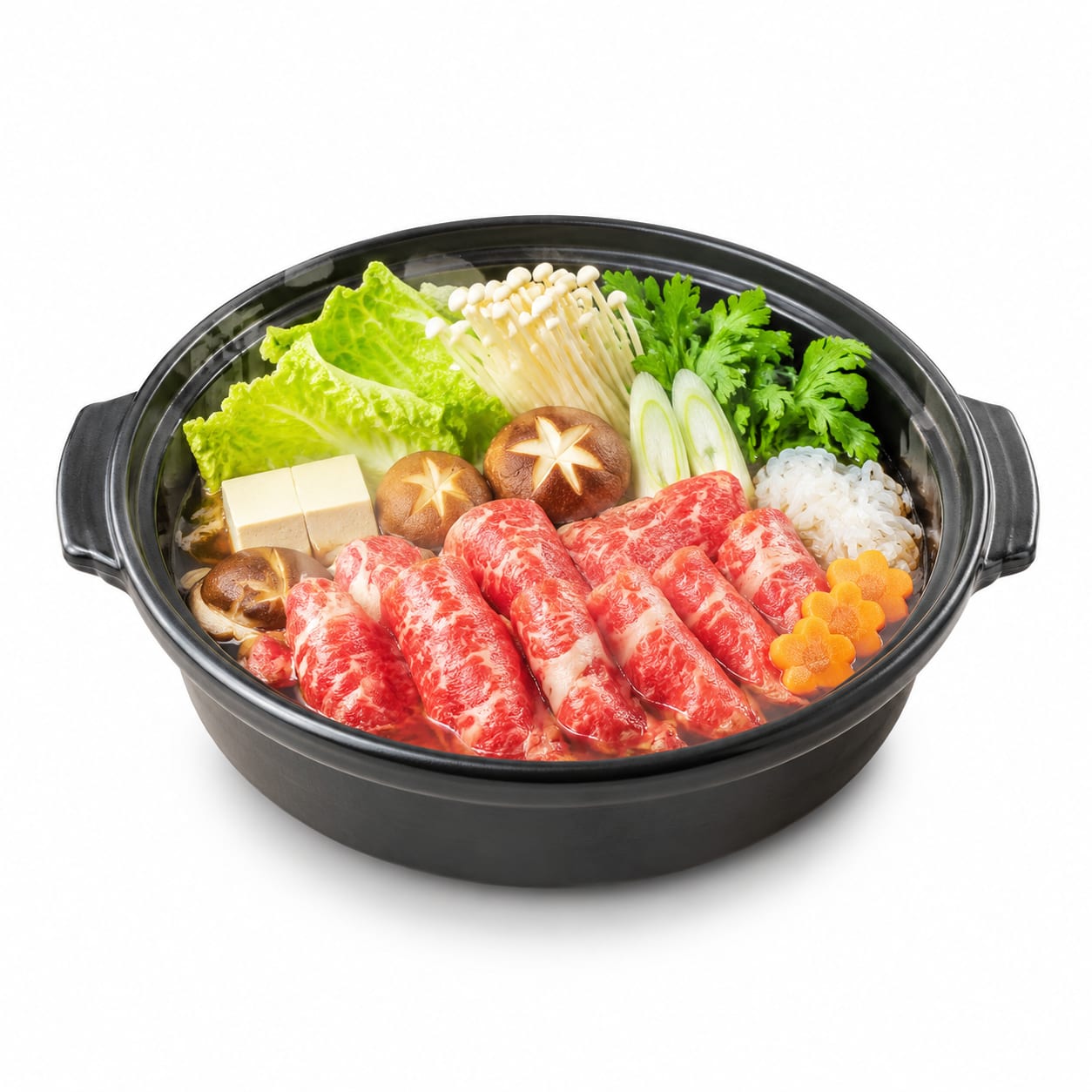
Hot Pot
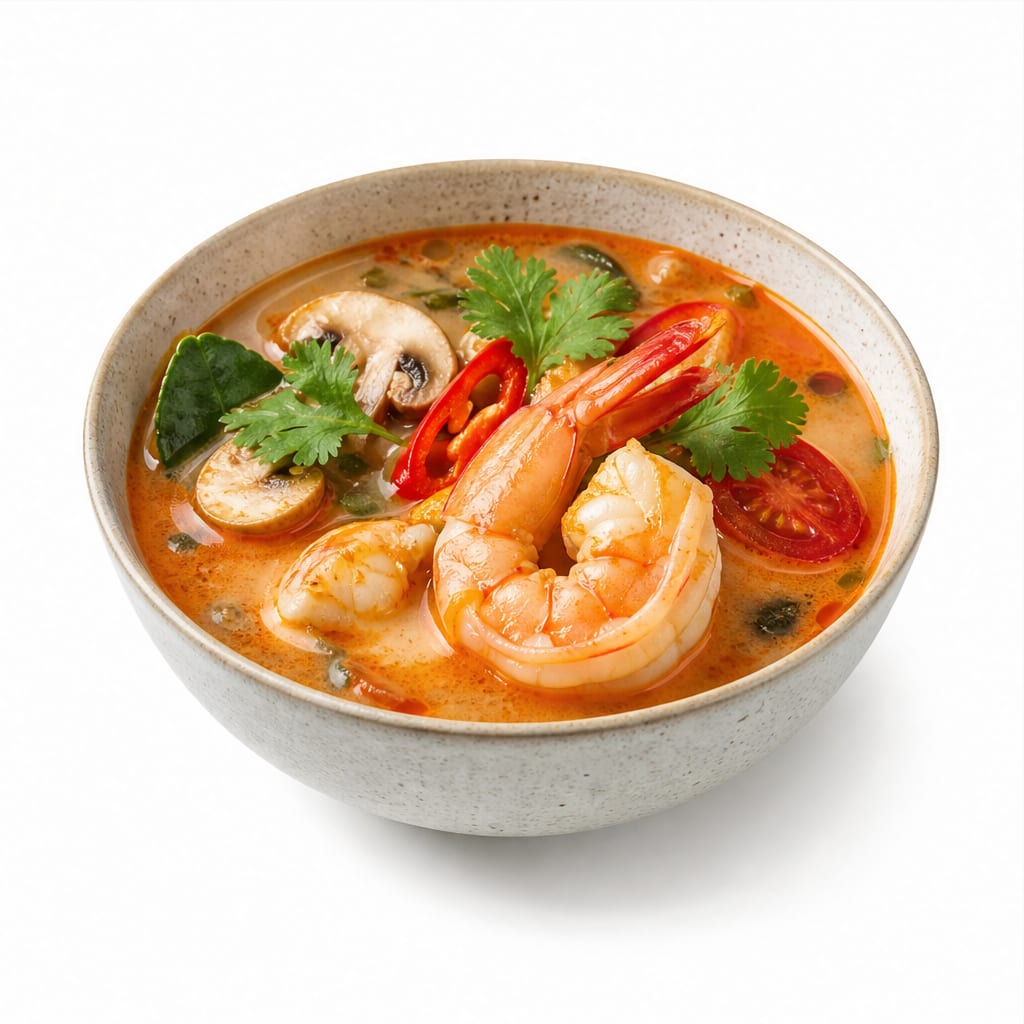
Thai Tom Yum
Thai Tom Yum delivers bold, satisfying flavor in a naturally portion-controlled bowl, while Hot Pot is a high-risk feast where overeating is practically a feature.
Thai Tom Yum scores higher due to built-in portion control and a lighter calorie profile. Hot Pot loses significant points because its default eating mode encourages overconsumption of sodium, fat, and calories, despite its potential for healthy customization.
Hot Pot gives you total control over ingredients but demands extreme discipline to avoid a calorie and sodium bomb, whereas Thai Tom Yum offers a lighter, more predictable meal with less room for error.
At a glance
Executive summary
Overall
Thai Tom Yum
Healthier
Thai Tom Yum
More practical
Thai Tom Yum
Daily use
Thai Tom Yum
Key comparison lenses
Calorie and portion control
Hot Pot is inherently an all-you-can-eat style meal, making overconsumption almost automatic, while Thai Tom Yum is typically a single-serving soup.
Sodium and broth concentration
Both are broth-based and heavily seasoned, but Hot Pot broth concentrates sodium and purines as it boils down, whereas Tom Yum has a more stable sodium profile.
Ingredient flexibility and nutrient density
Hot Pot allows total control over what goes in the pot, offering a chance to load up on veggies or a chance to drown in fatty meats.
Digestive impact of spice and fat
Tom Yum's heat comes from chili and citrus, while Hot Pot often combines heavy oils, spice, and raw meats that can challenge the stomach.
Best choice for
Hot Pot
- Group gatherings and social dining
- Athletes needing massive calorie and protein intake
- People who want precise control over their macro ratios
- Cold weather comfort eating
Thai Tom Yum
- Weight-conscious diners craving bold flavor
- Quick, satisfying weeknight meals
- People prone to overeating who need built-in portion limits
- Those wanting a lighter but warming dish
Least suitable for
Hot Pot
- People with high blood pressure or gout
- Anyone tracking a strict calorie deficit
- Solo diners wanting a quick meal
- Those who struggle with portion control
Thai Tom Yum
- People with severe shellfish allergies
- Those sensitive to high acidity or chili
- Diners looking for a heavy, filling feast
- Anyone on a low-sodium diet
Deep comparison
Dimension by dimension
Each lens scores both foods and breaks down who each option suits.
- Dimension 1 · Priority 95Thai Tom Yum
Calorie Control & Overeating Risk
Hot Pot · 30Thai Tom Yum · 85Hot Pot is an endless buffet in a bowl, while Thai Tom Yum naturally stops when the bowl is empty.
Tradeoff
You gain infinite variety with Hot Pot, but you sacrifice any automatic portion boundaries.
Why it matters
It is incredibly easy to consume 2000+ calories in a single Hot Pot session without feeling full until it is too late.
Real-world impact
A Hot Pot dinner often leaves you uncomfortably stuffed and bloated, whereas Tom Yum leaves you satisfied but still able to move comfortably.
Hot Pot
- Bulking phases where massive calorie intake is the goal
Better for
- Maintaining a consistent daily calorie target
Worse for
Thai Tom Yum
- Cutting weight without feeling deprived of flavor
- Preventing the post-dinner food coma
Better for
- Situations where you need to eat a massive amount of food
Worse for
- Dimension 2 · Priority 90Thai Tom Yum
Sodium & Broth Concentration
Hot Pot · 25Thai Tom Yum · 55Both are sodium bombs, but Hot Pot broth gets progressively saltier and unhealthier as it boils, while Thai Tom Yum maintains a stable salt level.
Tradeoff
Hot Pot's simmering broth extracts purines and concentrates sodium, making the broth a health hazard by the end of the meal.
Why it matters
Drinking the concentrated end-stage Hot Pot broth is a major trigger for gout and blood pressure spikes.
Real-world impact
You will likely wake up parched and puffy after either meal, but the risk is amplified after a long Hot Pot session where you drink the reduced broth.
Hot Pot
- None regarding sodium, both are very high
Better for
- People with gout or hypertension
- Anyone prone to severe water retention
Worse for
Thai Tom Yum
- Avoiding the extreme sodium concentration that happens at the bottom of a Hot Pot pot
Better for
- Those who still drink the entire soup bowl, as it is still very salty
Worse for
- Dimension 3 · Priority 85Hot Pot
Customization & Nutrient Flexibility
Hot Pot · 90Thai Tom Yum · 40Hot Pot lets you build your exact macro profile, while Thai Tom Yum is a pre-set recipe with limited swaps.
Tradeoff
Hot Pot offers the freedom to eat perfectly clean, but it also offers the freedom to drown everything in oil and dipping sauces.
Why it matters
If you have the discipline, Hot Pot can be a high-protein, veggie-heavy dream. Tom Yum is what it is.
Real-world impact
A disciplined Hot Pot diner can hit their exact protein and fiber goals, whereas a Tom Yum diner just gets what is in the bowl.
Hot Pot
- Athletes tracking precise macros
- Picky eaters who want to control every ingredient
Better for
- Those easily tempted by less healthy options on the table
Worse for
Thai Tom Yum
- People who get decision fatigue and just want a balanced meal served to them
Better for
- Diners with specific macro targets that do not match the standard recipe
Worse for
- Dimension 4 · Priority 75Thai Tom Yum
Digestive Tolerance & Fat Load
Hot Pot · 40Thai Tom Yum · 70Tom Yum's heat is balanced by sour citrus, making it lighter on the stomach, while Hot Pot's heavy oils and rich meats can sit like a brick.
Tradeoff
Hot Pot often relies on thick, oily broths and fatty cuts of meat for flavor, which can cause severe indigestion.
Why it matters
The combination of heavy fat, spice, and overeating at a Hot Pot is a classic recipe for acid reflux.
Real-world impact
Tom Yum might clear your sinuses and warm your belly comfortably, while Hot Pot often leads to reaching for antacids before bed.
Hot Pot
- Those using a clear, light broth and avoiding heavy dipping sauces
Better for
- People prone to heartburn or GERD from high-fat meals
Worse for
Thai Tom Yum
- Sensitive stomachs that handle acidity better than heavy grease
- Avoiding the heavy, sluggish feeling after eating
Better for
- Those with ulcers or severe acid reflux triggered by citrus and chili
Worse for
Timeline
Health impact over time
Short-term
Hours to days
Hot Pot
- Severe bloating and water retention from high sodium
- Food coma from massive calorie and fat intake
- Potential indigestion or heartburn from rich, oily foods
Thai Tom Yum
- Mild sweating and sinus clearing from chili heat
- Slight water retention from fish sauce and salt
- Refreshing but warming sensation without heavy fullness
Long-term
Months to years
Hot Pot
- Increased gout risk from purine-heavy boiling broth
- Weight gain if eaten frequently due to portion distortion
- Higher cardiovascular risk if defaulting to fatty meats and oily dips
Thai Tom Yum
- Easier weight maintenance due to lower calorie density
- Potential blood pressure concerns if consuming the full sodium broth daily
- Anti-inflammatory benefits from lemongrass, galangal, and chili
Risk profile
Safety & processing
Hot Pot often relies on heavily processed soup bases, MSG, and pre-made dipping sauces with additives. Thai Tom Yum typically relies on whole aromatics like lemongrass and galangal, though commercial pastes can carry additives.
Hot Pot
Cross-contamination
highCooking raw meats and seafood in a shared communal pot makes it easy to undercook items or spread bacteria.
Purine concentration
highBoiling meats releases purines into the broth, which significantly increases gout attack risk if the broth is consumed.
Thai Tom Yum
Shellfish allergy
highTraditional Thai Tom Yum relies heavily on shrimp and shrimp paste, making it dangerous for those with allergies.
MSG sensitivity
lowSome restaurants add MSG, which can cause mild symptoms like headaches in sensitive individuals.
Who wins for whom
Audience fit
Same foods, different winners depending on your goal.
children
Hot PotHot Pot can be customized with mild broths and familiar foods, whereas Thai Tom Yum's intense spice and sourness is usually too aggressive for kids.
daily consumption
Thai Tom YumThai Tom Yum is a manageable, single-bowl meal, while Hot Pot is a heavy, time-consuming feast meant for occasional enjoyment.
diabetes
Thai Tom YumThai Tom Yum has fewer hidden sugars and starchy carbs compared to Hot Pot, which often features sweet dipping sauces and starchy noodles.
elderly
Thai Tom YumThai Tom Yum is softer and easier to digest, but both require caution due to high sodium; the lighter calorie load of Tom Yum is generally more appropriate.
muscle gain
Hot PotHot Pot allows you to endlessly add lean proteins like sliced beef, chicken, and tofu, making it far easier to hit high protein targets.
weight loss
Thai Tom YumThai Tom Yum is naturally lower in calories and fat, offering intense flavor without the all-you-can-eat trap of Hot Pot.
Your move
Decision guide
Choose Hot Pot
- You are bulking or need a massive calorie surplus
- You are dining with a group and want an interactive, social experience
- You have the discipline to stick to clear broth, veggies, and lean meats
- You want complete control over your ingredient list
Choose Thai Tom Yum
- You want bold flavor without wrecking your calorie budget
- You are eating solo and want a quick, satisfying meal
- You struggle with portion control and need a meal that naturally ends
- You want something warming but light enough to keep you energized
Either works if
- You are craving a warm, broth-based comfort meal
- You are okay with a high-sodium meal as an occasional treat
Avoid both if
- You are on a strict low-sodium diet for blood pressure or kidney issues
- You have severe GERD triggered by spicy or acidic foods
Final recommendation
Choose Thai Tom Yum for a lighter, portion-friendly meal that satisfies cravings without the risk of a massive calorie overshoot. Save Hot Pot for social occasions, but go in with a game plan: lean meats, lots of veggies, and skip drinking the concentrated broth at the bottom.
Practical
Consumer tips
- 1
If eating Hot Pot, choose a clear broth over a creamy or oily one to save hundreds of calories.
- 2
Make your own dipping sauce with mostly soy sauce, vinegar, and garlic instead of relying on heavy sesame oil or peanut sauces.
- 3
Never drink the remaining Hot Pot broth; it is a concentrated pool of fat, sodium, and purines.
- 4
Ask for Thai Tom Yum with less fish sauce or sugar to make it significantly healthier without losing the core flavor.
- 5
Load your Hot Pot with mushrooms and leafy greens first to fill up on fiber before moving to the heavier meats.