
Nutrition comparison
Hot Pot vs Wonton Soup: Which Is Healthier?
Compare hot pot and wonton soup on sodium, calories, nutrition, and food safety. Find out which Chinese broth dish fits your health goals and lifestyle.
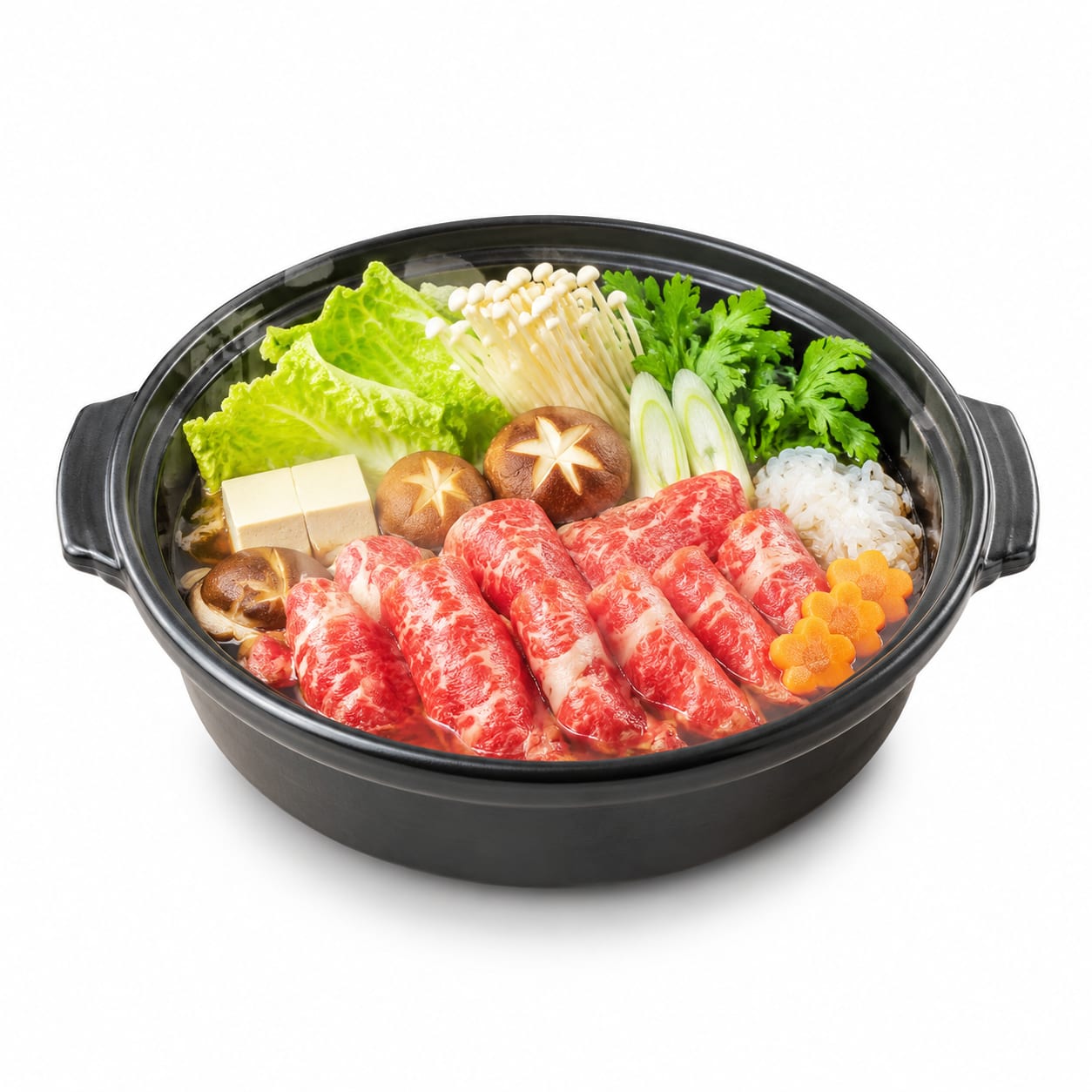
Hot Pot
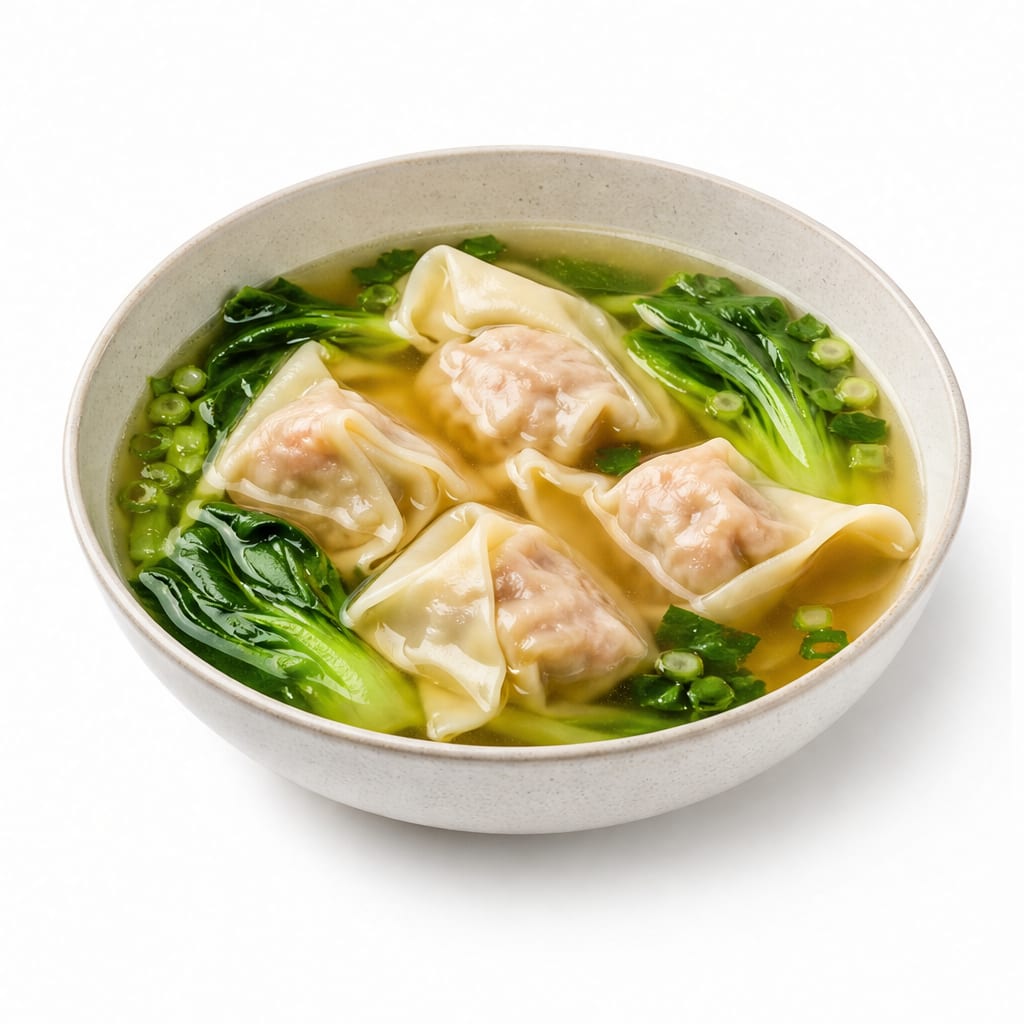
Wonton Soup
Hot pot wins on variety and social experience; wonton soup wins on portion control, sodium moderation, and everyday practicality.
Wonton soup scores higher primarily due to portion predictability, lower sodium, and everyday practicality. Hot pot's nutritional potential is excellent but is undermined by how people actually eat it — heavy sauces, prolonged eating, and excessive sodium.
Rich communal experience with heavy sodium and overeating risk versus simple comforting control with limited nutritional range.
At a glance
Executive summary
Overall
It depends
Healthier
Wonton Soup
More practical
Wonton Soup
Daily use
Wonton Soup
Key comparison lenses
sodium and hydration impact
Both are broth-based Chinese dishes with significant sodium loads, but hot pot's cumulative sodium from broth plus dipping sauces is dramatically higher
portion control and overeating risk
Hot pot is a communal all-you-can-cook experience that encourages overeating, while wonton soup is a bounded single bowl
nutritional variety vs simplicity
Hot pot offers unmatched ingredient diversity but at the cost of control; wonton soup is nutritionally narrow but predictable
food safety and cross contamination
Hot pot involves raw meats handled at the table with real undercooking risks; wonton soup is pre-cooked and safer
comfort and digestibility
Both are warming and soothing, but wonton soup is far gentler on the stomach after a long day
social vs solo dining context
Hot pot is inherently a shared social event; wonton soup is quick comfort food for one
Best choice for
Hot Pot
- Social gatherings and celebrations
- Maximizing vegetable and protein variety in one meal
- Cold weather comfort with friends
- Recovery days when you need a large satisfying meal
Wonton Soup
- Weeknight dinners when you want something warm and light
- Days when sodium intake needs to stay moderate
- Upset stomach or gentle eating after illness
- Quick comforting lunch without the commitment
Least suitable for
Hot Pot
- Daily consumption due to extreme sodium load
- Anyone managing hypertension or kidney issues
- Solo diners wanting a quick meal
- People prone to overeating in social settings
Wonton Soup
- Athletes needing high protein and calorie intake
- Anyone seeking broad micronutrient coverage
- Large appetites that a single bowl cannot satisfy
- Social dining occasions that call for shared cooking
Deep comparison
Dimension by dimension
Each lens scores both foods and breaks down who each option suits.
- Dimension 1 · Priority 95Wonton Soup
sodium_load
Hot Pot · 25Wonton Soup · 50Hot pot broth alone is salty, but the real danger is the dipping sauces and prolonged cooking that concentrates sodium. Wonton soup is still high in sodium but more manageable.
Tradeoff
You sacrifice bold interactive flavor for significantly less next-day bloating and thirst.
Why it matters
A single hot pot session can deliver 4000-6000mg sodium, far exceeding daily limits. Wonton soup typically lands around 1500-2500mg.
Real-world impact
After hot pot, expect noticeable thirst, puffy fingers, and a bloated feeling the next morning. Wonton soup leaves you far less waterlogged.
Hot Pot
- Those who sweat heavily and need sodium replenishment
- Occasional indulgence where sodium is less concerning
Better for
- Hypertension management
- Kidney disease
- Anyone already eating processed foods that day
Worse for
Wonton Soup
- Anyone watching blood pressure
- Daily meal rotation without sodium accumulation
Better for
- Strict low-sodium diets still find it too salty
Worse for
- Dimension 2 · Priority 90Hot Pot
nutritional_variety
Hot Pot · 88Wonton Soup · 35Hot pot lets you eat a rainbow of vegetables, multiple proteins, mushrooms, and tofu in one sitting. Wonton soup is mostly wrapper, small filling, and broth.
Tradeoff
Variety comes with loss of portion control and the temptation to overeat. Simplicity means predictability but nutritional gaps.
Why it matters
A well-built hot pot can cover more micronutrient ground in one meal than most dishes. Wonton soup is essentially carbs, a little protein, and broth.
Real-world impact
After a balanced hot pot, you have genuinely eaten your vegetables for the day. After wonton soup, you still need a side dish or two.
Hot Pot
- Getting diverse vitamins and minerals in one meal
- Covering multiple food groups simultaneously
- Plant-forward eaters who load up on mushrooms and greens
Better for
- Those who default to meat-heavy hot pot with minimal vegetables
Worse for
Wonton Soup
- Predictable macro tracking
- Simplicity when your other meals already cover variety
Better for
- Anyone relying on it as a complete meal repeatedly
Worse for
- Dimension 3 · Priority 88Wonton Soup
portion_control_and_overeating_risk
Hot Pot · 20Wonton Soup · 82Hot pot is an open-ended eating event that can last two hours. Wonton soup is a defined bowl that signals done when empty.
Tradeoff
The joy of lingering over hot pot is also its biggest risk for your waistline and digestion.
Why it matters
Extended eating windows and social pressure lead to consuming far more than intended. A bowl of wonton soup naturally stops itself.
Real-world impact
It is very easy to consume 1500-2500 calories at hot pot without feeling full until it is too late. Wonton soup typically lands at 400-600 calories.
Hot Pot
- Deliberate bulk eating for athletes or weight gain
Better for
- Emotional eaters
- Anyone who struggles to stop when food is available
- Late-night dining
Worse for
Wonton Soup
- Weight management
- Mindful eating
- Avoiding the too-full regret
Better for
- High-calorie needs where a small bowl is insufficient
Worse for
- Dimension 4 · Priority 78Wonton Soup
digestive_comfort
Hot Pot · 40Wonton Soup · 80Wonton soup is gentle, warming, and easy on the stomach. Hot pot can be heavy, spicy, and overwhelming depending on choices.
Tradeoff
Comfort food simplicity versus exciting but potentially irritating bold flavors and mixed ingredients.
Why it matters
After a long day or during mild illness, wonton soup soothes. Hot pot can trigger heartburn, especially with spicy broth and rich sauces.
Real-world impact
Wonton soup is the meal people crave when their stomach is upset. Hot pot is the meal people regret at 2am when heartburn hits.
Hot Pot
- Robust appetites and strong digestion
- Cold days when you want internal heat from spice
Better for
- Acid reflux sufferers
- IBS triggered by spice or fat
Worse for
Wonton Soup
- Sensitive stomachs
- Post-illness recovery eating
- Light dinner before bed
Better for
- Those who find light meals unsatisfying and snack later
Worse for
- Dimension 5 · Priority 80Wonton Soup
food_safety
Hot Pot · 35Wonton Soup · 75Hot pot involves cooking raw meat yourself at the table with real risks of undercooking and cross-contamination. Wonton soup is pre-cooked and served ready to eat.
Tradeoff
Interactive cooking is fun but shifts food safety responsibility to you.
Why it matters
Undercooked pork, chicken, or seafood at hot pot can cause serious foodborne illness. Shared chopsticks touching raw and cooked food is a common contamination path.
Real-world impact
Hot pot is a top candidate for next-day stomach issues if cooking vigilance slips. Wonton soup rarely causes food safety problems from a reputable source.
Hot Pot
- Experienced hot pot diners who follow safe cooking practices
Better for
- Distracted social eaters who rush cooking
- Shared utensil cross-contamination
Worse for
Wonton Soup
- Anyone with compromised immunity
- Children and elderly who need guaranteed cooked food
- Pregnant women avoiding undercooked meat risk
Better for
- Minimal risk in typical preparation
Worse for
- Dimension 6 · Priority 72Wonton Soup
convenience_and_practicality
Hot Pot · 20Wonton Soup · 85Wonton soup is ready in minutes from a restaurant or freezer. Hot pot requires setup, multiple ingredients, and at least an hour of active eating.
Tradeoff
Ritual and experience versus speed and ease.
Why it matters
On a Tuesday night after work, wonton soup is realistic. Hot pot is a weekend project or restaurant commitment.
Real-world impact
You can have wonton soup on the table in 10 minutes. Hot pot demands shopping, prep, cooking, and cleanup that can stretch to three hours total.
Hot Pot
- Weekend social cooking as an activity itself
- Special occasions worth the effort
Better for
- Time-pressed weeknights
- Solo cooking for one
Worse for
Wonton Soup
- Weeknight dinners
- Quick office lunches
- Meal prep and freezer stocking
Better for
- Those who want cooking to feel like an event
Worse for
- Dimension 7 · Priority 70Hot Pot
protein_quality_and_quantity
Hot Pot · 78Wonton Soup · 45Hot pot offers multiple high-quality protein sources from thinly sliced beef to shrimp to tofu. Wonton soup provides a small amount of pork or shrimp filling.
Tradeoff
Abundant protein choice versus a modest but sufficient single source.
Why it matters
For muscle maintenance and satiety, hot pot delivers far more protein per session. Wonton soup's protein is adequate but not impressive.
Real-world impact
A hot pot meal can easily provide 50-80g protein. A bowl of wonton soup typically offers 15-25g.
Hot Pot
- Athletes and active people needing high protein
- Anyone trying to hit protein targets without supplements
Better for
- Those who fill up on noodles and skip the protein
Worse for
Wonton Soup
- Sedentary days where lower protein is fine
- Smaller appetites
Better for
- High-protein diets where it falls short alone
Worse for
Timeline
Health impact over time
Short-term
Hours to days
Hot Pot
- Significant thirst and water retention from high sodium within hours
- Possible overfullness and digestive discomfort from prolonged eating
- Potential heartburn from spicy broth and rich sauces
- Risk of foodborne illness if meat is undercooked
- Warming and satisfying feeling during cold weather
Wonton Soup
- Mild thirst from moderate sodium
- Gentle fullness without heaviness
- Comforting and soothing effect on the stomach
- Quick satisfaction without the overstuffed feeling
- Possible hunger return within 2-3 hours due to low volume
Long-term
Months to years
Hot Pot
- Frequent consumption raises hypertension risk substantially from cumulative sodium
- Social overeating patterns can contribute to weight gain over time
- Excellent micronutrient intake if vegetable-heavy versions are chosen consistently
- Spicy broth varieties may irritate gastric lining with repeated exposure
Wonton Soup
- Manageable sodium levels allow more frequent inclusion in a healthy diet
- Insufficient as a standalone recurring meal due to limited nutritional breadth
- Consistent gentle digestion supports gut comfort long-term
- Low calorie density helps maintain weight when used as a regular meal option
Risk profile
Safety & processing
Both dishes use whole ingredients but rely on processed broth bases that often contain MSG, preservatives, and sodium-heavy seasonings. Hot pot's dipping sauces add another layer of processed condiments. Restaurant versions of both are more processed than homemade.
Hot Pot
Undercooked meat and seafood
highThinly sliced meat cooks quickly but diners often underestimate time needed, especially with thick cuts or crowded pots. Pork and chicken carry particular risk.
Cross-contamination from shared utensils
highUsing the same chopsticks to handle raw meat and eat cooked food is extremely common at hot pot and a major contamination vector.
Broth scum and fat accumulation
lowAs ingredients cook, proteins and fats accumulate in the broth. Not dangerous but can be unappetizing and concentrate impurities over a long session.
Wonton Soup
Undercooked wonton filling
lowLess common than hot pot undercooking since wontons are pre-cooked by the kitchen, but frozen varieties need thorough heating.
Broth contamination from improper storage
lowIf broth is held at unsafe temperatures before serving, bacterial growth is possible. Reputable restaurants handle this well.
Who wins for whom
Audience fit
Same foods, different winners depending on your goal.
children
Wonton SoupWonton soup is safer with guaranteed cooked food, milder flavors, and appropriate portions. Hot pot's raw meat handling and hot broth pose real burn and contamination risks for kids.
daily consumption
Wonton SoupWonton soup can realistically be eaten several times per week without major health concerns. Hot pot's sodium load and heaviness make it a once-per-week maximum for most people.
diabetes
Wonton SoupWonton soup has a more predictable carbohydrate load. Hot pot's noodles, starchy vegetables, and sweet sauces make blood sugar management difficult.
elderly
Wonton SoupGentle on digestion, lower sodium relative to hot pot, and no food safety concerns from self-cooking. Hot pot's sodium and undercooking risks are particularly dangerous for older adults.
muscle gain
Hot PotHot pot provides substantially more protein from multiple sources and enough calories to support muscle building when chosen deliberately.
weight loss
Wonton SoupWonton soup's bounded portions and lower calorie density make it far easier to fit into a calorie deficit. Hot pot's open-ended nature practically invites overconsumption.
Your move
Decision guide
Choose Hot Pot
- You are dining with friends and want a shared interactive experience
- You need a high-protein, high-variety meal after intense training
- It is a cold weekend and you want to linger over food for hours
- You can commit to loading up on vegetables and moderating sauce use
Choose Wonton Soup
- You want something warm and comforting on a weeknight without effort
- Sodium intake is a health priority for you
- You need a light meal that will not leave you overstuffed before bed
- Your stomach is sensitive and you want something gentle
- You are eating solo and want satisfaction without the production
Either works if
- You are craving something warm and broth-based
- You want Chinese comfort food
- It is a cold day and only soup will do
Avoid both if
- You are on a strict low-sodium diet as both are sodium-heavy
- You have a shellfish allergy and cannot verify broth ingredients
- You need a raw or fully plant-based meal
Final recommendation
Keep hot pot as an occasional social ritual, not a regular meal. Let wonton soup be your go-to when you want warmth and comfort without the sodium hangover. If you do choose hot pot, skip the dipping sauces, load up on greens, and use separate chopsticks for raw meat — it makes a real difference.
Practical
Consumer tips
- 1
At hot pot, use one pair of chopsticks strictly for raw ingredients and another for eating. This single habit dramatically cuts food poisoning risk.
- 2
Ask for low-sodium or half-broth at restaurants for either dish. Many places will accommodate.
- 3
Skip or minimize hot pot dipping sauces — they can add 1000mg+ sodium per sitting alone.
- 4
Load your hot pot with mushrooms, leafy greens, and tofu before touching the noodles. You will fill up on nutrients before carbs.
- 5
Freeze homemade wontons for quick weeknight soup that beats takeout on sodium and quality.
- 6
Drink extra water after either meal to help your body process the sodium load.
- 7
If ordering hot pot, choose clear or mushroom broth over spicy or fatty bone broth to save hundreds of calories and significant sodium.