
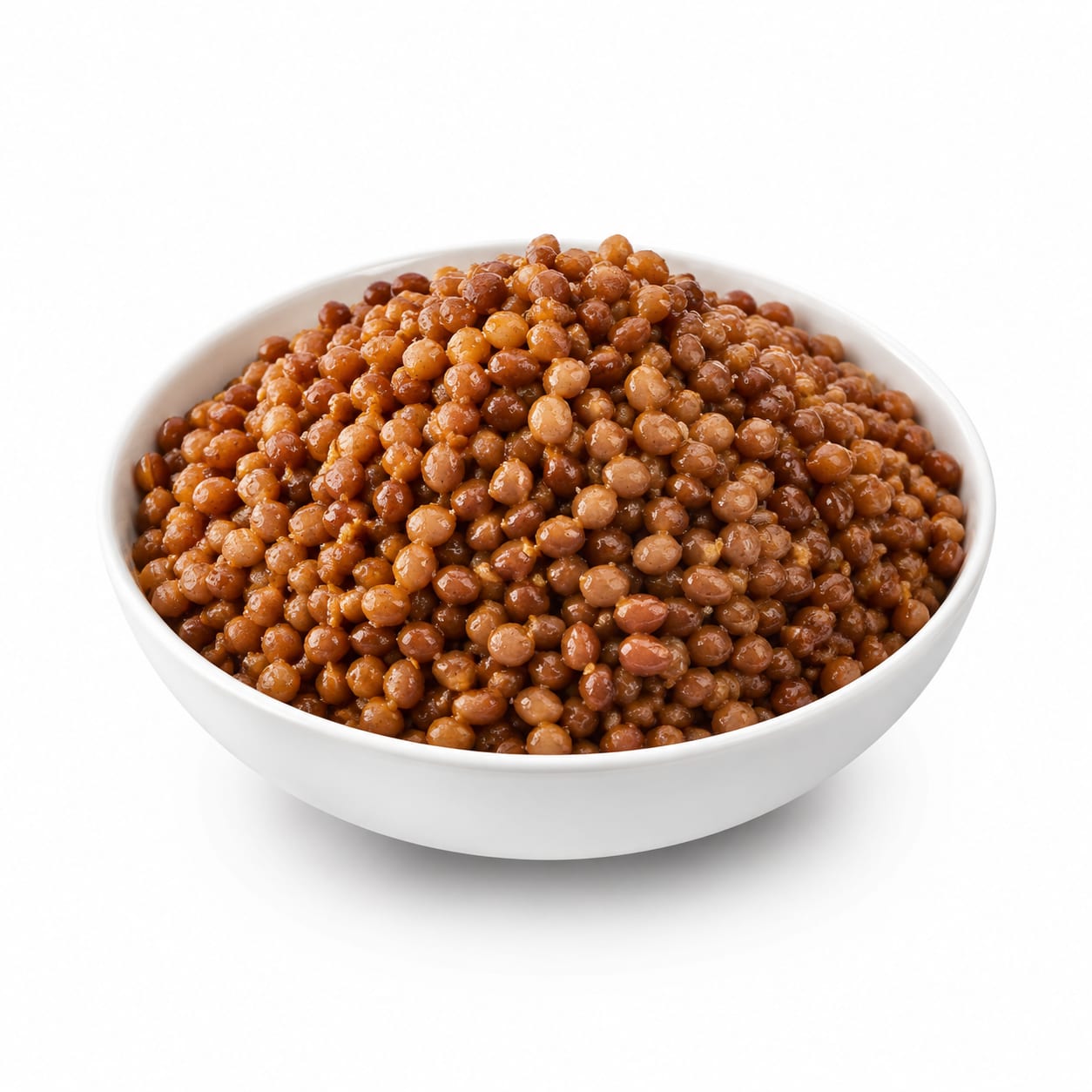
Legume
Horse Gram
Horse gram is a nutrient-dense, high-protein legume prized for its high fiber, low glycemic index, and weight loss benefits.
Horse gram is a drought-resistant legume widely cultivated in Asia, recognized for its exceptional protein and fiber content. It is traditionally used in Ayurvedic medicine for weight management and kidney stone prevention.
slow-digesting high-protein legume
Typical serving · 50g
Common varieties · brown, black, pale green, red, mottled
Overall context score across nutrition, safety, and diet fit
At a glance
Quick facts
Simple indicators based on nutrition, processing, and diet fit.
The story
What makes it unique
Horse gram is a slow-digesting legume with a robust macronutrient profile featuring high protein and complex carbohydrates. Its resistant starch and high fiber content delay gastric emptying, promoting prolonged satiety and a low glycemic response. As a minimally processed whole food, it retains its native micronutrient and phytochemical matrix.
Varieties: brown · black · pale green · red · mottled
Per 100g
Nutrition breakdown
Macro balance and key metrics at a glance.
Energy
Density 3.21 kcal/g
Protein
Carbs
Fat
Fiber
Sugar
3 g
Sodium
25 mg
Potassium
1050 mg
Glycemic index
35
Glycemic load
15
Water content
10%
Standout compounds
Nutrient highlights
Protein
highSupports muscle synthesis and metabolic function
Dietary Fiber
highPromotes satiety and regulates digestion
Iron
highEssential for oxygen transport and energy production
Polyphenols
highProvides antioxidant and anti-inflammatory effects
Calcium
moderateSupports bone health and muscle contraction
Wellness map
Health scores & processing
NOVA processing scale
minimally processed · Whole food
Dried horse gram is a whole, unrefined agricultural product requiring only soaking and cooking before consumption.
Diet compatibility
- Weight loss
- Muscle gain
- Diabetes
- Gut health
- Low carb
- High protein
- Heart health
Relative standing
Food rankings
Qualitative ranks compared to similar whole foods.
- Satietyexcellent
- Blood sugarexcellent
- Nutrient densitygood
- Fitness fuelgood
- Processing qualityexcellent
Eat with confidence
Food safety profile
Horse gram is inherently safe when properly prepared. Like other legumes, it contains lectins that must be neutralized through soaking and thorough boiling to prevent gastrointestinal distress.
Evidence confidence 90%
- Pesticideslow
- Antibioticslow
- Heavy metalslow
- Contaminationmoderate
Watch for
- phytohemagglutinin (lectins)
- dust
- agricultural debris
Safer choices
Organic sourced horse gram reduces potential pesticide exposure, though conventional is generally low risk.
Prep tips
Rinse thoroughly under running water, soak for 8-12 hours, discard soak water, and boil until completely tender to destroy lectins.
Raw legumes contain lectins that are toxic if consumed without adequate cooking.
Deep dive
Health analysis
How this food may fit different goals and preparation choices.
Weight loss
High fiber and protein drastically increase satiety, reducing overall calorie intake. Low energy density relative to volume when cooked aids portion control.
Blood sugar
Complex carbohydrates and resistant starch result in a low glycemic index, preventing rapid blood sugar spikes and improving insulin sensitivity.
Fitness & energy
Provides sustained slow-release energy ideal for endurance activities, though it lacks the rapid digestion needed for immediate post-workout recovery.
Gut health
Rich in prebiotic fiber that fuels beneficial gut bacteria. Fermentation by microbiota produces short-chain fatty acids, supporting colon health.
Processing quality
A whole food in its natural state with no additives, retaining its complete nutritional profile and structural integrity.
Food safety
Safe when properly cooked. Raw or undercooked beans contain harmful lectins that cause nausea and digestive distress.
Common mistakes
Skipping the soaking step, which increases cooking time and reduces digestibility, leading to excessive flatulence.
Best preparation
Soaking overnight, then pressure cooking or boiling until soft. Sprouting enhances nutrient bioavailability and reduces antinutrients.
Practical guide
Best use cases
When and how this food fits real eating patterns.
Weight loss meals
Use in soups and stews to increase volume and satiety without excessive calories.
Blood sugar management
Replace higher glycemic carbs with horse gram to stabilize post-meal glucose levels.
Plant-based muscle building
Combine with whole grains to form a complete protein profile for muscle repair and growth.
Gut health improvement
Sprouted horse gram acts as a prebiotic, feeding beneficial gut bacteria and improving microbiome diversity.
Balance sheet
Pros & cons
Upsides
- Exceptionally high protein and fiber content
- Low glycemic index stabilizes blood sugar
- Rich in antioxidants and polyphenols
- Highly satiating, supports weight loss
- Naturally gluten-free and vegan
- Very affordable and shelf-stable
Trade-offs
- Requires long soaking and cooking times
- Contains antinutrients like phytic acid
- Can cause flatulence if not cooked properly
- Not suitable for low-carb or keto diets
- Has a distinct earthy flavor some find unappealing
Fit check
Who is it for?
Great match
- weight loss diets
- diabetics seeking low glycemic foods
- vegans needing plant protein
- endurance athletes needing sustained fuel
- constipation relief
Consider alternatives
- strict ketogenic diets
- people with severe legume allergies
- those with acute gout flares due to purines
- individuals sensitive to high-fiber foods
Side by side
How it compares
Open the full head-to-head analysis for nutrition, safety, and practical tradeoffs.
This food
Horse Gram
VS90% alike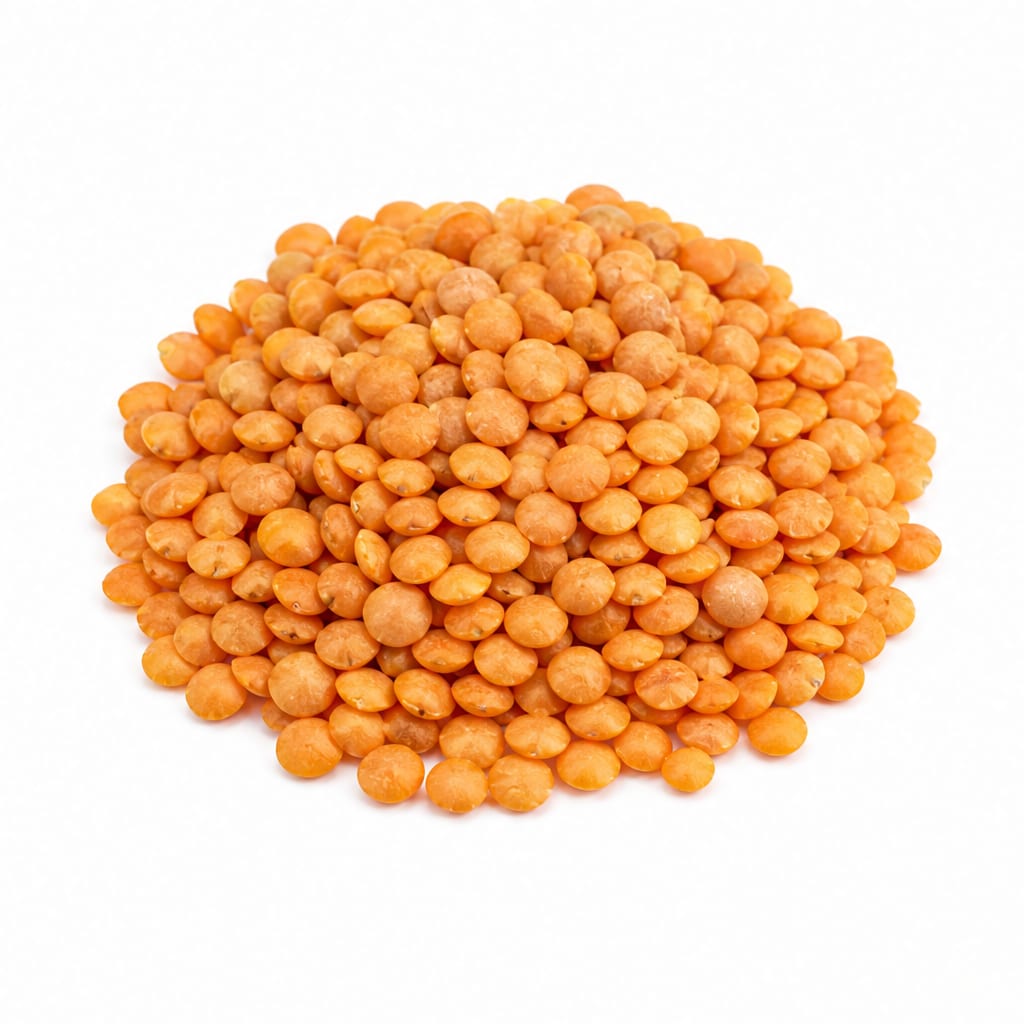
Compare with
Lentils
Lentils cook faster and have slightly more folate, while horse gram offers more protein and better weight loss support.
Lentils cook faster and are great for quick meals, while horse gram provides more protein and fiber for better weight loss and blood sugar control.
This food
Horse Gram
VS85% alike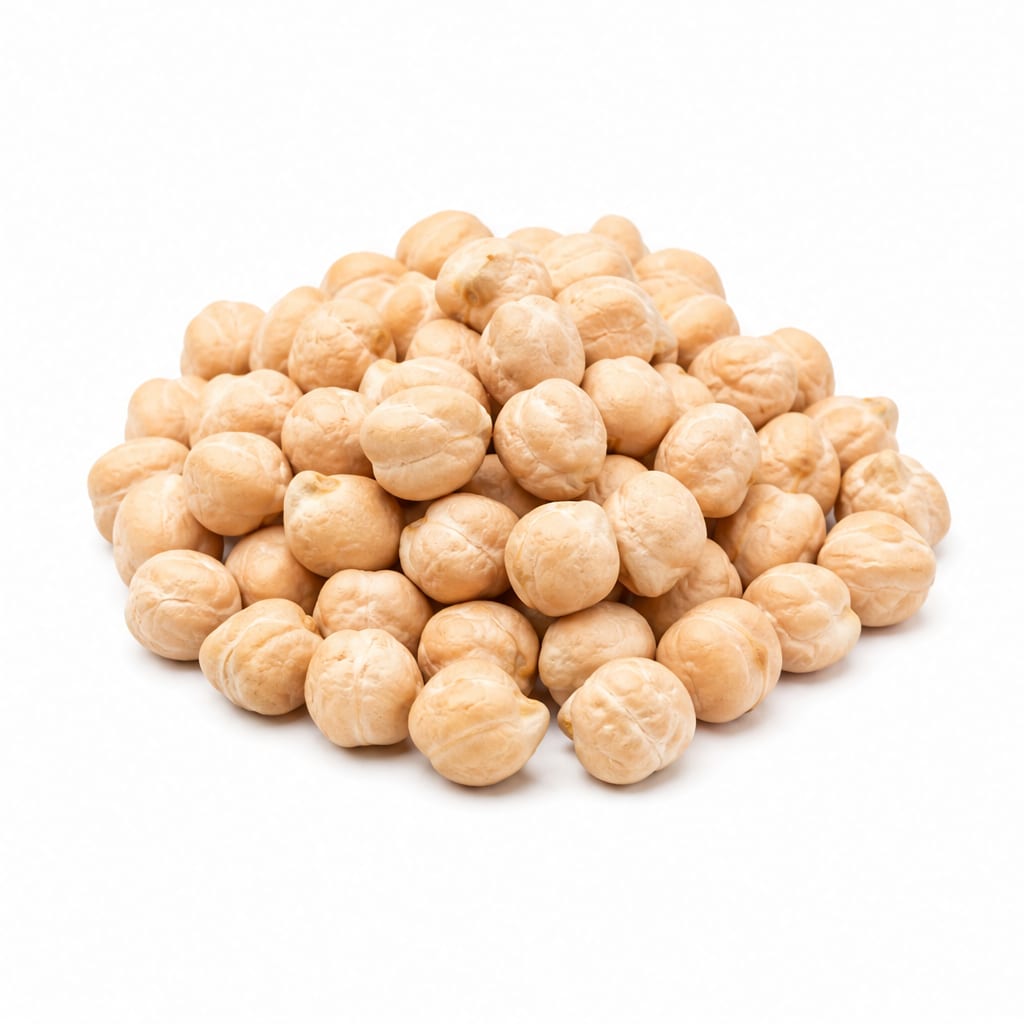
Compare with
Chickpeas
Chickpeas are higher in folate and versatile, whereas horse gram is higher in protein and iron with a lower glycemic index.
Chickpeas are more versatile for dishes like hummus, but horse gram is superior for weight loss and blood sugar management due to its higher protein and lower glycemic index.
This food
Horse Gram
VS95% alike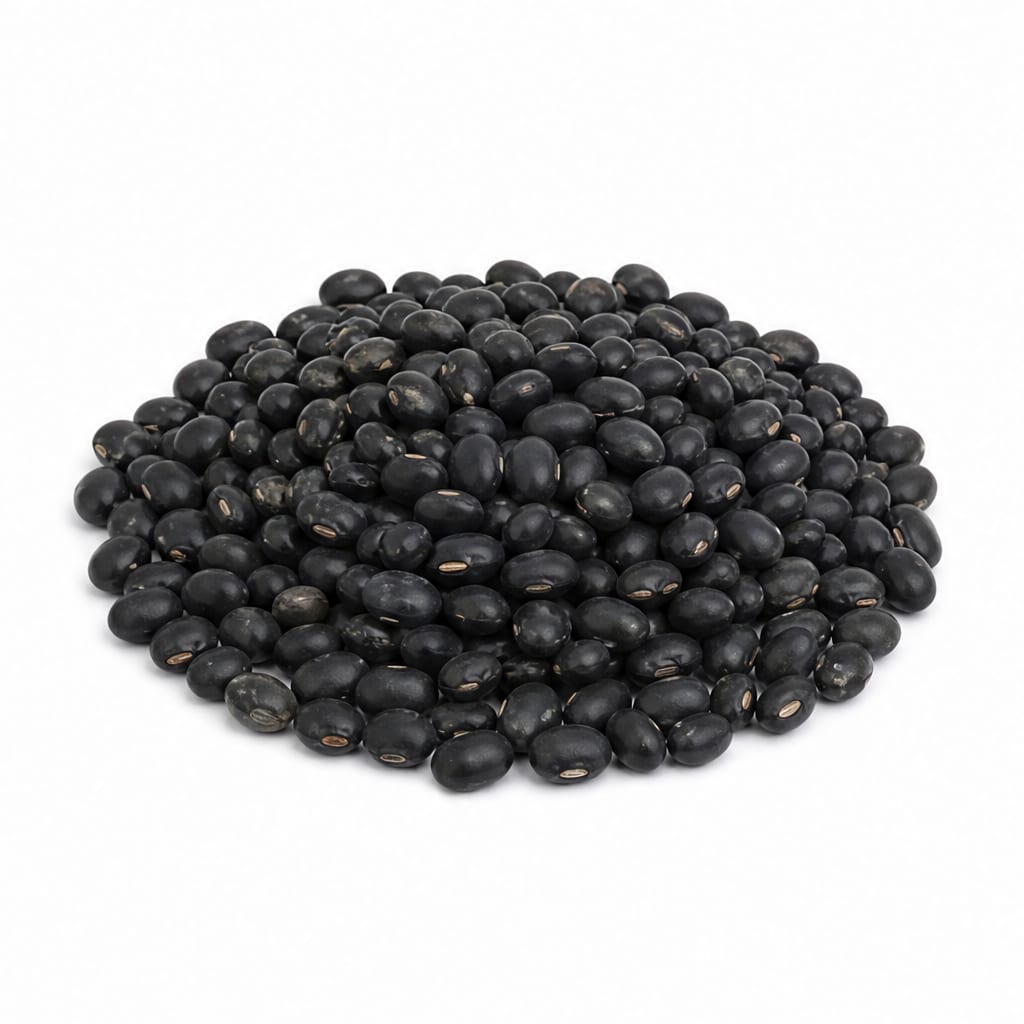
Compare with
Black Gram
Black gram is creamier and higher in fat, while horse gram is lower in fat and better for strict weight loss.
Black gram is richer and creamier for comfort foods, while horse gram is lower in fat and calories, making it the better choice for weight loss.
This food
Horse Gram
VS85% alike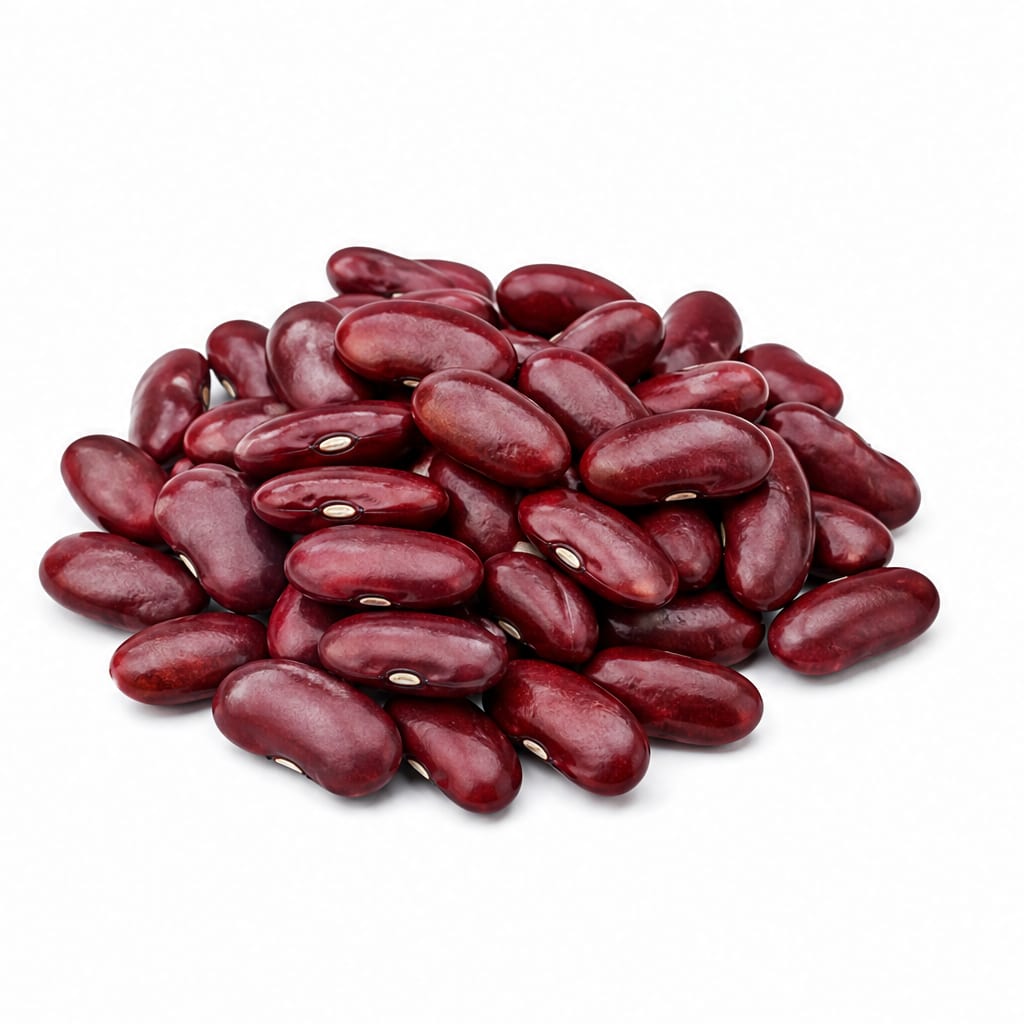
Compare with
Kidney Beans
Kidney beans offer more folate, but horse gram provides more protein and fiber per calorie for satiety.
Kidney beans are a chili staple with good nutrients, but horse gram packs more protein and fiber per calorie, winning for satiety and weight loss.
This food
Horse Gram
VS90% alike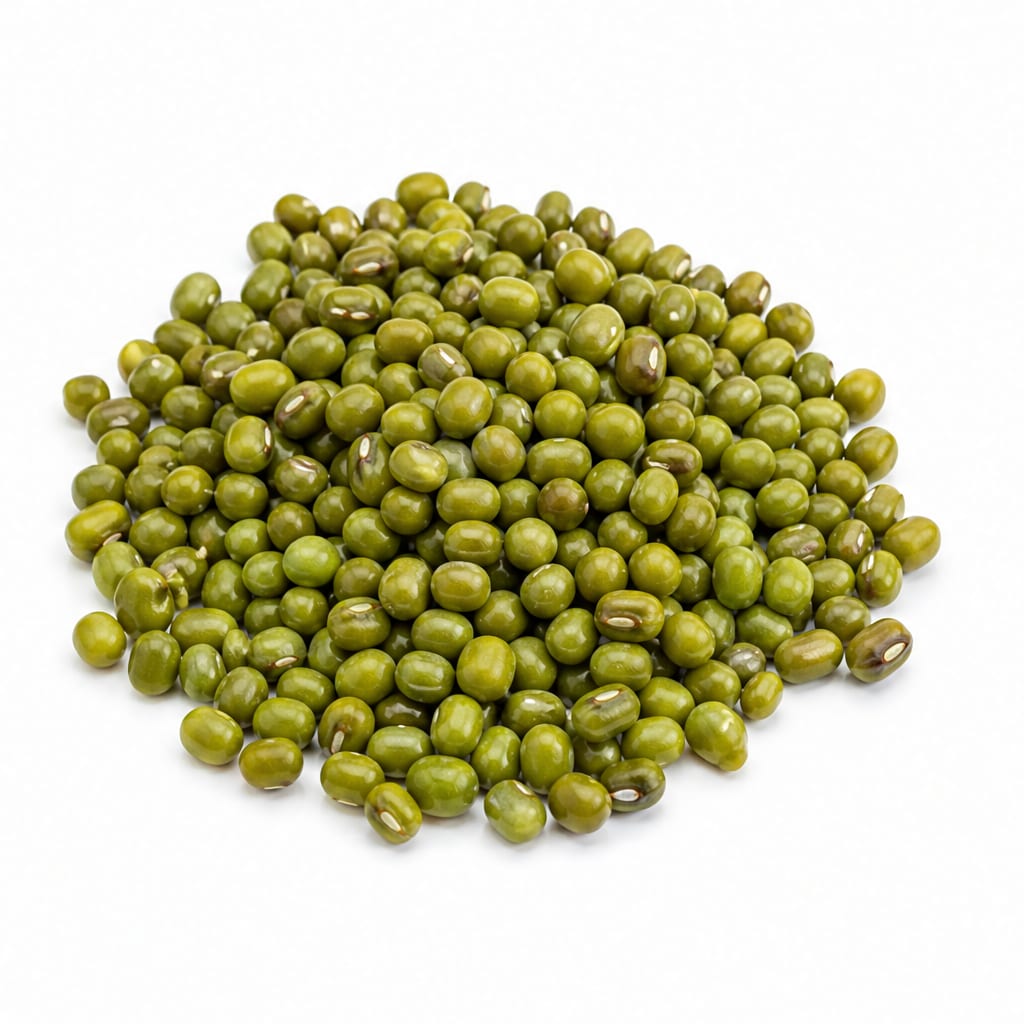
Compare with
Mung Beans
Mung beans are easier to digest and cook faster, while horse gram is denser in protein and better for sustained energy.
Mung beans are gentler on digestion and cook quickly, whereas horse gram offers higher protein and stronger satiety for weight loss.
This food
Horse Gram
VS85% alike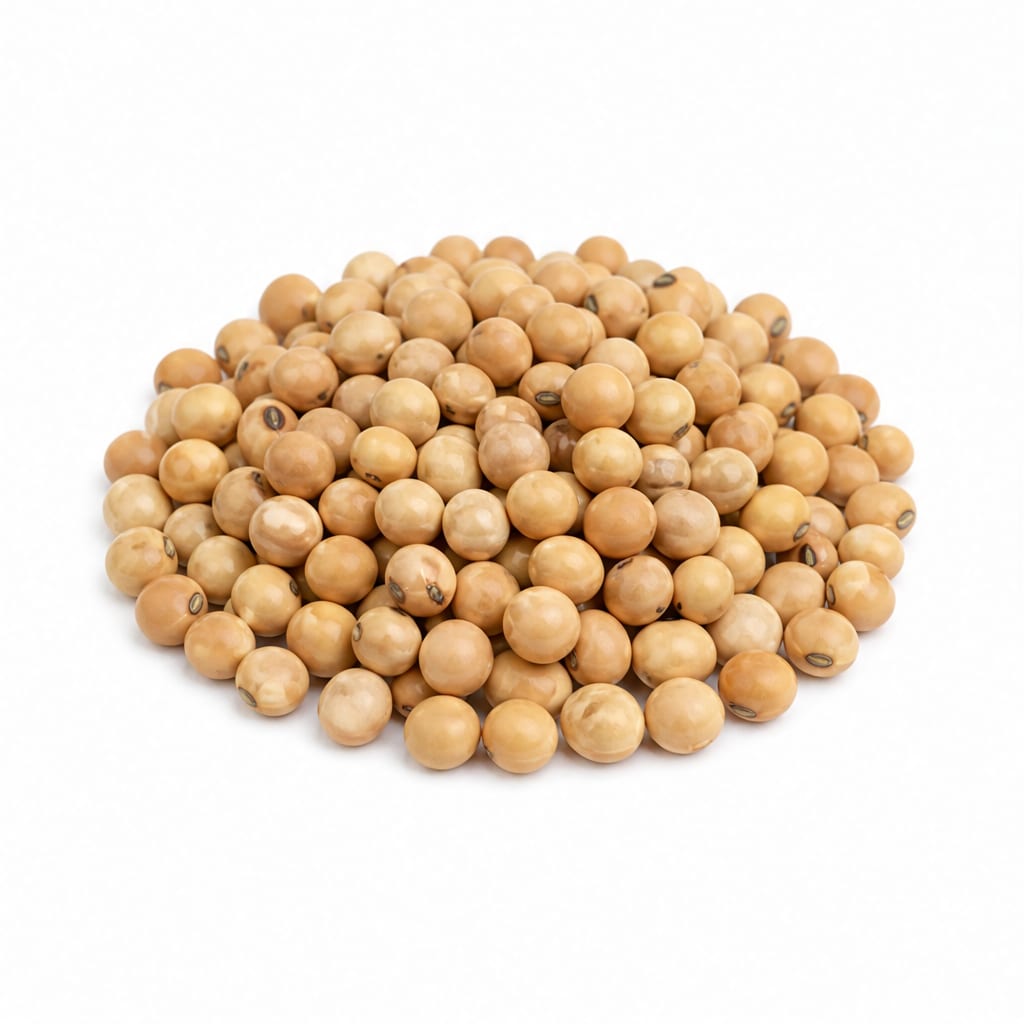
Compare with
Pigeon Peas
Pigeon peas are milder in flavor, but horse gram surpasses them in protein density and antioxidant capacity.
Pigeon peas are mild and popular in curries, but horse gram is a stronger weight loss food with more protein and antioxidants.
This food
Horse Gram
VS75% alike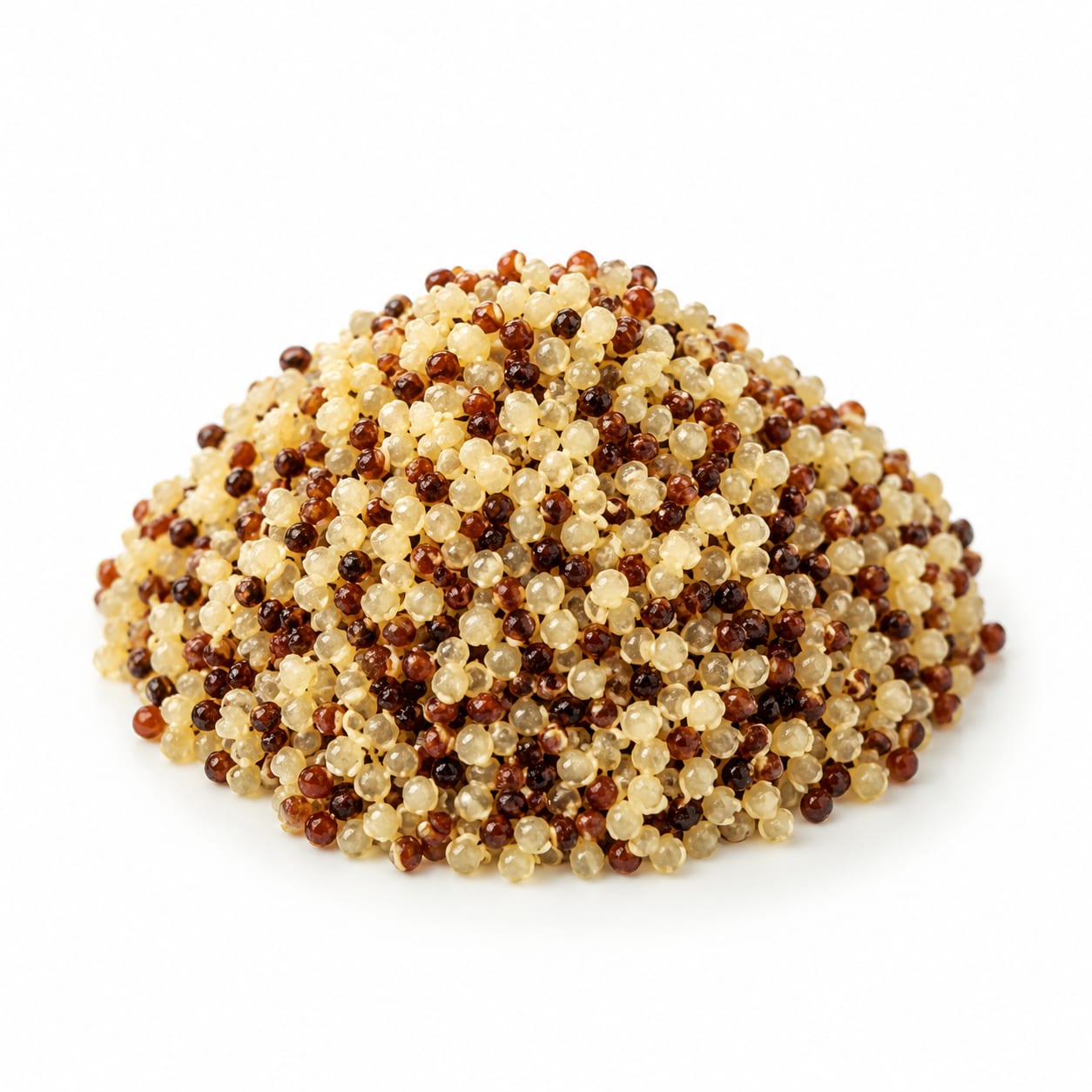
Compare with
Quinoa
Quinoa is a complete protein and cooks faster, while horse gram offers more protein and fiber per serving as a legume.
Quinoa provides faster energy and complete protein, but horse gram delivers significantly more protein and fiber for prolonged satiety.
This food
Horse Gram
VS70% alike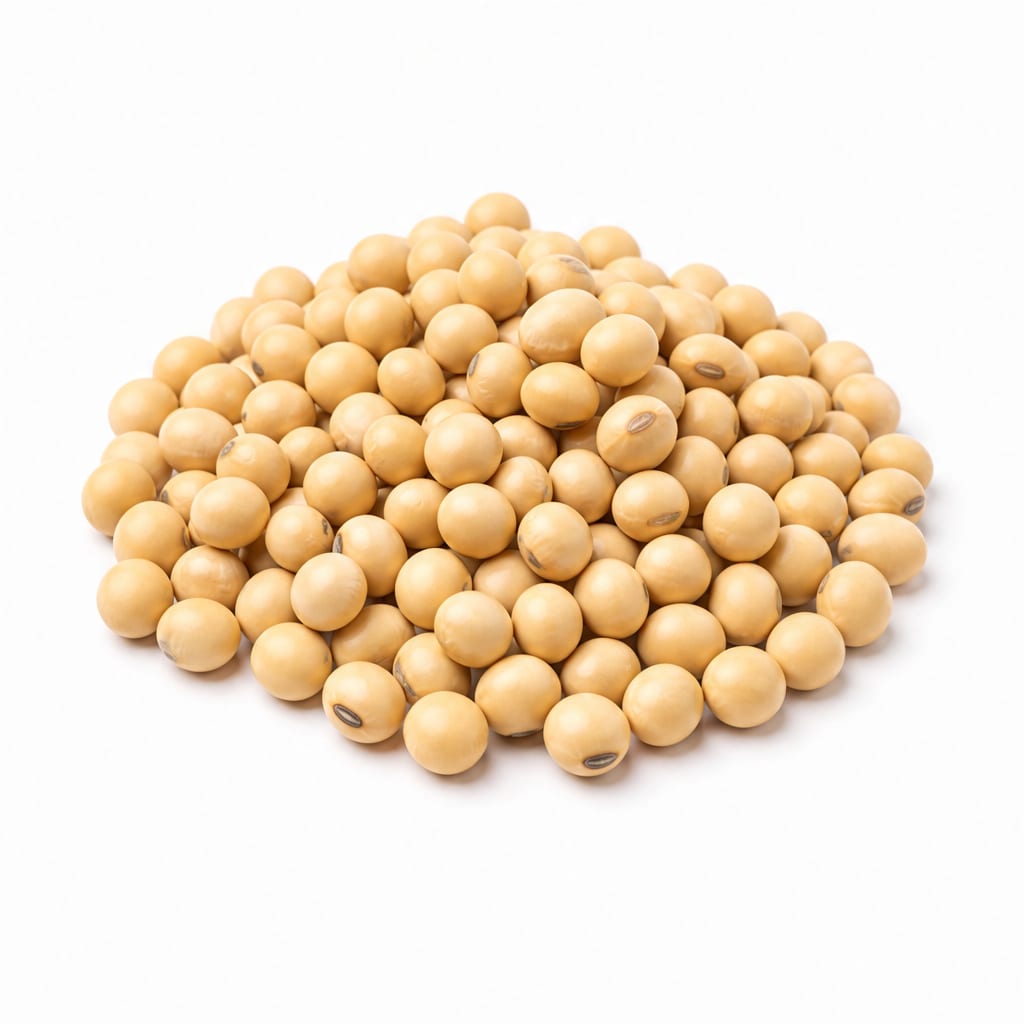
Compare with
Soybeans
Soybeans are much higher in fat and complete protein, while horse gram is virtually fat-free and lower in calories.
Soybeans are better for muscle building with complete protein, but horse gram is lower in calories and fat, making it superior for weight loss.
This food
Horse Gram
VS65% alike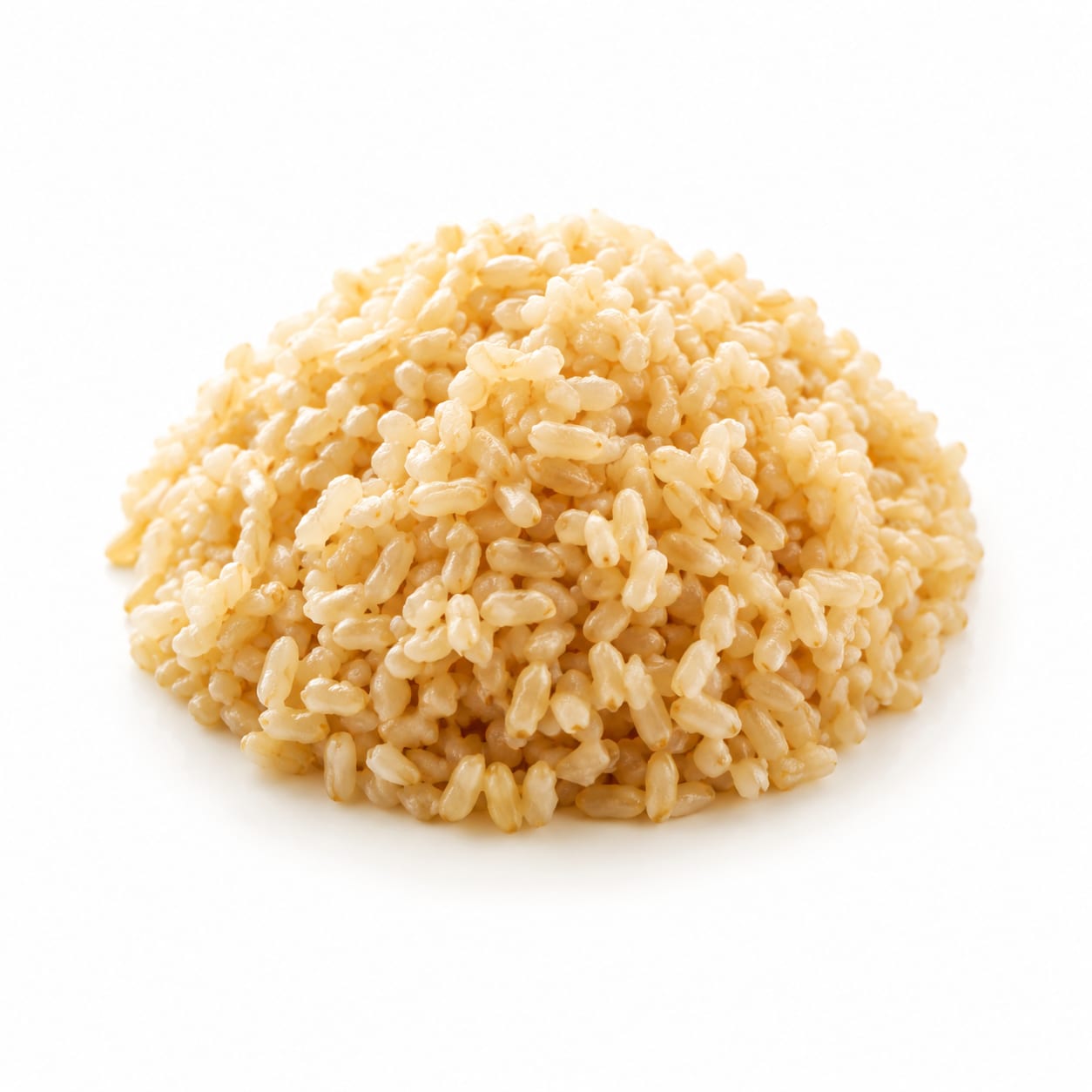
Compare with
Brown Rice
Brown rice provides quick energy as a grain, while horse gram delivers significantly more protein and fiber for satiety.
Brown rice is a good energy source for athletes, but horse gram is far better for weight loss and blood sugar control due to its high protein and fiber.
This food
Horse Gram
VS70% alike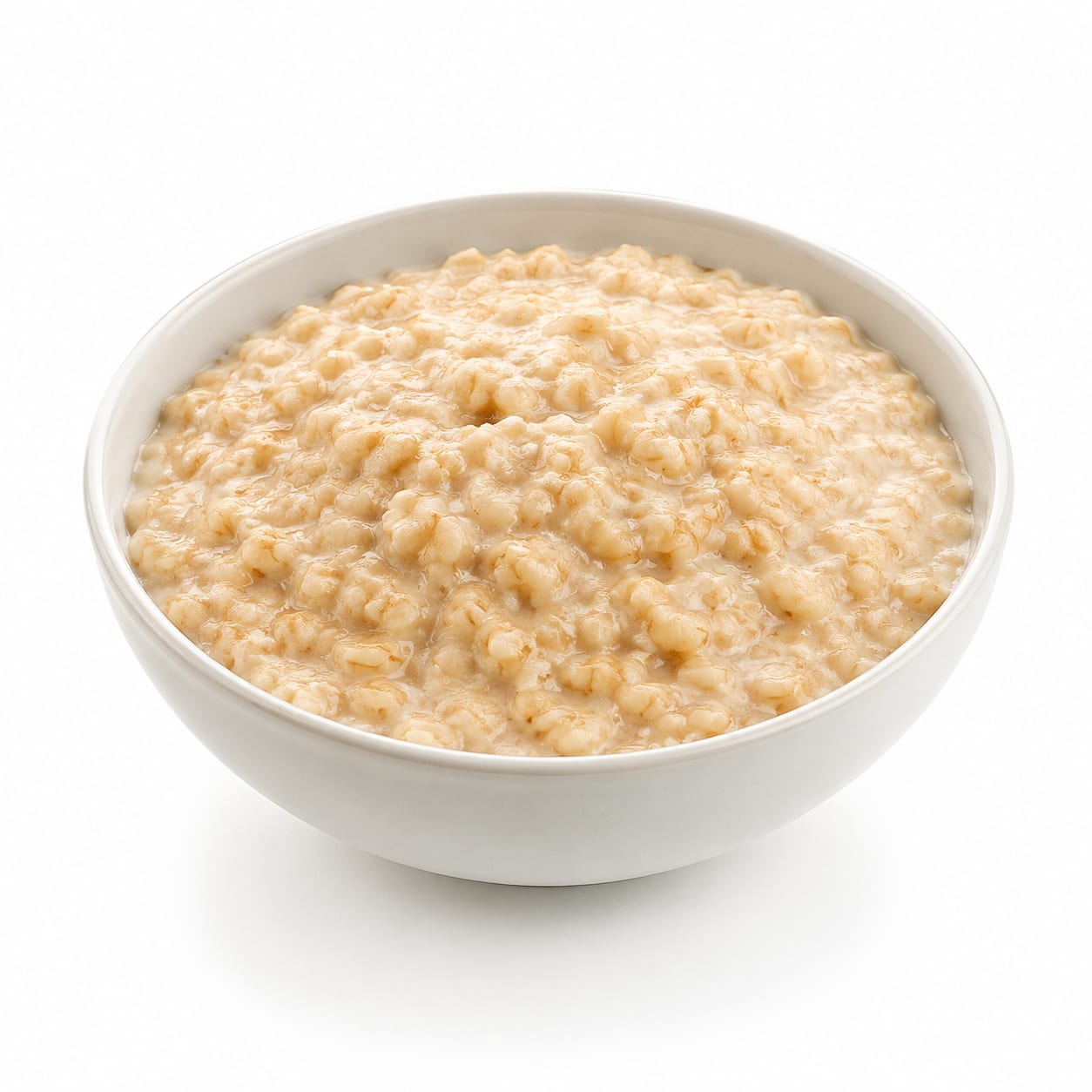
Compare with
Oats
Oats are higher in beta-glucan for cholesterol, while horse gram provides more protein and iron for muscle and blood health.
Oats are excellent for heart health and quick breakfasts, while horse gram offers double the protein and better glycemic control for weight loss.
Common questions
FAQ
Answers aligned with how people search for this food.
Is horse gram good for weight loss?
Yes, horse gram is excellent for weight loss. Its high protein and fiber content keep you full for longer, reducing overall calorie intake while providing essential nutrients.
Can diabetics eat horse gram?
Yes, horse gram has a low glycemic index of around 35. Its complex carbs and resistant starch prevent blood sugar spikes, making it a safe and beneficial food for diabetes management.
Does horse gram help with kidney stones?
Traditional medicine uses horse gram for kidney stones. It contains compounds that may help inhibit the formation of calcium oxalate stones, though scientific evidence is still emerging and it should not replace medical treatment.
How to cook horse gram to avoid gas?
To prevent gas, soak horse gram overnight, discard the water, and cook thoroughly until soft. Sprouting before cooking also reduces antinutrients and improves digestibility.
Is horse gram high in protein?
Yes, horse gram contains about 22 grams of protein per 100 grams of dry weight, making it one of the highest protein legumes available.
What is the difference between horse gram and black gram?
Horse gram is lower in fat and calories compared to black gram (urad dal). Horse gram is also richer in iron and polyphenols, making it better for weight loss, while black gram is creamier and higher in healthy fats.
Is horse gram keto-friendly?
No, horse gram is not keto-friendly. Like most legumes, it contains a significant amount of carbohydrates (57g per 100g dry) which exceeds the strict carb limits of a ketogenic diet.
Can I eat horse gram raw?
No, raw horse gram contains phytohemagglutinin, a toxic lectin that causes severe gastrointestinal distress. It must always be soaked and thoroughly cooked before eating.
Transparency
Data confidence
Estimated confidence for nutrition data, interpretation, safety notes, and comparisons.
Nutrition data
Health analysis
Food safety
Comparisons