
Nutrition comparison
Horse Gram vs Oats: Nutrition, Protein, Diabetes, and Weight Loss Comparison
Horse Gram delivers more protein and better blood sugar control but Oats win on convenience and heart health. Detailed comparison of nutrition, digestion, and which to choose for your goals.
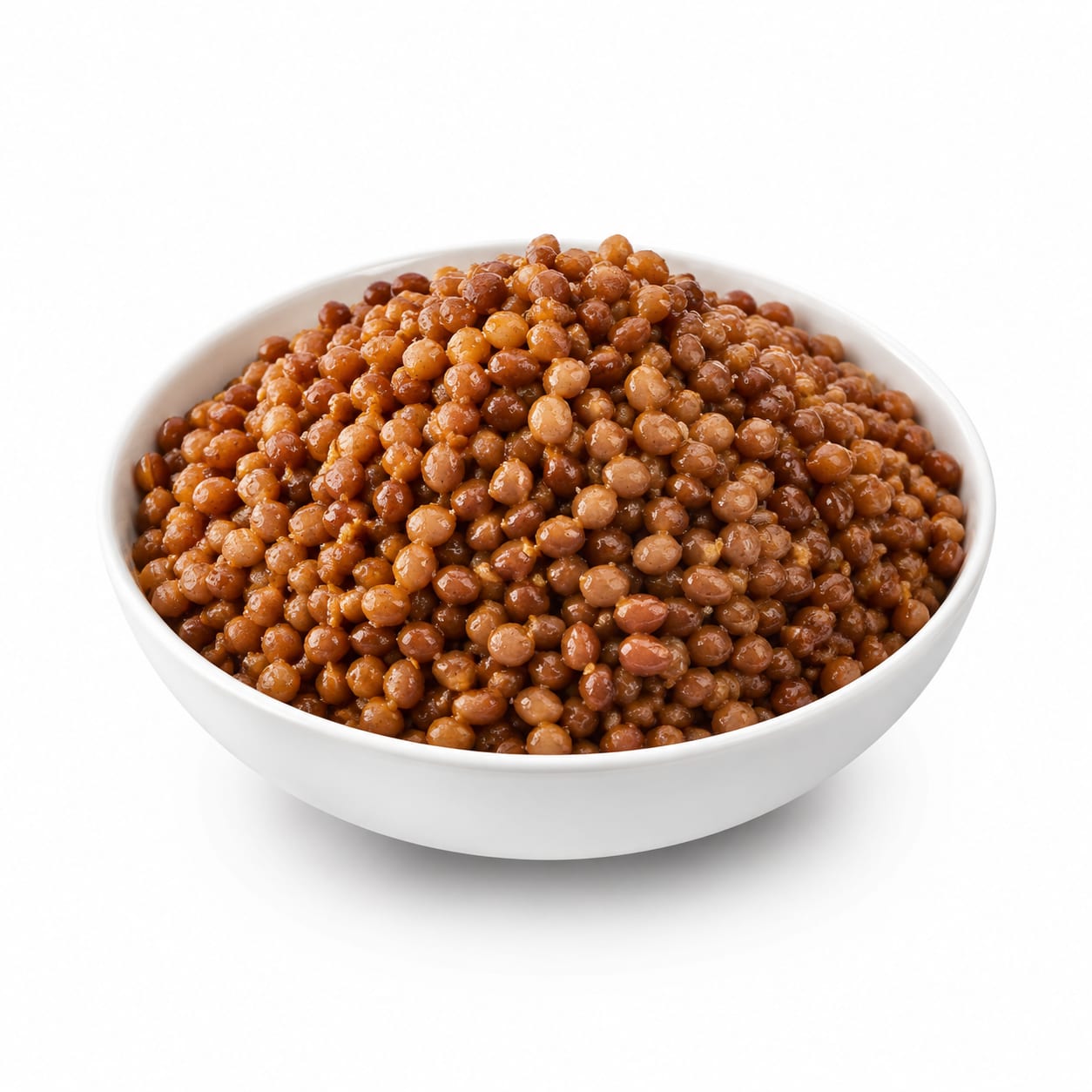
Horse Gram
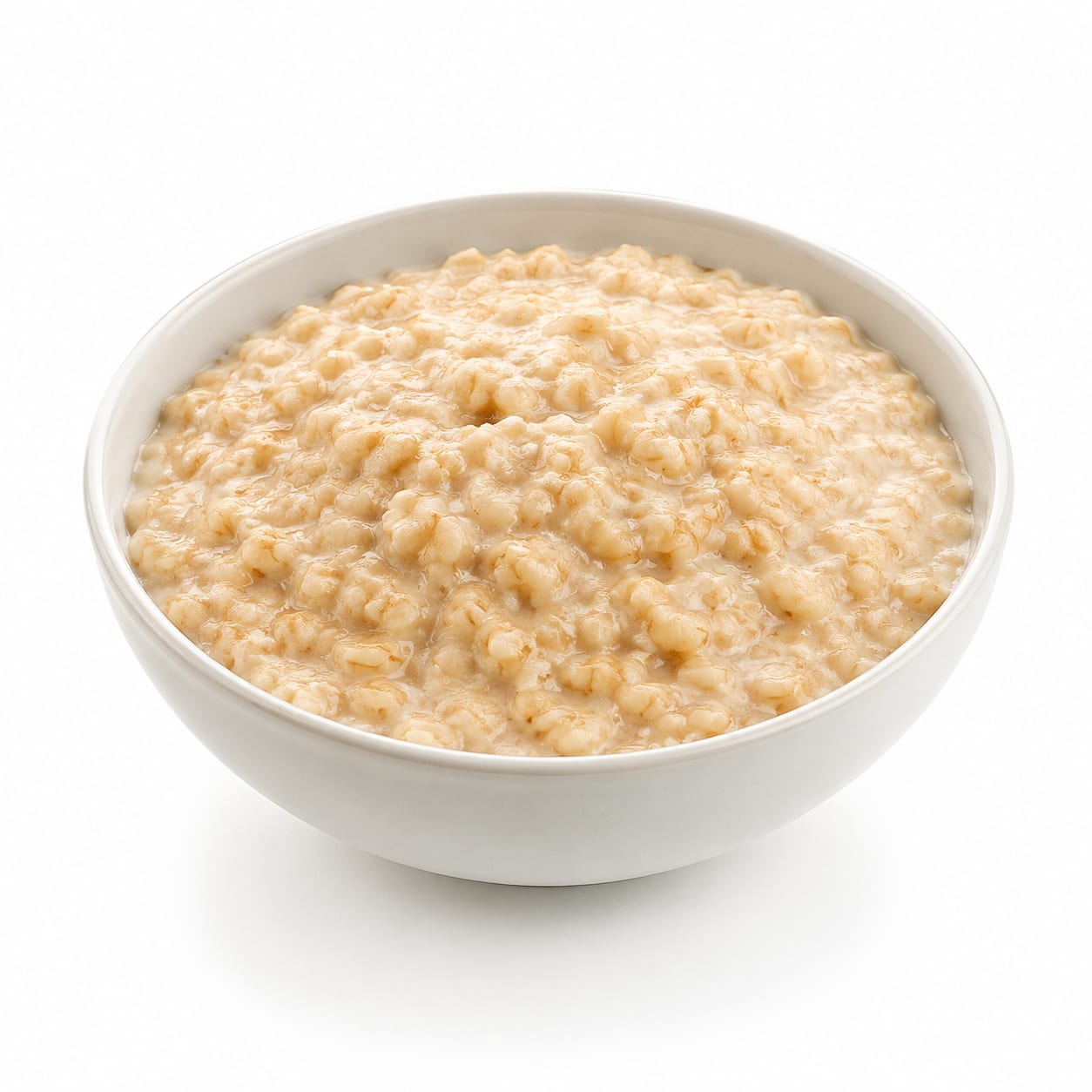
Oats
Horse Gram wins on raw nutritional density and protein, but Oats wins on daily practicality and heart health evidence. Your choice depends on whether you prioritize maximum nutrition per bite or sustainable daily habits.
Horse Gram scores higher on protein, mineral density, and blood sugar control but loses ground on convenience, digestibility, and daily sustainability. Oats score consistently well across most dimensions with no major weaknesses, making them the more reliable everyday choice despite slightly lower raw nutrition.
Horse Gram delivers superior protein and minerals but demands significant prep effort and can challenge digestion. Oats sacrifice some nutritional punch but are effortless to eat every day.
At a glance
Executive summary
Overall
It depends
Healthier
Horse Gram
More practical
Oats
Daily use
Oats
Key comparison lenses
weight loss and satiety
Both foods are popular for weight management but achieve fullness through very different mechanisms
blood sugar control
Horse Gram is renowned for anti-diabetic properties while oats are known for beta-glucan stabilizing glucose
protein quality and quantity
Horse Gram delivers significantly more protein per serving, a key differentiator for many users
daily convenience and habitability
Oats are effortless to prepare daily while Horse Gram demands soaking and long cooking times
digestive tolerance
Horse Gram can cause bloating and gas while oats are generally gentler on the stomach
heart health
Oats have clinically proven cholesterol-lowering effects while Horse Gram offers lipid benefits through different pathways
Best choice for
Horse Gram
- People targeting high plant protein intake without supplements
- Those managing type 2 diabetes or insulin resistance
- Anyone trying to break a weight loss plateau with very low calorie density
- Traditional South Asian diets where Horse Gram fits naturally
- People with adequate time for meal prep and soaking
Oats
- Busy professionals needing a 5-minute nutritious breakfast
- Anyone prioritizing heart health and cholesterol management
- People with sensitive digestion who struggle with legumes
- Families wanting a crowd-pleasing everyday staple
- Those new to healthy eating who need an easy starting point
Least suitable for
Horse Gram
- People with IBS or severe bloating from legumes
- Anyone lacking time for overnight soaking and long cooking
- Children who resist strong earthy flavors
- Those who need grab-and-go meal solutions
Oats
- People with celiac disease or severe gluten sensitivity due to cross-contamination risk
- Anyone needing very high protein per calorie from a single food
- Those avoiding even minimally processed grains
Deep comparison
Dimension by dimension
Each lens scores both foods and breaks down who each option suits.
- Dimension 1 · Priority 90Horse Gram
protein_content_and_quality
Horse Gram · 88Oats · 62Horse Gram delivers roughly 22g protein per 100g dry versus Oats at 13-17g, making it one of the richest plant protein sources among legumes.
Tradeoff
Horse Gram protein is slightly less bioavailable than animal sources but still excellent for a legume. Oats provide decent protein but not enough to serve as a primary protein source.
Why it matters
If you rely on plant foods for most of your protein, Horse Gram closes the gap significantly better than Oats can.
Real-world impact
A single serving of Horse Gram can contribute meaningfully toward your daily protein target, while Oats would need pairing with nuts, seeds, or dairy to reach similar levels.
Horse Gram
- Vegetarians needing concentrated plant protein
- Athletes recovering from intense training
- Anyone counting protein grams carefully
Better for
- People who experience gassiness from concentrated legume protein
Worse for
Oats
- Lighter eaters who find high-protein meals too heavy
- Those already getting protein from other sources at meals
Better for
- Anyone relying on a single food as their main protein source
Worse for
- Dimension 2 · Priority 88Horse Gram
blood_sugar_stability
Horse Gram · 86Oats · 80Horse Gram has a lower glycemic index and contains specific compounds that slow carbohydrate digestion, giving it a slight edge for glucose control.
Tradeoff
Oats stabilize blood sugar through beta-glucan soluble fiber, which is well-studied and reliable. Horse Gram achieves similar effects through resistant starch and polyphenols but with less clinical trial backing.
Why it matters
For diabetics and pre-diabetics, even small differences in post-meal glucose spikes matter over months and years.
Real-world impact
After eating Horse Gram, you may notice less of an afternoon energy dip compared to Oats, though both are far superior to refined grains.
Horse Gram
- Type 2 diabetics seeking maximum glucose control
- PCOS patients managing insulin resistance
- Anyone experiencing energy crashes after carb-heavy meals
Better for
- Anyone who adds sugar-heavy toppings that negate the glycemic advantage
Worse for
Oats
- Those who find the soluble fiber in Oats already keeps their blood sugar steady enough
- People who prefer a clinically validated approach with more research
Better for
- Those using instant flavored Oats with added sugar, which undermines the benefit
Worse for
- Dimension 3 · Priority 82Oats
heart_health
Horse Gram · 72Oats · 88Oats have decades of clinical evidence showing beta-glucan lowers LDL cholesterol, while Horse Gram offers lipid benefits through less-studied mechanisms.
Tradeoff
Horse Gram contains antioxidants and fiber that may support heart health, but the evidence base is thinner. Oats have an FDA-approved health claim for cholesterol reduction.
Why it matters
If cardiovascular disease runs in your family, choosing the food with stronger clinical evidence is a sensible precaution.
Real-world impact
Eating Oats daily for 4-8 weeks can measurably reduce LDL cholesterol in many people. Horse Gram likely helps too, but you are betting on emerging science.
Horse Gram
- Those already eating Oats who want additional variety in heart-healthy foods
- People whose cholesterol responds better to legume-based fiber
Better for
- Anyone skipping proven heart-healthy foods in favor of less-studied alternatives
Worse for
Oats
- Anyone with elevated LDL wanting the most proven dietary intervention
- People who want their doctor to support their food choices with established evidence
Better for
- People assuming Oats alone will fix heart issues without broader diet changes
Worse for
- Dimension 4 · Priority 85Oats
convenience_and_daily_habitability
Horse Gram · 35Oats · 92Oats can be prepared in 2-5 minutes and require no soaking. Horse Gram needs overnight soaking and 30-45 minutes of cooking.
Tradeoff
The best nutrition only works if you actually eat it consistently. Horse Gram's demanding prep makes daily consumption unrealistic for most people.
Why it matters
Consistency beats perfection. A food you eat every day outperforms a nutritionally superior food you prepare twice a month.
Real-world impact
On a busy Wednesday morning, you will actually make Oats. Horse Gram requires planning ahead or weekend batch cooking.
Horse Gram
- Meal preppers who cook large batches on weekends
- People who enjoy traditional slow-cooked legume dishes
- Retirees or home cooks with flexible schedules
Better for
- Anyone whose schedule varies daily and cannot plan soaking
- People who give up on foods that require advance preparation
Worse for
Oats
- Anyone with under 10 minutes for breakfast prep
- Students and professionals with morning time pressure
- Families needing quick meals kids will actually eat
Better for
- Those who find quick-prep foods less satisfying and end up snacking later
Worse for
- Dimension 5 · Priority 78Oats
digestive_tolerance
Horse Gram · 48Oats · 82Horse Gram is notorious for causing gas and bloating in sensitive individuals. Oats are generally well-tolerated and their soluble fiber can actually soothe digestion.
Tradeoff
Proper soaking and cooking with digestive spices can reduce Horse Gram's gas-producing compounds, but this requires extra effort and knowledge.
Why it matters
Chronic bloating makes healthy eating feel punishing rather than nourishing, which undermines long-term adherence.
Real-world impact
A bowl of Oats feels comforting and light for most people. A bowl of Horse Gram can leave some feeling uncomfortably full and gassy for hours.
Horse Gram
- People accustomed to regular legume consumption who have adapted gut flora
- Those who prepare Horse Gram with traditional digestive aids like asafoetida or ginger
Better for
- New legume eaters whose gut bacteria have not adapted
- People who eat Horse Gram without proper soaking or spicing
Worse for
Oats
- Anyone with IBS or sensitive digestion
- People introducing more fiber gradually into their diet
- Those who want to feel energized after eating, not bloated
Better for
- Those with oat intolerance or non-celiac gluten sensitivity
Worse for
- Dimension 6 · Priority 72Horse Gram
mineral_density
Horse Gram · 85Oats · 60Horse Gram is exceptionally rich in iron, calcium, and molybdenum, often surpassing most common legumes and grains in mineral content.
Tradeoff
Horse Gram's anti-nutrients like phytic acid can reduce mineral absorption, partially offsetting its higher raw mineral content. Soaking and sprouting help significantly.
Why it matters
Iron deficiency is the world's most common nutrient deficiency, and calcium matters for bone health especially in plant-based eaters.
Real-world impact
Regularly eating properly prepared Horse Gram can meaningfully contribute to iron and calcium intake, while Oats provide modest amounts that need supplementation from other foods.
Horse Gram
- Vegans and vegetarians at risk for iron deficiency
- Women with heavy menstrual cycles needing extra iron
- Anyone wanting to reduce reliance on mineral supplements
Better for
- Anyone eating Horse Gram without soaking or sprouting, reducing absorption
Worse for
Oats
- Those already eating a varied diet rich in minerals from multiple sources
- People who find mineral supplementation easier than dietary changes
Better for
- People relying on Oats as a nutritional cornerstone without mineral-rich additions
Worse for
- Dimension 7 · Priority 86Horse Gram
satiety_and_weight_management
Horse Gram · 84Oats · 78Horse Gram's combination of high protein, high fiber, and resistant starch creates exceptional fullness with very few calories, making it a traditional weight loss food.
Tradeoff
Oats also promote satiety through beta-glucan but the effect is slightly less powerful. However, Oats are easier to overeat when sweetened with honey, sugar, or dried fruit.
Why it matters
Foods that keep you full longer reduce spontaneous snacking, which drives real-world weight loss more than calorie counting.
Real-world impact
A small bowl of Horse Gram soup can suppress appetite for 4-5 hours. Oats keep you full for about 3 hours before hunger returns, especially if active.
Horse Gram
- Anyone actively trying to lose weight and struggling with hunger
- People who skip meals and need long-lasting fullness from one dish
- Those following traditional Ayurvedic weight loss approaches
Better for
- Emotional eaters who find bland foods unsatisfying regardless of fullness
Worse for
Oats
- People who prefer a lighter breakfast that does not feel heavy
- Those who pair Oats with protein and healthy fats for extended satiety
Better for
- Anyone who turns Oats into a high-calorie dessert with generous toppings
Worse for
Timeline
Health impact over time
Short-term
Hours to days
Horse Gram
- Strong appetite suppression within 30-60 minutes of eating
- Possible bloating and flatulence, especially in legume-unaccustomed guts
- Steady energy without sugar crash due to very low glycemic impact
- Heavy fullness that may feel uncomfortable before your gut adapts over 1-2 weeks
Oats
- Comforting, warm satiety that feels gentle and satisfying
- Moderate blood sugar stabilization within the first few days of regular consumption
- Improved bowel regularity from soluble fiber within days
- Possible mild digestive adjustment if dramatically increasing fiber intake
Long-term
Months to years
Horse Gram
- Improved insulin sensitivity with regular consumption over months
- Better iron status, particularly valuable for plant-based eaters
- Potential reduction in kidney stone risk due to traditional use and diuretic properties
- Risk of nutritional boredom or prep fatigue causing abandonment
Oats
- Measurable LDL cholesterol reduction with daily consumption over 4-8 weeks
- Sustained improvements in gut microbiome diversity from beta-glucan
- Consistent digestive regularity and reduced constipation
- Possible over-reliance on a single grain if not rotating with other whole foods
Risk profile
Safety & processing
Both foods are whole, minimally processed options when bought in their basic form. However, flavored instant Oat packets often contain added sugars, sodium, and artificial flavors, which dramatically changes this comparison. Steel-cut or rolled Oats remain close to their natural state. Horse Gram is almost always sold as a whole dried legume with nothing added.
Horse Gram
Anti-nutrient exposure
mediumPhytic acid and tannins can reduce mineral absorption and cause digestive discomfort if Horse Gram is not properly soaked and cooked.
Contamination with agricultural residues
lowHorse Gram is often grown with minimal pesticide use, but sourcing from unknown farms carries some risk. Washing and cooking reduce this significantly.
Oats
Gluten cross-contamination
mediumMost commercial Oats are processed in facilities that handle wheat, making them unsafe for those with celiac disease. Certified gluten-free Oats are available but cost more.
Mycotoxin contamination
lowOats can occasionally harbor ochratoxin A from fungal growth during storage. Reputable brands test for this, but bulk bins may have less quality control.
Who wins for whom
Audience fit
Same foods, different winners depending on your goal.
children
OatsOats are milder in flavor, easier to chew, gentler on small digestive systems, and can be made appealing with fruits and cinnamon. Horse Gram's strong earthy taste and gassiness make it a hard sell for most kids.
daily consumption
OatsOats win on sustainability because they require almost no effort to prepare, are widely available, and rarely cause digestive issues. The best daily food is the one you will actually eat every day.
diabetes
Horse GramHorse Gram's lower glycemic index and traditional use in diabetes management give it a slight edge, though both are excellent choices compared to refined grains.
elderly
OatsOats are easier to digest, simpler to prepare, and provide gentle soluble fiber that supports regularity without uncomfortable bloating. Horse Gram's tough texture and digestive demands are harder on aging systems.
muscle gain
Horse GramWith roughly 50% more protein per serving than Oats, Horse Gram better supports muscle repair and growth, though neither matches animal protein or concentrated plant protein powders.
weight loss
Horse GramHorse Gram's exceptional protein-to-calorie ratio and appetite-suppressing resistant starch make it more effective for calorie restriction, provided you can tolerate the digestion challenges.
Your move
Decision guide
Choose Horse Gram
- You are committed to meal prepping and can soak legumes the night before
- Maximum plant protein and mineral density is your top priority
- You have insulin resistance or type 2 diabetes and want the lowest glycemic option
- You enjoy traditional South Asian cooking and already know how to prepare it well
- Your digestion handles legumes without significant discomfort
Choose Oats
- You need a healthy breakfast that takes under 5 minutes on busy mornings
- Heart health and cholesterol management are your primary concerns
- You have a sensitive stomach or IBS and need gentle fiber
- You are feeding a family including children who need approachable flavors
- You want a food you can realistically eat 300+ days per year without fatigue
Either works if
- You want to rotate between both for nutritional variety across the week
- Your goals include general health maintenance rather than targeting a specific condition
- You enjoy both foods and can fit them into different meals
Avoid both if
- You have a legume and grain intolerance that makes both difficult to digest
- You are on a very low-carb or ketogenic diet, as both are carbohydrate-dominant
- You have severe celiac disease and cannot find certified gluten-free Oats
Final recommendation
Use both strategically rather than choosing one exclusively. Make Oats your daily baseline for breakfast convenience and heart health, then add Horse Gram 2-3 times per week as a protein-rich soup or stew for blood sugar support and mineral density. This combination gives you the consistency of Oats with the nutritional power of Horse Gram, without the burnout of forcing yourself into a single option.
Practical
Consumer tips
- 1
Always soak Horse Gram for at least 8 hours and discard the soaking water to reduce anti-nutrients and gas-producing compounds
- 2
Add ginger, asafoetida, or cumin when cooking Horse Gram to further improve digestibility and reduce bloating
- 3
Choose steel-cut or rolled Oats over instant packets to avoid added sugars and retain more fiber
- 4
If you have celiac disease, only buy certified gluten-free Oats to avoid cross-contamination
- 5
Sprouting Horse Gram before cooking dramatically increases mineral bioavailability and reduces cooking time
- 6
Pair Oats with nuts, seeds, or Greek yogurt to boost protein content closer to what Horse Gram offers naturally
- 7
Batch-cook Horse Gram on weekends and refrigerate portions for 3-4 days to solve the weekday convenience problem
- 8
Avoid flavored instant Oat varieties which can contain 3-4 teaspoons of added sugar per serving