
Nutrition comparison
Horse Gram vs Pigeon Peas: Which Legume Is Better for Weight Loss, Digestion, and Daily Health?
Compare Horse Gram and Pigeon Peas nutrition, protein, digestibility, and weight loss benefits. Find out which legume fits your health goals and cooking lifestyle better.
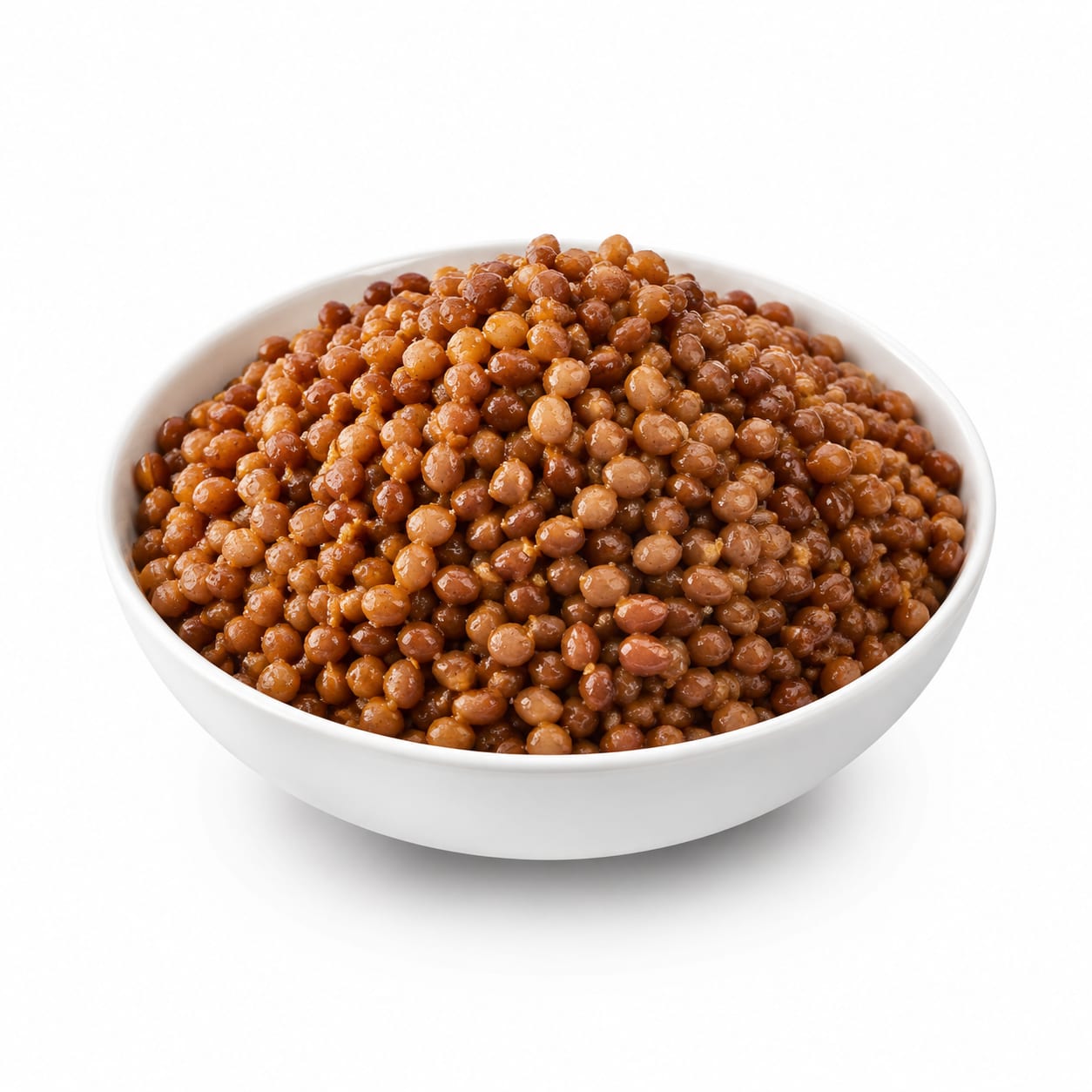
Horse Gram
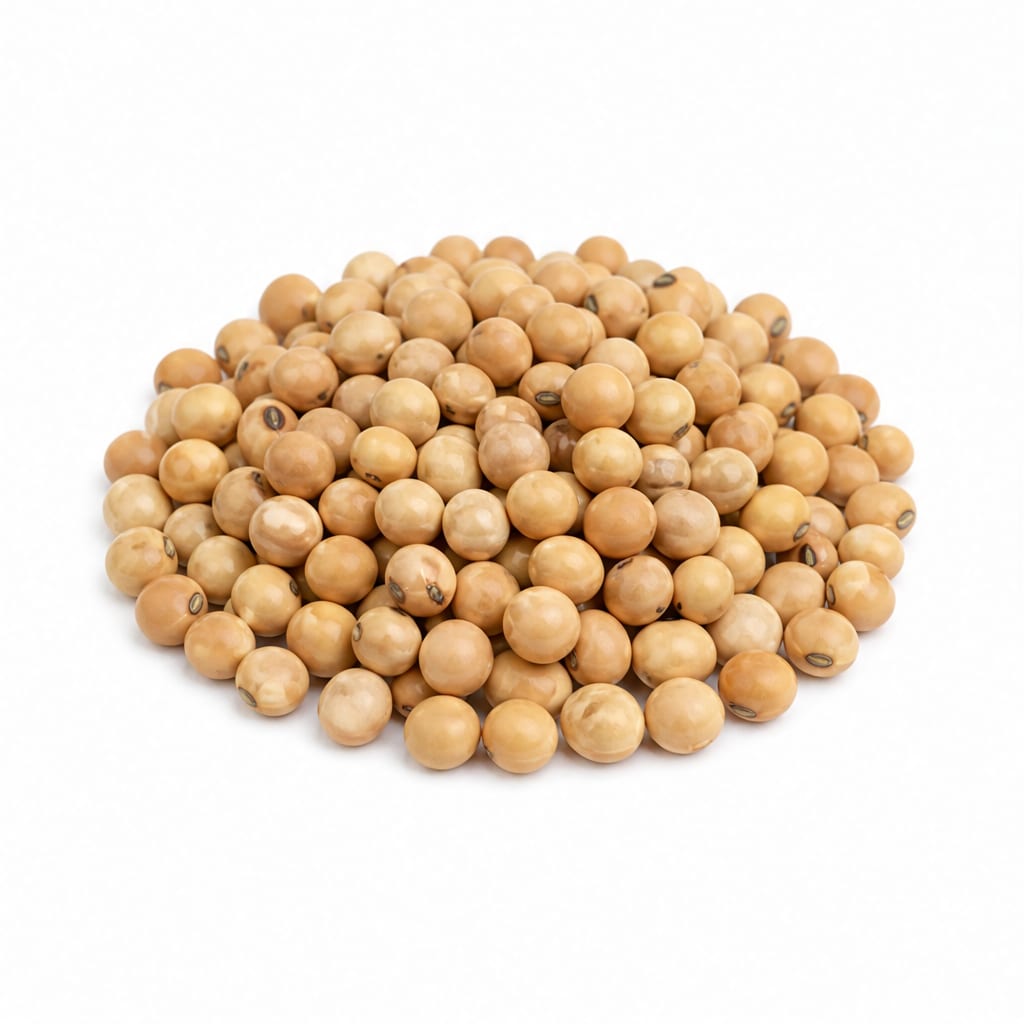
Pigeon Peas
Horse Gram wins for weight loss and mineral density, but Pigeon Peas win for digestibility and everyday practicality.
Pigeon Peas edge ahead slightly because daily sustainability matters more than peak nutritional density. Horse Gram has impressive therapeutic properties but its digestibility challenges and long prep time reduce real-world adherence. The gap is narrow because both are excellent legumes.
Horse Gram delivers superior fat-fighting compounds and calcium, but Pigeon Peas are far gentler on digestion and easier to cook regularly.
At a glance
Executive summary
Overall
It depends
Healthier
Horse Gram
More practical
Pigeon Peas
Daily use
Pigeon Peas
Key comparison lenses
weight management and metabolic health
Horse Gram is renowned for fat metabolism and weight loss in traditional medicine, making this a primary decision driver
digestive tolerance and comfort
Legume comparisons always hinge on gas, bloating, and ease of digestion for daily sustainability
protein quality for vegetarian diets
Both are key protein sources in plant-forward South Asian diets where protein adequacy matters
blood sugar control
Both legumes affect glucose differently, critical for diabetic or insulin-resistant users
cooking convenience and daily practicality
Horse Gram requires significantly more preparation, impacting whether people actually eat it regularly
Best choice for
Horse Gram
- People actively trying to lose weight or reduce body fat
- Those needing extra iron and calcium from plant sources
- Anyone managing kidney stones or fluid retention
- Traditional medicine followers seeking anti-inflammatory legumes
Pigeon Peas
- People with sensitive digestion or IBS tendencies
- Families needing a versatile daily dal
- Anyone wanting reliable plant protein without bloating
- Busy cooks who need meals ready faster
Least suitable for
Horse Gram
- People prone to gas and bloating from legumes
- Anyone short on cooking time or meal prep patience
- Those who dislike strong earthy bitter flavors
Pigeon Peas
- People specifically targeting fat loss through legume choice
- Those needing maximum calcium and iron per serving
- Anyone following traditional Ayurvedic protocols for weight management
Deep comparison
Dimension by dimension
Each lens scores both foods and breaks down who each option suits.
- Dimension 1 · Priority 92Horse Gram
weight_management_and_fat_metabolism
Horse Gram · 88Pigeon Peas · 65Horse Gram is traditionally used for fat reduction and has research-backed lipid-lowering effects that Pigeon Peas cannot match.
Tradeoff
You get stronger fat-fighting potential with Horse Gram but must tolerate its tougher texture and longer cooking requirements.
Why it matters
For anyone whose primary goal is shedding body fat, this is the most meaningful difference between these two legumes.
Real-world impact
Eating Horse Gram regularly may help reduce waistline and cholesterol noticeably over months, while Pigeon Peas offer more neutral weight maintenance.
Horse Gram
- Active weight loss phases
- Reducing visceral fat
- Lowering LDL cholesterol
Better for
- Anyone already underweight
Worse for
Pigeon Peas
- Maintaining current weight comfortably
- Avoiding digestive distress during calorie deficit
Better for
- Those specifically targeting lipid reduction through diet
Worse for
- Dimension 2 · Priority 88Pigeon Peas
digestive_tolerance_and_gut_comfort
Horse Gram · 52Pigeon Peas · 82Pigeon Peas are significantly easier to digest, causing less gas and bloating than Horse Gram.
Tradeoff
Choosing Horse Gram means accepting more digestive discomfort, especially if you are not used to high-fiber legumes.
Why it matters
If a food causes bloating, you will eventually stop eating it regardless of its nutritional merits.
Real-world impact
Pigeon Peas feel light and comfortable after meals. Horse Gram can leave you feeling heavy and gassy, especially in the first weeks of eating it.
Horse Gram
- People with strong digestion already adapted to high-fiber diets
Better for
- Those who experience bloating from beans
- People with IBS or sensitive gut
Worse for
Pigeon Peas
- Sensitive stomachs
- IBS-prone individuals
- Anyone new to eating legumes regularly
- Older adults with slower digestion
Better for
- Dimension 3 · Priority 85Horse Gram
protein_content_and_quality
Horse Gram · 80Pigeon Peas · 74Horse Gram has slightly more protein per serving and a denser amino acid profile, though both are solid plant protein sources.
Tradeoff
The protein advantage is modest and may not matter unless legumes are your primary protein source.
Why it matters
Vegetarians relying heavily on legumes for protein benefit from every gram of advantage.
Real-world impact
Over a week, Horse Gram provides marginally more muscle-supporting protein, but the difference is small enough that variety matters more.
Horse Gram
- Vegetarians maximizing protein per calorie
- Athletes on plant-based diets
Better for
Pigeon Peas
- Those getting protein from diverse sources already
Better for
- Dimension 4 · Priority 83Horse Gram
mineral_density_iron_and_calcium
Horse Gram · 86Pigeon Peas · 62Horse Gram is dramatically richer in calcium and iron, making it one of the most mineral-dense legumes available.
Tradeoff
Superior mineral content comes with the same digestibility tradeoff that affects all of Horse Gram's benefits.
Why it matters
For women, vegetarians, and anyone at risk of anemia or bone density loss, this is a genuinely meaningful advantage.
Real-world impact
A serving of Horse Gram can provide significantly more of your daily iron and calcium needs than Pigeon Peas, reducing the need for supplements.
Horse Gram
- Women with heavy periods needing iron
- Vegans concerned about calcium
- Anyone avoiding dairy
- Older adults protecting bone density
Better for
Pigeon Peas
- Those who get minerals from other abundant sources
Better for
- People relying solely on Pigeon Peas for iron and calcium
Worse for
- Dimension 5 · Priority 82Horse Gram
blood_sugar_stability
Horse Gram · 84Pigeon Peas · 76Horse Gram has a lower glycemic index and contains compounds that improve insulin sensitivity more actively.
Tradeoff
Both legumes are far better than grains for blood sugar, but Horse Gram has a clearer edge for diabetic management.
Why it matters
For prediabetics and diabetics, choosing the legume that blunts glucose spikes most effectively is a daily health decision.
Real-world impact
Horse Gram meals produce steadier blood sugar curves, meaning fewer energy crashes and cravings between meals.
Horse Gram
- Type 2 diabetics
- Prediabetics
- Anyone experiencing afternoon energy crashes
Better for
Pigeon Peas
- Those with normal blood sugar who prioritize taste and comfort
Better for
- Dimension 6 · Priority 78Pigeon Peas
cooking_convenience_and_versatility
Horse Gram · 48Pigeon Peas · 85Pigeon Peas cook faster, taste milder, and work in far more recipes, making them a practical everyday staple.
Tradeoff
Horse Gram requires overnight soaking, longer cooking, and has a more polarizing flavor that limits recipe options.
Why it matters
The healthiest food only works if you actually prepare and eat it consistently.
Real-world impact
Pigeon Peas can be a quick weeknight dal in 30 minutes. Horse Gram demands planning and patience, which leads to skipping it on busy days.
Horse Gram
- Meal preppers who batch-cook on weekends
Better for
- Impatient cooks
- People who decide dinner at 6pm
- Those who hate meal prep
Worse for
Pigeon Peas
- Weeknight cooking
- Families needing quick meals
- Anyone new to cooking legumes
- People who want one versatile dal for many recipes
Better for
- Dimension 7 · Priority 75Horse Gram
antioxidant_and_therapeutic_compounds
Horse Gram · 87Pigeon Peas · 64Horse Gram contains unique polyphenols and enzyme inhibitors studied for anti-obesity and kidney stone prevention effects.
Tradeoff
These therapeutic compounds are genuinely valuable but come in a package that is harder to enjoy eating daily.
Why it matters
If you are choosing a legume partly as functional medicine, Horse Gram has stronger evidence for specific therapeutic outcomes.
Real-world impact
Regular Horse Gram consumption may help prevent kidney stone recurrence and reduce systemic inflammation more effectively than Pigeon Peas.
Horse Gram
- Kidney stone formers
- People with chronic low-grade inflammation
- Those seeking food-as-medicine approaches
Better for
Pigeon Peas
- Anyone eating legumes purely for basic nutrition
Better for
Timeline
Health impact over time
Short-term
Hours to days
Horse Gram
- May cause noticeable gas and bloating, especially in the first week of eating it
- Provides strong satiety that reduces snacking between meals
- Can feel heavy in the stomach if not cooked thoroughly
Pigeon Peas
- Comfortable digestion with minimal bloating for most people
- Steady energy without digestive distraction
- Easy to eat in larger portions without discomfort
Long-term
Months to years
Horse Gram
- May contribute to measurable fat loss and improved lipid profiles when eaten consistently
- Better mineral status over time, particularly iron and calcium
- Potential reduction in kidney stone risk for susceptible individuals
- Risk of abandoning the habit if digestibility issues persist
Pigeon Peas
- Reliable daily protein and fiber intake with high adherence
- Stable blood sugar management without dramatic effects
- Sustained digestive health and regularity
- Easier to maintain as a lifelong dietary habit
Risk profile
Safety & processing
Both Horse Gram and Pigeon Peas are whole, minimally processed legumes typically sold dried with no additives. Neither raises processing concerns when bought as whole or split dal.
Horse Gram
Anti-nutritional factors
mediumHorse Gram contains phytic acid and trypsin inhibitors that reduce nutrient absorption. Proper soaking and thorough cooking significantly reduce these compounds.
Contamination with stones and debris
lowLike many dried legumes, Horse Gram often requires careful sorting and washing to remove small stones common in agricultural processing.
Pigeon Peas
Anti-nutritional factors
lowPigeon Peas contain fewer anti-nutrients than Horse Gram and standard soaking and cooking effectively neutralize most of them.
Uric acid elevation
lowAs with all purine-containing legumes, excessive daily consumption may slightly raise uric acid in sensitive individuals, though less than many animal proteins.
Who wins for whom
Audience fit
Same foods, different winners depending on your goal.
children
Pigeon PeasPigeon Peas are milder, easier to digest, and more palatable for kids who reject strong flavors and tough textures.
daily consumption
Pigeon PeasPigeon Peas are easier to cook, easier to digest, and more versatile, making them far more sustainable as a daily staple.
diabetes
Horse GramLower glycemic index and insulin-sensitizing compounds make Horse Gram more protective for blood sugar management.
elderly
Pigeon PeasGentler digestion and softer cooked texture make Pigeon Peas safer and more comfortable for aging digestive systems.
muscle gain
Horse GramSlightly higher protein content per serving gives Horse Gram a modest edge, though both should be combined with other protein sources.
weight loss
Horse GramHorse Gram's lipid-lowering compounds, higher protein, and stronger satiety make it more effective for active fat loss phases.
Your move
Decision guide
Choose Horse Gram
- You are actively trying to lose weight or reduce body fat
- You need maximum iron and calcium from plant sources
- You have a history of kidney stones and want dietary prevention
- You enjoy strong earthy flavors and do not mind longer cooking
- You are following Ayurvedic or traditional healing protocols
Choose Pigeon Peas
- You want a reliable daily dal that never causes digestive trouble
- You cook for a family that prefers milder flavors
- You need weeknight meals ready quickly without overnight soaking
- You have sensitive digestion or IBS tendencies
- You prioritize long-term dietary adherence over peak nutritional density
Either works if
- You simply want more plant protein and fiber in your diet
- You are already eating a varied legume rotation
- Blood sugar management is important but not critical
- You enjoy both and can alternate based on the meal
Avoid both if
- You have a diagnosed legume allergy
- You are in an acute gout flare and restricting all purines temporarily
Final recommendation
The smartest approach is rotation: eat Horse Gram 2-3 times per week for its therapeutic benefits, and Pigeon Peas on other days for comfort and convenience. If you must pick only one, Pigeon Peas are the safer daily choice because consistency beats peak nutrition you cannot stick with.
Practical
Consumer tips
- 1
Soak Horse Gram for at least 8 hours and discard the water to reduce anti-nutrients and improve digestibility significantly
- 2
Add asafoetida or ginger when cooking either legume to reduce gas formation naturally
- 3
If new to Horse Gram, start with small portions twice a week and increase gradually as your gut adapts
- 4
Sprouting Horse Gram before cooking boosts nutrient availability and reduces cooking time
- 5
Pigeon Peas split and cook faster than whole, so choose split dal for busy weeknights
- 6
Pair either legume with vitamin C-rich foods like lemon juice or tomatoes to dramatically improve iron absorption
- 7
Pressure cooking Horse Gram cuts preparation time substantially and yields a softer texture