
Nutrition comparison
Horse Gram vs Kidney Beans: Nutrition, Weight Loss, and Digestion Compared
Horse Gram beats kidney beans for weight loss and blood sugar control, but kidney beans win on convenience and digestibility. See which legume fits your goals.
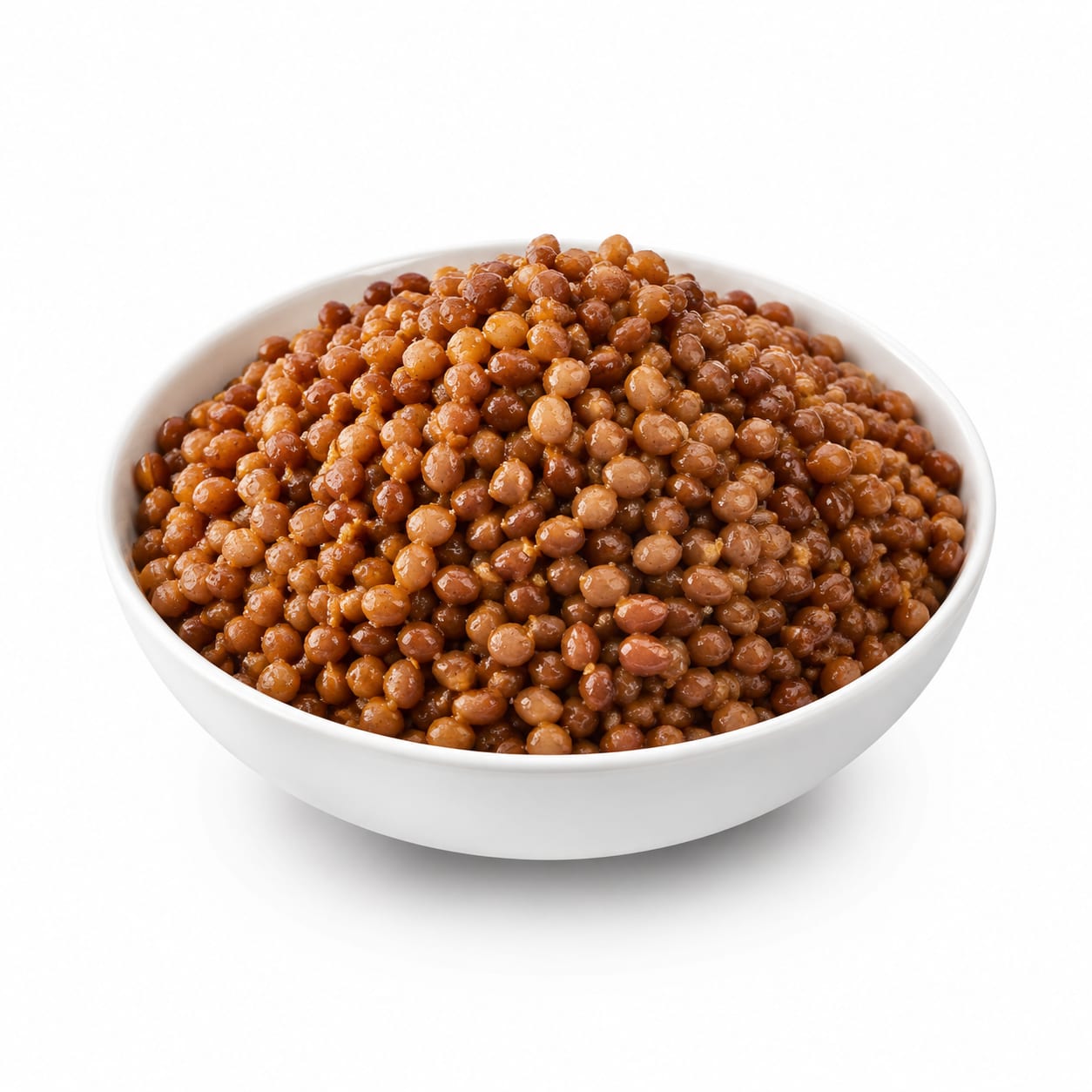
Horse Gram
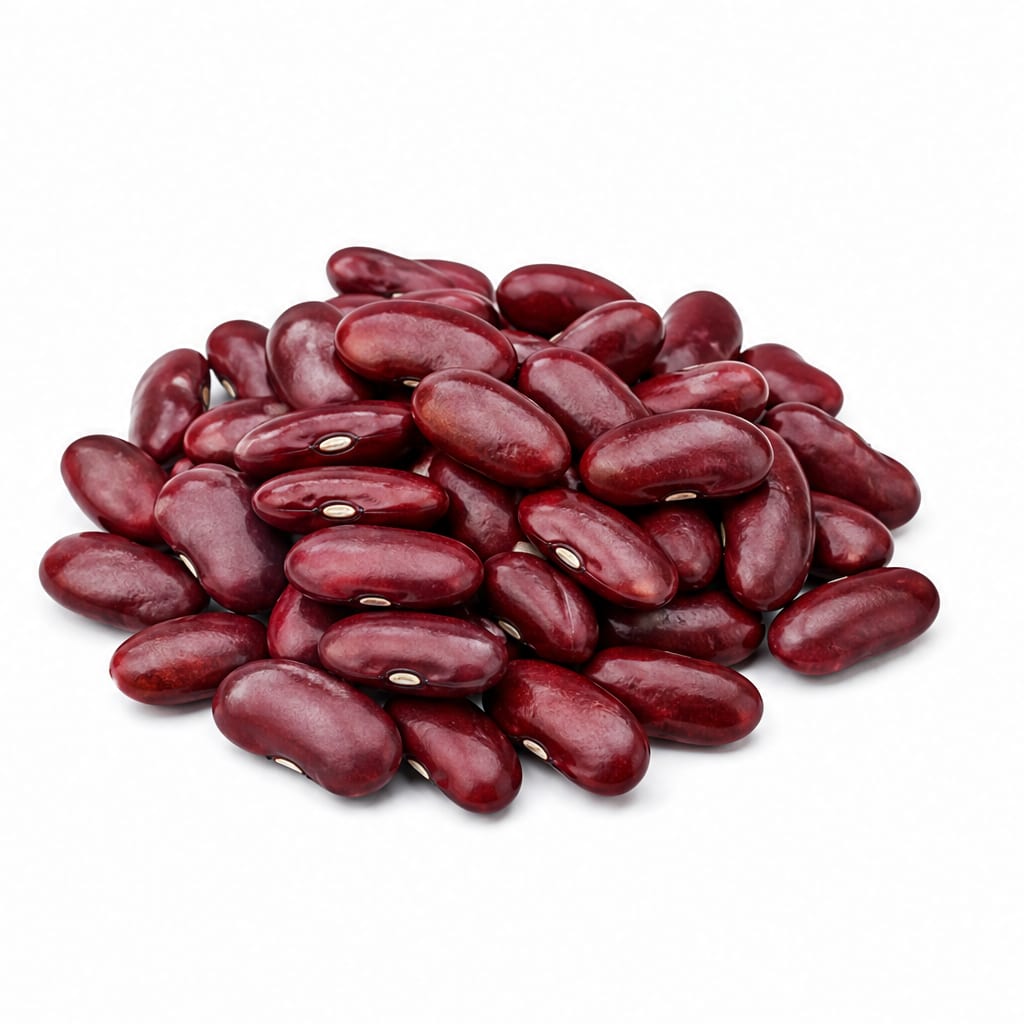
Kidney Beans
Horse Gram edges ahead for weight loss and blood sugar control, but kidney beans win on availability, digestibility, and everyday practicality.
Horse Gram scores higher on metabolic and mineral metrics but loses ground on digestibility, safety, and convenience. Kidney beans offer a more balanced and accessible profile for most people, earning a slight overall edge.
Horse Gram offers superior metabolic benefits at the cost of harder preparation and tougher digestion, while kidney beans deliver solid nutrition with far less hassle.
At a glance
Executive summary
Overall
It depends
Healthier
Horse Gram
More practical
Kidney Beans
Daily use
Kidney Beans
Key comparison lenses
weight management and fat loss
Horse Gram is renowned in traditional medicine for lipolysis and weight control, making this a primary decision driver
blood sugar control and diabetes management
Both legumes have low glycemic impact but differ significantly in resistant starch and carbohydrate digestion rates
digestive tolerance and anti-nutrient concerns
Horse Gram is harder to digest and has higher anti-nutritional factors, while kidney beans carry a unique toxicity risk if undercooked
mineral density and anemia prevention
Iron and calcium content differ meaningfully between these two legumes, affecting those with deficiencies
everyday practicality and availability
Kidney beans are globally available and easy to find canned; horse gram requires specialty stores and longer prep
Best choice for
Horse Gram
- People actively trying to lose weight or reduce body fat
- Those managing type 2 diabetes or insulin resistance
- Anyone needing extra iron and calcium from plant sources
- Traditional medicine users seeking kidney stone prevention
Kidney Beans
- Busy households wanting reliable, easy-to-cook plant protein
- People new to legumes who need a gentler digestive introduction
- Anyone meal-prepping on a budget with widely available ingredients
- Families cooking chili, stews, or rice dishes regularly
Least suitable for
Horse Gram
- People with sensitive digestion or IBS
- Anyone without access to specialty grocery stores
- Those unwilling to soak beans overnight and cook for extended periods
- Individuals prone to flatulence from high-fiber legumes
Kidney Beans
- Anyone who rushes cooking and might undercook beans
- People with severe gout due to moderate purine content
- Those avoiding foods with potential lectin sensitivity
Deep comparison
Dimension by dimension
Each lens scores both foods and breaks down who each option suits.
- Dimension 1 · Priority 92Horse Gram
weight management and satiety
Horse Gram · 88Kidney Beans · 74Horse Gram has a long tradition in Ayurvedic weight loss protocols and modern research supports its lipolytic enzyme content.
Tradeoff
You get stronger fat-burning potential with horse gram but must tolerate its heavier, denser feel in the stomach.
Why it matters
For anyone struggling with stubborn weight, the metabolic edge of horse gram can make a real difference over weeks and months.
Real-world impact
A bowl of horse gram soup keeps you full longer and may reduce between-meal snacking more effectively than kidney beans.
Horse Gram
- Active weight loss phases
- Reducing visceral fat
- Controlling appetite between meals
Better for
- Those who already feel overly full after meals
- Light eaters who find dense legumes uncomfortable
Worse for
Kidney Beans
- Maintaining weight without feeling heavy
- Lighter meals that still satisfy
- Post-workout meals where you want less digestive burden
Better for
- People needing maximum satiety from smaller portions
Worse for
- Dimension 2 · Priority 88Horse Gram
blood sugar stability
Horse Gram · 90Kidney Beans · 78Horse Gram has a lower glycemic index and higher resistant starch content, slowing glucose absorption more effectively.
Tradeoff
Better blood sugar control comes with a denser, less digestible meal that sits heavier in the stomach.
Why it matters
For diabetics and pre-diabetics, even small differences in glycemic response compound into meaningful long-term health outcomes.
Real-world impact
After eating horse gram, you are less likely to experience the mid-afternoon energy dip that sometimes follows legume-based meals.
Horse Gram
- Type 2 diabetes management
- Insulin resistance reversal
- Preventing post-meal sugar spikes
Better for
- Endurance athletes needing faster carbohydrate availability
Worse for
Kidney Beans
- General healthy eating where glycemic control is adequate
- Athletes who need moderate carb availability for performance
Better for
- Those with poorly controlled blood sugar who need maximum glycemic dampening
Worse for
- Dimension 3 · Priority 85Kidney Beans
digestive tolerance
Horse Gram · 55Kidney Beans · 72Kidney beans are gentler on most digestive systems when properly cooked, while horse gram is notoriously hard to break down.
Tradeoff
Horse gram delivers more fiber and resistant starch but at the cost of bloating, gas, and discomfort for many people.
Why it matters
A food that causes regular digestive distress will not be sustainable long-term, no matter how nutritious it is.
Real-world impact
You might love the health benefits of horse gram but find yourself avoiding it after a few uncomfortable experiences.
Horse Gram
- People with very robust digestion who tolerate high-fiber foods well
- Those already accustomed to heavy legumes
Better for
- IBS sufferers
- People prone to bloating and gas
- Anyone with a sensitive gut
Worse for
Kidney Beans
- Sensitive digestion or IBS tendencies
- Gradual introduction of legumes into the diet
- Family meals where multiple people need to tolerate the same dish
Better for
- Those who undercook beans and experience lectin-related illness
Worse for
- Dimension 4 · Priority 80Horse Gram
mineral density
Horse Gram · 86Kidney Beans · 72Horse Gram contains significantly more iron and calcium per serving, making it a mineral powerhouse among legumes.
Tradeoff
Higher mineral content is partially offset by greater phytic acid levels, which can reduce absorption of those same minerals.
Why it matters
For vegetarians and vegans, mineral-dense legumes are critical for preventing iron-deficiency anemia and maintaining bone health.
Real-world impact
Regular horse gram consumption can meaningfully contribute to daily iron needs, especially for menstruating women on plant-based diets.
Horse Gram
- Iron-deficiency anemia prevention
- Calcium supplementation from food sources
- Plant-based diets needing mineral density
Better for
- Situations where phytic acid interference is a concern without proper soaking
Worse for
Kidney Beans
- Adequate mineral intake from a varied diet
- Those already taking mineral supplements
Better for
- Those relying heavily on a single legume for mineral intake
Worse for
- Dimension 5 · Priority 75Kidney Beans
availability and everyday practicality
Horse Gram · 35Kidney Beans · 90Kidney beans are available in virtually every grocery store worldwide, often pre-cooked in cans. Horse Gram requires specialty shops and long preparation.
Tradeoff
The more powerful nutritional profile of horse gram comes with a significant convenience penalty that limits how often most people will actually use it.
Why it matters
The healthiest food in the world provides zero benefit if you cannot find it, afford it, or prepare it regularly.
Real-world impact
On a busy Tuesday evening, you can open a can of kidney beans in 30 seconds. Horse gram requires overnight soaking and over an hour of cooking.
Horse Gram
- Those with access to Indian or South Asian grocery stores
- Meal preppers who cook large batches on weekends
- People following traditional Ayurvedic dietary practices
Better for
- Last-minute meal preparation
- Rural areas without specialty grocers
- People who dislike long cooking processes
Worse for
Kidney Beans
- Weeknight dinners when time is limited
- Travel or living in areas with limited specialty stores
- Canned bean convenience for salads and quick meals
Better for
- Culinary traditions specifically calling for horse gram
Worse for
- Dimension 6 · Priority 78Horse Gram
safety and toxicity
Horse Gram · 80Kidney Beans · 65Kidney beans contain phytohemagglutinin, a lectin that can cause serious food poisoning if beans are even slightly undercooked. Horse gram has no equivalent acute toxicity risk.
Tradeoff
While horse gram avoids the acute poisoning risk, its anti-nutrients can cause chronic mineral absorption issues if not properly prepared.
Why it matters
Undercooked kidney beans have sent people to the emergency room. This is a real, documented risk that home cooks should take seriously.
Real-world impact
A single batch of undercooked kidney beans can cause nausea, vomiting, and diarrhea within hours. Horse gram may cause bloating but not acute illness.
Horse Gram
- Home cooks worried about accidental undercooking
- Slow cooker users where temperatures may not reach safe levels
- Anyone serving vulnerable populations like children or elderly
Better for
- Long-term mineral absorption concerns without proper soaking
Worse for
Kidney Beans
- Situations where canned beans eliminate the undercooking risk entirely
Better for
- Slow cooker recipes that may not reach boiling temperature
- Inexperienced cooks unfamiliar with bean safety protocols
Worse for
Timeline
Health impact over time
Short-term
Hours to days
Horse Gram
- Noticeable fullness and satiety after meals
- Possible bloating and gas, especially if not accustomed to high-fiber legumes
- Steadier energy without sugar crashes
- Heavy feeling in the stomach that may reduce subsequent snacking
Kidney Beans
- Good satiety with slightly lighter digestive feel than horse gram
- Risk of nausea and vomiting if undercooked due to phytohemagglutinin
- Stable blood sugar after meals
- Mild gas and bloating typical of most beans
Long-term
Months to years
Horse Gram
- Potential improvement in insulin sensitivity and glycemic control
- Better iron status reducing anemia risk over time
- Possible support for weight management and fat loss
- Risk of reduced mineral absorption if anti-nutrients are not managed with proper soaking
Kidney Beans
- Consistent fiber intake supporting heart health and cholesterol management
- Steady protein intake for muscle maintenance and satiety
- Reduced colorectal cancer risk from regular legume consumption
- Long-term safety depends on consistent proper cooking to avoid lectin exposure
Risk profile
Safety & processing
Both horse gram and kidney beans are whole, minimally processed foods in their dry form. Canned kidney beans may contain added sodium, so check labels or rinse before use.
Horse Gram
Anti-nutrient interference with mineral absorption
mediumPhytic acid and trypsin inhibitors can reduce iron, calcium, and zinc absorption. Mitigated by soaking 8-12 hours and discarding soak water before cooking.
Digestive discomfort from high fiber and resistant starch
lowMay cause significant gas and bloating, especially for those unaccustomed to dense legumes. Gradual introduction helps.
Kidney Beans
Phytohemagglutinin poisoning from undercooking
highRaw or undercooked kidney beans contain a toxic lectin that causes severe gastrointestinal illness. Beans must be soaked and boiled at 100°C for at least 10 minutes. Slow cookers may not reach safe temperatures.
Canned bean sodium content
lowCanned kidney beans often contain added salt. Rinsing removes about 40% of sodium. Choose low-sodium or no-salt-added varieties when possible.
Who wins for whom
Audience fit
Same foods, different winners depending on your goal.
children
Kidney BeansKidney beans are easier to digest, more familiar in kid-friendly recipes like chili and rice, and carry no unusual digestive burden when properly cooked.
daily consumption
Kidney BeansAvailability, ease of preparation, and better digestive tolerance make kidney beans a more sustainable daily staple for most people.
diabetes
Horse GramThe superior glycemic control and resistant starch content of horse gram make it a stronger choice for managing blood sugar levels in diabetes.
elderly
Kidney BeansOlder adults often have more sensitive digestion and need gentler foods. Kidney beans are easier to prepare correctly and less likely to cause discomfort.
muscle gain
Kidney BeansKidney beans provide more digestible protein per serving and are easier to eat in larger quantities, supporting the higher caloric intake needed for muscle building.
weight loss
Horse GramHorse Gram has a lower glycemic index, higher resistant starch, and traditional evidence supporting fat metabolism, making it more effective for intentional weight loss.
Your move
Decision guide
Choose Horse Gram
- You are actively working on weight loss or fat reduction
- You have type 2 diabetes or insulin resistance and want maximum glycemic control
- You have access to specialty stores and do not mind longer cooking times
- You are interested in traditional Ayurvedic approaches to kidney health and metabolism
- You need extra iron and calcium from plant-based sources
Choose Kidney Beans
- You want a reliable, widely available plant protein for everyday meals
- You have sensitive digestion and need a gentler legume option
- You cook for a family and need kid-friendly, versatile ingredients
- You use a slow cooker and can ensure beans reach a full boil
- You value convenience and may rely on canned beans for quick meals
Either works if
- You simply want more plant-based protein and fiber in your diet
- You are comfortable soaking and cooking legumes from scratch
- You are looking for affordable, shelf-stable nutrition
Avoid both if
- You have a diagnosed legume allergy
- You are in an acute gout flare and need to limit purine intake
- You cannot tolerate any legumes due to severe IBS or SIBO
Final recommendation
For most people, kidney beans are the smarter daily choice because you will actually eat them regularly. But if you are specifically targeting weight loss, blood sugar control, or iron deficiency, horse gram is worth the extra effort to source and prepare. The best approach may be using kidney beans as your staple and adding horse gram a few times per week for its metabolic benefits.
Practical
Consumer tips
- 1
Always soak horse gram for at least 8 hours and discard the soak water to reduce anti-nutrients and improve digestibility
- 2
Never cook kidney beans in a slow cooker without boiling them first for at least 10 minutes at a full rolling boil
- 3
Rinse canned kidney beans thoroughly to remove about 40% of added sodium
- 4
Start with small portions of horse gram if you have never tried it, and increase gradually over a week
- 5
Add digestive spices like cumin, asafoetida, or ginger when cooking either bean to reduce gas and bloating
- 6
Buy horse gram from South Asian grocery stores or online specialty retailers, as mainstream supermarkets rarely stock it
- 7
Pressure cooking significantly reduces cooking time for both beans and improves digestibility by neutralizing anti-nutrients