
Nutrition comparison
Horse Gram vs Soybeans: Nutrition, Protein & Weight Loss Compared
Discover the nutritional differences between Horse Gram and Soybeans. Compare protein quality, weight loss benefits, and hormonal impacts to find the right legume for your diet.
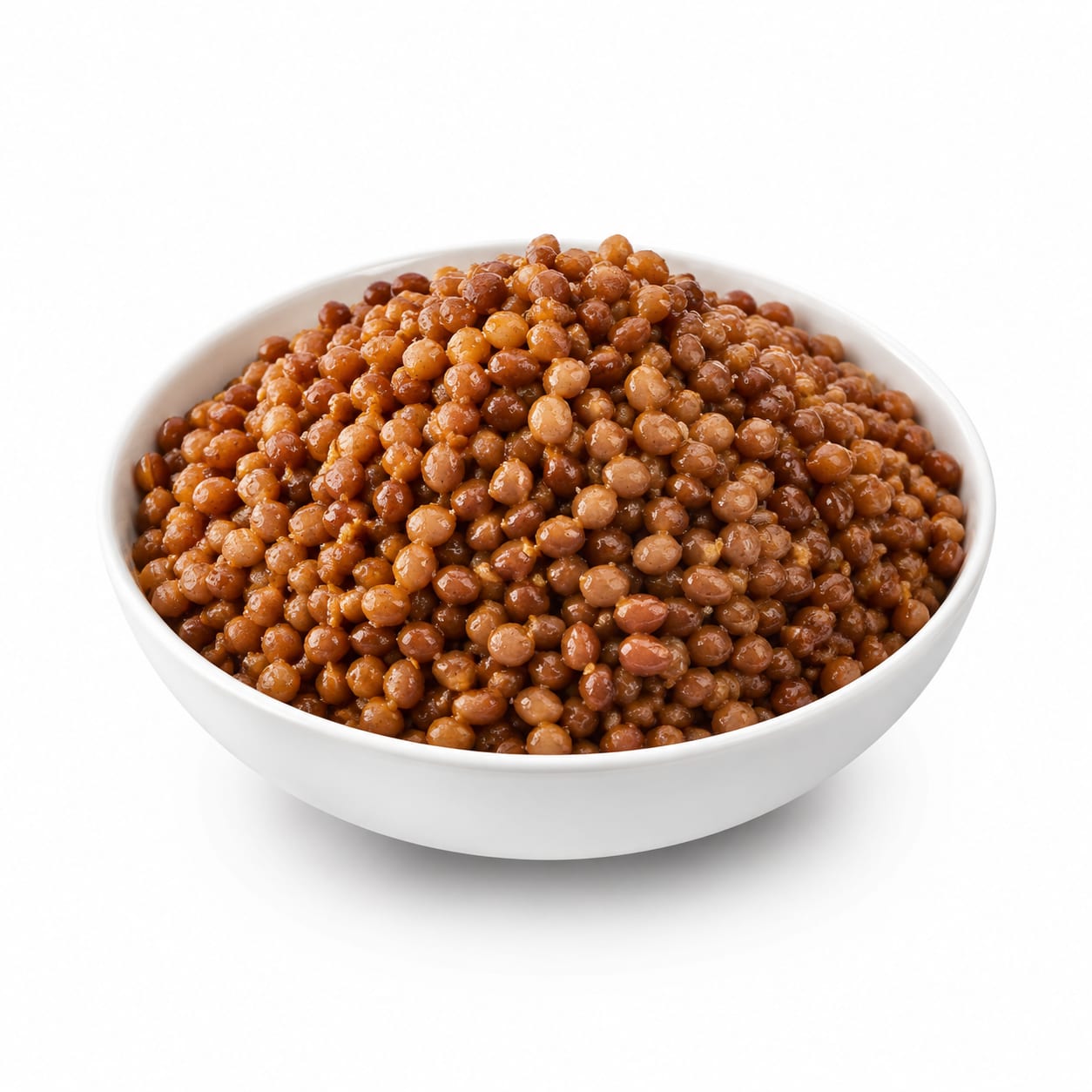
Horse Gram
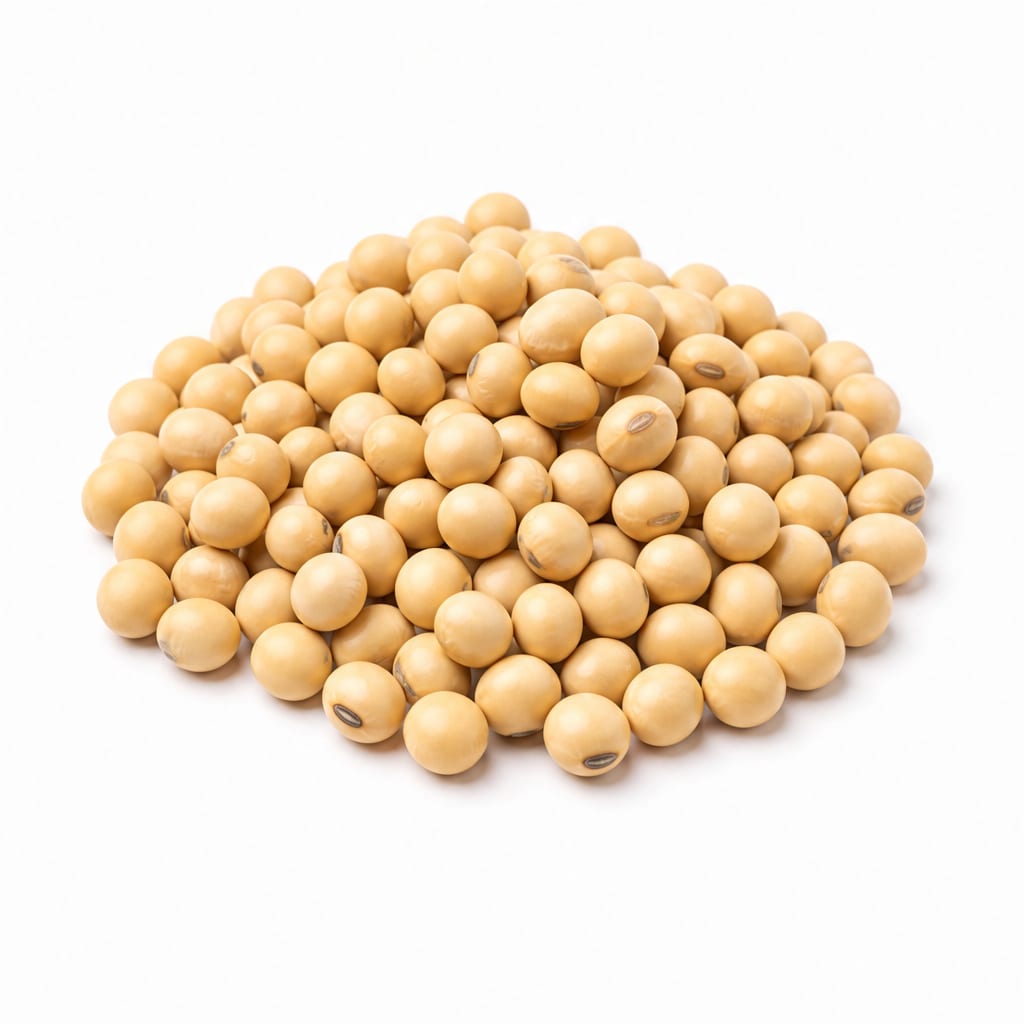
Soybeans
Horse Gram is the better choice for low-calorie weight loss and avoiding phytoestrogens, while Soybeans offer superior protein quality and everyday versatility.
Soybeans score slightly higher due to their complete amino acid profile and massive culinary versatility, though Horse Gram's exceptional fiber and weight-loss profile makes it a strong contender for specific goals.
Calorie density and traditional weight-loss benefits versus complete protein and culinary convenience.
At a glance
Executive summary
Overall
It depends
Healthier
It depends
More practical
Soybeans
Daily use
Soybeans
Key comparison lenses
Protein quality and muscle support
Soybeans are a rare complete plant protein, while Horse Gram lacks certain essential amino acids, making this a critical differentiator for fitness goals.
Weight loss and calorie density
Horse Gram is traditionally used for weight loss due to its high fiber and low calorie density, whereas Soybeans are relatively calorie-dense due to their fat content.
Digestibility and preparation convenience
Both require soaking, but Soybeans are widely available in easy-to-digest, pre-prepared forms like tofu and tempeh, unlike Horse Gram.
Hormonal impact and phytoestrogens
Soybeans contain isoflavones that mimic estrogen, offering benefits for menopause but raising concerns for others; Horse Gram has no estrogenic effects.
Best choice for
Horse Gram
- Weight loss diets
- Kidney stone prevention
- People avoiding phytoestrogens
- Low-calorie high-fiber needs
Soybeans
- Vegan muscle building
- Menopausal women
- Everyday cooking versatility
- Complete protein needs
Least suitable for
Horse Gram
- People with severe digestive issues
- Those wanting quick-cooking meals
- Bodybuilders needing complete proteins
Soybeans
- People with thyroid issues (if iodine low)
- Those with soy allergies
- Strict low-calorie dieters
Deep comparison
Dimension by dimension
Each lens scores both foods and breaks down who each option suits.
- Dimension 1 · Priority 95Soybeans
Protein Quality & Muscle Support
Horse Gram · 65Soybeans · 92Soybeans are one of the few plant sources of complete protein, containing all essential amino acids, whereas Horse Gram lacks sufficient methionine.
Tradeoff
You get more total protein per raw gram in Horse Gram, but Soybeans provide a more usable, complete protein for muscle repair.
Why it matters
Complete proteins are crucial for muscle maintenance and overall body repair without needing to combine different foods.
Real-world impact
If you rely on this as your main protein source after a workout, Soybeans (or tofu/tempeh) will support recovery better than Horse Gram alone.
Horse Gram
- Muscle building
- Sole protein source
Worse for
Soybeans
- Vegan athletes
- Bodybuilders
- Post-workout recovery
Better for
- Dimension 2 · Priority 90Horse Gram
Weight Loss & Calorie Density
Horse Gram · 88Soybeans · 65Horse Gram is significantly lower in fat and calories while being extremely high in fiber, making it much more filling per calorie.
Tradeoff
Horse Gram offers a better calorie-to-satiety ratio, while Soybeans bring healthy fats that slow digestion but add significant calories.
Why it matters
For weight loss, feeling full on fewer calories is the primary driver of long-term success.
Real-world impact
A bowl of Horse Gram soup will feel heavy and satisfying for hours without breaking your calorie budget, unlike calorie-dense soy nuts.
Horse Gram
- Calorie restrictors
- Volume eaters
- Weight loss phases
Better for
- Bulking phases
- High-calorie needs
Worse for
Soybeans
- Keto dieters
- Those needing healthy fats
Better for
- Strict calorie counting
Worse for
- Dimension 3 · Priority 75Horse Gram
Hormonal Impact
Horse Gram · 85Soybeans · 70Soybeans contain isoflavones (phytoestrogens) that mimic estrogen, which is great for menopause but a concern for some. Horse Gram has no estrogenic effects.
Tradeoff
Soybeans offer potential relief for menopausal symptoms and bone health, but may interfere with thyroid function or be avoided by those sensitive to phytoestrogens.
Why it matters
Hormonal balance affects everything from mood to metabolism, and food choices can tip the scale.
Real-world impact
Women going through menopause might find Soybeans comforting, while men or those with thyroid issues might prefer Horse Gram to avoid hormonal fluctuations.
Horse Gram
- Thyroid patients (with low iodine)
- People avoiding phytoestrogens
Better for
- Menopausal symptom relief
Worse for
Soybeans
- Menopausal women
- Older women at risk for osteoporosis
Better for
- Hypothyroidism (unmanaged)
- Hormone-sensitive conditions
Worse for
- Dimension 4 · Priority 80Soybeans
Digestibility & Preparation
Horse Gram · 55Soybeans · 75Both are tough legumes requiring soaking, but Soybeans are widely available in pre-processed, easy-to-digest forms like tofu, tempeh, and edamame.
Tradeoff
Horse Gram is almost exclusively eaten as a hard, cooked lentil that can cause gas, whereas Soybeans offer fermented, gut-friendly options.
Why it matters
If a food is hard to cook or digest, you are much less likely to eat it regularly.
Real-world impact
Stir-frying tofu takes 10 minutes and is gentle on the stomach; cooking Horse Gram takes over an hour and can leave you bloated if not soaked properly.
Horse Gram
- People who enjoy traditional slow-cooked meals
Better for
- Quick meals
- Sensitive stomachs
Worse for
Soybeans
- Busy weeknights
- People with sensitive digestion (using tofu/tempeh)
- Gut health (fermented forms)
Better for
- Minimizing processed foods (if using tofu/soy milk)
Worse for
- Dimension 5 · Priority 85It depends
Micronutrient Profile
Horse Gram · 80Soybeans · 85Horse Gram is incredibly rich in iron and calcium, while Soybeans provide more potassium, magnesium, and B-vitamins.
Tradeoff
Horse Gram wins for iron deficiency, while Soybeans offer a broader spectrum of minerals and vitamins overall.
Why it matters
Micronutrients drive energy production, bone health, and immune function.
Real-world impact
If you are anemic, Horse Gram is a powerhouse; if you need overall mineral balance for muscle cramps and energy, Soybeans edge ahead.
Horse Gram
- Iron deficiency anemia
- Bone density support
Better for
- Broad spectrum nutrition
Worse for
Soybeans
- Electrolyte balance
- General micronutrient coverage
Better for
- Iron deficiency (due to phytates in unfermented forms)
Worse for
Timeline
Health impact over time
Short-term
Hours to days
Horse Gram
- High satiety from dense fiber
- Potential bloating or gas if undercooked
- Steady blood sugar without energy crashes
Soybeans
- Sustained energy from protein and fat
- Possible digestive discomfort from oligosaccharides
- Quick preparation if using tofu or edamame
Long-term
Months to years
Horse Gram
- Supports weight management
- May help prevent kidney stones (traditional use)
- Improved iron status
Soybeans
- Cardiovascular benefits from healthy fats
- Bone density support from isoflavones
- Potential thyroid issues if consumed in excess with low iodine
Risk profile
Safety & processing
Whole Horse Gram and whole Soybeans are both natural, minimally processed foods. However, Soybeans are frequently consumed as tofu, tempeh, or soy milk, which introduces varying levels of processing, whereas Horse Gram is almost always eaten as a whole cooked lentil.
Horse Gram
Anti-nutrients (phytates, tannins)
mediumCan reduce mineral absorption and cause digestive distress if not properly soaked and boiled.
Soybeans
Phytoestrogenic effects
mediumIsoflavones can disrupt hormonal balance in sensitive individuals or those with thyroid issues if iodine intake is low.
GMO and pesticide contamination
mediumThe vast majority of conventional Soybeans are genetically modified, so choosing organic is crucial to avoid pesticide exposure.
Allergens
highSoy is one of the top major food allergens, causing reactions ranging from hives to anaphylaxis in sensitive individuals.
Who wins for whom
Audience fit
Same foods, different winners depending on your goal.
children
SoybeansSoybeans (as tofu or edamame) are easier to chew, digest, and provide essential amino acids for growth, but watch for allergies.
daily consumption
SoybeansSoybeans are far more versatile and easier to incorporate into daily meals through various formats.
diabetes
Horse GramHorse Gram has a lower glycemic load and less fat, promoting steadier blood sugar control.
elderly
SoybeansFermented Soy products are easier to digest and the isoflavones help protect aging bones.
muscle gain
SoybeansSoybeans provide a complete protein profile necessary for muscle repair and growth.
weight loss
Horse GramHorse Gram has a much lower calorie density and higher fiber content, keeping you full on fewer calories.
Your move
Decision guide
Choose Horse Gram
- You are actively trying to lose weight
- You want to avoid phytoestrogens
- You struggle with iron deficiency
- You have a history of kidney stones
Choose Soybeans
- You need a complete plant protein for muscle building
- You want versatile options like tofu or tempeh
- You are a menopausal woman seeking natural symptom relief
- You need easy-to-digest protein sources
Either works if
- You want to increase your daily fiber intake
- You are looking for plant-based protein alternatives
- You want to improve heart health
Avoid both if
- You have severe legume intolerances or IBS that reacts to high-fiber foods
- You are on a strict low-carb or keto diet
Final recommendation
Choose Soybeans for everyday nutrition and muscle support due to their complete protein and culinary flexibility, but turn to Horse Gram if your primary goal is weight loss or avoiding phytoestrogens.
Practical
Consumer tips
- 1
Always soak Horse Gram overnight and discard the water to reduce anti-nutrients and improve digestibility.
- 2
Choose organic Soybeans to avoid GMOs and heavy pesticide exposure.
- 3
If Soybeans upset your stomach, try fermented forms like tempeh or miso, which are much easier on the gut.
- 4
Sprouting Horse Gram enhances its iron bioavailability and reduces cooking time.
- 5
Pair Horse Gram with a grain like rice to create a complete protein profile for the meal.