
Nutrition comparison
Horse Gram vs Quinoa: Nutrition, Protein, and Diabetes Benefits Compared
Compare Horse Gram vs Quinoa for weight loss, blood sugar control, and protein quality. Find out which ancient superfood is right for your diet.
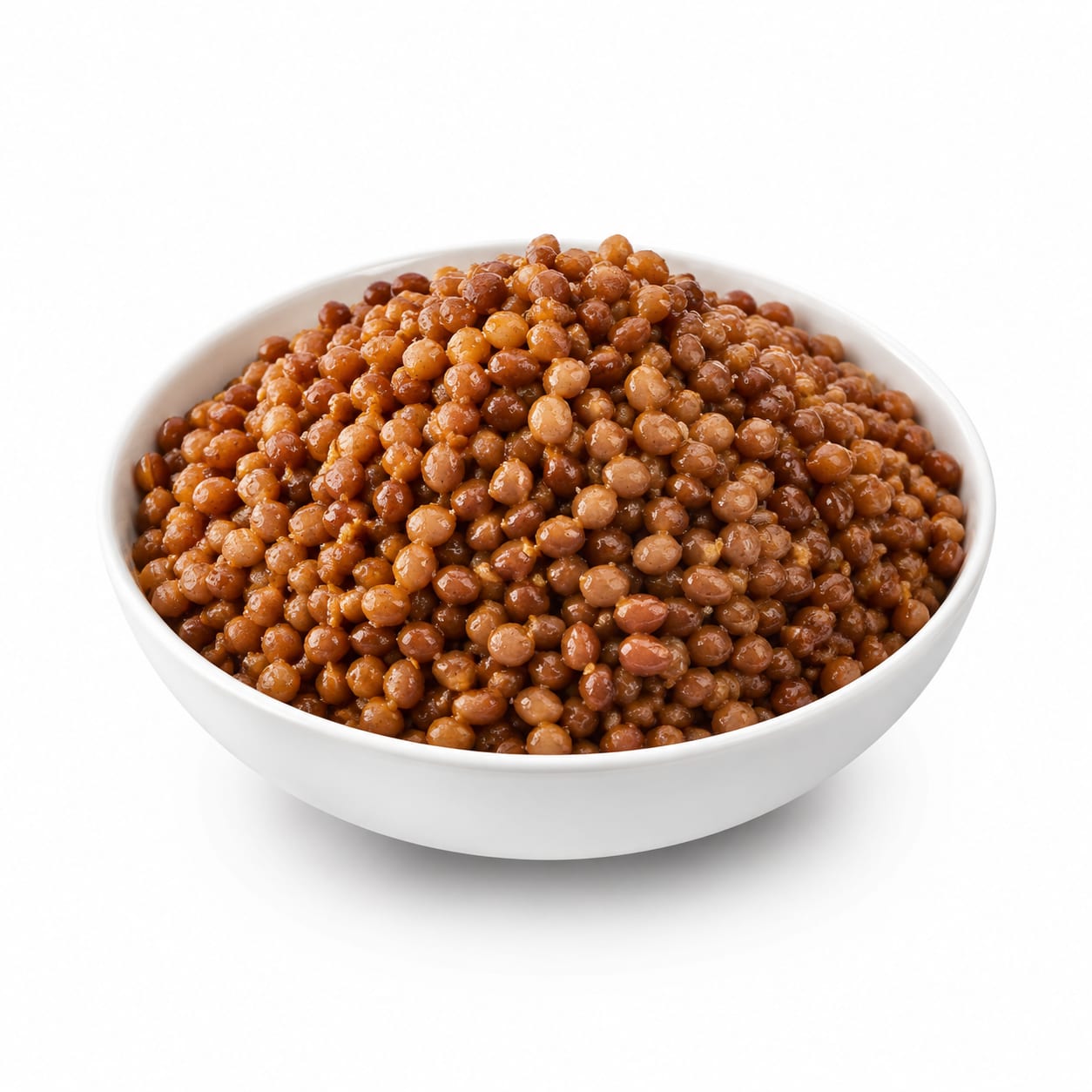
Horse Gram
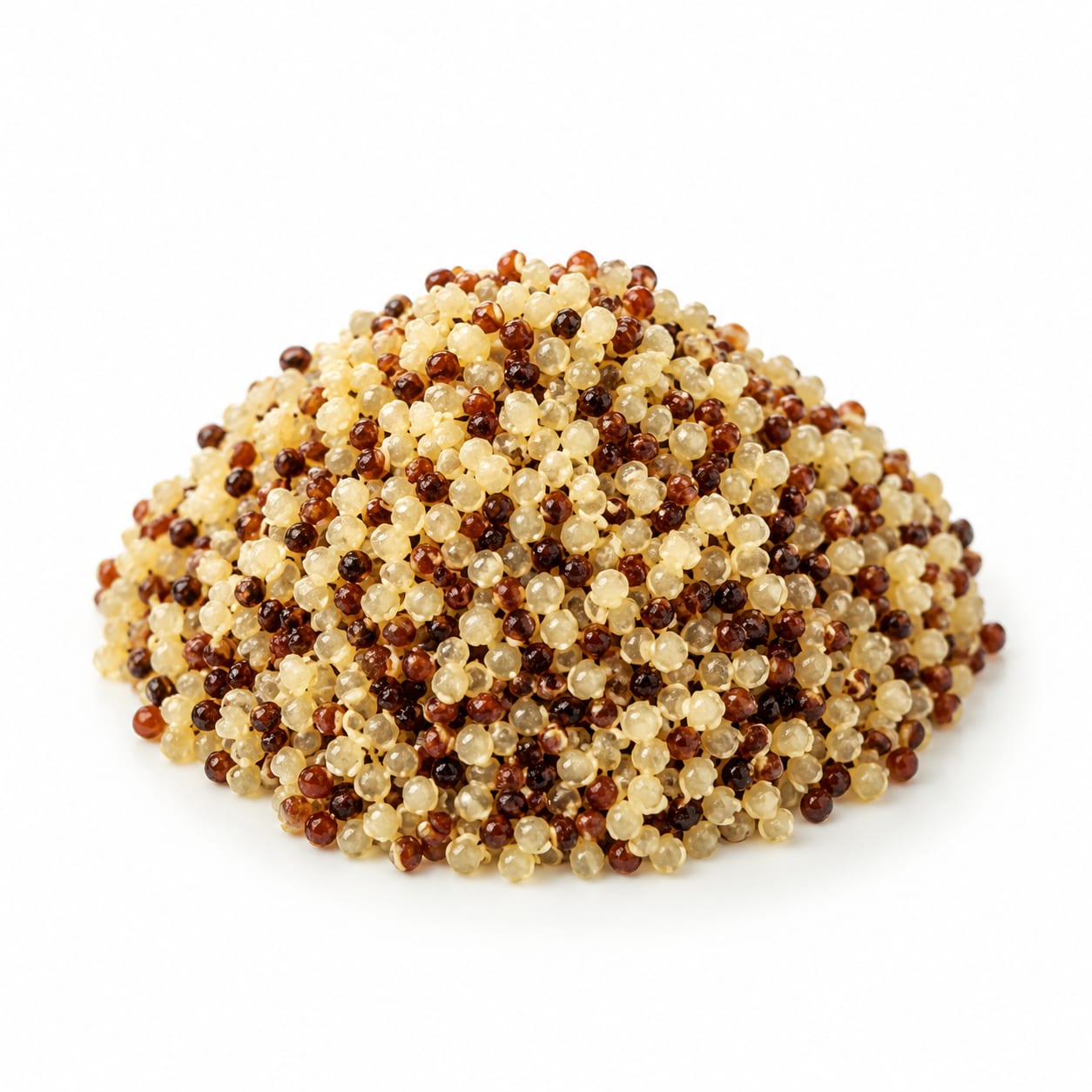
Quinoa
Horse Gram wins for blood sugar control and sheer satiety, but Quinoa is far more practical, digestible, and offers complete protein.
Quinoa scores slightly higher overall due to its superior convenience, digestibility, and complete amino acid profile. Horse Gram is a nutritional powerhouse for specific metabolic issues but loses points on practicality and gut comfort.
Maximum metabolic benefits and fullness versus everyday convenience and digestive comfort.
At a glance
Executive summary
Overall
It depends
Healthier
It depends
More practical
Quinoa
Daily use
Quinoa
Key comparison lenses
Blood sugar management and diabetes suitability
Horse Gram is renowned for its exceptionally low glycemic index and anti-hyperglycemic properties, making this a critical differentiator.
Protein quality for plant-based diets
Quinoa offers a rare complete plant protein, while Horse Gram provides higher total protein quantity but lacks certain amino acids.
Digestive tolerance and preparation effort
Horse Gram is notoriously hard to digest and cook without extensive soaking, whereas Quinoa is quick-cooking and gentle on the gut.
Weight loss and satiety
Both are high-fiber foods, but Horse Gram's extreme fiber content makes it uniquely filling, though harder to eat in large volumes.
Best choice for
Horse Gram
- People managing type 2 diabetes or insulin resistance
- Those seeking maximum satiety on a calorie deficit
- Traditional Ayurvedic diet followers
Quinoa
- Vegetarians and vegans needing a complete protein source
- People with sensitive digestion or IBS
- Busy individuals needing quick-cooking staples
Least suitable for
Horse Gram
- People prone to bloating and flatulence
- Anyone short on meal prep time
- Those unfamiliar with soaking and pressure cooking legumes
Quinoa
- Strict low-carb or keto dieters
- Budget-conscious shoppers looking for cheap protein
Deep comparison
Dimension by dimension
Each lens scores both foods and breaks down who each option suits.
- Dimension 1 · Priority 90Quinoa
Protein Quality & Completeness
Horse Gram · 75Quinoa · 92Horse Gram has more total protein per serving, but Quinoa provides all nine essential amino acids, making it a superior protein source for the body.
Tradeoff
Total protein quantity versus protein usability. Horse Gram requires pairing with grains to form a complete protein, while Quinoa works entirely on its own.
Why it matters
If you rely on plant foods for protein, eating complete proteins ensures your body can actually build muscle and repair tissue efficiently without combining foods.
Real-world impact
A Quinoa bowl post-workout gives your muscles everything they need to recover. A Horse Gram meal needs rice or wheat alongside it to achieve the same muscle-building effect.
Horse Gram
- High-protein diets where total grams matter more than amino acid ratios
Better for
- Solo meals where combining proteins isn't practical
Worse for
Quinoa
- Vegans needing reliable standalone protein
- Post-workout muscle recovery
Better for
- Those simply chasing the highest possible protein gram count per serving
Worse for
- Dimension 2 · Priority 95Horse Gram
Blood Sugar Stability
Horse Gram · 94Quinoa · 82Horse Gram is a metabolic superhero with resistant starch and properties that actively help lower blood sugar, while Quinoa is merely a low-glycemic carb.
Tradeoff
Medicinal-level blood sugar control versus a pleasant, mild-tasting carb that won't spike you but won't actively lower you either.
Why it matters
For diabetics or those with insulin resistance, food can be medicine. Horse Gram actively slows carbohydrate absorption, making it a functional food for glucose management.
Real-world impact
Eating Horse Gram regularly can lead to noticeably steadier energy and lower fasting blood sugar. Quinoa keeps you steady but doesn't offer the same therapeutic drop.
Horse Gram
- Type 2 diabetes management
- Reversing insulin resistance
- Preventing afternoon energy crashes
Better for
- Those who need quick energy recovery after intense endurance exercise
Worse for
Quinoa
- General healthy eating without specific metabolic conditions
Better for
- Pre-diabetics looking for aggressive dietary intervention
Worse for
- Dimension 3 · Priority 85Quinoa
Digestive Comfort & Preparation
Horse Gram · 45Quinoa · 90Quinoa cooks in 15 minutes and digests easily. Horse Gram requires overnight soaking, long pressure cooking, and can still cause heavy bloating.
Tradeoff
Deep nutritional rewards require deep patience and digestive effort. Quinoa is grab-and-go; Horse Gram is a project.
Why it matters
The healthiest food in the world won't help you if you avoid cooking it because it's too time-consuming, or if it makes you uncomfortably gassy.
Real-world impact
You can whip up Quinoa on a busy Tuesday night without thinking. Horse Gram requires planning ahead and might leave you feeling overly full and bloated if you aren't used to it.
Horse Gram
- Meal preppers who batch-cook legumes on weekends
Better for
- Spontaneous cooking
- People with IBS or sensitive digestion
Worse for
Quinoa
- Weeknight dinners
- Sensitive stomachs
- Quick lunch prep
Better for
- Those who enjoy slow-cooking and traditional food prep rituals
Worse for
- Dimension 4 · Priority 80Horse Gram
Satiety & Weight Management
Horse Gram · 92Quinoa · 80Horse Gram is incredibly dense and filling, naturally restricting how much you can eat. Quinoa is satisfying but much easier to overconsume.
Tradeoff
Forced portion control through sheer density versus a lighter texture that requires mindful eating to avoid overeating.
Why it matters
If you struggle with hunger on a diet, a food that physically prevents overeating is a massive advantage. Horse Gram essentially acts as an appetite suppressant.
Real-world impact
A small bowl of Horse Gram will keep you full for hours, making snacking feel unnecessary. A Quinoa bowl is satisfying, but you could easily go back for seconds.
Horse Gram
- Aggressive calorie restriction
- Emotional eaters needing physical fullness
Better for
- Those who need to eat frequent small meals
Worse for
Quinoa
- Active people needing adequate carb fuel without feeling overly stuffed
Better for
- People who struggle with portion control
Worse for
- Dimension 5 · Priority 75Horse Gram
Micronutrient Density & Antioxidants
Horse Gram · 88Quinoa · 85Horse Gram packs more iron and unique polyphenols, while Quinoa offers more magnesium and folate. Both are micronutrient champions.
Tradeoff
Iron and traditional antioxidants versus magnesium and B-vitamins. Horse Gram edges out slightly due to its rare polyphenol content.
Why it matters
Polyphenols in Horse Gram actively fight cellular damage and inflammation, while Quinoa's magnesium supports relaxation and muscle function.
Real-world impact
Horse Gram is great for boosting energy if you are anemic. Quinoa is better if you need help with muscle cramps or sleep quality due to magnesium.
Horse Gram
- Combating iron deficiency
- Reducing systemic inflammation
Better for
- Those who already have excessive iron stores
Worse for
Quinoa
- Supporting nerve function
- Improving sleep and relaxation
Better for
- Vegans who are specifically struggling with anemia
Worse for
Timeline
Health impact over time
Short-term
Hours to days
Horse Gram
- Extreme fullness that kills cravings
- Potential gas and bloating if not cooked thoroughly
- Very stable energy with zero sugar crash
Quinoa
- Quick, light energy replenishment
- Easy digestion without heaviness
- Mild, steady blood sugar response
Long-term
Months to years
Horse Gram
- Significantly improved insulin sensitivity
- Better iron status and reduced anemia risk
- Possible digestive adaptation over time as gut microbiome adjusts
Quinoa
- Sustained muscle mass from complete protein intake
- Improved metabolic health and steady weight management
- Easier long-term dietary adherence due to versatility
Risk profile
Safety & processing
Both are whole, natural foods sold in their raw form. Neither contains artificial additives, though Quinoa is sometimes pre-rinsed to remove bitter saponins.
Horse Gram
Anti-nutrients (phytic acid and tannins)
mediumCan block mineral absorption and cause digestive distress. Must be mitigated by soaking, sprouting, or pressure cooking.
Quinoa
Saponin residue
lowNaturally occurring bitter compounds that can cause mild stomach irritation if Quinoa is not rinsed before cooking.
Who wins for whom
Audience fit
Same foods, different winners depending on your goal.
children
QuinoaQuinoa is softer, milder in flavor, and much easier for a child's developing digestive system to handle than tough legumes.
daily consumption
QuinoaQuinoa is far easier to cook daily and digest daily. Horse Gram is better consumed a few times a week to avoid digestive fatigue.
diabetes
Horse GramHorse Gram has clinically demonstrated anti-hyperglycemic properties and resistant starch that actively lower blood sugar spikes.
elderly
QuinoaQuinoa is gentle on the gut and easy to chew, whereas Horse Gram can be tough and gas-producing, which is uncomfortable for older digestive systems.
muscle gain
QuinoaQuinoa provides a complete amino acid profile necessary for muscle repair, and is easier to eat in the larger volumes needed for bulking.
weight loss
Horse GramHorse Gram's extreme fiber density makes it nearly impossible to overeat, providing a strong physical barrier to excess calories.
Your move
Decision guide
Choose Horse Gram
- You are actively managing type 2 diabetes or insulin resistance
- You want the most filling food possible to control your appetite
- You are comfortable with traditional soaking and pressure-cooking methods
Choose Quinoa
- You need a quick, versatile, and easy-to-digest plant-based protein
- You have a sensitive stomach or are prone to bloating
- You want a daily staple that requires zero meal prep planning
Either works if
- You are looking for gluten-free, nutrient-dense carb alternatives
- You want to increase your dietary fiber and mineral intake
Avoid both if
- You are on a strict ketogenic or very low-carb diet
Final recommendation
Make Quinoa your everyday staple for easy protein and gentle digestion, but rotate in Horse Gram a couple of times a week if you need serious blood sugar support or want to crush persistent cravings.
Practical
Consumer tips
- 1
Always soak Horse Gram overnight and discard the water to reduce gas-causing compounds and anti-nutrients
- 2
Rinse Quinoa thoroughly under cold water for 30 seconds to wash off the bitter saponin coating
- 3
Sprouting Horse Gram before cooking dramatically improves its nutrient absorption and makes it far easier on the stomach
- 4
Cook Quinoa in vegetable or bone broth instead of water for a massive flavor upgrade with no extra effort
- 5
If you find Horse Gram too tough to eat as a porridge, blend it into soups or use the flour for savory pancakes