
Nutrition comparison
Horse Gram vs Brown Rice: Nutrition, Diabetes & Digestion Compared
Comparing Horse Gram and Brown Rice for weight loss, diabetes, and digestion. Discover which whole food is better for blood sugar control and daily energy.
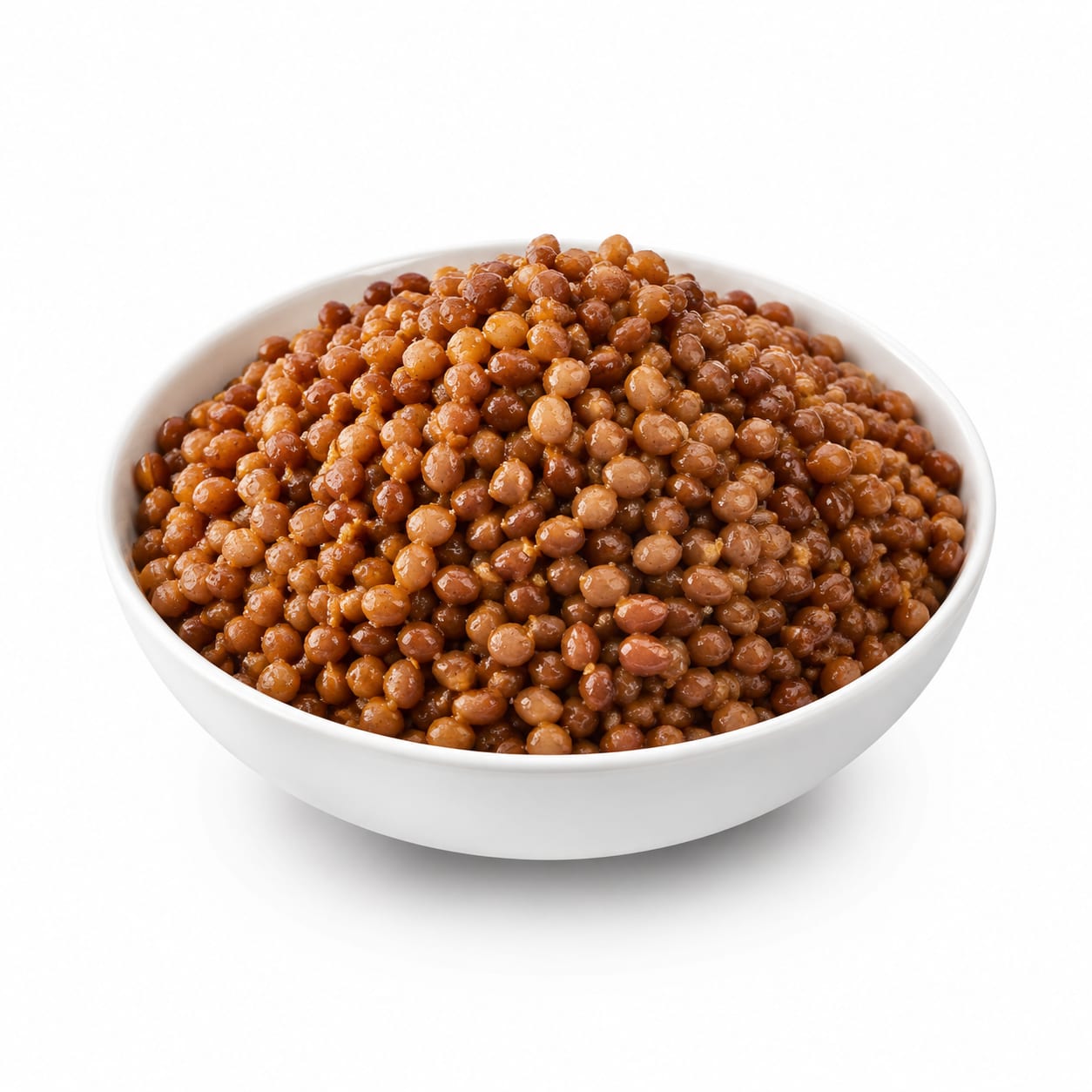
Horse Gram
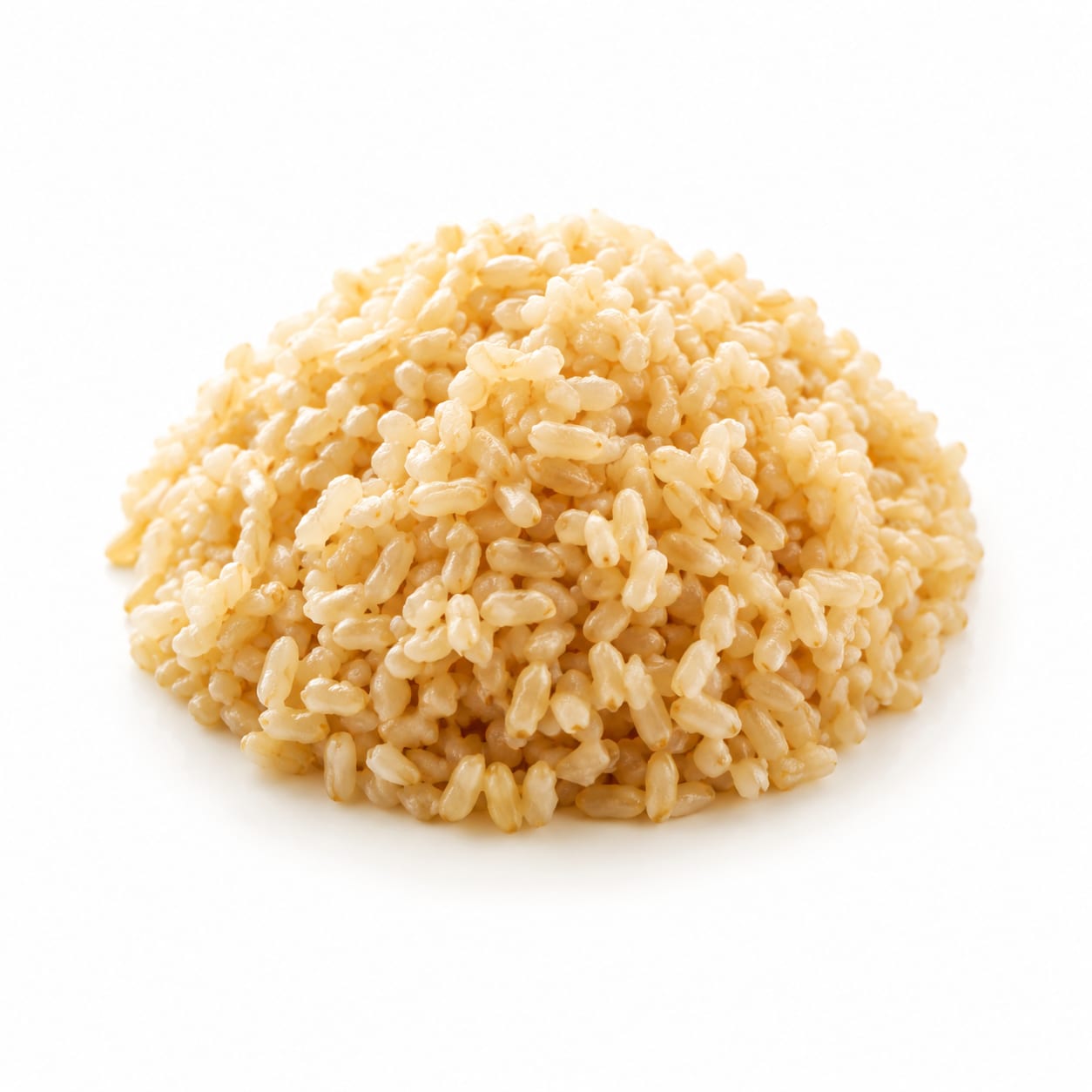
Brown Rice
Horse Gram is a nutritional powerhouse for blood sugar and protein, but Brown Rice wins on digestibility and everyday practicality.
Horse Gram scores higher for dense nutrition and metabolic benefits, but loses points for digestive difficulty. Brown Rice scores consistently well for being a gentle, reliable whole grain, making the overall scores close and highly context-dependent.
You trade digestive comfort and convenience for superior protein, iron, and blood sugar control.
At a glance
Executive summary
Overall
It depends
Healthier
Horse Gram
More practical
Brown Rice
Daily use
Brown Rice
Key comparison lenses
Blood sugar management and diabetes control
Horse Gram is renowned for its hypoglycemic properties, making the contrast in carbohydrate impact critical.
Plant-based protein and satiety
Comparing a high-protein legume against a staple grain highlights major differences in fullness and muscle support.
Digestive tolerance and preparation effort
Horse Gram is notoriously hard to digest and cook, whereas Brown Rice is a gentle, everyday staple.
Weight loss and calorie density
Users often choose between legumes and grains when trying to lose weight, making satiety-per-calorie crucial.
Best choice for
Horse Gram
- Managing type 2 diabetes
- Plant-based muscle building
- Boosting iron levels naturally
- Deep satiety on a diet
Brown Rice
- Sensitive stomachs and easy digestion
- Quick post-workout carb replenishment
- Reliable everyday meal prep
- Comforting, mild-flavored base meals
Least suitable for
Horse Gram
- People prone to bloating and gas
- Last-minute weeknight dinners
- Those with low stomach acid
Brown Rice
- Strict low-carb or keto dieters
- People needing high protein from a single source
- Those managing severe insulin resistance
Deep comparison
Dimension by dimension
Each lens scores both foods and breaks down who each option suits.
- Dimension 1 · Priority 95Horse Gram
Protein & Satiety
Horse Gram · 92Brown Rice · 55Horse Gram delivers nearly three times the protein of Brown Rice, keeping you full for hours.
Tradeoff
You get far more staying power from Horse Gram, but it feels heavy compared to the lightness of Brown Rice.
Why it matters
Higher protein reduces cravings and helps maintain muscle, especially on plant-based diets.
Real-world impact
A Horse Gram lunch prevents the 3 PM energy crash and snack attack that a Brown Rice bowl might not stop.
Horse Gram
- Staying full between meals
- Plant-based muscle recovery
- Reducing overall calorie intake naturally
Better for
- Feeling overly stuffed
- Light summer meals
Worse for
Brown Rice
- Lighter pre-workout meals
- Easier eating after a long fast
Better for
- Surviving long gaps between meals
- High-protein diet targets
Worse for
- Dimension 2 · Priority 90Horse Gram
Blood Sugar Stability
Horse Gram · 96Brown Rice · 65Horse Gram is famous for barely moving the needle on blood sugar, while Brown Rice causes a moderate rise.
Tradeoff
Horse Gram offers superior insulin control but requires heavy spicing to make palatable daily; Brown Rice is blander but metabolically safer than white rice.
Why it matters
Steady blood sugar prevents fatigue, mood swings, and fat storage.
Real-world impact
Choosing Horse Gram means no afternoon energy crash, making it a game-changer for diabetics.
Horse Gram
- Reversing insulin resistance
- Managing type 2 diabetes
- Preventing sugar cravings
Better for
- Immediate energy for endurance sports
Worse for
Brown Rice
- Replenishing carbs after intense exercise
Better for
- Sitting at a desk all day
- Late-night snacking
Worse for
- Dimension 3 · Priority 85Brown Rice
Digestive Comfort
Horse Gram · 40Brown Rice · 85Brown Rice is gentle and soothing, while Horse Gram is notoriously tough on the gut if not prepared perfectly.
Tradeoff
You sacrifice gut comfort for nutritional density if you choose Horse Gram.
Why it matters
Bloating and gas can ruin your day, no matter how healthy the food is on paper.
Real-world impact
Eating Horse Gram without proper soaking can leave you feeling bloated and uncomfortable for hours; Brown Rice rarely causes this issue.
Horse Gram
- Adding bulk to clear out sluggish digestion
Better for
- Irritable bowel syndrome flare-ups
- Social events where bloating is unwanted
Worse for
Brown Rice
- Eating with an upset stomach
- Comforting meals when you feel unwell
- Date nights without the bloating
Better for
- Situations requiring extremely high fiber bulk
Worse for
- Dimension 4 · Priority 75Brown Rice
Convenience & Practicality
Horse Gram · 30Brown Rice · 80Brown Rice is an easy pantry staple, while Horse Gram demands overnight soaking and long cooking times.
Tradeoff
Horse Gram requires serious meal planning, whereas Brown Rice can be a spontaneous side dish.
Why it matters
If a food is too hard to cook, you simply will not eat it, no matter how healthy it is.
Real-world impact
You can throw Brown Rice in a rice cooker and forget it; Horse Gram needs active management to become tender.
Horse Gram
- Weekend meal prep sessions
- Slow-cooked stews
Better for
- Last-minute dinner emergencies
- Cooking when exhausted
Worse for
Brown Rice
- Busy weeknight dinners
- Quick meal prep
- Camping or travel cooking
Better for
- Recipes requiring a thick, hearty legume base
Worse for
- Dimension 5 · Priority 70Horse Gram
Micronutrient Density
Horse Gram · 88Brown Rice · 65Horse Gram packs exceptional iron and calcium, far exceeding the mineral profile of Brown Rice.
Tradeoff
Horse Gram's minerals are partially blocked by anti-nutrients unless you soak and sprout it properly.
Why it matters
Iron fights fatigue, and calcium protects bones, making dense sources highly valuable.
Real-world impact
Eating Horse Gram regularly can visibly improve energy levels in prone-to-anemia individuals better than Brown Rice.
Horse Gram
- Combating iron-deficiency anemia
- Boosting bone health naturally
Better for
- Maximizing mineral absorption without prep work
Worse for
Brown Rice
- Getting easily absorbable magnesium for sleep
Better for
- Meeting high iron needs from food alone
Worse for
Timeline
Health impact over time
Short-term
Hours to days
Horse Gram
- Significant increase in fullness and reduced snacking
- Potential for gas and bloating if undercooked or unsoaked
- Very stable energy without a sugar crash
Brown Rice
- Quick, comforting energy replenishment
- Gentle on the digestive system
- Mild blood sugar rise that supports immediate activity
Long-term
Months to years
Horse Gram
- Improved insulin sensitivity and diabetes management
- Better anemia markers due to high iron
- Risk of chronic digestive distress if preparation habits are poor
Brown Rice
- Steady fiber intake supporting heart health
- Sustainable weight maintenance
- Possible arsenic exposure if relying too heavily on rice grown in certain regions
Risk profile
Safety & processing
Both foods are whole, unrefined, and free from artificial additives, making them excellent natural choices.
Horse Gram
Anti-nutrient interference
mediumPhytic acid and enzyme inhibitors can block mineral absorption and cause digestive upset if not neutralized by soaking or sprouting.
Undercooked legume toxicity
mediumLike many legumes, eating undercooked Horse Gram can cause nausea and vomiting due to natural phytohaemagglutinin.
Brown Rice
Inorganic arsenic exposure
mediumBrown Rice tends to accumulate more arsenic than other grains because it grows in flooded paddies. Rinsing and cooking in excess water reduces this.
Who wins for whom
Audience fit
Same foods, different winners depending on your goal.
children
Brown RiceBrown Rice is much easier for a child's developing digestive system to handle, and its mild flavor is far more kid-friendly.
daily consumption
Brown RiceBrown Rice is easier to digest, faster to cook, and more versatile for daily meals without causing cumulative gut fatigue.
diabetes
Horse GramHorse Gram is widely used in traditional medicine specifically to lower blood sugar and improve insulin response.
elderly
Brown RiceAging digestive systems often struggle with tough legumes; Brown Rice provides gentle, reliable nourishment.
muscle gain
Horse GramHorse Gram provides substantially more protein per serving, which is essential for muscle repair and growth.
weight loss
Horse GramThe extreme fiber and protein content of Horse Gram naturally restricts appetite and calorie intake far better than Brown Rice.
Your move
Decision guide
Choose Horse Gram
- You are actively managing diabetes or insulin resistance
- You need a high-protein plant-based addition to your diet
- You are willing to soak and sprout legumes for optimal digestion
- You struggle with anemia and need more dietary iron
Choose Brown Rice
- You have a sensitive stomach or are prone to bloating
- You need a reliable, easy-to-cook carb for busy weeknights
- You want a gentle base for meals after intense workouts
- You are cooking for children or elderly family members
Either works if
- You are simply looking to replace refined white carbs with whole foods
- You want more fiber in your diet
- You enjoy mixing grains and legumes in bowls and soups
Avoid both if
- You are on a strict ketogenic or very low-carb diet
- You have severe GI issues that require a low-fiber, low-residue diet
Final recommendation
Use Horse Gram as a targeted therapeutic food a few times a week for blood sugar and protein, but rely on Brown Rice as your daily, comfortable energy staple.
Practical
Consumer tips
- 1
Always soak Horse Gram for at least 8 to 12 hours and discard the water to reduce anti-nutrients and prevent bloating.
- 2
Sprouting Horse Gram before cooking dramatically increases its nutrient availability and makes it much easier to digest.
- 3
Rinse Brown Rice thoroughly and cook it in extra water, draining the excess, to significantly lower its arsenic content.
- 4
Combine Brown Rice with a lighter legume like lentils to get a complete protein profile without the heaviness of Horse Gram.
- 5
Add warming spices like cumin, ginger, or asafoetida when cooking Horse Gram to further aid digestion and reduce gas.