
Nutrition comparison
Horse Gram vs Black Gram: Nutrition, Weight Loss, and Health Benefits
Compare Horse Gram and Black Gram to find out which is better for weight loss, diabetes, and muscle gain. Discover the nutritional tradeoffs and digestion tips.
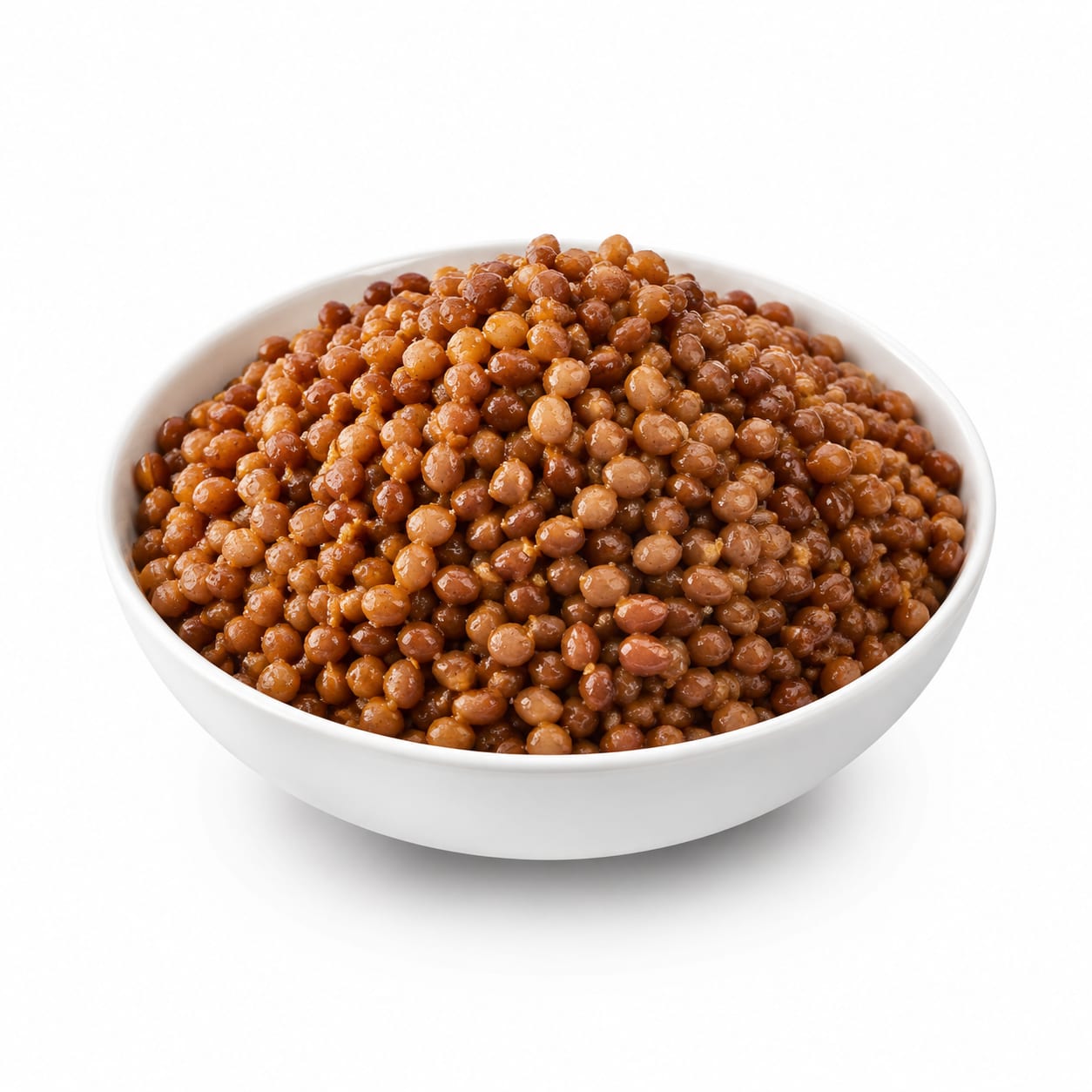
Horse Gram
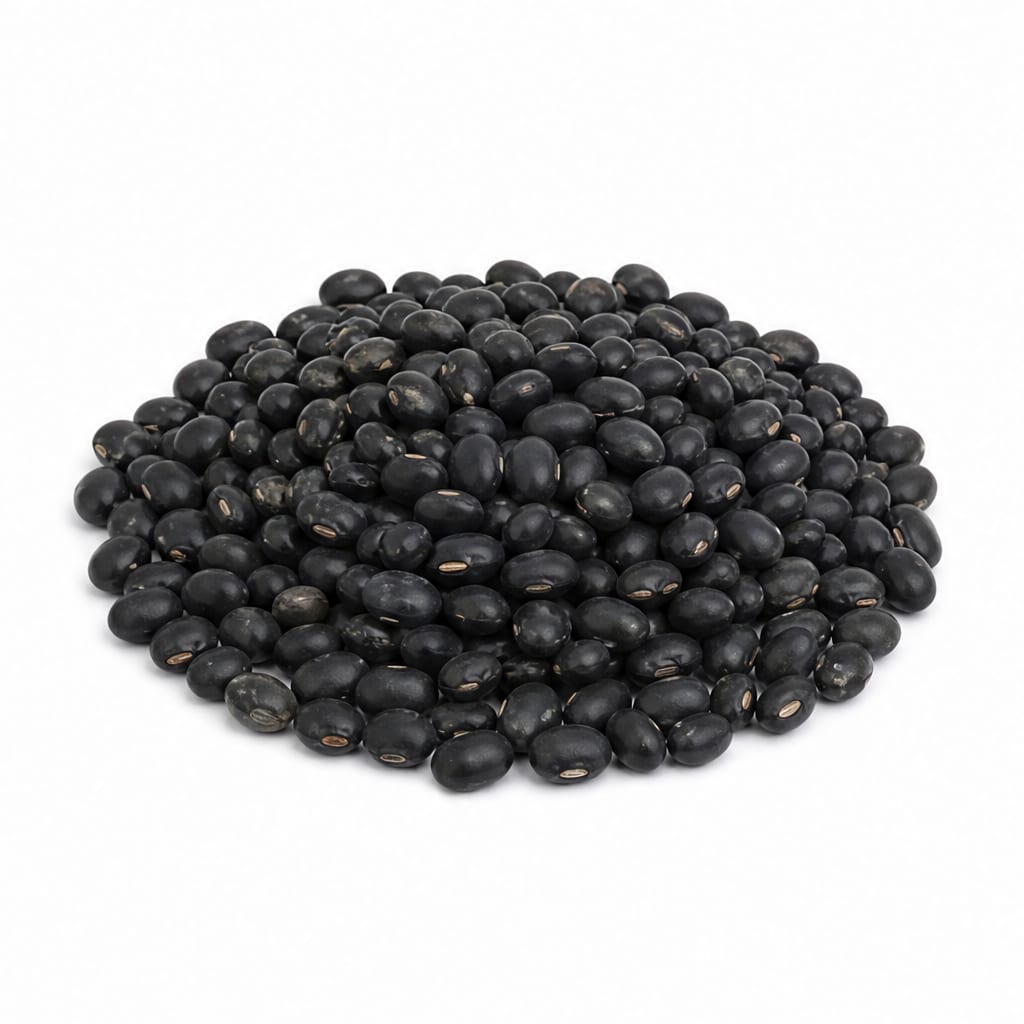
Black Gram
Horse Gram wins for weight loss and blood sugar control, while Black Gram is better for muscle building and energy recovery.
Horse Gram scores slightly higher due to its superior profile for weight management and blood sugar stability, which aligns with common modern health goals, though Black Gram remains an excellent choice for those needing dense, restorative nutrition.
Horse Gram offers lighter, fat-fighting nutrition with a lower glycemic index, whereas Black Gram provides creamier, denser calories ideal for strength and recovery.
At a glance
Executive summary
Overall
It depends
Healthier
Horse Gram
More practical
It depends
Daily use
Horse Gram
Key comparison lenses
Weight Management and Fat Loss
Horse Gram is traditionally renowned for its lipolytic enzymes and low calorie density, making it a prime choice for fat loss compared to the denser Black Gram.
Blood Sugar Stability
Horse Gram has a much lower glycemic index and carbohydrate absorption rate, which is critical for diabetes management compared to Black Gram.
Digestive Comfort and Tolerance
Both legumes are notoriously heavy and gas-producing, requiring specific preparation methods, but their impact on digestive comfort differs significantly.
Muscle Building and Recovery
Black Gram offers higher protein density and richer caloric value, making it more suitable for muscle repair and bulking.
Best choice for
Horse Gram
- People aiming to lose body fat
- Those managing diabetes or insulin resistance
- Individuals wanting a lighter legume that won't cause lethargy
Black Gram
- Hard gainers needing dense calories
- Athletes seeking muscle recovery
- People recovering from illness or muscle wasting
Least suitable for
Horse Gram
- People prone to kidney stones due to oxalates
- Those who struggle to keep weight on
Black Gram
- People with sluggish digestion or severe IBS
- Individuals trying to cut calories or lose weight
Deep comparison
Dimension by dimension
Each lens scores both foods and breaks down who each option suits.
- Dimension 1 · Priority 95Horse Gram
Weight Management
Horse Gram · 90Black Gram · 65Horse Gram contains lipolytic enzymes that help break down fat and has lower calorie density, making it a traditional remedy for weight loss.
Tradeoff
You get fat-loss benefits with Horse Gram, but sacrifice the rich, satisfying creaminess of Black Gram.
Why it matters
For anyone trying to lean out, choosing the right legume can accelerate results without leaving you hungry.
Real-world impact
Eating Horse Gram regularly can help shrink your waistline over time, while Black Gram might leave you feeling too heavy to stay active.
Horse Gram
- People aiming to lose body fat
- Those wanting lighter, less calorie-dense meals
Better for
- People who struggle to keep weight on
Worse for
Black Gram
- Hard gainers needing extra calories
- Those recovering from illness who need weight restoration
Better for
- People trying to cut calories or on a strict diet
Worse for
- Dimension 2 · Priority 90Horse Gram
Blood Sugar Stability
Horse Gram · 88Black Gram · 70Horse Gram has a lower glycemic index and contains enzyme inhibitors that slow carbohydrate absorption, keeping blood sugar steadier.
Tradeoff
Horse Gram keeps energy more stable, while Black Gram's denser carbs can cause a heavier, more sluggish feeling post-meal.
Why it matters
Avoiding the afternoon energy crash is crucial for productivity and metabolic health.
Real-world impact
A Horse Gram lunch keeps you alert through the afternoon, whereas Black Gram might make you want a nap.
Horse Gram
- People with diabetes or insulin resistance
- Those who get afternoon energy crashes
Better for
- Athletes needing rapid carb replenishment post-workout
Worse for
Black Gram
- Laborers or athletes needing sustained, heavy fuel
Better for
- Sedentary individuals managing blood sugar
Worse for
- Dimension 3 · Priority 85It depends
Digestive Tolerance
Horse Gram · 55Black Gram · 50Both are notoriously hard to digest and cause flatulence, but Horse Gram is slightly lighter while Black Gram is heavier and more mucilaginous.
Tradeoff
Neither is easy on the stomach without proper soaking and spicing, but Black Gram's heaviness makes it tougher for sensitive digestion.
Why it matters
Gas and bloating can ruin your comfort and social confidence after meals.
Real-world impact
Eating either without soaking will cause bloating, but Black Gram is more likely to make you feel like you swallowed a brick.
Horse Gram
- Those with slightly sensitive digestion who want a lighter legume
Better for
- People with severe IBS who cannot tolerate any heavy legumes
Worse for
Black Gram
- People with very strong digestion who enjoy rich, creamy foods
Better for
- Anyone prone to bloating or sluggish digestion
Worse for
- Dimension 4 · Priority 80Black Gram
Muscle Building and Recovery
Horse Gram · 75Black Gram · 88Black Gram provides slightly more protein and denser calories, making it better for muscle repair and bulking.
Tradeoff
Black Gram fuels muscle growth more effectively, but the heavy feeling post-meal can reduce workout motivation.
Why it matters
Building muscle requires a caloric surplus and high protein, which dense legumes can support.
Real-world impact
A bowl of Black Gram dal helps repair muscles after a heavy lifting session, while Horse Gram might not provide enough building blocks.
Horse Gram
- Those who want moderate protein without the heavy calories
Better for
- Bodybuilders in a bulking phase
Worse for
Black Gram
- Strength athletes needing dense protein and calories
- People recovering from muscle wasting
Better for
- Those who prefer light, pre-workout meals
Worse for
- Dimension 5 · Priority 75It depends
Bone and Blood Health
Horse Gram · 85Black Gram · 82Horse Gram is richer in calcium for bones, while Black Gram offers more folate and magnesium for blood and nerve health.
Tradeoff
Horse Gram supports bone density better, while Black Gram is superior for blood formation and nervous system function.
Why it matters
Micronutrients dictate long-term vitality, from preventing anemia to keeping bones strong.
Real-world impact
Eating Horse Gram helps protect against osteoporosis, while Black Gram is excellent for pregnant women needing folate.
Horse Gram
- Older adults needing calcium for bone health
- People avoiding dairy who need plant-based calcium
Better for
- Pregnant women needing maximum folate
Worse for
Black Gram
- Pregnant women needing high folate
- People with anemia needing iron and folate synergy
Better for
- Those specifically looking to boost calcium intake
Worse for
Timeline
Health impact over time
Short-term
Hours to days
Horse Gram
- Lighter post-meal feeling compared to other dense legumes
- May cause bloating and gas if not soaked and cooked properly
Black Gram
- Very filling, can cause lethargy after eating due to caloric density
- High likelihood of gas and stomach heaviness
Long-term
Months to years
Horse Gram
- Supports weight management and fat loss over time
- Better blood sugar control for diabetes prevention
- Risk of kidney stones due to high oxalate content if overconsumed
Black Gram
- Supports muscle mass and physical strength maintenance
- Excellent for reproductive and nervous system health
- Can contribute to weight gain if portions are not controlled
Risk profile
Safety & processing
Both Horse Gram and Black Gram are whole, natural legumes with minimal processing, making them clean, additive-free sources of plant protein.
Horse Gram
Kidney Stones
mediumHorse Gram contains high levels of oxalates, which can contribute to kidney stone formation in susceptible individuals.
Anti-nutrients
lowContains phytic acid that reduces mineral absorption, which is easily mitigated by soaking overnight.
Black Gram
Gout Flare-ups
mediumBlack Gram is rich in purines, which can trigger gout attacks in prone individuals by increasing uric acid levels.
Anti-nutrients
lowContains phytic acid and trypsin inhibitors that are neutralized through proper soaking and cooking.
Who wins for whom
Audience fit
Same foods, different winners depending on your goal.
children
Black GramBlack Gram's creamy texture when cooked is more appealing to kids, and its high folate supports growth.
daily consumption
Horse GramHorse Gram is lighter and less likely to cause the daily sluggishness that heavy Black Gram can bring.
diabetes
Horse GramHorse Gram has a lower glycemic index and slows carbohydrate absorption, preventing sugar spikes.
elderly
Horse GramHorse Gram is lighter on the stomach and provides calcium for aging bones, provided it is cooked very soft.
muscle gain
Black GramBlack Gram offers more protein per serving and the dense calories needed for muscle building.
weight loss
Horse GramHorse Gram has lipolytic enzymes and a lower calorie density, actively supporting fat loss.
Your move
Decision guide
Choose Horse Gram
- You are actively trying to lose weight
- You need to manage blood sugar or insulin levels
- You want a lighter legume that won't make you sluggish
Choose Black Gram
- You want to build muscle or gain healthy weight
- You need dense, restorative energy after illness
- You are cooking rich, traditional dishes like Dal Makhani
Either works if
- You need a high-protein plant-based staple
- You enjoy traditional Indian legume dishes and are willing to soak them properly
Avoid both if
- You have severe digestive issues or IBS
- You are prone to gout and must limit purines
Final recommendation
Choose Horse Gram if your goal is weight loss, blood sugar control, or lighter daily eating. Opt for Black Gram if you need dense calories for muscle building, recovery, or are cooking a rich, comforting meal. Always soak both overnight to make them easier on your stomach.
Practical
Consumer tips
- 1
Soak both Horse Gram and Black Gram for at least 8 hours to reduce gas-causing compounds and anti-nutrients.
- 2
Always cook with digestive spices like asafoetida (hing), cumin, and ginger to make them easier on the stomach.
- 3
Horse Gram is excellent as a warming soup or sprouted salad for weight loss.
- 4
Choose split and washed Black Gram (dhuli urad dal) for easier digestion compared to the whole variety.