
Nutrition comparison
Horse Gram vs Chickpeas: Nutrition, Diabetes, and Digestion Compared
Discover the key differences between horse gram and chickpeas. Learn which legume is better for weight loss, blood sugar control, and everyday meal prep.
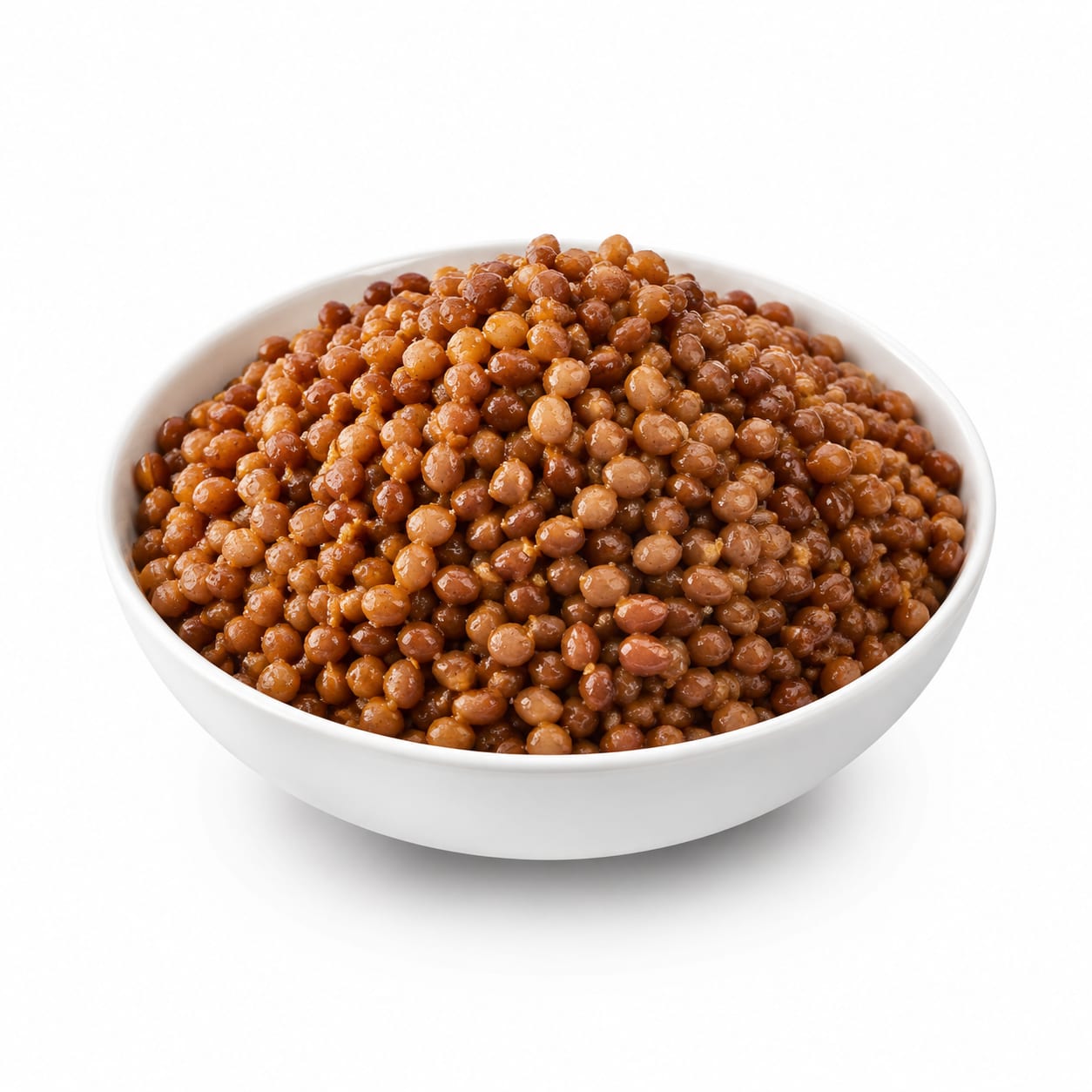
Horse Gram
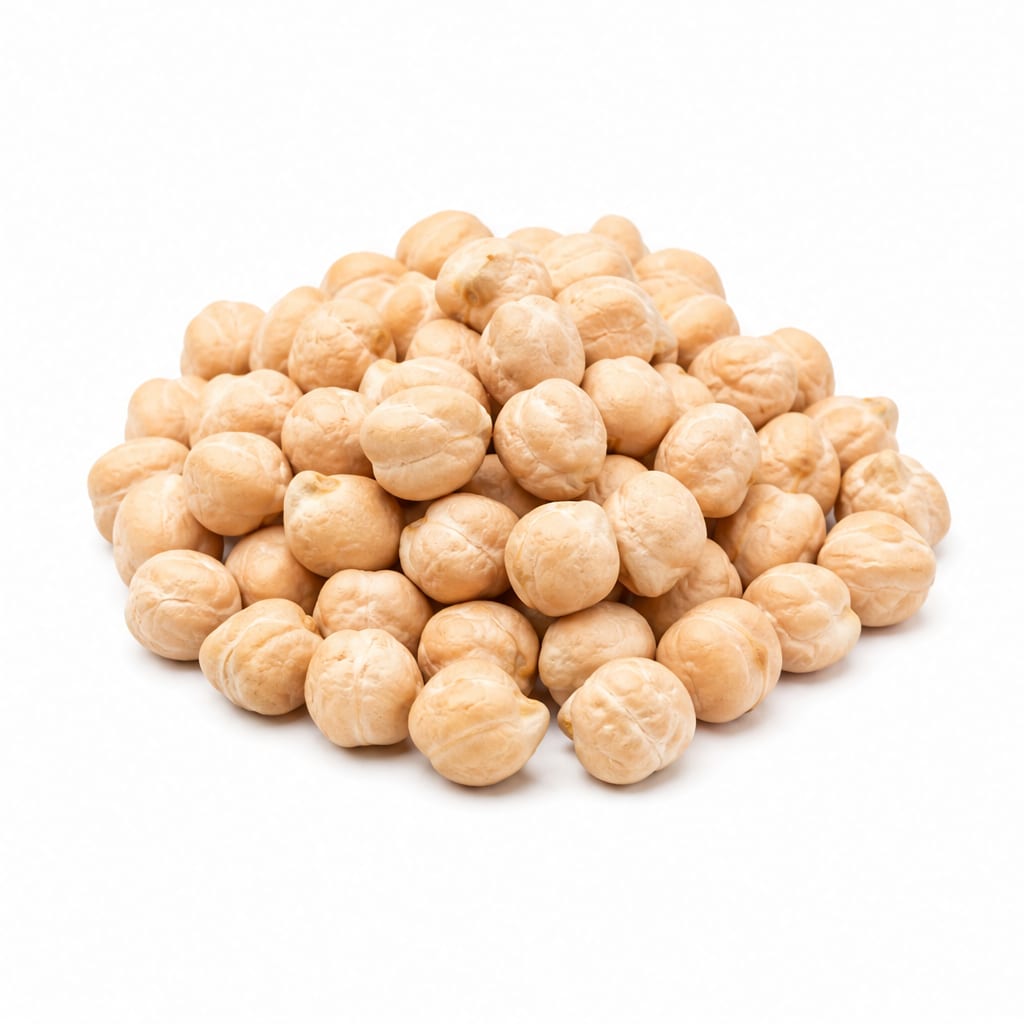
Chickpeas
Horse gram is a nutritional powerhouse for blood sugar and weight management, but chickpeas are far more practical, versatile, and easier to digest for everyday meals.
Chickpeas score slightly higher overall because their ease of use and digestibility make them more sustainable long-term. Horse gram wins on raw nutritional metrics but loses points on preparation difficulty and digestive friction.
Superior metabolic benefits and mineral density versus culinary flexibility and digestive comfort.
At a glance
Executive summary
Overall
It depends
Healthier
Horse Gram
More practical
Chickpeas
Daily use
Chickpeas
Key comparison lenses
Blood sugar control and weight loss
Horse gram is renowned for its low glycemic index and lipase-inhibiting properties, making it a standout for metabolic health compared to other legumes.
Everyday practicality and culinary versatility
Chickpeas are a global pantry staple with endless recipes, while horse gram requires specific preparation methods and has a more limited culinary footprint.
Nutrient density and mineral absorption
Horse gram packs higher iron and calcium, but also contains more anti-nutrients like phytic acid, creating a critical tradeoff in actual absorption.
Digestive tolerance
Both are high-fiber legumes, but horse gram is notoriously harder to digest and can cause more bloating if not prepared correctly.
Best choice for
Horse Gram
- People managing type 2 diabetes or insulin resistance
- Those seeking maximum plant-based iron and calcium
- Individuals on a targeted weight loss protocol
Chickpeas
- Busy individuals needing quick meal prep
- Families looking for a versatile pantry staple
- People with sensitive digestion who struggle with tougher legumes
Least suitable for
Horse Gram
- People prone to severe bloating or gas
- Those who need quick 20-minute meals
- Picky eaters unfamiliar with earthy flavors
Chickpeas
- Those strictly minimizing carbohydrate intake
- People looking for the absolute highest protein density per calorie
Deep comparison
Dimension by dimension
Each lens scores both foods and breaks down who each option suits.
- Dimension 1 · Priority 95Horse Gram
Blood Sugar & Satiety
Horse Gram · 92Chickpeas · 78Horse gram has a much lower glycemic index and actively helps slow down carbohydrate digestion, keeping blood sugar remarkably stable.
Tradeoff
You get steadier energy and fewer cravings with horse gram, but you have to endure a denser, heavier eating experience compared to the lighter chickpea.
Why it matters
Preventing blood sugar spikes is the single most effective way to stop afternoon energy crashes and stubborn fat storage.
Real-world impact
Eating horse gram for lunch means you are far less likely to crave a sweet snack at 3 PM compared to eating chickpeas.
Horse Gram
- Diabetics needing tight glucose control
- People trying to break carb addiction cycles
Better for
- Right before a high-intensity workout when you need quick fuel
Worse for
Chickpeas
- Pre-workout meals needing moderate, accessible carbs
- Children who need steady but readily available energy
Better for
- Late-night snacking if you are highly insulin resistant
Worse for
- Dimension 2 · Priority 90Horse Gram
Nutritional Density
Horse Gram · 88Chickpeas · 80Horse gram contains more protein, iron, and calcium per serving than chickpeas, making it one of the most nutrient-dense legumes available.
Tradeoff
Horse gram has higher absolute minerals, but its high anti-nutrient content means your body actually absorbs less of those minerals than the numbers suggest unless you soak and sprout it meticulously.
Why it matters
Eating nutrients your body cannot absorb is wasted effort; preparation method matters as much as the nutrition label.
Real-world impact
If you just boil horse gram quickly, you will absorb less iron than if you ate canned chickpeas. Proper sprouting unlocks the real value.
Horse Gram
- Vegans needing maximum iron and calcium from plant sources
- Those willing to sprout legumes for optimal nutrition
Better for
- Iron-deficient individuals who do not have time to soak and sprout
Worse for
Chickpeas
- Anyone eating legumes straight from a can or quick boil
- People relying on hassle-free mineral intake
Better for
- Those needing the absolute highest protein-to-calorie ratio
Worse for
- Dimension 3 · Priority 85Chickpeas
Practicality & Versatility
Horse Gram · 45Chickpeas · 94Chickpeas are incredibly versatile, available canned for convenience, and fit into everything from salads to desserts. Horse gram is tough, takes hours to cook, and has limited recipe appeal.
Tradeoff
You sacrifice the culinary flexibility and quick prep of chickpeas for the specialized health benefits of horse gram.
Why it matters
The healthiest food in the world is useless if it sits in your pantry because it takes too long to cook.
Real-world impact
You can whip up a chickpea salad in 5 minutes using canned beans. Horse gram requires overnight soaking and an hour of pressure cooking.
Horse Gram
- Batch-cooking on weekends for a targeted health boost
Better for
- Last-minute meal emergencies
- Travel or portable lunch options
Worse for
Chickpeas
- Busy weeknight dinners
- Meal prep beginners
- Making dips, stews, and roasted snacks
Better for
- Culinary traditions requiring dense, earthy legumes
Worse for
- Dimension 4 · Priority 80Chickpeas
Digestive Comfort
Horse Gram · 55Chickpeas · 75Chickpeas are generally well-tolerated, especially when cooked from dry or rinsed from a can. Horse gram is notoriously difficult to digest and causes significant gas and bloating if undercooked.
Tradeoff
Horse gram offers more fiber for gut health, but the immediate digestive discomfort can be a major hurdle.
Why it matters
Chronic bloating makes you feel sluggish and uncomfortable, completely negating the psychological benefits of eating healthy.
Real-world impact
Eating a large portion of horse gram can leave you feeling heavy and gassy for hours, whereas chickpeas usually feel comfortably filling.
Horse Gram
- Those with exceptionally robust digestion used to high-fiber diets
Better for
- First dates or social events where bloating is a concern
- People recovering from gastrointestinal illness
Worse for
Chickpeas
- People with irritable bowel syndrome or sensitive stomachs
- Introducing legumes to someone who rarely eats them
Better for
- Those who find even mild legumes cause discomfort without gradual introduction
Worse for
Timeline
Health impact over time
Short-term
Hours to days
Horse Gram
- High satiety that kills cravings for hours
- Potential for noticeable gas and stomach heaviness if not cooked thoroughly
- Steady energy without a post-meal crash
Chickpeas
- Comforting fullness without feeling overly stuffed
- Mild blood sugar rise that provides immediate but temporary energy
- Easier digestion with less abdominal discomfort
Long-term
Months to years
Horse Gram
- Improved insulin sensitivity and easier weight management
- Better iron stores if properly prepared with vitamin C
- Risk of mineral deficiencies if anti-nutrients are not mitigated by soaking
Chickpeas
- Consistent heart health support from soluble fiber
- Sustainable plant-based protein intake that is easy to maintain
- Gradual improvement in gut microbiome diversity
Risk profile
Safety & processing
Both foods are whole, natural legumes. However, chickpeas are frequently consumed from cans, which introduces potential concerns about BPA linings and added sodium, whereas horse gram is almost always bought dried.
Horse Gram
Anti-nutrient load
mediumHigh levels of phytic acid and tannins can block mineral absorption and cause digestive distress if not properly soaked and cooked.
Undercooking toxicity
mediumLike many hard legumes, raw or undercooked horse gram contains lectins that can cause nausea and vomiting, requiring diligent pressure cooking.
Chickpeas
Canned sodium and BPA
lowIf using canned chickpeas, the lining may contain BPA, and the packing liquid is often very high in sodium. Rinsing helps but does not eliminate all risks.
Who wins for whom
Audience fit
Same foods, different winners depending on your goal.
children
ChickpeasChickpeas are softer, milder in flavor, and much easier for developing digestive systems to handle without discomfort.
daily consumption
ChickpeasChickpeas are sustainable, easy to vary in recipes, and digestible enough to eat every day without dreading the after-effects.
diabetes
Horse GramHorse gram actively slows carbohydrate digestion and prevents glucose spikes far better than almost any other legume.
elderly
ChickpeasOlder adults often have weaker digestion; chickpeas are gentler on the stomach and easier to chew and prepare.
muscle gain
Horse GramHorse gram has a slightly higher protein density per calorie, giving it a marginal edge for building lean tissue, assuming adequate total calorie intake.
weight loss
Horse GramHorse gram's ability to inhibit lipid absorption and its extremely low glycemic index make it a superior metabolic booster for fat loss.
Your move
Decision guide
Choose Horse Gram
- You are actively trying to reverse insulin resistance or lose stubborn weight
- You have the time and patience to soak, sprout, and pressure cook your legumes
- You want to maximize your iron and calcium intake from a plant source
Choose Chickpeas
- You need a versatile, family-friendly staple for quick weeknight meals
- You want the health benefits of legumes without the heavy bloating
- You rely on canned foods for convenient meal prep
Either works if
- You simply want to increase your daily fiber and plant protein intake
- You are building hearty soups or stews where legumes are the base
Avoid both if
- You have a severe legume allergy
- You are currently on a strict very-low-carb or keto diet
Final recommendation
Keep chickpeas as your reliable daily driver for their ease and versatility, but rotate in horse gram a couple of times a week when you have time to prep it properly, giving your metabolism a powerful upgrade without sacrificing everyday sanity.
Practical
Consumer tips
- 1
Always soak horse gram for at least 12 hours and discard the water to reduce anti-nutrients and improve digestibility.
- 2
If using canned chickpeas, rinse them thoroughly under cold water to remove about 40% of the sodium and excess starch.
- 3
Sprouting horse gram before cooking unlocks its full mineral potential and significantly reduces cooking time.
- 4
Add a piece of kombu seaweed to the pot when boiling either legume to help break down gas-causing compounds.